Short Bowel Syndrome Diet: Foods That May Help and Foods to Limit
Medical note: This article discusses foods and researched botanicals. It does not claim to prevent, treat, or cure disease. Supplements are not a substitute for food, and studied amounts are not personal prescriptions.
People searching “short bowel syndrome diet foods that help or worsen” usually need a practical kitchen framework that supports nutrition while a clinician-guided plan addresses malabsorption—not a claim that one plate restores a shortened intestine. NIDDK defines short bowel syndrome as a condition that develops when the small intestine is shortened or damaged and cannot absorb enough nutrients from foods to maintain health. MedlinePlus notes that when two-thirds or more of the small intestine is missing, the body may not absorb enough food to stay healthy and maintain weight. Most adult cases follow surgery that removes a large portion of small bowel (for Crohn disease, trauma, blood-flow injury, radiation enteritis, or other causes); some infants are born with missing intestine or develop short bowel after surgery for necrotizing enterocolitis or birth defects.
What this short bowel syndrome diet guide covers (and what it does not)
This guide is for adults (and caregivers reading with a care team) who want to understand how public NIH pages frame nutrition support, fluids, and day-to-day eating alongside medical care. Anchors: NIDDK — Short Bowel Syndrome, NIDDK — Treatment, NIDDK — Eating, Diet, & Nutrition, MedlinePlus Encyclopedia — Short bowel syndrome, and ODS — Vitamin B12.
NIDDK is clear: talk with your doctor about what you should eat and drink; a registered dietitian may help plan a healthy diet. Different people need different diets based on which intestinal segments remain, disease stage, how much parenteral or enteral nutrition you receive, and your symptoms. Kitchen habits do not replace parenteral nutrition (IV nutrients), enteral tube feeding, prescribed medicines (acid reducers, antidiarrheals, GLP-2 analogs when indicated), surgery, or transplant decisions. This page is not a DIY protocol for infants, not a cure claim, and not a substitute for urgent care when dehydration is severe.
Evidence snapshot: short bowel syndrome diet claims vs public sources
| Claim people hope for | What public sources actually say | Confidence |
|---|---|---|
| “A special grocery list cures short bowel” | NIDDK: main treatment is nutrition support (parenteral, enteral, oral as appropriate); diet is individualized with clinician/RD | Strong: food supports care; does not replace it |
| “Anyone with short bowel should drink unlimited water and juice” | NIDDK: sugary drinks (sodas, fruit juices) can worsen dehydration; in some cases limiting low-electrolyte drinks (water, tea, coffee) may be advised, especially if colon removed; oral rehydration solutions may be recommended | Strong for clinician-guided fluids |
| “High-calorie eating always replaces TPN” | MedlinePlus: high-calorie diet with key vitamins/minerals may be used; if absorption is inadequate, TPN is tried; sometimes you eat while on TPN | Strong: TPN when needed |
| “B12 foods alone fix B12 nerve risk” | MedlinePlus lists nervous-system problems from B12 lack among complications; ODS notes intestinal surgery/disorders can impair B12 absorption; injections may be used | Strong that monitoring/treatment is medical |
| “Diet alone prevents all complications” | MedlinePlus lists dehydration, gallstones, kidney stones, malnutrition, osteomalacia, D-lactic acidosis, IFALD, SIBO among complications needing clinical care | Strong: diet is one piece |
Foods and patterns that may help with short bowel day-to-day nutrition
“May help” means supporting calorie and nutrient intake, safer hydration patterns, and adherence to your team’s plan—not a promise to lengthen the bowel.
Follow the staged nutrition plan (NIDDK)
- – Acute stage (often about 3–4 weeks, varies): many people have intestinal failure; doctors may use parenteral nutrition, enteral nutrition, and small amounts of oral intake. NIDDK notes eating/drinking when able can help intestines heal.
- – Adaptation stage (about 2 years in many adults; longer in children): remaining intestine may absorb better; clinicians may increase oral/enteral intake and reduce parenteral nutrition when safe.
- – Maintenance stage: if chronic intestinal failure persists, long-term parenteral nutrition or surgery may still be needed.
High-calorie, nutrient-dense plates when oral diet is allowed (MedlinePlus)
- – MedlinePlus describes aiming for a high-calorie diet that supplies enough carbohydrates, proteins, and fats plus key vitamins and minerals such as iron, folic acid, and vitamin B12—as directed by your clinician/RD, not as a self-invented gram target.
- – Prefer foods your team has cleared; smaller, more frequent meals often beat large volumes that worsen diarrhea for some people.
–
Fluids and electrolytes with a medical spine (NIDDK)
- – Dehydration is a major risk. Seek care for dark urine, infrequent urination, extreme thirst, dizziness/fainting, or poor skin turgor.
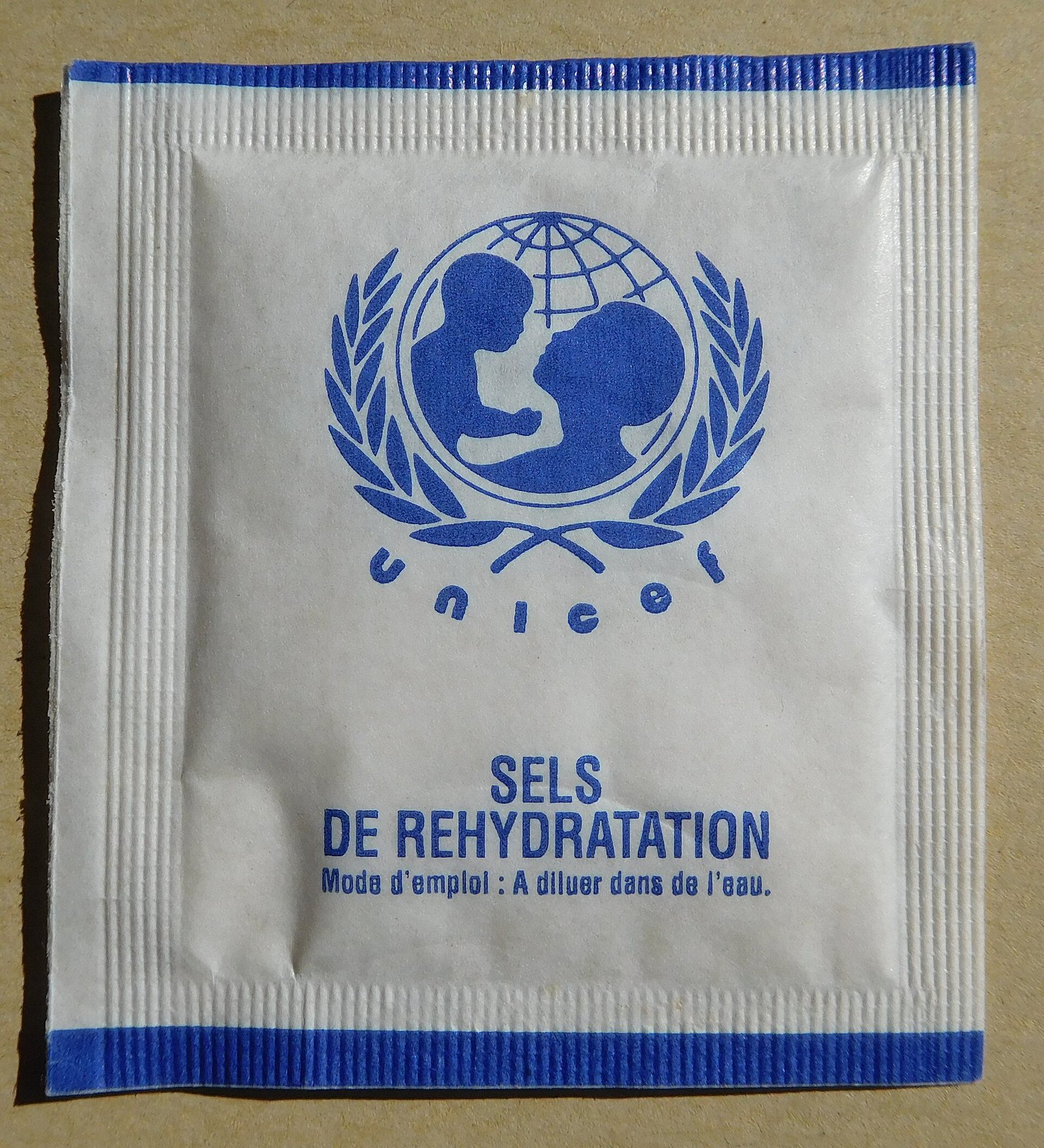
- – Doctors may use IV fluids/electrolytes and oral rehydration solutions (glucose + electrolytes).
- – Ask what to drink and what to limit—do not assume “more plain water is always better.”
Micronutrients, especially vitamin B12 (ODS + MedlinePlus)
- – ODS: people with some intestinal surgeries or disorders may not absorb enough B12; animal foods and fortified products supply B12; deficiency can cause anemia and nerve symptoms.
- – MedlinePlus notes B12-related nerve problems as a complication that can be treated with B12 injections when indicated. Do not skip prescribed B12 or other vitamin/mineral therapy because you “eat well.”
Related gut context on OTCFood
If bile-acid diarrhea, Crohn disease history, or dumping-like patterns overlap your history, read bile acid malabsorption diet guide, Crohn’s disease diet guide, and dumping syndrome diet guide as sister education—not as one-size short-bowel protocols.
Foods and habits that often worsen short bowel kitchen patterns
- – Sugary sodas and fruit juices when your team has flagged them—NIDDK: these can make dehydration worse.
- – Drinking large volumes of low-electrolyte fluids (plain water, tea, coffee) against advice when colon is absent or output is high—NIDDK notes this may worsen dehydration in some cases.
- – Skipping prescribed parenteral/enteral nutrition or self-stopping acid-reducing, antidiarrheal, or GLP-2 medicines because appetite briefly improves.
- – Megadose DIY supplement stacks without clinician clearance—NIDDK: talk with your doctor before dietary supplements or complementary practices.
- – Ignoring red-flag dehydration or rapid weight loss—these need medical care, not a new “detox.”
“Limit” means aligning drinks and portions with your individualized plan—not blaming one meal for prognosis.
Practical kitchen protocol: working with your short bowel care team
1. Keep the medical spine first
Confirm stage (acute / adaptation / maintenance), current parenteral/enteral orders, medication list, and lab monitoring schedule (electrolytes, vitamins, liver tests as ordered). Keep prescribed oral rehydration products reachable.
2. Build a shopping list from your RD sheet—not from social media
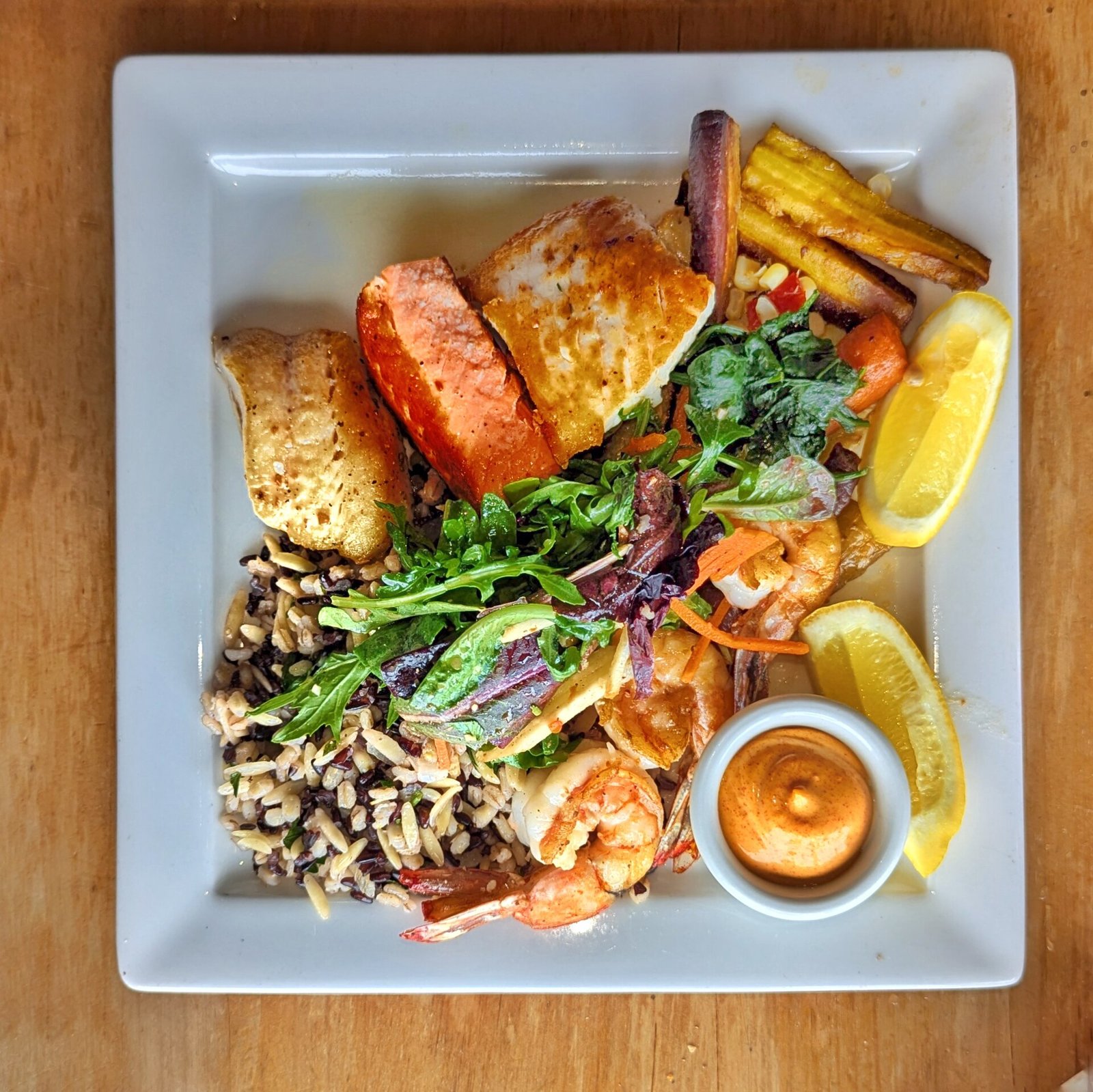
Typical building blocks when oral diet is allowed often include: oral rehydration solution as directed; soft proteins; cooked vegetables/starches your team allows; foods dense in calories if weight is low; B12-containing or fortified foods if oral B12 is part of the plan.
3. Meal timing template (illustrative only)
- – Many small meals/snacks across the day if large volumes worsen diarrhea.
- – Separate some liquids from solids if your RD suggests it for transit—only when individualized.
- – Night: follow reflux or aspiration precautions if GERD coexists (GERD diet guide).
4. Sample day (illustrative—must match clinician clearance)
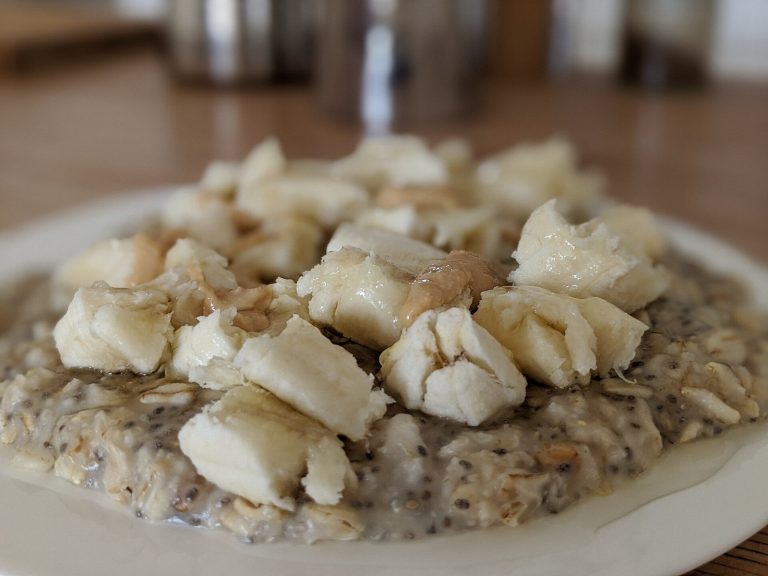
- – Breakfast: scrambled eggs, toast if allowed, oral rehydration or approved drink.
- – Mid-morning: yogurt or cheese if lactose-tolerant; otherwise RD alternative.
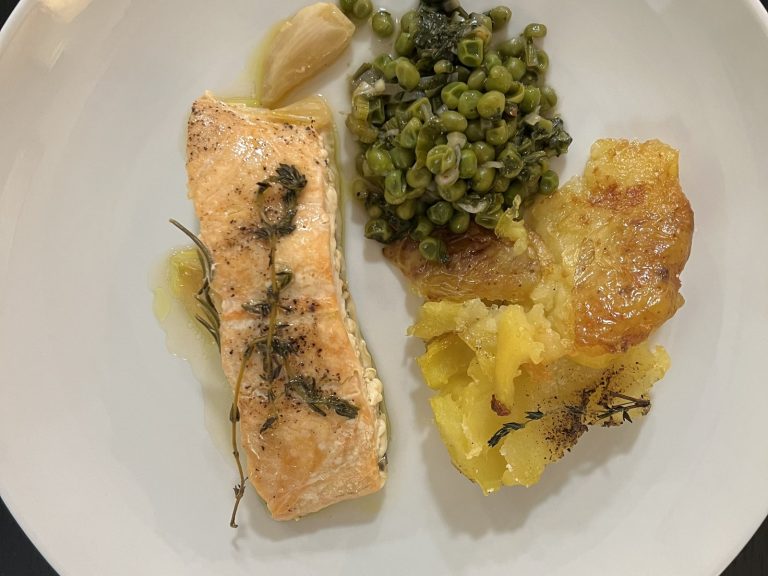
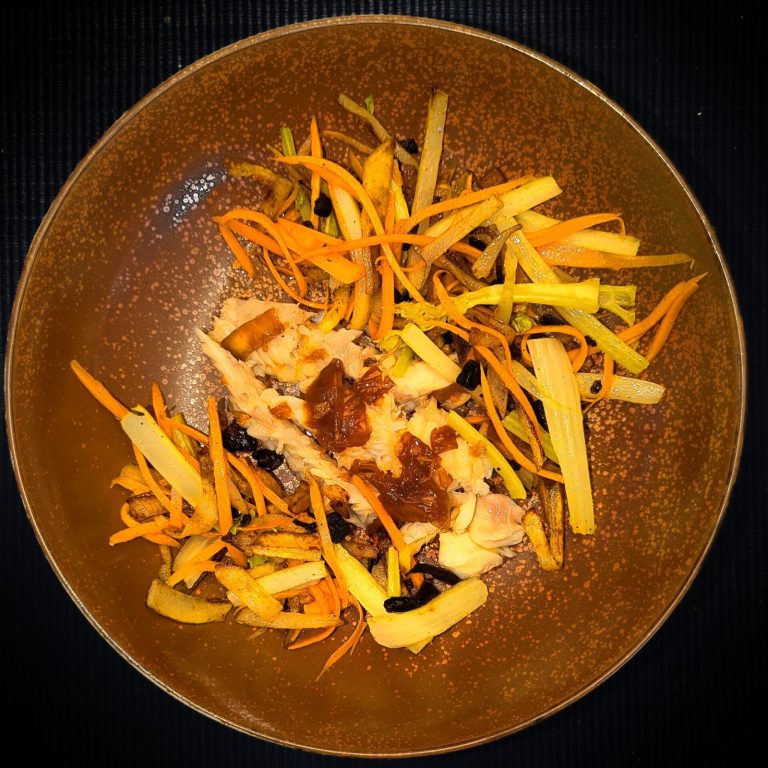
- – Lunch: tender chicken or fish, rice or potato, cooked carrots.
- – Snack: peanut butter on crackers if fat is tolerated; or RD-approved oral supplement.
- – Dinner: ground meat or tofu, noodles, soft vegetables; fluids per plan.
- – Evening: prescribed vitamins/minerals; no unapproved juice “flush.”
5. Track output and weight
NIDDK-aligned care often watches stool/ostomy output, urine, and weight. Bring a simple log to visits.
6. When Crohn disease or prior bowel surgery is the background
Nutrition support still follows short-bowel rules; inflammatory disease control is separate medical care—see Crohn’s disease diet guide.
Safety, interactions, and who should ask a clinician first
- – Infants and children with short bowel need pediatric intestinal-failure teams—this adult kitchen guide is not a pediatric protocol.
- – Severe dehydration, fainting, no urine, confusion, or inability to keep fluids down: urgent care.
- – Parenteral nutrition lines: infection risk education belongs with your infusion team; diet changes do not sterilize a catheter.
- – Kidney stones, gallstones, bone weakness, and liver disease linked to intestinal failure need specialist follow-up—MedlinePlus lists these among complications.
- – B12, iron, fat-soluble vitamins, and magnesium dosing are lab-guided—do not invent injection schedules from blogs.
- – GLP-2 analogs, acid blockers, and antidiarrheals are prescription decisions.
FAQ
Can diet reverse short bowel syndrome? No. NIDDK frames nutrition support, fluids, medicines, and sometimes surgery as treatment pillars. Remaining intestine may adapt over time, but food does not regenerate resected bowel.
Should I avoid all sugar? NIDDK specifically flags sugary sodas and fruit juices as drinks that can worsen dehydration. Carbohydrate strategy is individualized—ask your RD before extreme sugar-free diets that risk calorie collapse.
Is TPN a failure of “eating right”? No. MedlinePlus and NIDDK present parenteral nutrition as appropriate when the gut cannot absorb enough. Many people eat while receiving TPN.
Why do clinicians watch vitamin B12? ODS and MedlinePlus note absorption problems after some intestinal surgeries/diseases and neurologic risk from deficiency. Monitoring and injections when indicated are medical, not optional food experiments.
How is this different from IBS or lactose intolerance diets? Short bowel is structural/functional loss of absorptive surface. IBS and lactose pages (IBS diet guide, lactose intolerance diet guide) address different mechanisms.
How this differs from related OTCFood topics
This page is a short-bowel-bound diet guide focused on individualized nutrition support, safer hydration, micronutrient vigilance, and clinician/RD partnership. It is not a general IBS diet guide elimination plan, not a celiac disease diet guide gluten protocol, and not a claim that kitchen changes replace intestinal-failure care.
Medical disclaimer
Medical disclaimer: This article is for general information only. It is not medical advice, diagnosis, or a treatment plan. Short bowel syndrome care depends on remaining bowel anatomy, stage, parenteral/enteral needs, and complications. Talk with a clinician or registered dietitian before starting, stopping, or changing any eating plan, fluid protocol, supplement, or medicine. Seek urgent care for severe dehydration, fainting, confusion, or inability to keep fluids down.