Heavy Menstrual Bleeding Diet: Foods That May Help and Foods to Limit
Medical note: This article discusses foods and researched botanicals. It does not claim to prevent, treat, or cure disease. Supplements are not a substitute for food, and studied amounts are not personal prescriptions.
People searching “heavy menstrual bleeding diet foods that help or worsen” usually want iron-aware meals because heavy periods can drain iron stores—not a claim that food stops menorrhagia, treats a bleeding disorder, or replaces hormonal therapy, prescribed iron, or surgery when those are needed. CDC defines heavy menstrual bleeding (menorrhagia) as menstrual bleeding that is very heavy or that lasts more than 7 days, and notes that untreated heavy or prolonged bleeding can cause anemia, leaving you tired or weak. Mayo Clinic explains that iron-deficiency anemia can develop as the body uses iron stores to make more hemoglobin after blood loss, and that diet plays a role in iron-deficiency anemia, though heavy periods make the problem worse. ODS lists teen girls and women with heavy periods among groups more likely to have trouble getting enough iron. Kitchen patterns may help support iron intake; they do not stop heavy bleeding.
What this heavy menstrual bleeding diet guide covers (and what it does not)
This guide is for people with heavy menstrual bleeding who want iron-and-vitamin C food patterns while the cause of the bleeding is evaluated and treated. Anchors: CDC — About Heavy Menstrual Bleeding, Mayo Clinic — Heavy menstrual bleeding, and ODS — Iron (Consumer). The topics list also included MedlinePlus — Painful menstrual periods, which covers dysmenorrhea rather than bleeding volume; for bleeding-specific detail see MedlinePlus — Abnormal uterine bleeding, which notes a provider may prescribe iron if you have anemia.
CDC: usual menstrual bleeding lasts about 4 to 5 days and blood loss is small (2 to 3 tablespoons); women with heavy menstrual bleeding usually bleed for more than 7 days and lose twice as much blood. Related reading: iron-deficiency anemia diet guide, uterine fibroids diet guide, and PCOS diet guide.
Evidence snapshot: heavy menstrual bleeding diet claims vs public sources
| Claim people hope for | What public sources actually say | Confidence |
|---|---|---|
| “An iron-rich diet will stop heavy periods” | CDC and Mayo Clinic list many possible causes (fibroids, polyps, adenomyosis, hormone imbalance, bleeding disorders, some IUDs and medicines). Treatment is directed at the cause. Diet supports iron status; it does not stop uterine bleeding | Strong against food-as-treatment |
| “If I eat more meat or spinach I do not need medical care” | CDC: if bleeding lasts longer than 7 days or you change a pad or tampon nearly every hour, talk with a healthcare provider. Mayo Clinic: seek help if you soak a pad or tampon an hour for more than two hours in a row, bleed between periods, or bleed after menopause | Strong that diet does not replace evaluation |
| “Diet has no role at all” | Mayo Clinic: diet plays a role in iron-deficiency anemia, though heavy periods make the problem worse. ODS: iron-containing foods, and vitamin C with plant iron, can help people meet recommended intakes. CDC lists iron supplements if you show signs of anemia | Moderate that food supports iron; supplements may still be prescribed |
| “Any iron or vitamin C supplement is automatically safe in high doses” | ODS: high-dose iron can cause stomach upset; accidental overdose is a leading cause of fatal poisoning in children under 6. People with hemochromatosis should avoid iron and vitamin C supplements. Adult upper limit is 45 mg/day unless a clinician is treating deficiency | Strong caution |
| “NSAIDs are always safe to add for both cramps and bleeding” | CDC: ibuprofen may help reduce pain, cramps, and the amount of bleeding in some people, but in some women NSAIDs can increase bleeding risk | Moderate; clinician-guided only |
Foods and patterns that may help with heavy menstrual bleeding (iron support)
“May help” means supporting hemoglobin recovery if blood tests show low iron—not slowing the period itself.
Everyday patterns often recommended
- – Iron-containing foods on most days. ODS sources include lean meat, seafood, and poultry (heme iron, absorbed more readily); iron-fortified cereals and breads; lentils, spinach, kidney beans, and peas; and nuts or raisins. Adult women ages 19–50 generally need 18 mg of iron per day; teen girls 14–18 need 15 mg. Vegetarians who do not eat meat, poultry, or seafood need almost twice as much because nonheme iron is absorbed less well.
- – Vitamin C foods with plant iron. ODS: the body absorbs iron from plant sources better when you eat it with meat, poultry, seafood, or vitamin C foods such as citrus, strawberries, sweet peppers, tomatoes, and broccoli. A practical pattern is lentils or fortified cereal with orange slices, or a bean dish with peppers or tomatoes.
- – Clinician-directed iron if you are already anemic. CDC lists iron supplements among drug therapies “if you show signs of anemia.” MedlinePlus similarly notes that a provider may prescribe iron supplements if you have anemia. Food helps, but it may not keep up with ongoing heavy monthly losses until the bleeding is treated.
Pattern that supports the gynecologic plan
CDC encourages tracking dates and how heavy the flow is (for example, counting pads or tampons) before the visit. Report soaking through protection every hour for several hours, doubling up pads, bleeding more than a week, passing clots larger than a quarter, or feeling tired or short of breath (Mayo Clinic). If a routine exam has not found a cause, CDC says you should be tested for a bleeding disorder.
Foods and habits that often worsen iron status or delay needed care
- – Depending on very low-iron patterns while losses continue. If you rarely eat meat, fortified grains, or legumes and also have heavy periods, you are in a group more likely to have trouble getting enough iron (ODS).
- – Taking calcium and iron supplements at the same moment if both are prescribed. ODS: calcium might interfere with iron absorption; taking them at different times of day might prevent this problem.
- – Self-starting high-dose iron or vitamin C because you “feel tired.” Fatigue has many causes. ODS warns about iron overdose and, in hemochromatosis, harm from extra iron and vitamin C. Get a blood test first.
- – Assuming a copper IUD, anticoagulant, or family history of bleeding is a food issue. CDC and Mayo Clinic list these among important non-diet causes. A hormone-free IUD is a well-known contributor to heavy bleeding (Mayo Clinic).
- – Ignoring red-flag bleeding while you try an iron-rich menu. Soaking a pad or tampon every hour for more than two hours, bleeding after menopause, or bleeding in a possible pregnancy needs prompt care.
Practical kitchen protocol: a heavy-bleeding-aware week
1. Get the bleeding evaluated in parallel
Ask what is causing the flow and whether you need a blood count, iron studies, or clotting tests (CDC lists these among possible tests). Treatments may include iron if you are anemic, medicines that reduce bleeding, a hormonal IUD, or procedures.
2. Shopping list for iron-aware plates
Lean beef, chicken, or fish; iron-fortified cereal; lentils or kidney beans; spinach; nuts; raisins; oranges, strawberries, tomatoes, or peppers. Keep canned beans and fortified cereal handy.
3. Default plate template
- – An iron source at two meals most days, with a vitamin C food on the same plate as plant iron. If a supplement is prescribed, take it as directed and keep it locked away from children.
4. Sample day (illustrative)
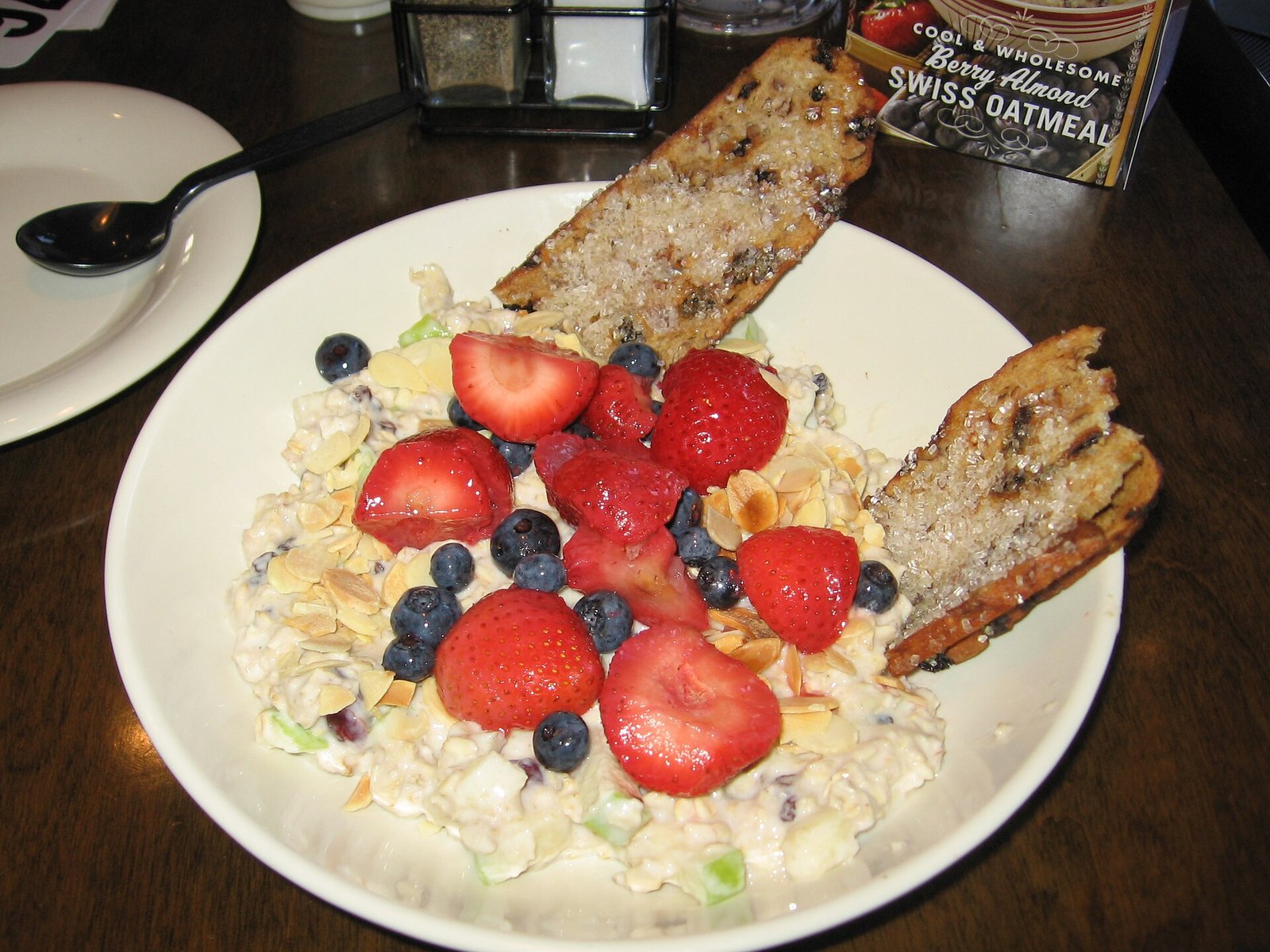
- – Breakfast: iron-fortified cereal with strawberries or an orange.
- – Lunch: lentil or bean soup with tomatoes and peppers; or a turkey or beef sandwich plus fruit.
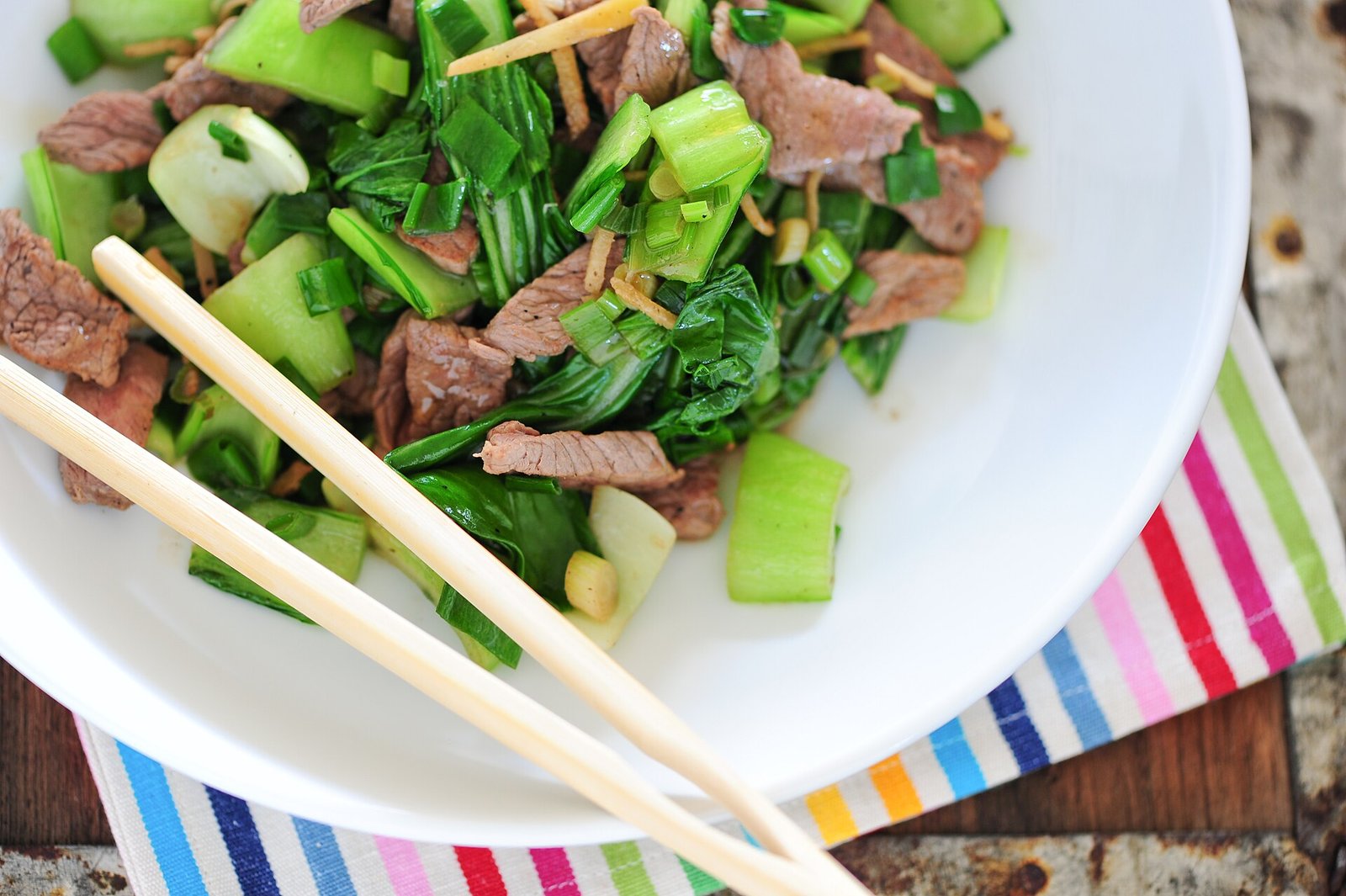
- – Dinner: lean meat, poultry, or fish with a spinach or broccoli side; or a bean-and-vegetable plate with citrus.
5. If fibroids, adenomyosis, PCOS, or cramps overlap
See uterine fibroids diet guide, PCOS diet guide, and period cramps (dysmenorrhea) diet guide. For a more detailed iron plan, see iron-deficiency anemia diet guide.
6. After bleeding treatment starts
Iron-rich eating still helps rebuild stores, but repeat blood tests—not a grocery tally—show whether anemia is improving. Continue prescribed iron only as long as your clinician recommends (ODS adult upper limit is 45 mg/day from all sources unless you are being treated for deficiency).
Safety, interactions, and who should ask a clinician first
- – Soaking a pad or tampon every hour for more than two hours, bleeding between periods, bleeding after menopause, or bleeding in pregnancy: seek medical help (Mayo Clinic, CDC).
- – Shortness of breath, chest pain, fainting, or severe weakness with heavy flow: urgent care.
- – If your gynecologist has not found a uterine cause, ask about bleeding-disorder testing (CDC), especially with a family history of heavy periods.
- – Iron supplements can reduce absorption of levodopa and levothyroxine; proton-pump inhibitors may reduce nonheme iron absorption from food (ODS).
- – Keep all iron products out of children’s reach. ODS: accidental overdose is a leading cause of fatal poisoning in children under 6.
- – People with hemochromatosis should avoid iron and vitamin C supplements unless a specialist agrees.
FAQ
Can changing my diet stop heavy periods? No. Public sources treat the cause of the bleeding separately from iron replacement. Food may help with iron intake; it does not replace medicines or procedures used to reduce flow.
How do I know if my period is actually “heavy”? CDC and Mayo Clinic describe clues such as changing a pad or tampon in less than 2 hours, soaking through every hour for several hours, doubling protection, bleeding more than 7 days, or passing clots the size of a quarter or larger.
If I eat iron-rich foods, do I still need a pill? Maybe. CDC includes iron supplements when you show signs of anemia. That depends on blood tests and how heavy the ongoing losses are.
Should I take vitamin C with every iron-containing meal? ODS says vitamin C foods help the body absorb nonheme (plant) iron. That is a food-pairing tip, not a requirement for high-dose vitamin C tablets.
When should I see a doctor? If you meet the heavy-bleeding signs above, feel persistently tired or short of breath, bleed between periods or after menopause, or your flow suddenly changes.
How this differs from related OTCFood topics
This page is a heavy-menstrual-bleeding-bound diet guide focused on iron-rich foods, vitamin C pairing for plant iron, and the clear limit that diet does not stop uterine bleeding. It is not a complete iron-deficiency anemia protocol, a fibroids treatment plan, or a substitute for a pelvic exam, blood count, or recommended procedures.
Medical disclaimer
Medical disclaimer: This article is for general information only. It is not medical advice, diagnosis, or a treatment plan. Heavy menstrual bleeding care depends on the cause, anemia severity, clotting history, medicines, pregnancy status, and your clinician’s judgment. Talk with a clinician before changing an eating plan or supplement. Seek urgent care for soaking through a pad or tampon every hour for more than two hours, fainting, severe shortness of breath, bleeding in pregnancy, or bleeding after menopause.