Bile Acid Malabsorption Diet: Foods That May Help and Foods to Limit
Medical note: This article discusses foods and researched botanicals. It does not claim to prevent, treat, or cure disease. Supplements are not a substitute for food, and studied amounts are not personal prescriptions.
People searching “bile acid malabsorption diet foods that help or worsen” usually want kitchen patterns that may calm watery, urgent stools—not a claim that food fixes bile acid recycling the way clinician diagnosis and bile acid sequestrants can. Cleveland Clinic describes bile acid malabsorption (BAM) as a gastrointestinal problem in which bile acids that are not properly absorbed in the small intestine pass into the colon and trigger chronic watery diarrhea. Excess bile acids irritate the colon lining, prompting extra fluid secretion and faster transit. NIDDK’s diarrhea pages emphasize fluids, electrolyte replacement when needed, and individualized food triggers for chronic diarrhea. NIDDK also notes bile acid malabsorption among factors researchers study in microscopic colitis.
What this bile acid malabsorption diet guide covers (and what it does not)
This guide is for adults exploring BAM-related diarrhea comfort patterns while they work with gastroenterology care. Anchors: Cleveland Clinic — Bile Acid Malabsorption, NIDDK — Diarrhea, and NIDDK — Diarrhea Eating, Diet, & Nutrition.
BAM can follow ileal disease or resection, Crohn’s disease, gallbladder removal, radiation, certain infections, exocrine pancreatic insufficiency, metformin use, or occur as idiopathic/primary overproduction patterns. Kitchen changes do not replace sequestrants (such as cholestyramine or colestipol when prescribed), antidiarrheals your clinician advises, or evaluation for other causes of chronic diarrhea. This page is not a full diet after gallbladder removal guide recovery protocol or a Crohn’s disease diet guide IBD plan—those contexts overlap but are not identical.
Evidence snapshot: BAM diet claims vs public sources
| Claim people hope for | What public sources actually say | Confidence |
|---|---|---|
| “A low-fat diet cures BAM” | Cleveland Clinic: providers recommend a low-fat diet to help manage BAM because dietary fat stimulates bile delivery; medicines (bile acid sequestrants) are first-line therapy | Moderate for symptom support; not a cure |
| “Food replaces bile acid binders” | Cleveland Clinic: sequestrants are first-line treatment; diet is adjunct living-with advice | Strong: meds when prescribed |
| “Any diarrhea is BAM until proven otherwise” | Cleveland Clinic notes BAM is underdiagnosed and guidelines support screening unexplained chronic diarrhea—but diagnosis needs clinician testing or supervised treatment trials | Strong: do not self-diagnose |
| “High-fat fast food never matters” | NIDDK diarrhea nutrition: high-fat foods (fried foods, pizza, fast food) can worsen diarrhea; Cleveland Clinic links more dietary fat with more bile delivery | Strong for symptom worsening risk |
| “Fat-soluble vitamin issues are a myth” | Cleveland Clinic: severe BAM can lead to fat and vitamins A, D, E, K malabsorption; type 1 BAM may accompany B12 issues related to ileal dysfunction | Strong: monitor with clinicians |
Foods and patterns that may help with BAM day-to-day comfort
“May help” means supporting hydration and reducing fat-triggered bile dumps for some people—not erasing the need for diagnosis and medicines.
Fluids first (NIDDK diarrhea framing)
- – Diarrhea risks dehydration and malabsorption complications—NIDDK lists these clearly.
- – Drink fluids regularly; ask about oral rehydration if stools are frequent and watery.
- – Return to a normal diet when appetite returns after acute spells; for chronic BAM, tailor with your clinician rather than indefinite fasting.
Lower-fat cooking patterns clinicians often recommend for BAM
- – Cleveland Clinic: more fat in the small intestine signals the liver to deliver more bile, which can send more bile acids into the colon—hence a low-fat dietary pattern is commonly recommended to help manage symptoms.
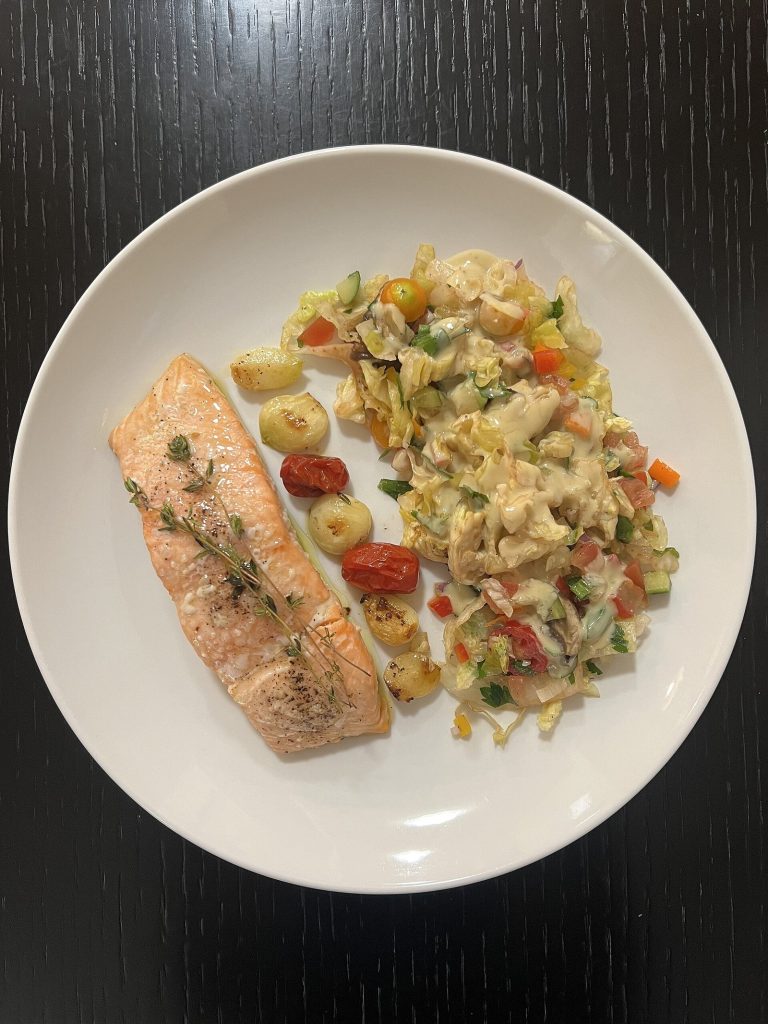
- – Prefer grilling, baking, steaming, poaching, or air-frying over deep frying.
- – Choose lean poultry, fish, beans, lentils, egg whites or whole eggs in moderated portions, and lower-fat dairy if tolerated.
- – Use oil sprays or measured teaspoons of oil instead of pouring freely; trim visible fat and remove poultry skin when aiming lower fat.
- – Do not invent a personal gram target from blogs—ask a registered dietitian for a plan that protects calories and fat-soluble vitamins.
Gentle meal structure
- – Smaller, more frequent meals may reduce large fat boluses.
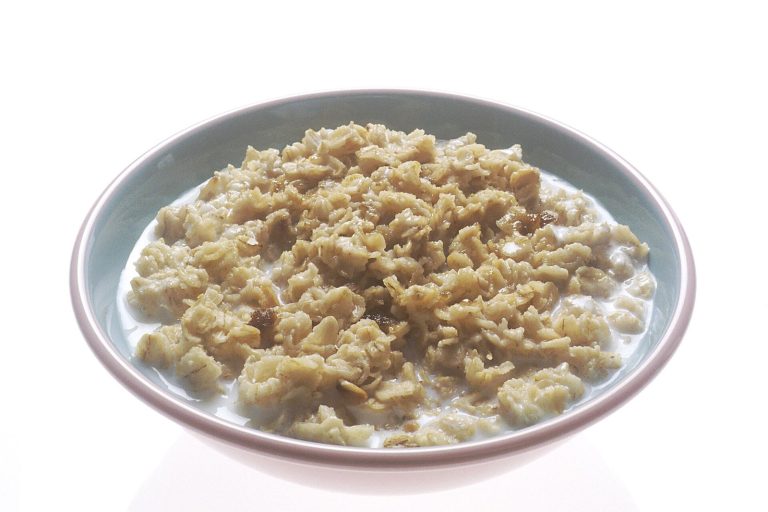
- – Soft starches (rice, potatoes, oats) plus cooked vegetables often sit better during urgency weeks.
- – If you also have IBS-labeled diarrhea that might actually be BAM, discuss testing rather than only cycling through IBS diet guide elimination diets forever.
Nutrition insurance while limiting fat
- – Prioritize adequate protein and overall calories so “low fat” does not become unintentional weight loss.
- – Discuss vitamins A, D, E, K and B12 with your clinician—especially if you take sequestrants, which Cleveland Clinic notes can bind fat-soluble vitamins.
- – After gallbladder surgery contexts, pair this page with diet after gallbladder removal guide and gallstones diet guide without assuming every post-cholecystectomy stool change is BAM.
Foods and habits that often worsen BAM kitchen patterns
- – Large high-fat meals—fried foods, creamy sauces, pastry, fatty processed meats, and fast-food platters that dump fat and bile together.
- – Alcohol and heavy caffeine—NIDDK lists alcoholic beverages and caffeinated drinks among items that can worsen diarrhea.
- – Large simple-sugar beverages and sugar-alcohol “diet” candies—NIDDK flags large amounts of fructose/lactose and sugar alcohols as diarrhea aggravators for many people.
- – Skipping sequestrant timing advice—these binders can interfere with other medicines and nutrients; follow pharmacist spacing rules.
- – Self-stopping metformin or Crohn’s therapy—type 4 BAM can relate to metformin; ileal Crohn’s needs disease control—medication changes belong to clinicians.
- – Assuming EPI is “just BAM”—overlapping fat maldigestion needs its own workup; see EPI diet guide.
“Limit” means reducing fat-heavy triggers that often worsen bile acid diarrhea—not fear of every gram of olive oil forever without professional guidance.
Practical kitchen protocol: a BAM diet week
1. Keep the medical spine first
Ask about BAM screening if you have unexplained chronic watery diarrhea. Clarify whether sequestrants, antidiarrheals, or further tests (where available) are planned. Review surgical history (ileum, gallbladder) and medicines such as metformin.
2. Shopping list for lower-fat, diarrhea-aware kitchens
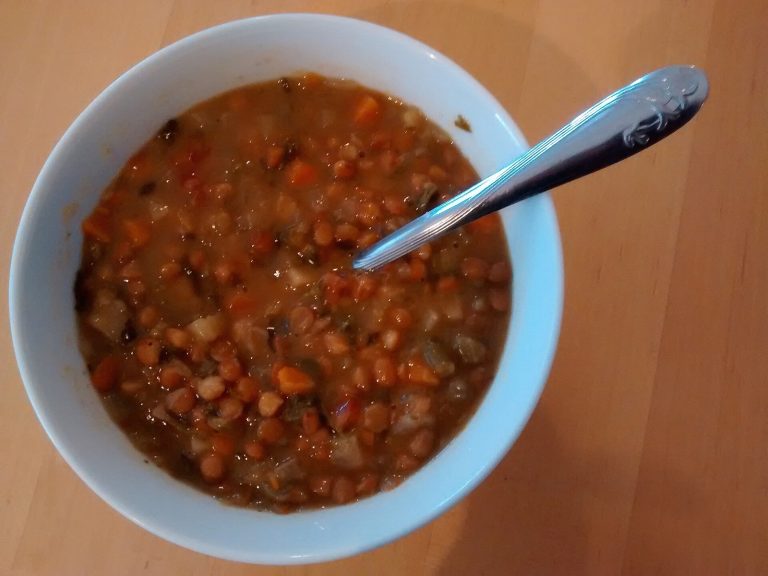
Lean chicken and turkey; white fish; beans and lentils; oats and rice; potatoes; vegetables for steaming; fruit; low-fat or lactose-free dairy if appropriate; broth-based soups; oil in a spray bottle; water and clinician-approved rehydration fluids.
3. Default plate template
- – Half vegetables and fruit
- – Quarter starch
- – Quarter lean protein
- – Keep added fats measured; avoid “hidden” cream soups as defaults
4. Sample day (illustrative)
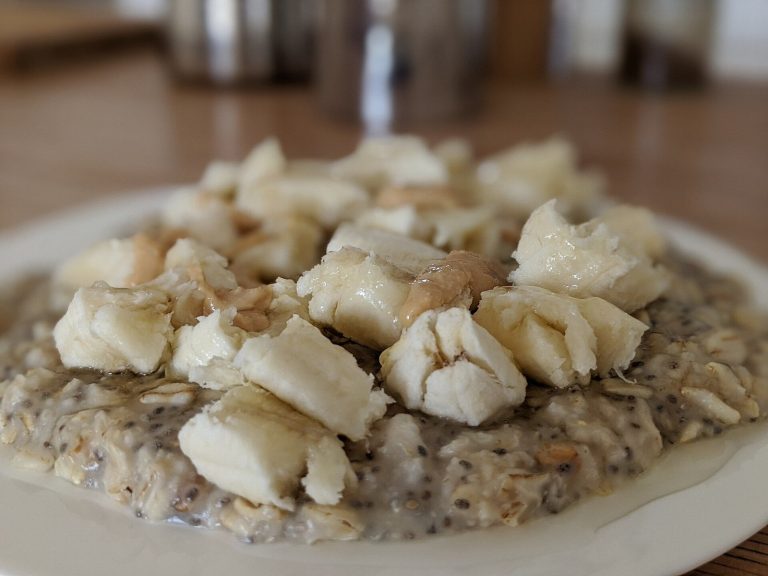
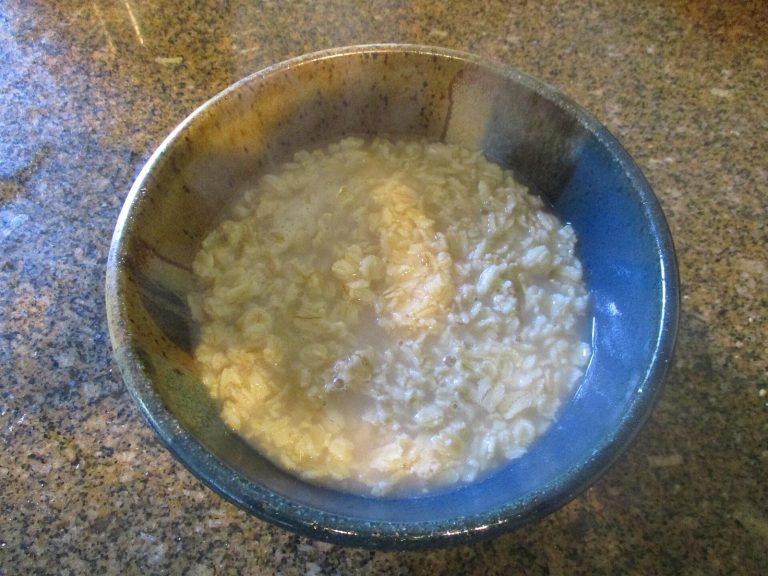
- – Breakfast: oatmeal with berries; skim or low-fat milk if tolerated; water.
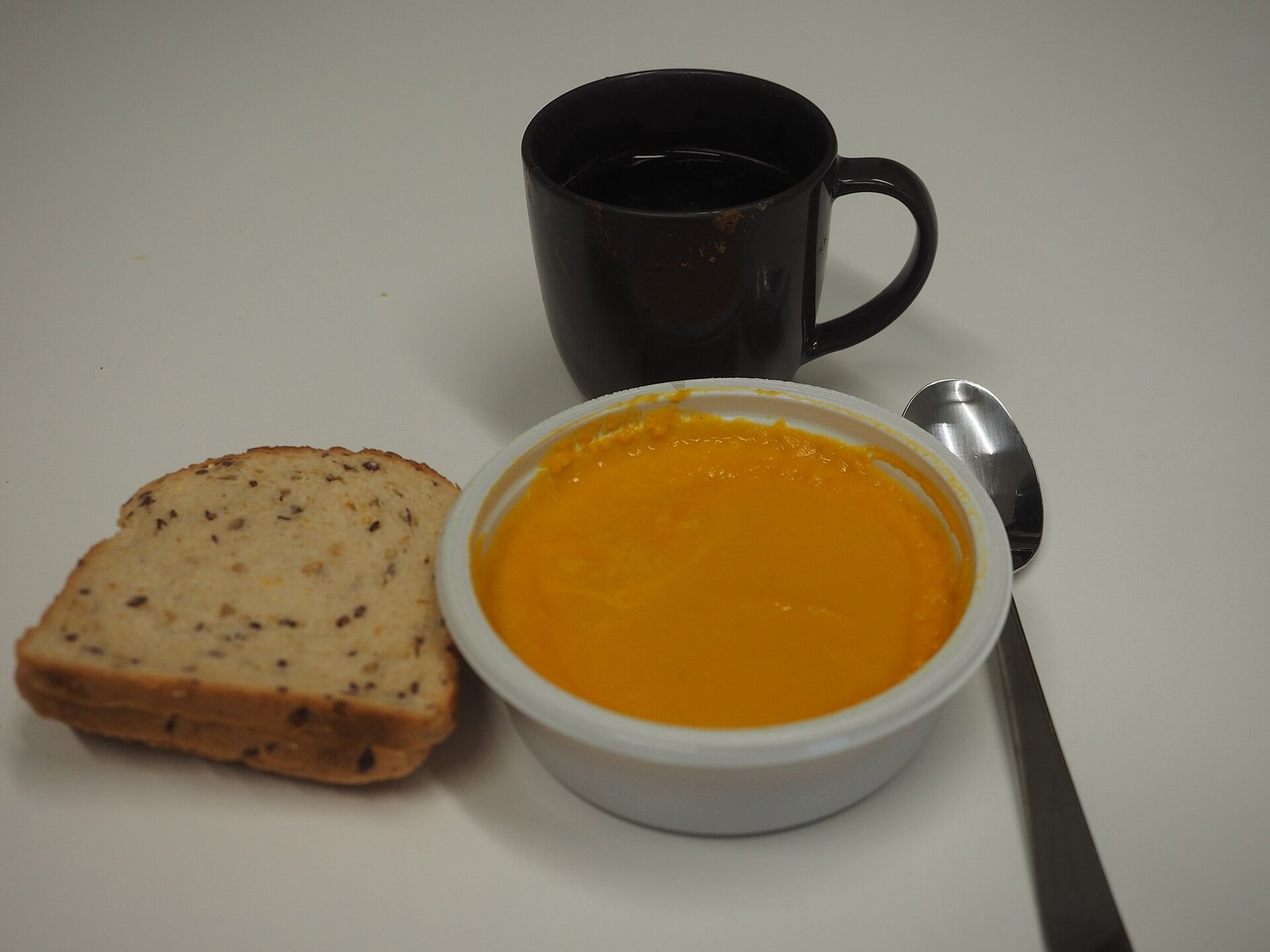
- – Lunch: turkey and vegetable soup (broth-based); rice cakes or bread without heavy spreads.
- – Snack: nonfat yogurt or cottage cheese if tolerated; apple.
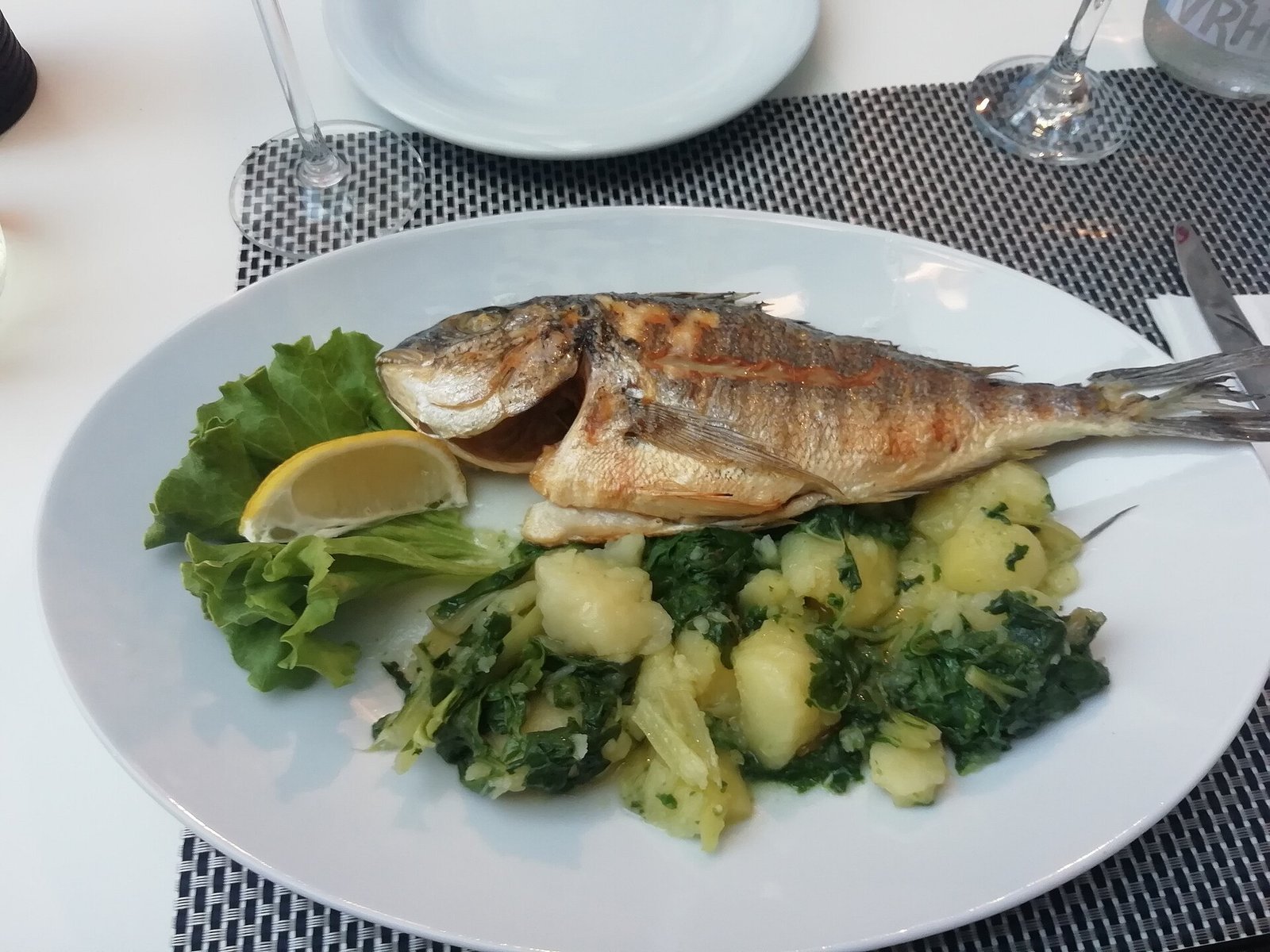
- – Dinner: baked cod, boiled potatoes, green beans cooked without butter baths.
- – Night: herbal tea; skip late fried takeout.
5. Eating out
Choose grilled items; ask for sauces on the side; skip pastry crusts and cream pasta. Travel with safe snacks so hunger does not push you into the greasiest option.
6. Related OTCFood contexts
Post-gallbladder patterns: diet after gallbladder removal guide. Crohn’s ileitis contexts: Crohn’s disease diet guide. Dumping-style urgency after other GI surgeries is a different mechanism—see dumping syndrome diet guide.
Safety, interactions, and who should ask a clinician first
- – Black stools, bloody diarrhea, high fever, severe abdominal pain, fainting, or signs of severe dehydration need urgent care.
- – Sequestrants can cause constipation, bloating, nausea, and nutrient binding—report side effects rather than abandoning therapy silently.
- – People with short-bowel anatomy, active IBD, pancreatic disease, or prior radiation need individualized dietitian support.
- – Do not start extreme very-low-fat diets that collapse calorie intake without monitoring weight and vitamins.
- – Pregnancy, older age, and polypharmacy raise the stakes for unsupervised binder use.
FAQ
Does a low-fat diet replace cholestyramine? No. Cleveland Clinic lists bile acid sequestrants as first-line treatment; lower-fat eating is supportive for many people.
Why does fatty food trigger symptoms? Dietary fat stimulates bile delivery. More bile acids reaching the colon can worsen watery stools when absorption is impaired.
Can BAM cause vitamin problems? Yes. Cleveland Clinic notes possible fat-soluble vitamin malabsorption and, with ileal dysfunction, possible B12 issues—lab monitoring belongs with your clinician.
Is BAM the same as IBS? No, but Cleveland Clinic notes BAM may be missed in people labeled with functional diarrhea or IBS. Ask about screening rather than assuming another elimination diet will solve everything.
Should I cut fat to zero? No. The goal is a clinician- or dietitian-guided lower-fat pattern that still meets nutrition needs—not starvation-level fat avoidance.
How this differs from related OTCFood topics
This page is a bile-acid-malabsorption-bound diet guide focused on lower-fat symptom support, NIDDK diarrhea nutrition cautions, hydration, and adherence to sequestrant therapy. It is not a gallstone prevention plan, not Crohn’s remission nutrition by itself, and not permission to self-diagnose chronic diarrhea.
Medical disclaimer
Medical disclaimer: This article is for general information only. It is not medical advice, diagnosis, or a treatment plan. BAM evaluation and treatment depend on cause, test availability, medicines, surgery history, and nutritional status. Talk with a clinician or registered dietitian before starting, stopping, or changing any eating plan, supplement, or medicine. Seek urgent care for severe dehydration, bloody stools, high fever, or severe abdominal pain.