Mononucleosis Recovery Diet: Foods That May Help and Foods to Limit
Medical note: This article discusses foods and researched botanicals. It does not claim to prevent, treat, or cure disease. Supplements are not a substitute for food, and studied amounts are not personal prescriptions.
People searching “mononucleosis recovery diet foods that help or worsen” usually want ways to stay hydrated and eat through sore throat and fatigue—not a claim that food clears Epstein-Barr virus (EBV). MedlinePlus describes infectious mononucleosis (mono) as a contagious illness most often caused by EBV. It is common in teens and young adults. CDC notes EBV spreads through bodily fluids, primarily saliva, and that people with symptoms usually improve in 2 to 4 weeks, though fatigue can last weeks or even months. There is no vaccine against EBV. Care focuses on fluids, rest, and over-the-counter medicines for pain and fever—not antiviral kitchen cures.
What this mononucleosis recovery diet guide covers (and what it does not)
This guide is for adolescents and adults recovering from clinically diagnosed mono who want practical eating patterns while they follow clinician advice. Anchors: MedlinePlus — Infectious Mononucleosis and CDC — About Epstein-Barr Virus.
MedlinePlus lists extreme fatigue, fever, sore throat, head/body aches, swollen lymph nodes, rash, and sometimes swollen liver or spleen among possible symptoms. Kitchen changes do not replace rest, hydration, or evaluation for complications (breathing trouble from severe throat swelling, abdominal pain after trauma with an enlarged spleen, jaundice, or lasting unexplained illness). Do not share food, drinks, utensils, or lip balm while contagious—MedlinePlus and CDC both stress saliva-related spread.
Evidence snapshot: mono diet claims vs public sources
| Claim people hope for | What public sources actually say | Confidence |
|---|---|---|
| “A mono diet kills EBV” | CDC/MedlinePlus: no vaccine; supportive care is fluids, rest, symptom medicines—not culinary antivirals | Strong: food is supportive |
| “Drink fluids to avoid dehydration” | MedlinePlus and CDC list drinking fluids to stay hydrated among supportive measures | Strong for comfort/safety support |
| “Avoid contact sports because of diet failure” | Enlarged spleen risk is a clinical activity restriction issue, not a nutrition failure | Strong: follow clinician sports clearance |
| “Antibiotics cure mono” | Mono is viral (usually EBV); antibiotics are not the primary therapy unless another bacterial diagnosis exists | Strong |
| “If fatigue lasts months, you need an extreme cleanse” | CDC: fatigue can last weeks or months; that is recognized convalescence, not proof you need detox protocols | Strong against extreme cleanses as “treatment” |
Foods and patterns that may help during mono recovery
“May help” means easier calories and hydration while the throat is sore and energy is low—not erasing EBV.
Fluids and rest-compatible nutrition (MedlinePlus / CDC)
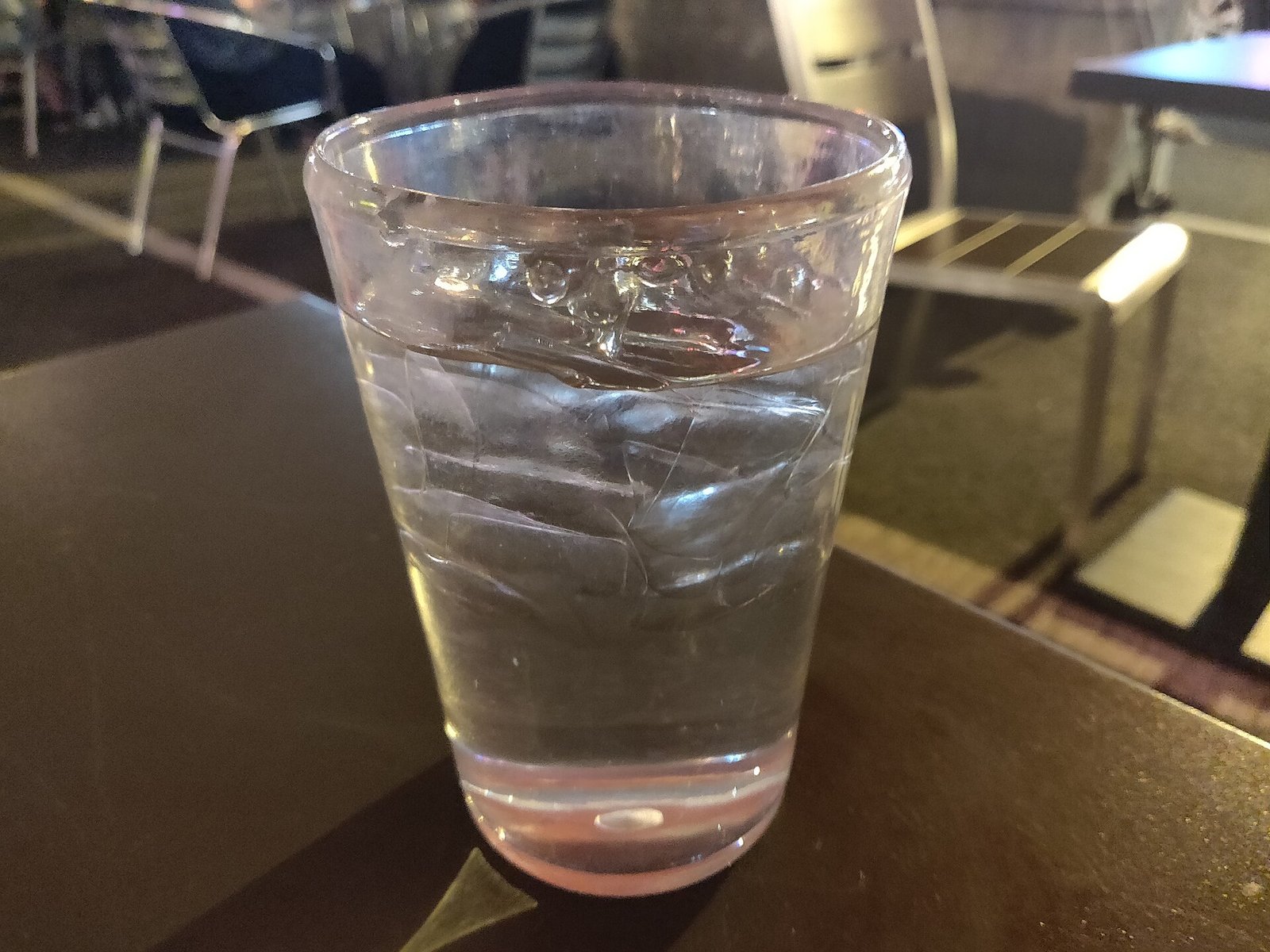
- – Drink plenty of fluids to avoid dehydration—both MedlinePlus and CDC list this explicitly.
- – Prefer water, oral rehydration if advised, broths, and cool or room-temperature drinks if hot liquids irritate a raw throat.
- – Keep alcohol off the plan while recovering, especially if liver enzymes are abnormal or your clinician has flagged liver involvement.
Soft, high-enough-calorie meals for sore throat days
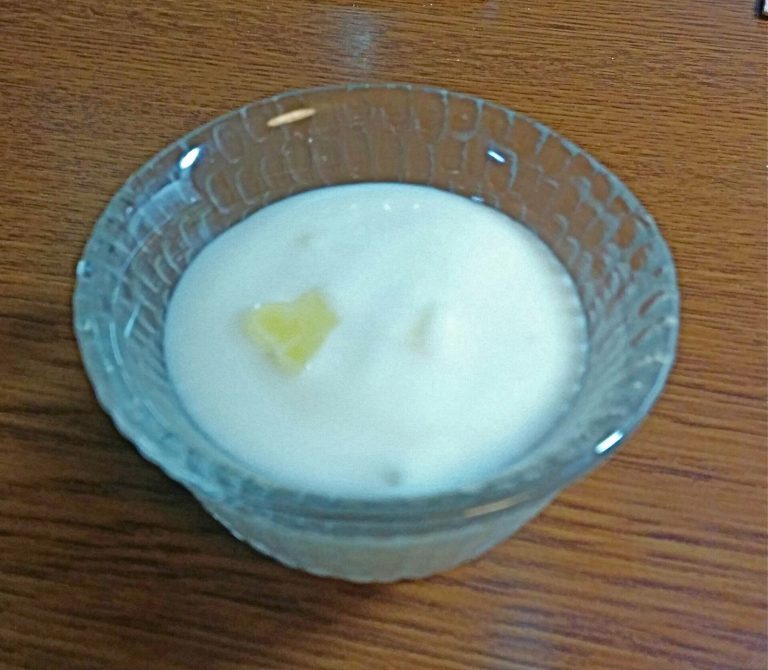
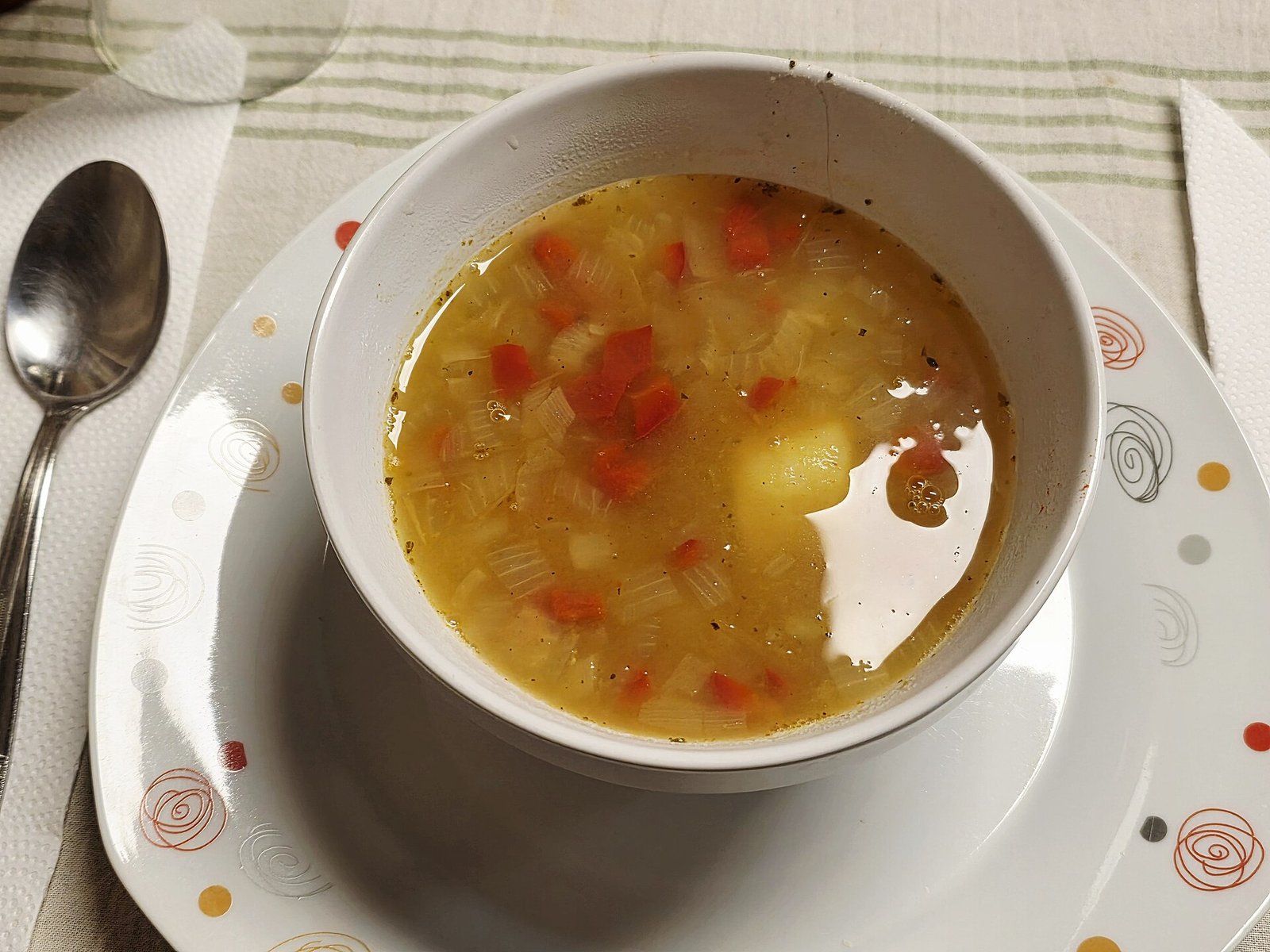
- – Smoothies (without sharing the blender cup with others), yogurt, milkshakes if tolerated, scrambled eggs, oatmeal, mashed potatoes, soups, soft pasta, ripe bananas, applesauce, and cottage cheese are often easier than crusty bread or sharp chips.
- – Protein at each eating occasion (eggs, yogurt, soft fish, tofu, lentils if tolerated) supports general convalescence without claiming to “boost immunity” as a cure phrase.
When the spleen or liver is enlarged
- – Follow your clinician’s activity limits (often including contact sports). Kitchen work should avoid heavy lifting if advised.
- – Choose nutrient-dense soft meals rather than “liver detox” supplements—MedlinePlus notes swollen liver/spleen can occur; supplements are not a substitute for monitoring.
Gradual return of appetite
- – Small, frequent meals beat three huge plates when fatigue is profound.
- – Pair kitchen pacing with sleep-protective habits; see chronic fatigue syndrome diet guide only as general fatigue-kitchen context if lingering exhaustion is being evaluated—mono convalescence is not automatically ME/CFS.
Foods and habits that often worsen mono recovery patterns
- – Sharing cups, utensils, drinks, or food while contagious (MedlinePlus/CDC).
- – Alcohol during active illness or when liver involvement is possible.
- – Crash fasting, juice-only “EBV protocols,” or high-dose unproven supplements instead of rest and fluids.
- – Returning to contact sports before clinical clearance because you “feel fine after a big meal.”
- – Ignoring breathing difficulty, severe abdominal pain, dehydration, or inability to swallow fluids—those need urgent care.
Practical kitchen protocol: a mono recovery week
1. Keep the medical spine first
Confirm diagnosis and red-flag instructions. Use fever/pain medicines as labeled or prescribed. Ask specifically about sports, alcohol, and return-to-school/work timing.
2. Shopping list
Water bottles labeled for personal use only; broths; yogurt; eggs; oatmeal; bananas; soft bread; soups; oral rehydration if advised; easy proteins; ice pops for sore throat if sugar fits your plan.
3. Default plate template
- – Soft fruit/vegetables as tolerated
- – Easy starch
- – Soft protein
- – Personal water glass—never shared
4. Sample day (illustrative)
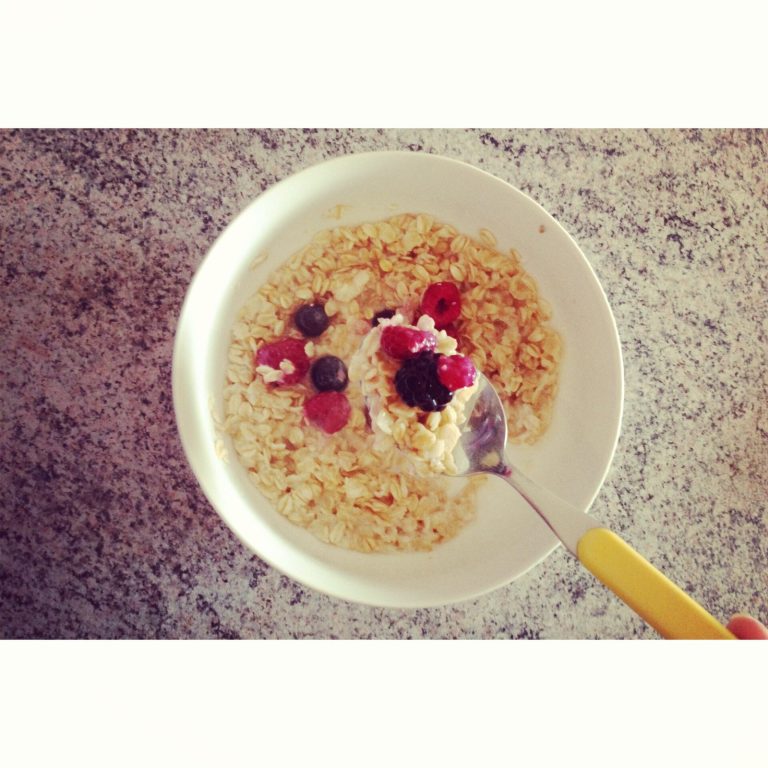
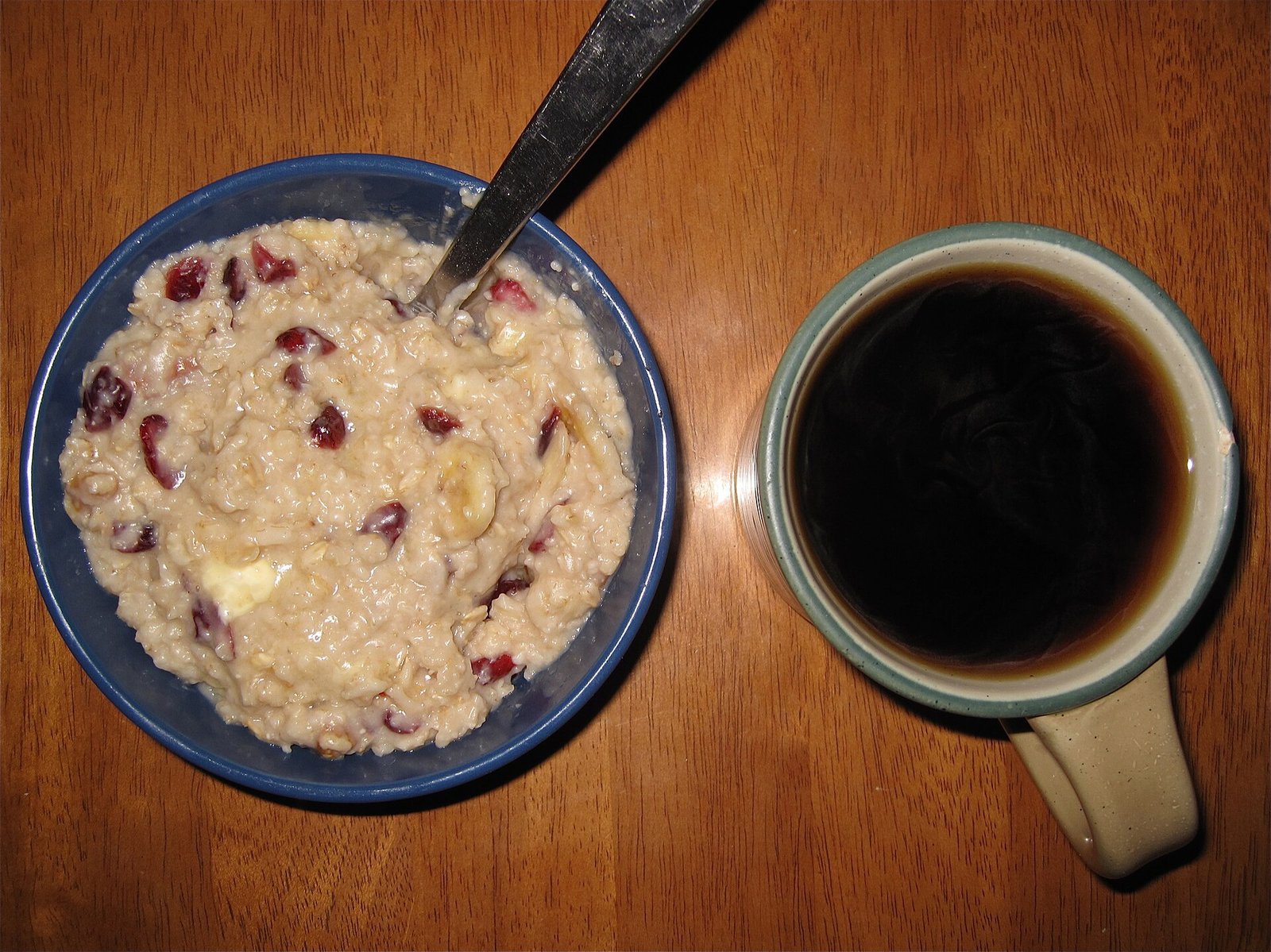
- – Breakfast: oatmeal with banana; water.
- – Lunch: blended or smooth soup; yogurt; water.
- – Snack: smoothie in your own cup; rest.
- – Dinner: scrambled eggs, mashed potato, cooked carrots; water.
- – Night: fluids within reach; no shared drinks at social events.
5. Household contagion habits
Do not kiss or share personal items while contagious per CDC/MedlinePlus guidance. Wash utensils separately in practice if that helps your household stick to the rule.
6. When throat pain limits calories
Ask about pain control and when to seek care for dehydration. Temporary very soft textures are a bridge—not a lifelong dysphagia diet; for true swallowing disorders see chronic gastritis diet guide after clinical evaluation.
Safety, interactions, and who should ask a clinician first
- – Abdominal trauma risk with splenomegaly: follow activity restrictions strictly.
- – Jaundice, severe abdominal pain, chest pain, or trouble breathing: urgent evaluation.
- – Pregnancy, immunocompromise, or overlapping chronic illness: individualized plans.
- – Ampicillin/amoxicillin rashes can occur in EBV illness in some contexts—medication choices belong with the clinician, not a food blog.
- – Do not start “immune” megadoses that risk liver stress while recovering from a virus that can involve the liver.
FAQ
Can a mono diet shorten EBV illness to a few days? No. CDC notes typical symptomatic improvement over 2–4 weeks with possible longer fatigue. Fluids and rest support comfort.
Why can’t I share drinks even if I feel better? CDC: you can spread EBV for weeks, even before symptoms; saliva spread includes sharing drinks and utensils.
Do I need a low-fat “liver cleanse”? Not as a standard mono cure. If your clinician documents liver involvement, follow their diet and medicine advice—not unverified cleanse kits.
When can I drink alcohol again? Ask your clinician, especially if liver tests were abnormal. Alcohol is a poor match for convalescence and liver stress.
Is lingering fatigue proof I need an elimination diet? Not by itself. CDC recognizes prolonged fatigue after mono. Persistent or disabling fatigue deserves clinical follow-up rather than endless DIY restriction.
How this differs from related OTCFood topics
This page is a mono-recovery-bound diet guide focused on hydration, soft calories, and non-sharing habits aligned with MedlinePlus/CDC. It is not an EBV “protocol” claiming viral eradication, not a chronic fatigue syndrome diet guide ME/CFS clinic page, and not a substitute for spleen-safe activity clearance.
Medical disclaimer
Medical disclaimer: This article is for general information only. It is not medical advice, diagnosis, or a treatment plan. Mononucleosis care depends on severity, complications, and other conditions. Talk with a clinician or registered dietitian before starting, stopping, or changing any eating plan, supplement, or medicine. Seek urgent care for breathing trouble, severe abdominal pain, dehydration, fainting, or confusion.