Acute Bronchitis Diet: Foods That May Help and Foods to Limit
Medical note: This article discusses foods and researched botanicals. It does not claim to prevent, treat, or cure disease. Supplements are not a substitute for food, and studied amounts are not personal prescriptions.
People searching “acute bronchitis diet foods that help or worsen” usually want kitchen habits that support comfort while a chest cold runs its course—not a claim that food clears bronchial inflammation the way rest, fluids, and clinician-guided care can. MedlinePlus describes acute bronchitis (also called a chest cold) as inflammation of the bronchial tubes that carry air to the lungs. It often causes a cough that brings up mucus, plus shortness of breath, wheezing, low fever, or chest tightness. Most cases improve within several days, though the cough can linger for weeks after the infection is gone. The same viruses that cause colds and flu often cause acute bronchitis; bacteria cause it less often. Tobacco smoke, air pollution, dust, vapors, and fumes can also contribute.
What this acute bronchitis diet guide covers (and what it does not)
This guide is for adults recovering from an uncomplicated acute bronchitis episode who want practical eating and drinking patterns while they follow primary-care advice. Anchors: MedlinePlus — Acute Bronchitis and NHLBI — Bronchitis.
MedlinePlus notes that treatments include rest, fluids, and fever reducers such as aspirin (adults) or acetaminophen; a humidifier or steam can help; inhaled medicine may be needed if you are wheezing. Antibiotics will not help if the cause is viral. Kitchen changes do not replace clinician evaluation when breathing worsens, high fever persists, or symptoms suggest pneumonia or another diagnosis. This page is not a chronic bronchitis or COPD protocol—see also chronic bronchitis diet guide for longer-term airway patterns.
Evidence snapshot: acute bronchitis diet claims vs public sources
| Claim people hope for | What public sources actually say | Confidence |
|---|---|---|
| “A special diet cures acute bronchitis” | MedlinePlus and NHLBI focus on rest, fluids, symptom care, and treating the cause—not culinary cures | Strong: food is supportive only |
| “Antibiotics are needed for every chest cold” | MedlinePlus: antibiotics won’t help viral causes; most acute bronchitis is viral | Strong: antibiotics only when indicated |
| “Hot tea or honey replaces medical care” | NHLBI lists hot tea or water with honey and lozenges among possible comfort measures for cough/mucus symptoms | Moderate for comfort; not disease-modifying |
| “Avoiding dairy stops mucus forever” | Public NIH pages emphasize fluids and rest; they do not present dairy elimination as standard acute-bronchitis therapy | Low for cure claims; personal tolerance varies |
| “If the cough lasts weeks, diet failed” | MedlinePlus: cough can last weeks after the infection is gone | Strong: lingering cough alone is common |
Foods and patterns that may help with acute bronchitis day-to-day comfort
“May help” means supporting hydration, easier swallowing with a sore throat, and energy while you rest—not a promise to end bronchial inflammation.
Fluids first (MedlinePlus / NHLBI)
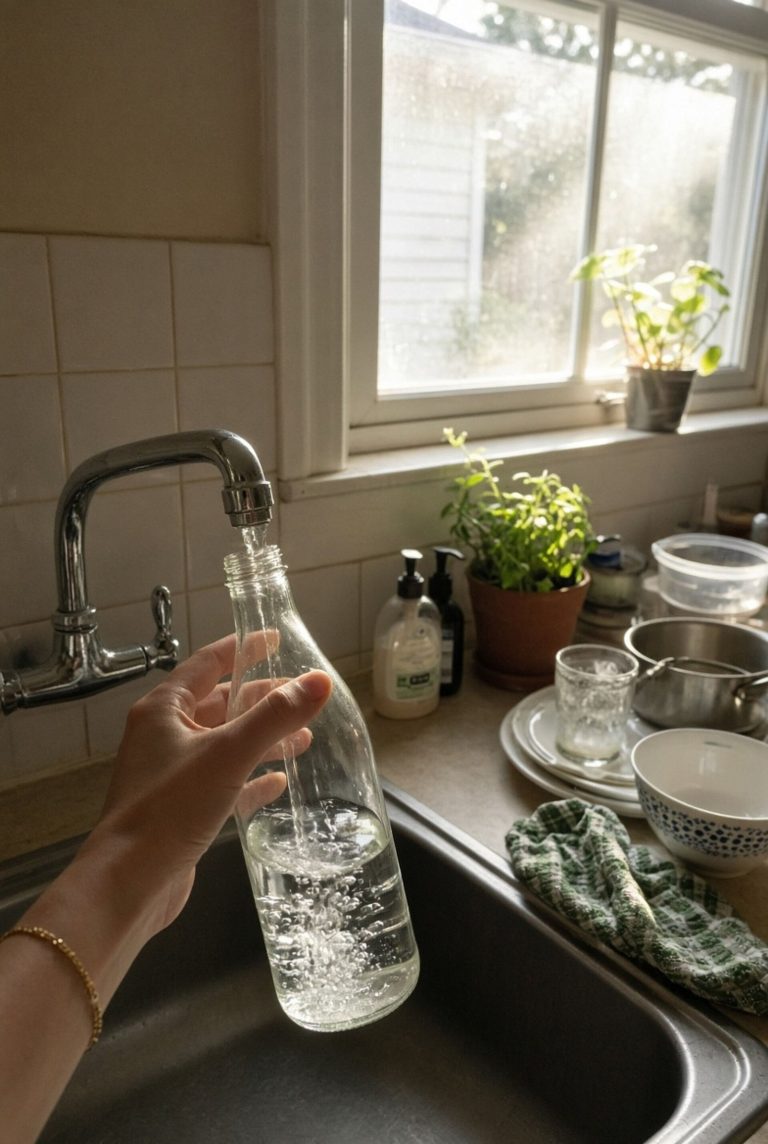
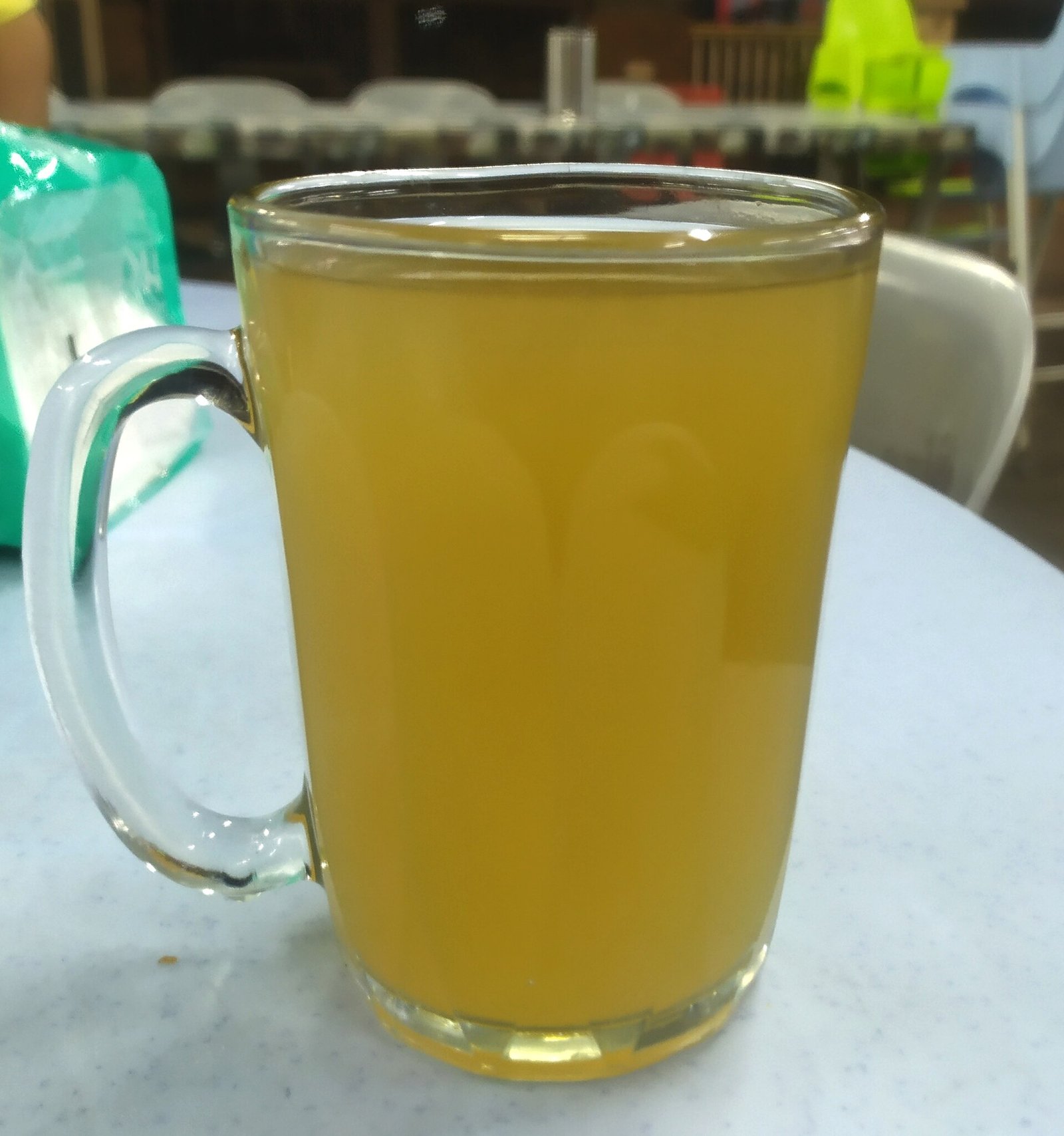
- – Drink fluids regularly—MedlinePlus lists fluids among core supportive treatments; NHLBI similarly encourages hydration and notes hot tea or water with honey as possible comfort options for cough symptoms.
- – Prefer water, warm non-alcoholic drinks, and broths if they feel soothing; keep caffeine and alcohol moderate so they do not undermine rest or fluid balance.
- – Use a humidifier or steam as NHLBI/MedlinePlus suggest for comfort—kitchen steam from a warm shower or bowl is optional comfort, not a substitute for medical care when breathing is hard.
Soft, easy-to-swallow meals when the throat or cough is raw
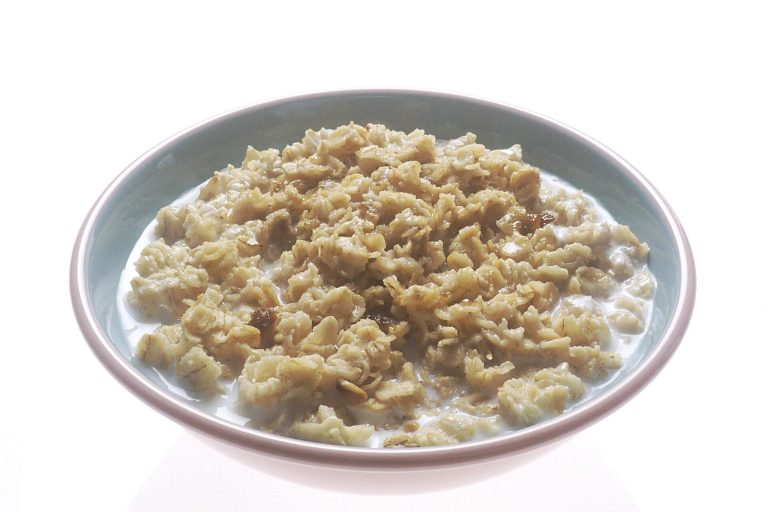
- – Warm soups, oatmeal, yogurt, scrambled eggs, mashed potatoes, ripe bananas, and stewed fruit are often easier than dry crackers or sharp chips when coughing makes swallowing uncomfortable.
- – Small, frequent meals may be easier than large plates if fatigue or low appetite is present.
Nutrient-dense plates once appetite returns
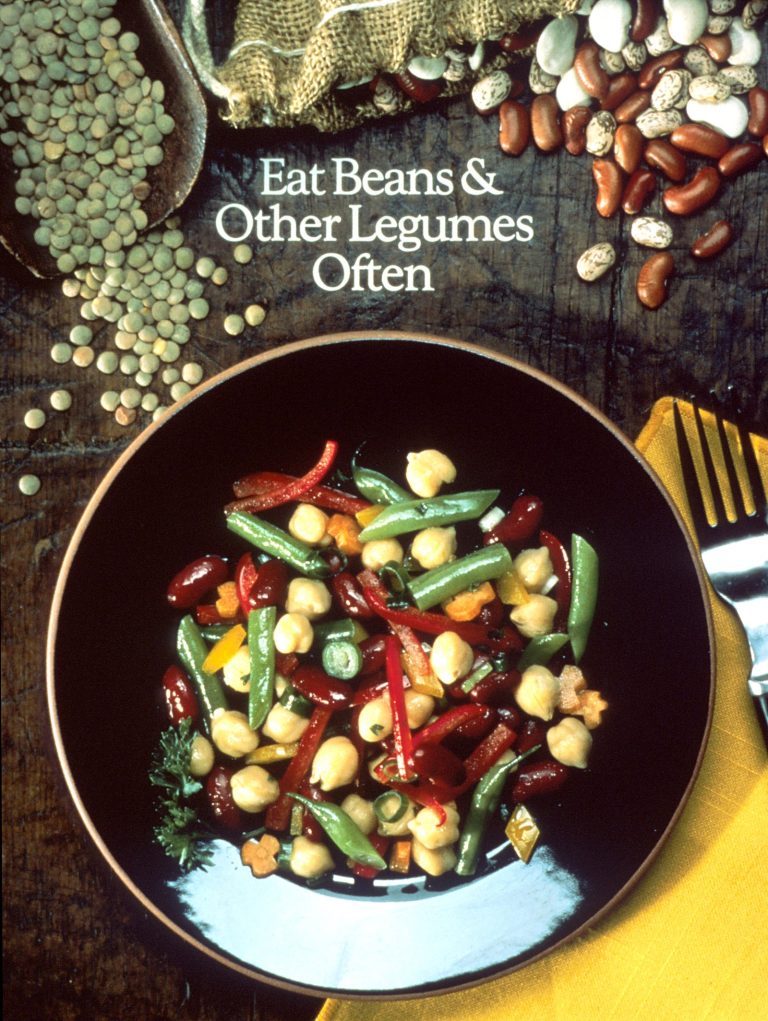
- – Build meals around vegetables, fruit, whole grains, lean protein, and beans in portions that fit your overall health plan—similar recovery habits discussed in our vitamin C deficiency diet guide and zinc deficiency diet guide pages as general kitchen context, not as bronchitis cures.
- – If you also manage reflux that worsens night cough, pair kitchen timing tips with GERD diet guide without assuming GERD and bronchitis are the same problem.
Honey and lozenges (comfort only)
- – NHLBI mentions honey in hot tea or water and throat lozenges among possible symptom-relief ideas. Honey is not for infants under 1 year; ask a clinician about honey if you have diabetes or other dietary limits.
Foods and habits that often worsen acute bronchitis kitchen patterns
- – Continuing to smoke or heavy secondhand smoke—MedlinePlus lists tobacco smoke among causes/contributors to acute bronchitis.
- – Skipping fluids while relying on “detox teas,” extreme fasting, or unproven respiratory supplements instead of rest and clinician advice.
- – Expecting antibiotics or “natural antibiotic foods” to fix viral chest colds—MedlinePlus: antibiotics won’t help viral causes.
- – Alcohol-heavy evenings that disrupt sleep and hydration while you are already fatigued.
- – Ignoring red flags—worsening shortness of breath, high or lasting fever, chest pain, coughing blood, or confusion needs medical care, not a diet experiment.
“Limit” means reducing habits that undermine recovery habits—not that one rich meal defines your prognosis.
Practical kitchen protocol: an acute bronchitis diet week
1. Keep the medical spine first
Confirm whether your clinician expects viral supportive care only, wheezing inhalers, or bacterial antibiotics. Put fever reducers and a thermometer where you can reach them. Do not stop prescribed inhalers for asthma/COPD overlap without advice.
2. Shopping list for chest-cold kitchens
Water as default; herbal tea or warm water with honey (adults); clear or blended soups; oatmeal; yogurt; eggs; soft fruit; cooked vegetables; lean protein; whole-grain toast if tolerated; throat lozenges if your clinician agrees.
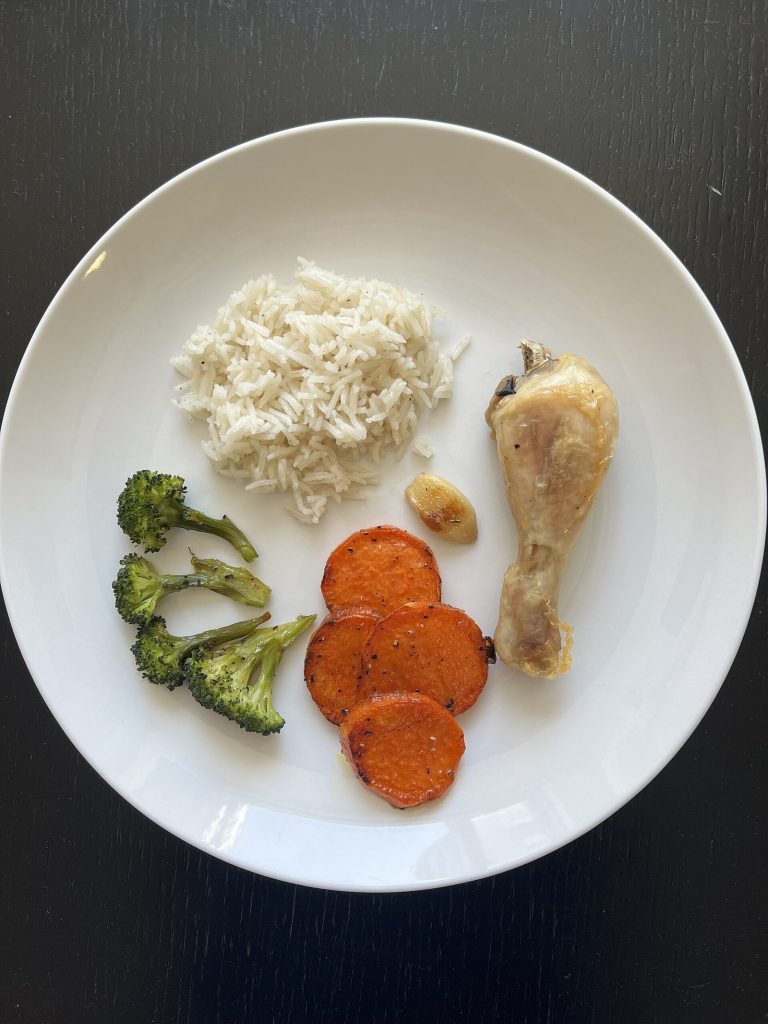
3. Default plate template (when appetite allows)
- – Half soft vegetables and fruit
- – Quarter easy starches (rice, potato, oatmeal)
- – Quarter protein
- – Season mildly; prioritize fluids beside the plate
4. Sample day (illustrative)
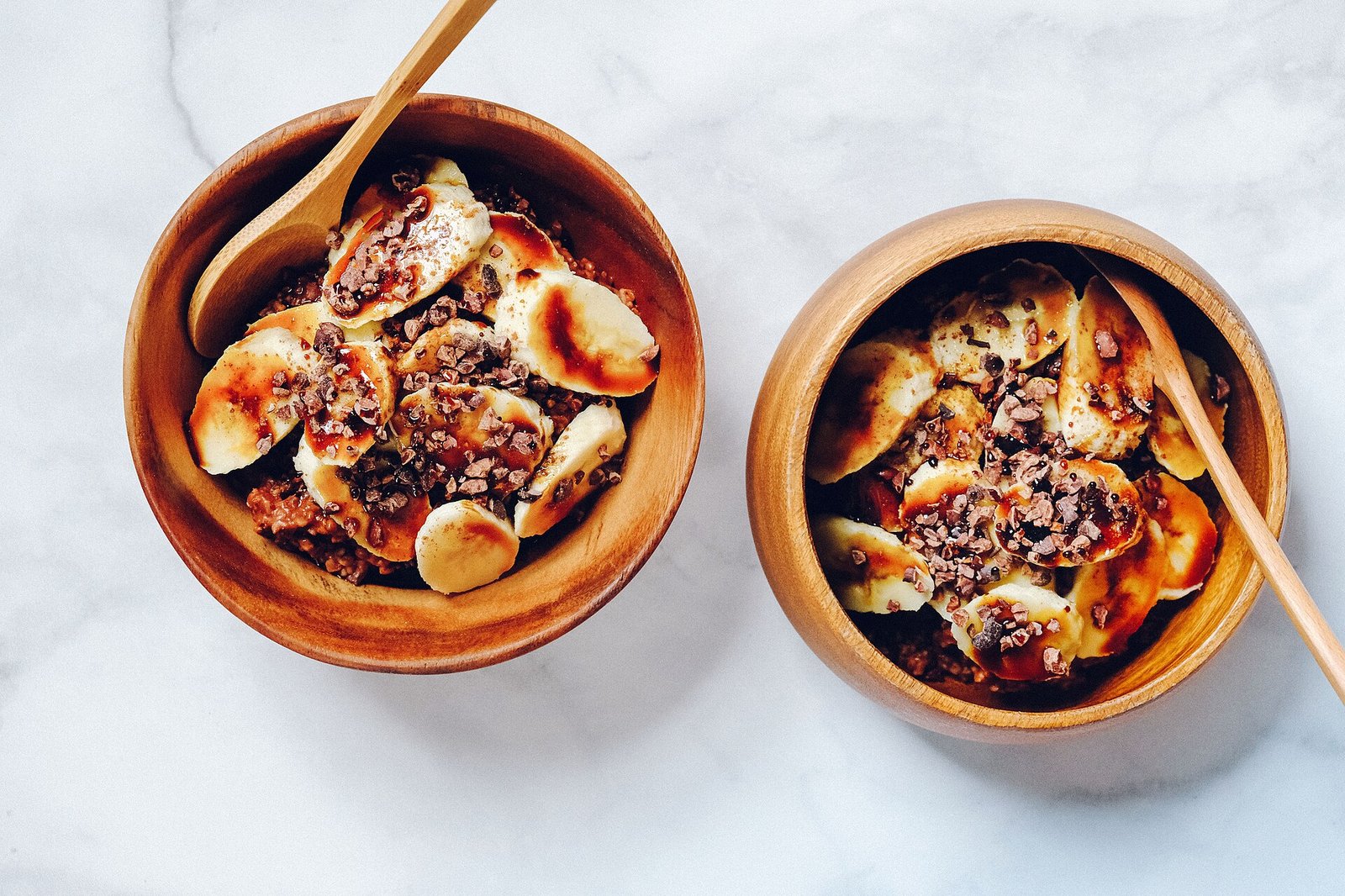
- – Breakfast: oatmeal with banana; warm tea or water.
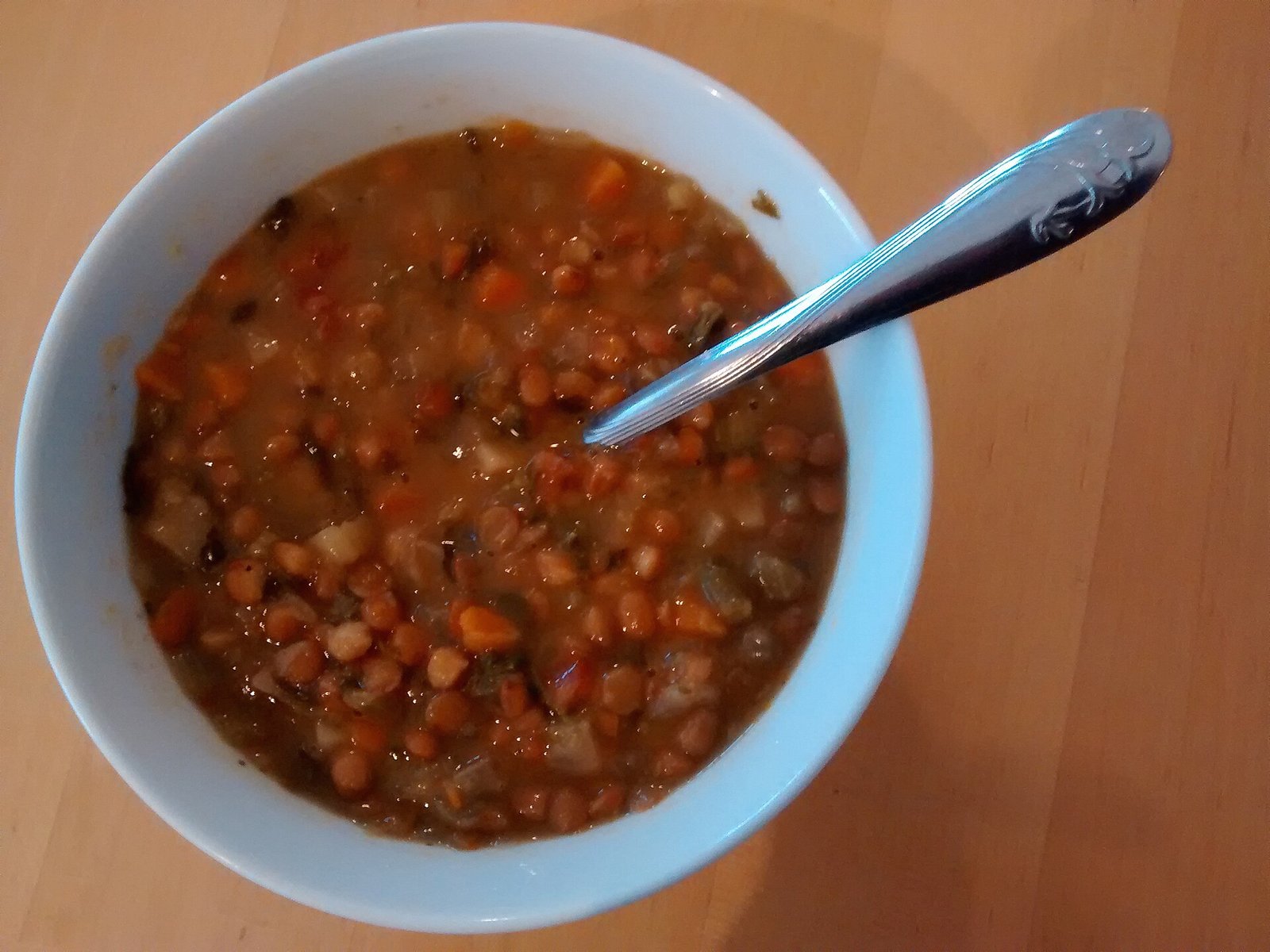
- – Lunch: chicken or lentil soup with soft bread; fruit.
- – Snack: yogurt; water.
- – Dinner: baked fish or tofu, mashed potato, cooked carrots; warm fluids.
- – Night: humidifier if helpful; avoid heavy late alcohol.
5. Work and household tips
Stay home when contagious if advised; wash hands; do not share cups. Smoke-free air supports airway comfort alongside medical care.
6. When chronic airway disease overlaps
If you already have chronic bronchitis, asthma, or frequent chest infections, use this page only for the acute episode’s kitchen comfort and follow your long-term plan—see chronic bronchitis diet guide.
Safety, interactions, and who should ask a clinician first
- – Infants, older adults, pregnant people, and anyone immunocompromised need lower thresholds for clinical review of “chest cold” symptoms.
- – Honey is unsafe for infants under 1 year.
- – Aspirin is for adults as labeled—not for children/teens with viral illness (Reye’s risk education belongs with your clinician/pharmacist).
- – Wheezing, known asthma/COPD, or needing oxygen: follow prescribed inhaled medicines; diet does not replace them.
- – Persistent cough beyond the expected recovery window, unexplained weight loss, or recurrent “bronchitis” warrants re-evaluation—not endless kitchen experiments.
FAQ
Can an acute bronchitis diet stop the cough overnight? No. MedlinePlus notes the infection often improves in days while cough can last weeks. Fluids and rest support comfort; they do not erase post-infectious cough on a schedule you choose.
Do I need to cut all dairy? NIH public pages emphasize fluids and rest, not mandatory dairy elimination. If milk feels personally worse for you, adjust; that is not the same as a universal cure rule.
Will spicy food or “mucus-busting” juices replace a humidifier? NHLBI lists humidifier/steam and comfort drinks among supportive ideas. Extreme juice cleanses are not standard acute-bronchitis therapy.
When are antibiotics appropriate? When a clinician judges a bacterial cause or another indication—not because a diet failed. MedlinePlus: antibiotics won’t help viral acute bronchitis.
Is this the same as chronic bronchitis diet advice? No. Acute bronchitis is usually short-term; chronic bronchitis is a longer airway pattern. See chronic bronchitis diet guide for chronic framing.
How this differs from related OTCFood topics
This page is an acute-bronchitis-bound diet guide focused on fluids, soft meals, smoke avoidance, and adherence to supportive medical care. It is not a chronic bronchitis diet guide chronic protocol, not a pneumonia treatment plan, and not a substitute for asthma action plans.
Medical disclaimer
Medical disclaimer: This article is for general information only. It is not medical advice, diagnosis, or a treatment plan. Acute bronchitis care depends on cause, severity, and other lung or heart conditions. Talk with a clinician or registered dietitian before starting, stopping, or changing any eating plan, supplement, or medicine. Seek urgent care for severe breathing difficulty, chest pain, high fever, confusion, or coughing blood.