Bursitis Diet: Foods That May Help and Foods to Limit
Medical note: This article discusses foods and researched botanicals. It does not claim to prevent, treat, or cure disease. Supplements are not a substitute for food, and studied amounts are not personal prescriptions.
People searching “bursitis diet foods that help or worsen” usually want weight-aware, joint-friendly plates—not a claim that food empties an inflamed bursa the way rest, ice, medicines, or procedures can. MedlinePlus describes bursitis as swelling and irritation of a bursa—the fluid-filled sac that cushions muscles, tendons, and bones. Mayo Clinic notes bursitis often affects the shoulder, elbow, hip, knee, heel, or big-toe base and frequently follows repeated motions; pain often eases within weeks with care but can flare again. Being overweight can raise hip and knee bursitis risk. Food patterns may support healthy weight and overall joint habits; they do not replace clinical bursitis care.
What this bursitis diet guide covers (and what it does not)
This guide is for adults with non-infectious bursitis who want practical eating patterns while they rest the joint, ice early flares, and follow clinician advice. Anchors: MedlinePlus — Bursitis, Mayo Clinic — Bursitis, and related public education on osteoarthritis, gout, and rheumatoid arthritis as conditions that can coexist with bursitis.
MedlinePlus: causes include overuse, activity changes, overweight, trauma, rheumatoid arthritis, gout, or infection; sometimes no cause is found. Fever, rapidly worsening redness, or severe swelling can signal infection and needs prompt medical care—antibiotics or surgery may be required. Kitchen changes do not treat septic bursitis.
Evidence snapshot: bursitis diet claims vs public sources
| Claim people hope for | What public sources actually say | Confidence |
|---|---|---|
| “An anti-inflammatory diet cures bursitis” | MedlinePlus/Mayo emphasize rest, ice, NSAIDs when appropriate, physical therapy, braces, aspiration/steroid shots, rarely surgery | Strong: food is not a substitute |
| “Losing weight fixes all bursitis” | MedlinePlus: if overweight, losing weight may help (especially hip/knee contexts); Mayo: overweight raises hip/knee bursitis risk | Moderate for load-related sites; not universal |
| “Supplements replace rest and PT” | Public pages center mechanical rest, activity modification, and clinical therapies | Strong: do not skip rehab for pills |
| “Gout or RA diets alone clear the bursa” | Those diseases can cause or coexist with bursitis; each needs its own medical plan | Moderate: coordinate, don’t conflate |
| “If pain fades in two weeks, diet prevented it” | Mayo: pain often improves in weeks with treatment but flares return | Strong: keep prevention habits (padding, breaks, strength) |
Foods and patterns that may help with bursitis day-to-day joint load
“May help” means supporting a healthy weight, steady protein for rehab, and gout/RA-aware plates when those diagnoses exist—not dissolving bursal fluid overnight.
Weight-aware plates for hip and knee bursitis (MedlinePlus / Mayo)
- – If your clinician has advised weight loss for hip or knee load, build a calorie-aware plate similar to patterns in our osteoarthritis diet guide guide: vegetables first, lean proteins, whole grains, measured oils.
- – Emphasize filling fiber (beans, vegetables, fruit) so calorie cuts stay tolerable while you rest the joint.
Protein and micronutrients for soft-tissue recovery habits
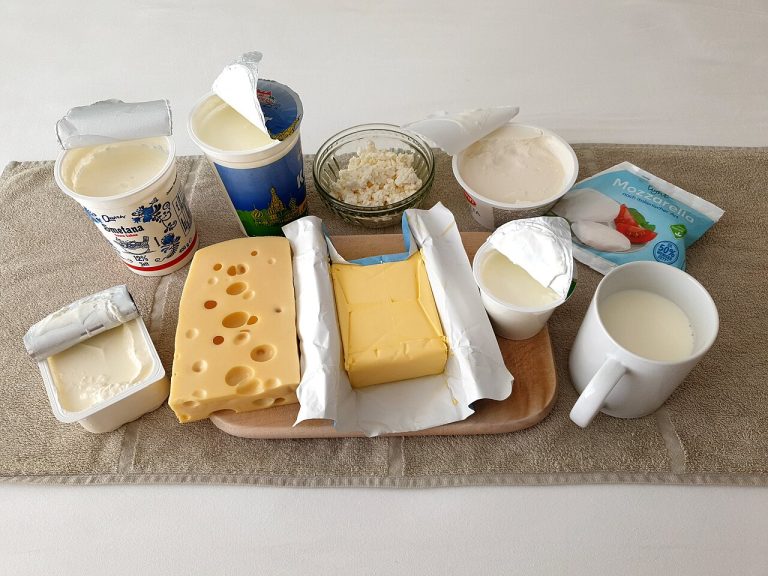
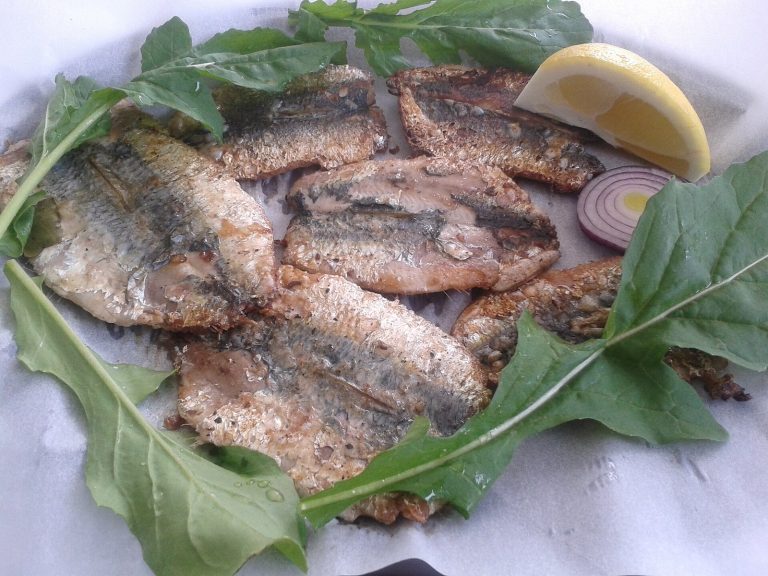
- – Include fish, poultry, eggs, beans, or dairy (if tolerated) to support muscle-strengthening programs MedlinePlus recommends as pain eases.
- – Keep overall patterns consistent with heart-healthy eating if NSAIDs are used long-term—ask your clinician about stomach and kidney precautions.
When gout or inflammatory arthritis overlaps
- – Gout-related bursitis needs uric-acid and medicine plans—see gout diet guide.
- – Rheumatoid arthritis–related periarticular pain needs rheumatology care—see rheumatoid arthritis diet guide.
- – Frozen shoulder or other regional joint issues may travel with upper-limb overuse—see frozen shoulder diet guide for adjacent kitchen context only.
Hydration and alcohol moderation
- – Stay hydrated for general musculoskeletal comfort.
- – Limit heavy alcohol if gout risk or medication interactions are relevant for you.
Foods and habits that often worsen bursitis kitchen and lifestyle patterns
- – Ignoring overweight guidance when hip or knee bursae are overloaded—MedlinePlus and Mayo both flag weight as relevant.
- – Crash diets that cut protein and energy needed for physical therapy exercises.
- – Heavy alcohol and ultra-processed binge patterns that undermine weight and gout control when those issues coexist.
- – Pushing through repetitive kneeling, leaning, or overhead work without padding or breaks—Mayo prevention focuses on mechanical changes more than superfoods.
- – Treating feverish, hot, rapidly red bursae with “detox juices”—possible infection needs medical care, not juice.
“Limit” means reducing habits that increase joint load or delay care—not banning enjoyable foods forever.
Practical kitchen protocol: a bursitis diet week
1. Keep the medical spine first
Follow ice (MedlinePlus: 15 minutes, towel barrier, 3–4 times daily early on), rest, sleep-position tips (don’t lie on the painful side), and prescribed NSAIDs or injections. Diet supports—not replaces—those steps.
2. Shopping list for joint-load-aware plates
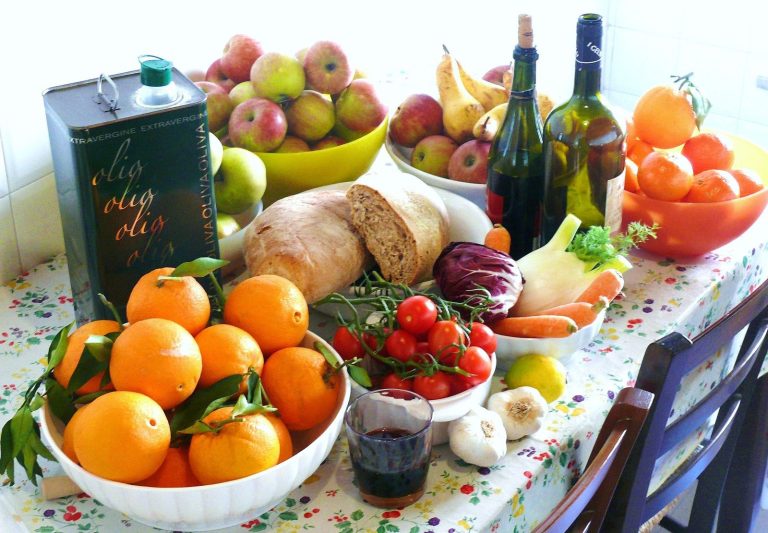
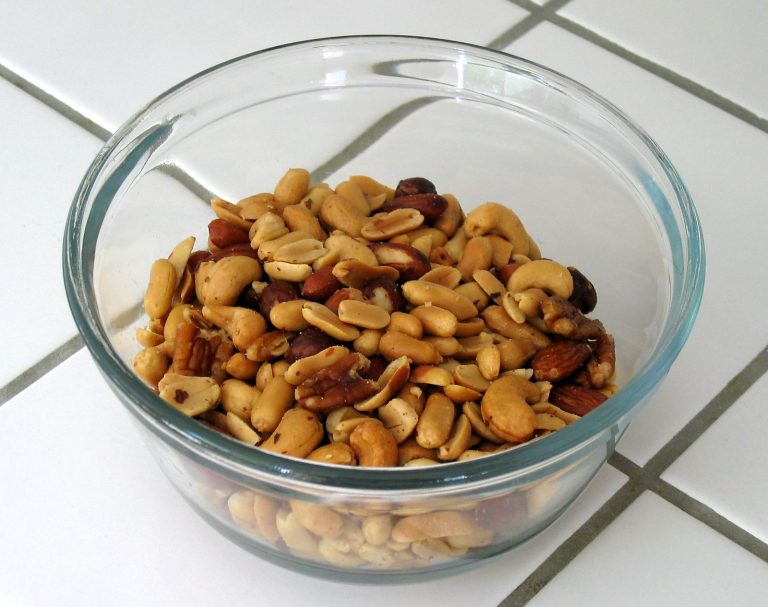
Leafy greens, colorful vegetables, berries, beans, lentils, fish, chicken, eggs, yogurt, olive oil, whole grains, nuts in small portions, water; kneeling-pad reminder on the shopping list if your hobbies involve floors.
3. Default plate template
- – Half non-starchy vegetables
- – Quarter protein
- – Quarter whole grains or starchy vegetables
- – Measured fats; dessert fruit most nights
4. Sample day (illustrative)
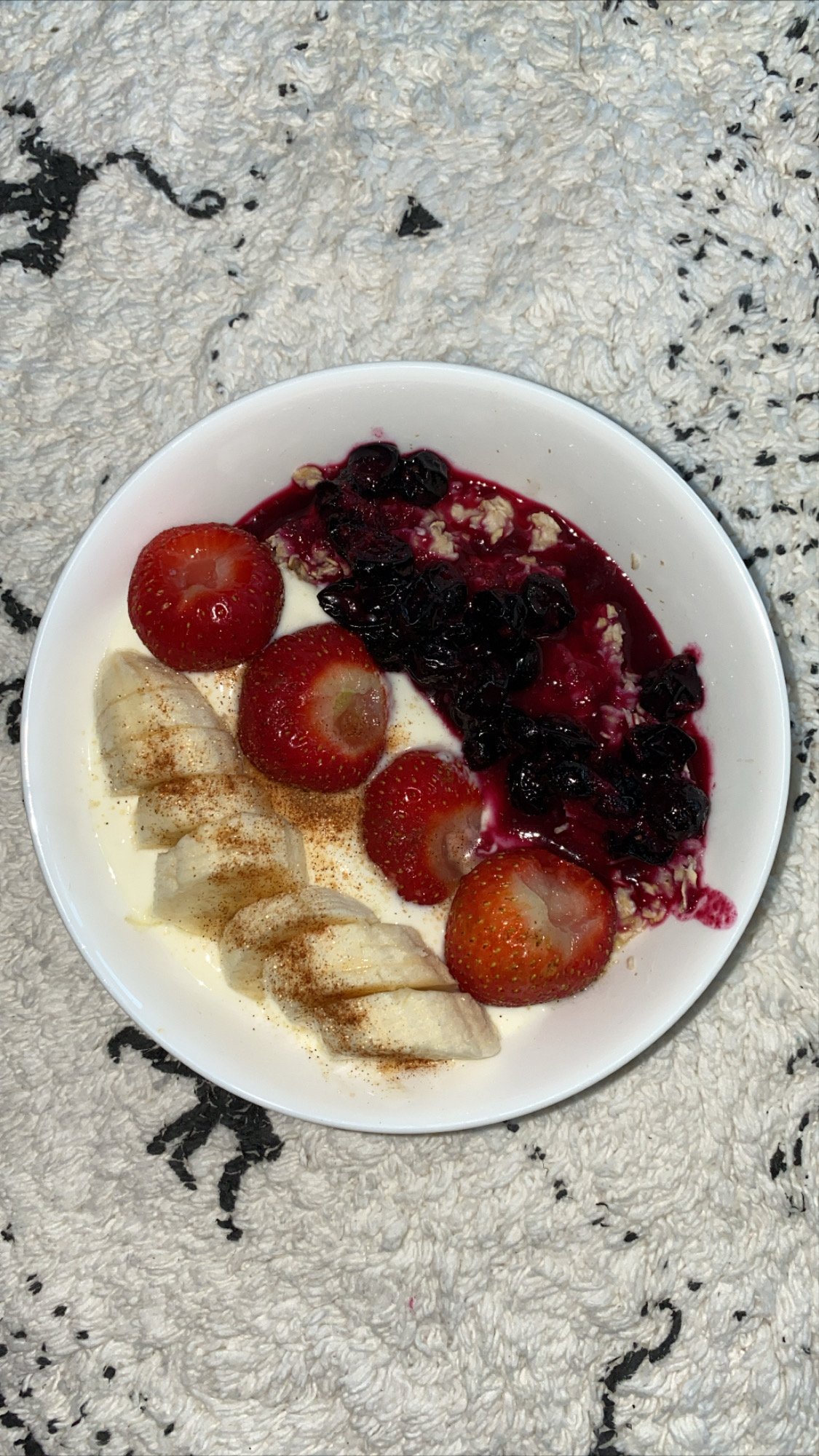
- – Breakfast: Greek yogurt with berries and a small handful of oats.
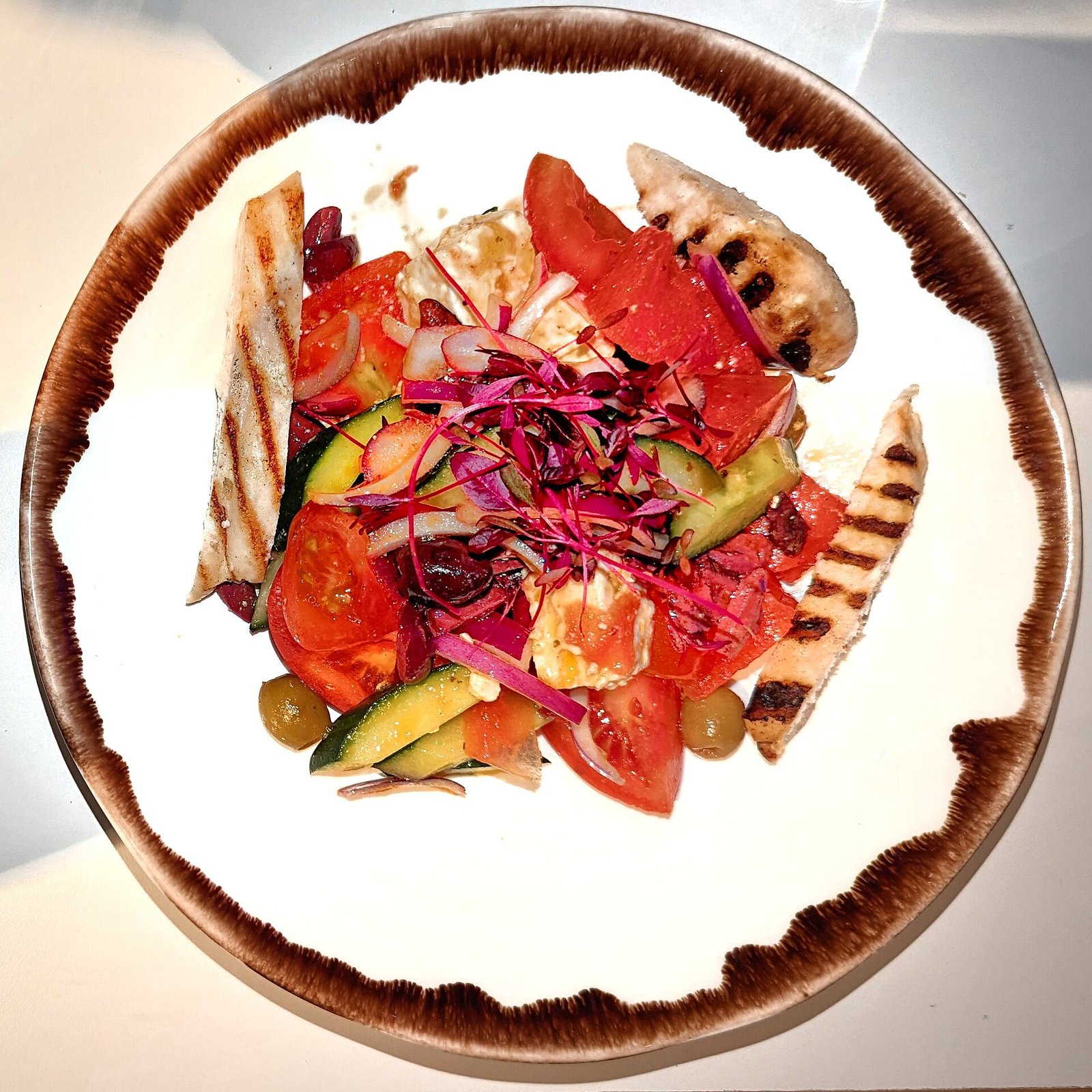
- – Lunch: large salad with tuna or chickpeas, olive oil, whole-grain toast.
- – Snack: apple and a few walnuts; water.
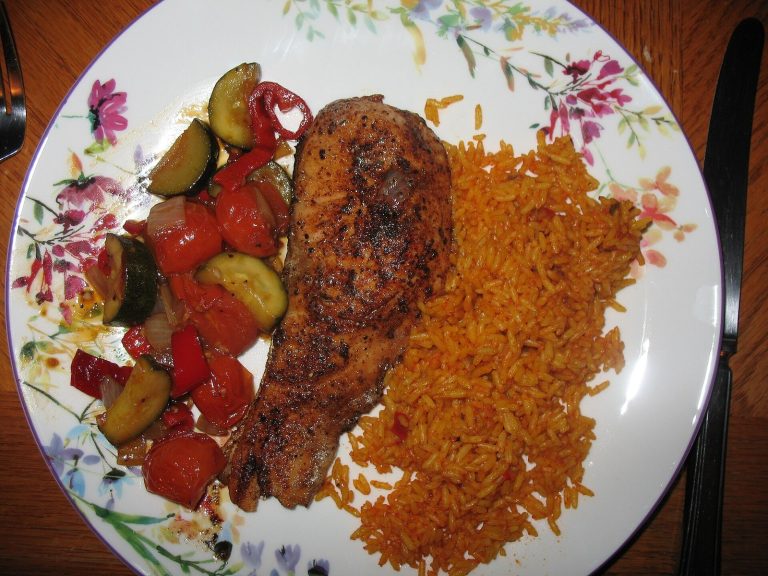
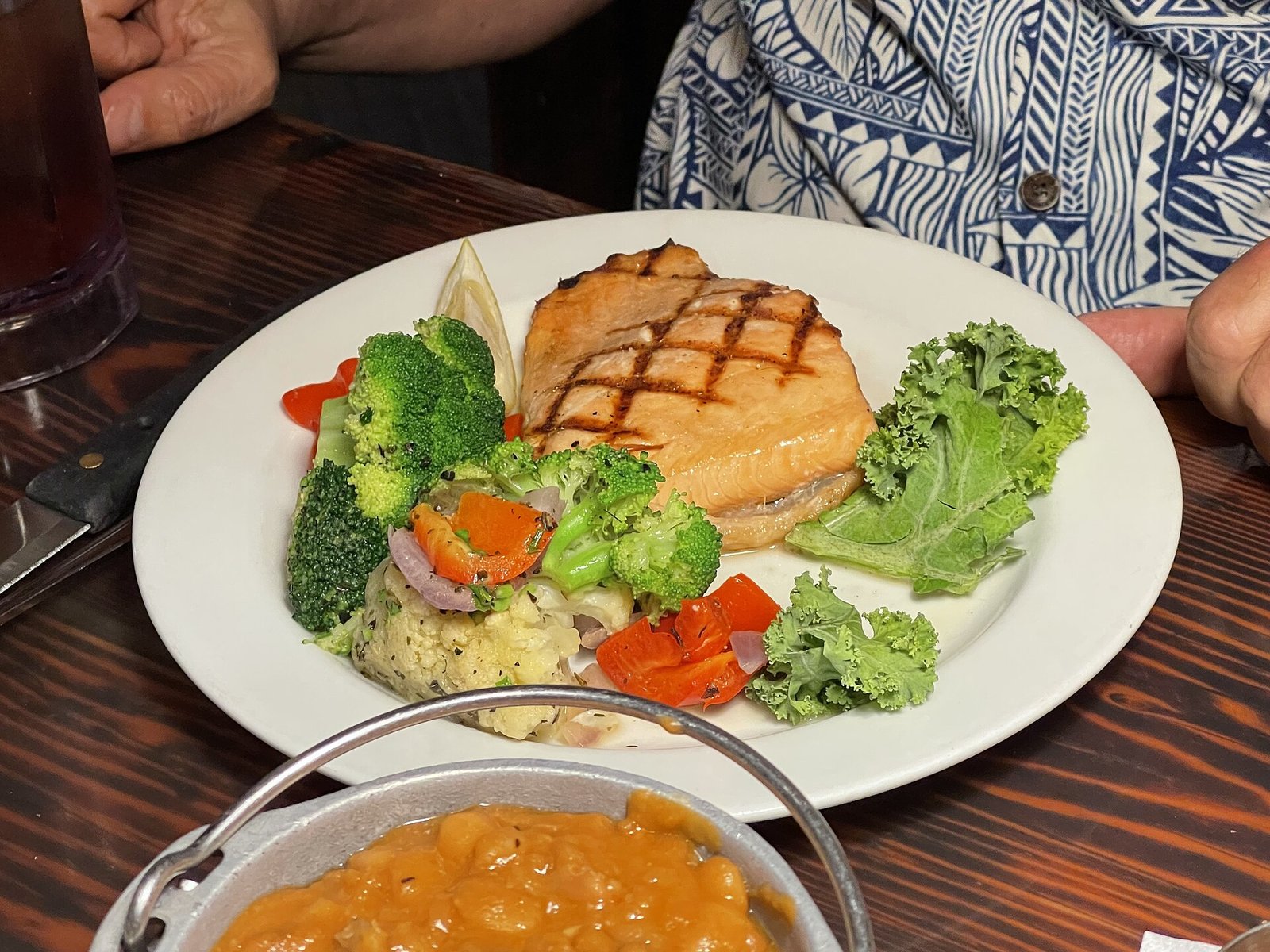
- – Dinner: baked salmon or tofu, roasted vegetables, quinoa.
- – Evening: gentle stretch per PT; ice if early flare—no “no pain no gain” kitchen punishment.
5. Eating out
Choose grilled proteins and vegetable sides; watch creamy “bottomless” apps if weight loss is part of your hip/knee plan; stand and change posture on long restaurant waits if olecranon or hip bursae flare with pressure.
6. Return-to-activity calories
As exercises restart, keep protein steady rather than under-eating into weakness that invites poor form.
Practical posture-and-plate pairing (Mayo prevention themes)
- – Mayo Clinic prevention tips emphasize kneeling pads, frequent breaks from repetitive tasks, healthy weight, strengthening exercise, and warm-ups—not a single miracle food. Use meals as scheduled breaks: stand, change posture, and hydrate between cooking batches if hip or knee bursae hate prolonged standing on hard floors (MedlinePlus also advises cushioned standing and equal weight on each leg for lower-limb bursitis).
- – Flat, cushioned shoes (MedlinePlus) pair well with errands that include grocery walking—choose carts over heavy shoulder bags when shoulder bursitis is active.
- – For elbow (“student’s elbow”) patterns, avoid long stretches leaning on hard counters while meal-prepping; use a padded mat and switch arms when stirring.
Sample weekly rhythm (illustrative)
- – Flare days (first 2–3 days): prioritize ice and rest logistics; keep meals simple, protein-present, and easy to assemble one-handed if shoulder or elbow pain limits chopping.
- – Recovery days: add the home exercises your clinician or therapist cleared; slightly increase carbohydrate around activity sessions so energy does not crash mid-rehab.
- – Maintenance days: return toward your usual enjoyable foods within a weight-aware pattern if hip/knee load remains a goal—perfection is not required for bursae to calm.
Safety, interactions, and who should ask a clinician first
- – Septic bursitis, fever, spreading redness, or severe unrelenting pain: urgent medical care—MedlinePlus notes infection may need antibiotics or surgery.
- – NSAIDs can affect stomach, kidneys, and heart risk—coordinate with your clinician, especially if you have kidney disease, ulcers, or anticoagulants.
- – Steroid injections and aspiration are clinical procedures—diet does not replace them when indicated.
- – If gout, RA, or osteoarthritis is active, follow those disease plans in parallel.
- – Pregnancy, breastfeeding, or planned surgery: review supplements marketed for “joint detox.”
FAQ
Can a bursitis diet drain the bursa? No. MedlinePlus and Mayo focus on rest, ice, medicines, therapy, and sometimes procedures. Food may support weight and overall joint habits only.
Does everyone with bursitis need to lose weight? Not necessarily. Weight advice is especially relevant for hip and knee load (Mayo/MedlinePlus). Shoulder or elbow overuse may need mechanical changes more than calorie cuts.
Are turmeric or collagen supplements required? Public bursitis pages do not position supplements as primary care. Ask your clinician before spending on unproven products.
How long until food changes help? Mechanical rest often helps within weeks (Mayo). Weight change, when indicated, is gradual—track function with your clinician, not day-to-day bursa size myths.
When is surgery discussed? MedlinePlus: surgery is rare. Most people do well with nonsurgical care when the cause can be addressed.
How this differs from related OTCFood topics
This page is a bursitis-bound diet guide focused on weight-aware plates and rehab nutrition beside rest and clinical care. It is not a full osteoarthritis diet guide OA protocol, not a gout diet guide uric-acid clinic, and not a rheumatoid arthritis diet guide RA biologic discussion—though those conditions can share the same kitchen calendar when bursae flare.
Medical disclaimer
Medical disclaimer: This article is for general information only. It is not medical advice, diagnosis, or a treatment plan. Bursitis care depends on which bursa is involved, infection risk, imaging when needed, and prescribed therapies. Talk with a clinician or registered dietitian before starting, stopping, or changing any eating plan, supplement, or medicine. Seek urgent care for fever, rapidly worsening redness, or severe joint swelling.