Fibroids Diet: Foods That May Help and Foods to Limit
Medical note: This article discusses foods and researched botanicals. It does not claim to prevent, treat, or cure disease. Supplements are not a substitute for food, and studied amounts are not personal prescriptions.
People searching “fibroids diet foods that help or worsen” usually want kitchen habits that support energy, iron status, and overall health while fibroids are monitored or treated—not a claim that food shrinks uterine fibroids the way medicines or procedures can. MedlinePlus describes uterine fibroids as the most common noncancerous tumors in women of childbearing age—growths of muscle and other tissue in and around the uterus. Many people have no symptoms. When symptoms occur, they can include heavy or painful periods, pelvic pressure, frequent urination, or pain with sex. The NHS notes fibroids are common non-cancerous growths that do not always need treatment, but can be treated if they cause problems.
What this fibroids diet guide covers (and what it does not)
This guide is for adults with diagnosed uterine fibroids (leiomyomas) who want food patterns grounded in MedlinePlus living-with-fibroids advice, NHS overview facts, and general balanced-eating education—while gynecologic care remains primary. Anchors: MedlinePlus — Uterine Fibroids, MedlinePlus — Living with uterine fibroids, and NHS — Fibroids.
MedlinePlus lists higher likelihood with older reproductive age, Black/African American ethnicity (often earlier and more symptomatic), family history, early periods, never having been pregnant, obesity, and vitamin D deficiency among factors discussed in public education. Food does not replace hormone therapies, procedures, myomectomy, uterine artery embolization, or hysterectomy decisions. Heavy bleeding with dizziness, fainting, or severe anemia symptoms needs prompt clinical care—not a smoothie protocol.
Evidence snapshot: fibroids diet claims vs public sources
| Claim people hope for | What public sources actually say | Confidence |
|---|---|---|
| “A special diet shrinks or cures fibroids” | MedlinePlus/NHS: treatment may include medicines, procedures, or surgery; many fibroids need no treatment if asymptomatic | Strong: diet is not fibroid removal |
| “Balanced eating and healthy weight help day-to-day” | MedlinePlus living guide: eat a balanced, healthy diet; maintaining a healthy weight supports overall health; fiber helps bowel regularity so straining is less | Moderate for comfort/overall health |
| “Vitamin D deficiency is irrelevant” | MedlinePlus risk factors list includes vitamin D deficiency among conditions discussed with fibroid likelihood | Insufficient as a self-treat plan; discuss testing with a clinician |
| “Iron food alone fixes heavy-period anemia” | MedlinePlus: iron supplements may be prescribed for anemia from heavy periods; food iron supports but does not replace indicated treatment | Strong: follow anemia care |
| “Plant-heavy plates reverse fibroids” | Public patient pages emphasize clinical options; research interest in fruits/vegetables exists, but patient education does not promise reversal | Low for cure claims; reasonable for general healthy eating |
Foods and patterns that may help with fibroids day-to-day health
“May help” means supporting energy, regularity, and cardiometabolic habits that often matter when heavy bleeding or pelvic pressure affect daily life—not dissolving fibroids.
Balanced plate defaults (MedlinePlus living guide)
- – Build meals around vegetables, fruits, whole grains, lean proteins, and adequate fiber.
- – MedlinePlus: plenty of fiber can help keep you regular so you do not strain during bowel movements—useful when pelvic pressure already makes bathroom habits uncomfortable.
- – Maintain a healthy weight pattern as part of overall health—NHS lists overweight/obesity among factors linked with higher fibroid likelihood.
Iron-aware eating when periods are heavy
- – If your clinician confirmed iron-deficiency anemia, prioritize iron-containing foods (lean meats if you eat them, beans, lentils, fortified cereals) and ask whether a supplement is indicated—MedlinePlus notes iron pills are commonly prescribed and can cause constipation or diarrhea.
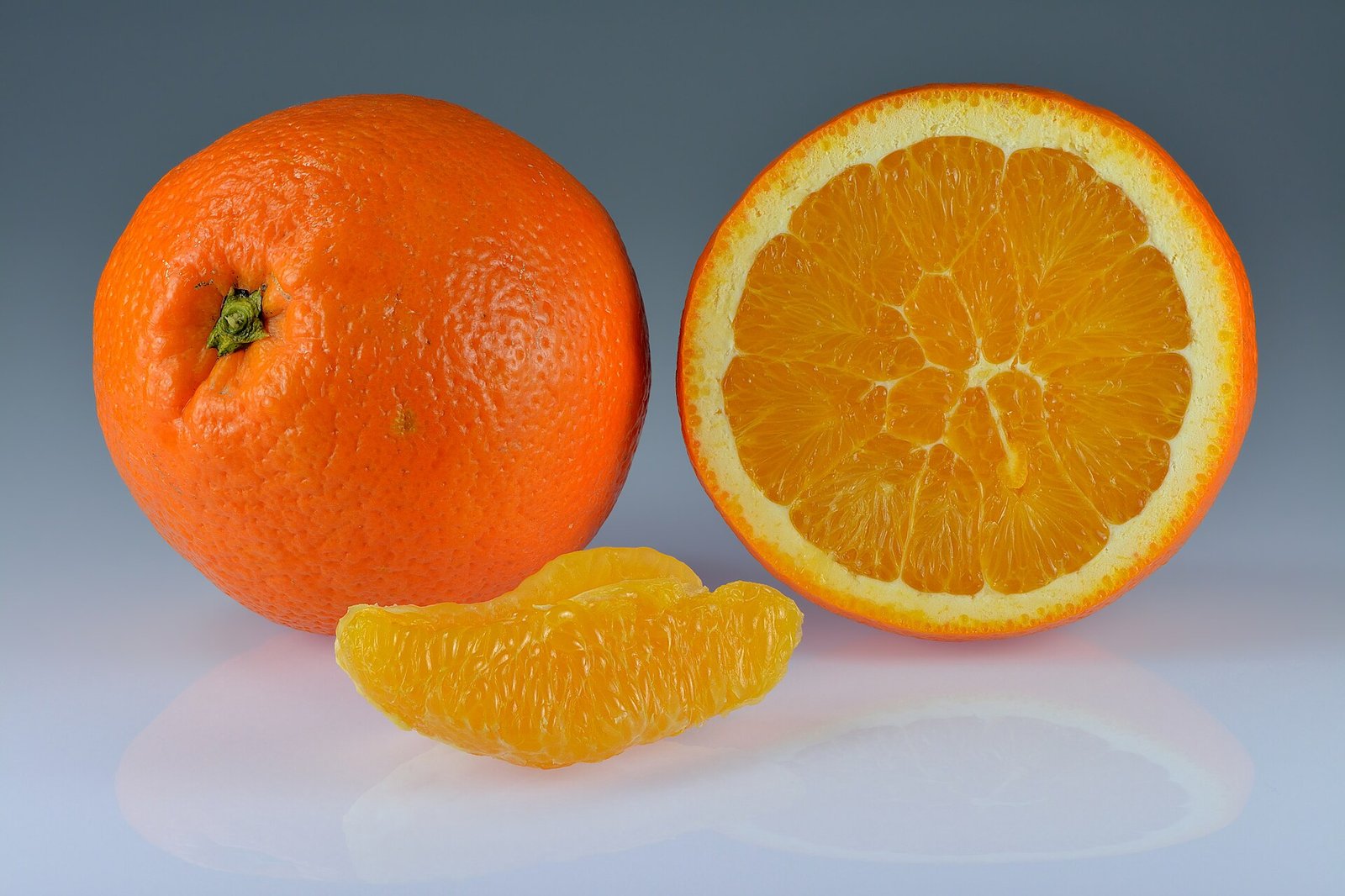
- – Pair plant iron with vitamin C–rich foods (citrus, peppers, strawberries) at meals when that fits your plan; still follow lab-guided supplementation.
- – Cross-check kitchen ideas with our iron deficiency anemia diet guide guide without stopping prescribed iron.
Habit supports that often travel with fibroid care
- – Regular activity as cleared by your clinician—MedlinePlus notes exercise can improve blood flow and may support the body’s natural pain-relief chemicals.
- – Steady meals rather than extreme restriction, which can worsen fatigue when bleeding is heavy.
- – If pelvic pain overlaps with endometriosis care questions, see our endometriosis diet guide page as a separate condition guide.
Foods and habits that often worsen fibroids kitchen patterns
- – Crash “hormone detox” diets that cut calories, iron, and protein—can worsen fatigue and anemia risk during heavy menses.
- – Very low-fiber patterns that increase constipation and straining against pelvic pressure.
- – Ignoring prescribed iron or hormone therapies for unverified fibroid teas or supplements marketed to “dissolve” growths.
- – Alcohol-heavy weeks that displace nutrient-dense meals and sleep—NHS lists overall metabolic risks among associated factors; keep alcohol modest within general health guidance.
- – Assuming asymptomatic fibroids need an extreme elimination diet—many people need monitoring, not culinary punishment.
“Limit” means reducing patterns that undermine energy, iron status, or medical adherence—not that one dessert grows fibroids overnight.
Practical kitchen protocol: a fibroids-aware diet week
1. Keep the medical spine first
Track bleeding severity, pain medicines, and any hormone therapy schedule. Book anemia labs when your clinician recommends them.
2. Shopping list for comfort-and-energy plates
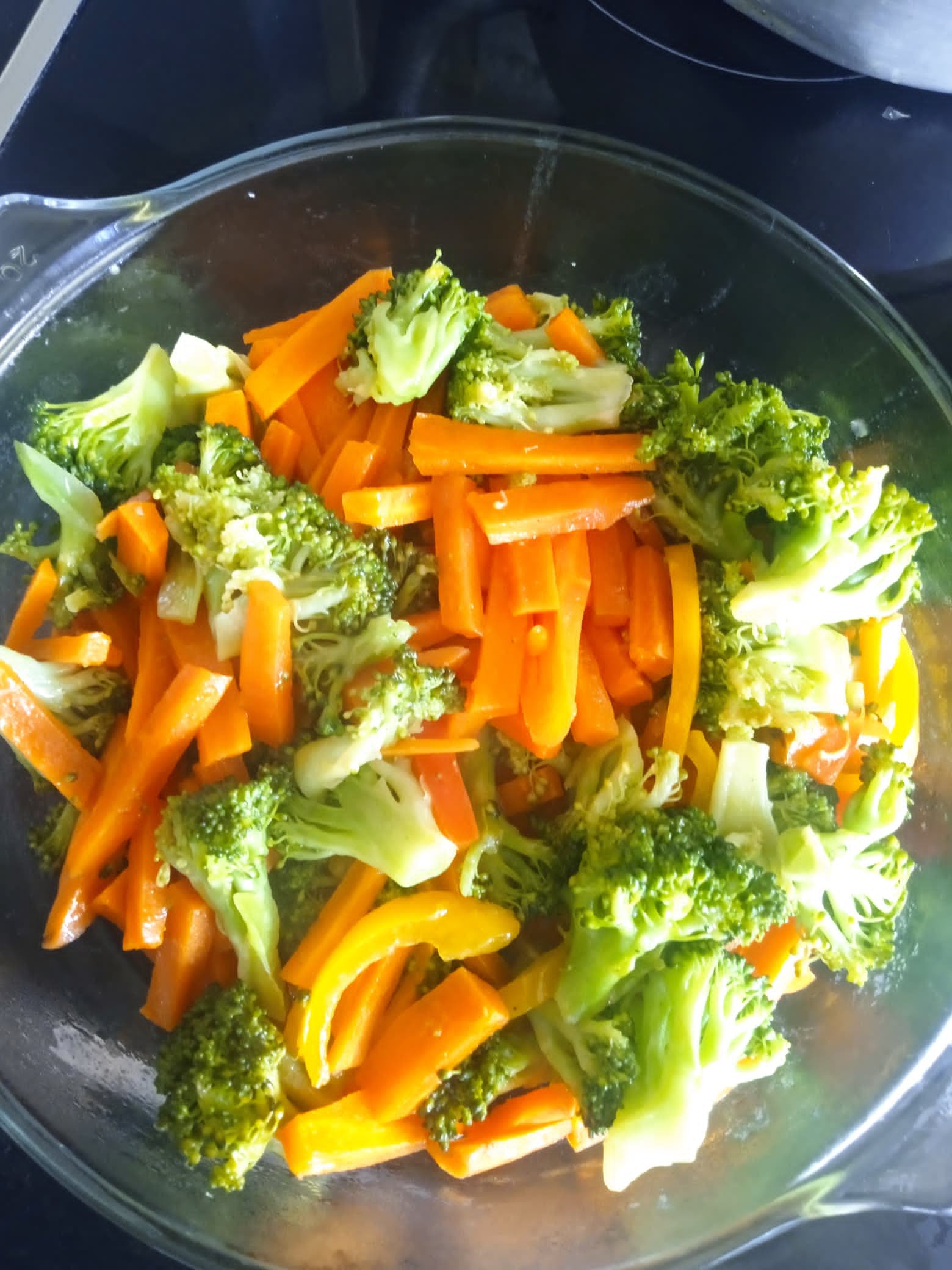
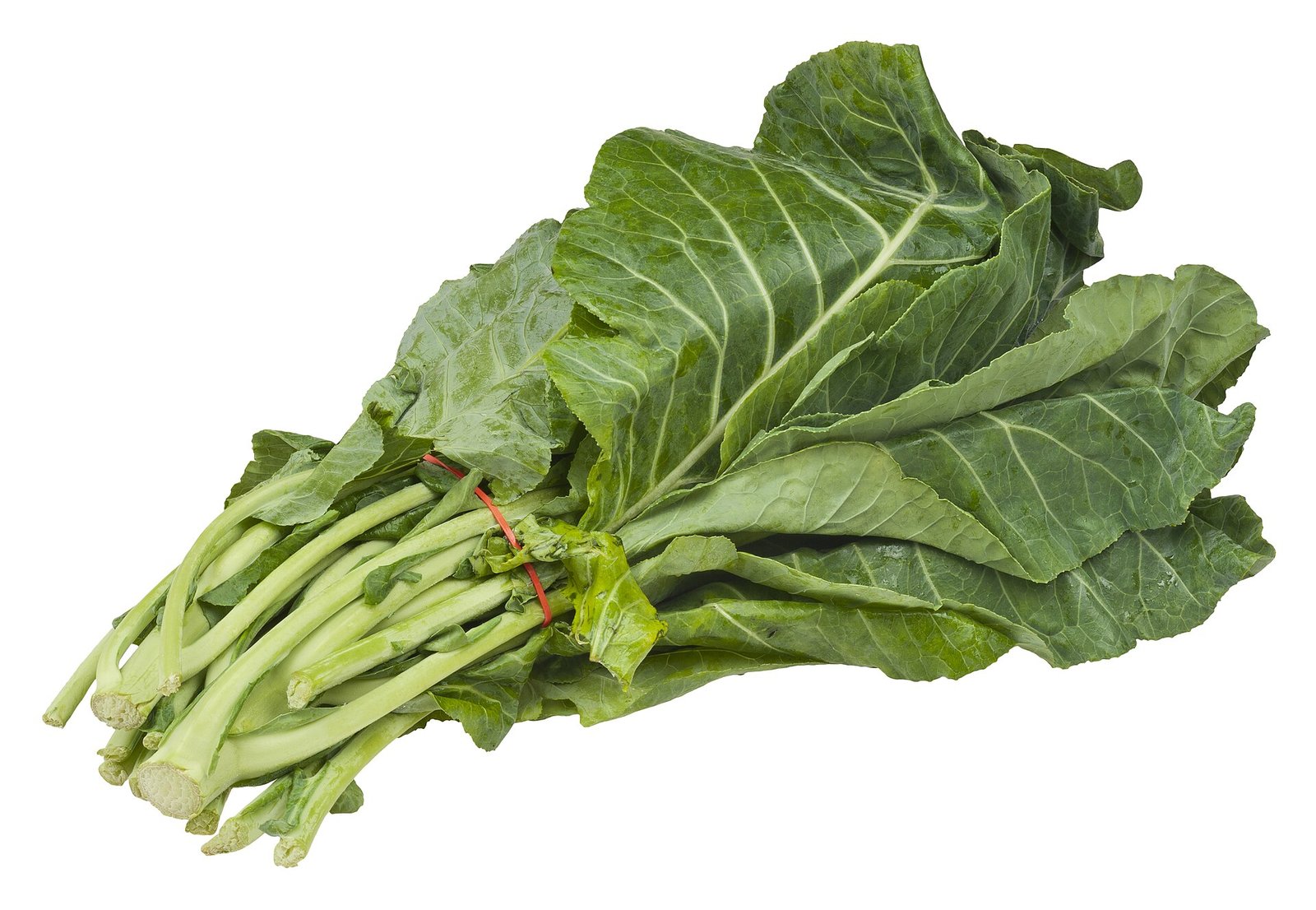
Leafy greens, broccoli, colorful vegetables; citrus and berries; beans and lentils; oatmeal and whole-grain bread; eggs; fish or poultry; yogurt; fruit; water; iron-fortified cereal if advised.
3. Default plate template
- – Half vegetables and fruit
- – Quarter whole grains or starchy vegetables
- – Quarter protein (include iron-rich choices most days if anemic)
- – Fiber + fluids to support soft, regular stools
4. Sample day (illustrative)
- – Breakfast: fortified oatmeal with berries; orange on the side; water.
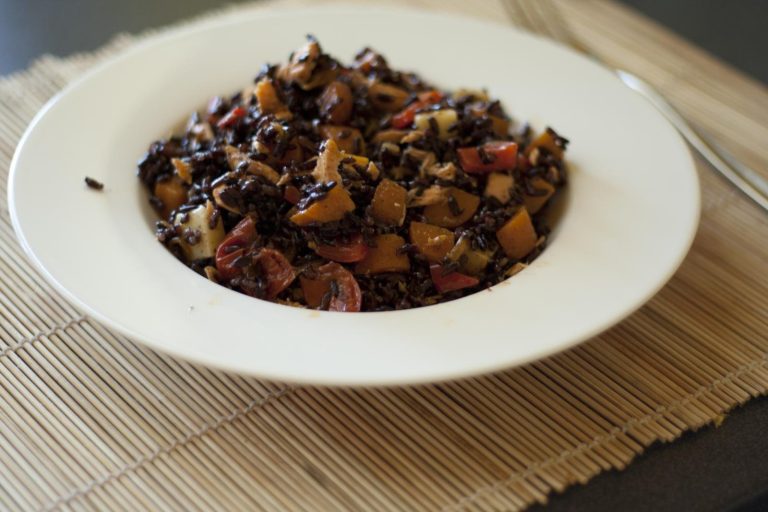
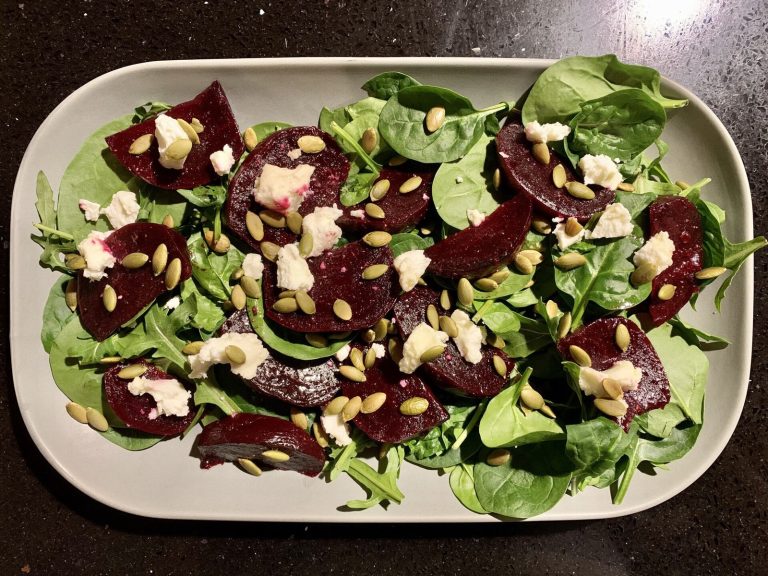
- – Lunch: lentil salad or bean bowl with mixed vegetables; whole-grain side.
- – Snack: yogurt and fruit; or a small handful of nuts if they fit your calories.
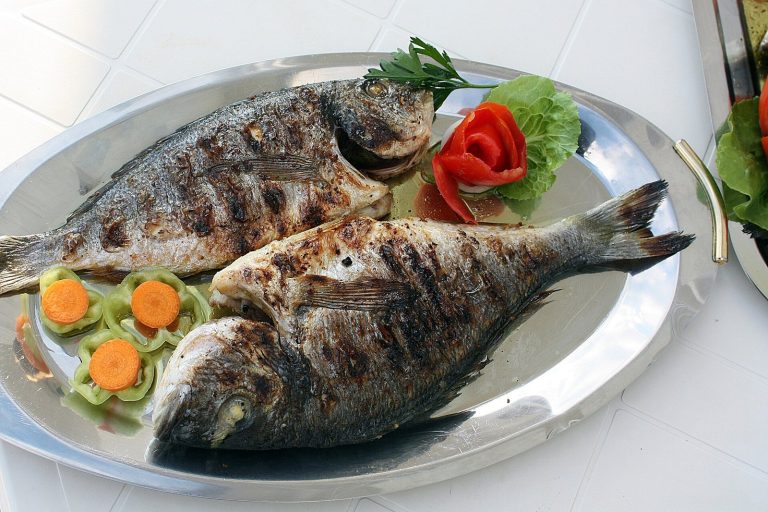
- – Dinner: grilled fish or chicken, leafy greens, sweet potato; fruit.
- – Evening: heating pad as MedlinePlus self-care suggests for pain—not a substitute for evaluating worsening bleeding.
5. Eating out
Choose grilled proteins with vegetable sides; ask for beans or salads; keep fried baskets and huge sugary drinks occasional.
6. When metabolic conditions overlap
NHS notes links with high blood pressure and diabetes in risk discussions. If those apply, pair this page with high blood pressure foods guide and type 2 diabetes plate guide—still without claiming those plates shrink fibroids.
Safety, interactions, and who should ask a clinician first
- – Heavy menstrual bleeding with lightheadedness, shortness of breath, chest pain, or fainting: urgent evaluation for anemia or other causes.
- – Rapidly enlarging pelvic mass symptoms, postmenopausal bleeding, or infertility concerns: gynecology follow-up—not diet experiments.
- – Iron supplements: take as directed; ask about stool softeners if constipation appears (MedlinePlus mentions this common issue).
- – Hormone therapies and procedures have fertility implications—NHS advises discussing pregnancy plans before certain treatments; diet does not settle those decisions.
- – Herbal “fibroid flush” products can interact with medicines—review with a clinician or pharmacist.
FAQ
Can diet shrink fibroids? Public MedlinePlus and NHS pages focus on medicines, procedures, and surgery for problematic fibroids. Balanced eating supports overall health; it is not presented as a shrinking cure.
Why does fiber matter if fibroids are in the uterus? MedlinePlus living guidance links fiber with easier bowel movements so you strain less—helpful when pelvic pressure is already present.
Do I need vitamin D for fibroids? MedlinePlus lists vitamin D deficiency among factors discussed with likelihood. Ask your clinician whether testing or supplementation is appropriate; do not megadose on your own.
Is every person with fibroids anemic? No. Anemia risk rises with heavy bleeding. Confirm with labs before high-dose iron.
Should I avoid soy or all hormones in food? Patient education pages do not mandate extreme soy bans as fibroid therapy. Focus on balanced patterns unless your clinician gives a specific restriction.
How this differs from related OTCFood topics
This page is a uterine fibroids-bound supportive eating guide. It is not an endometriosis diet guide protocol, not a stand-alone iron deficiency anemia diet guide clinic, and not a PCOS diet guide metabolic reset—though iron loss and hormonal symptoms can overlap in real life.
Medical disclaimer
Medical disclaimer: This article is for general information only. It is not medical advice, diagnosis, or a treatment plan. Fibroid care depends on size, location, bleeding, fertility goals, and imaging. Talk with a gynecologist or registered dietitian before starting, stopping, or changing any eating plan, iron supplement, hormone therapy, or procedure plan. Seek urgent care for severe bleeding, fainting, or sudden severe pelvic pain.