Chronic Pancreatitis Diet: Foods That May Help and Foods to Limit
Medical note: This article discusses foods and researched botanicals. It does not claim to prevent, treat, or cure disease. Supplements are not a substitute for food, and studied amounts are not personal prescriptions.
People searching “chronic pancreatitis diet foods that help or worsen” usually want a sustainable low-irritant kitchen plan—not a claim that food regenerates a damaged pancreas. The National Institute of Diabetes and Digestive and Kidney Diseases (NIDDK) defines pancreatitis as inflammation of the pancreas. Acute pancreatitis is short term; chronic pancreatitis can worsen over time and cause lasting damage. For eating, NIDDK’s public message is consistent: a healthy, low-fat eating plan, small frequent meals when you return to food, plenty of fluids, limit caffeine, and no alcohol at all—even when pancreatitis is mild.
What this chronic pancreatitis diet guide covers (and what it does not)
This guide is for adults living with diagnosed chronic pancreatitis (or recovering after repeated attacks) who want food patterns anchored in NIDDK and MedlinePlus education while they follow gastroenterology care. Anchors: NIDDK — Pancreatitis, NIDDK — Eating, Diet, & Nutrition for Pancreatitis, NIDDK — Treatment for Pancreatitis, and MedlinePlus acute pancreatitis background on fat-triggered pain and alcohol risk.
Severe upper abdominal pain radiating to the back, vomiting, fever, or jaundice needs urgent medical care—not a DIY fat cut. During hospital treatment, clinicians may use IV fluids, temporary feeding tubes, pain medicine, or procedures. Home diet only resumes when your team says you may eat. Enzyme capsules, fat-soluble vitamins, and diabetes plans—if prescribed—belong under clinician supervision; food does not replace them.
Evidence snapshot: chronic pancreatitis diet claims vs public sources
| Claim people hope for | What public sources actually say | Confidence |
|---|---|---|
| “A special diet cures chronic pancreatitis” | NIDDK: chronic disease can cause lasting damage; treatment aims to relieve pain, support digestion, and manage complications | Strong: food is supportive only |
| “Any amount of alcohol is fine if attacks feel mild” | NIDDK: professionals strongly advise no alcohol, even in mild or early disease; continued drinking raises recurrence and severe-complication risk | Strong abstinence message |
| “Low-fat eating is optional” | NIDDK eating page: after you may eat again, clinicians prescribe a healthy low-fat plan with small, frequent meals; high-fat/high-calorie patterns can raise blood fats and pancreatitis risk | Strong for public NIDDK guidance |
| “Smoking does not matter if I quit drinking” | NIDDK treatment page: stop smoking too; smoking raises the chance acute disease becomes chronic and may raise pancreatic cancer risk | Strong counseling point |
| “Enzymes and vitamins are optional lifestyle extras” | NIDDK: doctors may prescribe enzyme pills for digestion and vitamins A, D, E, K (and B-12 if needed) for malabsorption | Strong: follow prescriptions |
Foods and patterns that may help with chronic pancreatitis day-to-day health
“May help” means supporting digestion comfort and nutrition status while medical care continues—not regenerating pancreatic tissue.
Low-fat, small-meal defaults (NIDDK)
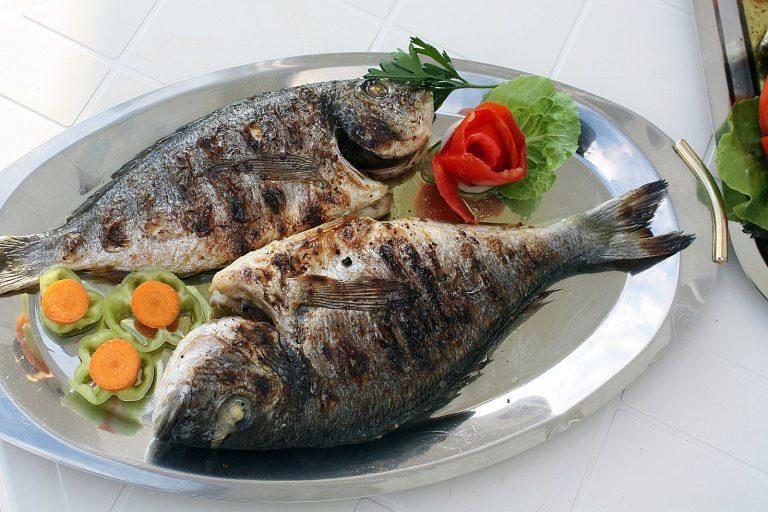
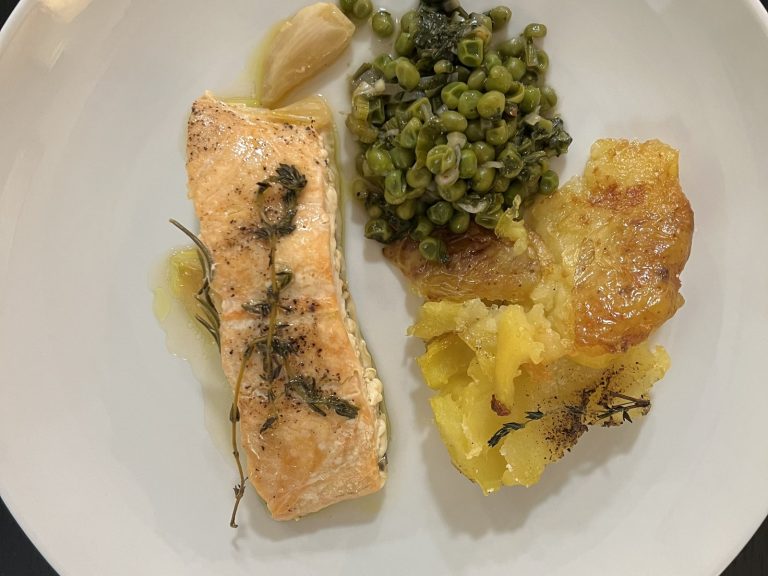
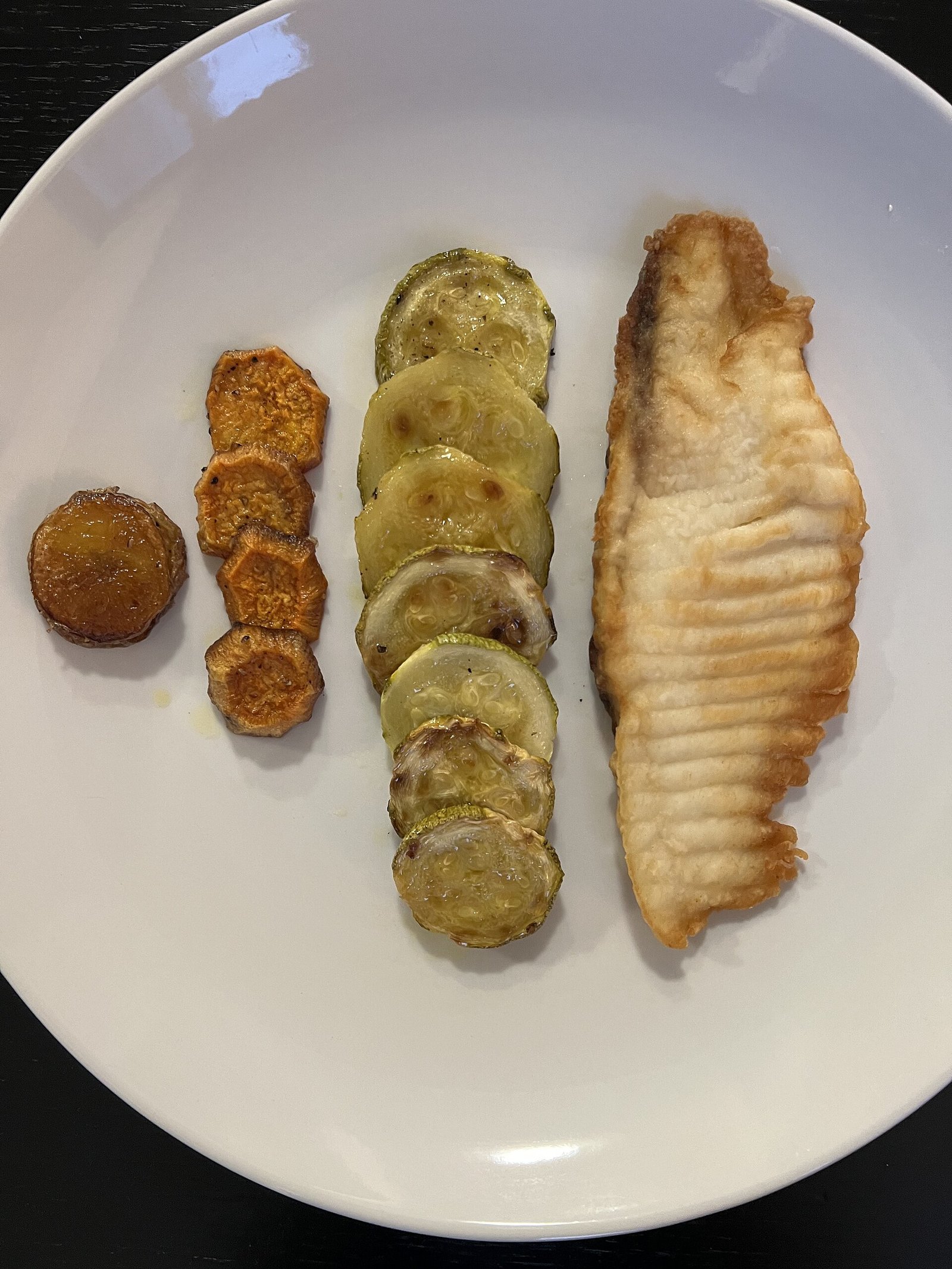
- – Choose lean proteins: skinless poultry, white fish, egg whites or whole eggs in amounts your clinician allows, beans if tolerated, low-fat dairy if tolerated.
- – Cook with baking, grilling, steaming, or poaching instead of deep frying.
- – Prefer smaller meals more often rather than large heavy plates that dump a big fat load at once.
- – Drink fluids steadily; NIDDK emphasizes plenty of fluids and limiting caffeine.
Nutrition gaps clinicians often watch
- – Chronic pancreatitis can impair fat digestion and absorption. NIDDK notes enzyme pills and fat-soluble vitamins when malabsorption is present—take enzymes exactly as timed with meals if prescribed.
- – Diabetes can develop; NIDDK says your team may create an eating plan plus glucose monitoring. Pair kitchen habits with our type 2 diabetes plate guide guide only under clinician advice.
- – If gallstones contributed to past attacks, weight-aware patterns that support gallbladder health may overlap with our gallstones diet guide page—still without restarting alcohol.
Smoking and alcohol: non-negotiable lifestyle spines
- – Zero alcohol is the clearest NIDDK diet-adjacent rule for pancreatitis.
- – Stop smoking; ask for cessation support rather than white-knuckling alone.
Foods and habits that often worsen chronic pancreatitis kitchen patterns
- – Any alcohol—beer, wine, spirits, “medicinal” tonics, or alcohol in desserts—conflicts with NIDDK strong advice.
- – High-fat meals and fried foods—large creamy sauces, fried meats, heavy pastries, and bottomless appetizer grease.
- – Very large infrequent meals that overwhelm remaining digestive capacity.
- – High caffeine stacks if they disrupt fluids, sleep, or comfort—NIDDK says limit caffeine.
- – Continuing to smoke while cutting only dietary fat.
- – Stopping prescribed enzymes or diabetes medicines for “natural pancreas cleanses.”
- – Ignoring triglyceride care when high blood fats were part of your story—MedlinePlus links very high triglycerides with pancreatitis risk.
“Limit” means reducing fat load and eliminating alcohol/smoking—not that one olive oil teaspoon is automatically forbidden; your personal fat gram target comes from your clinician or dietitian.
Practical kitchen protocol: a chronic pancreatitis diet week
1. Keep the medical spine first
List enzyme timing, diabetes checks, and pain-plan instructions next to meals. Food should make adherence easier.
2. Shopping list for lower-fat plates
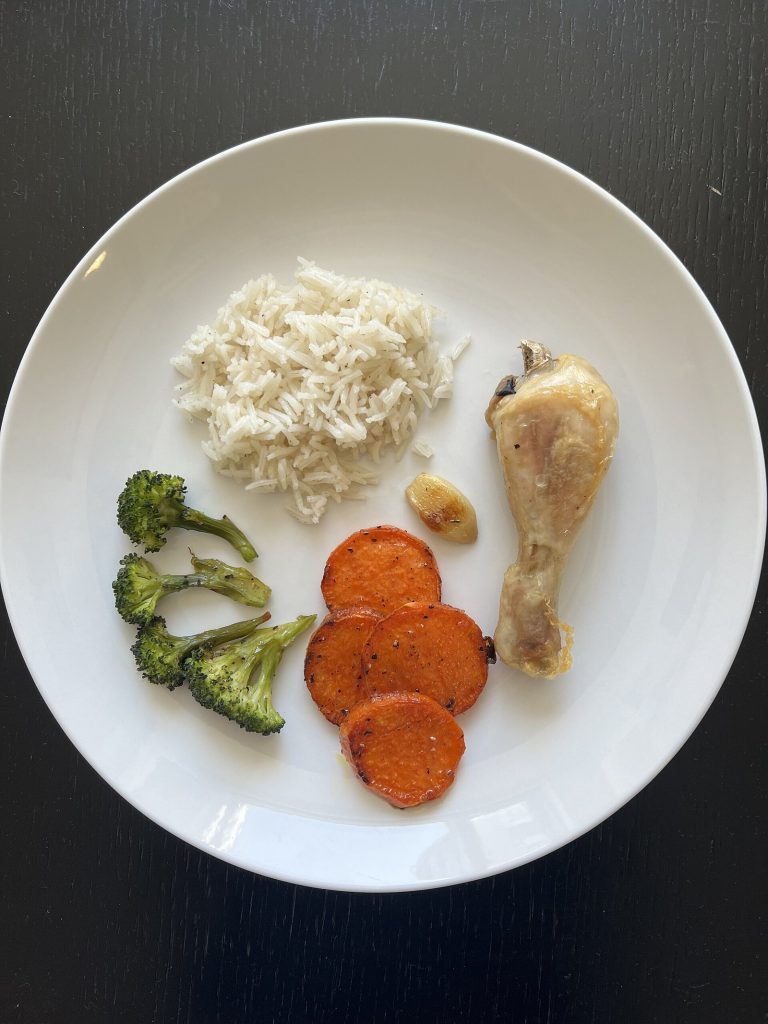
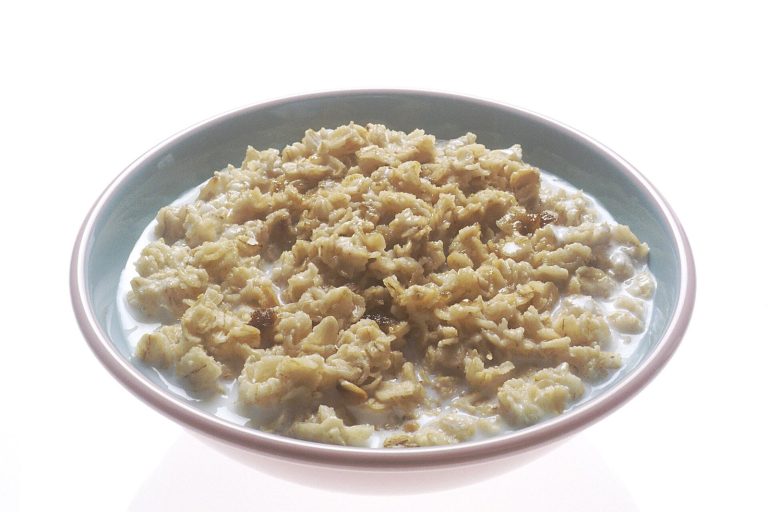
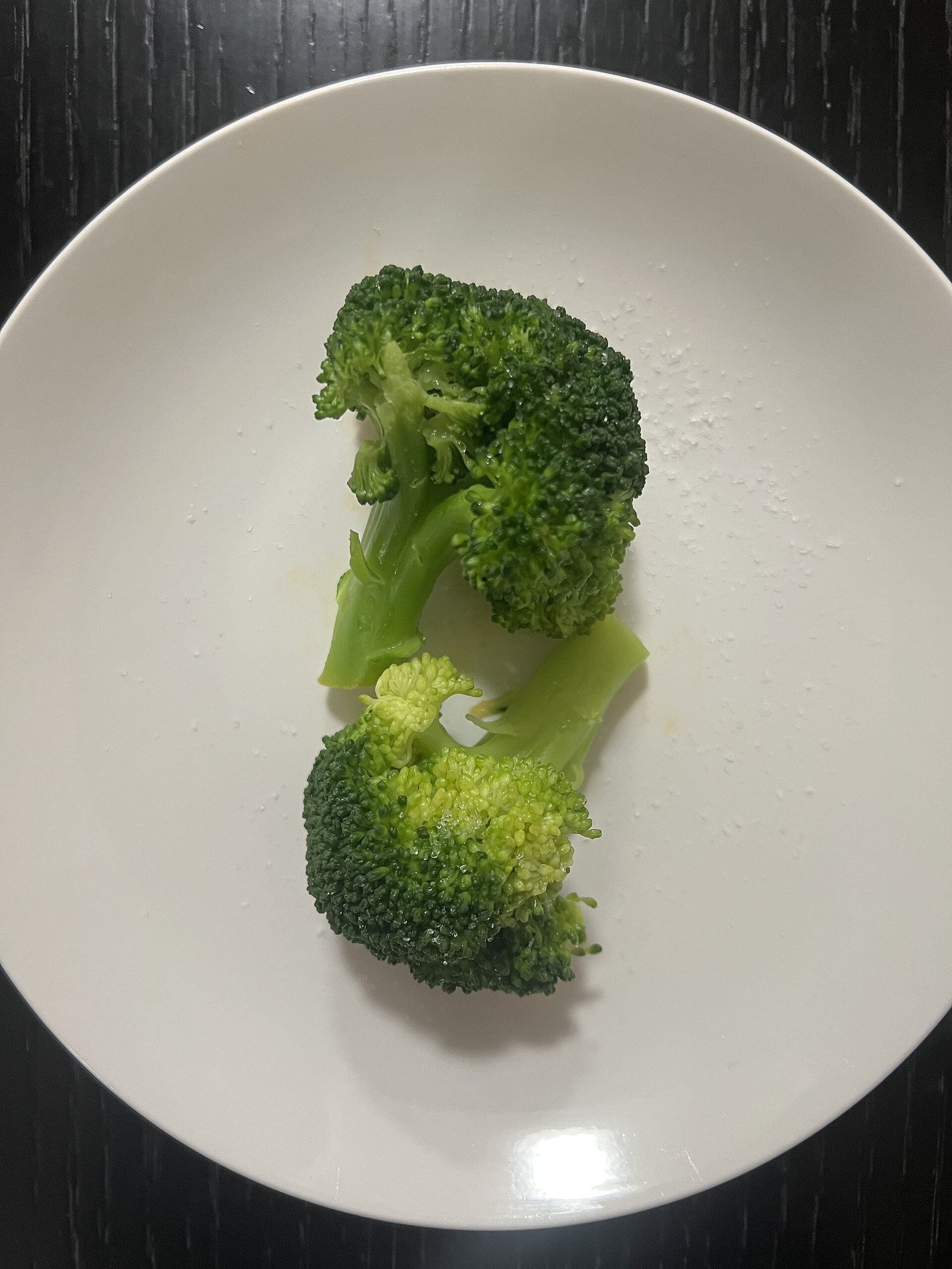
White fish, skinless chicken or turkey; egg whites or limited whole eggs as advised; low-fat yogurt or milk if tolerated; potatoes, rice, oatmeal; non-starchy vegetables (broccoli, zucchini, carrots, green beans); fruit; broth-based soups; herbs instead of cream sauces; water and limited caffeine drinks.
3. Default plate template
- – Half non-starchy vegetables
- – Quarter starch (rice, potato, oatmeal portion sized to your plan)
- – Quarter lean protein
- – Visible fats (oils, butter, creamy dressings, cheese) measured to your clinician’s fat budget—not free-poured
4. Sample day (illustrative)
- – Breakfast: oatmeal with fruit; low-fat yogurt if tolerated; water.
- – Mid-morning: banana or apple.
- – Lunch: baked white fish or turkey breast, steamed vegetables, small rice portion; take enzymes if prescribed.
- – Snack: fat-free broth or crackers your plan allows.
- – Dinner: skinless chicken, zucchini and carrots, potato; fruit.
- – Evening: no alcohol; keep caffeine low.
5. Eating out
Ask for grilled or baked fish/chicken without butter finish; sauces on the side; skip fried baskets and creamy pastas; confirm cooking oil practices if you are highly fat-sensitive.
6. When another GI condition overlaps
Bloating or reflux may travel with pancreatic disease. See our GERD diet guide and functional dyspepsia diet guide guides for symptom overlap—without relaxing the alcohol rule.
Safety, interactions, and who should ask a clinician first
- – Fat tolerance is individual. Some people with chronic pancreatitis need tighter fat limits; others on optimized enzymes tolerate a more liberal balanced pattern—do not copy a stranger’s gram target.
- – Unintentional weight loss, oily stools, night blindness symptoms, or bone health concerns: ask about malabsorption and vitamins A/D/E/K.
- – New diabetes symptoms (thirst, frequent urination, weight change): urgent follow-up.
- – Sudden severe abdominal pain, vomiting, fever, or black/tarry stools: emergency care.
- – Never start high-dose over-the-counter “pancreas support” supplements that displace prescribed enzymes.
FAQ
Is chronic pancreatitis diet the same as an acute hospital diet? No. Hospital care may include IV fluids or tube feeding. Home low-fat small meals resume only when your team clears oral intake.
Can I have an occasional drink if I feel well? NIDDK strongly advises people with pancreatitis not to drink any alcohol, even if disease is mild.
Do I need pancreatic enzymes forever? Only your clinician decides. NIDDK notes enzymes when digestion is impaired; do not stop them on your own.
Why limit fat if enzymes help me digest fat? NIDDK’s public eating guidance still centers a healthy low-fat plan. Your dietitian may individualize fat grams once enzymes and symptoms are stable.
Does smoking really matter for the pancreas? Yes. NIDDK links smoking with progression to chronic disease and higher pancreatic cancer risk.
How this differs from related OTCFood topics
This page is a chronic pancreatitis-bound low-fat, alcohol-free guide. It is not a general gallstones diet guide only page, not a type 2 diabetes diet guide glucose clinic visit, and not a high blood pressure foods guide sodium protocol—though diabetes and metabolic risks often travel with pancreatic disease.
Medical disclaimer
Medical disclaimer: This article is for general information only. It is not medical advice, diagnosis, or a treatment plan. Chronic pancreatitis care depends on imaging, pain control, enzymes, nutrition status, and complication management. Talk with a gastroenterologist or registered dietitian before starting, stopping, or changing any eating plan, enzyme dose, alcohol use, or medicine. Seek emergency care for severe abdominal pain, persistent vomiting, fever, or jaundice.