Chronic Prostatitis Diet: Foods That May Help and Foods to Limit
Medical note: This article discusses foods and researched botanicals. It does not claim to prevent, treat, or cure disease. Supplements are not a substitute for food, and studied amounts are not personal prescriptions.
People searching “chronic prostatitis diet foods that help or worsen” usually want kitchen habits that reduce bladder irritation while they work with a clinician—not a claim that food clears prostate inflammation. The National Institute of Diabetes and Digestive and Kidney Diseases (NIDDK) describes prostatitis as a frequently painful condition involving inflammation of the prostate and sometimes nearby areas. The most common form is chronic prostatitis / chronic pelvic pain syndrome (CP/CPPS); bacterial forms also exist. NIDDK is clear that researchers have not found that eating, diet, and nutrition play a role in causing or preventing prostatitis.
What this chronic prostatitis diet guide covers (and what it does not)
This guide is for adults diagnosed with prostatitis or CP/CPPS who want practical food and drink patterns that may reduce bladder irritation during medical care. Anchors: NIDDK — Prostatitis, plus related OTCFood pages such as BPH diet guide and UTI diet guide.
CP/CPPS can cause pelvic, genital, or lower-back discomfort lasting three or more months, urinary frequency/urgency, weak stream, and pain with ejaculation (NIDDK). Acute bacterial prostatitis can present suddenly with fever, chills, and severe urinary symptoms—seek immediate medical care. Food does not replace antibiotics when infection is present, nor alpha-blockers, anti-inflammatories, pelvic-floor therapy, or other clinician-directed options.
Evidence snapshot: prostatitis diet claims vs public sources
| Claim people hope for | What public sources actually say | Confidence |
|---|---|---|
| “A special diet cures chronic prostatitis” | NIDDK: diet not shown to cause or prevent prostatitis; treatment depends on type | Strong: food is not a cure |
| “Quercetin or saw palmetto replaces urology care” | NIDDK lists phytotherapy as an alternative option some clinicians discuss; complementary products should be reviewed with the care team | Insufficient as stand-alone therapy |
| “Stop all caffeine forever” | For bacterial prostatitis treatment, urologists may recommend reducing bladder irritants (alcohol, caffeine, acidic/spicy foods) and increasing fluids | Moderate as temporary irritant reduction, not a universal lifelong ban |
| “More fluids flush bacteria without antibiotics” | Fluids may help flush the bladder during bacterial treatment, but antibiotics are the medical treatment for bacterial prostatitis | Strong: do not skip prescribed antibiotics |
| “Pelvic pain means prostate cancer” | NIDDK: prostatitis symptoms can signal other conditions including cancer—evaluation belongs with a clinician | Strong: get assessed |
Foods and patterns that may help with chronic prostatitis day-to-day comfort
“May help” means supporting hydration and fewer bladder irritants while medical care continues—not reversing nerve-related pelvic pain with a superfood.
Hydration defaults during bacterial treatment (NIDDK)
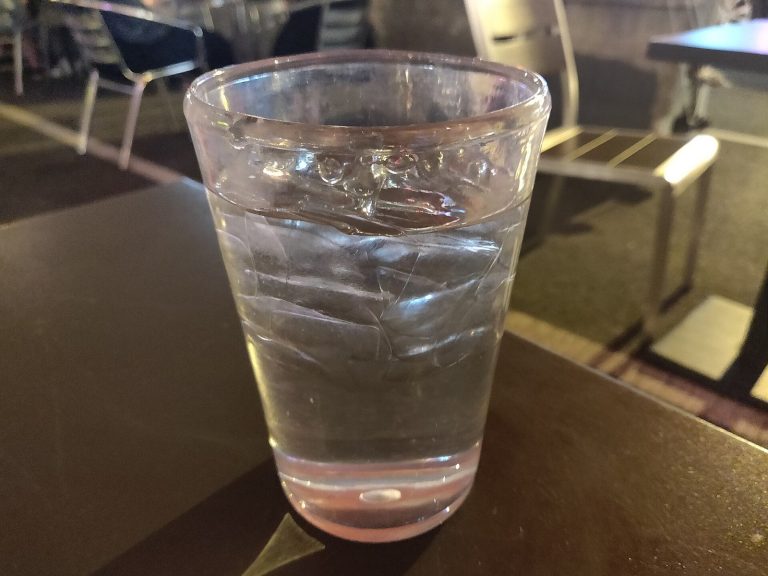
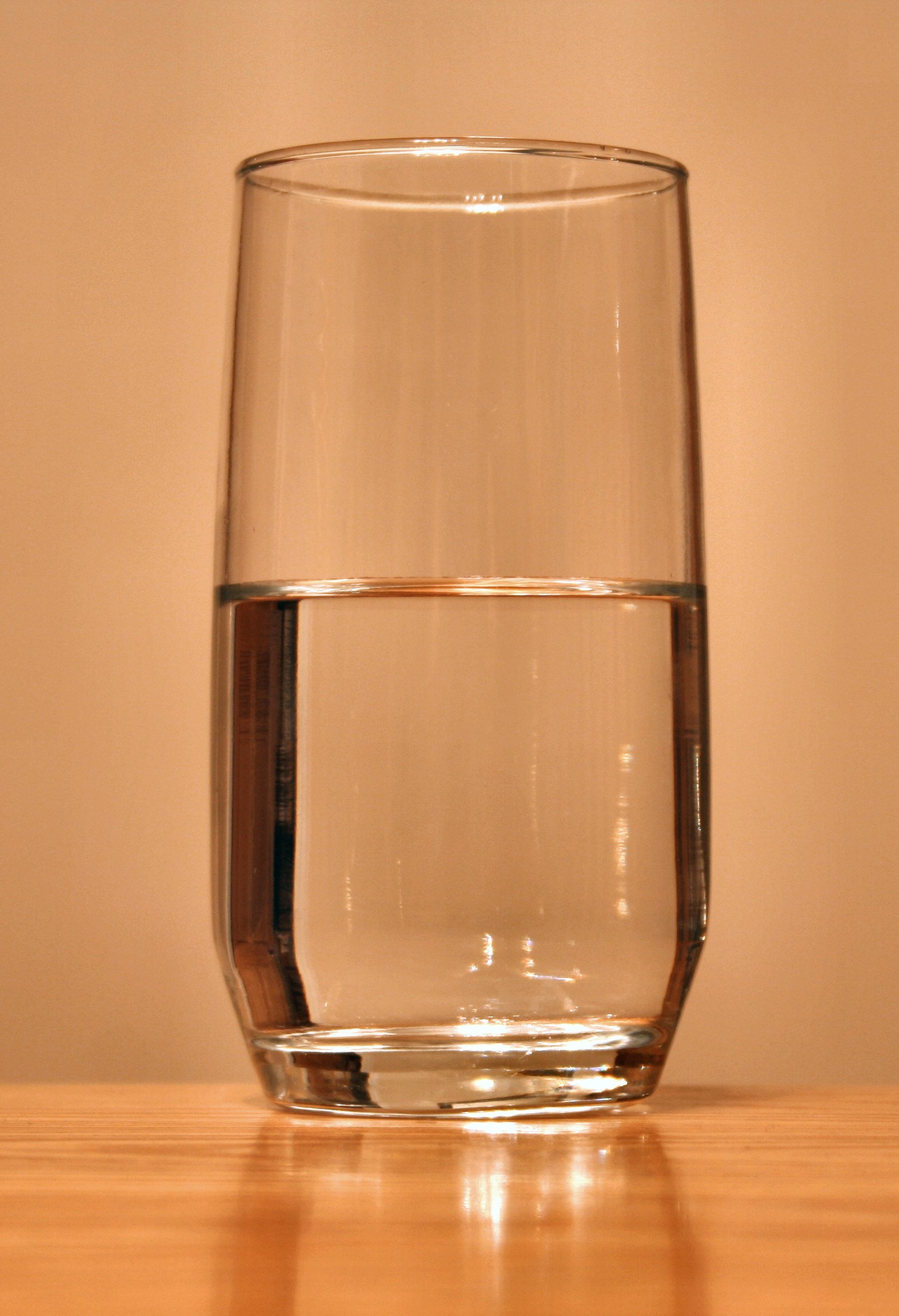
- – For bacterial prostatitis, urologists may recommend increasing liquids—NIDDK cites a wide illustrative range of about 64 to 128 ounces per day—to urinate often and help flush bacteria from the bladder, as part of a medical plan.
- – Water and other non-irritating drinks are usually the practical default; exact volume should be individualized (heart failure, kidney disease, and some medicines change fluid goals).
Bladder-calmer plate patterns many men trial
- – Steady meals with lean protein, vegetables, whole grains, and fruit rather than long fasting plus large irritant drinks.
- – Warm (not scalding) non-caffeinated beverages if hot coffee reliably flares urgency for you.
- – If constipation worsens pelvic floor tension, soft-stool habits similar to our gut guides may help comfort—still without claiming prostate anti-inflammation.
Stress-aware eating rhythm
- – NIDDK notes psychological stress may increase chances of CP/CPPS and that stress reduction may reduce symptom recurrence for some men. Regular meals, sleep-friendly evening routines, and limiting late alcohol can support that plan—not as psychotherapy substitutes.
Overlap with BPH or UTI care
- – Urinary symptoms can overlap with BPH and UTIs. Use BPH diet guide and UTI diet guide as companion kitchen pages while your urologist clarifies the diagnosis.
Foods and habits that often worsen prostatitis kitchen patterns
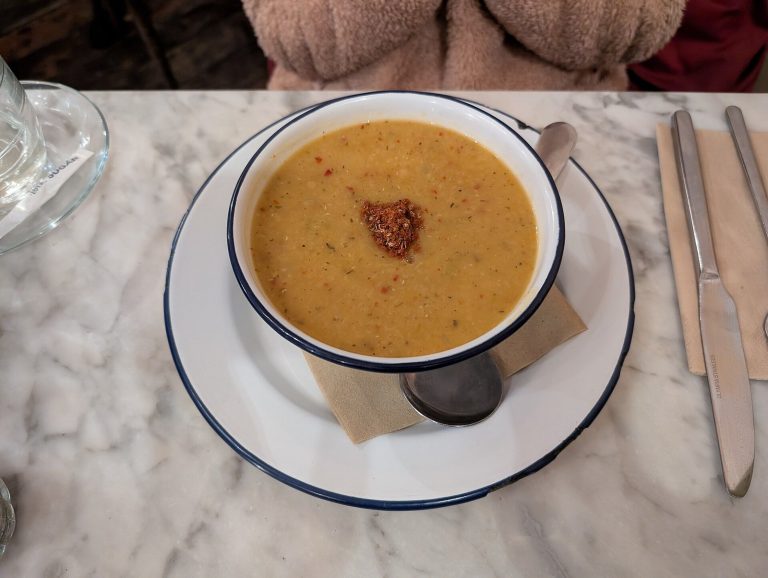
- – Alcohol, caffeinated beverages, and acidic or spicy foods when your clinician has flagged them as bladder irritants during treatment (NIDDK).
- – Under-drinking fluids during bacterial prostatitis care when higher intake was recommended.
- – Stopping antibiotics early because “I changed my diet”—bacterial clearance needs the prescribed course.
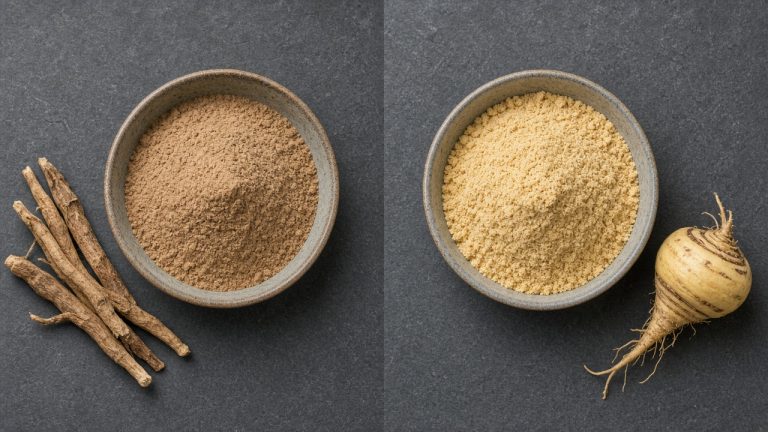
- – High-dose unregulated “prostate detox” supplements without telling your clinician—NIDDK urges discussing complementary products for safety.
- – Ignoring fever, chills, inability to urinate, or blood in the urine—these are urgent medical red flags (NIDDK).
- – Assuming CP/CPPS is the same as acute infection—management differs; only a clinician can sort the type.
“Limit” means reducing drinks and foods that flare urgency for you—not a permanent prohibition list for every man.
Practical kitchen protocol: a chronic prostatitis diet week
1. Keep the medical spine first
Write antibiotic or other medicine schedules next to meals. Food timing should support adherence, not compete with it.
2. Shopping list for lower-irritant days
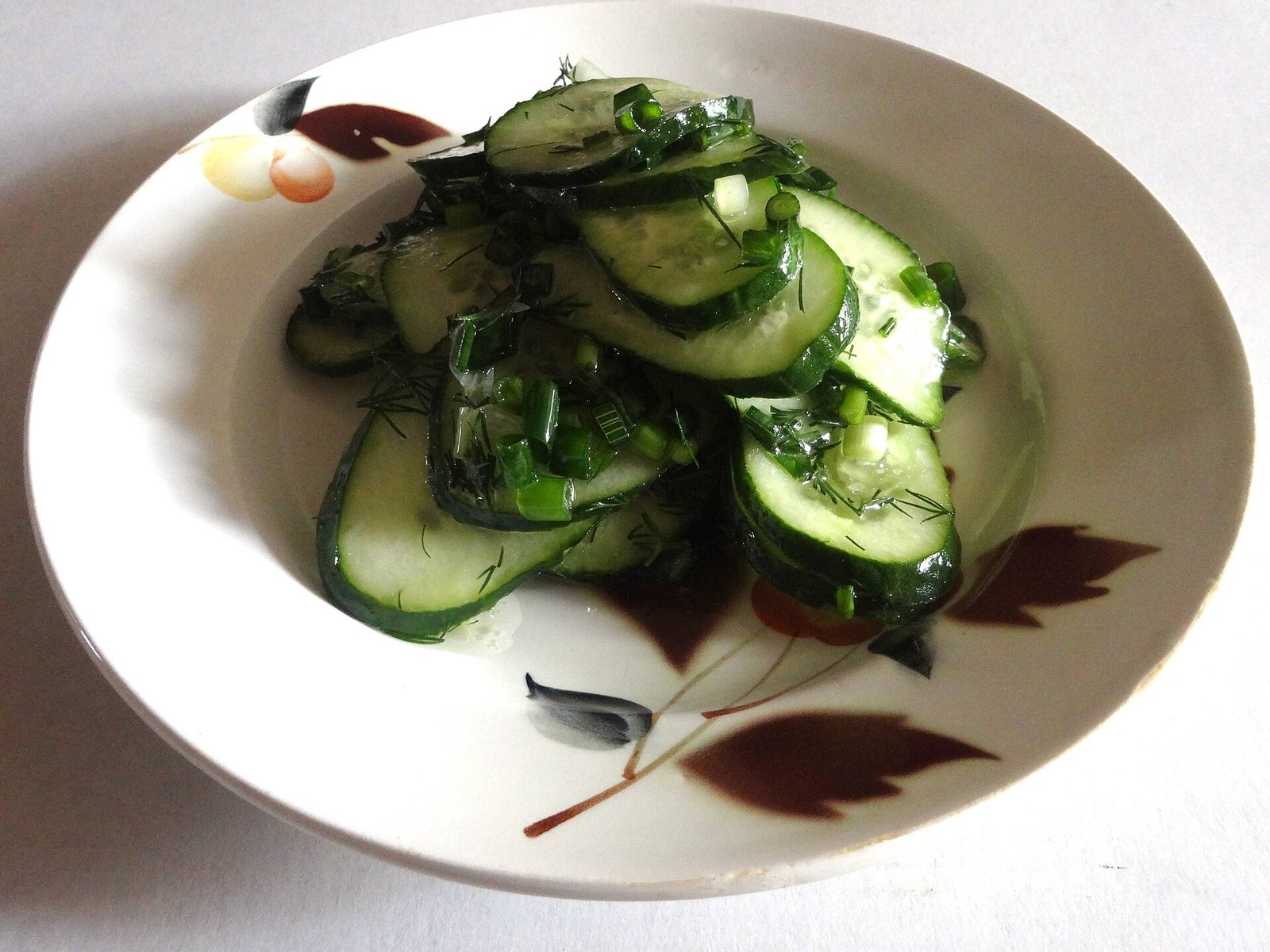
Water and herbal caffeine-free teas; oatmeal and other gentle grains; eggs, poultry, fish, beans; cooked vegetables; bananas, melons, pears (if acidic fruits bother you, rotate milder options); cucumber salads; plain yogurt if tolerated; limit pre-workout energy drinks if caffeine flares symptoms.
3. Default plate template
- – Half vegetables
- – Quarter whole grains or starchy vegetables
- – Quarter lean protein
- – Water with meals; keep coffee/alcohol as a controlled experiment only if your clinician agrees
4. Sample day (illustrative)
- – Breakfast: oatmeal with banana; water or herbal tea.
- – Lunch: grilled chicken with rice and cucumber salad; water.
- – Snack: yogurt or a handful of unsalted nuts; water.
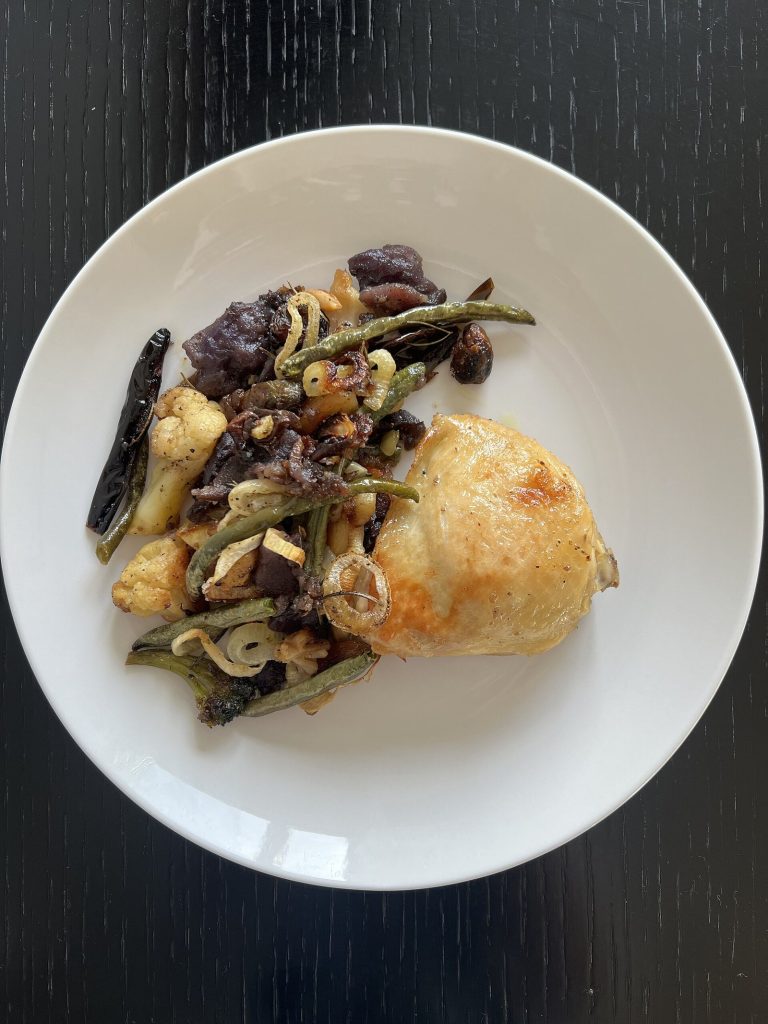
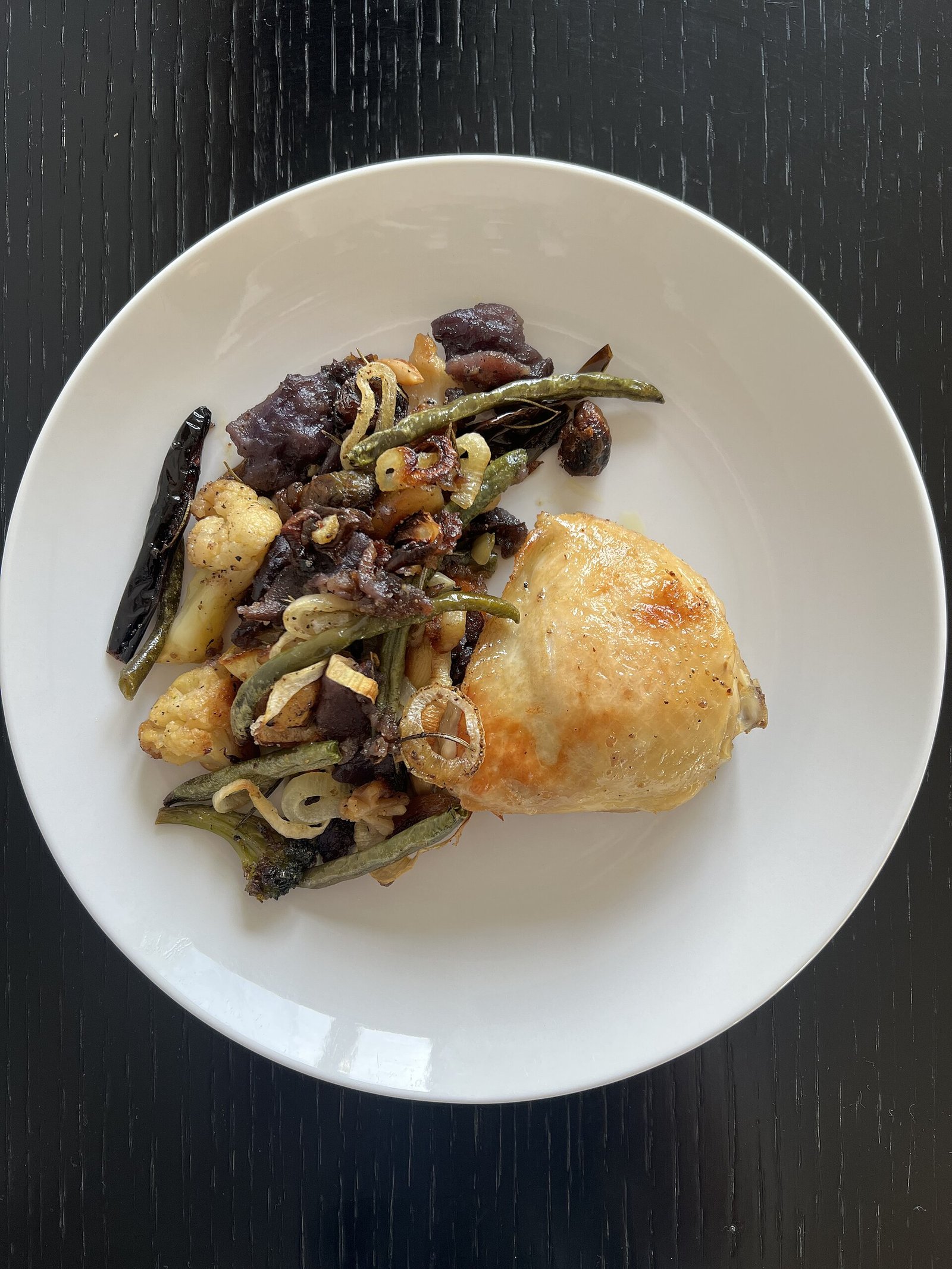
- – Dinner: baked fish, potatoes, mixed vegetables; fruit if tolerated.
- – Evening: warm bath if recommended for pelvic comfort; avoid late large alcohol servings.
5. Eating out
Ask for grilled proteins and vegetable sides; request sauces on the side if spicy/acidic sauces trigger you; choose water as the default drink when symptoms are active.
6. When kidney stone or UTI history overlaps
See kidney stones diet guide and UTI diet guide—still under urology guidance.
Label-reading tips for bladder-irritant days
- – Scan beverage labels for caffeine content in sodas, energy drinks, and “focus” teas.
- – Watch concentrated citrus juices and tomato-based sauces if acidic foods flare urgency for you.
- – Spicy chili oils and very hot peppers are optional experiments—pause them during flares rather than declaring a lifelong ban unless your clinician advised otherwise.
- – Artificial sweeteners and sugar alcohols bother some men’s bowels and pelvic floor comfort indirectly; note personal patterns in a simple symptom diary for your next visit.
What “success” looks like in the kitchen
Success is fewer self-triggered urgency spikes and better medicine adherence—not a zero-pain guarantee. NIDDK reminds clinicians and patients that CP/CPPS has a wide symptom range and no single treatment works for every man. Reassess irritants every few weeks rather than overhauling your entire pantry overnight.
Safety, interactions, and who should ask a clinician first
- – Seek immediate care for inability to urinate; painful frequent urination with fever and chills; blood in the urine; or severe lower abdominal/urinary pain (NIDDK).
- – CP/CPPS treatments may include medicines, pelvic-floor physical therapy, heat, and sometimes phytotherapy—coordinate supplements with your clinician (NIDDK/NCCIH reminder).
- – NSAIDs and other pain medicines have kidney and stomach risks—use only as directed.
- – Heart, kidney, or fluid-restricted conditions: do not self-increase fluids to the high end of any range without clinician approval.
FAQ
Can diet cure chronic prostatitis / CPPS? No. NIDDK states researchers have not found diet causes or prevents prostatitis. Care is clinical and often multimodal.
Should I cut caffeine completely? During bacterial treatment, reducing caffeine and other bladder irritants is often recommended. Long-term limits should be personalized.
Do I need a prostate “cleanse”? No public NIDDK guidance supports cleanses as prostatitis treatment. Discuss any supplement first.
How is CP/CPPS different from BPH? Both can affect urine flow, but they are different conditions. Diagnosis belongs with a clinician; kitchen pages are complementary only.
Will more water replace antibiotics for bacterial prostatitis? No. Antibiotics treat bacterial infection; fluids are supportive during care.
How this differs from related OTCFood topics
This page is a prostatitis / CPPS-bound hydration and bladder-irritant guide. It is not a BPH diet guide enlargement protocol, not a UTI diet guide infection prevention checklist alone, and not a cancer diet—urinary red flags still need medical evaluation.
Medical disclaimer
Medical disclaimer: This article is for general information only. It is not medical advice, diagnosis, or a treatment plan. Prostatitis care depends on the type (bacterial vs CP/CPPS), exam and urine findings, and prescribed therapies. Talk with a clinician or registered dietitian before starting, stopping, or changing any eating plan, supplement, or medicine. Seek urgent care for fever with urinary symptoms, blood in the urine, or inability to urinate.