Histamine Intolerance Diet: Foods That May Help and Foods to Limit
Medical note: This article discusses foods and researched botanicals. It does not claim to prevent, treat, or cure disease. Supplements are not a substitute for food, and studied amounts are not personal prescriptions.
“Histamine intolerance” is a popular label for food-related symptoms people link to histamine in foods (NHS food-intolerance pages list histamine among possible intolerances, with examples such as wine and cheese). It is not the same as IgE-mediated food allergy. AAAAI and NHS stress that allergy can be life-threatening, while intolerance is generally about difficulty digesting a food/ingredient and is usually not anaphylaxis. Evidence that a strict lifelong “low-histamine diet” cures a well-defined disease is limited; any elimination trial should be short, structured, and clinician/dietitian-supervised, with allergy ruled out when appropriate. Food changes may help some people identify intolerances; they do not replace epinephrine plans for true allergy, and they are not a proven cure-all.
What this histamine intolerance diet guide covers (and what it does not)
This guide is for adults exploring NHS-style food-intolerance concepts and AAAAI allergy-versus-intolerance distinctions—not for diagnosing yourself from a social-media list. It covers careful trial logic, common high-histamine examples NHS mentions (wine, cheese), and safety red flags for allergy. It does not provide a definitive universal low-histamine grocery blacklist as medical fact, because public consumer pages do not publish a gold-standard curative diet protocol.
Anchors: NHS — Food intolerance, NHS — Food allergy, AAAAI — Food allergy, MedlinePlus — Food allergy.
Evidence snapshot: histamine intolerance claims vs public sources
| Claim people hope for | What public sources actually say | Confidence |
|---|---|---|
| “Low-histamine diet cures disease X” | NHS discusses intolerance vs allergy; does not present a validated curative histamine protocol | Strong (against cure claims) |
| Histamine can be an intolerance trigger example | NHS lists histamine (e.g., wine and cheese) among intolerance examples | Moderate (example-level) |
| Allergy ≠ intolerance | AAAAI/NHS: allergy is immune-mediated and can be life-threatening; intolerance usually is not | Strong |
| Online IgG panels prove histamine intolerance | Not supported as standard in these public allergy/intolerance pages | Strong (against relying on them) |
| Self-start lifelong elimination without supervision | NHS: GP may refer to a dietitian for suspected intolerance | Moderate-to-strong (favor supervised care) |
Foods and patterns that may help (careful, provisional)
Rule out allergy first when indicated (AAAAI/NHS)
- – Hives, swelling, wheezing, breathing difficulty, or anaphylaxis features need allergy pathways—not a DIY histamine chart.
- – AAAAI: nine foods cause most allergies (milk, egg, peanut, tree nuts, soy, wheat, fish, shellfish, sesame)—separate issue from intolerance.
Dietitian-guided trial only
- – NHS: you may be referred to a dietitian if a GP thinks you have food intolerance.
- – If a low-histamine trial is advised, keep it time-limited, reintroduce systematically, and track symptoms—do not permanently nuke nutrient density.
Pattern basics while investigating
- – Emphasize freshly prepared simple meals (some clinicians advise limiting long-aged/fermented items during a short trial)—treat as provisional, not gospel.
- – Maintain protein, vegetables, and calories so “investigation” does not become malnutrition.
Alcohol caution
- – NHS lists alcohol among intolerance-related examples; wine is also listed beside histamine examples—trial reduction is reasonable under guidance.
Lactose and other common intolerances
- – NHS notes lactose intolerance is the most common food intolerance—do not mislabel every dairy reaction as “histamine” without assessment.
Foods and drinks that often worsen the bigger picture
- – Self-diagnosed lifelong bans of dozens of foods without dietitian support—risking deficiency and anxiety.
- – Alcohol and aged cheeses if they clearly reproduce your symptoms in a supervised log (NHS examples)—not because the internet said so.
- – Treating allergy as intolerance (dangerous)—AAAAI warns allergy reactions can be life-threatening.
- – Unregulated “histamine enzyme” supplements as a substitute for medical evaluation.
“Limit” during a clinician-approved trial means temporary, tracked reductions—not permanent fear of every leftover.
Practical kitchen protocol
1. Medical triage
See a GP for recurring intolerance-type symptoms; seek emergency care for breathing difficulty or anaphylaxis signs (NHS).
2. If cleared for a short intolerance trial
- – Write a baseline week of usual eating + symptoms.
- – Change one cluster at a time (e.g., alcohol/aged cheese) rather than 40 ingredients overnight.
- – Reintroduce to confirm; restore variety quickly.
3. Sample “simple fresh” day (illustrative only—not a validated medical diet)
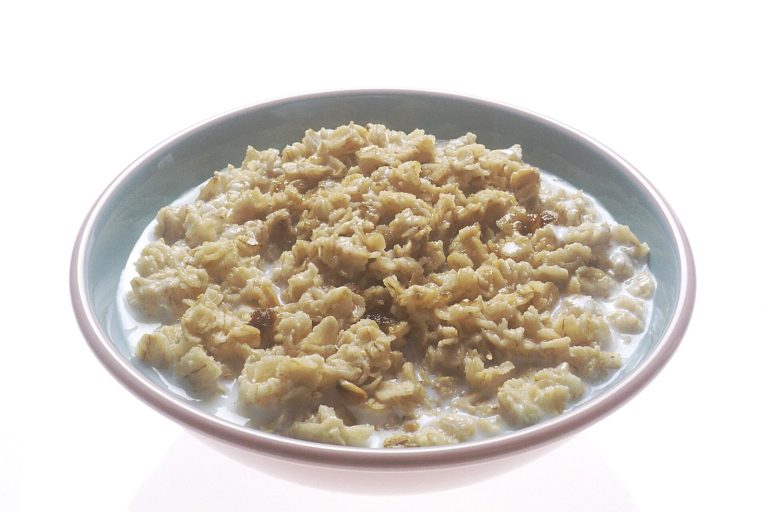
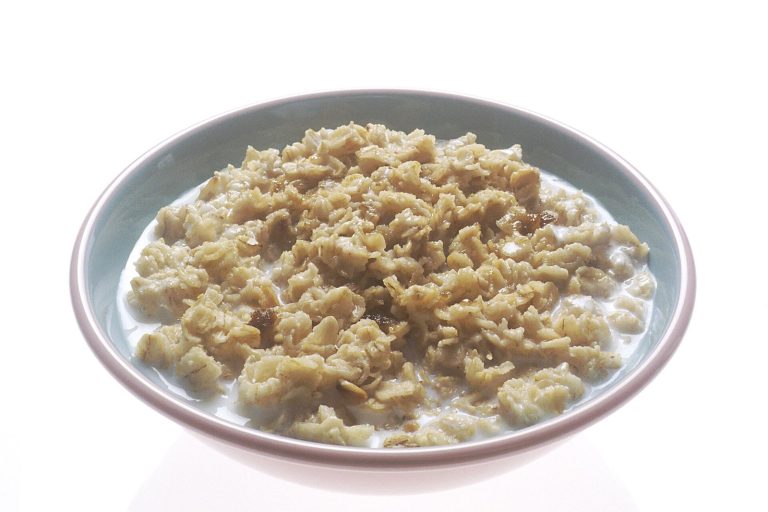
- – Breakfast: fresh eggs, oats, fresh fruit.
- – Lunch: freshly cooked chicken/rice/vegetables.
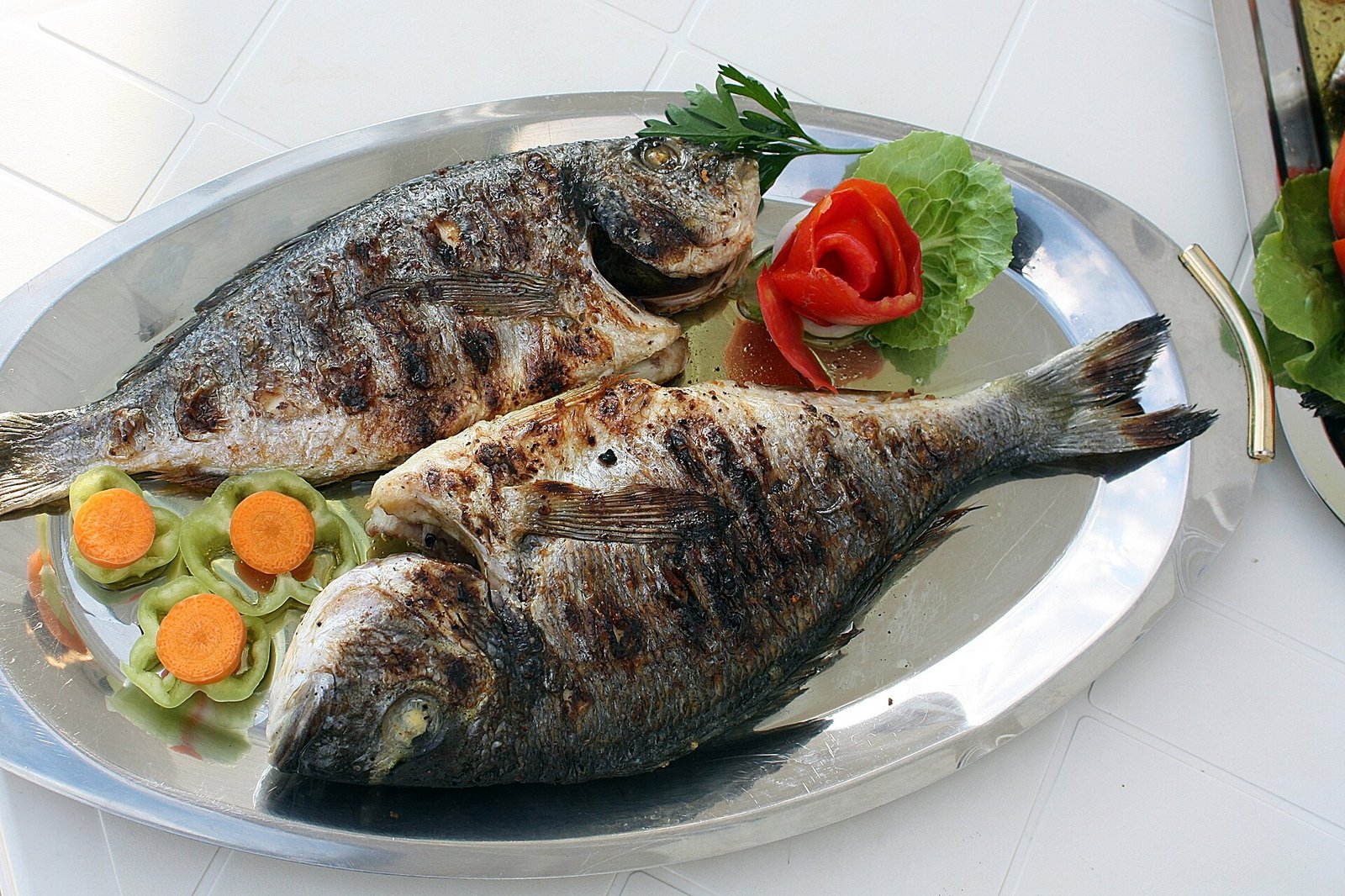
- – Dinner: fresh fish or tofu, potatoes, salad made fresh.
- – Avoid turning this into a years-long prison menu without professional review.
4. Shopping
Buy what you will actually cook fresh; batch carefully; label leftovers with dates if your clinician discussed spoilage/histamine concerns—without obsessive food fear.
5. Two-week review with a professional
Bring symptom scores, a short food list, and any allergy history—decide whether to continue, expand, or abandon the trial.
Longer kitchen landing section: make the pattern boring enough to keep
Staple list you can buy without thinking
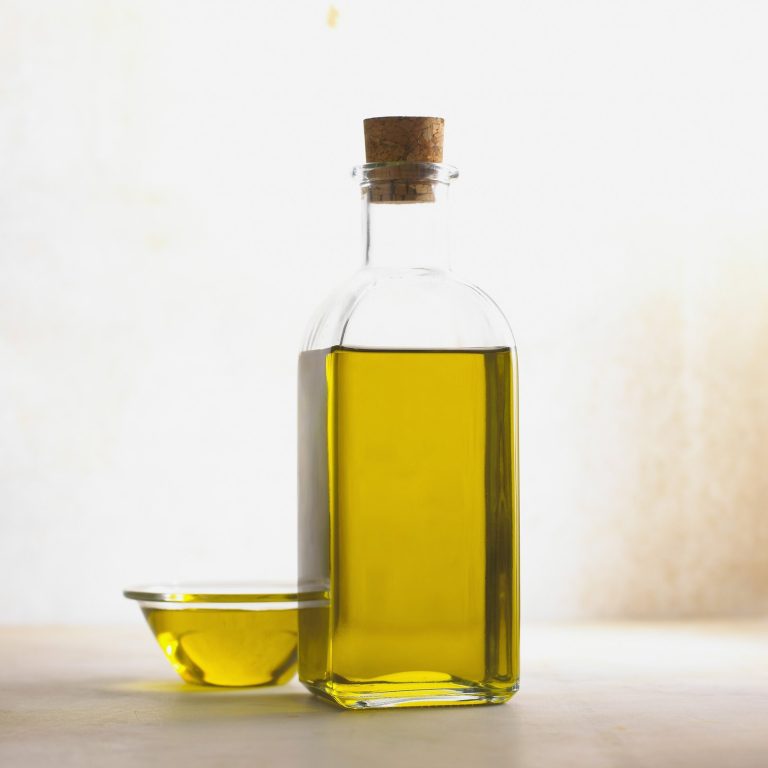
Leafy greens, frozen mixed vegetables, carrots, onions (omit if they are a personal trigger), oats, brown rice or potatoes, eggs, tofu, beans, lentils, plain yogurt or fortified soy yogurt, canned fish, olive oil measured by the spoon, fruit that fits your plan, and measured nuts. Keep a backup shelf of shelf-stable proteins so busy nights do not default to fried takeout.
Cooking default methods
Steam, boil, stew, bake, air-fry with minimal oil, or quick stir-fry with measured oil. Save deep frying and heavy cream sauces for rare occasions. Season with herbs, vinegar, citrus (if tolerated), garlic/onion only when they fit your personal tolerance map, pepper, and modest salt unless your clinician set a tighter sodium target.
Portion and rhythm habits
Put vegetables on the plate first, then protein, then starch. Keep sugary drinks as exceptions. If evenings are when symptoms or readings worsen, shift the larger meal earlier and keep dinner lighter. Chronic conditions that coexist (glucose, lipids, blood pressure, kidney disease) override generic blog rules—follow specialty targets.
“Hard day” simplified menu
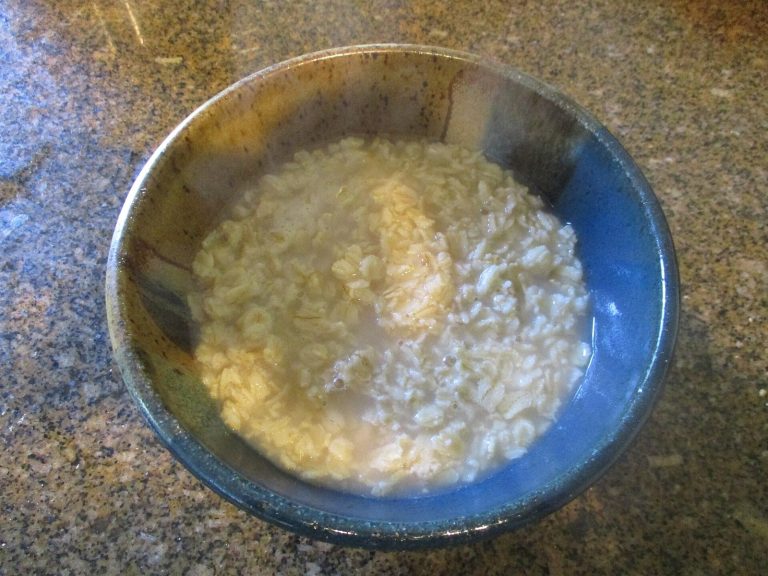
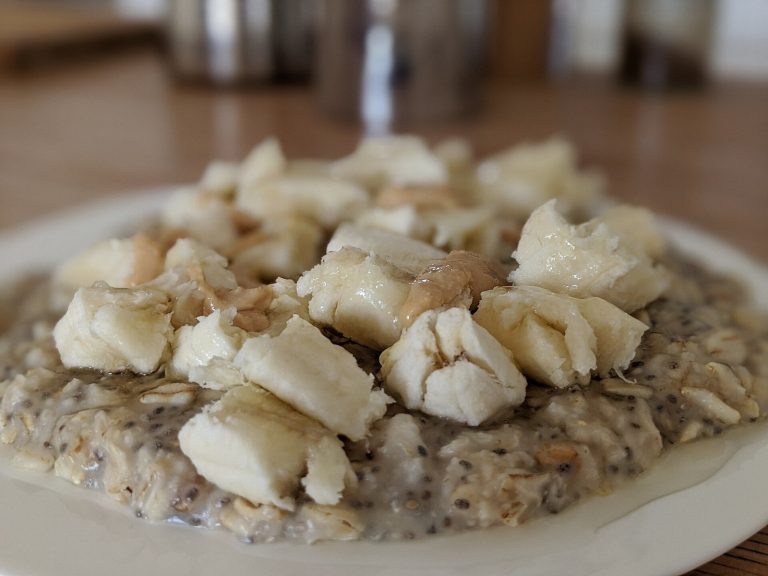
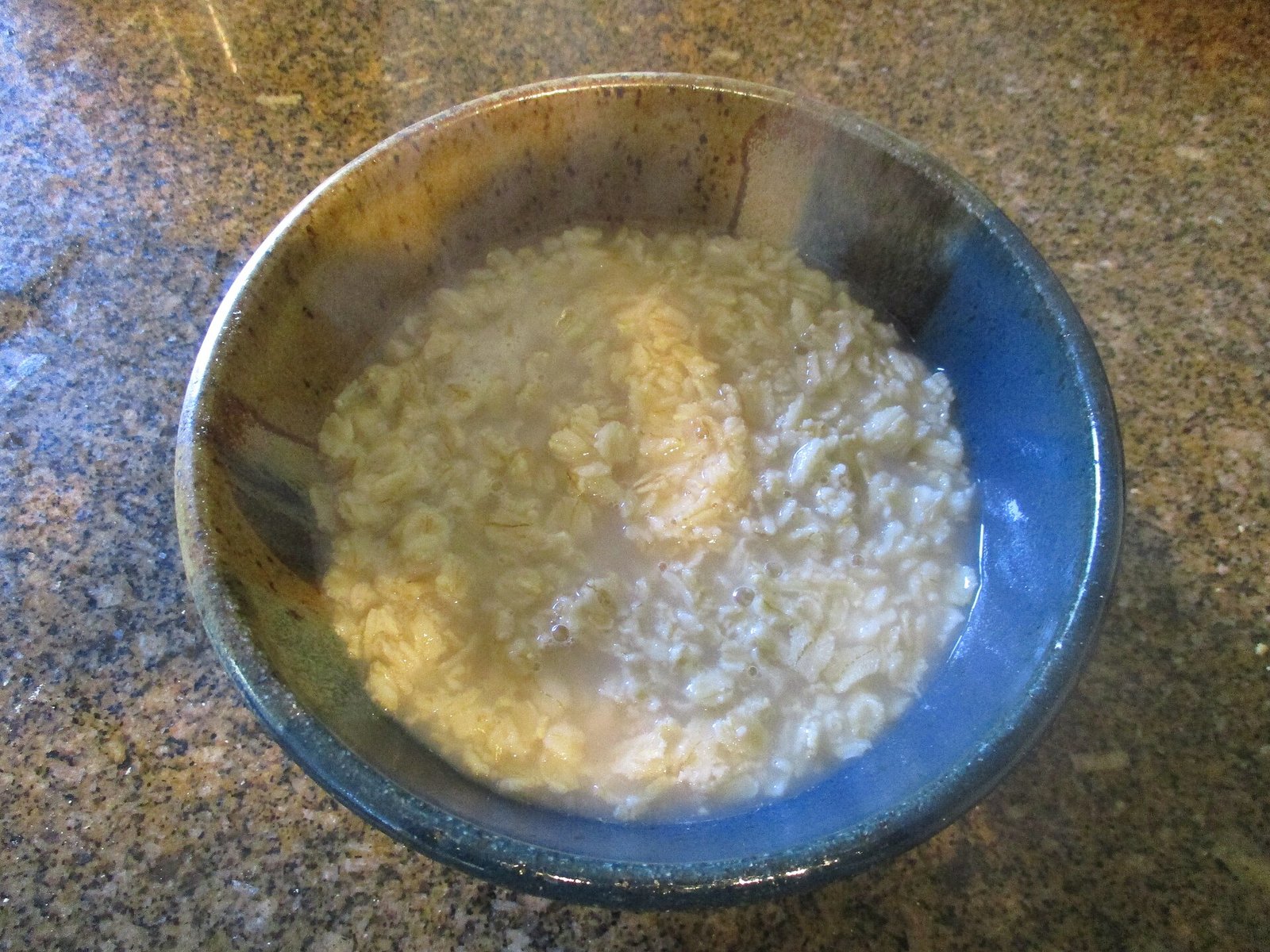
Rice porridge or soft oatmeal, egg dishes, poached fish, stewed vegetables, ripe banana or cooked apple, yogurt if tolerated. When warning symptoms appear, seek care instead of “waiting it out with stricter restriction.”
Label reading without obsession
Scan the first ingredients for sugar and hydrogenated oils; check sodium on broths, breads, and sauces; prefer plain dairy or fortified alternatives over dessert yogurts when you are aiming for steadier patterns. Supplements are not an automatic fix for an incomplete grocery cart—labs and clinicians decide deficiencies.
Two-week retrospective
Keep the three rules that improved comfort or readings; delete the five bans that only increased anxiety. Bring the short list to your next appointment with your medicine list.
Weekly prep that keeps the plan alive
Batch a soup or stew on the weekend and freeze single portions. Hard-boil eggs for grab-and-go protein. Pre-cut vegetables or buy pre-washed bags when energy is scarce. Put a reusable water bottle where you work. If occupational or caregiving stress spikes takeout frequency, keep a written “default order” (grilled protein, vegetables, water) so restaurant nights still roughly match your pattern. Revisit your grocery list monthly: drop items you never use, add two vegetables you actually enjoy, and keep one convenience healthy backup (frozen fish, canned beans) at all times.
Safety, interactions, and when to get help
- – Breathing difficulty, swollen tongue/throat, collapse: emergency allergy care—not a diet edit (NHS/AAAAI).
- – Children, pregnancy, and eating disorders: do not start broad eliminations without specialists.
- – Evidence for histamine intolerance as a tidy diagnosis is limited—be skeptical of clinics selling expensive non-validated tests.
- – Never abandon prescribed epinephrine or allergy action plans because an intolerance blog disagreed.
FAQ
Is histamine intolerance a food allergy? No. AAAAI/NHS distinguish immune allergy (can be life-threatening) from intolerance (digestive/difficulty processing).
Does NHS say wine and cheese are problems? NHS lists histamine—found in foods/drinks like wine and cheese—as an example intolerance ingredient for some people, not a universal ban.
Should I stay low-histamine forever? Not based on these public pages. Prefer short, supervised trials with reintroduction.
Can diet cure histamine intolerance? No cure claim is appropriate; management is individualized and evidence is limited.
How this differs from related OTCFood topics
For lactose-specific intolerance see lactose intolerance diet guide. For broader gut symptom neighbors see IBS diet guide and functional dyspepsia diet guide. For reflux that is not intolerance see GERD diet guide.
Medical disclaimer
Medical disclaimer: This article is for general education only and is not medical advice, diagnosis, or a treatment plan. Distinguishing allergy from intolerance requires clinical assessment. Talk with your doctor or allergy-aware dietitian before elimination diets, and seek emergency care for anaphylaxis warning signs.