Rotator Cuff Tendinopathy Diet: Foods That May Help and Foods to Limit
Medical note: This article discusses foods and researched botanicals. It does not claim to prevent, treat, or cure disease. Supplements are not a substitute for food, and studied amounts are not personal prescriptions.
Rotator cuff problems involve the group of muscles and tendons that stabilize the shoulder; NIAMS sports-injury guidance describes inflammation from overuse or sudden injury, especially with overhead work or sports, while NHS tendonitis pages focus on rest, ice, graded movement, pain relief, physiotherapy, and sometimes injections or surgery—not on a curative diet. Nutrition’s honest role is supporting adequate protein and energy for rehab, healthy weight to reduce overall musculoskeletal load, and general recovery capacity. Food does not “reglue” a tendon, replace physiotherapy, or cure impingement.
What this rotator cuff diet guide covers (and what it does not)
This guide is for adults with clinician-recognized rotator cuff tendinopathy/tendinitis or related overuse shoulder pain who want kitchen patterns beside NHS/NIAMS-style care. It does not distinguish partial tear versus tendinopathy on imaging—that is a clinician task—and it does not recommend stopping prescribed physio because of a food protocol.
Anchors: NIAMS — Sports Injuries (shoulder/rotator cuff), NIAMS shoulder problems fact sheet (PDF), NHS — Tendonitis, NHS — Shoulder pain.
Evidence snapshot: rotator cuff diet claims vs public sources
| Claim people hope for | What public sources actually say | Confidence |
|---|---|---|
| “Anti-inflammatory foods heal the cuff” | NHS/NIAMS center rest, ice, meds, physio, injections/surgery—not food lists as primary therapy | Strong (against cure claims) |
| Protein may support rehab | General musculoskeletal logic; public pages emphasize movement therapy over diet specifics | Moderate (supportive, not disease-specific RCT claims) |
| Weight management may ease load | General MSK load reasoning; not a NIAMS “diet cures cuff” claim | Low-to-moderate |
| Skip physio if you eat perfectly | NHS: physiotherapy, pain relief, possible steroid injections/surgery pathways | Strong (against replacement) |
Foods and patterns that may help with rotator cuff recovery
Protein distributed across the day
- – Eggs, fish, poultry, dairy or fortified soy, tofu, beans, lentils.
- – Aim for protein at breakfast, lunch, and dinner so rehab days are not fueled by snacks alone.
Steady energy for physiotherapy (NHS pathway)
- – Combine complex carbs (oats, potatoes, rice, fruit) with protein before sessions.
- – Hydrate; dehydration worsens perceived exertion.
Colorful produce pattern
- – Vegetables and fruits for overall micronutrient support during months-long recovery timelines common in shoulder care.
Weight-aware pattern if advised
- – If overweight contributes to other joint load or metabolic disease, a clinician-guided deficit may help overall health—without promising tendon regeneration.
Kitchen adaptations when overhead reaching hurts (practical NIAMS overhead-risk context)
- – Keep staples at waist height; avoid high cupboards.
- – Use lighter pans; sheet-pan and slow-cooker meals; ask for jar-opening help.
Foods and drinks that often worsen the bigger picture
- – Skipping meals before physio, causing lightheadedness during exercises.
- – Alcohol excess that disrupts sleep and pain coping.
- – Ultra-processed high-calorie grazing if reduced activity is causing unwanted weight gain.
- – There is no NHS/NIAMS rotator-cuff trigger-food list—avoid inventing strict eliminations without a clinician.
“Limit” means limiting under-fueling and sleep-wrecking habits—not a tendon detox myth.
Practical kitchen protocol
1. Keep medical care first
NHS early steps: rest 2–3 days as directed, ice wrapped up to 20 minutes every 2–3 hours, then keep the joint moving when pain allows; seek care for severe/sudden injury pops or persistent limitation. NIAMS notes surgery may be considered when conservative care fails for some tears.
2. Sample rehab day
- – Breakfast: oatmeal with milk, banana, peanut butter or eggs.
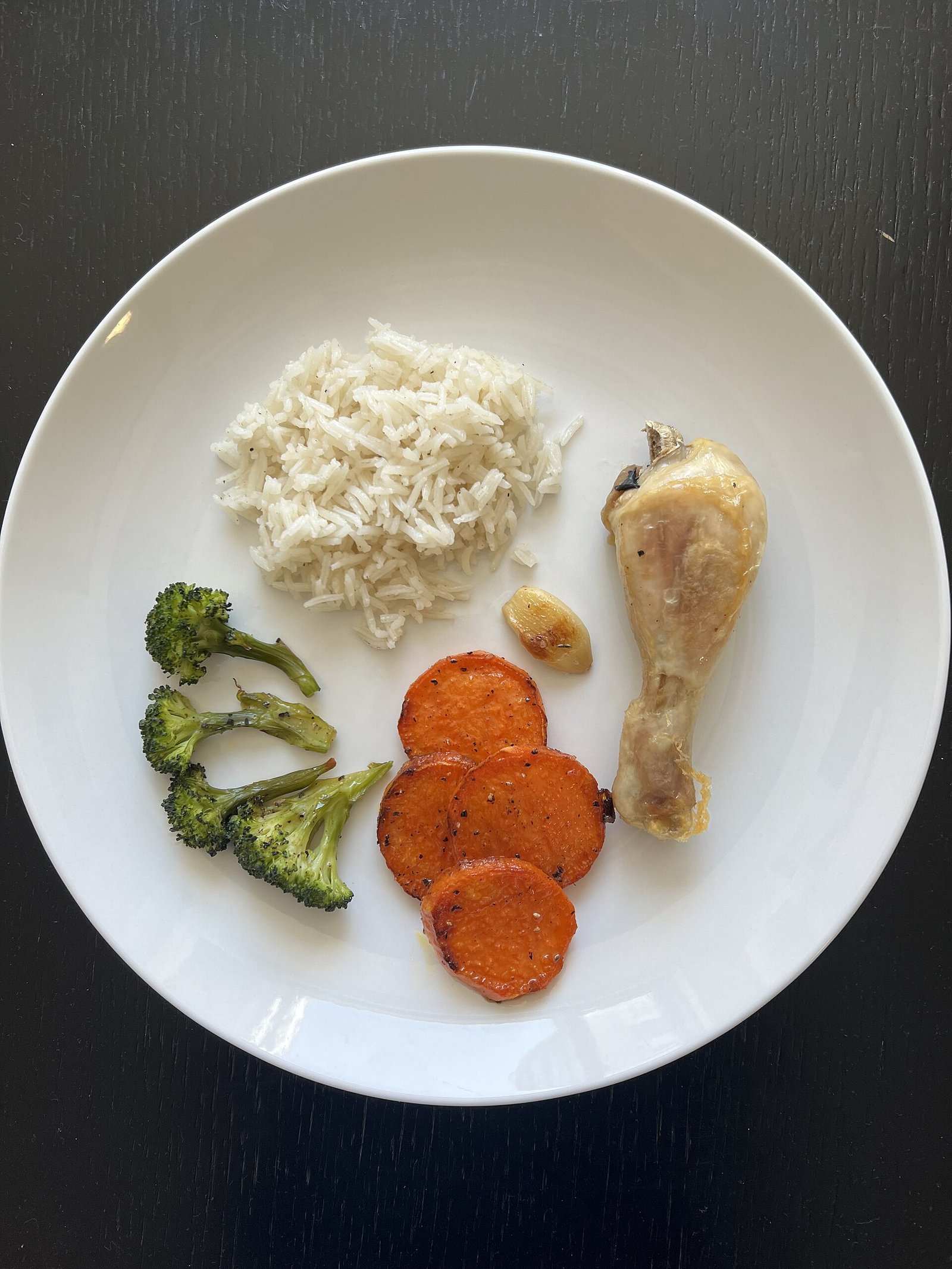
- – Lunch: chicken or tofu bowl with soft vegetables.
- – Snack: yogurt.
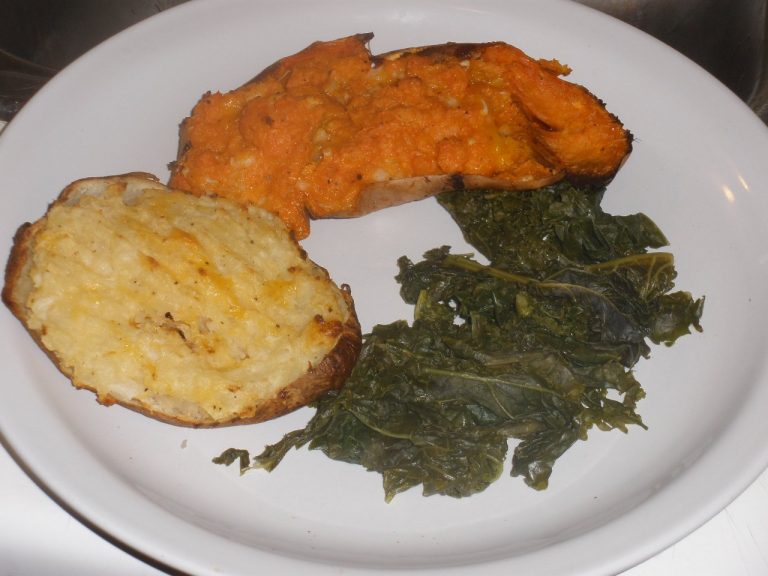
- – Dinner: baked salmon or beans, potatoes, stewed greens.
- – Timing: eat 1–3 hours before physio.
3. Pain-flare menu
Soups, scrambled eggs, cottage cheese, ripe fruit, pre-cooked grains—minimal chopping/overhead reaching.
4. Shopping list
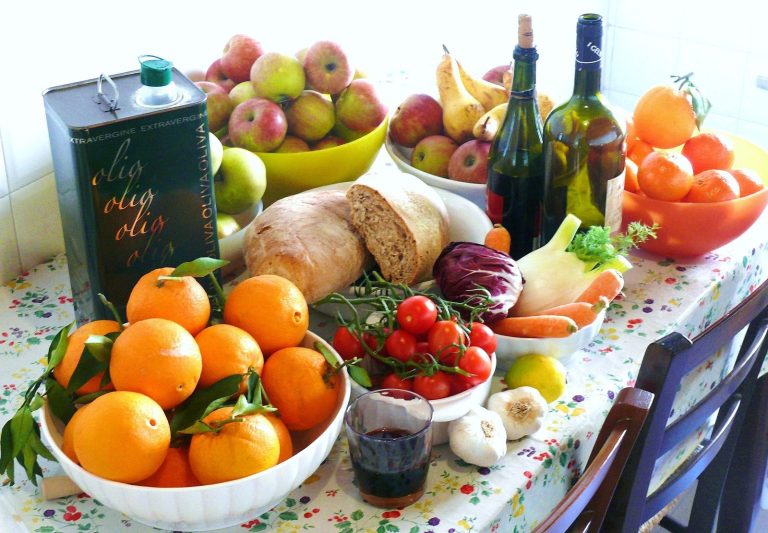
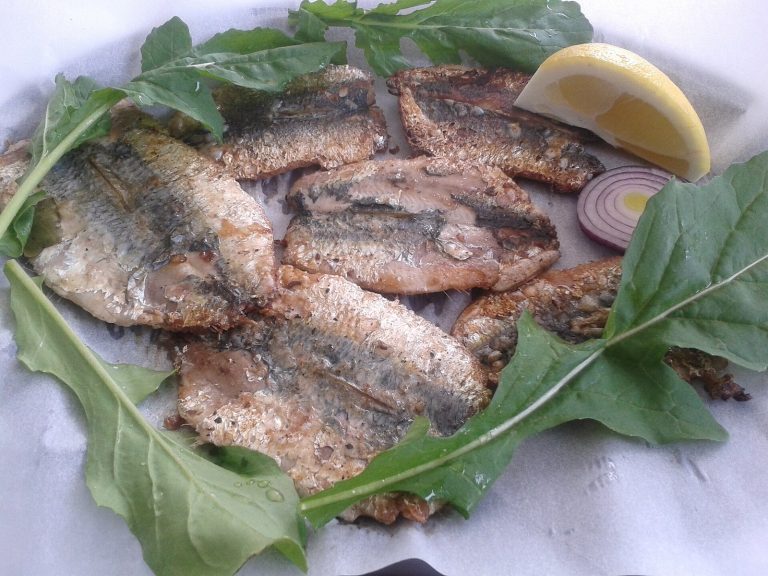
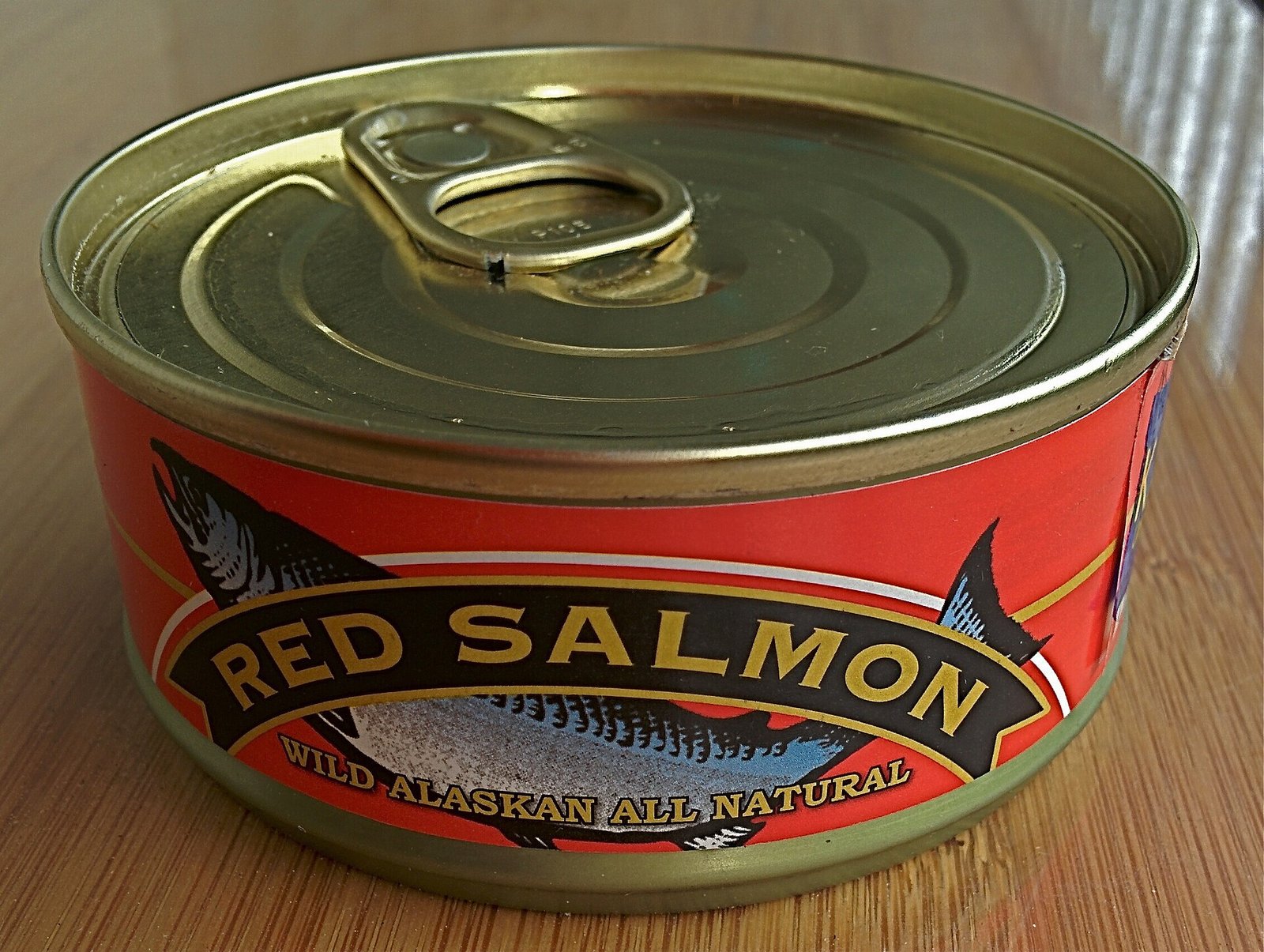
Eggs, canned fish, yogurt, frozen vegetables, oats, rice, olive oil, bananas, pre-cut fruit.
5. Two-week review
Pain with overhead reach, night pain, and physio adherence—not whether you “ate anti-inflammatory enough.”
Longer kitchen landing section: make the pattern boring enough to keep
Staple list you can buy without thinking
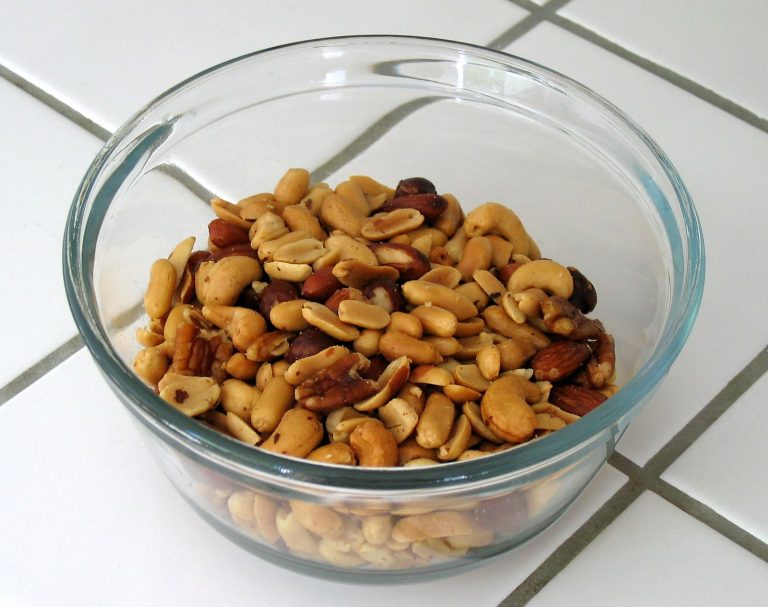
Leafy greens, frozen mixed vegetables, carrots, onions (omit if they are a personal trigger), oats, brown rice or potatoes, eggs, tofu, beans, lentils, plain yogurt or fortified soy yogurt, canned fish, olive oil measured by the spoon, fruit that fits your plan, and measured nuts. Keep a backup shelf of shelf-stable proteins so busy nights do not default to fried takeout.
Cooking default methods
Steam, boil, stew, bake, air-fry with minimal oil, or quick stir-fry with measured oil. Save deep frying and heavy cream sauces for rare occasions. Season with herbs, vinegar, citrus (if tolerated), garlic/onion only when they fit your personal tolerance map, pepper, and modest salt unless your clinician set a tighter sodium target.
Portion and rhythm habits
Put vegetables on the plate first, then protein, then starch. Keep sugary drinks as exceptions. If evenings are when symptoms or readings worsen, shift the larger meal earlier and keep dinner lighter. Chronic conditions that coexist (glucose, lipids, blood pressure, kidney disease) override generic blog rules—follow specialty targets.
“Hard day” simplified menu
Rice porridge or soft oatmeal, egg dishes, poached fish, stewed vegetables, ripe banana or cooked apple, yogurt if tolerated. When warning symptoms appear, seek care instead of “waiting it out with stricter restriction.”
Label reading without obsession
Scan the first ingredients for sugar and hydrogenated oils; check sodium on broths, breads, and sauces; prefer plain dairy or fortified alternatives over dessert yogurts when you are aiming for steadier patterns. Supplements are not an automatic fix for an incomplete grocery cart—labs and clinicians decide deficiencies.
Two-week retrospective
Keep the three rules that improved comfort or readings; delete the five bans that only increased anxiety. Bring the short list to your next appointment with your medicine list.
Weekly prep that keeps the plan alive
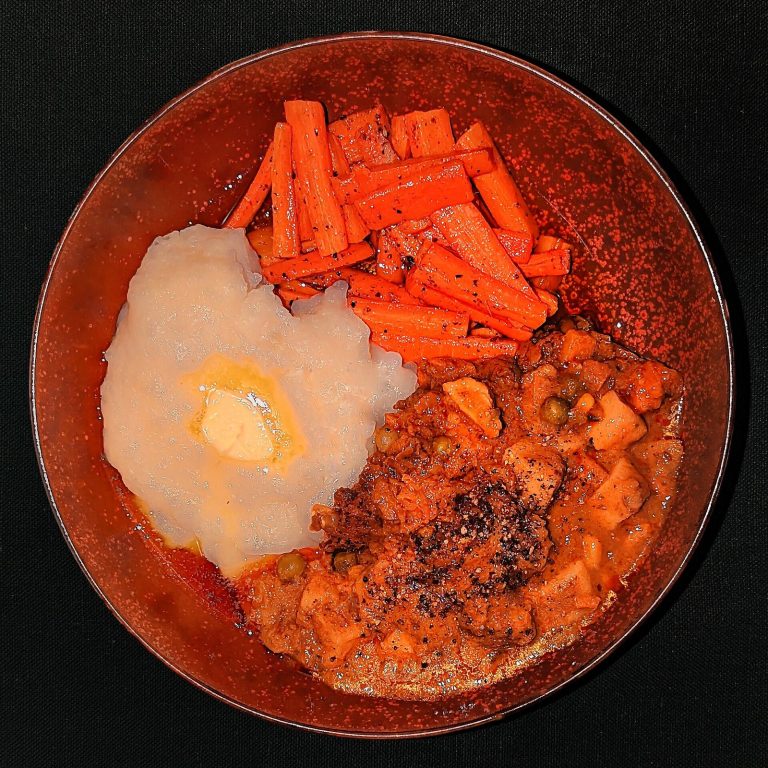
Batch a soup or stew on the weekend and freeze single portions. Hard-boil eggs for grab-and-go protein. Pre-cut vegetables or buy pre-washed bags when energy is scarce. Put a reusable water bottle where you work. If occupational or caregiving stress spikes takeout frequency, keep a written “default order” (grilled protein, vegetables, water) so restaurant nights still roughly match your pattern. Revisit your grocery list monthly: drop items you never use, add two vegetables you actually enjoy, and keep one convenience healthy backup (frozen fish, canned beans) at all times.
Safety, interactions, and when to get help
- – Sudden severe pain with a pop during activity may indicate rupture—urgent assessment (NHS).
- – Steroid injections and surgery decisions belong to clinicians (NHS/NIAMS).
- – NSAID gels/tablets: follow pharmacist/GP advice; they ease pain—they are not a diet substitute.
- – Do not ignore progressive weakness or inability to lift the arm.
FAQ
Can diet heal a rotator cuff tear? No public NHS/NIAMS consumer page used here presents diet as curative therapy for tendon tears or tendinopathy.
Why bother with nutrition at all? Adequate protein and energy support rehab participation and healthy weight—adjunctive, not primary.
Should I take collagen or turmeric megadoses? Not from these public anchors—ask your clinician before supplements.
How long until food “fixes” night pain? Night pain is a clinical shoulder issue; expect physio/medical timelines, not grocery timelines.
How this differs from related OTCFood topics
For other soft-tissue neighbors see frozen shoulder diet guide, tennis elbow diet guide, and Achilles tendinitis diet guide. For inflammatory arthritis context see rheumatoid arthritis diet guide.
Shoulder-smart meal prep details
Store olive oil, salt-free seasonings, and frequently used spices on a middle shelf. Use a wheeled cart for groceries instead of carrying bags on the painful side. Prefer pre-chopped frozen vegetables over overhead knife work on flare days. If you cook for a family, accept help with heavy pots; tendon recovery timelines often run weeks to months (NHS physio pathway), so kitchen ergonomics matter as much as micronutrient folklore. Keep a written physio-day snack plan (yogurt + fruit) in your bag so clinic visits do not default to sugary convenience foods that only make energy crash later.
Medical disclaimer
Medical disclaimer: This article is for general education only and is not medical advice, diagnosis, or a treatment plan. Shoulder care depends on imaging, tear severity, occupation, and physiotherapy plans. Talk with your doctor or physiotherapist before major diet changes, and seek care for sudden severe shoulder injury or progressive weakness.