Carpal Tunnel Syndrome Diet: Foods That May Help and Foods to Limit
Medical note: This article discusses foods and researched botanicals. It does not claim to prevent, treat, or cure disease. Supplements are not a substitute for food, and studied amounts are not personal prescriptions.
Carpal tunnel syndrome (CTS) is pressure on the median nerve at the wrist. NIAMS describes tingling, numbness, and pain that often worsen at night; NHS notes symptoms can come and go and may improve slowly with self-care, but progressive cases need clinical treatment. Food does not decompress the tunnel or replace wrist splints, steroid injections, physiotherapy, or surgery. A practical diet role is supporting healthy weight (NHS lists overweight as a risk factor), helping manage co-conditions NIAMS links with CTS—such as diabetes, rheumatoid arthritis, and thyroid problems—and keeping protein adequate when hand pain limits cooking. This page is about patterns, not a cure.
What this carpal tunnel diet guide covers (and what it does not)
This guide is for adults coordinating kitchen habits with clinician-directed CTS care. It covers weight-aware eating, steadier blood-sugar patterns when diabetes coexists, protein logistics when gripping is hard, and realistic limits on “nerve cure” marketing. It does not diagnose CTS versus cervical radiculopathy, interpret nerve-conduction studies, or advise stopping prescribed splints.
Anchors: NIAMS — Carpal Tunnel Syndrome, NIAMS — Diagnosis, Treatment, and Steps to Take, NHS — Carpal tunnel syndrome.
Evidence snapshot: carpal tunnel diet claims vs public sources
| Claim people hope for | What public sources actually say | Confidence |
|---|---|---|
| “A special CTS diet cures the nerve” | NIAMS/NHS emphasize splints, steroids, surgery, and treating underlying disease—not curative food lists | Strong (against cure claims) |
| “Weight may matter” | NHS: overweight is a risk factor for CTS | Moderate |
| “Treat diabetes/thyroid/arthritis first” | NIAMS: treat underlying causes such as diabetes or arthritis first | Strong |
| “Anti-inflammatory eating fixes CTS” | Public consumer pages do not present diet as primary CTS therapy | Low-to-moderate for CTS-specific benefit |
| “Supplements replace a wrist splint” | NHS warns against relying on unproven self-treatments for the cause of CTS | Strong (against replacement) |
| “Pregnancy CTS needs extreme dieting” | NHS notes pregnancy context; weight loss extremes are not the advice—follow obstetric care | Strong |
Foods and patterns that may help with carpal tunnel syndrome
“May help” means supporting risk factors and recovery capacity next to medical care—not dissolving nerve pressure overnight.
Aim for a healthy weight pattern (NHS risk framing)
Choose vegetables, fruits, legumes, whole grains, and lean proteins so calorie balance is easier without crash diets. Prefer water and unsweetened drinks over sugar-sweetened beverages. If CTS appears in pregnancy, follow obstetric guidance rather than aggressive restriction. Small plate-method changes—half vegetables, quarter protein, quarter starch—often beat complicated rules when hands already hurt.
Protein for tissue repair and satiety during rehab
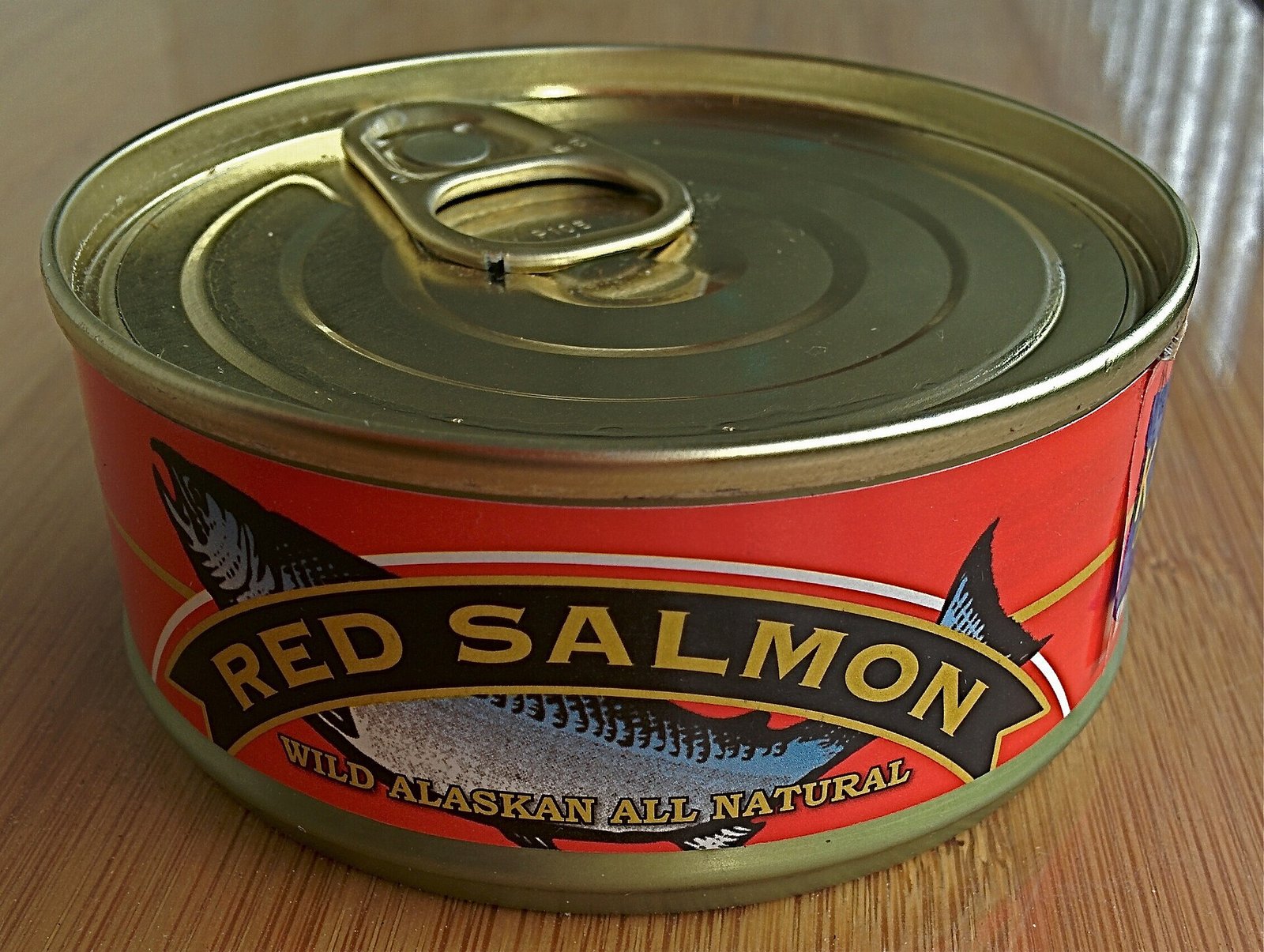
Include fish, poultry, eggs, dairy or fortified alternatives, tofu, beans, and lentils across the day. When chopping is painful, lean on canned fish, pre-washed greens, yogurt cups, eggs, and rotisserie chicken. Protein at breakfast reduces mid-morning snack raids that add surplus calories if weight is a goal.
Blood-sugar steadiness when diabetes coexists (NIAMS)
Favor fiber-rich carbs (oats, beans, vegetables) and limit sugar-sweetened drinks. Coordinate carb patterns with your diabetes clinician—never invent insulin changes from a food article. Steady glycemia supports overall nerve health even though it does not mechanically open the carpal tunnel.
General anti-inflammatory-style pattern as background support
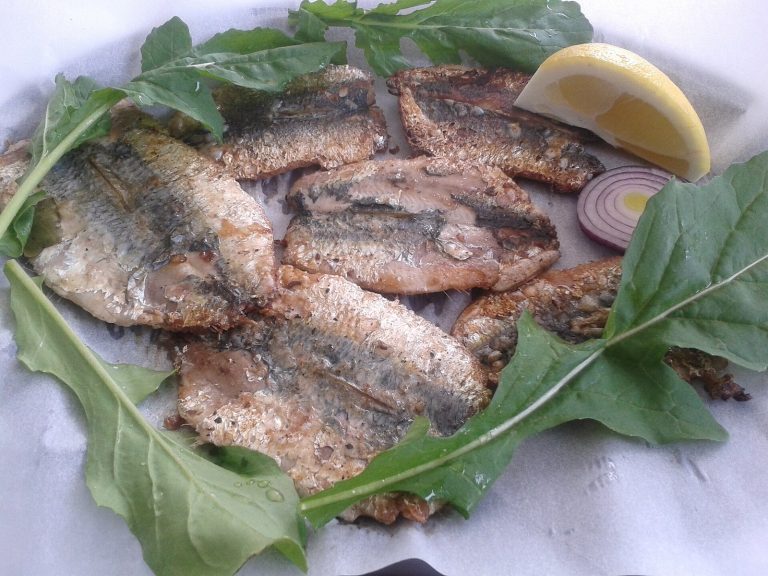
Regular oily fish (salmon, sardines), nuts, olive oil, and colorful produce fit heart and joint patterns used elsewhere on OTCFood. This is supportive lifestyle nutrition, not a substitute for night splinting that NIAMS lists as a common first option.
Kitchen logistics when hands hurt
Use jar openers, electric can openers, and rocker knives. Batch-cook soups and stews on better days; freeze single portions. Prefer sheet-pan meals and slow cookers. Keep heavy milk jugs half-poured into lighter bottles. Grocery delivery can reduce bag-carrying flares.
Micronutrient-aware plates without megadoses
Build meals with leafy greens, beans, fortified cereals, dairy or fortified soy, and fish so calcium, vitamin D, and B-vitamin intakes stay reasonable from food. Discuss any high-dose “nerve formula” with a clinician; public NIAMS/NHS pages used here do not position megadose vitamins as standard CTS therapy.
Foods and drinks that often worsen the bigger picture
- – Sugar-sweetened drinks and large dessert loads when overweight or diabetes is part of your CTS risk picture.
- – Very large alcohol intakes that displace nutrient-dense meals and disrupt sleep—night symptoms already bother many people with CTS (NHS).
- – Skipping protein during work-heavy weeks while grazing on refined snacks.
- – Ultra-restrictive elimination diets that cause weight loss too fast or nutrient gaps without clinician oversight.
- – There is no strong public-source list of unique “CTS trigger foods” comparable to reflux triggers; personal diaries matter more than internet bans.
“Limit” means reduce patterns that worsen weight, glycemia, or sleep—not eliminate every enjoyable food.
Practical kitchen protocol: a carpal tunnel–aware eating plan
1. Keep medical care first
NIAMS stresses early diagnosis and treatment to avoid further median-nerve damage. Night wrist splinting is a common initial option; nonsurgical measures may improve symptoms short-term but do not always fix the underlying compression—diet cannot fill that gap alone.
2. Build a 7-day plate template
- – Breakfast: oats or fortified cereal with milk/yogurt; fruit; optional egg.
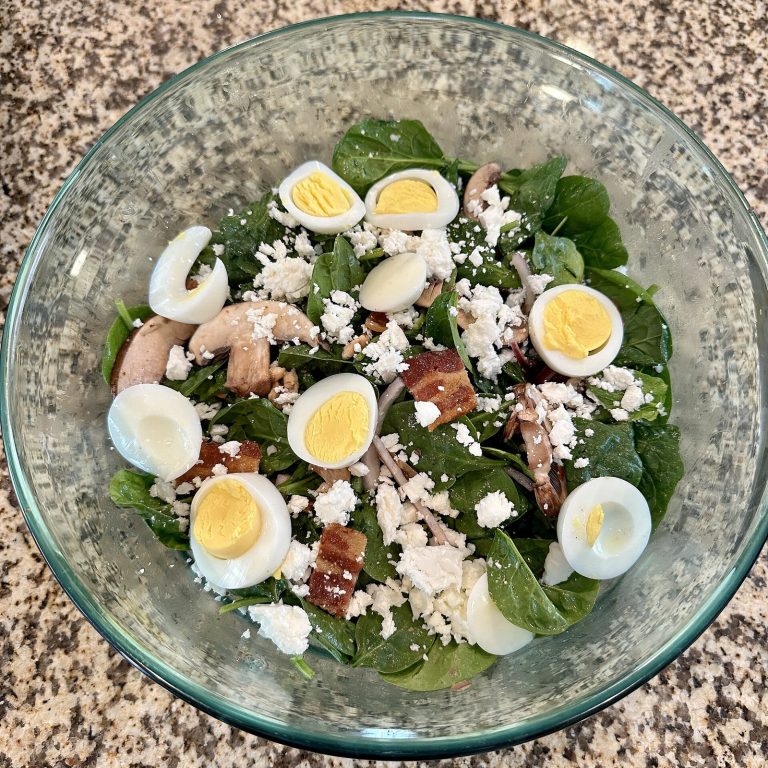
- – Lunch: bean, tuna, or tofu salad; whole-grain wrap; cut vegetables.
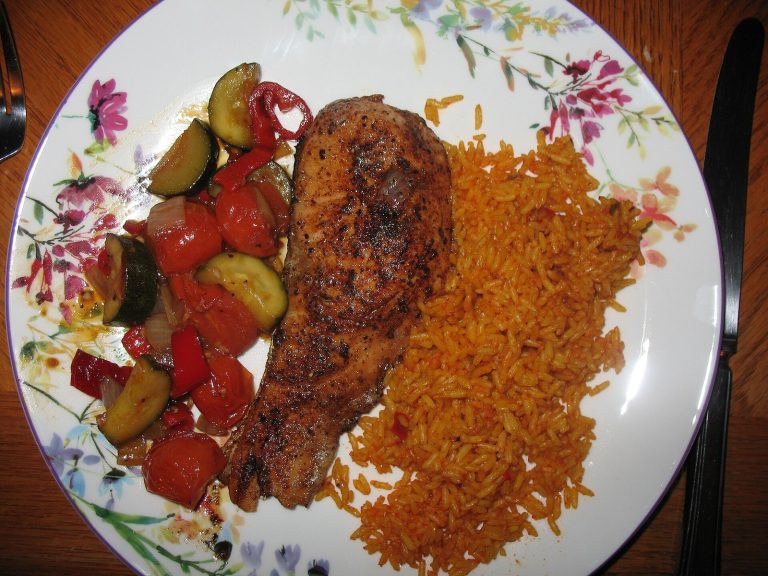
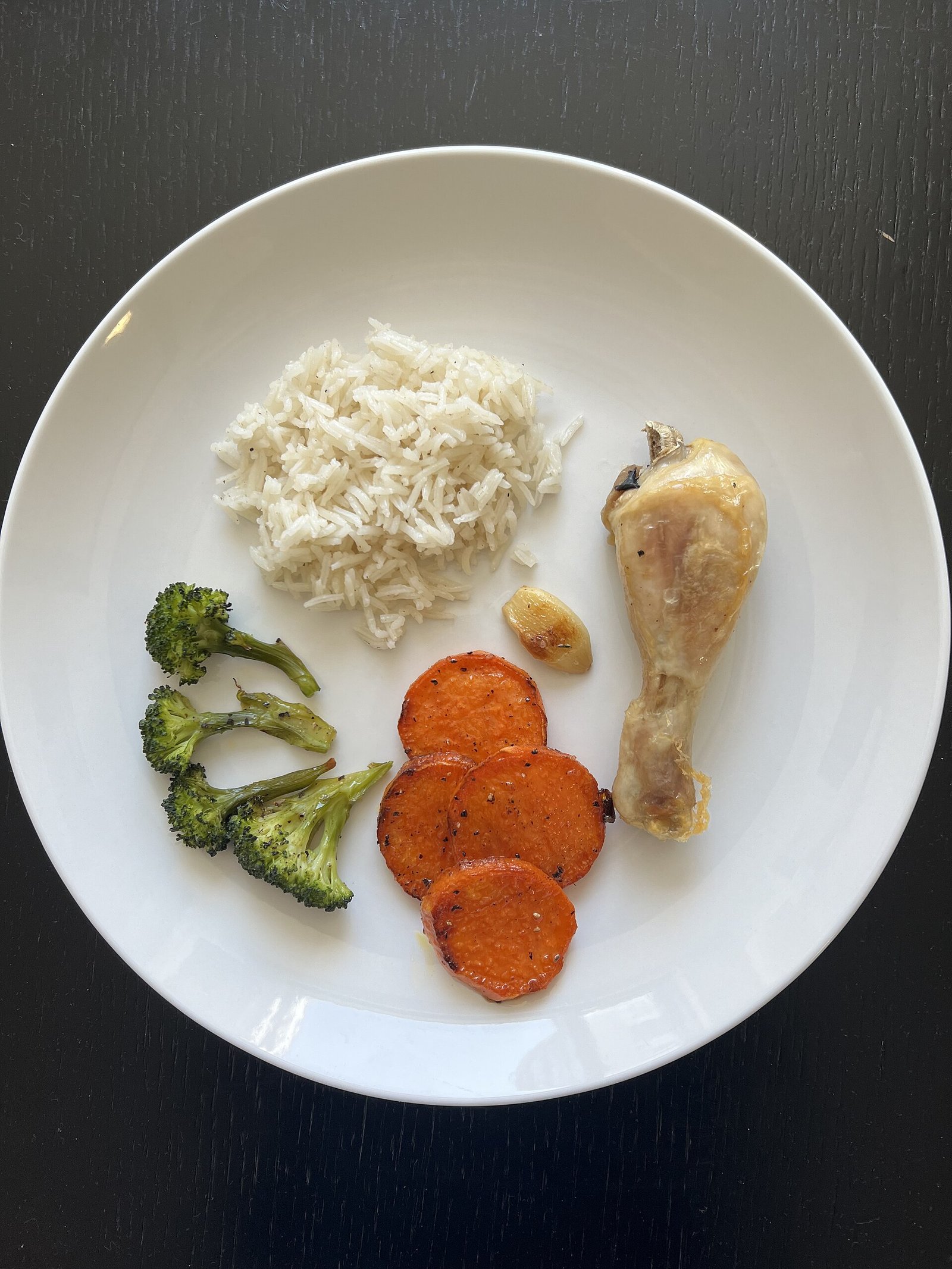
- – Dinner: baked fish or tofu, potatoes or rice, large vegetable side.
- – Snacks: yogurt, a small handful of nuts, cheese and fruit.
Adjust portions for your energy needs and clinician advice.
3. Prep adaptations for flare days
Cook once, eat twice. Use scissors instead of knives when possible. Choose twist-off lids already loosened by someone else. Keep emergency shelf meals: canned soup plus crackers plus fruit cups.
4. Track co-conditions in one log
Note diabetes readings, thyroid medicine timing, rheumatoid arthritis flares, occupational vibrating-tool exposure (NIAMS risk context), and wrist symptoms together so your clinician sees the whole picture.
5. Sleep, evening meals, and caffeine awareness
Night symptoms dominate many CTS stories. Keep evening meals not overly heavy if reflux wakes you. If caffeine clearly wrecks your sleep, trim late cups—this is comfort hygiene, not a CTS cure.
6. Shopping list staples
Eggs, canned salmon, Greek yogurt, frozen vegetables, oats, beans, olive oil, bananas, pre-washed salad kits, soft bread or tortillas that need less forceful cutting.
7. Sample two-day rotation
Day A: yogurt parfait; lentil soup; salmon-potato-greens. Day B: egg scramble with spinach; turkey wrap; tofu stir-fry with soft-cooked vegetables. Repeat with minor swaps rather than reinventing cooking every night.
Longer practical midsection: building a sustainable plate pattern
Make produce automatic
Keep washed greens, baby carrots, cherry tomatoes, and frozen mixed vegetables ready. Add a fist-sized produce serving to every lunch and dinner before you add seconds of starch. Fruit at breakfast and as a snack crowds out pastry grazing without a rigid ban. If chewing or prep is hard because of pain or fatigue, choose soft options: bananas, stewed apples, cooked carrots, blended soups with vegetables blended in.
Protein anchors three times daily
Eggs, yogurt, fish, poultry, tofu, tempeh, beans, and lentils keep meals satisfying. Aim for a palm-sized portion at main meals unless your clinician sets different targets for kidney disease or other conditions. Soft proteins help after dental work or when hands hurt: cottage cheese, canned salmon, scrambled eggs, hummus.
Carbohydrate quality over fear
Choose oats, brown rice, potatoes with skin, beans, and whole-grain bread more often than sugar-sweetened drinks and ultra-refined snacks. You do not need to eliminate all white rice or bread forever; pair them with protein and vegetables and watch portions if weight or triglycerides are goals.
Fats that earn their place
Cook with olive, canola, or other unsaturated oils in measured spoons. Include nuts and seeds in small handfuls. Limit deep-fried foods and large amounts of cream sauces when weight, reflux, or lipid goals matter. Read labels for partially hydrogenated oils and skip them when possible.
Flavor without chaos
Use lemon, herbs, garlic, ginger, vinegar, and spices to keep low-sodium or lower-fat cooking interesting. If spicy foods trigger reflux, rosacea flushing, or dyspepsia for you personally, keep a short trigger list instead of banning every spice globally.
Beverage strategy
Make water the default. Keep a bottle at your desk. Swap one sugary drink per day for sparkling water with citrus if that is a realistic step. Move caffeine earlier if sleep suffers. Keep alcohol within clinician limits—or zero when pancreatitis, high triglycerides, or pregnancy make that the safer plan.
Prep once, eat twice
Sunday or midweek, roast a tray of vegetables, cook a grain, and prepare a protein. Label containers with dates. Freeze soup in single portions. A visible fridge plan beats willpower at 8 p.m.
When symptoms flare
Use a simplified menu: soup, yogurt, eggs, ripe fruit, toast, and tea as tolerated. Resume the fuller pattern as symptoms ease. Contact your clinician if flares include red-flag symptoms listed in the safety section of this article.
Tracking without obsession
A three-column note—meal, portion, symptom—for two weeks teaches more than a month of guilt. Share it with your clinician or dietitian. Adjust one variable at a time (for example, late caffeine or fried lunches) so you know what mattered.
Safety, interactions, and when to get help
Seek care for progressive numbness, weakness dropping objects, or symptoms not improving with home measures (NHS). NIAMS: underlying diabetes, arthritis, or thyroid disease should be treated—do not use diet as a substitute. Pregnancy-related CTS needs obstetric-aware advice. Steroid injections and surgery decisions belong to clinicians. Talk with a doctor or dietitian before high-dose supplements marketed for “nerve repair,” especially if you take other medicines.
Weekly prep that keeps protein high without hand strain
Batch chili or dal on Sunday; portion into containers you can open with one hand. Keep hard-boiled eggs ready. If occupational vibrating tools are part of your risk (NIAMS), discuss job modifications with occupational health while you improve meal patterns that support weight and glycemia. Reassess monthly: tolerance for chopping, grip strength, and night awakenings should be reviewed with your clinician—not only with a food diary.
FAQ
Can diet cure carpal tunnel syndrome? No. NIAMS and NHS emphasize mechanical and medical treatments; diet may support risk factors such as weight and co-conditions.
Does being overweight matter? NHS lists overweight as a risk factor for CTS. A clinician-guided weight pattern may help overall risk but does not guarantee nerve relief.
Should I take vitamin B6 for CTS? Public NIAMS/NHS pages used here do not present B6 as standard CTS therapy. Ask your clinician before supplementing; excess B6 can itself cause nerve problems.
What about anti-inflammatory diets? They may support general health and coexisting arthritis patterns but are not proven to treat the compressed median nerve itself.
How this differs from related OTCFood topics
This page focuses on wrist nerve compression and weight/co-condition support. For soft-tissue elbow and heel patterns see tennis elbow diet guide and Achilles tendinitis diet guide. If rheumatoid arthritis is part of your picture, see rheumatoid arthritis diet guide.
Medical disclaimer
Medical disclaimer: This article is for general education only and is not medical advice, diagnosis, or a treatment plan. Carpal tunnel care depends on nerve testing, occupation, pregnancy status, and co-diseases. Talk with your doctor, hand specialist, or dietitian before major diet changes or supplements, and seek care for worsening weakness or constant numbness.