Magnesium Deficiency Diet: Foods That May Help and Foods to Limit
Medical note: This article discusses foods and researched botanicals. It does not claim to prevent, treat, or cure disease. Supplements are not a substitute for food, and studied amounts are not personal prescriptions.
Food-first magnesium intake is the foundation; supplements are a clinician decision. NIH Office of Dietary Supplements (ODS) explains that magnesium is a cofactor in more than 300 enzyme systems, that symptomatic deficiency from diet alone is uncommon in healthy people because the kidneys conserve magnesium, and that adult RDAs are roughly 310–420 mg/day depending on age and sex. NHANES analyses summarized by ODS found about 48% of Americans consume less than estimated average requirements from food and beverages—so inadequacy is common even when frank deficiency is not. This guide focuses on food sources ODS lists, who is at higher risk, and supplement safety—not on curing disease with magnesium.
What this magnesium deficiency diet guide covers (and what it does not)
This guide is for adults who want to improve dietary magnesium or who were told their intake or levels may be low. It covers ODS food lists, RDAs, high-risk groups, and supplement upper limits. It does not interpret your lab results or replace treatment of diarrhea, alcoholism, or medicine-related losses.
Anchors: NIH ODS — Magnesium Fact Sheet for Health Professionals, NIH ODS — Magnesium Consumer Fact Sheet.
Evidence snapshot: magnesium diet claims vs public sources
| Claim people hope for | What public sources actually say | Confidence |
|---|---|---|
| “Low intake is common” | ODS: ~48% of Americans ingest less Mg than EARs from food/beverages (NHANES 2013–2016 analysis) | Moderate-to-strong |
| “Frank deficiency is common from food alone” | ODS: symptomatic deficiency from low intake in healthy people is uncommon | Strong |
| “Pumpkin seeds and spinach help” | ODS food table: roasted pumpkin seeds ~156 mg/oz; boiled spinach ½ cup ~78 mg | Strong (content) |
| “Magnesium supplements cure hypertension” | ODS: supplements only marginally lower BP; FDA qualified claim notes inconsistent evidence | Low-to-moderate |
| “More supplement is always safer” | ODS: supplemental UL for adults is 350 mg/day from supplements/medicines (food excluded); high doses cause diarrhea | Strong |
Foods and patterns that may help raise magnesium intake
ODS-highlighted food sources (approximate mg per serving)
- – Pumpkin seeds, roasted, 1 oz — 156 mg
- – Chia seeds, 1 oz — 111 mg
- – Almonds, dry roasted, 1 oz — 80 mg
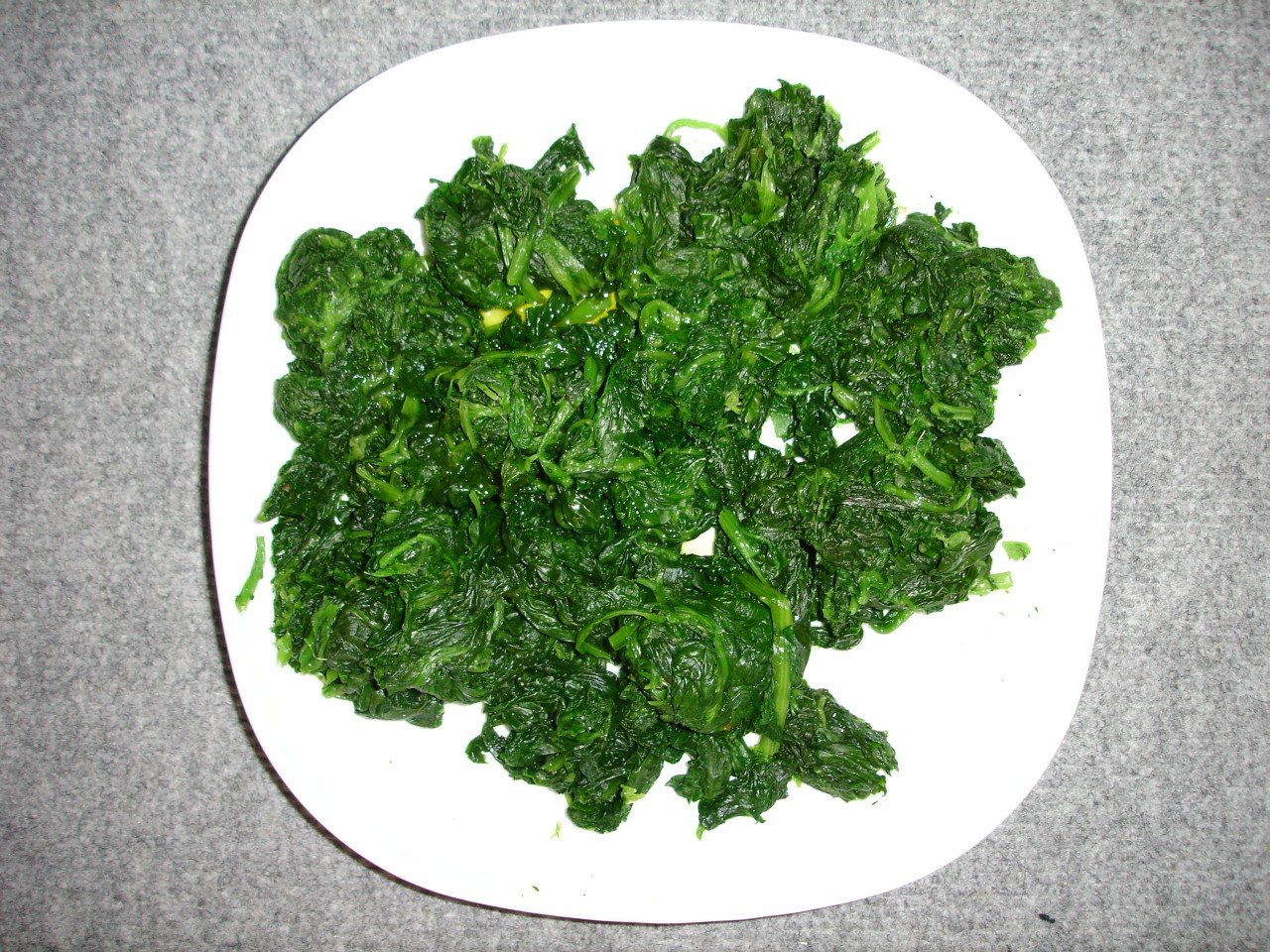
- – Spinach, boiled, ½ cup — 78 mg
- – Cashews, 1 oz — 74 mg
- – Peanuts, ¼ cup — 63 mg
- – Shredded wheat, 2 large biscuits — 61 mg
- – Soymilk, 1 cup — 61 mg
- – Black beans, ½ cup cooked — 60 mg
- – Edamame, ½ cup — 50 mg
- – Brown rice, ½ cup — 42 mg
- – Yogurt, low-fat, 8 oz — 42 mg
- – Banana, 1 medium — 32 mg
ODS notes foods with dietary fiber often provide magnesium, and that refining grains lowers magnesium when germ and bran are removed. About 30–40% of dietary magnesium is typically absorbed.
Build a magnesium-forward pattern
- – Leafy greens most days
- – Legumes several times a week
- – Nuts or seeds in measured handfuls
- – Whole grains instead of refined when possible
- – Optional fortified breakfast cereals that list magnesium
Tap and mineral water
ODS notes water can supply magnesium but amounts vary widely by source (about 1 to >120 mg/L)—check local reports if you rely on water.
Foods and habits that often worsen low intake
- – Ultra-refined grain diets with few plants
- – Heavy alcohol use (ODS lists alcohol dependence as a high-risk group for deficiency)
- – Ignoring gastrointestinal diseases that cause chronic diarrhea or malabsorption (Crohn’s, celiac disease—ODS)
- – Relying only on poor supplement forms without clinician advice; ODS notes oxide/sulfate often absorb less well than citrate, chloride, lactate, or aspartate in small studies
- – Very high zinc supplements (ODS cites interference at ~142 mg/day zinc)
Practical kitchen protocol: a magnesium-focused week
1. Add, don’t obsess
Swap white rice for brown half the time, keep spinach or other greens for dinner, and portion 1 oz nuts instead of a whole bag.
2. Sample day (~illustrative food magnesium)
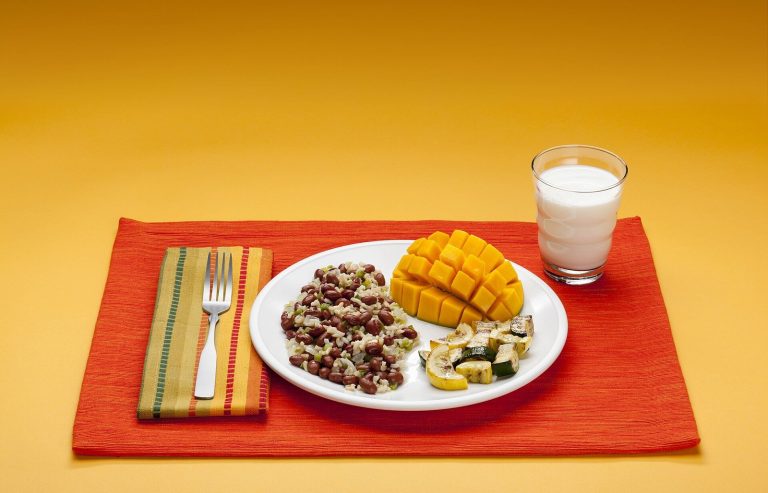
- – Breakfast: shredded wheat with soymilk and banana
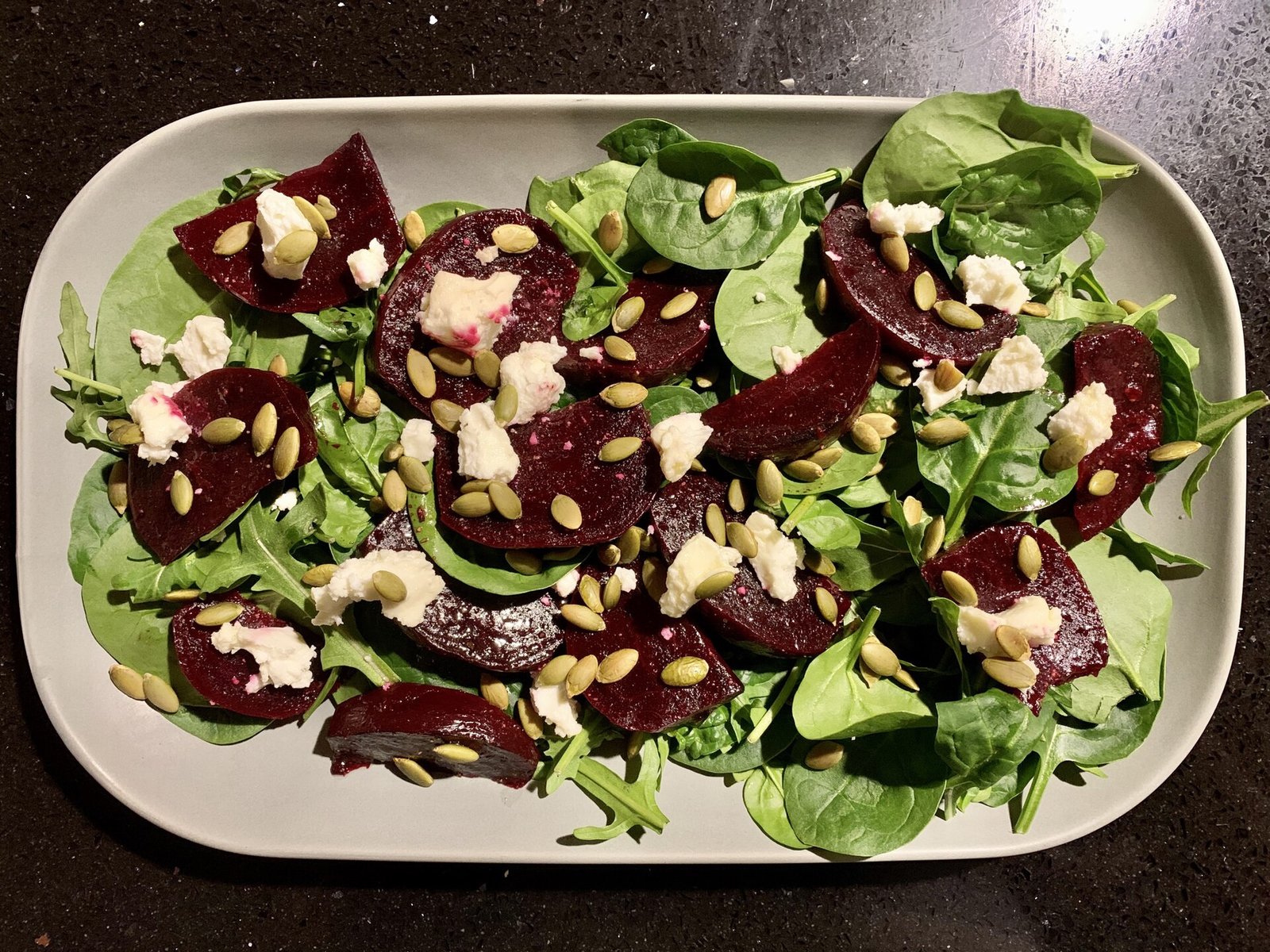
- – Lunch: spinach salad with black beans, almonds, olive oil
- – Snack: yogurt; or chia pudding
- – Dinner: salmon, brown rice, edamame or broccoli
- – Seeds on oatmeal a few mornings per week for larger bumps
3. Who should ask about testing or supplements (ODS risk groups)
- – Gastrointestinal diseases with malabsorption or resection
- – Type 2 diabetes (urinary magnesium losses)
- – Alcohol dependence
- – Older adults (lower intake, reduced absorption, more medicines)
4. If a clinician recommends a supplement
- – Prefer forms they suggest; ODS notes better-absorbed soluble forms in small studies
- – Stay aware of the 350 mg/day adult UL from supplements/medicines unless supervised
- – Separate from bisphosphonates and certain antibiotics per ODS timing guidance (often 2 hours before/after—confirm with pharmacist)
5. Label literacy
DV for magnesium on labels is 420 mg. Foods with 20%+ DV are high sources.
Safety, interactions, and when to get help

Early deficiency symptoms ODS lists include loss of appetite, nausea, vomiting, fatigue, and weakness; worsening may include numbness, cramps, seizures, and abnormal rhythms—seek care rather than mega-dosing at home.
Interactions and issues ODS flags:
- – Oral bisphosphonates absorption reduced by magnesium
- – Tetracycline and quinolone antibiotics form complexes with magnesium
- – Loop and thiazide diuretics increase urinary magnesium loss
- – Long-term PPIs can cause hypomagnesemia
- – Kidney impairment raises toxicity risk from supplements
High supplemental doses commonly cause diarrhea, nausea, and cramping; extreme intakes from laxatives/antacids have caused toxicity.
Weekly prep for magnesium-dense defaults
Cook a pot of black beans, roast a tray of pumpkin seeds, wash spinach for quick sautés, and keep almonds at work. Swap refined snacks for yogurt and fruit two days a week and notice how easy the totals climb toward adult RDA ranges without a supplement. If your clinician later adds a magnesium supplement, take it separately from bisphosphonates or certain antibiotics as your pharmacist instructs, and stop if diarrhea is severe. People with kidney disease should not improvise high-dose magnesium from laxatives—toxicity risk rises when the kidneys cannot clear excess.
Reading the Supplement Facts panel without getting misled
Labels list elemental magnesium, not the weight of the whole salt. A tablet advertised as 1,000 mg magnesium oxide does not deliver 1,000 mg elemental magnesium. ODS also notes magnesium in some antacids and laxatives; chronic laxative use is a poor strategy for “topping up” levels and can cause harm. Food first remains the default for people without diagnosed deficiency.
Sample shopping list aligned with ODS food table
Pumpkin seeds, chia, almonds, spinach, black beans, edamame, brown rice, yogurt, bananas, and a fortified cereal that lists magnesium. These match the ODS examples closely enough to build habitual intake without a calculator every day.
FAQ
How much magnesium do adults need? ODS RDAs: about 400–420 mg/day for most adult men and 310–320 mg/day for most adult women, with higher needs in pregnancy for some ages.
Can I fix low magnesium with food alone? Often intake can improve with greens, legumes, nuts, seeds, and whole grains. Deficiency tied to disease, alcohol, or medicines needs medical care.
Are supplements better than food? ODS emphasizes food patterns first; supplements may help selected people under guidance. Food magnesium does not count toward the 350 mg supplemental UL.
Does magnesium cure migraines or diabetes? ODS summarizes limited/migraine-prevention evidence under specialist dosing and insufficient evidence for routine diabetes supplementation per ADA context in the fact sheet—ask your clinician.
What are early signs of magnesium deficiency? ODS lists loss of appetite, nausea, vomiting, fatigue, and weakness among early signs; worsening can include cramps, numbness, and abnormal heart rhythms—seek care rather than self-megadosing.
How this differs from related OTCFood topics
This page is about magnesium food sources and deficiency risk. Sleep-product marketing is separate from diagnosing deficiency—pair bone health reading with osteoporosis diet guide and vitamin D deficiency diet guide. Blood pressure patterns live in high blood pressure foods guide.
Medical disclaimer
Medical disclaimer: This article is educational only and is not a diagnosis or treatment plan. Magnesium labs, supplements, and medicine changes require a clinician. Do not high-dose magnesium if you have kidney disease. Seek urgent care for severe weakness, irregular heartbeat, seizures, or fainting.