Glaucoma Diet: Foods That May Help and Foods to Limit
Medical note: This article discusses foods and researched botanicals. It does not claim to prevent, treat, or cure disease. Supplements are not a substitute for food, and studied amounts are not personal prescriptions.
People searching “glaucoma diet foods that help or worsen” usually want kitchen habits that support overall eye and blood-pressure health—not a claim that food lowers eye pressure the way prescribed drops do. The National Eye Institute (NEI) describes glaucoma as a group of eye diseases that can damage the optic nerve and lead to vision loss and blindness. Early symptoms are often none; the only reliable way to know is a comprehensive dilated eye exam. NEI is clear: there’s no cure for glaucoma, but early medical treatment can often stop further damage and protect remaining vision.
What this glaucoma diet guide covers (and what it does not)
This guide is for adults who have been diagnosed with glaucoma (or are at higher risk) and want food patterns that support healthy aging, blood pressure, and general eye nutrition while they follow eye-care treatment. Anchors: NEI — Glaucoma, MedlinePlus — Glaucoma, NHS — Glaucoma, and NEI healthy-vision tips on balanced eating and smoking.
NEI lists higher risk for people over 60 (especially Hispanic/Latino), African Americans over 40, and those with a family history. Sudden intense eye pain, blurry vision, red eyes, or nausea can signal angle-closure glaucoma and needs emergency care—not a diet tweak. Food does not replace eye drops, laser treatment, or surgery.
Evidence snapshot: glaucoma diet claims vs public sources
| Claim people hope for | What public sources actually say | Confidence |
|---|---|---|
| “A special diet cures glaucoma” | NEI: no cure; medicine/laser/surgery protect vision by lowering eye pressure | Strong: food is not a substitute |
| “Leafy greens and fish fix optic-nerve damage” | NEI healthy-vision tips: a well-balanced diet with leafy greens and fish like salmon, tuna, or halvut supports eye health generally—not a glaucoma-specific cure claim | Moderate for general eye nutrition; not disease reversal |
| “Cutting caffeine cures high eye pressure” | Public glaucoma pages emphasize exams and pressure-lowering treatments; personal caffeine effects vary and are not a stand-alone plan | Insufficient as a cure; discuss personal triggers with your eye doctor |
| “Supplements replace eye drops” | NEI treatment focus is medicines (usually drops), laser, or surgery | Strong: do not stop prescribed glaucoma medicines for unproven products |
| “If vision feels fine, diet is enough” | NEI: half of people with glaucoma don’t know they have it; damage can start without symptoms | Strong: keep dilated exams on schedule |
Foods and patterns that may help with glaucoma day-to-day health
“May help” means supporting overall eye-friendly and cardiometabolic habits that often coexist with glaucoma risk—not a promise to reverse optic-nerve damage.
Eye-supportive plate defaults (NEI healthy-vision tips)
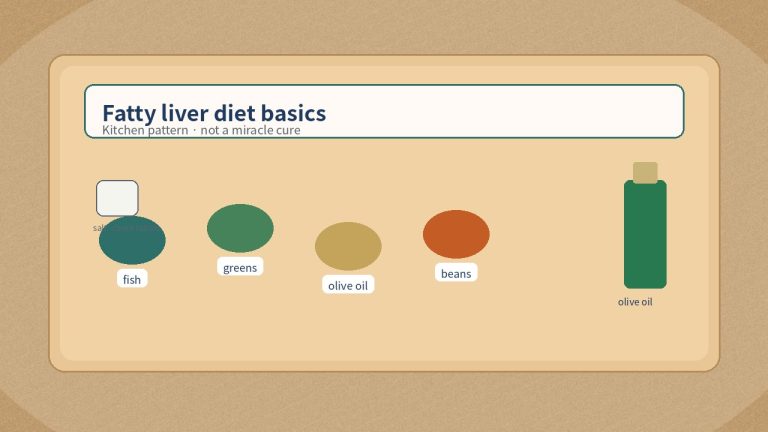
- – Load meals with different fruits and vegetables, especially leafy greens such as spinach, kale, and collard greens.
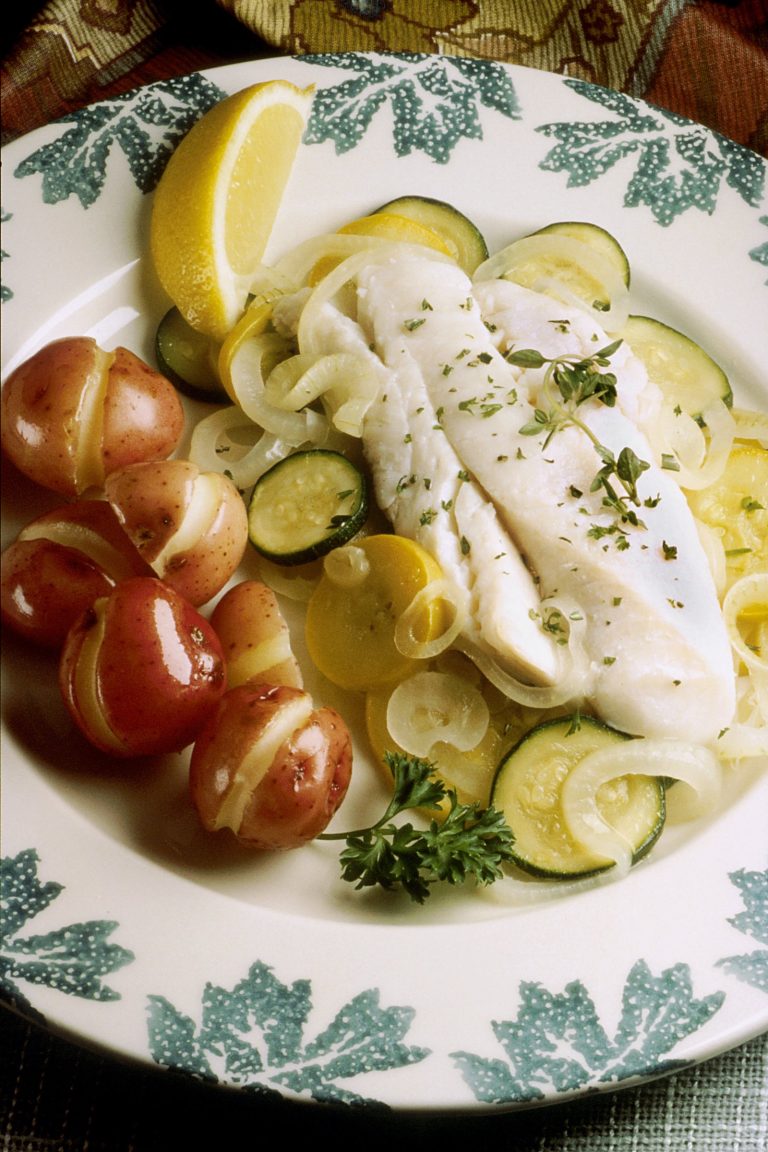
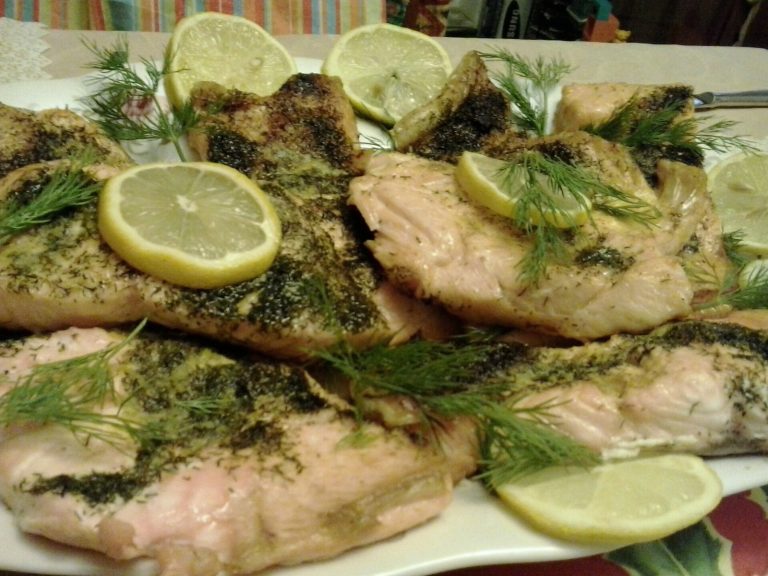
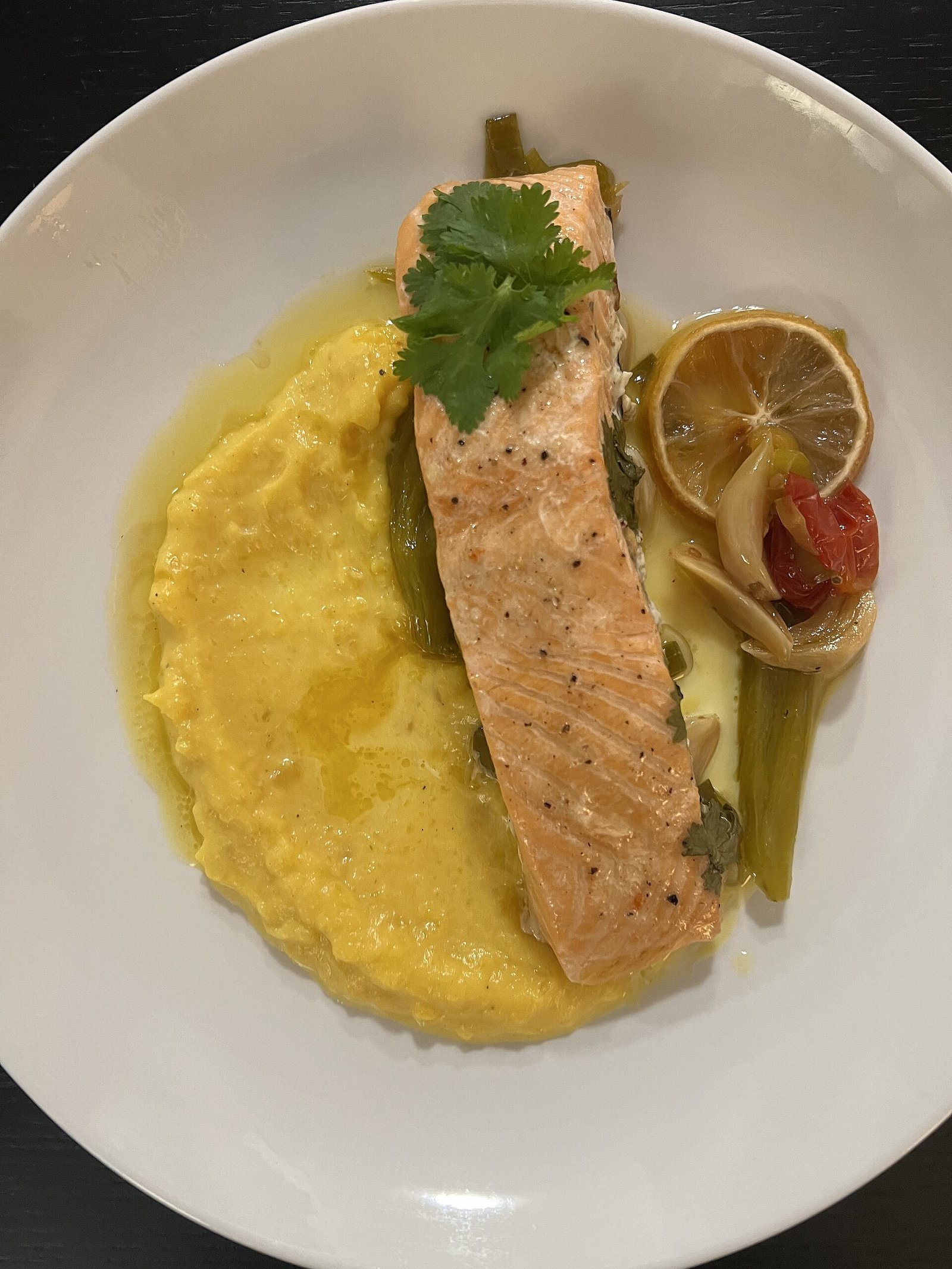
- – Include fish such as salmon, tuna, or halibut several times a week when it fits your overall health plan.
- – Build variety rather than relying on one “superfood” (carrots alone are not enough—NEI notes other foods may be even more useful for eye vitamins).
Blood-pressure and weight-aware habits that often overlap
- – Glaucoma care sits beside heart and metabolic health for many adults. Patterns similar to those in our high blood pressure foods guide and high cholesterol diet guide guides—more plants, less sodium-heavy packaged food—may support overall vascular health while you stay on eye medicines.
- – NEI notes that overweight or obesity raises risk for diabetes and other conditions that can lead to vision problems; activity and balanced calories matter for whole-body health.
Hydration and daily rhythm (practical, not a pressure cure)
- – Drink fluids evenly across the day rather than large boluses if your clinician has discussed fluid timing with you.
- – Keep meal timing steady so you can take eye drops on schedule without skipping doses for “empty stomach” myths unless your ophthalmologist gave specific instructions.
Smoking and eye health
- – NEI: smoking is as bad for your eyes as for the rest of your body and can raise risk for serious eye issues that can lead to blindness. Quitting supports eye health alongside glaucoma treatment.
Foods and habits that often worsen glaucoma kitchen patterns
- – Skipping prescribed drops or laser follow-up for “natural glaucoma diets,” teas, or detox products—NEI treatment options are clinical, not culinary.
- – Crash “eye cleanse” diets that cut protein, leafy greens, and fish—undermines the balanced plate NEI recommends.
- – Heavy smoking or secondhand smoke—linked to worse eye outcomes in NEI education.
- – Ignoring sudden eye pain, halos, vomiting, or rapid vision loss—MedlinePlus and NEI flag angle-closure emergencies; food will not help.
- – Assuming normal vision means no problem—peripheral vision can fade slowly; keep exam intervals your eye doctor sets (often every 1–2 years if higher risk).
“Limit” means reducing habits that undermine medical care or overall eye health—not that one coffee ruins glaucoma management.
Practical kitchen protocol: a glaucoma diet week
1. Keep the medical spine first
List your drop schedule next to meals. Food timing should make adherence easier, never compete with it.
2. Shopping list for eye-aware plates
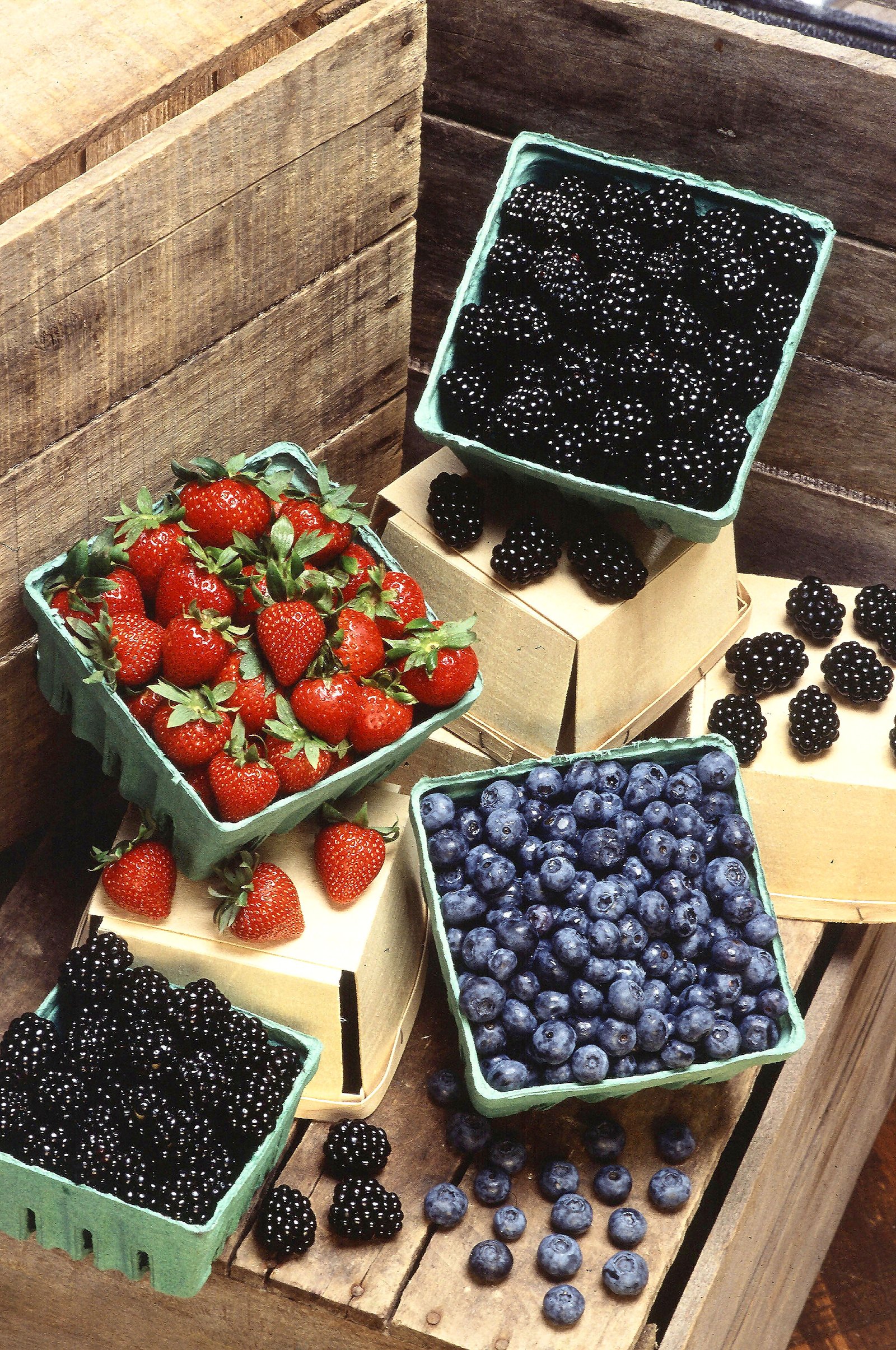
Spinach, kale, collards, mixed salad greens; berries and citrus (unless another condition limits them); carrots and colorful vegetables; salmon, tuna, or other fish; eggs; beans; olive oil; unsalted nuts in small portions; whole grains; water as the default drink.
3. Default plate template
- – Half vegetables and fruit (emphasize leafy greens most days)
- – Quarter whole grains or starchy vegetables
- – Quarter protein (fish several times weekly when appropriate, or poultry, eggs, beans)
- – Season with herbs instead of stacking salty sauces
4. Sample day (illustrative)
- – Breakfast: scrambled eggs with spinach; berries on the side; water or tea.
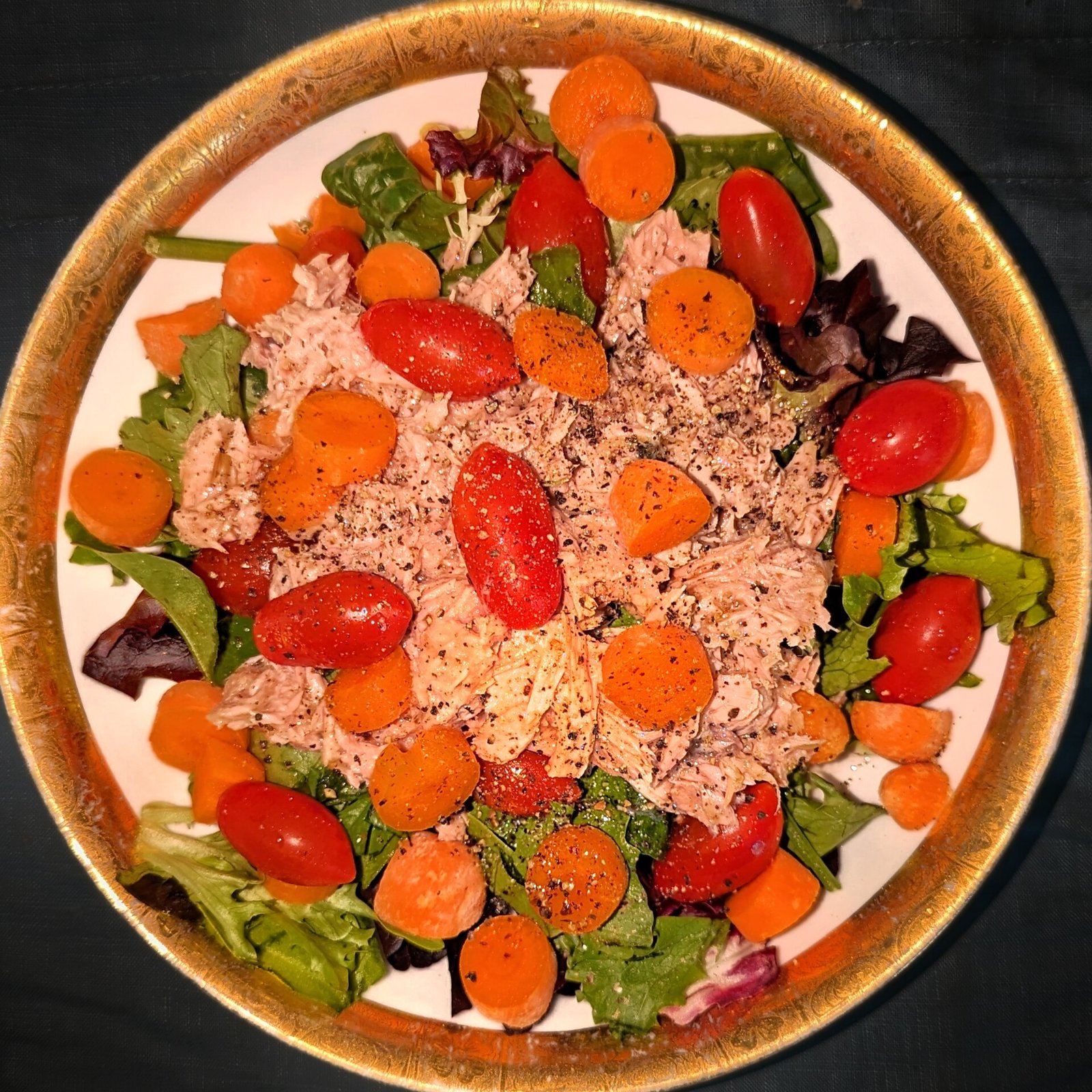
- – Lunch: mixed greens with tuna or leftover salmon, olive oil, whole-grain toast.
- – Snack: yogurt or a small handful of nuts; carrot sticks.
- – Dinner: baked fish, kale or collards, brown rice; fruit for dessert.
- – Evening: take night-time drops as prescribed; avoid late heavy alcohol if it disrupts sleep and next-morning adherence.
5. Eating out
Ask for grilled fish or chicken with a large vegetable side; skip “bottomless” salty apps if blood pressure is also a concern; keep alcohol modest.
6. When another eye condition overlaps
If you also have age-related macular concerns, pair this page with our macular degeneration diet guide guide—still without stopping glaucoma medicines.
Safety, interactions, and who should ask a clinician first
- – Eye-pressure medicines, laser, and surgery decisions belong with an ophthalmologist or optometrist who manages glaucoma—diet is supportive only.
- – Sudden severe eye pain, nausea, red eye, or abrupt vision change: emergency care.
- – If you take blood-pressure, diabetes, or anticoagulant medicines, coordinate any major diet or supplement change with the prescribing clinician.
- – High-dose “vision” supplements marketed for glaucoma: ask your eye doctor before adding them; they do not replace drops.
- – Pregnancy, breastfeeding, or planned surgery: review all supplements and herbal products.
FAQ
Can a glaucoma diet reverse vision loss? No. NEI states there is no cure; treatment aims to stop further damage. Food patterns may support general eye and metabolic health only.
Do I need to avoid caffeine completely? Public glaucoma education centers on exams and pressure-lowering treatment. Ask your eye doctor about your personal caffeine response rather than inventing a permanent ban.
Are leafy greens enough without eye drops? No. Leafy greens and fish fit NEI healthy-vision tips, but they are not glaucoma medicine.
How often should I get checked if I’m higher risk? NEI: if you’re at higher risk, ask about a comprehensive dilated eye exam every 1 to 2 years (or the interval your clinician sets).
How this differs from related OTCFood topics
This page is a glaucoma-bound diet guide focused on eye-friendly plates and adherence to medical care. It is not a macular degeneration diet guide AREDS-style nutrient checklist, not a general high blood pressure foods guide DASH clinic visit, and not a type 2 diabetes plate guide glucose protocol—though those kitchen problems often travel with midlife eye disease risk.
Medical disclaimer
Medical disclaimer: This article is for general information only. It is not medical advice, diagnosis, or a treatment plan. Glaucoma care depends on eye-pressure targets, optic-nerve findings, visual fields, and prescribed therapies. Talk with an eye-care clinician or registered dietitian before starting, stopping, or changing any eating plan, supplement, or glaucoma medicine. Seek emergency care for sudden severe eye pain, rapid vision loss, or vomiting with a red painful eye.