Age-Related Macular Degeneration Diet: Foods That May Help and Foods to Limit
Medical note: This article discusses foods and researched botanicals. It does not claim to prevent, treat, or cure disease. Supplements are not a substitute for food, and studied amounts are not personal prescriptions.
People searching “macular degeneration diet foods that help or worsen” usually want food and supplement clarity for dry or wet AMD—not a claim that diet restores lost central vision. The National Eye Institute (NEI) describes age-related macular degeneration as a disease of the macula that can blur central vision. Risk rises with age (especially 55+), family history, Caucasian ancestry, and smoking. NEI highlights healthy foods such as leafy greens and fish, blood-pressure and cholesterol control, and—when the stage qualifies—AREDS/AREDS2-style supplements that may slow progression from intermediate to advanced AMD by about 25% in trial populations. Eye exams and retina care remain the medical core.
What this AMD diet guide covers (and what it does not)
This guide is for adults with early, intermediate, or late AMD (or strong family risk) who want kitchen defaults and evidence-based supplement literacy. Anchors: NEI — Age-Related Macular Degeneration, NEI — About AREDS and AREDS2, MedlinePlus — Macular degeneration, and NIH ODS nutrient consumer sheets for vitamins A/C/E and zinc context.
Straight lines looking wavy, a growing central blur, or sudden vision change needs prompt eye care—NEI flags wavy lines as a late-AMD warning. Diet does not replace anti-VEGF injections or other wet-AMD procedures when those are indicated.
Evidence snapshot: AMD diet claims vs public sources
| Claim people hope for | What public sources actually say | Confidence |
|---|---|---|
| “AREDS pills prevent AMD from starting” | NEI AREDS/AREDS2: supplements reduce progression risk from intermediate to advanced AMD (~25%); they do not prevent AMD onset | Strong trial signal for eligible stages; not primary prevention |
| “Omega-3 capsules reverse AMD” | AREDS2: added omega-3 supplements did not show an overall effect on AMD progression in that trial design | Strong against relying on omega-3 pills alone |
| “Leafy greens and fish cure dry AMD” | NEI lifestyle: eat healthy foods including leafy greens and fish; no food cure for established AMD | Moderate for supportive pattern |
| “Any eye vitamin is the same as AREDS2” | Formulas differ; smokers/former smokers should avoid beta-carotene versions (lung cancer risk signal in AREDS follow-up) | Strong safety distinction |
| “Supplements help early AMD the same as intermediate” | NEI: early AMD—monitor with exams; lifestyle; intermediate/advanced-in-one-eye contexts are where AREDS-type supplements are discussed | Moderate: stage matters |
Foods and patterns that may help with AMD day-to-day eye health habits
“May help” means patterns NEI associates with lower risk behaviors and nutrients studied in AREDS—not restored acuity.
Leafy greens, colorful plants, and fish (NEI lifestyle)
- – Build plates around leafy green vegetables and other vegetables/fruit as daily defaults.
- – Include fish in a heart-aware rotation when it fits your overall diet—NEI lists fish among healthy foods for AMD risk reduction habits.
- – Maintain healthy blood pressure and cholesterol with clinician-guided eating patterns (overlap with blood-pressure and metabolic guides).
Carotenoid-aware produce (lutein/zeaxanthin context)
- – Dark leafy greens and colorful vegetables supply lutein and zeaxanthin—the carotenoids used in the AREDS2 formula (10 mg lutein + 2 mg zeaxanthin in the studied supplement). Food first; mega-dosing random “eye gummies” is not the same as a labeled AREDS2 product discussed with your eye doctor.
AREDS2 literacy (when your ophthalmologist says you qualify)
NEI commercial-formula summary (AREDS2): vitamin C 500 mg, vitamin E 400 IU, copper 2 mg, lutein 10 mg, zeaxanthin 2 mg, zinc 80 mg—without beta-carotene. Current and former smokers should prefer AREDS2-style formulas and avoid beta-carotene AREDS versions. Supplements are adjuncts for eligible stages, not snacks for everyone with mild refractive error.
Smoking cessation and metabolic control
NEI notes AMD is very common in the United States (on the order of about 11 million people). That prevalence is why stage-specific advice matters: early disease may need monitoring and lifestyle only, while intermediate disease may bring AREDS2 into the conversation, and wet late disease may need injections on a retina clinic timeline.
Portion practicality matters as much as nutrient names. People often buy lutein gummies while still skipping vegetables at lunch. A workable pattern is one leafy-green serving most days, fish a few times weekly if it fits your budget and preferences, and a weekly review of packaged snacks that displace produce. If chewing raw kale is hard, use cooked greens, frozen spinach in omelets, or blended soups—the goal is repeatable intake, not restaurant plating.
When shopping for AREDS2-style products, photograph the Supplement Facts panel and compare it with the NEI nutrient table your clinic printed. Watch for products that quietly reintroduce beta-carotene, underdose zinc relative to the studied formula, or omit copper. Ask a pharmacist to screen for interactions with anticoagulants, multivitamins you already take, and any prostate or cold remedies that also contain zinc.
- – Quitting smoking is one of the highest-yield lifestyle moves NEI lists for AMD risk.
- – Keep diabetes, blood pressure, and lipids in the plan your clinicians already set—central vision care is multi-system.
Foods and habits that often worsen AMD kitchen patterns
- – Continuing to smoke while buying expensive “vision” powders—NEI ranks smoking as a major risk factor.
- – Beta-carotene high-dose formulas if you smoke or formerly smoked—AREDS safety signal for lung cancer risk.
- – Assuming omega-3 capsules replace AREDS2 or retina injections—AREDS2 did not show overall AMD benefit from added omega-3 supplements.
- – Skipping dilated exams because “I eat kale”—early AMD can be silent (NEI).
- – Ultra-processed, low-vegetable patterns that crowd out greens and fish without any medical reason.
“Limit” means risk-factor control and honest supplement matching—not fear of every orange food.
Practical kitchen protocol: an AMD diet week
1. Confirm your AMD stage with an eye-care professional
Ask whether you have early vs intermediate disease, wet vs dry late disease, and whether an AREDS2-style supplement is appropriate. Do not start high-dose zinc/antioxidant stacks from social media alone (zinc and copper balance mattered in AREDS design).
2. Build a macular-friendly cart
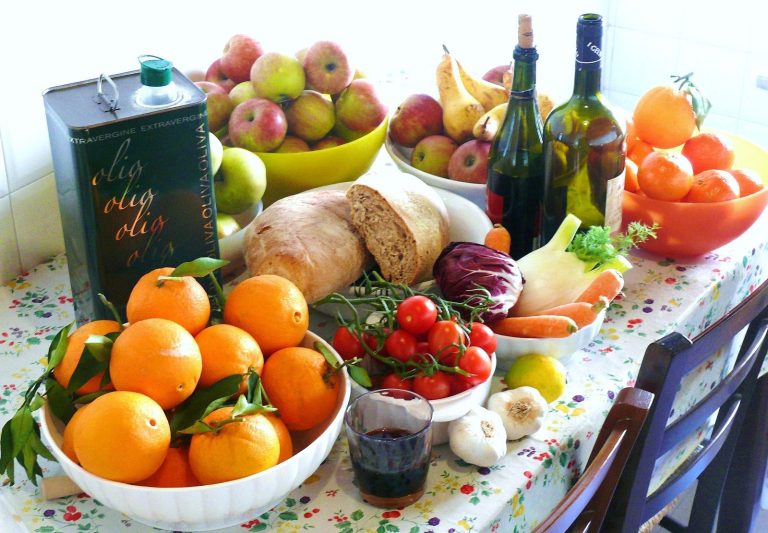
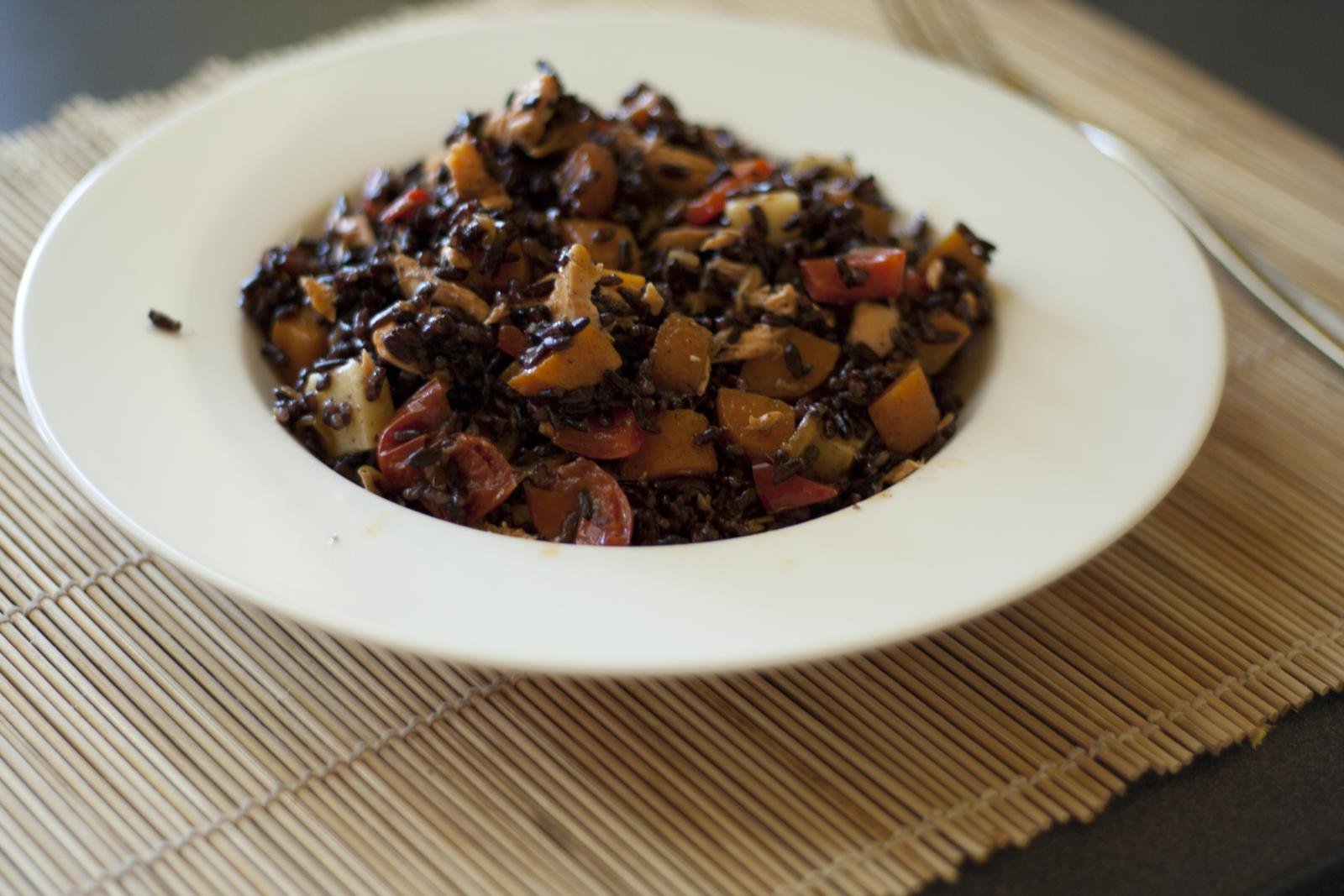
Spinach, kale, broccoli, peas, corn, eggs, citrus, berries, beans, olive oil, and fatty fish (salmon, sardines) if tolerated. Whole grains and nuts for overall cardiometabolic support.
3. Default plate template
Keep a “vision week” checklist on the fridge: eye-drop schedule if prescribed, next dilated exam date, smoking status goal, and three produce staples you will not run out of. Pair that checklist with blood-pressure home readings if your primary-care team requested them—NEI’s lifestyle list explicitly includes blood-pressure and cholesterol control beside food choices.
If central vision already makes cooking hazardous, switch to pre-washed greens, slow cookers, and delivery produce boxes. Adaptive tools (large-print timers, contrasting cutting boards) reduce kitchen accidents while you keep nutrient quality high. Caregivers can batch-chop vegetables once weekly without turning every meal into a restaurant project.
- – Half vegetables (include a leafy green most days)
- – Quarter whole grains or starchy vegetables
- – Quarter protein (fish several times weekly if appropriate, or plant/lean alternatives)
- – Fruit for dessert more often than ultra-sweet snacks
4. Sample day (illustrative)
- – Breakfast: oatmeal with berries; optional egg.
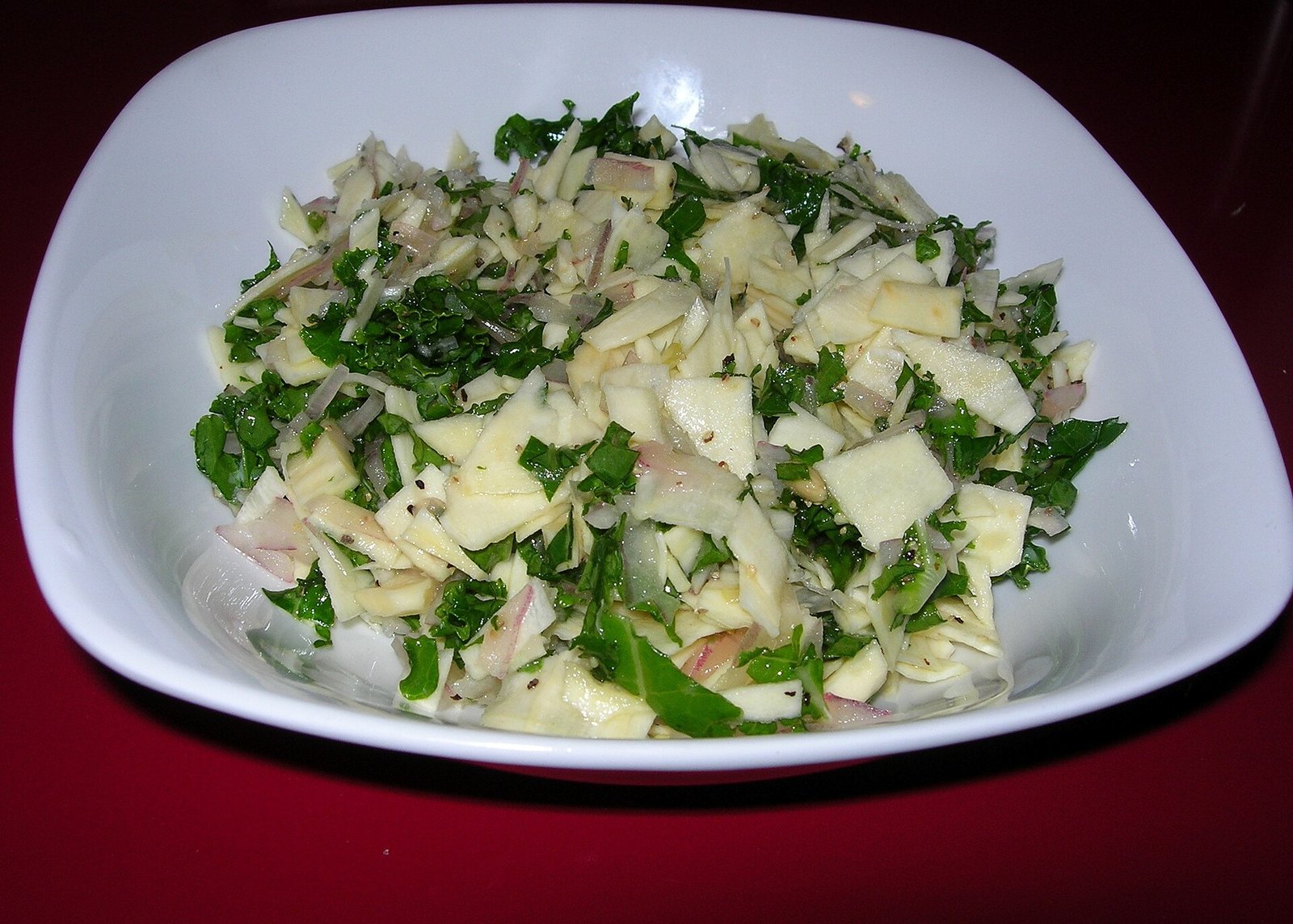
- – Lunch: large kale or spinach salad with beans or leftover salmon, olive oil, and fruit.
- – Snack: yogurt or a small handful of nuts.
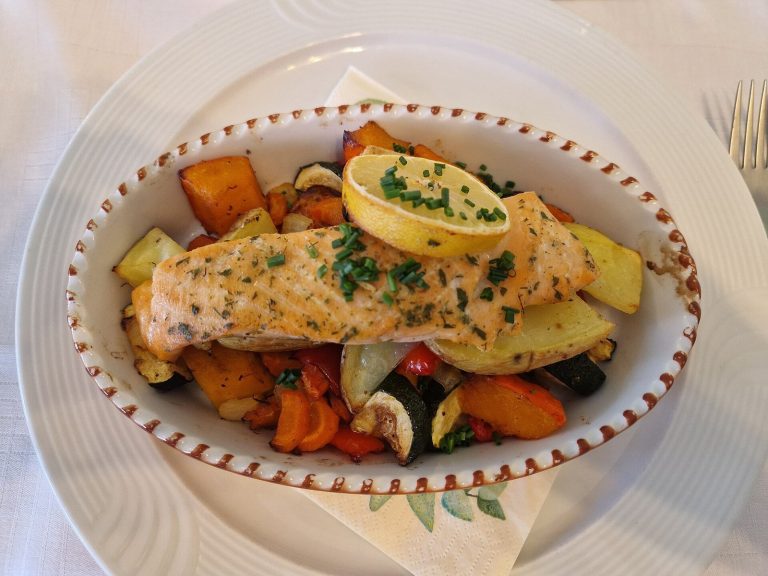
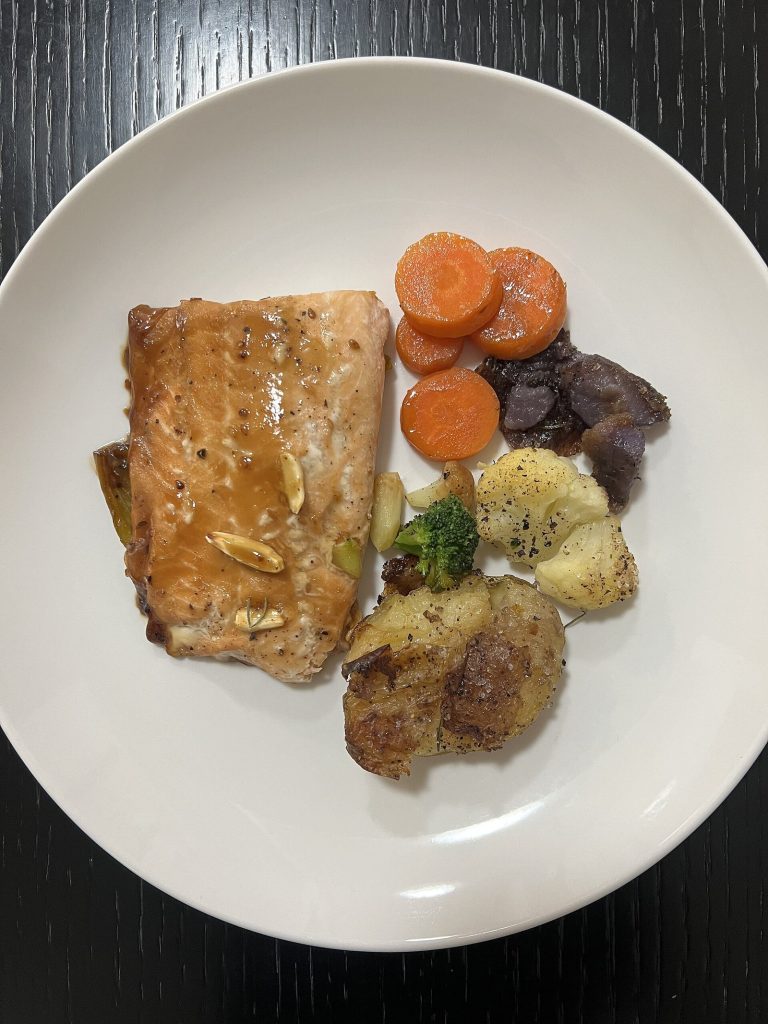
- – Dinner: pan-roasted salmon or other fish with Brussels sprouts/carrots and rice—or a plant-forward bowl if fish is limited.
- – Evening: caffeine timing that protects sleep; good lighting for reading if low-light vision is harder (NEI notes low-lighting trouble in intermediate/late disease).
5. Label check for “eye vitamins”
Match ingredients to AREDS2 if prescribed/advised; avoid mystery blends with megadose vitamin A as beta-carotene if you have a smoking history.
6. Home vision monitoring
Use any Amsler-grid or symptom plan your clinic gave you. Sudden wavy lines or a new blank spot → call eye care promptly.
Safety, interactions, and who should ask a clinician first
- – High-dose zinc, vitamin E, and antioxidant packs can interact with medicines and conditions—review with a clinician or pharmacist.
- – Wet AMD therapies are time-sensitive; diet does not replace injections when indicated.
- – Smokers/former smokers: insist on beta-carotene-free AREDS2-style products if supplements are used.
- – Swallowing difficulty, malabsorption, or kidney disease may change supplement safety—individualize.
FAQ
Can diet reverse macular degeneration? No. NEI describes progressive disease stages. Lifestyle and, for eligible people, AREDS/AREDS2 supplements may help slow progression; they do not restore destroyed macular tissue.
Should everyone with aging eyes take AREDS2? No. NEI positions these supplements for intermediate AMD or advanced AMD in one eye contexts studied—not universal primary prevention.
Do omega-3 pills help AMD? In AREDS2, adding omega-3 supplements did not show an overall effect on AMD progression. Eating fish can still fit a healthy pattern.
What is the single best food change? NEI-consistent answer: more leafy greens and fish within an overall healthy diet, plus quit smoking and keep up eye exams.
How this differs from related OTCFood topics
This page is an AMD-bound diet and AREDS literacy guide. It is not a general high blood pressure diet guide DASH clinic visit, not a type 2 diabetes plate guide glycemic plate map, not a menopause diet guide midlife hormone guide, and not an metabolic syndrome diet guide waist-centric protocol—though vascular risk factors overlap.
Medical disclaimer
Medical disclaimer: This article is for general information only. It is not medical advice, diagnosis, or a treatment plan. AMD care depends on stage, wet vs dry features, smoking history, and other eye diseases. Talk with an ophthalmologist or optometrist before starting, stopping, or changing any eating plan or AREDS-style supplement. Seek urgent eye care for sudden vision loss, new distortion, or a curtain/shadow over vision.