Long COVID Diet: Foods That May Help and Foods to Limit
Medical note: This article discusses foods and researched botanicals. It does not claim to prevent, treat, or cure disease. Supplements are not a substitute for food, and studied amounts are not personal prescriptions.
People searching “long COVID diet foods that help or worsen” usually want steadier energy and fewer gut or appetite crashes—not a claim that food will eliminate post-COVID symptoms. NHS states there is currently no cure for long COVID (also called post-COVID syndrome when symptoms last longer than 12 weeks); care is multidisciplinary and may include fatigue management, physiotherapy, CBT where appropriate, cognitive rehab, smell training, diet and nutrition support, and social prescribing. WHO Europe describes post-COVID-19 condition with symptoms lasting at least 2 months, often fatigue, breathlessness, and cognitive dysfunction among 200+ reported symptoms. Food choices may help maintain nutrition during poor appetite, support a balanced plate NHS recommends, and avoid boom-bust eating that worsens fatigue. They do not replace medical assessment or rehabilitation.
What this long COVID diet guide covers (and what it does not)
This guide is for adults with suspected or diagnosed long COVID, caregivers preparing easy meals on low-energy days, and anyone sorting “antiviral superfood” myths from NHS/WHO framing. Anchors: NHS — Long COVID, WHO Europe — Post COVID-19 condition fact sheet.
Red flags / see a clinician: chest pain, severe breathlessness, fainting, sudden confusion, signs of stroke, suicidal thoughts, or rapid unintended weight loss. NHS: see a GP if you think you have long COVID; do not restart intense exercise before talking to a GP or specialist—post-exertional symptom worsening is a recognized risk.
Evidence snapshot: long COVID diet claims vs public sources
| Claim people hope for | What public sources actually say | Confidence |
|---|---|---|
| “A special diet cures long COVID” | NHS: no cure; research ongoing; treatments ease symptoms; diet/nutrition help is part of supportive care | Strong against cure claims |
| “Eat a balanced diet to help symptoms” | NHS “things you can do”: eat a balanced diet; teams may offer diet and nutrition help | Moderate as supportive care |
| “Push hard workouts and high-protein bulking” | NHS: do not start exercising again before talking to a GP/specialist; stop if symptoms worsen | Strong caution |
| “Elimination diets detox the virus” | Not NHS/WHO guidance; risk of malnutrition if appetite is already low | Low; often harmful if unsupervised |
| “Supplements replace vaccines/boosters for prevention of long COVID” | WHO prevention focus: vaccines/boosters, masks, hand hygiene, ventilation—not supplement cures | Strong against replacement |
Foods and patterns that may help with long COVID day-to-day function
“May help” means keeping fuel available on fatigue days and supporting recovery goals set with your team—not erasing brain fog overnight.
Balanced plate defaults (NHS)
- – Vegetables and fruits each day for vitamins, fiber, and meal volume without huge prep.
- – Starchy carbohydrates (oats, rice, potatoes, whole-grain bread) for accessible energy when fatigue is high.
- – Protein at meals—eggs, fish, poultry, beans, yogurt, tofu—to support muscle while activity is paced.
- – Healthy fats—nuts, seeds, olive oil, avocado—for calorie density when appetite is poor.
Easy, low-effort nutrition for crash days
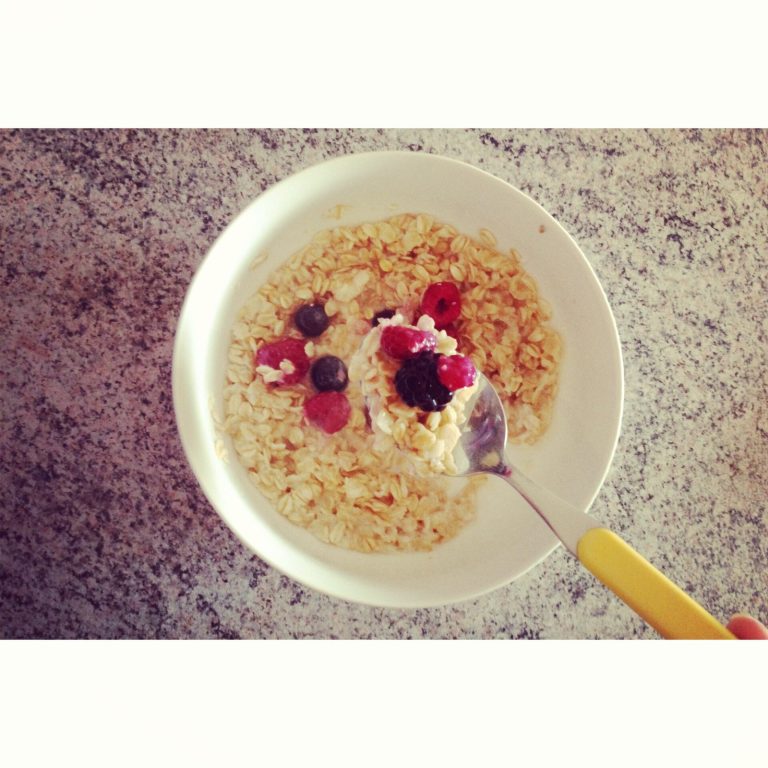
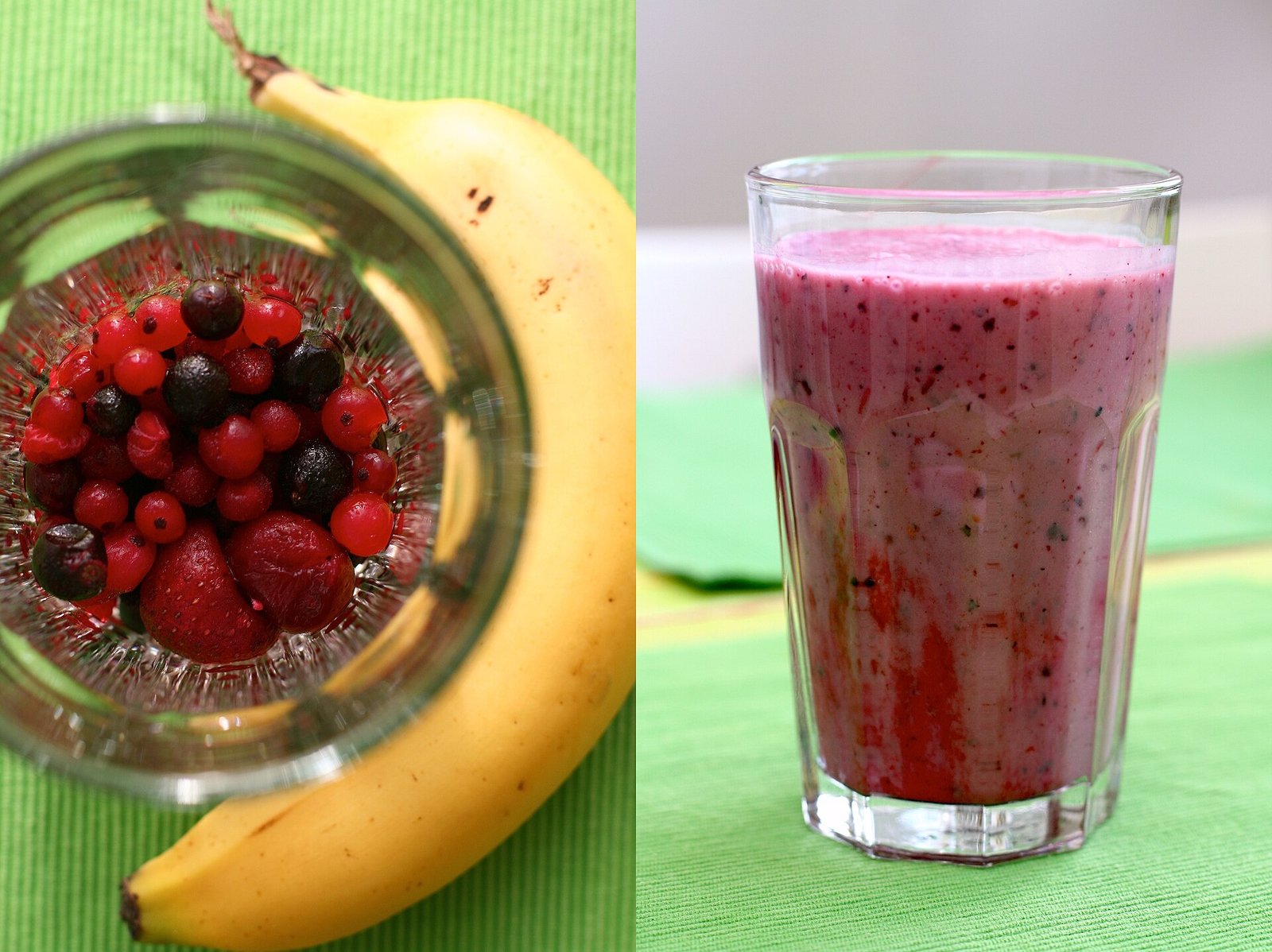
- – Soft foods: soups, yogurt, scrambled eggs, ripe fruit, smoothies with yogurt/milk alternative and banana/berries.
- – Ready-to-eat options: pre-cut vegetables, canned fish, frozen mixed vegetables, rotisserie chicken.
- – Small, frequent meals if large plates feel impossible—NHS notes appetite and weight-loss symptoms can occur.
Hydration and smell/taste changes
NHS lists smell/taste changes among long COVID symptoms and may offer help to improve smell. Cold foods, mild herbs, and textures you still enjoy may help intake when flavors are muted. Sip water regularly; thirst cues can be unreliable when fatigued.
Gut symptom–aware choices
Tummy pain, diarrhoea, nausea, or reduced appetite appear on NHS symptom lists. Bland, lower-fat meals during flare days, oral rehydration if diarrhoea is significant (clinician-guided), and gradual return to fiber can be practical—coordinate with your care team if symptoms persist.
Foods and habits that often worsen long COVID patterns
- – All-or-nothing fasting then huge late meals—worsens energy swings and sleep.
- – Unsupervised extreme elimination diets—risk nutrient gaps when weight is already falling.
- – Alcohol and excess caffeine—disrupt sleep; NHS already emphasizes consistent sleep timing for fatigue.
- – “Push through” high-intensity exercise plus pre-workout stimulants—conflicts with NHS exercise caution.
- – Supplement stacks marketed as cures—may interact with medicines; not a substitute for post-COVID services.
- – Ignoring unintended weight loss—needs clinical review, not further restriction.
“Limit” means pacing intake and avoiding extremes—not blaming yourself for needing convenience foods.
Practical kitchen protocol: a long COVID diet week
1. Align food with your pacing plan
Work with specialists on recovery goals (NHS). Keep a simple symptom-and-meal diary: note which meals sit well before appointments or light walks, and which days need only “emergency shelf” foods.
2. Build a two-tier kitchen
- – Green days: cooked vegetables, fish or beans, whole grains, fruit.
- – Red/crash days: soup, toast with nut butter or eggs, yogurt, banana, oral nutrition drinks only if a clinician recommends them.
3. Shopping list default
Oats, bananas, berries (fresh/frozen), eggs, yogurt, canned tuna/salmon, frozen vegetables, soup ingredients or quality ready soup, rice, potatoes, olive oil, avocados, nuts, herbal tea, and whole-grain bread you can freeze in slices.
4. Sample day (illustrative; adjust to fatigue)
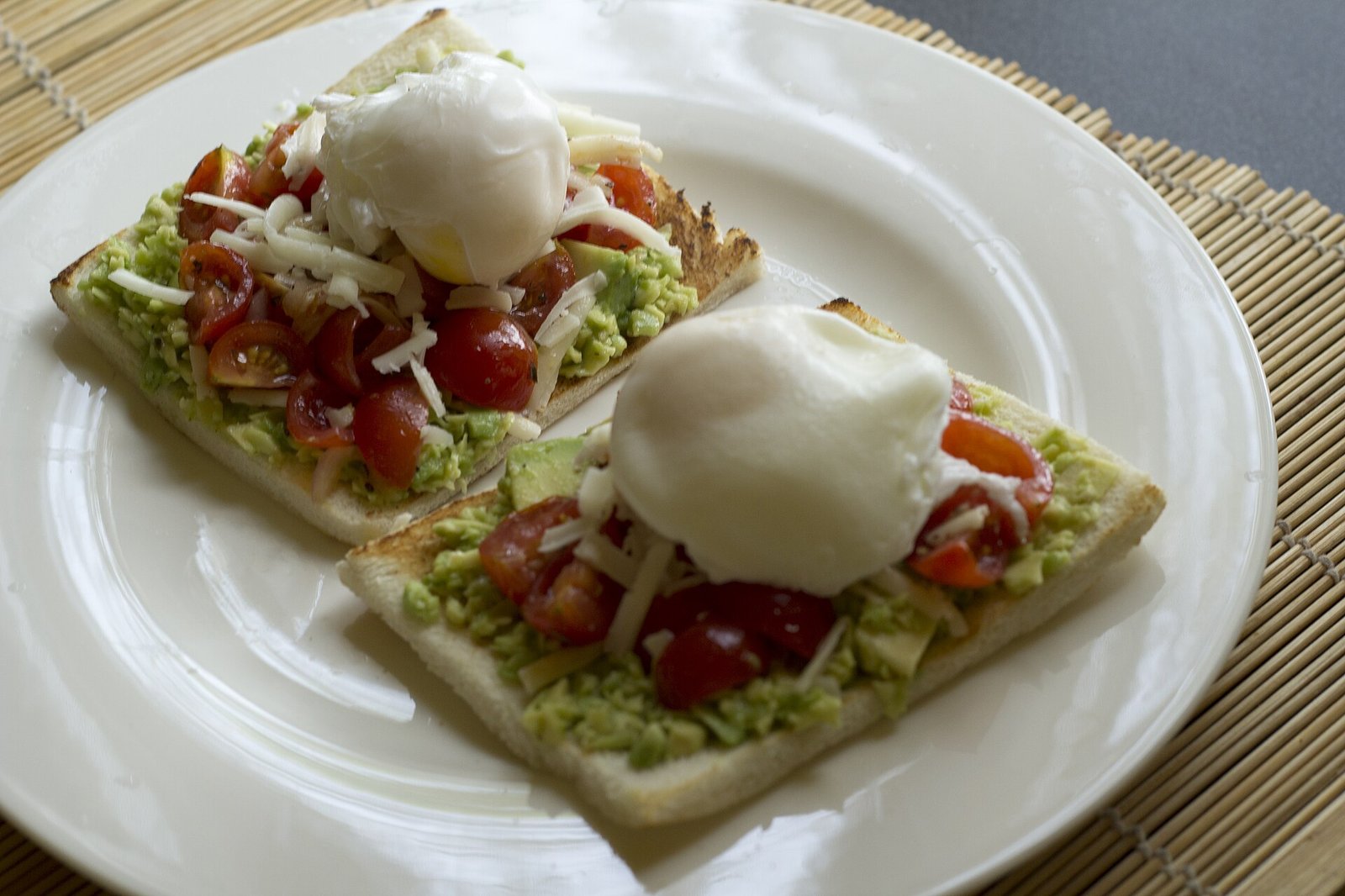
- – Breakfast: avocado toast with eggs or yogurt with banana and berries if standing to cook is too much.
- – Mid-morning: handful of nuts or a smoothie.
- – Lunch: vegetable soup with bread; water.
- – Snack: fruit or cheese and crackers.
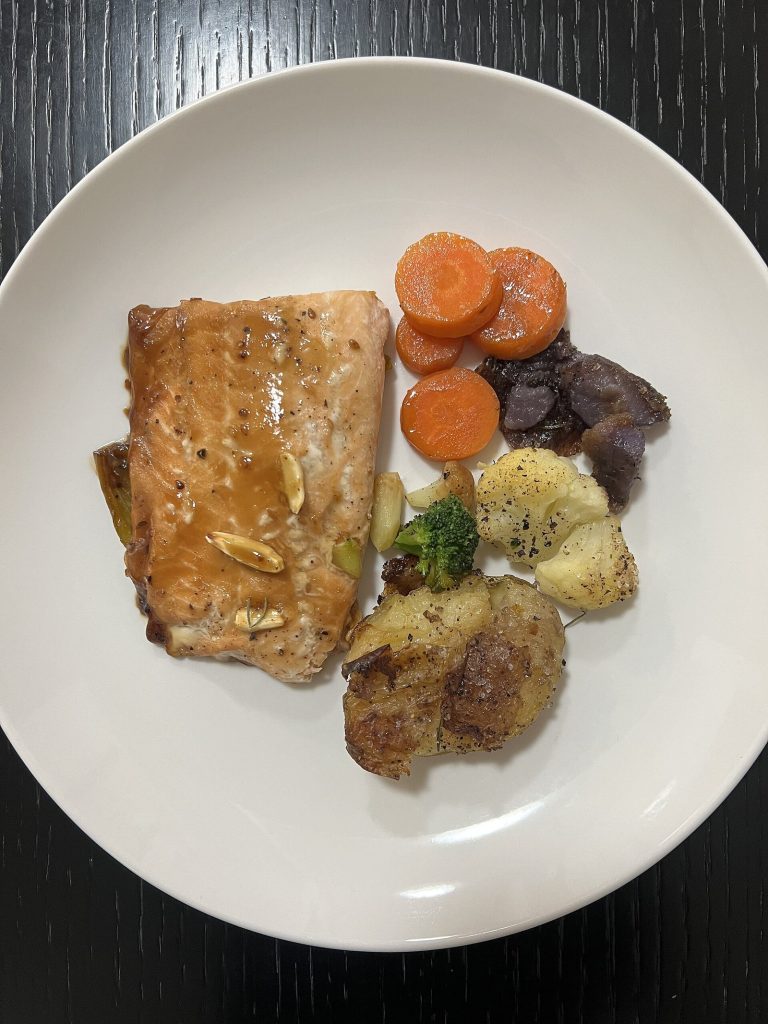
- – Dinner: soft cooked chicken or fish, mashed potato, overcooked vegetables if chewing is tiring.
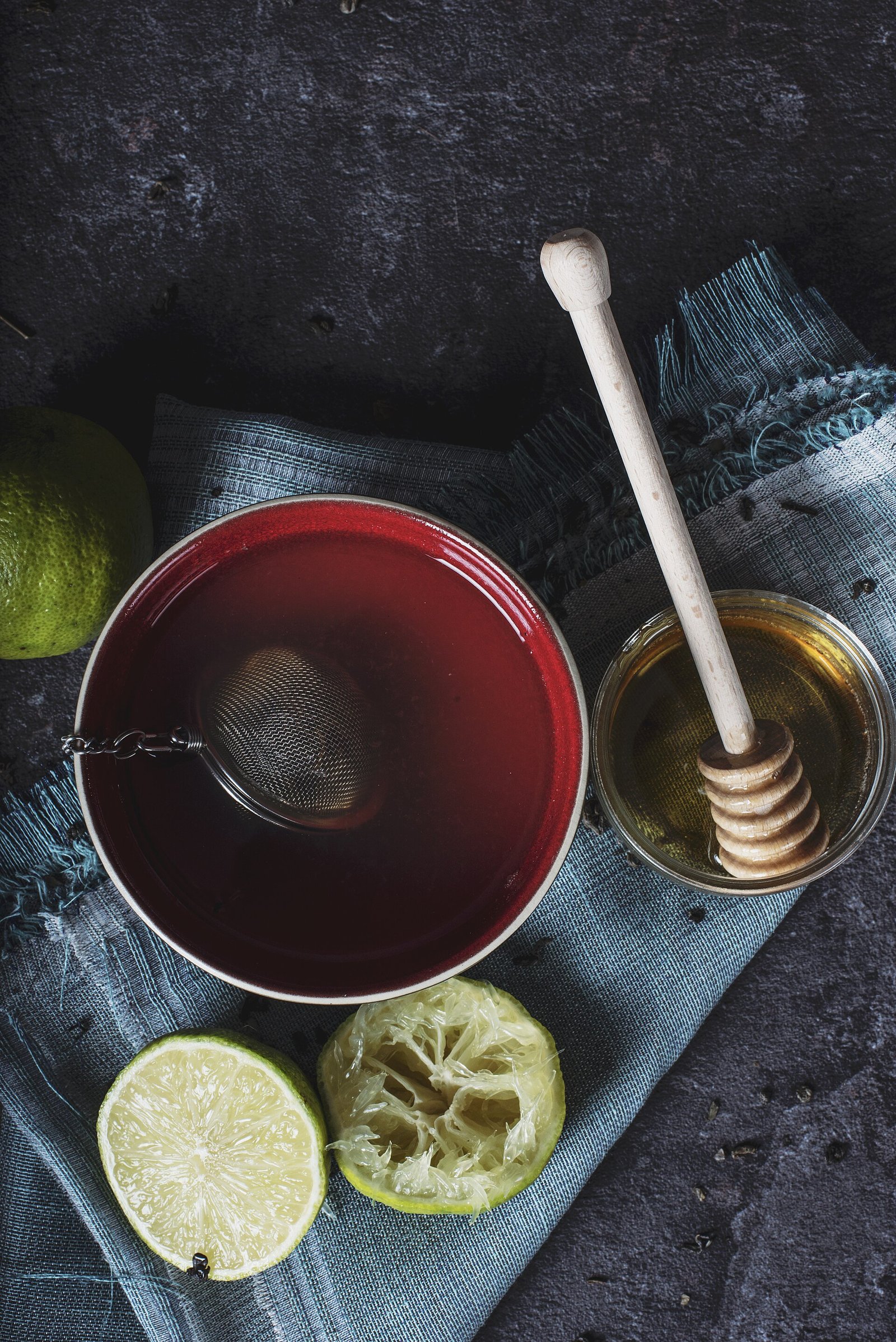
- – Evening: herbal tea; consistent bedtime (NHS sleep tip).
5. Caregivers and batch cooking
Cook once on a better-energy day; freeze portions in single servings. Label dates. Accept delivery or convenience meals without guilt when needed—nutrition adequacy beats perfect cooking.
6. Return-to-activity eating
When your clinician clears gentle movement, take a small carb-protein snack beforehand and stop activity if symptoms spike (NHS). Do not use “no pain no gain” sports nutrition culture here.
7. Smell-training days and flavor ladders
NHS may offer help to improve sense of smell. While you wait for that support, rotate mild flavors you can still detect—vanilla yogurt, miso broth, soft herbs—rather than forcing strong chili that triggers coughing. Keep protein present even when food tastes “wrong”; nutrition adequacy matters more than gourmet variety during brain-fog weeks.
8. Medication and meal timing notes
If you take pain relief for muscle aches (NHS mentions paracetamol or ibuprofen with pharmacist advice), take tablets with food or water as labeled to protect the stomach. Do not stack multiple stimulant “focus” supplements for brain fog without clinician review—sleep timing and pacing remain first-line self-care tips on NHS pages.
Safety, interactions, and who should ask a clinician first
- – Chest pain, severe shortness of breath, neurological emergencies, or mental-health crisis: urgent/emergency care.
- – See a GP for suspected long COVID; ask about referral to post-COVID services.
- – Do not restart intense exercise without professional advice (NHS).
- – Unintentional weight loss, persistent vomiting/diarrhoea, or inability to keep fluids down: prompt clinical review.
- – Diabetes, kidney, heart, or GI disease: tailor carbs, fluids, and electrolytes with your existing specialists.
- – Vaccines/boosters remain WHO-recommended prevention tools against COVID-19 infection risk—not food substitutes.
FAQ
Can diet cure long COVID? No. NHS says there is currently no cure. Diet and nutrition support may help manage symptoms within a wider care plan.
Should I try a strict antiviral or keto detox? Not based on NHS/WHO patient guidance. Extreme diets can worsen fatigue and weight loss—ask a registered dietitian embedded in your service.
What if I have no appetite? Small frequent energy-dense foods (nuts, yogurt, soups, smoothies) may help; report ongoing weight loss to your GP.
Is brain fog from food allergies? Not the default NHS explanation. Cognitive rehab and pacing are listed supports; discuss testing only with your clinicians.
Can I drink alcohol to relax? Limiting alcohol is wiser for sleep and fatigue; it is not a treatment.
How this differs from related OTCFood topics
This page is a disease-bound long COVID diet guide focused on balanced eating, crash-day nutrition, and pacing—not a cure protocol. It is not an insomnia diet guide sleep-caffeine guide, not an anxiety diet guide mental-health plate map, not a depression diet guide mood diet, and not a gastroparesis diet guide delayed-emptying plan—seek those if you have those diagnoses separately.
Medical disclaimer
Medical disclaimer: This article is for general information only. It is not medical advice, diagnosis, or a treatment plan. Long COVID care is individualized and still evolving. Talk with a GP and your post-COVID care team before starting, stopping, or changing any eating plan, supplement, exercise program, or medication. Seek urgent care for severe breathlessness, chest pain, fainting, sudden confusion, or thoughts of self-harm.