Rosacea Diet: Foods That May Help and Foods to Limit
Medical note: This article discusses foods and researched botanicals. It does not claim to prevent, treat, or cure disease. Supplements are not a substitute for food, and studied amounts are not personal prescriptions.
A rosacea diet is mostly about finding and limiting your personal flare triggers, not about a list of foods that clear the skin. NIAMS (the NIH skin and musculoskeletal institute) and the NHS both list alcohol, spicy foods, and hot drinks or foods among common rosacea triggers, and the NHS advises avoiding a known trigger as much as possible. National Rosacea Society surveys found that alcohol affected 52% of 1,066 patients surveyed, spicy foods 45%, and heated beverages 36%. On the “may help” side, evidence is early: a 2017 review of diet and rosacea suggests patients may be advised to support a healthy gut microbiome with a fiber-rich diet, while noting that more research is needed. Medical care from a GP or dermatologist remains the main way to control rosacea.
What this rosacea diet guide covers (and what it does not)
This guide is for adults with diagnosed rosacea who want to understand food and drink triggers and build meals that are less likely to cause flushing. It covers trigger categories, a diary method, cooking swaps, and sample meals. It does not cover prescription creams, antibiotics, or laser options.
Anchors used here: NIAMS — Rosacea and Rosacea: Diagnosis, Treatment, and Steps to Take, NHS — Rosacea, the National Rosacea Society triggers survey, food survey, and 2018 diet survey, and the review Diet and rosacea (Weiss & Katta, 2017).
NIAMS describes rosacea as a long-term inflammatory skin condition causing facial redness and a rash, usually on the nose and cheeks, which can also affect the eyes. Symptoms tend to cycle between flare-ups and remission.
Evidence snapshot: rosacea diet claims vs public sources
| Claim people hope for | What public sources actually say | Confidence |
|---|---|---|
| “Alcohol and spicy food trigger rosacea” | NIAMS and NHS list both as common triggers; NRS survey: alcohol 52%, spicy foods 45% of respondents | Moderate (patient-reported) |
| “Hot drinks are a problem” | NHS lists hot drinks; NIAMS lists foods or beverages hot in temperature; NRS food survey: hot coffee 33%, hot tea 30% | Moderate (patient-reported) |
| “Some ordinary foods flare me” | NRS food survey of 400+ patients: tomatoes 30%, chocolate 23%, citrus 22%, marinated meat 23%; the 2017 review links these to cinnamaldehyde | Low-to-moderate |
| “Cutting triggers reduces flares” | NRS 2018 survey: 73% of 516 patients changed their diet and 74% said it helped reduce flare-ups | Low (self-reported) |
| “A gut-friendly diet helps rosacea” | 2017 review: patients may be advised on a fiber-rich (prebiotic) diet; clinical trials in rosacea are lacking | Preliminary |
| “Diet replaces prescription care” | NIAMS: a combination of self-care and medicines is typical; improvement can take 3 months or longer | Strong that diet is a support layer |
The four food trigger groups behind a rosacea diet
The 2017 review sorts patient-reported dietary triggers into four groups. Knowing the group helps you guess what else may bother you.
- 1. Heat-related: hot coffee, hot tea, hot soups, and other foods or drinks served at a high temperature.
- 2. Alcohol-related: wine (52% in the NRS food survey), hard liquor (42%), and beer (30%).
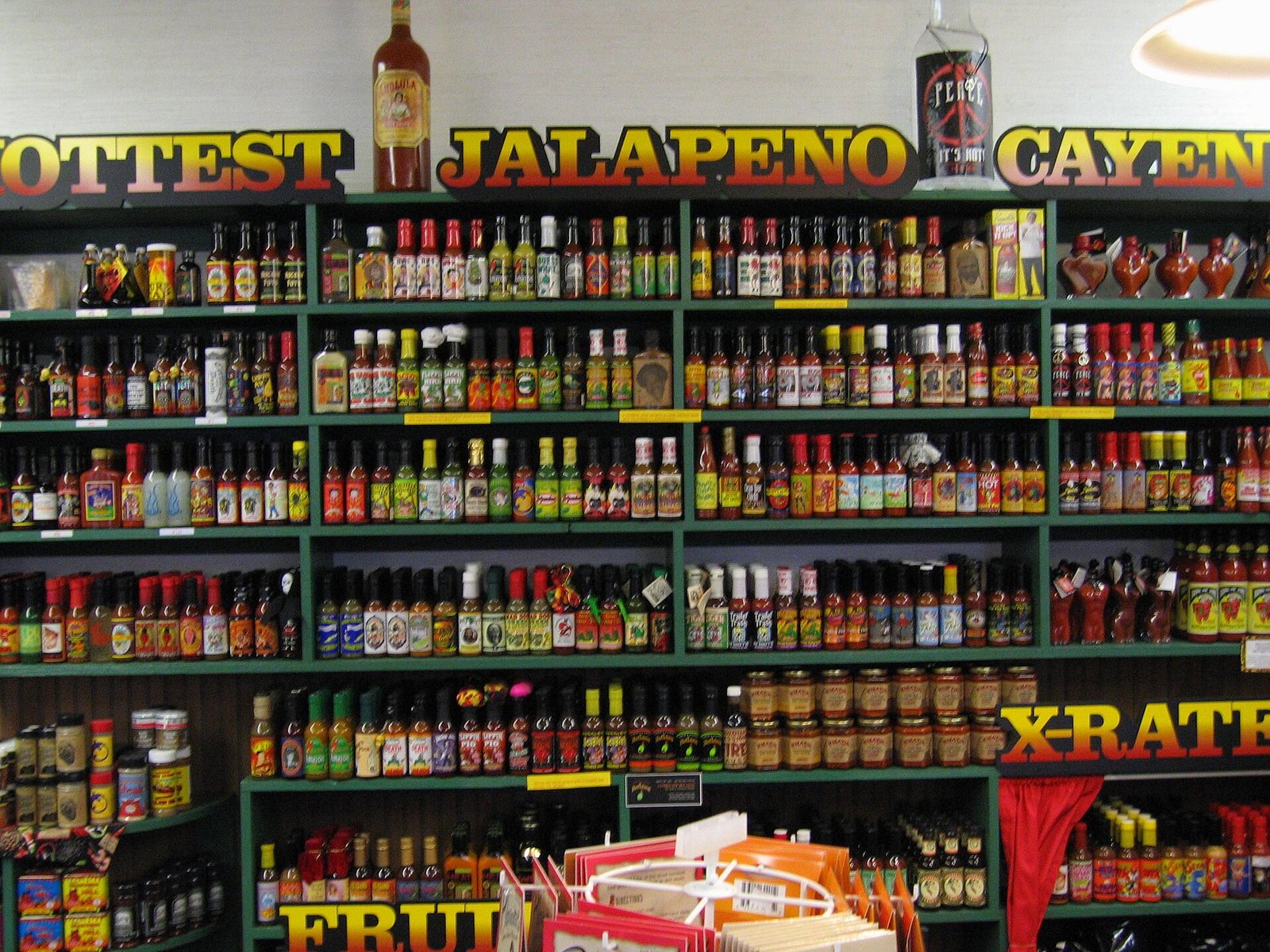
- 3. Capsaicin-related: hot sauce (54%), cayenne pepper (47%), and red pepper (37%). White pepper bothered only 17%.
- 4. Cinnamaldehyde-related: tomatoes, citrus, cinnamon, and chocolate.
The review suggests these may act through nerve receptors in the skin (TRP channels) that respond to heat, capsaicin, and cinnamaldehyde and widen blood vessels, which may explain flushing.
Foods and patterns that may help with rosacea
“May help” here means lower-trigger defaults and gut-supportive choices, not a skin fix.
Cooler, milder versions of everyday foods
- – Let hot drinks cool to warm, or switch to iced coffee or tea. In the NRS 2018 survey, about a quarter of respondents served food at cooler temperatures.
- – Season with herbs such as basil, parsley, dill, oregano, coriander leaf, and mint instead of chili, hot sauce, or cayenne.
- – Choose mild cuisines or ask for “no chili”: many respondents in the 2018 survey avoided Mexican, Indian, Thai, and some Italian dishes; only about 3% avoided French or German food.
Fiber-rich foods for gut health
- – The 2017 review notes epidemiologic links between rosacea and gastrointestinal disease, and suggests patients may be advised to eat a wide variety of dietary fibers to support a diverse gut microbiome.
- – Practical sources: oats, beans and lentils, whole grains, vegetables, fruit you tolerate, nuts, and seeds.
- – This is a general gut-health measure; the review states that clinical trials in rosacea are still lacking.
Low-trigger proteins and staples
- – Plain grilled or baked fish, chicken, eggs, tofu, and legumes, cooked without marinades if marinated meat bothers you.
- – Rice, potatoes, whole-grain bread, and pasta with herb-and-olive-oil dressings instead of tomato sauce if tomatoes are one of your triggers.
Foods and drinks that often worsen rosacea flare-ups
- – Alcohol, especially red wine and hard liquor; the NHS advises not drinking alcohol if you have rosacea.
- – Spicy foods: hot sauce, chili, cayenne, red pepper, and very hot curries.
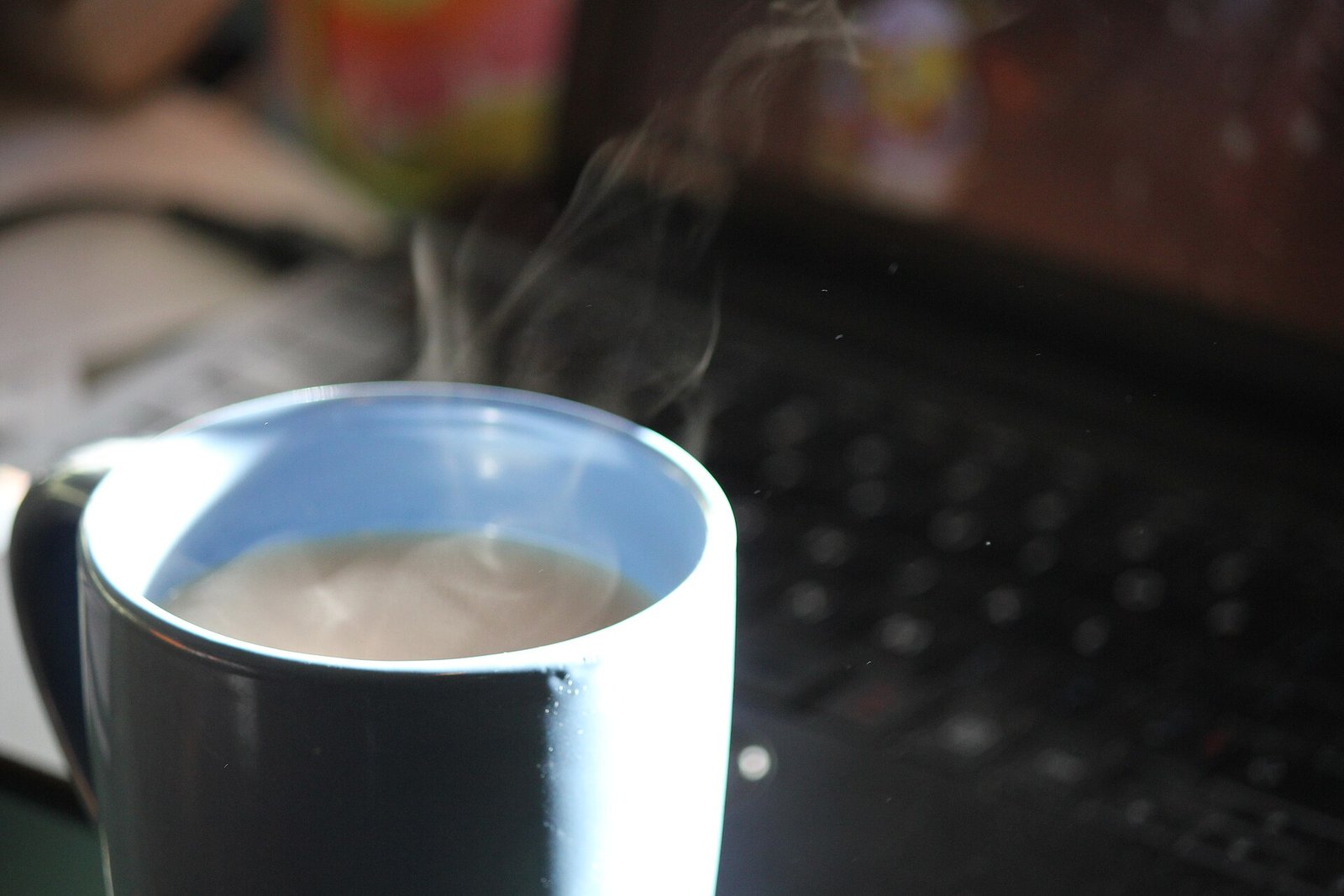
- – Hot drinks and very hot foods: coffee, tea, and soups straight from the stove.
- – Possible cinnamaldehyde triggers: tomatoes, citrus, cinnamon, and chocolate (individual).
- – Marinated meats (23% in the food survey) and, less commonly, cheese (11%).
- – Cooking heat itself: in the 2018 survey, 35% of respondents stayed away from the hot oven or stove.
“Limit” means test and cut back on the items your diary points to. The NRS notes that what triggers one person may not affect another.
Practical kitchen protocol: building your rosacea diet
1. Keep a two-to-four-week trigger diary
Both NIAMS and the NRS recommend a written record. Note meals, drink temperature, alcohol, spice level, sun, heat, stress, exercise, and skin-care products, then score flushing each evening. Non-food triggers such as sun exposure (81%) and emotional stress (79%) topped the NRS list, so track them too.
2. Remove one group at a time
Pick the trigger group your diary points to first, such as alcohol or capsaicin. Remove it for two weeks while keeping everything else stable, then reintroduce a small amount and watch for 24 hours. This avoids cutting healthy foods like tomatoes or citrus without reason.
3. Rework your cooking temperature and spice
- – Brew coffee or tea, then let it cool for several minutes or pour it over ice.
- – Serve soups and stews warm rather than piping hot.
- – Swap chili flakes for fresh herbs, garlic, and lemon zest (if citrus is not one of your triggers).
- – Cook in batches on cooler days or use a slow cooker to cut time over a hot stove.
4. Build a fiber base
Add a serving of beans, lentils, oats, or whole grains to at least two meals a day and fill half your plate with vegetables. Increase fiber gradually and drink water to limit bloating.
5. Sample day (illustrative)
- – Breakfast: oatmeal with banana and walnuts; lukewarm or iced coffee.
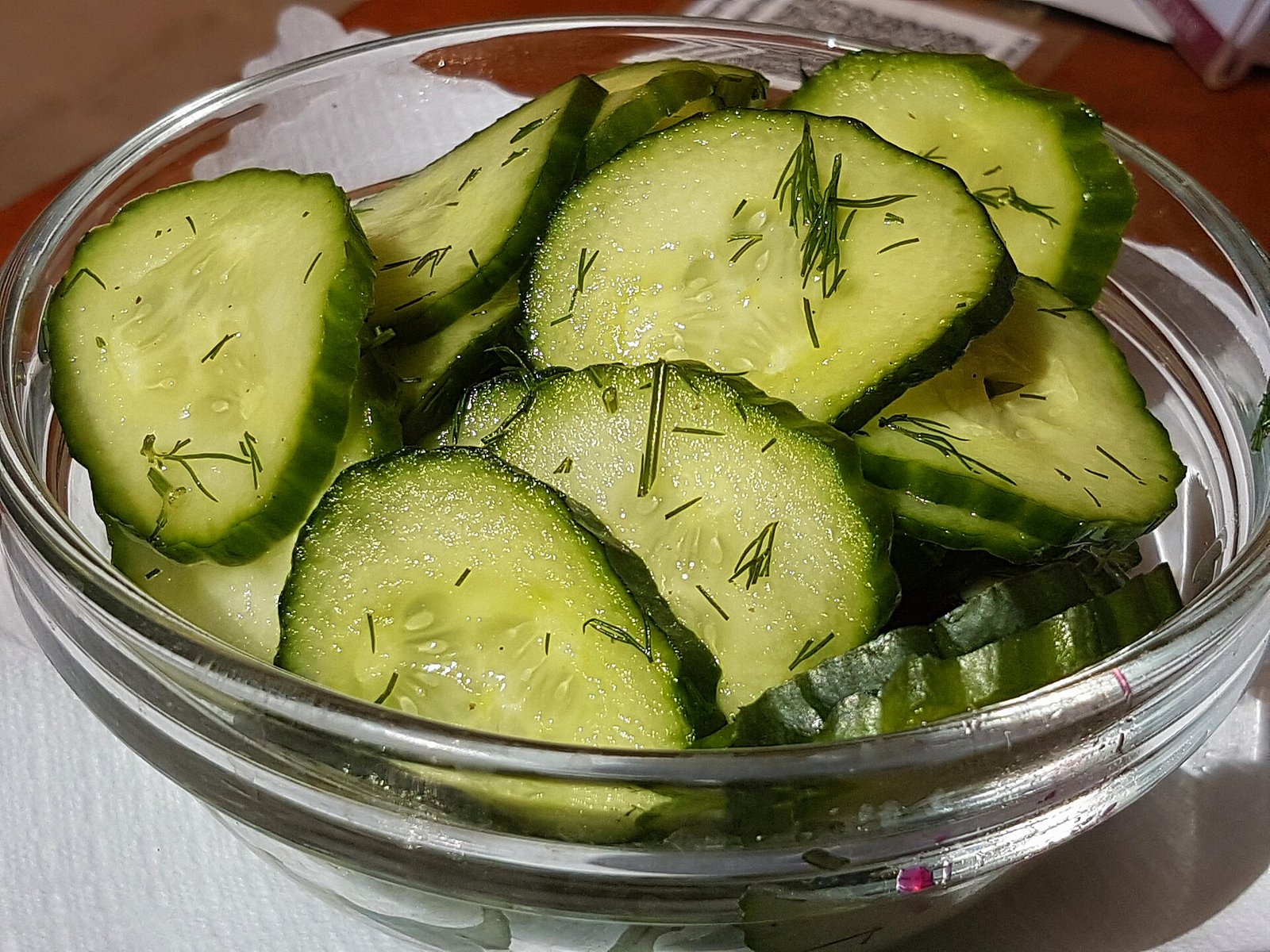
- – Lunch: chicken and quinoa salad with cucumber, leafy greens, herbs, and olive-oil dressing.
- – Snack: plain yogurt with pear slices.
- – Dinner: baked cod with dill, roasted potatoes, and green beans; herbal iced tea.
6. Social events and travel
Choose sparkling water with a slice of cucumber instead of wine, ask for sauces on the side, and avoid the hottest dishes on the menu. Carry sunscreen; the NHS recommends at least SPF 30 daily.
Safety and when to see a doctor
- – Diagnosis first: the NHS notes that rosacea can look like acne, contact dermatitis, seborrhoeic dermatitis, lupus, and other conditions, so see a GP if you have symptoms.
- – Eye symptoms: NIAMS says untreated ocular rosacea can lead to eye damage and vision loss. The NHS advises an urgent GP appointment or a call to 111 if your eye is painful, your vision is blurred, you are sensitive to light, or you have a red or gritty eye.
- – Over-restriction: avoid cutting whole food groups without a clear diary signal; ask a dietitian if your list of avoided foods keeps growing.
- – Supplements and medicines: tell your doctor or pharmacist about supplements you take while using prescribed antibiotics or other rosacea medicines.
- – Alcohol: if you find it hard to cut down, ask your GP for support.
FAQ
What foods trigger rosacea the most? In National Rosacea Society surveys, alcohol (especially wine), spicy foods such as hot sauce and cayenne, and hot drinks were the most commonly reported. Tomatoes, citrus, chocolate, and marinated meats affected smaller groups.
Is there a rosacea diet that clears skin? No. NIAMS describes care as a combination of self-care and medicines. Diet changes may help reduce flare-ups for some people, based on patient surveys.
Do I have to give up coffee with rosacea? Not always. The trigger may be the heat rather than the coffee. Try letting it cool or drinking it iced, and check your diary.
Can probiotics or fiber help rosacea? The 2017 review suggests a fiber-rich diet to support gut health, but clinical trials in rosacea are lacking. Probiotics have not been proven for rosacea.
Does dairy cause rosacea? Few people report it. Dairy products affected 8% of respondents in the NRS triggers survey, and cheese 11% in the food survey.
How this differs from related OTCFood topics
This rosacea diet page focuses on flushing triggers and cooking swaps. For another inflammatory skin condition, see eczema diet. If you already use a trigger diary for headaches, our migraine diet and trigger foods guide uses a similar method. For gut conditions the 2017 review links with rosacea, see celiac disease diet.
Medical disclaimer
Medical disclaimer: This article is for general information only and is not medical advice or a diagnosis. Rosacea care depends on your symptoms, skin type, and eye involvement. Talk with a GP, dermatologist, or registered dietitian before making major diet changes, and seek urgent care for painful eyes or blurred vision.