Flu Recovery Diet: Foods That May Help and Foods to Limit
Medical note: This article discusses foods and researched botanicals. It does not claim to prevent, treat, or cure disease. Supplements are not a substitute for food, and studied amounts are not personal prescriptions.
People searching “flu recovery diet foods that help or worsen” usually want fluids and easier meals while influenza symptoms peak—not a claim that any food, juice, or supplement treats influenza, shortens it as reliably as a prescribed antiviral, or replaces vaccination or emergency care. MedlinePlus and CDC describe flu as a contagious respiratory infection. Most people recover on their own and should stay home, except to get medical care, and avoid contact with others. Mayo Clinic’s treatment page says drinking plenty of liquids—water, juice, and warm soups—may help keep fluids in your body, and that rest and, if appropriate, acetaminophen or ibuprofen can ease fever, headache, or achiness. CDC and MedlinePlus emphasize that antivirals work best when started early, ideally within two days after symptoms begin, especially for people at higher risk of complications. Kitchen care may help comfort and hydration; it does not treat the virus.
What this flu recovery diet guide covers (and what it does not)
This guide is for adults with influenza-like illness who want food-and-fluid patterns public sources mention during recovery—not a vaccine schedule, antiviral guide, or advice for infants or people with emergency warning signs. Anchors: MedlinePlus — Flu, CDC — Treatment of Flu and CDC — Flu: What To Do If You Get Sick, and Mayo Clinic — Influenza (flu) and its diagnosis and treatment page.
Mayo Clinic: flu is an infection of the nose, throat, and lungs caused by influenza viruses, which are different from “stomach flu” viruses that cause diarrhea and vomiting. Symptoms often start quickly and may include fever (not always), chills, headache, muscle pain, cough, sore throat, runny or stuffy nose, tiredness, and sometimes no appetite. Children are more likely than adults to have diarrhea or vomiting. Related reading: pneumonia recovery diet guide, acute bronchitis diet guide, Chronic Cough Diet: Foods That May Help and Foods to Limit, and elderberry for cold and flu, preliminary evidence.
Evidence snapshot: flu recovery diet claims vs public sources
| Claim people hope for | What public sources actually say | Confidence |
|---|---|---|
| “A flu diet treats or cures influenza” | CDC and MedlinePlus: most people have mild illness and recover without medical care; antivirals, when prescribed, can make illness milder and shorter and may reduce some complications. Food is not listed as a treatment for the virus | Strong against food-as-antiviral |
| “Vitamin C or a supplement stack will stop the flu” | The ODS vitamin C fact sheet discusses vitamin C mainly for the common cold: regular supplements do not reduce most people’s risk of catching a cold, may slightly shorten colds if taken regularly, and do not appear helpful if started after symptoms begin. That is not a flu-treatment claim | Insufficient for influenza treatment |
| “You should force a large meal even if you have no appetite” | Mayo Clinic lists no appetite among flu symptoms and advises drinking plenty of liquids and resting | Moderate that fluids and rest come first |
| “If you can drink fluids at home, you never need medical care” | Most mild cases are managed at home, but CDC and Mayo Clinic list emergency warning signs (trouble breathing, chest pain, confusion, severe weakness, dehydration) and higher-risk groups who should contact a clinician early | Strong that red flags override a home-fluid plan |
| “Antibiotics will fix the flu so diet does not matter” | Flu is caused by viruses. Antibiotics do not treat influenza itself; they are only for bacterial complications a clinician diagnoses | Strong that antibiotics are not flu antivirals |
Foods and patterns that may help with flu recovery
“May help” means supporting hydration and easier eating while your immune system and, if prescribed, antivirals do the medical work—not a guarantee of a shorter illness.
Everyday patterns often recommended
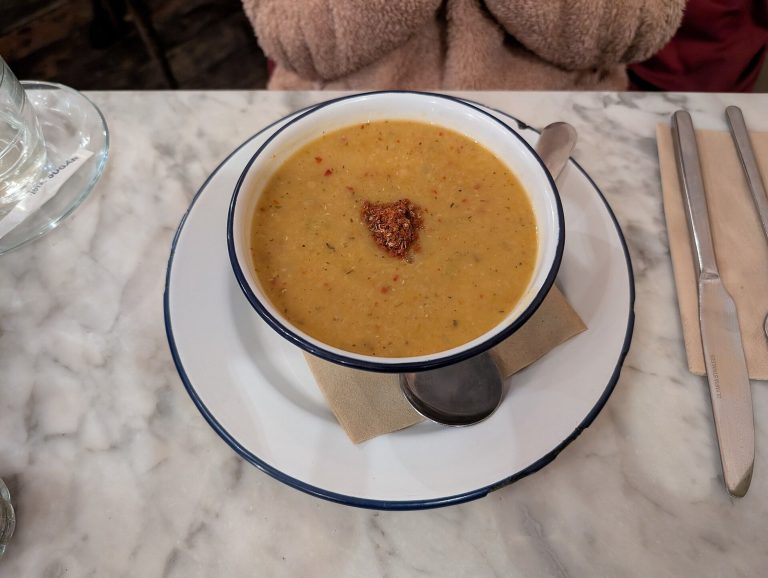
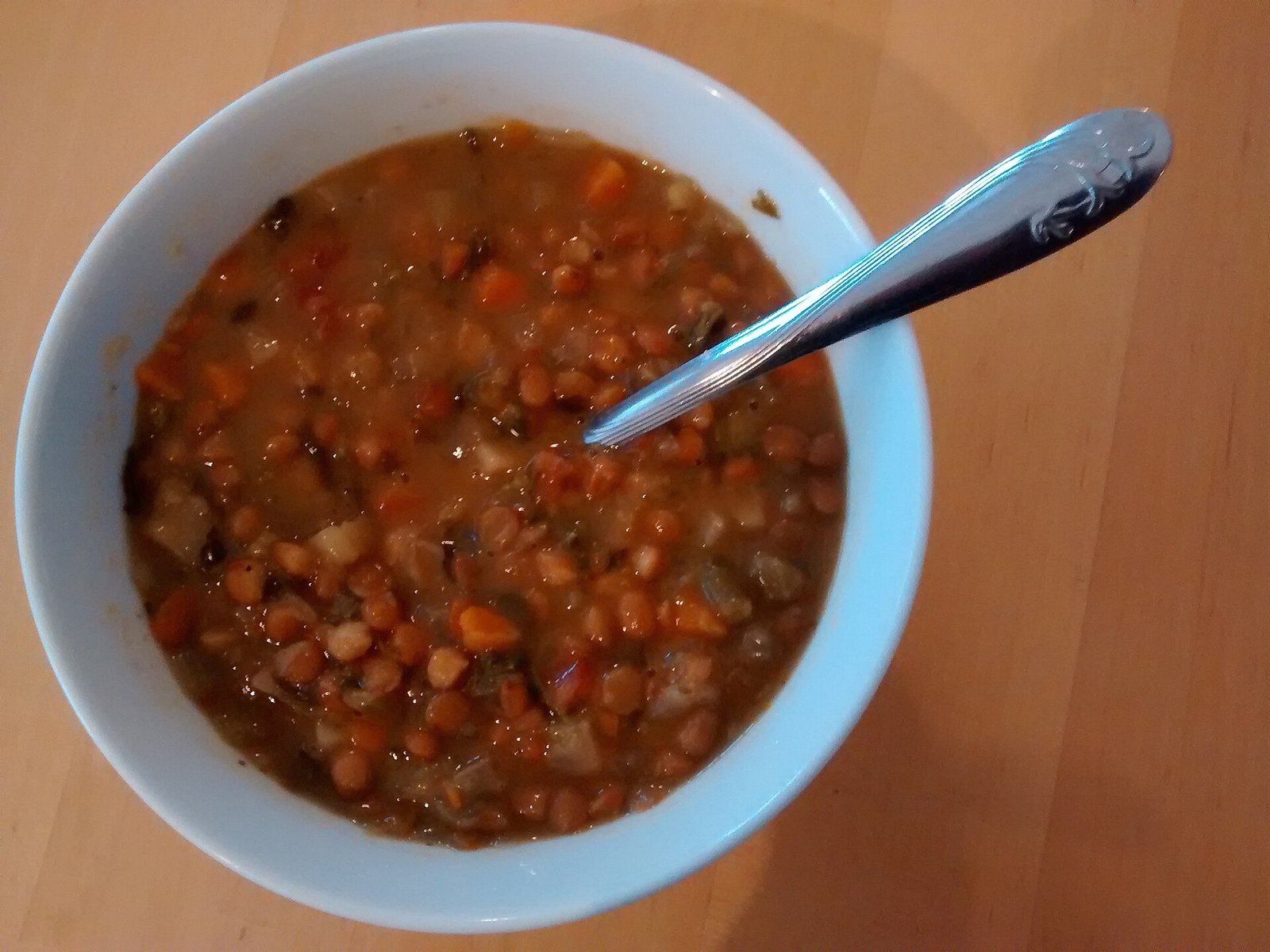
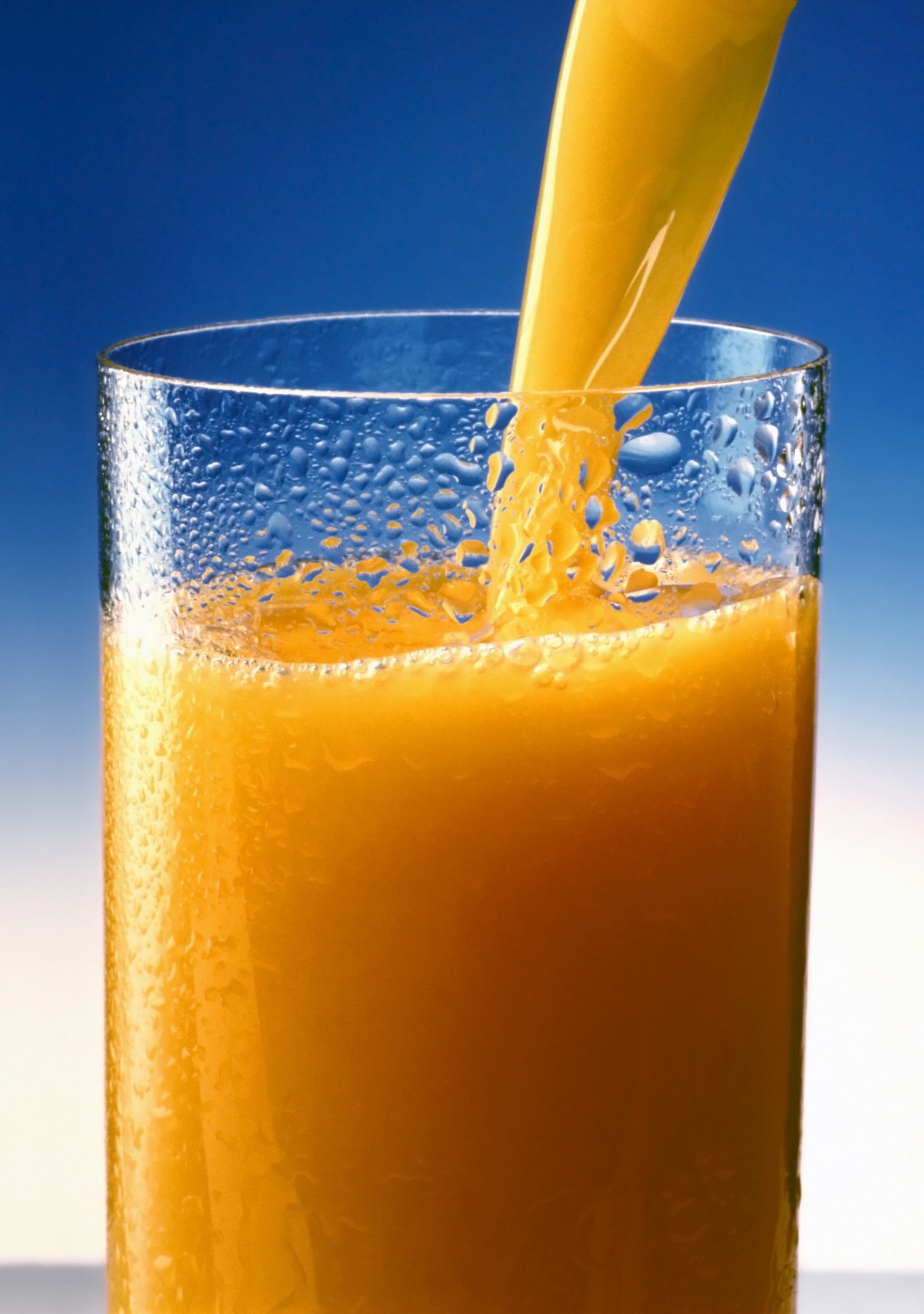
- – Plenty of liquids. Mayo Clinic: choose water, juice, and warm soups to help keep fluids in your body. Fever and poor intake can add up to dehydration—one of the emergency signs Mayo Clinic lists for adults.
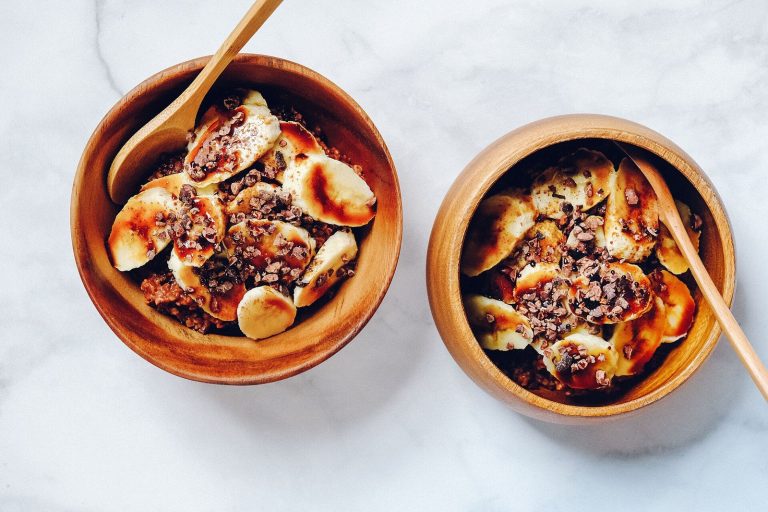
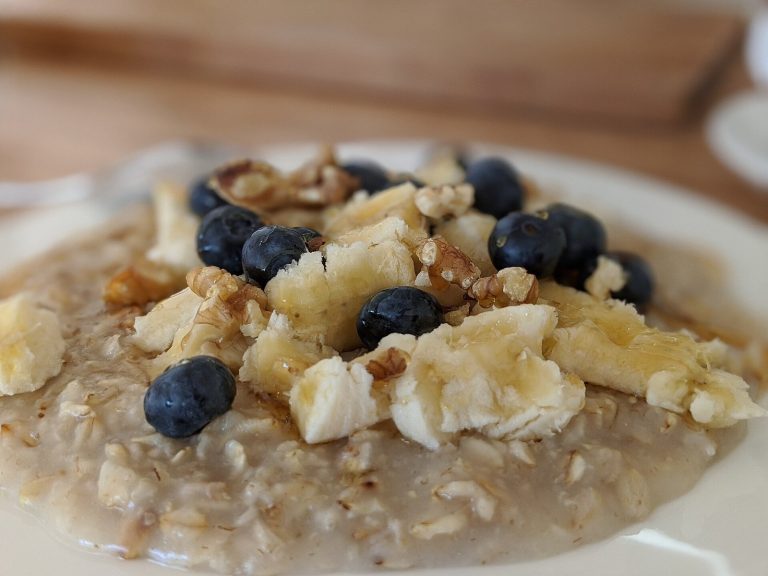
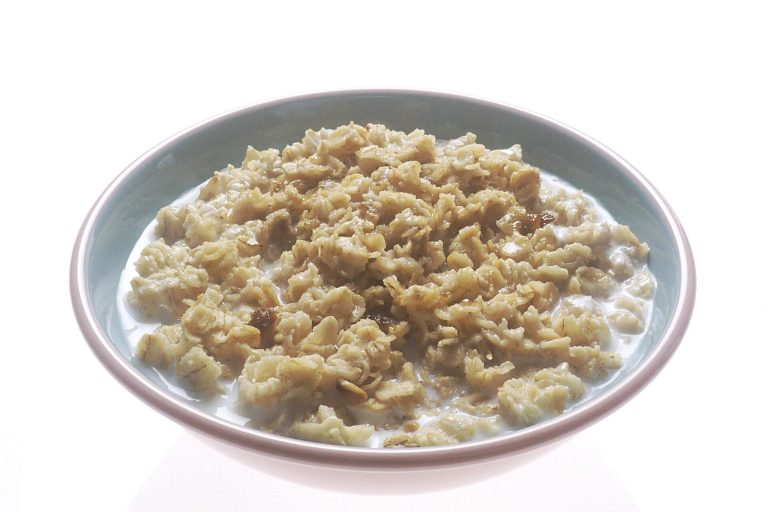
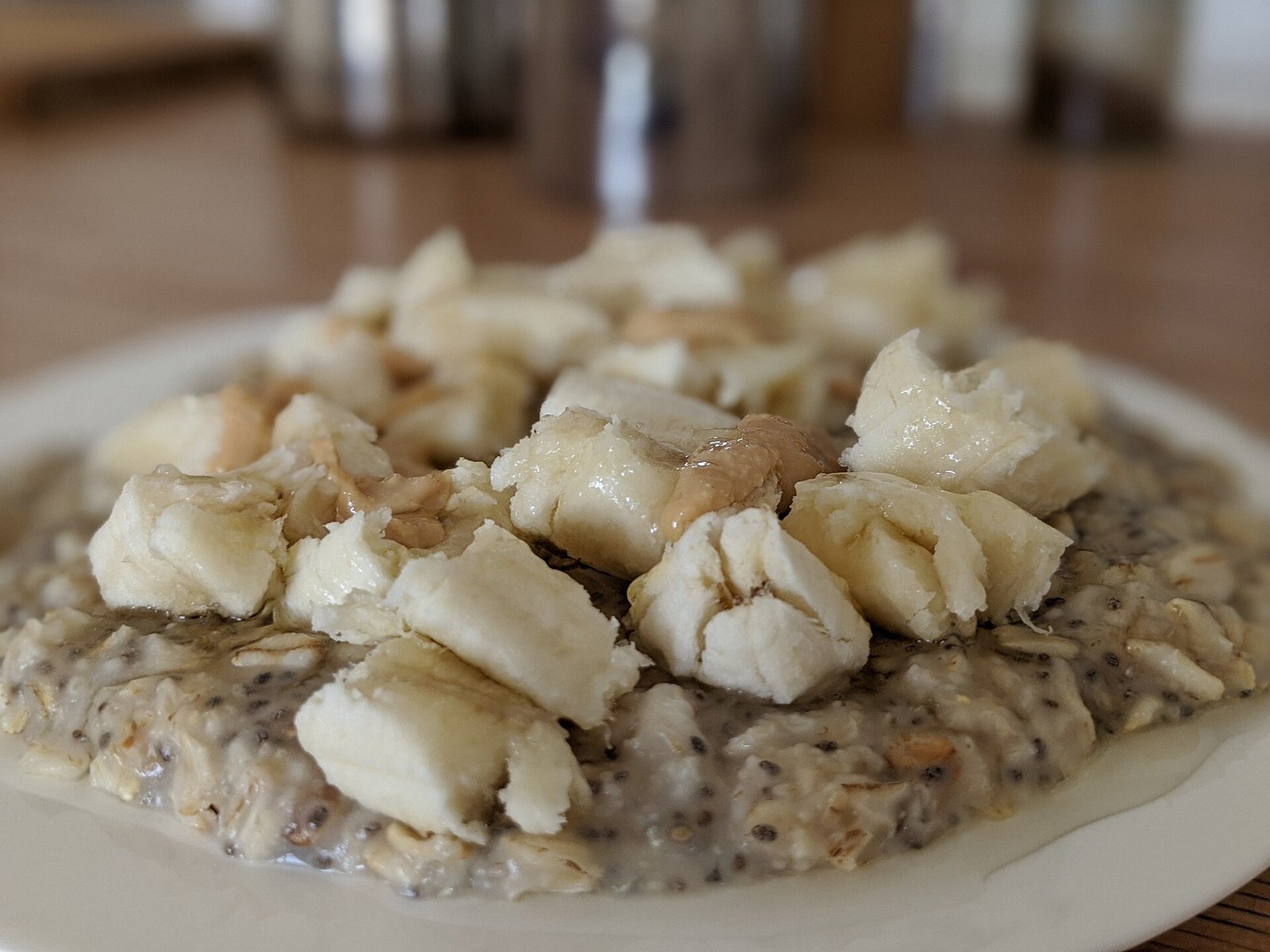
- – Warm soups and other easy foods when swallowing hurts or appetite is low. Soup counts as both fluid and a modest source of calories. Soft foods such as oatmeal, yogurt if tolerated, eggs, rice, toast, or fruit may be easier than a heavy fried meal.
- – Rest, including more sleep. Mayo Clinic: get more sleep to help your immune system fight infection, and adjust activity depending on symptoms.
- – Returning to usual nutritious meals as appetite comes back. Once nausea and fever ease, widen variety rather than staying on clear liquids longer than you need.
Pattern that supports the medical plan
If you are in a higher-risk group (young children, adults 65 and older, pregnant people, or people with asthma, diabetes, or heart disease), contact a clinician early—do not wait to “try a flu diet” first. CDC: antiviral benefit is greatest when treatment starts within 2 days after illness onset, though later treatment can still help some people who are very sick or at high risk.
Foods and habits that often worsen flu recovery comfort
- – Not drinking enough. Dehydration is an emergency warning sign. Do not wait until you are dizzy or have not urinated in a long time.
- – Alcohol. Public flu pages do not recommend alcohol during illness; skip it until you have recovered.
- – Heavy, greasy meals when nausea is prominent. Mayo Clinic notes children are more likely than adults to have vomiting or an upset stomach.
- – Aspirin-containing products in children and teenagers. CDC: anyone 18 or younger with flu or suspected flu should not be given aspirin or other salicylate-containing products (for example, Pepto-Bismol) because of the risk of Reye’s syndrome. Mayo Clinic gives the same caution.
- – Going back to work or school too soon. CDC: return to normal activities when, for at least 24 hours, symptoms are getting better overall and you have had no fever without using fever-reducing medication. People without a fever should stay home from work at least 5 days after symptom onset.
- – Treating a possible emergency at home with soup alone. Trouble breathing, chest pain, confusion, severe weakness, seizures, or symptoms that improve and then worsen need urgent care (Mayo Clinic and CDC).
Practical kitchen protocol: a flu-recovery week
1. Sort medical risk first
If you are very sick, pregnant, 65 or older, or have a chronic condition, call a clinician promptly and ask about testing and antivirals. Most otherwise healthy adults with mild illness can recover at home.
2. Shopping list for a sick-day kitchen
Water, a juice you tolerate, soup, oatmeal or toast, bananas or applesauce, yogurt, eggs, and a thermometer. Include acetaminophen or ibuprofen only if they are appropriate for you—not aspirin for children or teens.
3. Default fluid-and-plate template while symptoms are peaking
- – Water, juice, or warm soup in regular small amounts, even if you do not want a full meal
- – A soft, easy food when appetite appears
- – Handwashing and distance from others, as CDC describes to protect household members
4. Sample day (illustrative)
- – Morning: water or juice; oatmeal or toast if you can eat; rest.
- – Midday: warm soup; more water.
- – Afternoon and evening: yogurt, fruit, or eggs and toast if tolerated; more fluids; no alcohol.
- – Do not take fever medicine just to “pass” a return-to-work check—CDC’s 24-hour rule is without fever-reducing medication.
5. If cough, bronchitis, or pneumonia overlap
A lingering cough can still be flu recovery, but worsening breathing, chest pain, or a fever that returns needs medical review. See pneumonia recovery diet guide, acute bronchitis diet guide, and Chronic Cough Diet: Foods That May Help and Foods to Limit.
6. After the fever has been gone 24 hours
Rebuild normal meals, including fruits and vegetables that supply vitamin C as ordinary nutrition (ODS vitamin C lists citrus, peppers, broccoli, and strawberries). That is meal quality, not a “mega-dose vitamin C protocol” for influenza. Discuss any supplement, including elderberry products, with a clinician; see elderberry for cold and flu, preliminary evidence.
Safety, interactions, and who should ask a clinician first
- – Emergency signs in adults (Mayo Clinic): trouble breathing; chest pain or pressure; ongoing dizziness; trouble waking or confusion; dehydration; seizures; worsening of existing conditions; severe weakness or muscle pain.
- – Additional emergency signs in children: fast breathing or ribs pulling in; gray or blue lips or nail beds; no tears, dry mouth, and not urinating; symptoms that improve then return or worsen.
- – People with asthma or chronic lung disease should only use medicines their clinician prescribed (Mayo Clinic notes zanamivir should not be used with certain chronic respiratory conditions).
- – Acetaminophen is in many “cold and flu” products—do not double-dose.
- – This page does not recommend starting antibiotics, high-dose vitamin C, zinc, or herbal products for influenza without clinical advice.
FAQ
Will chicken soup or any specific food make the flu go away faster? Mayo Clinic includes warm soups among liquids that may help you stay hydrated. That is comfort and fluid replacement, not an antiviral effect.
Should I take high-dose vitamin C when flu symptoms start? ODS evidence on vitamin C is about the common cold, and even there, starting it after symptoms begin does not appear helpful. It is not established as an influenza treatment.
Do I have to eat three full meals while I have a fever? No. Mayo Clinic lists no appetite as a common symptom. Focus on fluids first, then easy foods as you can.
Can I go back to work if I feel better but still have a fever? CDC: return when, for at least 24 hours, symptoms are improving and you have had no fever without using fever-reducing medicine.
Is “stomach flu” the same as influenza? No. Mayo Clinic: influenza viruses are different from the viruses that cause diarrhea and vomiting often called “stomach flu.”
When should I see a doctor or go to the emergency room? Call early if you are at higher risk or are worried. Use emergency care for the warning signs listed above. CDC: the emergency room is for people who are very sick, not for every mild case.
How this differs from related OTCFood topics
This page is an influenza-recovery diet guide focused on fluids (water, juice, warm soups), easier meals during low appetite, alcohol postponement, and the limits of supplement claims. It is not a pneumonia or bronchitis protocol, a vitamin C review, or a replacement for vaccination or prescribed antivirals.
Medical disclaimer
Medical disclaimer: This article is for general information only. It is not medical advice, diagnosis, or a treatment plan. Influenza care depends on age, pregnancy, chronic conditions, and how severe symptoms are. Talk with a clinician or registered dietitian before changing an eating plan or supplement. Seek urgent care for trouble breathing, chest pain, confusion, severe dehydration, seizures, or symptoms that improve then worsen.