Tooth Decay Diet: Foods That May Help and Foods to Limit
Medical note: This article discusses foods and researched botanicals. It does not claim to prevent, treat, or cure disease. Supplements are not a substitute for food, and studied amounts are not personal prescriptions.
People searching “tooth decay diet foods that help or worsen” usually want fewer sugar-and-starch acid attacks on enamel—not a claim that food fills a cavity or replaces fluoride toothpaste, dental visits, or treatment of existing decay. MedlinePlus defines tooth decay as damage to enamel that happens when mouth bacteria make acids that attack the tooth’s surface. That process can lead to cavities (dental caries); untreated decay can cause pain, infection, and even tooth loss. NIDCR explains that when decay-causing bacteria contact sugars and starches from foods and drinks, they form acid that can cause enamel to lose minerals. CDC adds that you feed those bacteria every time you eat or drink, and that saliva helps clear acid and repair enamel—if repair is not fast enough, bacteria get inside the tooth. Kitchen patterns may help limit how often teeth face acid; they do not replace brushing, flossing, fluoridated tap water, sealants when recommended, or dental care.
What this tooth decay diet guide covers (and what it does not)
This guide is for children (with a caregiver) and adults who want food-and-drink habits public oral-health agencies describe, used alongside daily hygiene and dental visits. Anchors: MedlinePlus — Tooth Decay, NIDCR — Tooth Decay and The Tooth Decay Process: How to Reverse It and Avoid a Cavity, and CDC — About Cavities (Tooth Decay).
MedlinePlus lists the main risk factors as not taking care of your teeth and having too many sugary or starchy foods and drinks. Higher-risk groups include people with low saliva (from medicines, certain diseases, or some cancer treatments), babies and toddlers given juice or bedtime bottles, and older adults with receding gums and exposed roots. Related reading: gingivitis diet guide, periodontitis diet guide, dry mouth diet guide, and halitosis diet guide.
Evidence snapshot: tooth decay diet claims vs public sources
| Claim people hope for | What public sources actually say | Confidence |
|---|---|---|
| “One food or supplement fills cavities at home” | MedlinePlus and NIDCR: a cavity is permanent damage a dentist has to repair with a filling. Early white-spot decay may still be interrupted with fluoride and better habits before a hole forms | Strong against food-as-filling |
| “Sugary snacks are fine if you brush once a day” | NIDCR: every time you eat or drink sugars or starches, bacteria produce acids; frequent eating favors mineral loss. CDC flags acid or sugar, especially between meals | Strong that frequency matters |
| “Bottled water is just as useful as tap water for fluoride” | MedlinePlus: most bottled water does not contain fluoride. NIDCR lists fluoridated tap water, fluoride toothpaste, and fluoride mouth rinse as fluoride sources | Strong that most bottled water is not a fluoride source |
| “Juice is automatically tooth-friendly because it is fruit” | NIDCR: limit fruit juice; juice is among drinks bacteria can use to make acid. MedlinePlus flags juice or bedtime bottles in young children because teeth are exposed to sugars for long periods | Moderate to strong caution on frequent juice |
| “Diet can replace dental visits” | CDC: visit a dentist every year, especially to find cavities; larger cavities may need a filling, root canal, or extraction | Strong that diet does not replace dental care |
Foods and patterns that may help with tooth decay risk
“May help” means supporting the repair side of what NIDCR calls a “tug-of-war”: saliva minerals (including calcium and phosphate) plus fluoride from toothpaste, water, and other sources can replace minerals lost during an acid attack. Food patterns can give teeth more time to recover. They do not guarantee zero cavities.
Everyday patterns often recommended
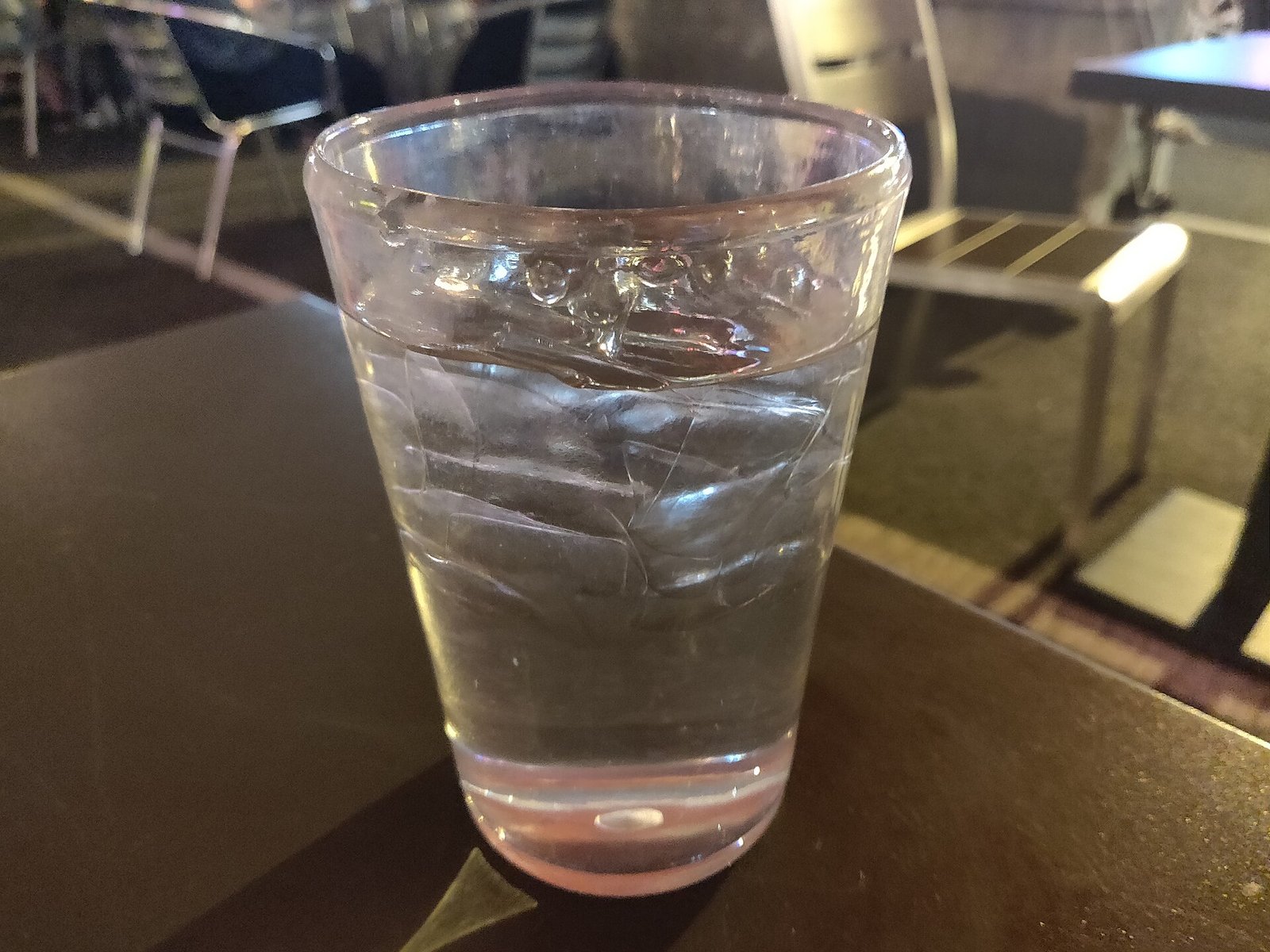
- – Fluoridated tap water as the usual daily drink, unless your dentist gave other instructions. NIDCR and MedlinePlus both list it among practical fluoride sources. If you rely on well water or bottled water, ask how you are getting fluoride.
- – Nutritious, balanced meals with limited snacking. NIDCR’s prevention tips: “Eat nutritious and balanced meals and limit snacking.” Fewer eating occasions means fewer acid attacks and more time for saliva to help enamel recover.
- – Leaving a gap after brushing at bedtime. NIDCR advises that children should not eat or drink anything with sugar after bedtime toothbrushing, because saliva flow decreases during sleep. The same logic is useful for adults.
- – Pairing kitchen changes with fluoride and cleaning. Brush twice a day with fluoride toothpaste, clean between teeth regularly, and use a fluoride mouth rinse if your dentist recommends it.
Pattern that supports the dental plan
Keep a short log of when you eat and drink (including sips of soda, juice, or sweetened coffee), not only what. Bring it to a dental visit if cavities keep appearing.
Foods and habits that often worsen tooth decay risk
- – Frequent sugary or starchy foods and drinks. NIDCR lists milk, bread, cookies, candy, soda, juice, and many others as items bacteria can use to make acids. The issue is not only dessert: repeated exposure matters.
- – Sipping or grazing between meals. CDC flags acid or sugar, especially between meals. NIDCR: limit between-meal snacks to reduce acid attacks; save candy, cookies, soda, and other sugary drinks for special occasions; limit fruit juice.
- – Sugar-containing drinks in baby bottles, especially at bedtime. MedlinePlus: babies and toddlers are at risk if they are given juice or bottles at bedtime, because this exposes teeth to sugars for long periods.
- – Tobacco products, including smokeless tobacco. NIDCR and MedlinePlus include not using tobacco among oral-health steps; if you use tobacco, consider quitting with a clinician’s help.
- – Ignoring dry mouth. MedlinePlus lists not having enough saliva as a risk factor. See dry mouth diet guide if medicines or medical conditions leave your mouth dry.
- – Waiting because a tooth “quit hurting.” CDC: waiting limits options for fixing large cavities; untreated cavities lead to tooth loss, which can make it harder to eat meats, fruits, and vegetables.
Practical kitchen protocol: a tooth-decay-aware week
1. Keep dental care in parallel
Ask your dentist about fluoride toothpaste, mouth rinse, professional fluoride, and—when children’s permanent back teeth come in—sealants. NIDCR: sealants cover chewing surfaces and can help keep food and bacteria out of pits and grooves. Diet supports the plan; it does not replace it.
2. Shopping list for fewer acid attacks
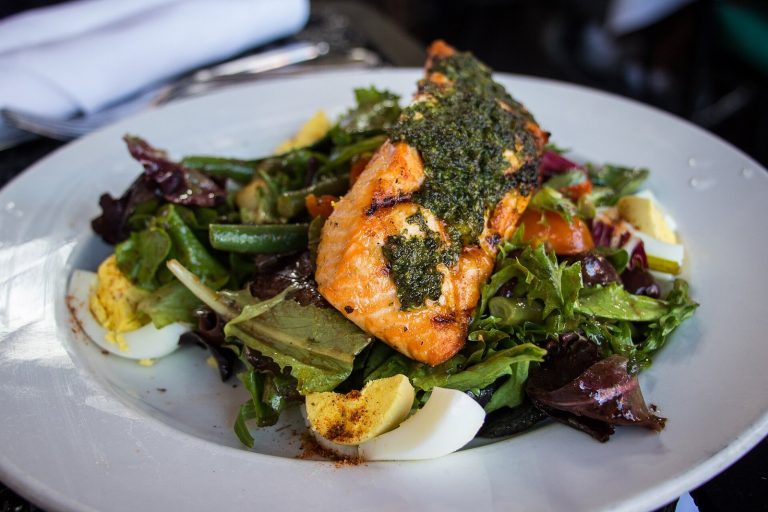
Fluoridated tap water, unsweetened drinks if you tolerate them, foods for sit-down meals (eggs, fish, poultry, beans, vegetables, fruit with meals, unsweetened yogurt, cheese, grains as part of meals rather than all-day grazing), and fluoride toothpaste. If juice is used, treat it as an occasional meal-time item—not an all-day sipper—and follow pediatric guidance for children.
3. Default drink-and-meal template
- – Make fluoridated tap water the default between meals.
- – Plan sit-down meals, and if you need a snack, make it a short sitting rather than a long graze.
- – Finish sweet or starchy foods with the meal instead of stretching them over the afternoon.
- – After the last brushing, skip sugar-containing food and drink until morning.
4. Sample day (illustrative)
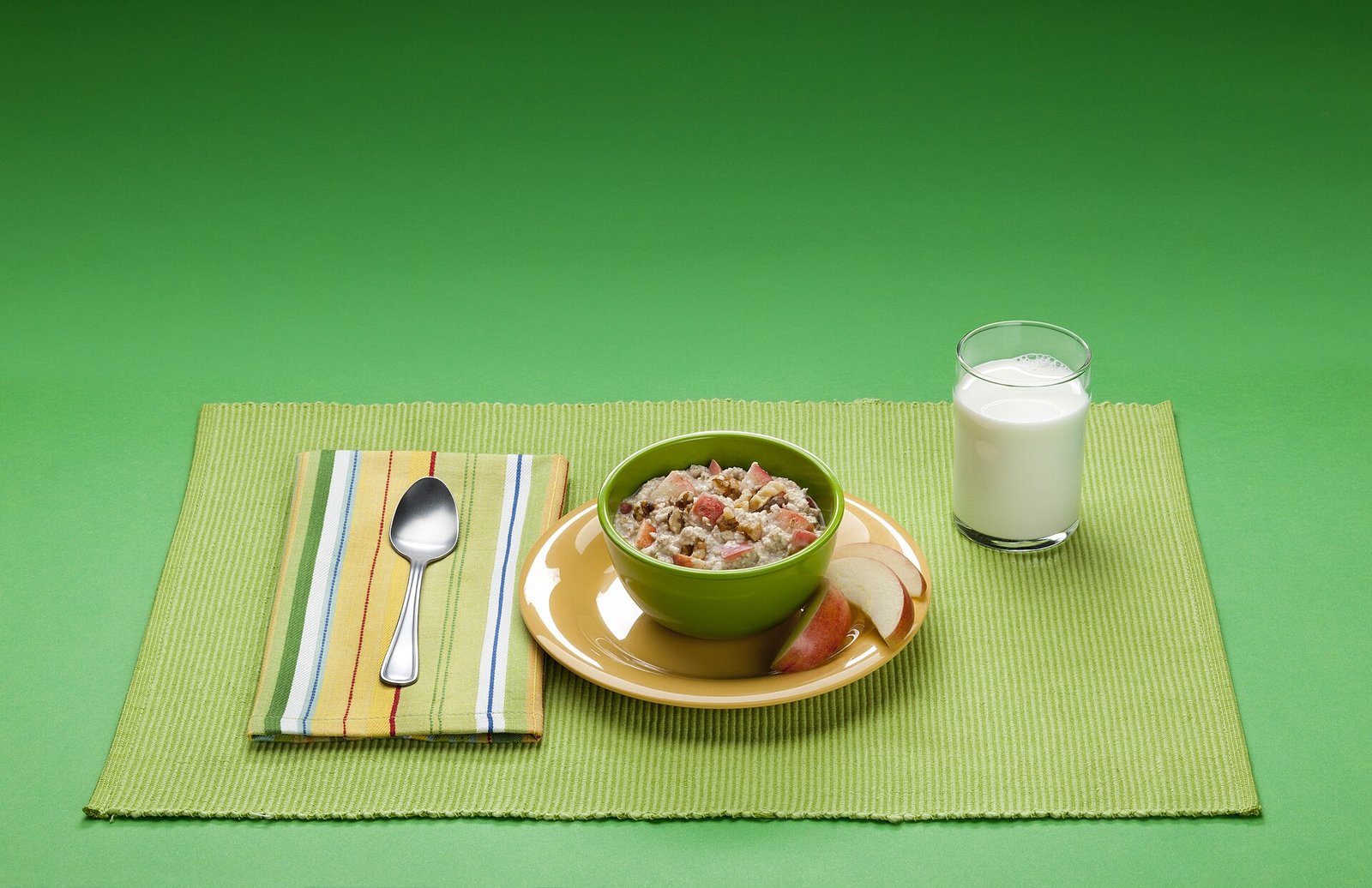
- – Breakfast: oatmeal with fruit in one sitting; water or milk with the meal rather than a sweetened all-morning drink.
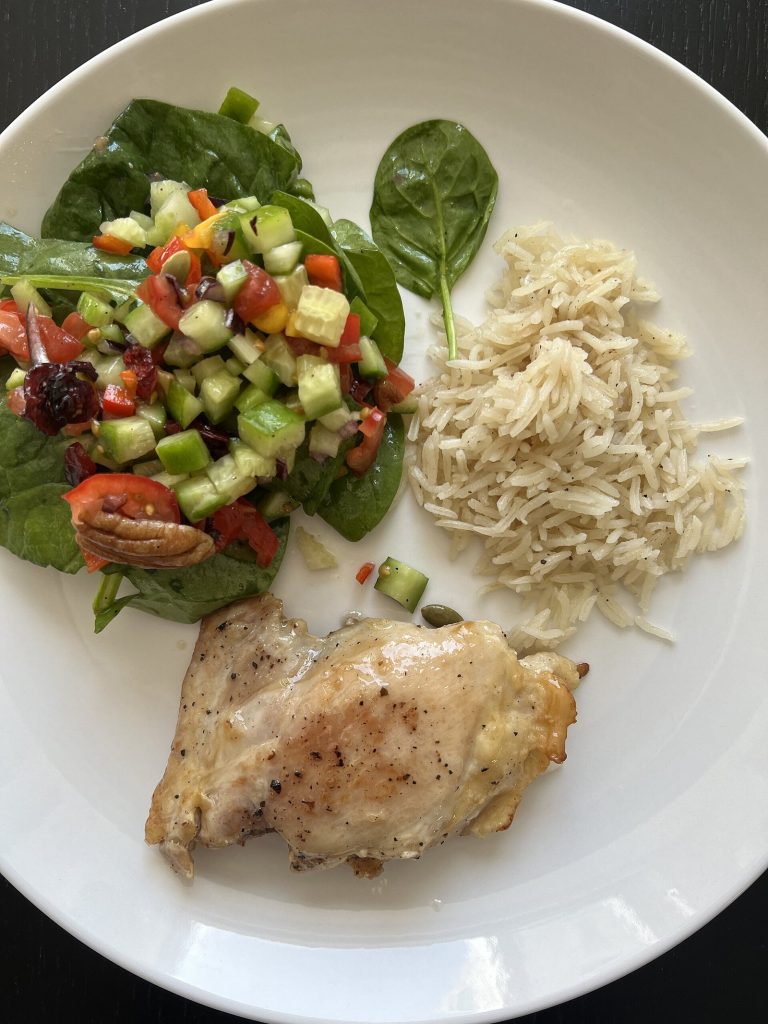
- – Lunch: a balanced plate (protein, vegetables, a grain); water between meals.
- – Afternoon: if hungry, a planned snack such as cheese and fruit—not a slow bag of cookies.
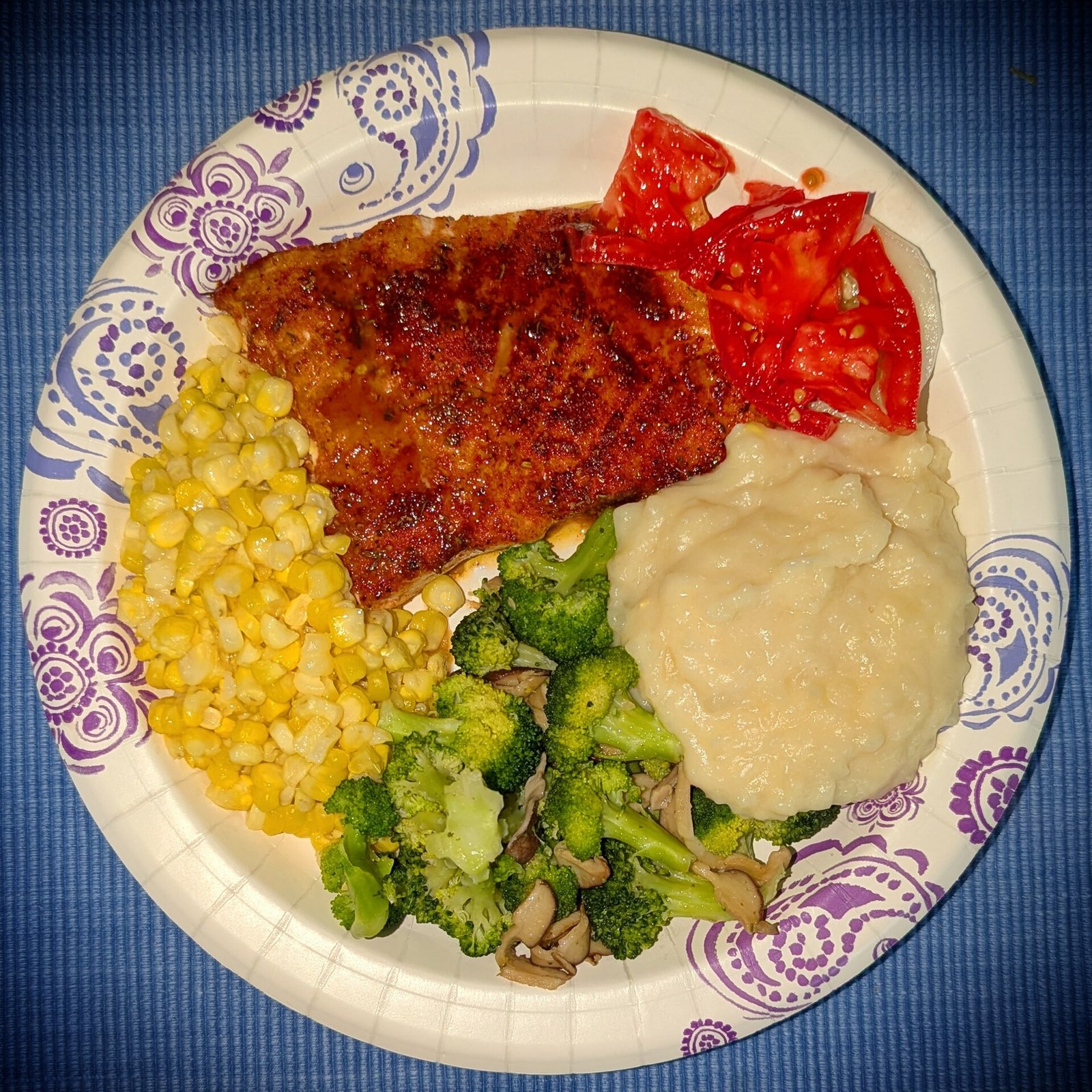
- – Dinner: fish or poultry, vegetables, and a starch as one meal.
- – Evening: brush with fluoride toothpaste; nothing with sugar afterward.
5. If gums, implants, or dry mouth overlap
Cavities and gum problems often travel together because plaque sits on teeth and along the gumline. See gingivitis diet guide and periodontitis diet guide. After implant surgery, texture rules differ; see diet after dental implant surgery guide.
6. After a filling or fluoride visit
A filling restores a hole; it does not make frequent sugar exposure harmless. Keep the same meal-spacing and fluoride habits so new decay is less likely on other teeth or at restoration edges.
Safety, interactions, and who should ask a clinician first
- – Toothache, swelling, fever, or a bad taste that could signal an abscess: contact a dentist or urgent care. NIDCR notes infection can cause pain, facial swelling, and fever. CDC states a cavity reaching the nerve may cause an infection that can spread; rarely, this can cause death.
- – Young children: use only the recommended smear or pea-sized amount of fluoride toothpaste and help with brushing, as NIDCR describes, to lower the chance of swallowing too much fluoride (dental fluorosis).
- – People with dry mouth, diabetes, or frequent cavities: ask a dentist about extra fluoride and saliva-related strategies rather than inventing a “cavity diet.”
- – Do not use this page to delay a recommended filling, root canal, or extraction.
FAQ
Can a special diet heal a cavity that already has a hole? No. MedlinePlus and NIDCR describe a cavity as permanent damage a dentist has to repair. Early white-spot mineral loss may still be interrupted with fluoride and better habits before a hole forms.
Is fruit juice better for teeth than soda? Both can supply sugars that bacteria use to make acid. NIDCR says to limit fruit juice and to save soda and other sugary drinks for special occasions. Frequent sipping of either is the larger problem.
Do I need to give up bread, milk, or fruit? No. NIDCR lists those among foods that contain sugar or starch, but the same pages recommend balanced meals and limiting snacking. Eat them at meals rather than grazing all day.
Does bottled water protect teeth the way fluoridated tap water does? Usually not. MedlinePlus notes that most bottled water does not contain fluoride.
Why do baby teeth matter if they fall out anyway? CDC: cavities in children can cause pain and may lead to problems with eating, speaking, playing, and learning. Infection can also hurt adult teeth growing underneath.
When should I see a dentist? CDC recommends a visit every year, especially to find cavities, and not waiting just because pain has stopped. Seek care sooner for pain, swelling, or fever.
How this differs from related OTCFood topics
This page is a tooth-decay-bound diet guide focused on sugar-and-starch frequency, fluoridated tap water, and meal timing that may support enamel’s mineral repair. It is not a gingivitis-only plaque guide, not a dry-mouth protocol, not an implant-recovery texture plan, and not a substitute for fillings, sealants, or fluoride treatments.
Medical disclaimer
Medical disclaimer: This article is for general information only. It is not medical advice, diagnosis, or a treatment plan. Tooth decay care depends on the extent of decay, saliva, medicines, fluoride exposure, and your dentist’s judgment. Talk with a dentist or registered dietitian before changing an eating plan, supplement, or oral-care product. Seek urgent care for facial swelling, high fever, trouble swallowing or breathing, or severe unrelieved tooth pain.