Labyrinthitis Diet: Foods That May Help and Foods to Limit
Medical note: This article discusses foods and researched botanicals. It does not claim to prevent, treat, or cure disease. Supplements are not a substitute for food, and studied amounts are not personal prescriptions.
People searching “labyrinthitis diet foods that help or worsen” usually want gentle meals and steady fluids while vertigo and nausea settle—not a claim that food repairs the inner ear, replaces vestibular therapy, or stops every spinning spell. MedlinePlus defines labyrinthitis as irritation and swelling of the inner ear that can cause vertigo and hearing loss. It is usually caused by a virus and sometimes by bacteria; a cold or flu can trigger it, and less often an ear infection, allergies, or certain medicines that harm the inner ear. Kitchen tactics may help you stay hydrated and eat through nauseated days; they do not treat the inflammation itself.
What this labyrinthitis diet guide covers (and what it does not)
This guide is for adults with clinician-recognized labyrinthitis who need practical eating and safety habits during acute vertigo and the slower recovery weeks that follow. Anchors: MedlinePlus — Labyrinthitis, NIDCD — Balance Disorders, and Mayo Clinic — Dizziness.
Mayo Clinic explains that a viral infection called vestibular neuritis can cause intense, constant vertigo, and that if you also have sudden hearing loss you may have labyrinthitis, which affects the nerve pathways involved in both balance and hearing. MedlinePlus lists vestibular neuritis / vestibular neuronitis among related names and says labyrinthitis usually goes away within a few weeks: severe symptoms usually ease within a week, and most people are completely better within 2 to 3 months, though older adults are more likely to have dizziness that lasts longer. Related reading: vestibular neuritis diet guide, vertigo diet guide, Ménière’s and vertigo diet guide, and vestibular migraine diet guide.
Evidence snapshot: labyrinthitis diet claims vs public sources
| Claim people hope for | What public sources actually say | Confidence |
|---|---|---|
| “A vertigo diet cures inner-ear swelling” | MedlinePlus emphasizes rest, symptom medicines, and time; most people improve over weeks to months. Food is supportive | Strong: food is not a cure |
| “The Ménière’s low-salt plan is mandatory for every labyrinthitis case” | NIDCD’s 1,500–2,000 mg/day salt guidance is stated for Ménière’s disease management, which involves excess inner-ear fluid—not as a universal labyrinthitis cure diet | Moderate: do not copy blindly |
| “Alcohol helps you sleep through spinning” | MedlinePlus lists drinking large amounts of alcohol among labyrinthitis risk factors | Strong to limit, especially in acute weeks |
| “You can drive as soon as you can keep food down” | MedlinePlus: avoid driving, operating heavy machinery, and climbing for one week after symptoms disappear because a sudden dizzy spell can be dangerous | Strong safety rule |
| “Ginkgo or ginger supplements equal balance therapy” | NIDCD’s Ménière’s page notes no evidence that ginkgo, niacin, ginger root, acupuncture, or similar alternatives are effective for that related inner-ear disease; tell your doctor about them because they can affect other medicines | Strong against assuming herbal equivalence |
Foods and patterns that may help during labyrinthitis recovery
“May help” means supporting hydration, gentler meals during nausea, and fall-safe routines—not promising faster inner-ear healing than your timeline allows.
Acute nausea-aware plates (MedlinePlus home-care themes)
MedlinePlus home-care steps include staying still and resting during severe episodes, avoiding sudden movements or position changes, slowly resuming activity, and getting help walking when you lose your balance. During attacks, avoid bright lights, TV, and reading. After nausea and vomiting have passed, ask about balance therapy.
Kitchen translations of those sick days:
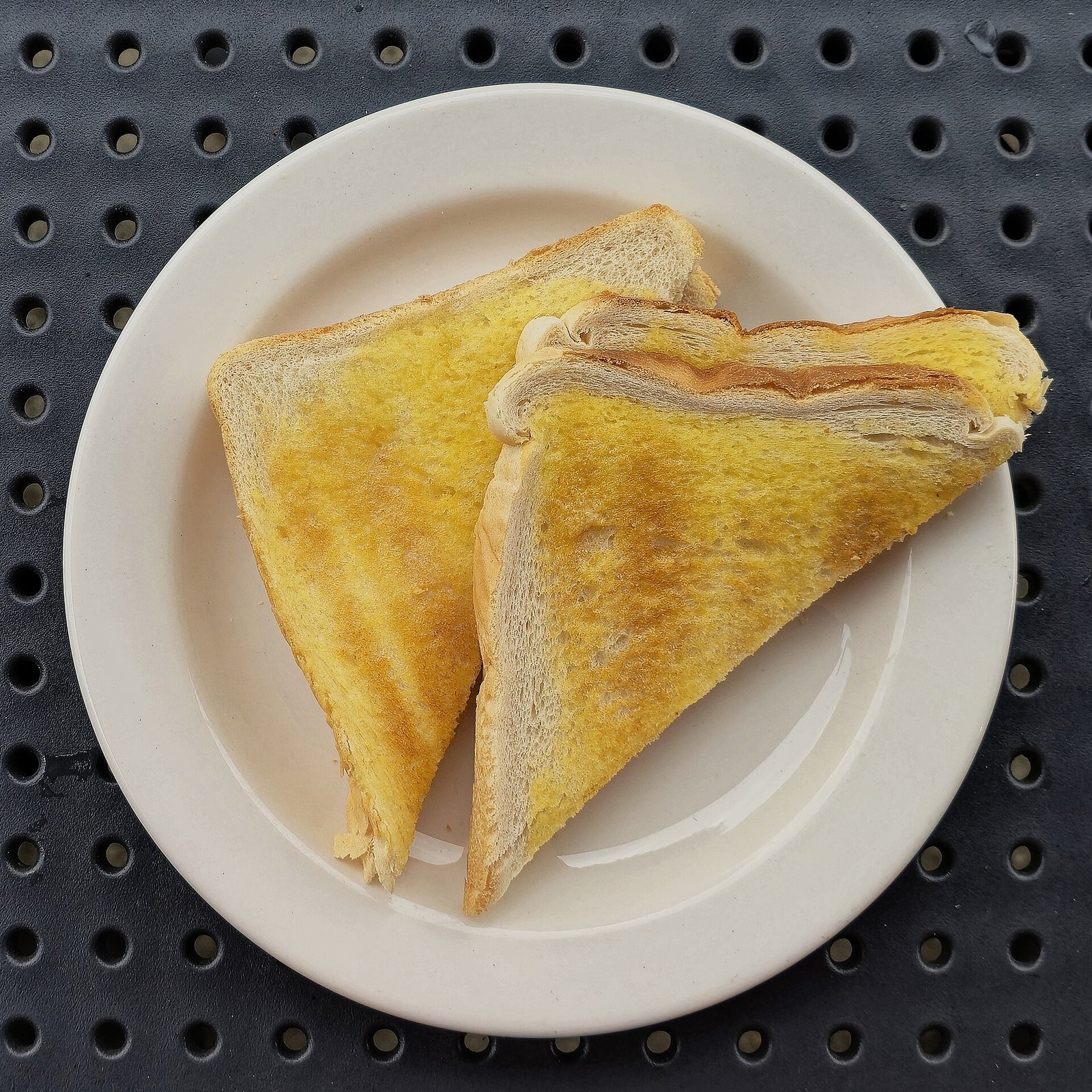
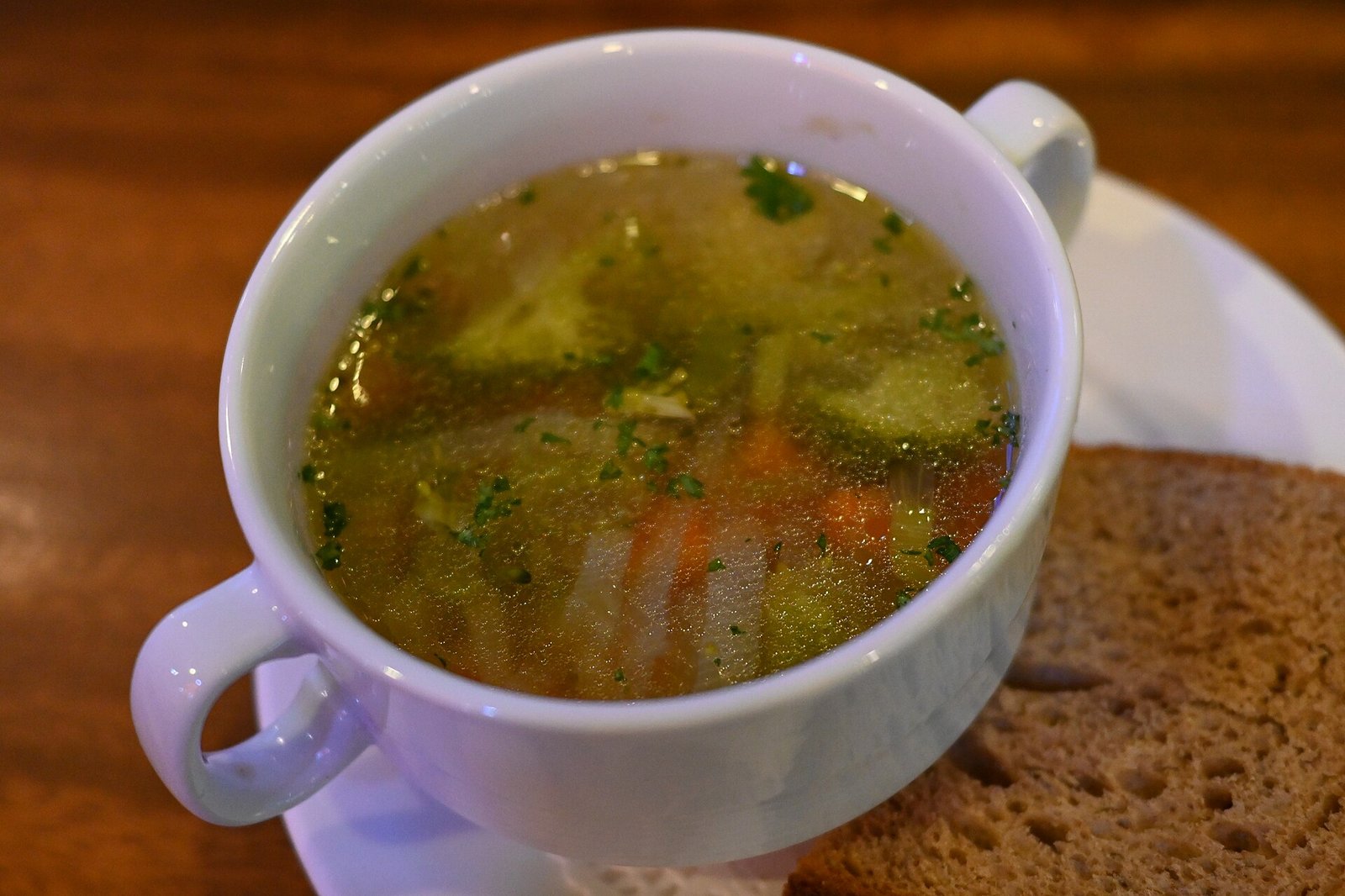
- – Keep easy-to-tolerate foods nearby: broths, toast, bananas, rice, applesauce-style soft carbs, yogurt if tolerated, and small frequent portions rather than one huge meal that worsens nausea.
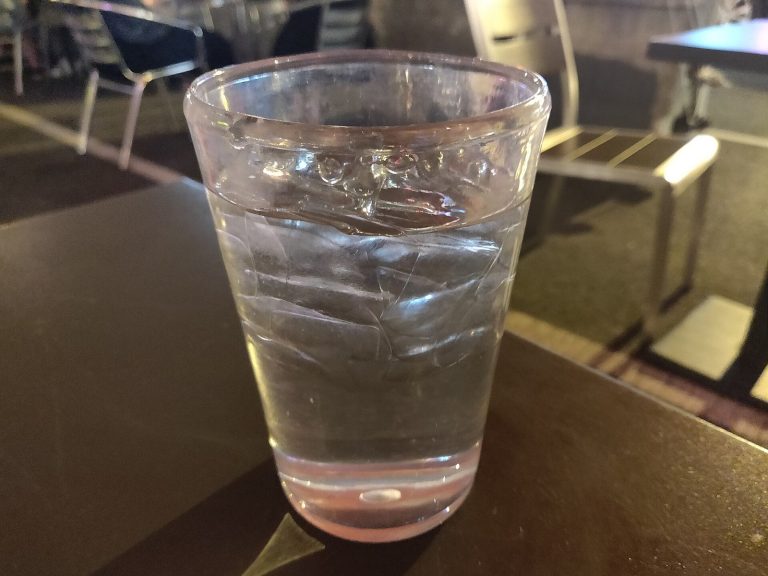
- – Prioritize fluids in small sips if vomiting risk is high. MedlinePlus warns that people with severe vertigo may get dehydrated from frequent vomiting.
- – Eat sitting securely, with a table or counter for support; do not carry hot pans across the room during a spinning spell.
After the worst spinning: rebuild ordinary balanced meals
Once you can keep food down, return to regular meals with produce, protein, and grains you tolerate rather than staying on a “sick-day” menu for months. NIDCD’s balance-disorders page notes that treatment of balance problems starts by checking medicines and other health conditions—so rebuilding meals is a comfort step, not a substitute for that review. If migraine-related vertigo or fluctuating hearing with fullness is in the differential, your clinician—not a grocery list—should sort labyrinthitis from vestibular migraine or Ménière’s disease.
Foods and habits that often worsen dizziness or recovery
- – Large amounts of alcohol. MedlinePlus lists this among factors that raise labyrinthitis risk; alcohol also worsens dizziness for many people.
- – Smoking. MedlinePlus lists smoking as a risk factor.
- – Skipping fluids while vomiting. Dehydration is a listed complication of severe vertigo.
- – Assuming every inner-ear diet tip applies. NIDCD salt limits and diuretics are discussed for Ménière’s disease. Labyrinthitis is usually a post-viral inner-ear inflammation with a different typical course.
- – Driving, heavy machinery, or climbing too soon. MedlinePlus: wait one week after symptoms disappear.
- – Self-started “ear herbs.” Use the NIDCD caution about unproven alternatives and possible medicine interactions.
“Limit” means reducing alcohol and unsafe activity while symptoms settle—not a lifelong ban on every flavorful food.
Practical kitchen protocol: a labyrinthitis-aware week
1. Set up a low-risk sick-day station
Before the next wave of vertigo, place water, oral rehydration or clear fluids if your clinician agrees, crackers or toast, bananas, and a basin within reach of a firm chair or bed. Avoid cooking tasks that require standing over a hot stove during severe spinning.
2. Sample day during intense nausea (illustrative)
- – Morning: small sips of water or an agreed oral fluid; dry toast or a few crackers if you can sit still.
- – Midday: broth and rice or bananas in several mini-portions.
- – Afternoon: yogurt or applesauce if tolerated.
- – Evening: another small soft meal; no alcohol. Rest rather than watching bright screens during attacks (MedlinePlus).
3. Sample day as spinning eases
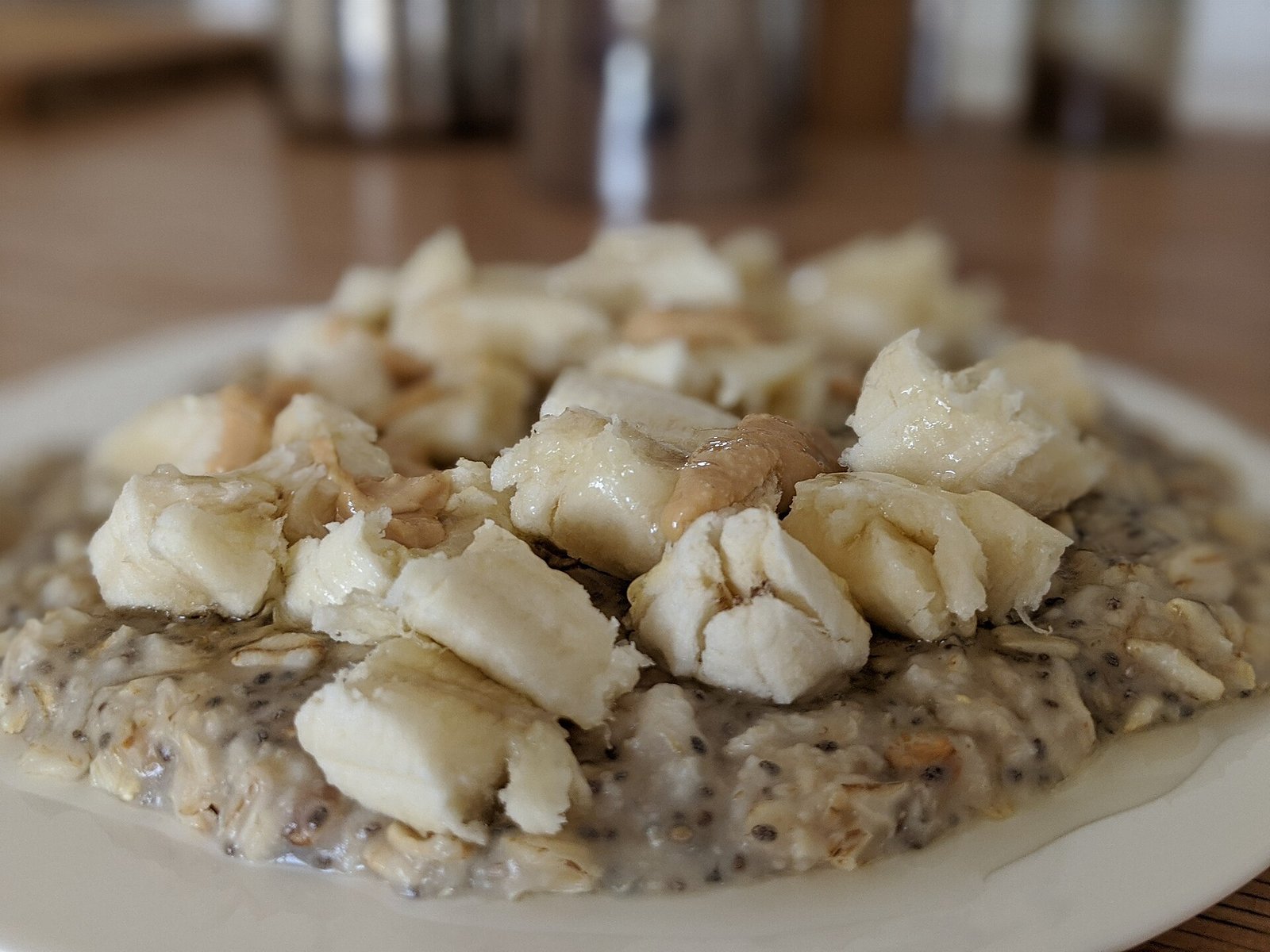
- – Breakfast: oatmeal with banana.
- – Lunch: baked potato or rice with a small portion of chicken or eggs; cooked vegetables.
- – Snack: yogurt or fruit you tolerate.
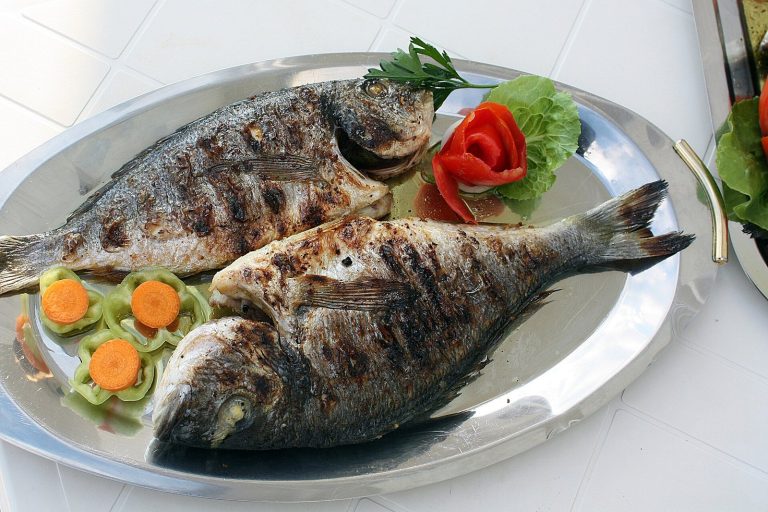
- – Dinner: baked fish, rice, steamed zucchini or carrots.
- – Activity: resume walking with support as needed; ask about vestibular/balance therapy once vomiting has settled.
4. Do not import a Ménière’s menu unless that is your diagnosis
NIDCD says limiting dietary salt to 1,500–2,000 milligrams per day and taking a diuretic may help control symptoms of Ménière’s disease, and that quitting smoking may also reduce those symptoms. If your diagnosis is labyrinthitis after a viral illness, use those numbers only if your own clinician recommends them. See Ménière’s and vertigo diet guide for the Ménière’s-bound discussion.
5. Know emergency signs that are not a food problem
MedlinePlus: contact your provider for dizziness, vertigo, loss of balance, or hearing loss. Call emergency services for convulsions, double vision, fainting, vomiting a lot, slurred speech, vertigo with a fever over 101°F (38.3°C), or weakness or paralysis. Mayo Clinic’s dizziness page adds other emergency companions such as sudden severe headache or chest pain, trouble walking, facial weakness, sudden hearing change, confusion, or ongoing vomiting.
Safety, interactions, and who should ask a clinician first
- – Severe or one-sided hearing loss, new neurologic signs, or high fever with vertigo: urgent evaluation—not more broth.
- – Older adults: MedlinePlus notes dizziness may last longer; fall-proof the kitchen (no loose rugs, no carrying boiling liquids during spells).
- – Medicines that can affect the inner ear or cause dizziness (MedlinePlus mentions certain medicines such as aspirin among risk factors; Mayo Clinic lists several medicine classes that can cause dizziness): ask before stopping anything prescribed.
- – Pregnancy, diabetes with low blood sugar, or anemia: Mayo Clinic notes low blood sugar and anemia among other dizziness causes—get the correct diagnosis.
- – There is no known way to prevent labyrinthitis (MedlinePlus), so “prevention diets” circulating online are not a substitute for care after a viral illness.
FAQ
Will a bland diet cure labyrinthitis? No. MedlinePlus says the condition usually improves over weeks, with medicines and rest for symptoms and balance therapy for some people. Gentler eating may help you get through nausea.
Should I cut salt the way people with Ménière’s disease do? Only if your clinician says your picture is Ménière’s disease or otherwise recommends a salt limit. NIDCD’s 1,500–2,000 mg/day figure is tied to that diagnosis.
Can I drink coffee or alcohol while I am recovering? MedlinePlus flags large amounts of alcohol as a risk factor. Caffeine is not given a universal labyrinthitis ban on that page; notice whether it worsens your own dizziness or sleep.
When is it safe to drive again? MedlinePlus: avoid driving, heavy machinery, and climbing for one week after symptoms disappear.
Why would I also read a vestibular neuritis page? Mayo Clinic distinguishes vestibular neuritis from labyrinthitis by the presence of sudden hearing loss in labyrinthitis; MedlinePlus groups related names together. See vestibular neuritis diet guide if that is your working diagnosis.
When should I see a doctor? For new vertigo, imbalance, or hearing loss, and immediately for the emergency list above.
How this differs from related OTCFood topics
This page is a labyrinthitis-bound diet guide focused on nausea-safe plates, hydration, alcohol caution, driving safety, and not copying a Ménière’s salt plan by default. It is not a vestibular-migraine trigger list and not a Ménière’s protocol.
Medical disclaimer
Medical disclaimer: This article is for general information only. It is not medical advice, diagnosis, or a treatment plan. Inner-ear care depends on the cause of vertigo, hearing changes, fall risk, medicines, and your clinician’s judgment. Talk with a clinician or registered dietitian before starting, stopping, or changing any eating plan, supplement, or medicine. Seek urgent care for neurologic warning signs, high fever with vertigo, fainting, or persistent vomiting.