Alzheimer’s Disease Diet: Foods That May Help and Foods to Limit
Medical note: This article discusses foods and researched botanicals. It does not claim to prevent, treat, or cure disease. Supplements are not a substitute for food, and studied amounts are not personal prescriptions.
People searching “Alzheimer’s disease diet foods that help or worsen” usually want eating patterns that may support brain-healthy habits and practical mealtime care—not a claim that food prevents, treats, or reverses Alzheimer’s disease. The National Institute on Aging (NIA) describes Alzheimer’s as the most common form of dementia, a brain disorder that slowly destroys memory and thinking skills. MedlinePlus notes it is not a normal part of aging. NIA’s diet page asks whether eating patterns might help cognitive health and concludes that healthy patterns have been associated with cognitive benefits in studies, but more research is needed—and no diet is proven to prevent Alzheimer’s.
What this Alzheimer’s disease diet guide covers (and what it does not)
This guide is for adults living with Alzheimer’s, caregivers, and people asking about brain-healthy eating patterns alongside medical care. Anchors: MedlinePlus — Alzheimer’s Disease, NIA — What Is Alzheimer’s Disease?, and NIA — What Do We Know About Diet and Prevention of Alzheimer’s Disease?.
NIA highlights Mediterranean and MIND-style patterns as research-studied approaches with mixed evidence; a recent clinical trial of about 600 older adults found only small cognitive improvements on a MIND diet that were similar to a mild calorie-restricted control diet. Kitchen changes do not replace dementia evaluation, prescription therapies, safety planning, or caregiver support. Related reading: Alzheimer’s MIND diet guide, hypertension diet guide, and type 2 diabetes diet guide.
Evidence snapshot: Alzheimer’s diet claims vs public sources
| Claim people hope for | What public sources actually say | Confidence |
|---|---|---|
| “The MIND diet prevents Alzheimer’s for sure” | NIA: observational links exist; a recent trial showed small improvements similar to a control diet—evidence is mixed; talk with a clinician before major changes | Moderate observational; limited trial certainty |
| “One superfood reverses plaques” | NIA discusses overall patterns (Mediterranean/MIND), not a single curative food | Strong: no single-food cure |
| “Supplements labeled ‘brain boost’ replace medical care” | NIA diet guidance centers food patterns and clinician advice—not unregulated cure supplements | Strong: avoid cure marketing |
| “Western fast-food patterns are irrelevant” | NIA notes Western-style diets higher in red meat, saturated fat, and sugar as the comparison pattern in some studies; heart and metabolic health may indirectly matter | Moderate: pattern quality matters |
| “Skipping meals is fine once memory fades” | Practical caregiving requires calorie/protein adequacy and choking-safe textures as disease advances—malnutrition risk rises | Strong: mealtime support is essential |
Foods and patterns that may help with Alzheimer’s-related nutrition day to day
“May help” means aligning with NIA-discussed patterns and practical feeding—not promising disease modification.
Mediterranean and MIND pattern building blocks (NIA)
- – Mediterranean-style emphasis: fruits, vegetables, whole grains, legumes, fish and other seafood, unsaturated fats such as olive oil; lower red meat, eggs in excess, and sweets.
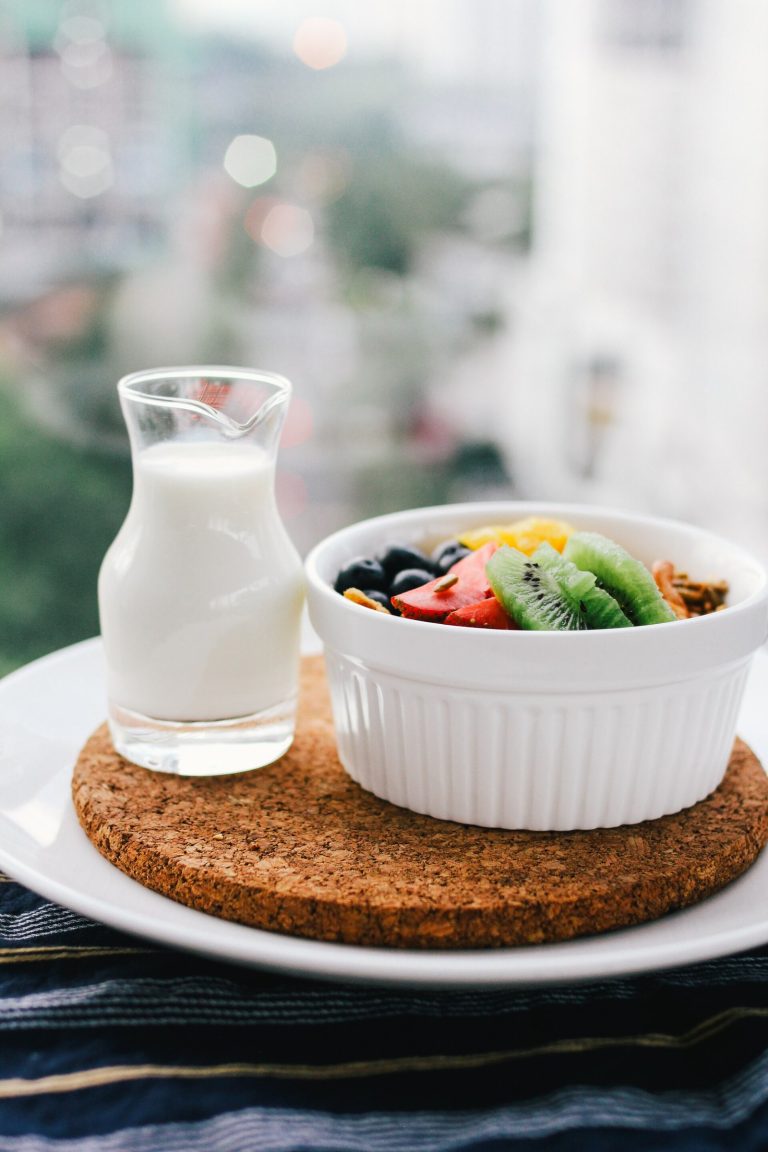
- – MIND-style emphasis: vegetables especially green leafy vegetables; berries over other fruit; whole grains; beans; nuts; one or more weekly servings of fish; olive oil; limits on red meat, sweets, cheese, butter/margarine, and fast/fried food.
- – NIA: treating and reducing high blood pressure may help reduce dementia risk in broader research contexts—coordinate with hypertension diet guide.
Heart-metabolic overlap
- – Diabetes, obesity, and heart disease are discussed by NIA as pathways through which diet might indirectly relate to brain aging. Steady plates that support glucose and blood pressure goals help overall care even when cognition trials are mixed.
Caregiver-ready meal tactics
- – Offer familiar foods; keep mealtimes calm and well lit; serve one course at a time if overwhelmed.
- – Use finger foods or softer textures when utensils become hard; watch choking risk.
- – Fortify with olive oil, nut butters (if safe), dairy or alternatives, and eggs when weight loss appears—ask a clinician or dietitian.
Hydration and medicine timing
- – Offer water regularly; limited thirst awareness is common.
- – Coordinate thickened liquids only if a clinician or speech therapist recommends them.
Foods and habits that often worsen Alzheimer’s nutrition patterns
- – Ultra-processed fast/fried patterns that crowd out MIND/Mediterranean building blocks (NIA pattern contrasts).
- – Excess sweets and sugar-sweetened drinks when diabetes or dental issues are present.
- – Heavy alcohol that worsens confusion, fall risk, and sleep—individualize with the care team; do not start drinking for supposed brain benefits.
- – High-sodium packaged foods that fight blood-pressure goals.
- – “Brain detox” supplements with cure claims.
- – Leaving a person alone with hard-to-chew steaks or whole nuts when chewing/swallowing decline—aspiration risk.
- – Rigid perfectionism about MIND scoring that causes caregiver burnout while calories fall too low.
“Limit” means shifting the overall pattern and keeping mealtime safe—not punishing occasional favorite foods.
Practical kitchen protocol: an Alzheimer’s-aware diet week
1. Keep the medical and safety spine first
Confirm diagnosis stage, medicines, driving/safety plans, blood pressure and diabetes targets, swallowing evaluation needs, and caregiver respite. Discuss diet changes with the clinician (NIA advice).
2. Shopping list aligned with NIA pattern language
Leafy greens; other vegetables; berries; beans; nuts (texture-safe forms); whole grains; olive oil; fish; fruit; yogurt or fortified alternatives; eggs; herbs instead of excess salt when appropriate.
3. Default plate template (community-dwelling / early stages)
- – Leafy salad or cooked greens
- – Other vegetables
- – Fish, beans, or other protein
- – Whole grain
- – Berry fruit
- – Olive oil as the main added fat
4. Sample day (illustrative)
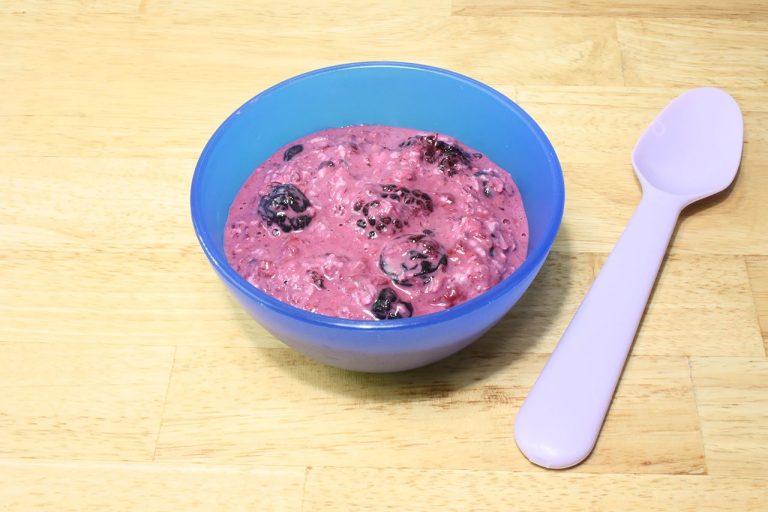
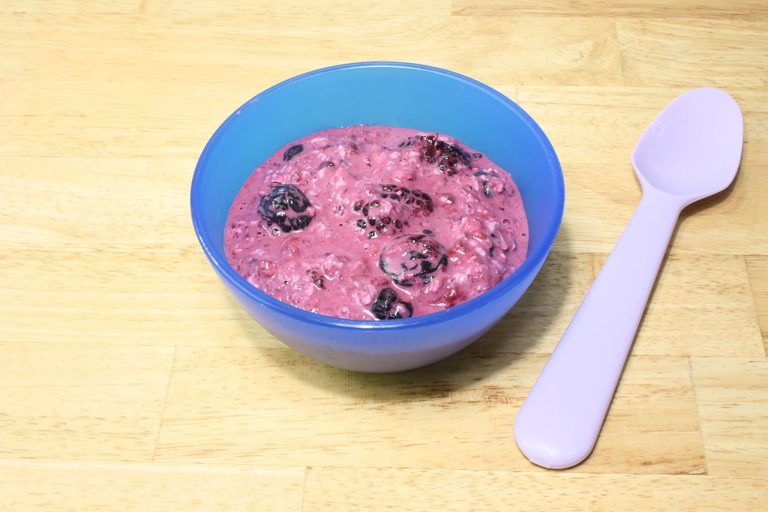
- – Breakfast: oatmeal with berries; walnuts chopped finely if chewing is safe; water.
- – Lunch: bean and vegetable soup; side salad with olive oil; fruit.
- – Snack: yogurt or soft fruit.
- – Dinner: baked fish, leafy greens, whole grain, roasted vegetables.
- – Evening: calm routine; limit late heavy alcohol.
5. When appetite drops
Offer smaller, more frequent meals; favorite familiar dishes first; nutrition shakes only under clinician guidance; dental check for pain that blocks eating.
6. Caregiver batch cooking
Cook once, freeze MIND-aligned soups and fish portions; label with large print; keep the kitchen simple to reduce fire risk if the person still cooks alone.
Write step cards for microwave reheating with pictures when reading becomes hard. Remove spoiled leftovers promptly; diminished smell and judgment raise food-safety risk. If multiple caregivers rotate, keep a shared note of likes, dislikes, texture needs, and fluid goals so the pattern does not reset every shift. Adult day programs or home-delivered meal services can fill gaps without abandoning Mediterranean/MIND building blocks entirely—ask the care team which vendors understand modified textures.
Safety, interactions, and who should ask a clinician first
- – Swallowing changes, recurring pneumonia, or coughing with meals: ask about speech-language evaluation before forcing texture changes yourself.
- – Weight loss, pressure injuries, or dehydration: escalate to the care team promptly.
- – Blood thinners and vitamin K–rich greens: keep intake consistent; do not swing wildly week to week without advice.
- – Diabetes medicines: inconsistent eating raises hypoglycemia risk—coordinate meal timing.
- – Wandering, aggression at meals, or inability to recognize food: dementia-behavior strategies belong with clinicians, not diet blogs.
FAQ
Can diet cure Alzheimer’s disease? No. NIA frames diet as an area of ongoing research for cognitive health, not a cure.
Is the MIND diet proven in a big trial? NIA reports a recent trial where MIND-diet cognitive improvements were small and similar to a mild calorie-restricted control diet. Observational studies were more optimistic—evidence is mixed.
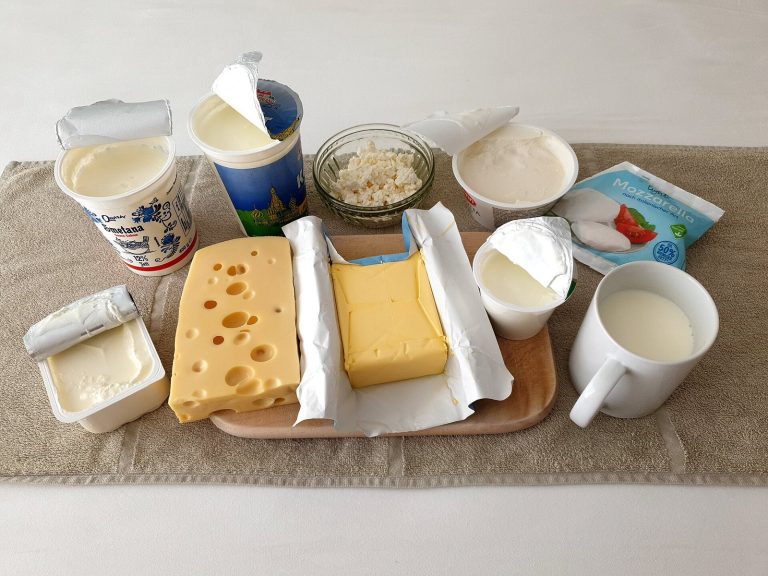
Should everyone cut cheese completely? MIND scoring limits cheese frequency; individualize for protein needs, preference, and malnutrition risk with a dietitian.
How is this different from the existing MIND diet page? See Alzheimer’s MIND diet guide. This disease-titled guide pairs NIA prevention-diet language with caregiver mealtime practicality.
Do brain supplements work better than food patterns? Beware cure marketing. Discuss any supplement with the clinician because of interactions and false hope.
What about people already living with advanced dementia? Prioritize safe textures, adequate calories/protein, dignity, and comfort over strict MIND point chasing.
How this differs from related OTCFood topics
This page is an Alzheimer’s disease–bound diet guide focused on NIA Mediterranean/MIND pattern language, mixed evidence honesty, and caregiver meal tactics. It is not a diagnostic tool, not a drug protocol, and not a substitute for neurology or geriatric care.
Medical disclaimer
Medical disclaimer: This article is for general information only. It is not medical advice, diagnosis, or a treatment plan. Alzheimer’s care depends on stage, other illnesses, medicines, swallowing ability, and your clinician’s judgment. Talk with a clinician or registered dietitian before starting, stopping, or changing any eating plan, supplement, or medicine. Seek urgent care for choking, severe dehydration, sudden neurologic change, or inability to keep down fluids.