Adenomyosis Diet: Foods That May Help and Foods to Limit
Medical note: This article discusses foods and researched botanicals. It does not claim to prevent, treat, or cure disease. Supplements are not a substitute for food, and studied amounts are not personal prescriptions.
People searching “adenomyosis diet foods that help or worsen” usually want kitchen habits that may support comfort with heavy or painful periods and everyday energy—not a claim that food shrinks adenomyosis or replaces hormonal therapies or surgery. MedlinePlus describes adenomyosis as thickening of the uterine walls when endometrial tissue grows into the outer muscular walls of the uterus. Symptoms can include prolonged or heavy menstrual bleeding, worsening menstrual pain, and pelvic pain with intercourse; many people have few or no symptoms. Cause is not known; it most often occurs in women ages 35 to 50 who have had at least one pregnancy.
What this adenomyosis diet guide covers (and what it does not)
This guide is for adults with clinician-suspected or diagnosed adenomyosis who want practical eating patterns while they follow gynecology care. Anchors: MedlinePlus — Adenomyosis, NICHD — Uterine fibroids / uterine health topic hub, and related pelvic-pain diet reading on this site.
MedlinePlus notes most women do not need treatment when symptoms are mild; birth control pills or a progesterone IUD may decrease heavy bleeding; NSAIDs such as ibuprofen or naproxen may help pain; hysterectomy may be considered for severe symptoms; symptoms often improve after menopause. Kitchen changes do not confirm diagnosis (tissue confirmation historically after hysterectomy; imaging may help clinicians) or stop emergency bleeding. Related reading: endometriosis diet guide, fibroids diet guide, and PMS diet guide.
Evidence snapshot: adenomyosis diet claims vs public sources
| Claim people hope for | What public sources actually say | Confidence |
|---|---|---|
| “An anti-adenomyosis diet shrinks the uterus back to normal” | MedlinePlus centers medicines and, if needed, surgery—not culinary cures | Strong: food is supportive only |
| “Zero dairy forever is required” | No MedlinePlus mandate for dairy elimination; personal tolerance and calcium needs matter, especially midlife | Low for universal dairy ban |
| “Iron-rich eating replaces transfusion-level bleeding care” | Heavy bleeding needs medical evaluation; iron-rich foods support stores but do not stop hemorrhage | Strong: food ≠ emergency care |
| “Inflammation detox teas cure pelvic pain” | Public encyclopedia care lists hormones, NSAIDs, surgery—not detox protocols | Strong: skip cure-claim teas |
| “Diet works the same as for endometriosis in every person” | Conditions can overlap in symptoms but are not identical; individualize with your gynecologist | Moderate: shared comfort themes, different diagnosis |
Foods and patterns that may help with adenomyosis day to day
“May help” means supporting iron status, steadier energy, and symptom-log–guided comfort—not dissolving adenomyotic tissue.
Iron-aware patterns during heavy bleeding months
- – Prolonged or heavy menses can deplete iron. Include iron-containing foods your clinician or dietitian endorses (for example lean meats if you eat them, beans, lentils, fortified cereals, leafy greens) and pair plant iron with vitamin C–containing foods at meals when appropriate.
- – Ask before starting iron supplements—dose and timing matter with constipation, stomach upset, and other medicines.
- – Related fatigue topics may overlap general recovery eating, but bleeding red flags stay with gynecology.
Mediterranean-style comfort template
- – Many people with pelvic pain conditions report better day-to-day comfort with vegetable-forward, fiber-containing, minimally ultra-processed patterns similar to those discussed for endometriosis diet guide: vegetables, fruit, beans, whole grains, nuts, seeds, olive oil, fish, less processed meat and sugary ultra-processed snacks.
- – Keep a 2–4 week food-and-symptom diary rather than eliminating entire food groups on social media advice alone.
Soft, easy meals on high-pain days
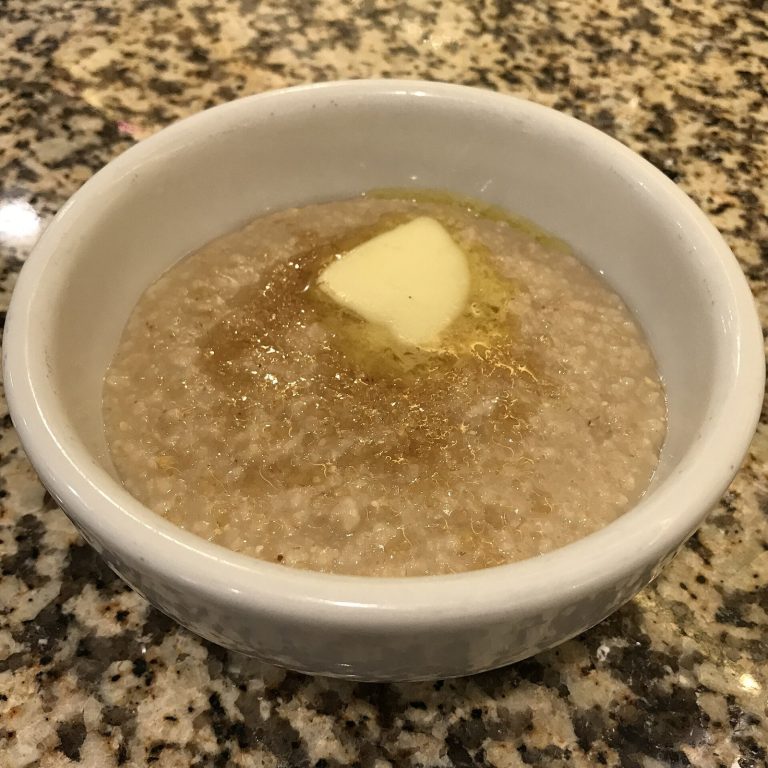
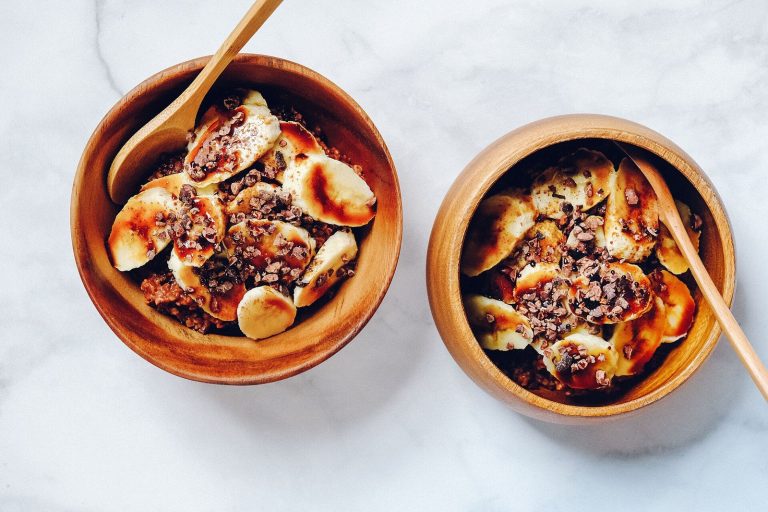
- – Yogurt, eggs, oatmeal, soups, rice bowls, and tender fish or tofu reduce cooking burden when cramps and fatigue peak.
- – Steady fluids help if NSAIDs are used (follow label and clinician guidance for food and stomach protection).
Fiber and constipation awareness
- – Pain medicines and low-fluid days can constipate; gentle fiber and fluids may help comfort without claiming a uterine effect. See constipation diet guide themes if relevant.
Foods and habits that often worsen adenomyosis kitchen patterns
- – Ultra-low-calorie “cleanse” weeks that worsen fatigue and iron intake during heavy bleeding.
- – Alcohol-heavy weekends that disrupt sleep and pain coping.
- – Skipping meals then bingeing on low-iron junk snacks during long bleed days.
- – Unsupervised extreme elimination diets that remove calcium sources while you approach midlife bone-risk years.
- – Herbal abortifacient or “uterine detox” products marketed online—these are not MedlinePlus-listed adenomyosis care.
- – Assuming kitchen changes replace evaluation for soaking pads hourly, clotting with dizziness, fainting, fever, or sudden severe pelvic pain.
- – Ignoring NSAID stomach risk—taking large unsupervised NSAID stacks without food or clinician advice.
“Limit” means reducing patterns that worsen fatigue, iron loss recovery, and pain coping—not blaming adenomyosis on one food.
Practical kitchen protocol: an adenomyosis diet week
1. Keep the gynecology spine first
Confirm diagnosis workup, bleeding plan, pain medicines, contraception or progesterone-IUD discussions, anemia labs, and when imaging or surgery referral is appropriate.
2. Shopping list for heavy-period weeks
Leafy greens; beans and lentils; lean red meat or alternatives as advised; citrus or peppers for vitamin C pairing; eggs; yogurt; oats; soft fruits; soups; olive oil; whole grains; oral fluids; iron supplement only if prescribed.
3. Default plate template
- – Protein + iron source
- – Vegetable or fruit (include a vitamin C source with plant iron meals)
- – Whole grain or starchy vegetable
- – Fluid; consider a calcium source later in the day if iron and calcium compete for you personally—ask a dietitian about timing
4. Sample day (illustrative, non-flare)
- – Breakfast: fortified oatmeal with berries; orange or kiwi; water.
- – Lunch: lentil or chicken soup with vegetables; fruit; water.
- – Snack: yogurt or handful of nuts.
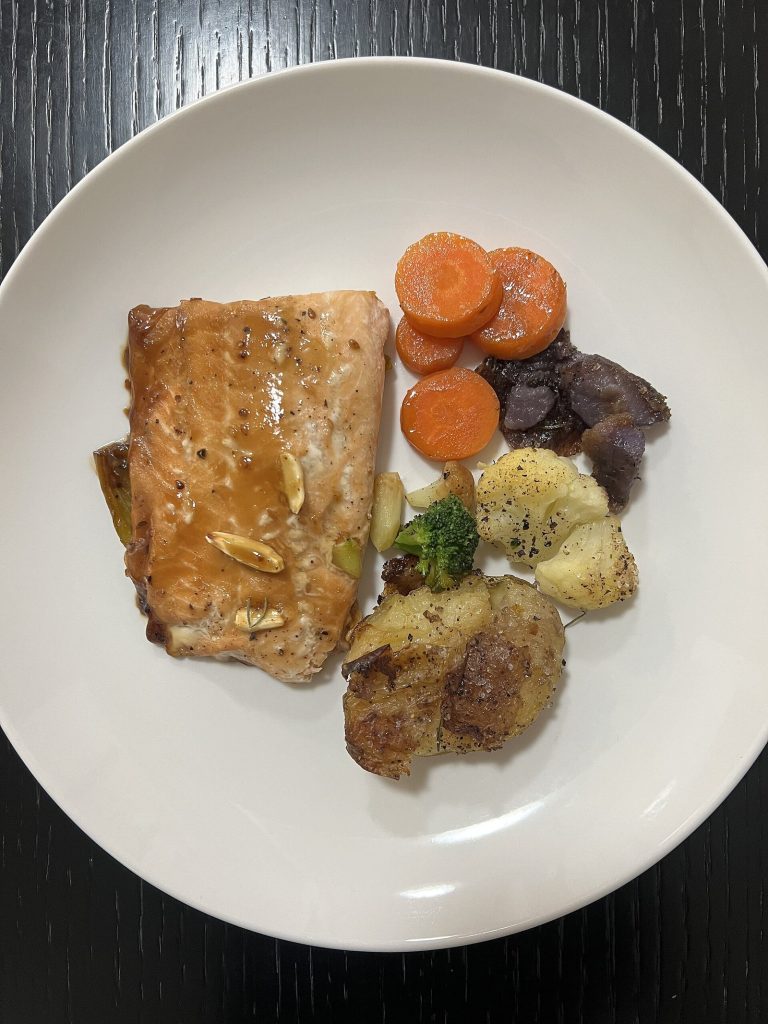
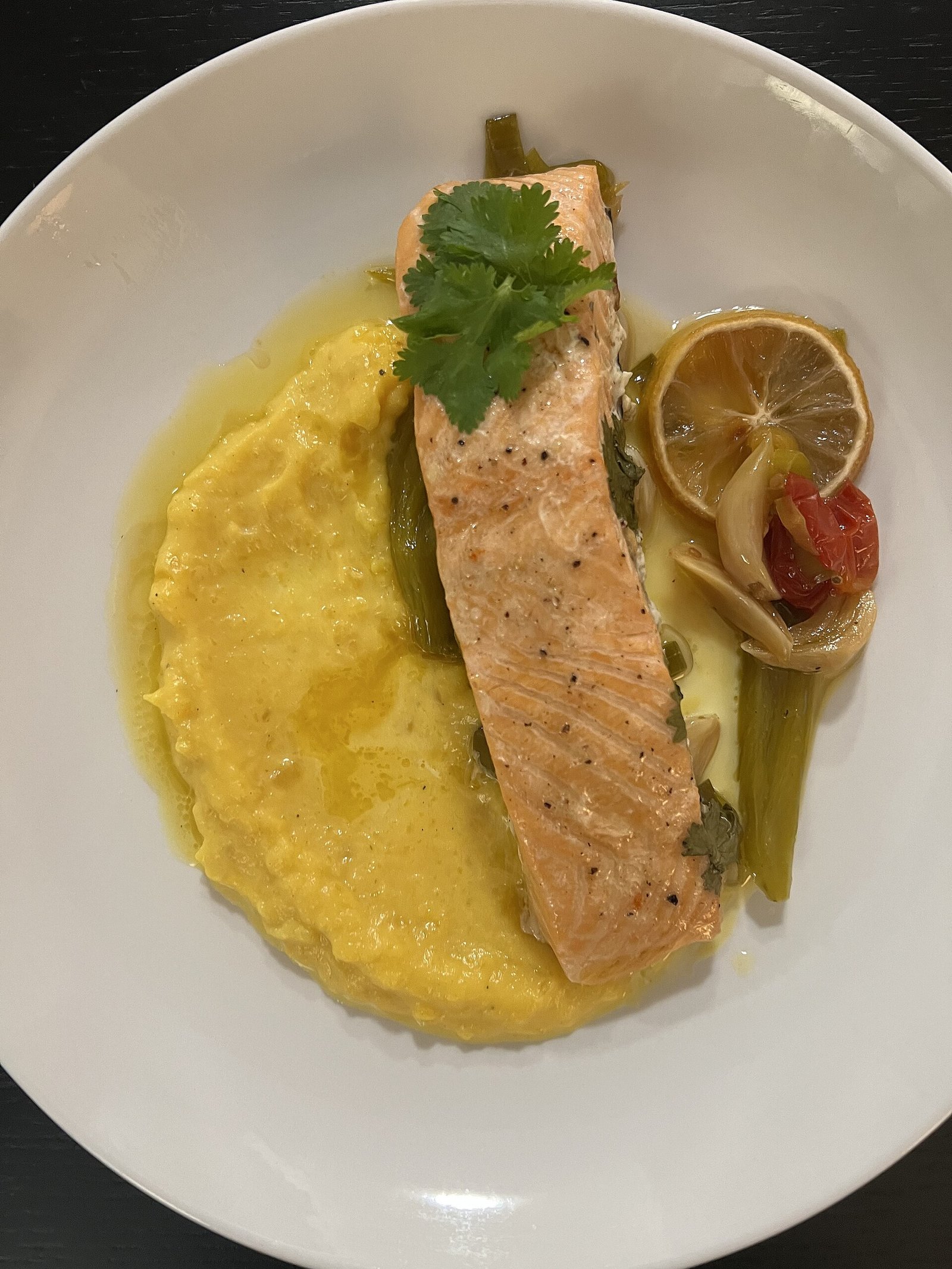
- – Dinner: grilled salmon or tofu, leafy salad, brown rice; water.
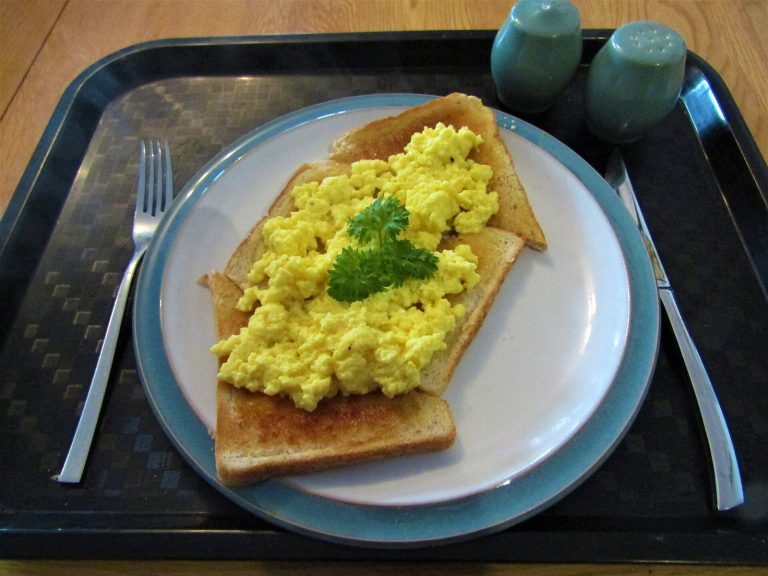
- – High-pain day swap: scrambled eggs, toast, banana, and a ready soup instead of elaborate cooking.
5. Period-week batch plan
Freeze soup portions; keep canned beans and frozen greens; pre-cut fruit; set phone reminders for prescribed iron if used.
Build a “pain-day box” with shelf-stable oatmeal cups, applesauce, oral rehydration packets if advised, heating-pad batteries charged, and NSAID instructions from your clinician taped inside the lid. If work days coincide with heavy flow, pack iron-aware lunches the night before so you are not relying on vending machines. Track pad/tampon counts in the same notebook as meals so anemia follow-up visits have clearer data. Partners or roommates can help with grocery runs when standing and cooking worsen pelvic pain.
6. Midlife transition note
MedlinePlus notes symptoms often improve after menopause; if you are also in perimenopause, coordinate bleeding evaluation rather than assuming “just hormones.” See menopause diet guide for midlife kitchen themes.
Safety, interactions, and who should ask a clinician first
- – Heavy bleeding with dizziness, shortness of breath, chest pain, or syncope: urgent care.
- – History of ulcers, kidney disease, or anticoagulant use: review NSAID safety before self-medicating period pain.
- – Trying to conceive: discuss medicines and supplement safety with your clinician.
- – Endometriosis, fibroids, or bleeding disorders may coexist—diet pages are not differential diagnosis.
- – Hysterectomy recovery needs a separate post-op plan from your surgical team.
FAQ
Can diet cure adenomyosis? No. MedlinePlus care centers medicines and sometimes surgery. Food supports energy, iron, and comfort habits.
Should I go gluten-free automatically? Only if you have celiac disease or clinician-guided reasons. Blind elimination can worsen nutrition during heavy bleeding months.
Do I need to avoid all estrogen-containing foods? Public MedlinePlus adenomyosis pages do not prescribe a phytoestrogen ban. Focus on overall pattern quality and medical therapy.
How is this different from endometriosis diet guidance? Shared comfort themes exist—see endometriosis diet guide—but adenomyosis is endometrial tissue within the uterine muscle wall; diagnosis and procedures differ.
What about fibroids? Different condition; overlapping heavy-bleeding nutrition issues may appear—see fibroids diet guide.
Will hysterectomy diet rules apply now? Only if you have that surgery. Until then, follow your current bleeding and medicine plan.
How this differs from related OTCFood topics
This page is an adenomyosis-bound diet guide focused on iron-aware plates, symptom-log eating, and realistic pain-day meals. It is not a hysterectomy protocol, not a fertility treatment plan, and not a substitute for gynecology follow-up.
Medical disclaimer
Medical disclaimer: This article is for general information only. It is not medical advice, diagnosis, or a treatment plan. Adenomyosis care depends on imaging, bleeding severity, anemia, fertility goals, and your clinician’s judgment. Talk with a clinician or registered dietitian before starting, stopping, or changing any eating plan, supplement, or medicine. Seek urgent care for soaking pads hourly, fainting, severe uncontrolled pain, or fever with pelvic pain.