Lupus Diet: Foods That May Help and Foods to Limit
Medical note: This article discusses foods and researched botanicals. It does not claim to prevent, treat, or cure disease. Supplements are not a substitute for food, and studied amounts are not personal prescriptions.
People searching “lupus SLE diet foods that help or worsen” usually want a practical kitchen pattern that supports overall health while rheumatology care manages flares—not a claim that food cures systemic lupus erythematosus, replaces antimalarials or immunosuppressants, or guarantees fewer flares. NIAMS describes SLE as a chronic autoimmune disease in which the immune system attacks the body’s own tissues, with periods of illness (flares) and wellness (remission). NIAMS living-with-lupus guidance includes eating a healthy, well-balanced diet rich in fruits, vegetables, and whole grains—while also noting that research has not definitively shown whether special diets, nutritional supplements, or fish oils help treat lupus.
What this lupus (SLE) diet guide covers (and what it does not)
This guide is for adults with systemic lupus erythematosus who want everyday plate habits alongside prescribed medicines, sun protection, and monitoring. Anchors: MedlinePlus — Lupus, NIAMS — Lupus, NIAMS — Lupus: Diagnosis, Treatment, and Steps to Take, and MedlinePlus encyclopedia — SLE.
Kitchen changes do not replace rheumatology medicines (antimalarials, corticosteroids, immunosuppressants, biologics when prescribed), infection precautions while immune-suppressed, or organ-specific plans for lupus nephritis, heart disease risk, or antiphospholipid syndrome. NIAMS advises speaking with your doctor before beginning any new therapy, including supplements and complementary practices. Related reading: lupus diet guide, osteoporosis diet guide, and hypertension diet guide.
Evidence snapshot: lupus diet claims vs public sources
| Claim people hope for | What public sources actually say | Confidence |
|---|---|---|
| “A special lupus diet controls flares like medicine” | NIAMS: research has not definitively shown whether special diets, nutritional supplements, or fish oils help; treatments remain medical | Strong: no food cure |
| “Fruits, vegetables, and whole grains are a reasonable everyday pattern” | NIAMS living-with-lupus steps include a healthy well-balanced diet rich in fruits, vegetables, and whole grains | Moderate–strong as general health support |
| “Supplements or fish oil replace rheumatology therapy” | NIAMS lists these among complementary approaches without definitive proof; some OTC products can interfere with medicines | Strong: ask first |
| “Heart-healthy eating is irrelevant in SLE” | NIAMS notes cardiovascular disease risk linked to lupus inflammation and advises quitting smoking to help lower heart-disease risk as a complication | Strong for heart-risk awareness |
| “Sun exposure is the best vitamin D strategy in lupus” | NIAMS: protect yourself from the sun—exposure can trigger a flare; wear protective clothing and sunscreen | Strong for sun caution; vitamin D dosing is clinician-guided |
Foods and patterns that may help with SLE day to day
“May help” means supporting energy, bone and heart risk factors, and balanced meals during flares and remission—not promising fewer autoimmune attacks.
Produce- and whole-grain–forward plates (NIAMS)
- – Emphasize fruits, vegetables, and whole grains as NIAMS lists among living-with-lupus steps.
- – Pair plant foods with lean proteins (fish, poultry, beans, tofu, eggs if tolerated) so meals stay satisfying when fatigue is high.
Heart-aware swaps when SLE raises cardiovascular concern
- – NIAMS notes atherosclerosis and coronary disease risk contexts in lupus and advises quitting smoking.
- – Prefer DASH-leaning patterns—vegetables, fruit, whole grains, low-fat dairy if tolerated, fish, beans, limited saturated fat—similar themes as coronary artery disease diet guide and hypertension diet guide when blood pressure or lipids are elevated.
Bone-supporting food patterns when steroids are used
- – Corticosteroids are potent anti-inflammatory medicines NIAMS describes for lowering inflammation; long courses can affect bone health in clinical practice, so calcium- and vitamin D–containing foods are often discussed with clinicians.
- – Dairy or fortified alternatives, leafy greens, and canned fish with soft bones can fit ordinary plates; dosing of vitamin D supplements belongs to your clinician—see also vitamin D deficiency diet guide and osteoporosis diet guide.
Steady meals and stress-aware routines
- – NIAMS lists increased tiredness, joint swelling, pain, rash, fever, abdominal pain, and headache among flare warning signs; stress can trigger flares.
- – Keep simple, ready meals so fatigue does not default to ultra-processed salty patterns that also fight heart-risk goals.
Fluid awareness with kidney involvement
- – When lupus nephritis or fluid retention is present, sodium and fluid targets are individualized—do not invent high-fluid “flush” rules. Coordinate with nephrology; overlap with kidney-aware patterns after transplant or chronic kidney disease discussions in diet after kidney transplant guide only when that context applies.
Foods and habits that often worsen lupus kitchen and lifestyle patterns
- – Expecting a “lupus cure diet” instead of taking medicines as prescribed (NIAMS: no cure at present; treatments manage disease).
- – Unvetted immune-stimulating herb stacks (including products marketed to “boost immunity”) started without rheumatology review—NIAMS warns some OTC medicines, herbs, and supplements can interfere with other medicines.
- – Heavy saturated-fat and sugar-sweet drink defaults that work against heart-risk reduction themes.
- – Ignoring sun protection while chasing “natural vitamin D” outdoors—NIAMS links sun exposure to flares.
- – Continuing to smoke—NIAMS explicitly ties quitting to lowering heart-disease complication risk.
- – Skipping meals during steroid-related appetite swings or, conversely, relying only on sweets for quick energy.
- – Self-prescribing high-dose fish oil or “autoimmune protocols” as replacements for antimalarials or immunosuppressants.
- – Emergency symptoms ignored—severe chest pain with breathing, sudden neurologic changes, markedly reduced urine output, or high fever need urgent care, not a kitchen experiment.
“Limit” means reducing ultra-processed salty/sugary defaults and unreviewed supplements—not never enjoying flavorful food.
Practical kitchen protocol: a lupus (SLE) diet week
1. Keep the medical spine first
Confirm your rheumatology plan, steroid taper if any, blood-pressure and kidney labs, bone-health plan, infection precautions, sun-protection habits, and whether a registered dietitian is involved. Ask before starting supplements.
2. Shopping list aligned with NIAMS themes
Mixed vegetables and leafy greens; berries and other fruit; oats, brown rice, or other whole grains; beans/lentils; olive oil; fish such as salmon; poultry or tofu; yogurt or fortified alternatives if tolerated; nuts in measured portions; water; sunscreen stays in the “go bag” alongside groceries.
3. Default plate template
- – Half vegetables/fruit when appetite allows
- – Quarter lean protein
- – Quarter whole grain or beans
- – Unsweetened fluid unless limited
- – Measured unsaturated fat
- – Minimal added salt if blood pressure or kidneys are a concern
4. Sample day (illustrative)
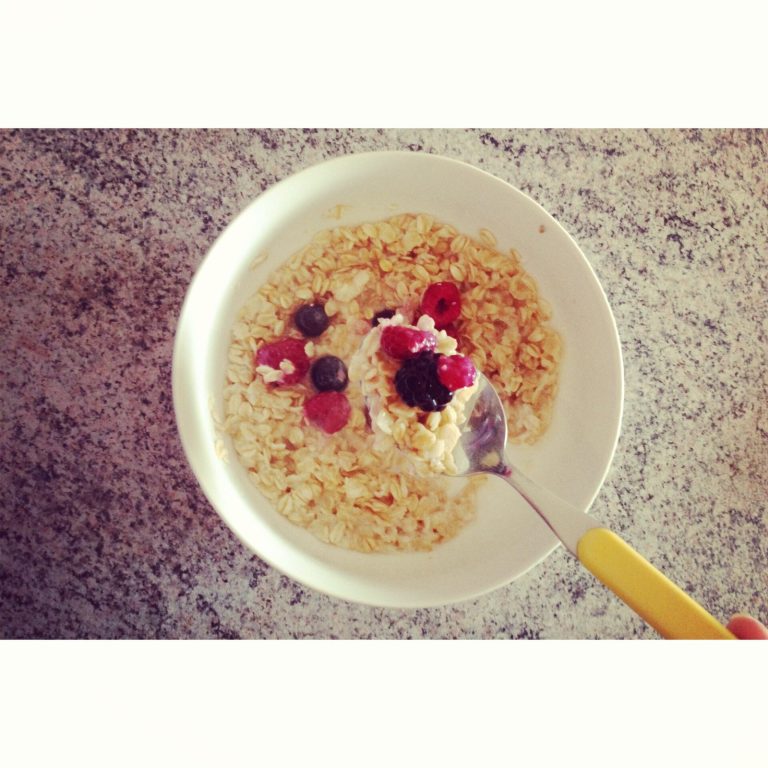
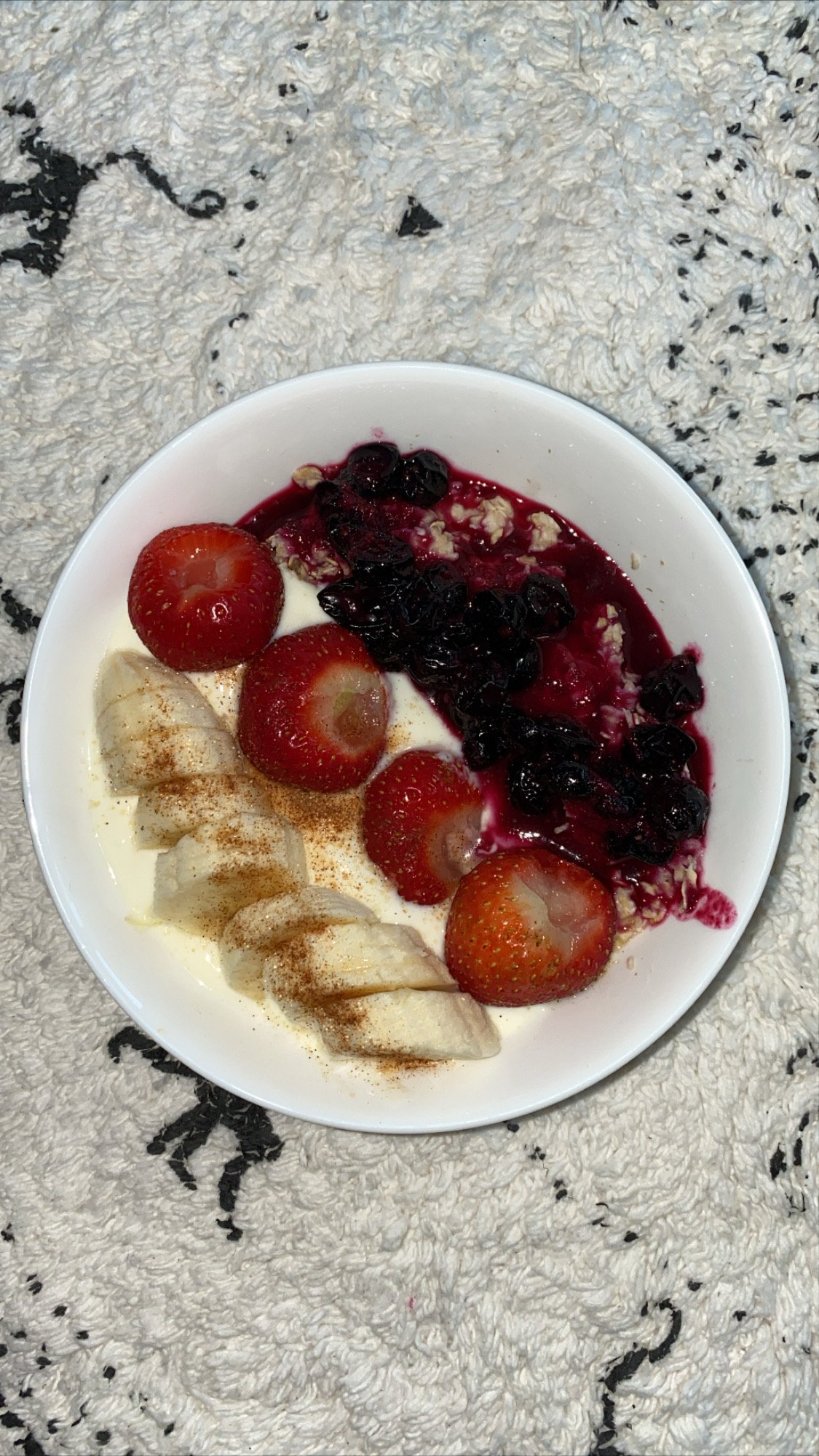
- – Breakfast: oatmeal with berries; yogurt if tolerated.
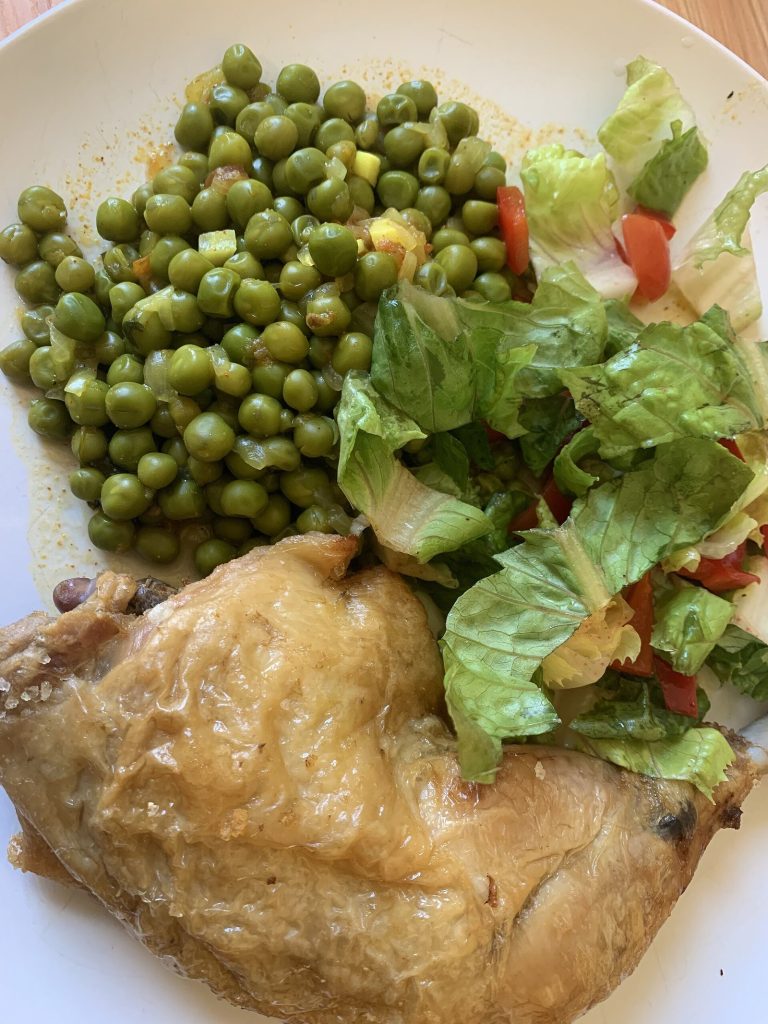
- – Lunch: grain bowl with vegetables, beans or chicken, olive-oil dressing.
- – Snack: fruit and a small handful of nuts, or carrot sticks with hummus if sodium fits.
- – Dinner: baked fish, roasted vegetables, brown rice.
- – Evening: herbal tea or water—protect sleep and stress routines NIAMS links to flare awareness.
5. Flare-week kitchen tactics
Batch-cook soft proteins and soups; use a cart or seated prep if joint pain limits standing (energy-conservation ideas similar to other fatigue-heavy conditions). Prefer ready-cut produce. Keep corticosteroid dosing and food timing per your clinician if GI upset occurs.
6. If gout, diabetes, or osteoporosis travel with SLE or steroids
Coordinate rather than stacking conflicting rules—see gout diet guide, type 2 diabetes diet guide, and osteoporosis diet guide.
Safety, interactions, and who should ask a clinician first

- – Pregnancy planning with lupus: NIAMS stresses disease control and medicine review before conception—nutrition is supportive only.
- – Antiphospholipid antibodies / clotting risk: do not invent “food anticoagulants.”
- – Active lupus nephritis or dialysis: individualized sodium, protein, potassium, and fluid plans.
- – Immunosuppressants: food-safety awareness for undercooked meats/seafood may be discussed in clinic; ask your team.
- – Seek urgent care for severe chest pain, sudden weakness/confusion, markedly reduced urine, high fever, or breathing pain that is new/worsening.
FAQ
Is there one official lupus diet? NIAMS emphasizes a balanced pattern rich in fruits, vegetables, and whole grains and states special diets/supplements/fish oils have not been definitively shown to help treat lupus.
Can food replace hydroxychloroquine or steroids? No. NIAMS treatment goals center on medicines to manage symptoms, limit flares, and protect organs.
Why talk about heart-healthy eating? NIAMS links lupus-related inflammation with higher cardiovascular risk and advises smoking cessation; plate patterns that support blood pressure and lipids are reasonable adjuncts.
Should I sunbathe for vitamin D? NIAMS advises sun protection because exposure can cause flares. Discuss vitamin D testing and supplements with your clinician instead.
How is this page different from our other lupus diet article? Overlap is intentional with lupus diet guide; this SLE-bound guide stays tightly tied to NIAMS living-with-lupus and treatment-framing language plus heart/bone/kidney kitchen coordination.
How this differs from related OTCFood topics
This page is an SLE-bound diet guide focused on balanced produce-forward patterns, heart-risk awareness, steroid-era bone support, and supplement caution. It is not a nephritis prescription diet, not an antiphospholipid treatment plan, and not a substitute for rheumatology follow-up.
Medical disclaimer
Medical disclaimer: This article is for general information only. It is not medical advice, diagnosis, or a treatment plan. Care for lupus depends on organ involvement, serologies, medicines, pregnancy plans, and your clinician’s protocol. Talk with a clinician or registered dietitian before starting, stopping, or changing any eating plan, supplement, or medicine. Seek urgent care for severe chest pain, neurologic changes, high fever, or sudden kidney-related symptoms.