Diet During Guillain-Barré Recovery: Foods That May Help and Foods to Limit
Medical note: This article discusses foods and researched botanicals. It does not claim to prevent, treat, or cure disease. Supplements are not a substitute for food, and studied amounts are not personal prescriptions.
People searching “Guillain-Barré recovery diet foods that help or worsen” usually want safe swallowing strategies, protein-forward fueling, and constipation or aspiration awareness while nerve recovery unfolds—not a claim that food rebuilds myelin, shortens NINDS recovery timelines, or replaces IVIG, plasma exchange, respiratory support, or physical therapy. MedlinePlus describes Guillain-Barré syndrome (GBS) as an immune attack on the peripheral nervous system that can cause weakness or paralysis; recovery can take weeks, months, or years, and most people survive, though some have lasting mild weakness. NINDS notes there is currently no cure, but therapies can reduce severity and shorten recovery time, and recovery may leave long-term weakness, numbness, fatigue, or pain.
What this Guillain-Barré recovery diet guide covers (and what it does not)
This guide is for adults in the recovery phase after acute GBS treatment who want practical eating patterns while they follow neurology, rehab, and speech-language pathology plans. Anchors: MedlinePlus — Guillain-Barré syndrome, MedlinePlus encyclopedia — Guillain-Barre syndrome, and NINDS — Guillain-Barré syndrome.
Kitchen changes do not replace airway protection, blood-pressure monitoring, DVT precautions during immobility, or mental-health support NINDS mentions as important for many survivors. Related reading: Stroke Recovery Diet, Peripheral Neuropathy Diet, Parkinson’s Disease Diet, and Constipation Diet.
Evidence snapshot: Guillain-Barré recovery diet claims vs public sources
| Claim people hope for | What public sources actually say | Confidence |
|---|---|---|
| “A special diet cures GBS or rebuilds nerves on a fixed calendar” | NINDS/MedlinePlus: no cure; recovery is variable; treatments target acute disease and complications | Strong: food is supportive |
| “Texture and swallowing plans matter when chewing or swallowing are weak” | NINDS lists difficulty swallowing, speaking, or chewing among possible symptoms; aspiration is a MedlinePlus complication | Strong for SLP-directed textures |
| “Protein and calories support rehab fueling during weakness” | General neurologic recovery nutrition emphasizes preventing malnutrition while mobility is limited | Moderate as supportive |
| “Detox juices replace IVIG or plasma exchange” | Acute therapies are hospital-directed; juices are not disease-modifying protocols | Strong against substitution |
| “Immobility constipation is only a kitchen problem” | MedlinePlus lists DVT risk with inactivity; bowel plans need clinician input beside fiber | Moderate–strong for medical spine first |
Foods and patterns that may help during Guillain-Barré recovery day to day
“May help” means supporting safe intake, energy for therapy, and steadier bowels—not promising complete nerve recovery by a grocery list.
Swallow-safe textures as directed by your care team
- – If chewing, tongue control, or swallowing are weak, follow speech-language pathology (SLP) texture and liquid-thickness orders exactly—nectar/honey-thick liquids or purees when prescribed.
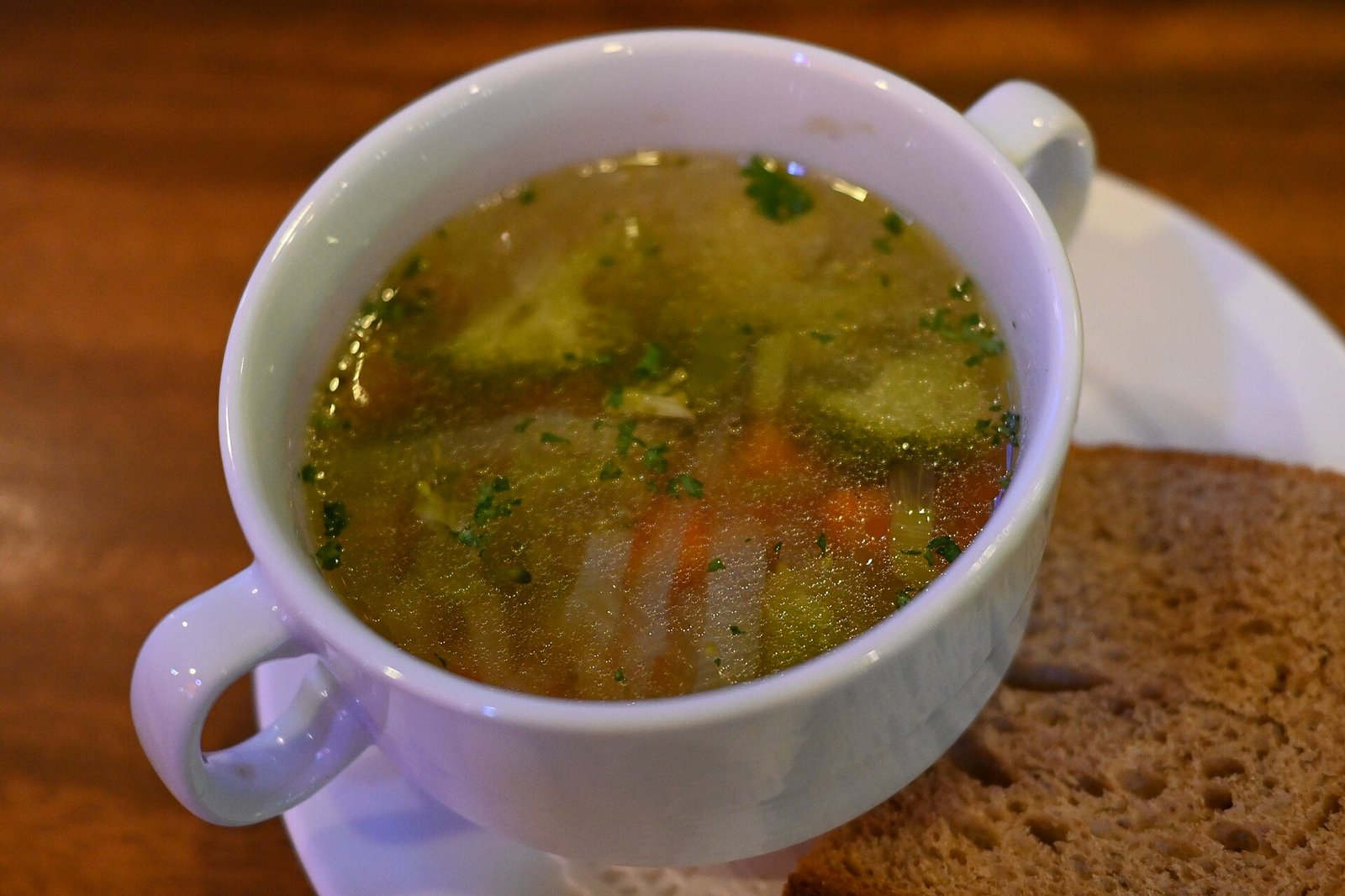
- – Moist ground meats, mashed potatoes, yogurt, smooth soups, and soft eggs are common transitional textures—only after clearance.
- – Sit upright for meals; take small bites; pause if coughing, wet voice, or fatigue appears. Aspiration (breathing food or fluids into the lungs) is a documented GBS complication on MedlinePlus.
Protein-forward, easy-to-eat fueling
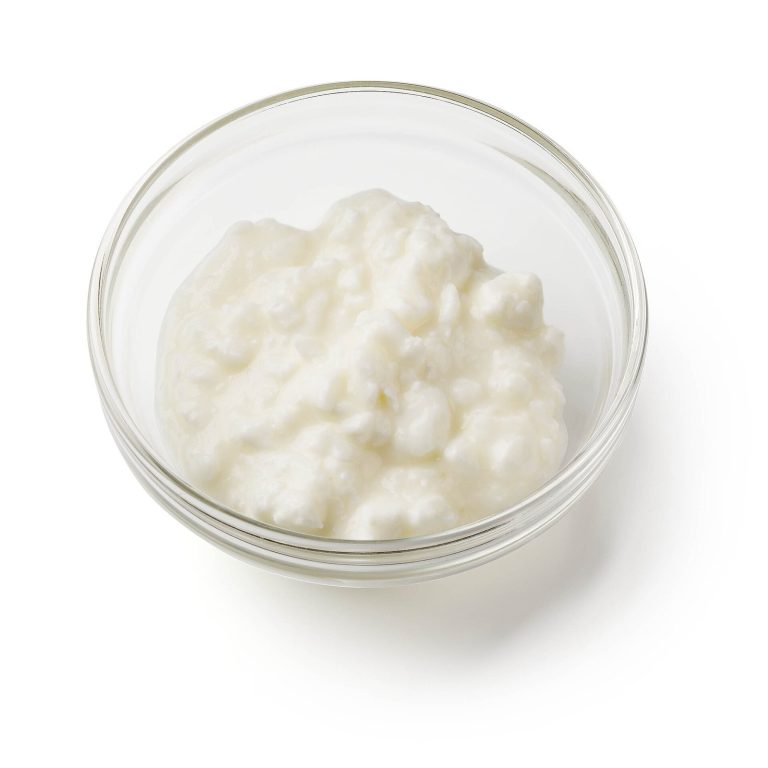
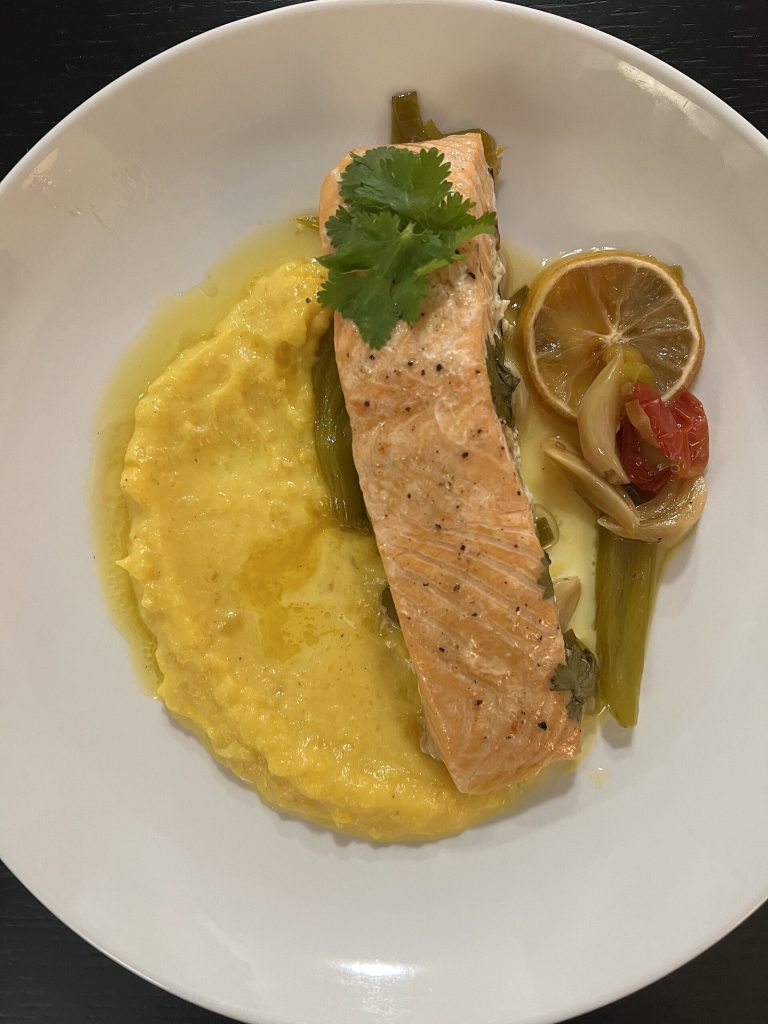
- – Eggs, dairy if tolerated, soft fish, tofu, Greek yogurt, cottage cheese, hummus, and smooth nut butters (if not aspiration risks) help meet higher rehab energy needs when cooking skill or hand strength is limited.
- – Small frequent meals often work better than three huge plates when fatigue is high (NINDS notes fatigue can persist).
Fiber and fluids once swallowing and fluid orders allow
- – Opioids, anticholinergics, and immobility commonly slow bowels. Oats, pear puree, prune puree, and cooked vegetables may help—coordinate with Constipation Diet themes and any fluid restrictions.
- – Keep stool softeners visible if your clinician scheduled them.
Hand-friendly and adaptive tools
- – Built-up utensils, non-slip mats, straw cups only if SLP allows, and pre-cut foods reduce mealtime exhaustion when grip or coordination are recovering.
- – Similar practical themes appear in Stroke Recovery Diet and Parkinson’s Disease Diet without claiming identical disease mechanisms.
Nutrient density when appetite is low
- – Fortify milk drinks with protein powder only if your clinician or RD approves; oral nutrition supplements may be prescribed when weight drops.
- – Include colorful soft produce for micronutrients; do not rely on megadose “nerve repair” vitamin stacks without lab guidance.
Foods and habits that often worsen Guillain-Barré recovery kitchen patterns
- – Ignoring swallowing restrictions with thin liquids, mixed textures (soup with chunks), or rushed meals that raise aspiration risk.
- – Prolonged fasting or tiny intakes that accelerate muscle loss during rehab.
- – Heavy alcohol that dehydrates, impairs sleep, and may interact with medicines.
- – Unprescribed stimulant laxative stacks while mobility to the bathroom is limited.
- – Raw or undercooked high-risk foods if immune status, tube feeding, or hospital readmission risk is elevated—ask your team.
- – Expecting diet to fix new breathing trouble, autonomic swings, or rapidly worsening weakness—those need urgent medical care.
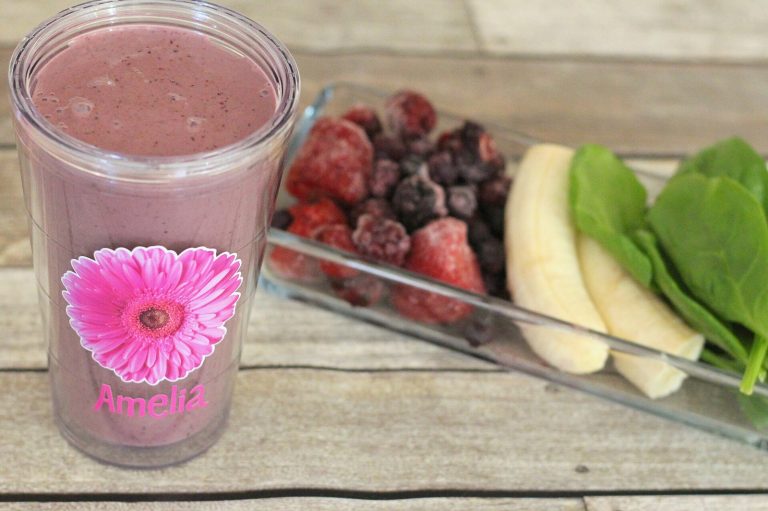
- – Skipping DVT prevention education while focusing only on “anti-inflammatory” smoothies—MedlinePlus lists clot risk with inactivity.
Practical kitchen protocol: a Guillain-Barré recovery diet week
1. Keep the medical spine first
Confirm swallowing status, diet texture order, respiratory plan, blood-pressure and heart-rate watches, DVT prophylaxis, pain plan, and therapy schedule. Never “test” thin water against medical advice.
2. Shopping list for fatigue-aware recovery
Yogurt; eggs; soft cheeses if allowed; oats; canned soft fruits; pre-mashed vegetables; protein-rich soups; oral nutrition drinks if prescribed; thickener products only as SLP directed; prune puree; easy-open packages.
3. Default plate template (when advancing)
- – Soft protein
- – Soft starch
- – Soft vegetable or fruit
- – Liquid thickness per SLP
- – Rest break mid-meal if needed
4. Sample day (illustrative, after texture clearance)
- – Breakfast: scrambled eggs; oatmeal; nectar-thick liquid if ordered.
- – Lunch: blended lentil soup; yogurt; soft fruit puree.
- – Snack: oral nutrition supplement if prescribed; rest.
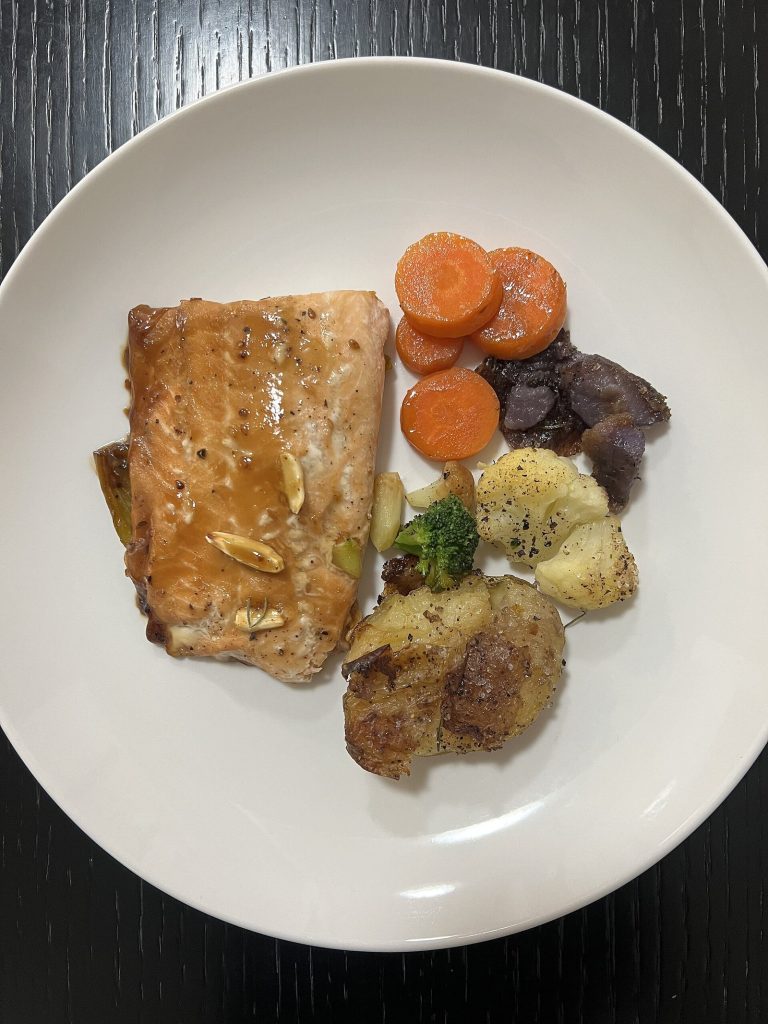
- – Dinner: soft fish or tofu, mashed potato, cooked carrots; upright seating.
- – Evening: warm fluid at approved thickness; bowel plan—not late heavy alcohol.
5. Caregiver and home setup tips
Plate guards, rocker knives only when hand function allows, and timed rest before therapy meals help. NINDS notes emotional adjustment to sudden dependence can be hard—pair kitchen help with mental-health resources when needed.
6. If neuropathy symptoms linger
Long-term sensory themes may overlap Peripheral Neuropathy Diet, but GBS-specific airway and autonomic rules stay with neurology.
Safety, interactions, and who should ask a clinician first
- – Tube feeding or total parenteral nutrition: only under clinical protocols—do not homemade-blend into tubes without instruction.
- – Diabetes or steroid use after other treatments: coordinate carbohydrate plans.
- – Autonomic instability: large heavy meals may feel poorly tolerated—individualize with your team.
- – Anticoagulation for DVT prevention: keep intake consistent with medication counseling.
- – Call urgently for breathing difficulty, choking, blue lips, new chest pain, calf swelling, high fever, or sudden neurologic worsening.
FAQ
Can diet reverse Guillain-Barré? No. NINDS states there is currently no cure; food supports safe nutrition during recovery and rehab.
How long will recovery eating restrictions last? Highly individual. MedlinePlus notes recovery can take weeks to years; swallowing diets advance only with SLP and neurology clearance.
Is a high-protein “nerve diet” required? Adequate protein helps rehab fueling for many adults, but there is no single public GBS grocery cure list. An RD familiar with neurologic rehab can individualize.
Are detox teas or megadose B vitamins mandatory? Not as GBS cures. Correct documented deficiencies with clinician guidance; unsupervised megadoses can harm.
How is this different from stroke recovery diet content? Both may involve swallowing therapy and adaptive utensils, but GBS is a peripheral nerve autoimmune process with different acute treatments. See Stroke Recovery Diet for stroke-specific pages.
How this differs from related OTCFood topics
This page is a Guillain-Barré recovery–bound diet guide focused on swallow safety, protein fueling, constipation awareness, and fatigue-adapted meals. It is not an acute-care protocol, not a claim that food replaces IVIG or plasma exchange, and not a substitute for neurology or rehab follow-up.
Medical disclaimer
Medical disclaimer: This article is for general information only. It is not medical advice, diagnosis, or a treatment plan. Guillain-Barré care depends on disease variant, respiratory status, swallowing safety, and your clinicians’ protocols. Talk with a neurologist, speech-language pathologist, or registered dietitian before starting, stopping, or changing any eating plan, supplement, or medicine. Seek emergency care for breathing trouble, choking, chest pain, or sudden neurologic decline.