Diet After Carotid Endarterectomy: Foods That May Help and Foods to Limit
Medical note: This article discusses foods and researched botanicals. It does not claim to prevent, treat, or cure disease. Supplements are not a substitute for food, and studied amounts are not personal prescriptions.
People searching “diet after carotid endarterectomy foods that help or worsen” usually want heart- and brain-aware eating that lowers the chance arteries narrow again—not a claim that food replaces surgery, antiplatelet medicines, or stroke warning-sign vigilance. MedlinePlus explains that carotid endarterectomy removes plaque from a carotid artery that supplies the brain and face, and that surgery may be considered when narrowing is severe (teaching examples often mention narrowing by more than about 70%) or after stroke/TIA when surgery is judged safe. Discharge teaching stresses that surgery does not cure the cause of arterial blockage: healthy foods, activity when advised, stopping smoking, stress reduction, cholesterol and blood-pressure medicines as prescribed, and antiplatelet medicines such as aspirin or clopidogrel when ordered remain essential.
What this after-carotid-endarterectomy diet guide covers (and what it does not)
This guide is for adults recovering from carotid endarterectomy (or closely related carotid revascularization discharge teaching) who want practical kitchen patterns while they follow vascular and stroke-prevention care. Anchors: MedlinePlus — Carotid artery surgery (open), MedlinePlus — Carotid artery surgery discharge, NHLBI — DASH Eating Plan, and NHLBI — Stroke education hub.
MedlinePlus notes hospital monitoring for bleeding, stroke signs, or poor brain blood flow; home recovery often allows return toward usual activities over about 3 to 4 weeks for many people, with temporary neck discomfort and possible numbness near the jaw/earlobe. Soft-food needs are individualized if swallowing feels odd—call for trouble swallowing rather than forcing hard dry foods. Kitchen changes do not replace emergency response to sudden weakness, speech trouble, or vision loss. Related reading: Stroke Recovery Diet and Peripheral Artery Disease Diet.
Evidence snapshot: after-carotid-endarterectomy diet claims vs public sources
| Claim people hope for | What public sources actually say | Confidence |
|---|---|---|
| “Surgery means diet no longer matters” | MedlinePlus discharge: arteries may narrow again; eat healthy foods, exercise if advised, stop smoking, take cholesterol/BP/antiplatelet medicines as told | Strong |
| “A bacon-and-egg ‘healing diet’ rebuilds the artery patch” | Heart-healthy patterns limiting saturated fat and sodium align with DASH/atherosclerosis prevention teaching—not high-saturated-fat binge healing myths | Strong |
| “Stopping aspirin when bruising appears is fine if salads increase” | MedlinePlus: do not stop antiplatelet medicines without talking with your provider | Strong |
| “DASH sodium targets are optional forever after CEA” | DASH cites about 2,300 mg sodium (1,500 mg may lower BP further for many)—individualize with your clinician if BP remains high | Moderate–strong |
| “Kitchen changes treat an acute stroke in progress” | Sudden neurologic deficits need emergency care, not dietary adjustment | Strong |
Foods and patterns that may help after carotid endarterectomy day to day
“May help” means supporting blood-pressure, cholesterol, and glycemic control that slow recurrent atherosclerosis—not a promise that food prevents every future stenosis.
DASH-style and Mediterranean-leaning plates
- – NHLBI DASH recommendations: vegetables, fruits, whole grains; fat-free/low-fat dairy, fish, poultry, beans, nuts, vegetable oils; limit fatty meats, full-fat dairy, tropical oils; limit sugar-sweetened beverages and sweets.
- – Example 2,000-calorie DASH serving ranges include grains 6–8, meats/poultry/fish ≤6, vegetables 4–5, fruit 4–5, low-fat dairy 2–3, fats/oils 2–3 daily; nuts/seeds/beans 4–5 weekly; sweets ≤5 weekly; sodium about 2,300 mg (1,500 mg often better for BP).
- – MedlinePlus patient-instruction clusters around carotid care also point readers toward Mediterranean-diet and cholesterol/lifestyle education pages—favor olive oil, fish, legumes, and produce-forward meals.
Softer textures briefly if neck discomfort or chewing is awkward
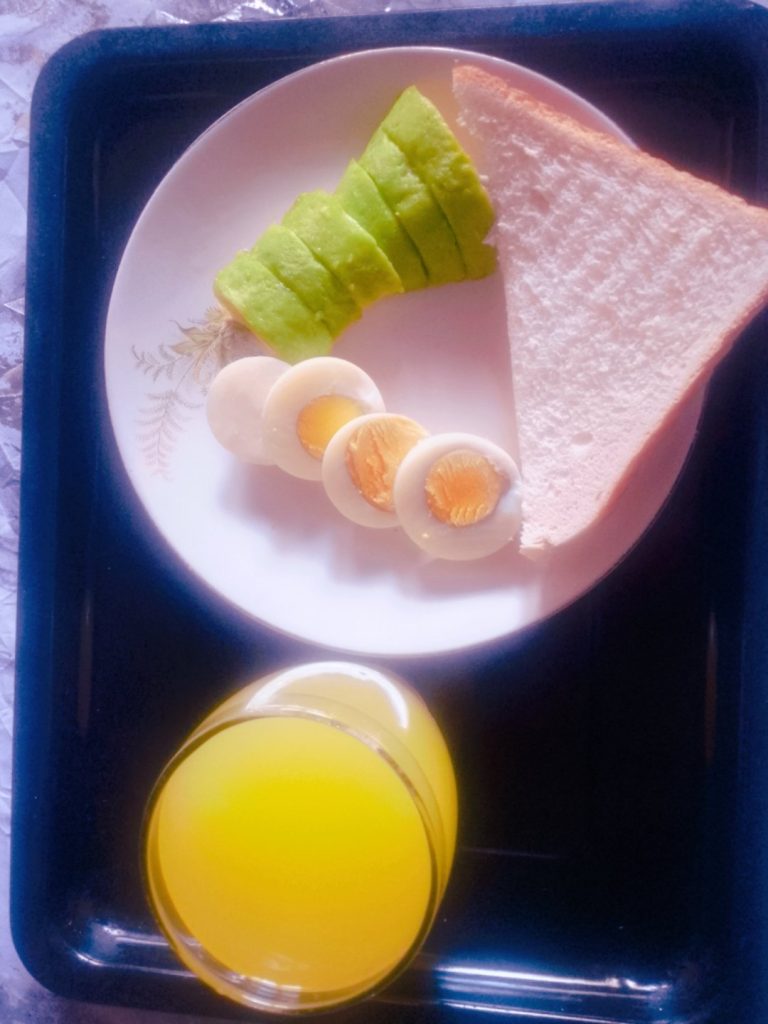
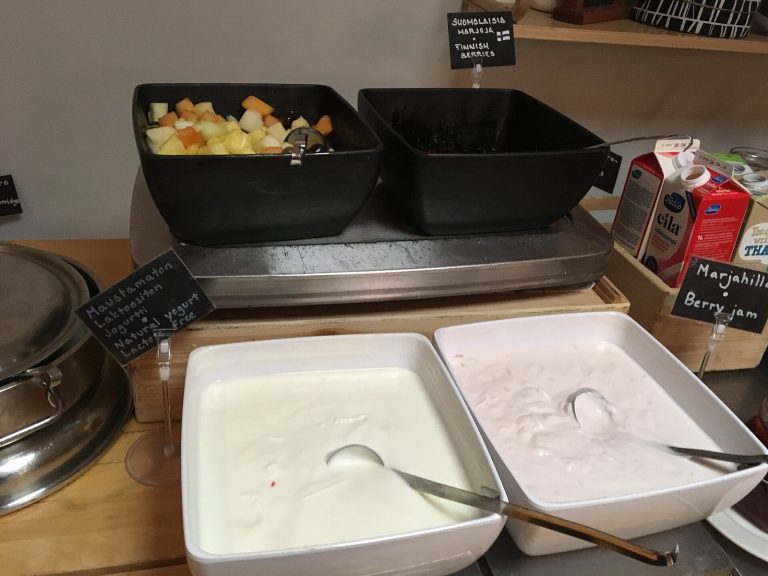
- – Cool soft foods, moist fish, eggs, yogurt, oatmeal, and well-cooked vegetables can be easier in the first days if turning the head to chew hurts.
- – Advance toward your usual heart-healthy textures as comfort allows; report true swallowing trouble promptly (MedlinePlus discharge red flags include trouble swallowing).
Steady produce, fiber, and unsalted seasoning
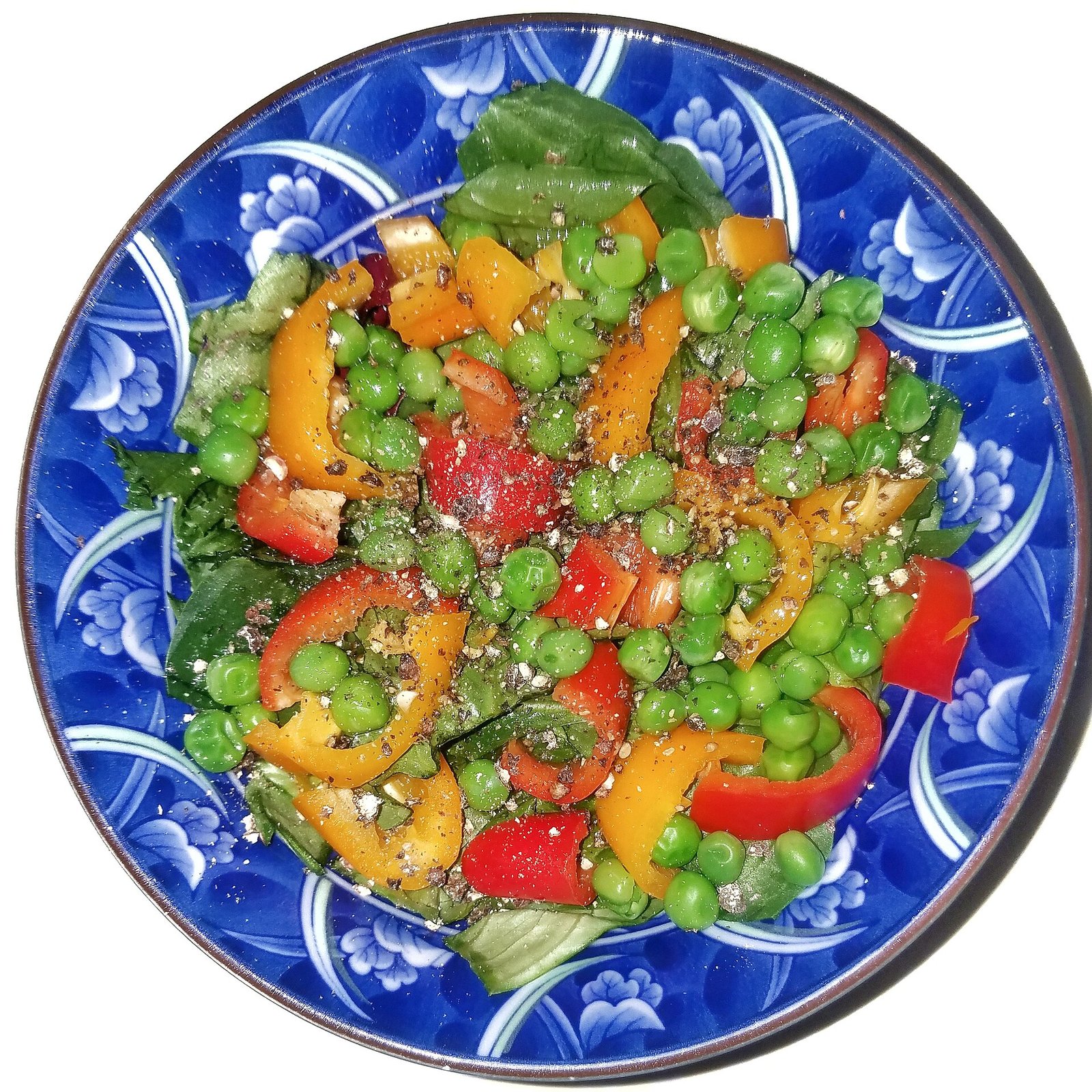
- – Build plates around vegetables and fruit to displace salty processed meats and fried takeout.
- – Use herbs, garlic, citrus, and vinegar instead of soy/barbecue/teriyaki sodium bombs—overlap with Hypertension (High Blood Pressure) Diet and High Cholesterol Diet.
Protein choices that fit cholesterol goals
- – Fish, beans, skinless poultry, and low-fat dairy usually fit better than frequent fatty red meats and processed sausages.
- – If you also have coronary disease history, patterns may resemble Diet After Coronary Stent (PCI) or Diet After CABG (Heart Bypass) kitchens.
Foods and habits that often worsen after-carotid-endarterectomy kitchen patterns
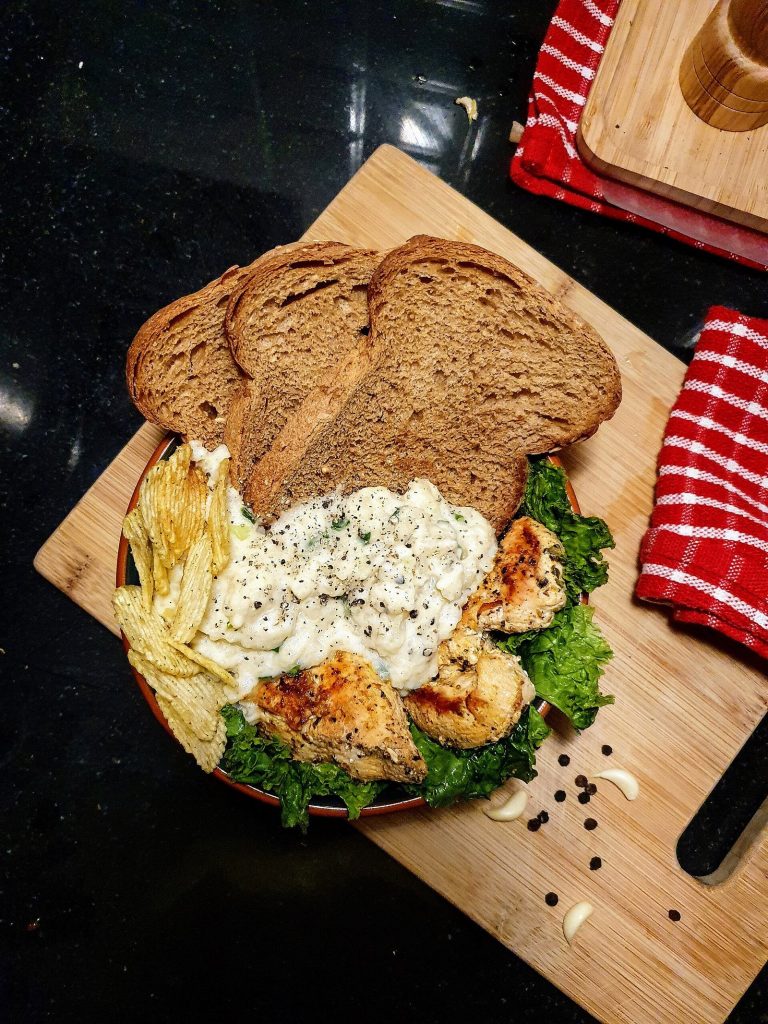
- – Daily fried foods, fatty processed meats, and tropical-oil-heavy snacks that fight cholesterol goals.
- – Salty soups, deli stacks, and chips that undermine blood-pressure control.
- – Sugar-sweetened beverage habits called out for limiting in DASH.
- – Smoking “only when stressed” plus energy-drink chasers—MedlinePlus prioritizes smoking cessation after carotid surgery.
- – Stopping prescribed aspirin/clopidogrel because of minor kitchen bruises without clinician advice.
- – Heavy alcohol excess (MedlinePlus angioplasty-related carotid discharge teaching also cautions against drinking alcohol in excess).
- – Ignoring stroke-like symptoms because “the artery was already fixed.”
“Limit” means reducing recurrent plaque and BP risk—not that one holiday meal undoes surgery.
Practical kitchen protocol: an after-carotid-endarterectomy diet week
1. Keep the medical spine first
Confirm wound care, driving and activity limits, antiplatelet/statin/BP medicine list, swallowing status, and stroke warning-sign action plan. Do not stop antiplatelets on your own (MedlinePlus).
2. Shopping list for artery-aware kitchens
Oats and whole grains; leafy and colorful vegetables; fruit; beans; fish; skinless poultry; olive oil; unsalted nuts in portion cups; low-fat dairy if tolerated; herb blends; soft foods for early comfort days.
3. Default plate template
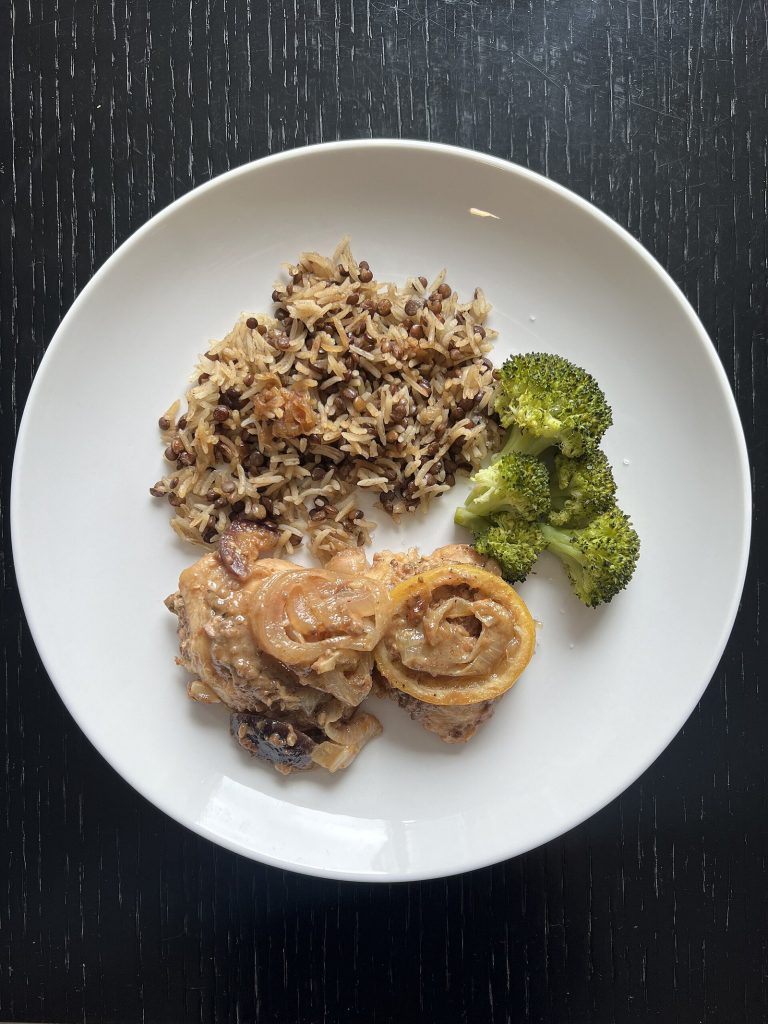
- – Produce half the plate when possible
- – High-fiber carbohydrate
- – Fish/poultry/beans
- – Minimal added salt
- – Water or unsweetened drinks
4. Sample day (illustrative)
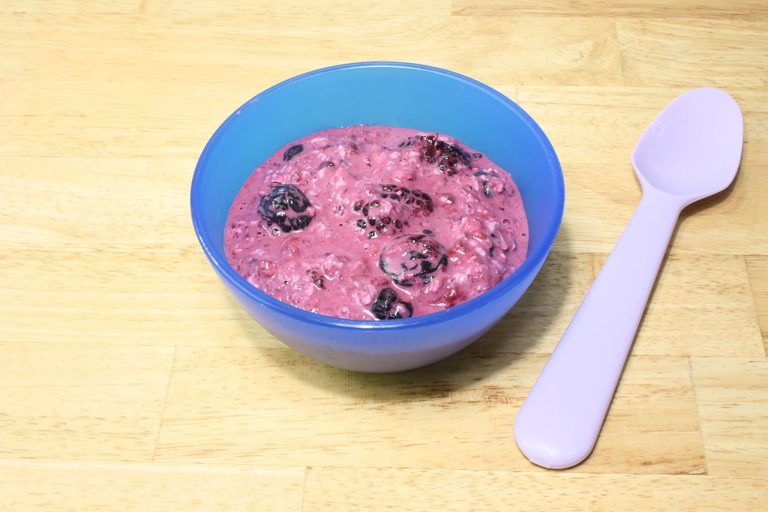
- – Breakfast: oatmeal with berries; low-fat milk or alternative.
- – Lunch: large salad with tuna or beans, olive oil/vinegar; fruit.
- – Snack: unsalted nuts or yogurt.
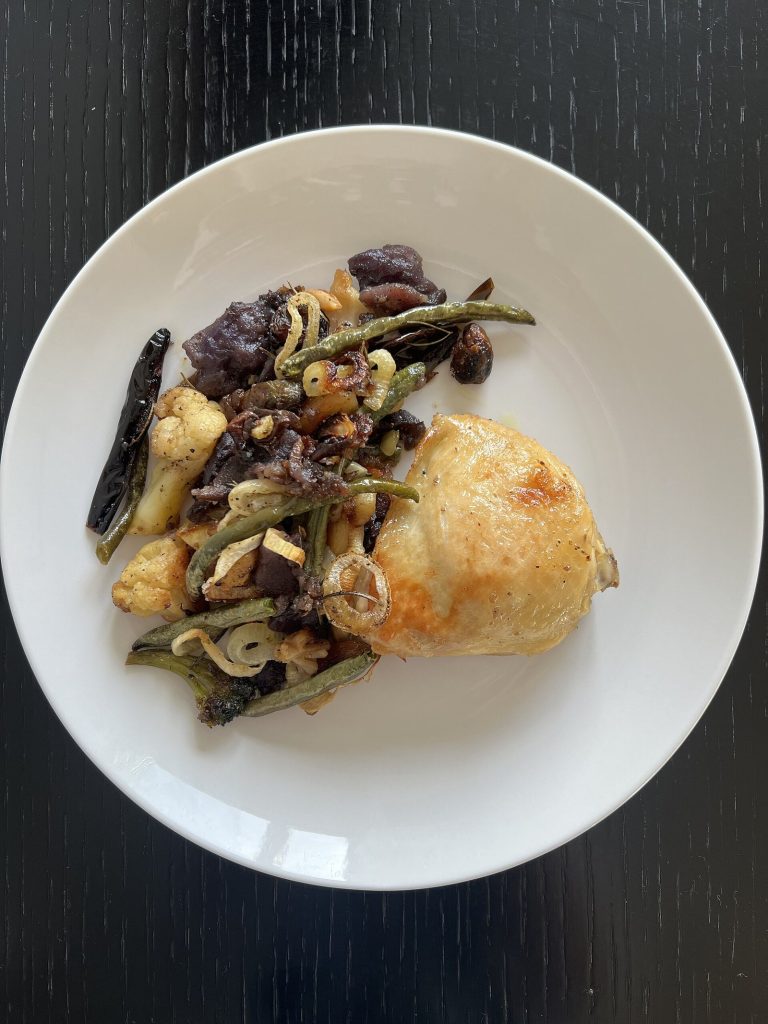
- – Dinner: baked fish, roasted vegetables, quinoa or potato.
- – Evening: BP medicines as scheduled—not a salty late snack that sabotages morning readings.
5. Home setup tips
Keep a pillbox for antiplatelets/statins; stage soft foods for week one; ask household to adopt the same lower-sodium pot.
6. If you already had a stroke or TIA
Nutrition and texture plans may need speech-language pathology input—see Stroke Recovery Diet for recovery-overlapping themes while your neurologist owns secondary prevention.
Safety, interactions, and who should ask a clinician first
- – Antiplatelets and bleeding: report black stools, vomiting blood, or sudden severe headache.
- – Statins and grapefruit: ask about your specific statin.
- – Diabetes: hypoglycemia plans still matter during appetite changes.
- – Neck hematoma signs, fever, or wound drainage: surgical follow-up.
- – New neurologic deficits: emergency care (MedlinePlus lists headache, confusion, numbness/weakness, vision or speech problems among contact-now symptoms).
FAQ
Can diet replace carotid surgery or stents? No. Diet supports long-term prevention after revascularization; it does not remove established high-grade plaque the way surgery can when indicated.
How soon should heart-healthy eating start? Soft textures may come first for comfort, but sodium- and saturated-fat awareness can start as soon as you are eating normally—MedlinePlus stresses ongoing lifestyle change because arteries can narrow again.
Is this the same as a coronary-stent diet? Goals overlap Diet After Coronary Stent (PCI), but carotid surgery adds neck-wound and stroke-sign specifics.
Do I need to avoid all eggs and cheese forever? DASH allows low-fat dairy servings and does not require zero eggs for everyone—individualize cholesterol therapy with your clinician.
What if swallowing feels wrong? Contact your provider; do not rely on diet blogs for dysphagia.
How this differs from related OTCFood topics
This page is a carotid-endarterectomy-bound diet guide focused on secondary atherosclerosis prevention and early postoperative eating comfort. It is not a DIY stenosis measurement tool, not an acute stroke protocol, and not a substitute for vascular follow-up imaging.
Medical disclaimer
Medical disclaimer: This article is for general information only. It is not medical advice, diagnosis, or a treatment plan. Care after carotid endarterectomy depends on surgical findings, stroke history, other artery disease, and prescribed medicines. Talk with a clinician or registered dietitian before starting, stopping, or changing any eating plan, supplement, or medicine. Seek emergency care for sudden weakness, facial droop, speech or vision trouble, severe headache, or uncontrolled bleeding.