Cardiomyopathy Diet: Foods That May Help and Foods to Limit
Medical note: This article discusses foods and researched botanicals. It does not claim to prevent, treat, or cure disease. Supplements are not a substitute for food, and studied amounts are not personal prescriptions.
People searching “cardiomyopathy diet foods that help or worsen” usually want sodium-aware, heart-muscle–friendly grocery habits that fit cardiology medicine plans—not a claim that food rebuilds heart muscle or replaces devices, diuretics, or beta-blockers. MedlinePlus describes cardiomyopathy as diseases of the heart muscle that can enlarge the heart or make muscle thicker or more rigid, sometimes reducing the heart’s ability to pump and raising risks such as heart failure, abnormal rhythms, valve problems, or sudden cardiac arrest. NHLBI explains cardiomyopathy weakens the heart muscle and makes pumping harder. Mayo Clinic self-care guidance for cardiomyopathy includes a healthy diet with fruits, vegetables, and whole grains, less salt (aiming for less than 1,500 milligrams of sodium a day in their patient education), limiting alcohol, not smoking, activity as cleared, and taking medicines as prescribed.
What this cardiomyopathy diet guide covers (and what it does not)
This guide is for adults living with cardiomyopathy (dilated, hypertrophic, restrictive, or other clinician-diagnosed forms) who want kitchen patterns that support fluid balance and heart-healthy eating while they follow cardiology limits. Anchors: MedlinePlus — Cardiomyopathy, NHLBI — What Is Cardiomyopathy?, NHLBI — Living With Cardiomyopathy, and Mayo Clinic — Cardiomyopathy diagnosis and treatment.
NHLBI living-with guidance asks people to choose heart-healthy foods that are often lower in sodium and fat, talk with their provider about safe fluid amounts (too much fluid can worsen symptoms), limit alcohol, quit smoking, manage stress, and exercise only in types and amounts the clinician clears—vigorous sports may raise arrhythmia risk for some. Kitchen changes do not replace ICDs, VADs, transplant evaluation, or emergency plans. Related reading: heart failure diet guide and hypertension diet guide.
Evidence snapshot: cardiomyopathy diet claims vs public sources
| Claim people hope for | What public sources actually say | Confidence |
|---|---|---|
| “A detox juice rebuilds heart muscle” | MedlinePlus/NHLBI/Mayo center medicines, devices, procedures, and lifestyle—not culinary cures | Strong: food is supportive |
| “Everyone must drink gallons of water daily” | NHLBI: discuss safe fluid amounts; excess fluid can worsen symptoms | Strong against one-size high fluids |
| “Sodium does not matter if BP looks OK today” | Mayo patient education aims for less than 1,500 mg sodium/day in cardiomyopathy self-care; NHLBI emphasizes lower-sodium patterns | Moderate–strong for sodium awareness |
| “Competitive athletics are fine if you feel well” | NHLBI: vigorous exercise may raise irregular-heartbeat and sudden-arrest risk; clinician clearance required | Strong for individualized limits |
| “Alcohol is harmless in ‘moderation’ for all cardiomyopathy types” | Mayo: avoid or limit alcohol; NHLBI sets low daily caps and notes substance misuse risks; some cardiomyopathies are alcohol-related—follow your cardiologist | Moderate–strong to limit/avoid |
Foods and patterns that may help with cardiomyopathy day to day
“May help” means supporting lower-sodium cooking, steadier weight from fluid retention awareness, and nutrient-dense meals that fit medicine schedules—not reversing cardiomyopathy on MRI.
Lower-sodium, produce-forward plates
- – Mayo self-care: include fruits, vegetables, and whole grains; cut back on high-sodium foods; aim toward less than 1,500 mg sodium/day unless your cardiologist sets a different target.
- – Cook from fresh or plainly frozen produce; rinse canned beans; choose “no salt added” products when possible.
- – Season with herbs, garlic, pepper, vinegar, and citrus instead of reaching first for the salt shaker.
Protein without the deli-salt load
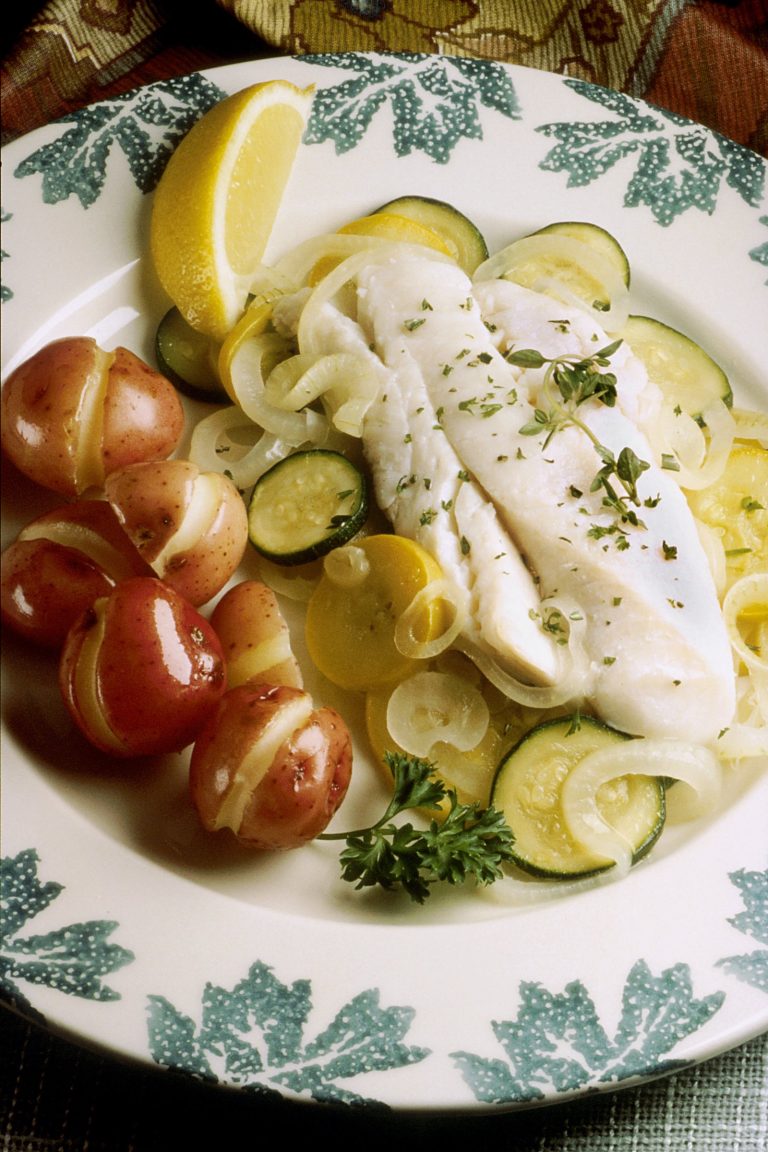
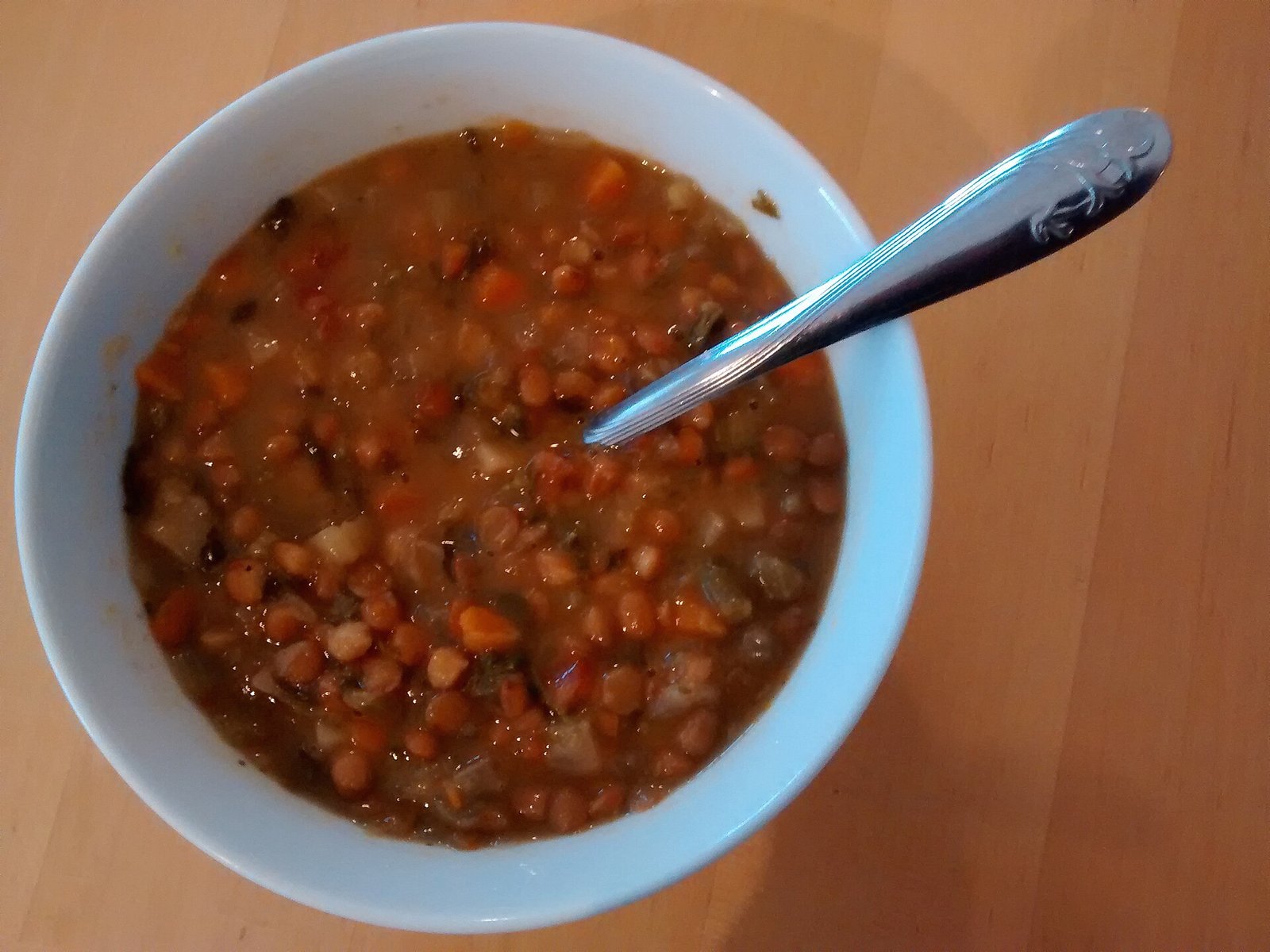
- – Fresh fish, poultry, beans, lentils, eggs, and unsalted nuts (portioned) often beat cured meats and salty packaged dinners.
- – If appetite is poor during flares, smaller frequent meals may be easier—ask about protein goals if cardiac cachexia is a concern.
Fluid habits your cardiologist actually wrote down
- – NHLBI: talk about amounts and types of fluids that are safe; excess can worsen symptoms.
- – Measure if you have a numeric limit; include soups and juicy fruits in the tally if instructed.
Heart-failure–adjacent habits when pumping is reduced
- – Many cardiomyopathy complications overlap heart-failure nutrition themes—see heart failure diet guide—while still following your specific cardiomyopathy subtype rules (especially hypertrophic cardiomyopathy activity limits).
Foods and habits that often worsen cardiomyopathy kitchen patterns
- – Restaurant soups, deli meats, frozen entrées, chips, and bottled sauces that quietly blow past sodium targets.
- – Salting “by eye” plus salty sauces at the same meal.
- – Alcohol above your clinician’s limit—or any alcohol if you were told to abstain (Mayo/NHLBI).
- – Energy drinks or excess caffeine if they trigger palpitations for you—ask your team.
- – Large late salt loads before bed that worsen overnight swelling or orthopnea for some people.
- – Ignoring sudden weight jumps from fluid while “eating clean” salads dressed in salty bottled ranch.
- – Self-starting stimulant weight-loss powders that stress heart rate.
“Limit” means reducing sodium, alcohol, and unsafe exercise fueling myths—not that one slice of bread defines prognosis.
Practical kitchen protocol: a cardiomyopathy diet week
1. Keep the medical spine first
Confirm sodium target, fluid limit (if any), weighing schedule, medicine list (diuretics, ACE/ARB/ARNI, beta-blockers, anticoagulants as prescribed), ICD precautions, and activity clearance.
2. Shopping list for lower-sodium cardiac kitchens
Fresh/frozen vegetables and fruit; oats and other whole grains; beans (dried or no-salt-added); fresh fish/poultry; eggs; yogurt; olive oil; herbs; lemon; unsalted popcorn or fruit for snacks—skip the cured-meat aisle as a default.
3. Default plate template
- – Produce half the plate when appetite allows
- – Modest unsalted protein
- – Whole-grain carbohydrate as tolerated
- – Sauce you control (homemade herbs/oil/citrus)
4. Sample day (illustrative; match fluid/sodium orders)
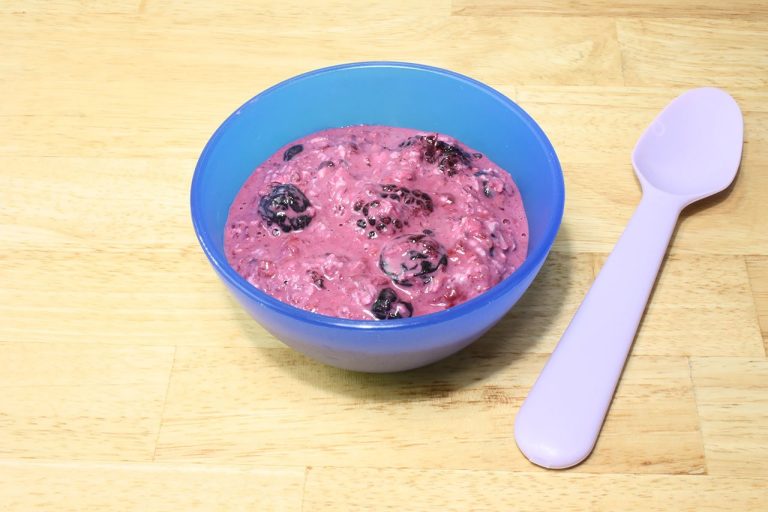
- – Breakfast: oatmeal with berries; water or allotted fluid.
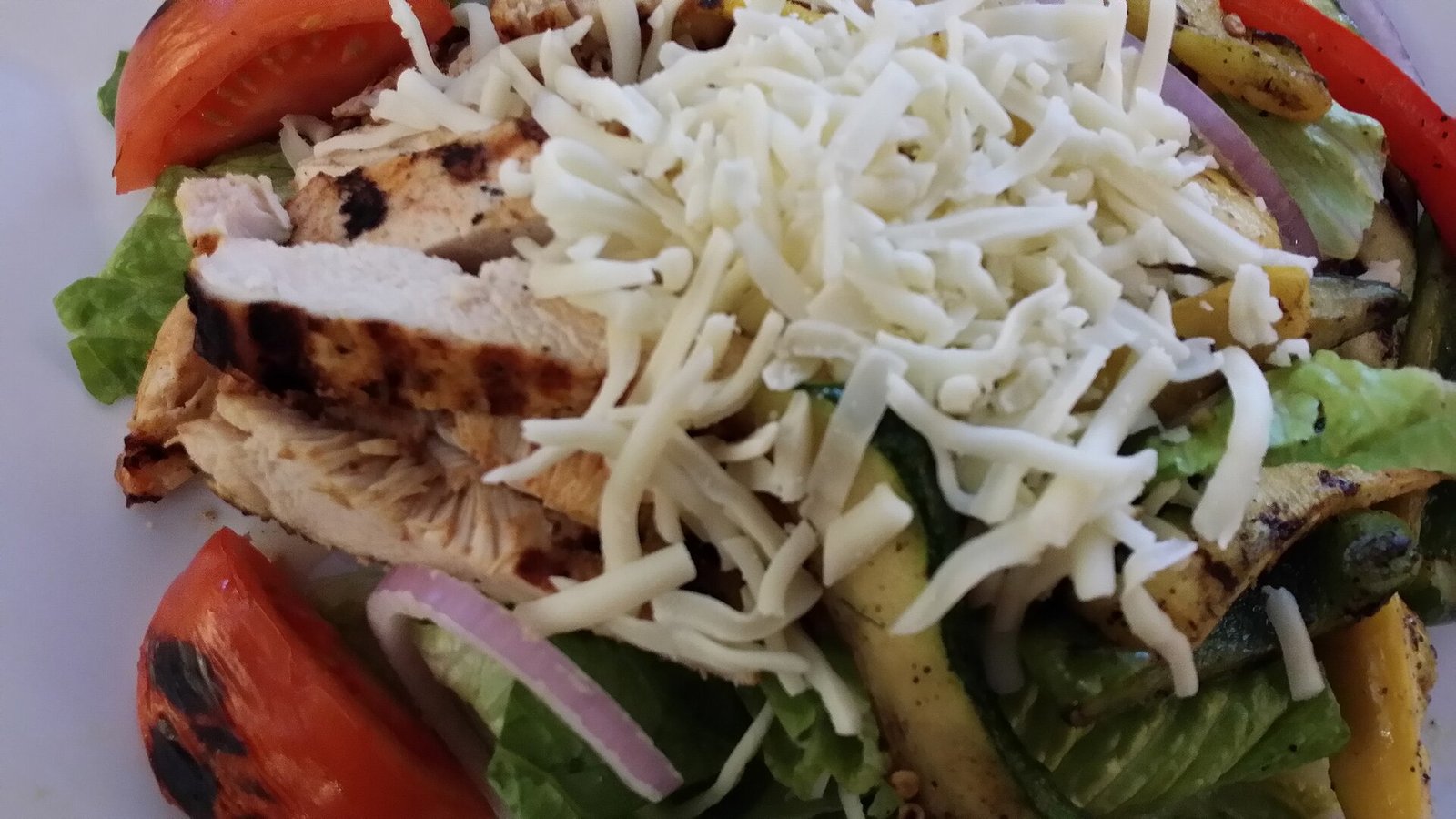
- – Lunch: grilled chicken vegetable salad with oil-lemon dressing; fruit.
- – Snack: unsalted yogurt or fruit.
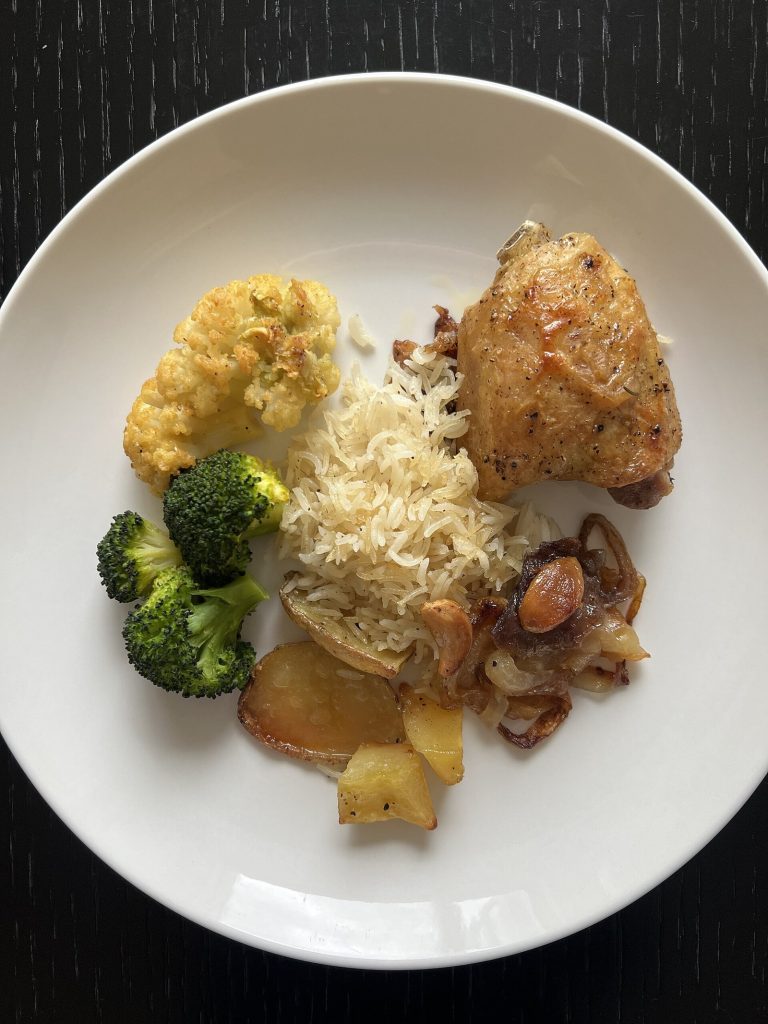
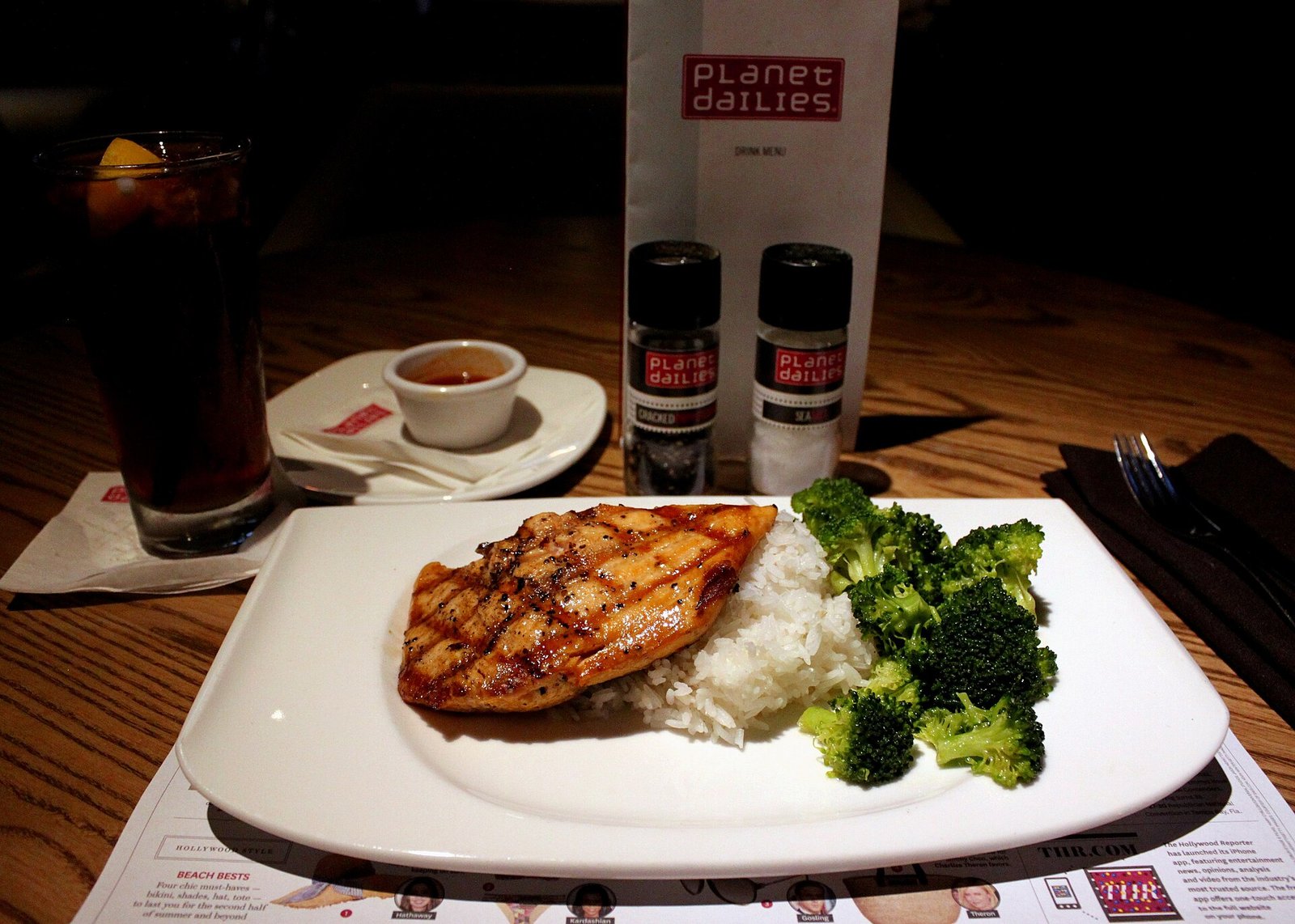
- – Dinner: baked salmon, unsalted rice, broccoli; herbs instead of soy-sauce pours.
- – Evening: check morning-to-evening weight trend if that is part of your plan.
5. Home setup tips
Move the salt cellar off the table; keep a sodium-tracking note on the fridge; batch-cook unsalted soups you season per bowl.
6. If blood pressure or lipids are co-managed
Coordinate with hypertension diet guide patterns without double-counting conflicting advice—your cardiomyopathy clinician’s sodium/fluid rules win.
Reading labels without living in fear
- – Compare sodium per serving, then check servings per container—many “single” frozen meals hide two servings.
- – Watch soft drinks, sports drinks, and flavored coffees if they count against a fluid limit your clinic wrote down.
- – If a relative has inherited cardiomyopathy, kitchen education does not replace their own screening appointment (NHLBI family-screening theme).
Eating out with cardiomyopathy-aware defaults
- – Ask for sauces and dressings on the side; choose grilled items over fried; skip the bread-basket butter stack if sodium/fat targets are tight.
- – Share oversized restaurant portions or box half immediately to avoid both sodium and volume overload in one sitting.
Safety, interactions, and who should ask a clinician first
- – Call emergency services for chest pain, severe shortness of breath, fainting, stroke warning signs, or suspected sudden cardiac arrest (NHLBI emergency framing).
- – Worsening ankle/abdomen swelling, rapid weight gain, or new orthopnea: contact cardiology promptly.
- – Kidney disease plus diuretics: sodium/fluid/potassium rules are individualized.
- – Anticoagulation: keep vitamin K intake consistent if you use warfarin—ask before kale cleanse swings.
- – Pregnancy or peripartum cardiomyopathy history: specialist diet and activity plans only.
FAQ
Can diet reverse cardiomyopathy? No. Public sources frame food and lifestyle as supportive beside medicines, devices, and procedures.
How much sodium is “low enough”? Mayo patient education for cardiomyopathy self-care mentions aiming for less than 1,500 mg/day; your cardiologist may individualize—especially with blood pressure, kidney function, or diuretics.
Should I force high fluid intake? Not automatically. NHLBI says excess fluid can worsen symptoms—use your written limit.
Is exercise part of “diet”? Activity is separate but linked: NHLBI stresses clinician-guided types/amounts; do not self-prescribe HIIT because a fitness app said so.
How is this different from a heart-failure diet page? Large overlap—see heart failure diet guide—but cardiomyopathy pages also stress subtype-specific activity limits, family screening themes, and device/arrhythmia context.
How this differs from related OTCFood topics
This page is a cardiomyopathy-bound diet guide focused on lower-sodium cooking, clinician-set fluids, and alcohol limits around heart-muscle disease. It is not a post-stent recovery twin (diet after coronary stent guide), not a pacemaker-only lifestyle sheet (diet after pacemaker implantation guide), and not a promise that grocery swaps replace ablation or transplant pathways.
Medical disclaimer
Medical disclaimer: This article is for general information only. It is not medical advice, diagnosis, or a treatment plan. Cardiomyopathy care depends on subtype, ejection fraction, rhythm devices, kidney function, and your cardiology protocol. Talk with a clinician or registered dietitian before starting, stopping, or changing any eating plan, fluid goal, supplement, or medicine. Seek emergency care for severe chest pain, trouble breathing, fainting, or stroke symptoms.