Diet After ERCP: Foods That May Help and Foods to Limit
Medical note: This article discusses foods and researched botanicals. It does not claim to prevent, treat, or cure disease. Supplements are not a substitute for food, and studied amounts are not personal prescriptions.
People searching “diet after ERCP foods that help or worsen” usually want a staged kitchen plan that respects the clear-liquid window, reduces nausea risk, and supports comfort while they watch for pancreatitis or bleeding red flags—not a claim that food heals bile ducts or replaces the proceduralist’s discharge instructions. NIDDK explains that endoscopic retrograde cholangiopancreatography (ERCP) combines upper GI endoscopy and x-rays to find and treat problems of the bile and pancreatic ducts. MedlinePlus notes ERCP is used to treat and evaluate stones, tumors, or narrowed areas of those ducts.
What this after-ERCP diet guide covers (and what it does not)
This guide is for adults recovering from ERCP who want practical eating steps while they follow sedation recovery rules, ride-home requirements, and complication watches. Anchors: MedlinePlus — ERCP, NIDDK — ERCP, and related pancreatic/bile-duct diet context on OTCFood.
NIDDK aftercare notes you may feel bloating, nausea, or a sore throat for a short time; you typically stay 2 to 6 hours so sedation wears off, and some people stay overnight. Your doctor may tell you to follow a clear-liquid diet for 4 to 6 hours after the procedure; some people may need to wait 24 hours before eating solid food. Risks include pancreatitis, infection, bleeding, perforation, and sedative reactions (about 5% to 10% of procedures in NIDDK’s cited range). Kitchen habits do not replace calling for fever, severe abdominal/chest pain, bloody vomit, or black stools. Related reading: pancreatitis diet guide and diet after cholecystectomy guide.
Evidence snapshot: after-ERCP diet claims vs public sources
| Claim people hope for | What public sources actually say | Confidence |
|---|---|---|
| “Eating a big steak right after proves the procedure worked” | NIDDK: clear liquids for hours; solids may wait up to 24 hours per clinician | Strong: follow staged advancement |
| “A detox juice prevents post-ERCP pancreatitis” | Pancreatitis risk is a known procedural complication needing medical recognition—not a juice protocol | Strong: food is supportive only |
| “Skipping all fluids keeps the ducts ‘dry and safe’” | Hydration with clinician-approved clear liquids is part of early recovery; dehydration helps no one | Strong: under-drinking backfires |
| “High-fat celebratory meals are fine the same night” | After biliary/pancreatic procedures, many clinicians prefer low-fat advancement when solids return—individualize | Moderate: ask your team |
| “Diet replaces the need to watch for black stools or severe pain” | NIDDK lists urgent symptoms that need care right away | Strong: red flags override menus |
Foods and patterns that may help after ERCP day to day
“May help” means supporting gentle refeeding and hydration while the throat and gut settle—not a promise that food prevents every ERCP complication.
Phase with your discharge sheet (illustrative timeline—obey yours)
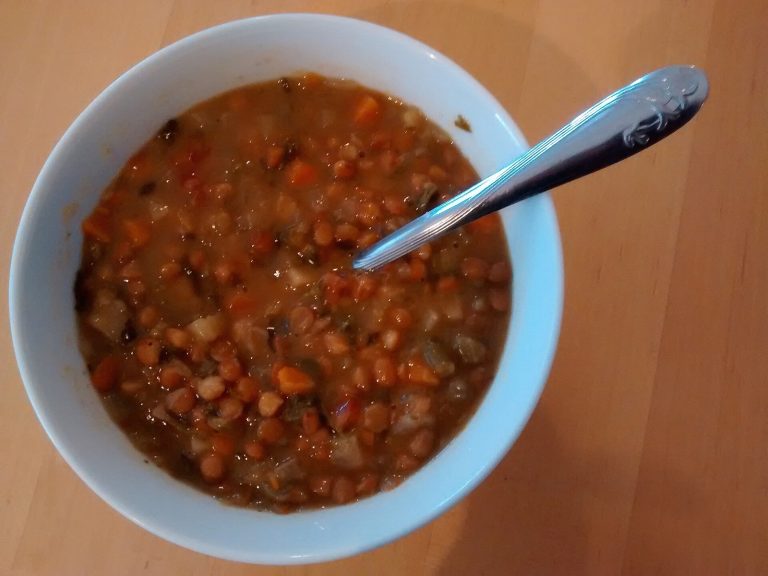
- – Early hours: clear liquids as directed—water, clear broths, clear juices without pulp, oral rehydration solutions if advised; avoid alcohol.
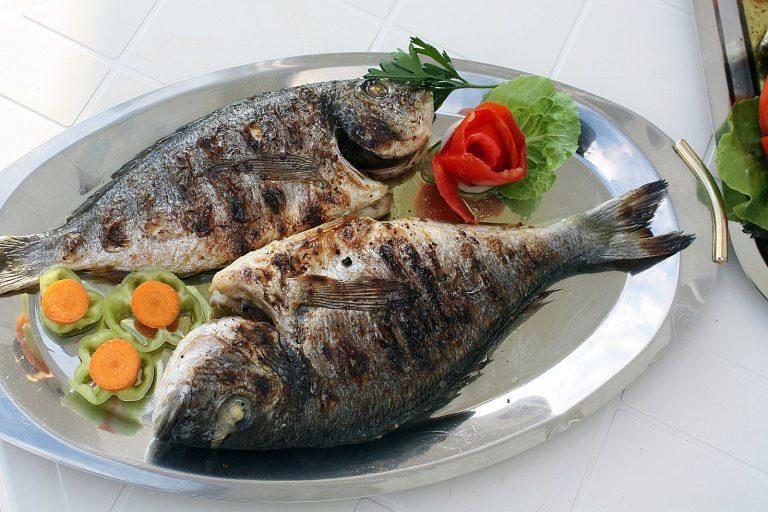
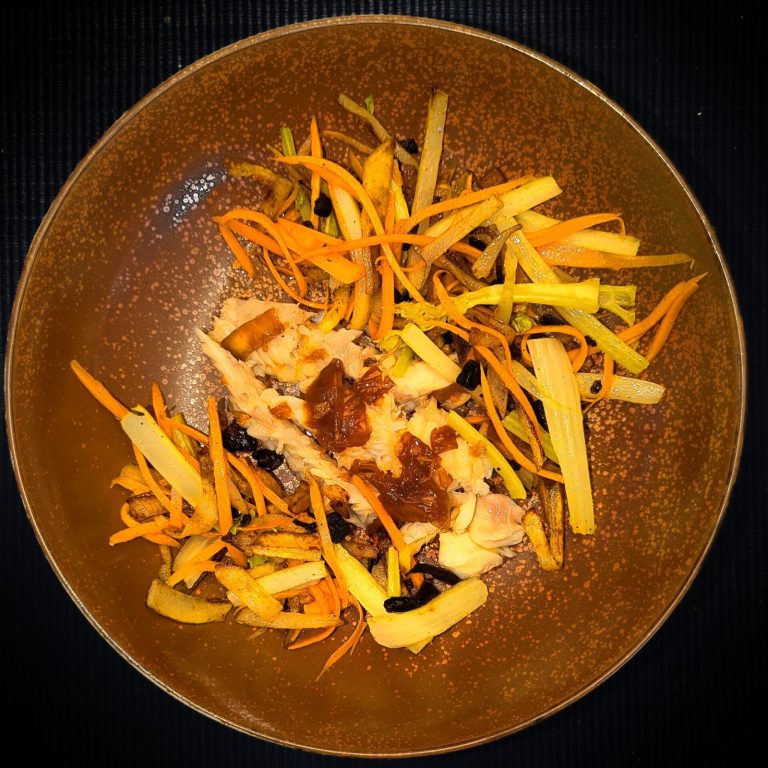
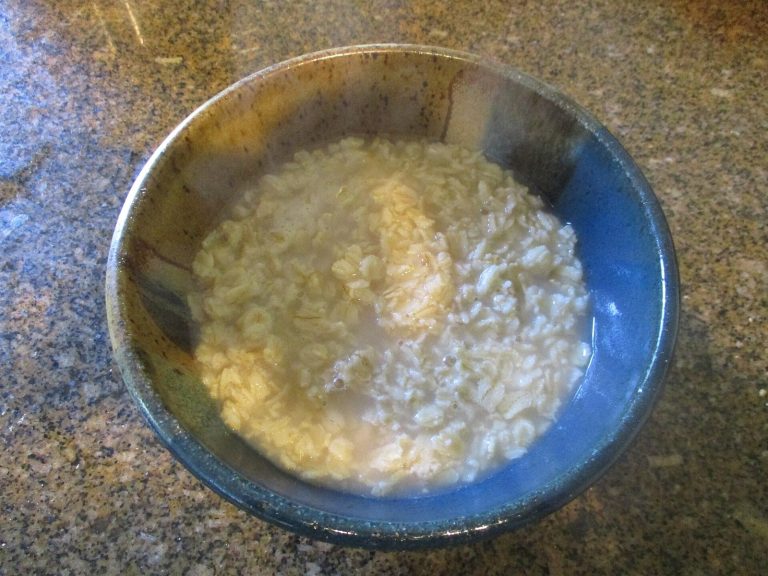
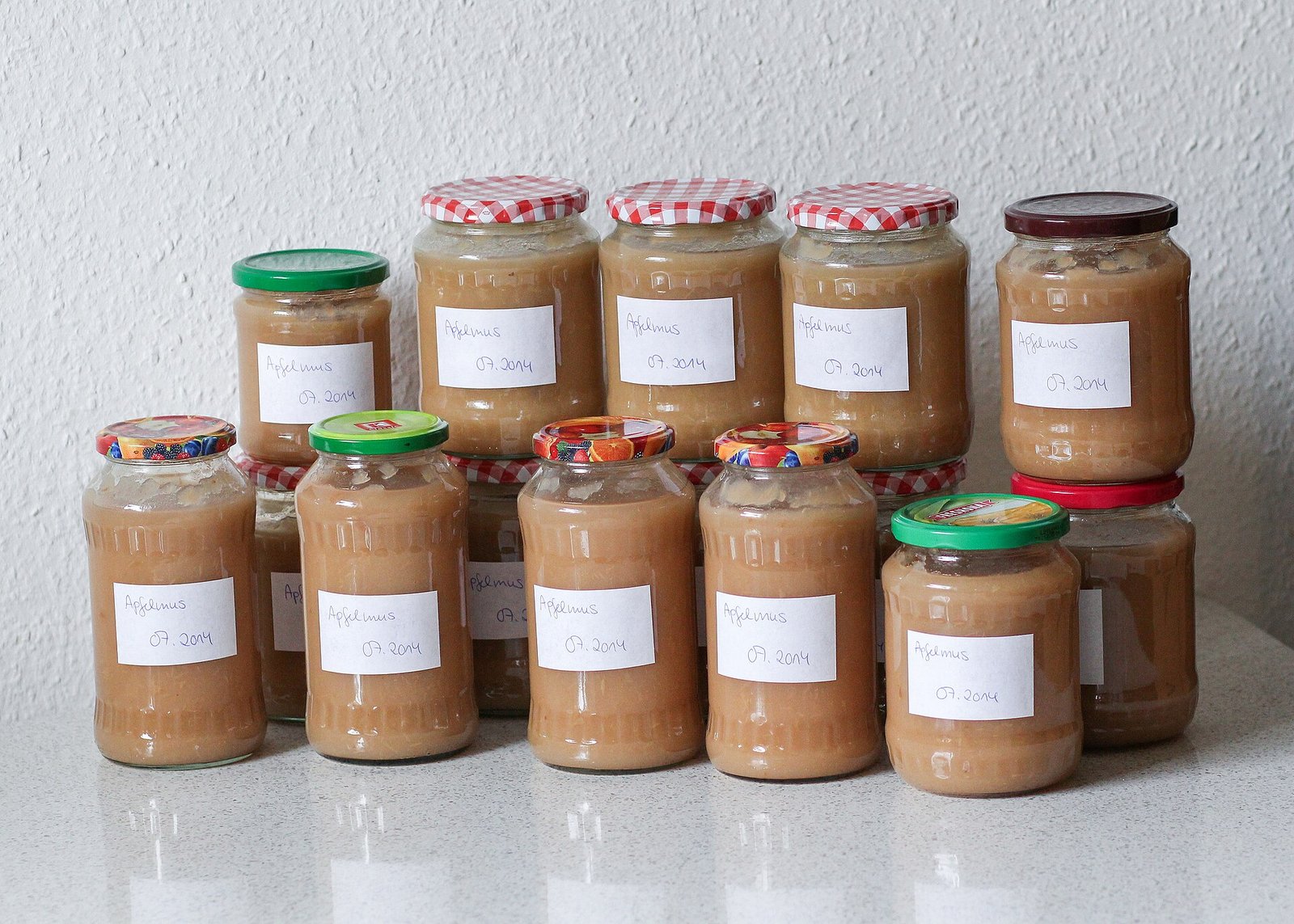
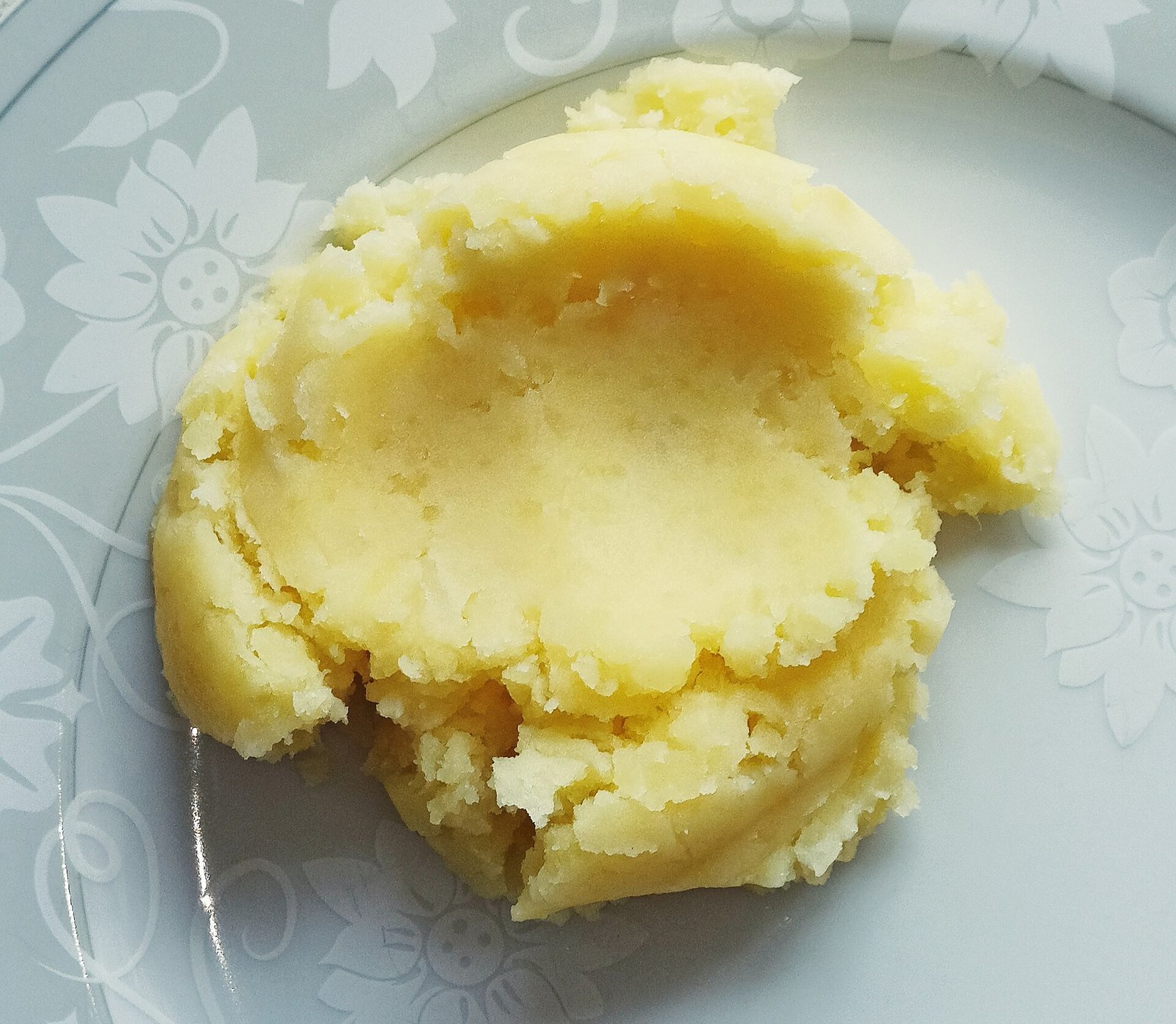
- – When cleared for solids: soft, low-fat, easy-to-chew foods—applesauce, yogurt if tolerated, eggs, oatmeal, mashed potato, tender fish/poultry, well-cooked vegetables.
- – If gallstones or gallbladder removal are part of the story: longer-term fat tolerance varies—see gallbladder removal diet guide.
Fluids for sore throat and mild nausea
- – Room-temperature water and nonacidic clear fluids are often easier than ice-cold soda or citrus right away.
- – Small sips beat gulping if nausea is present.
Low-fat, smaller plates when advancing
- – Large, greasy meals can be harder if the pancreas or bile ducts were instrumented.
- – Think soup-and-toast energy before fried takeout. Overlap themes with chronic pancreatitis diet guide when chronic disease is present—without equating ERCP recovery to chronic pancreatitis protocols.
Rest and medicine timing
- – Take pain or anti-nausea medicines exactly as prescribed; note which ones should be taken with food once solids are allowed.
- – Do not drive or drink alcohol while sedative effects linger—follow the written rules.
Written questions worth asking at discharge
- – Exact clear-liquid duration and first allowed solid examples.
- – Whether a low-fat limit applies for several days.
- – Which pain or anti-nausea medicines to take with food once eating resumes.
- – Who to call after hours for fever or severe pain—and which ER to use if instructed.
- – Keep a fridge card with NIDDK-style urgent symptoms so household members know when to escalate.
Foods and habits that often worsen after-ERCP kitchen patterns
- – Pushing solids before the clinician’s window because you “feel fine” in the recovery bay.
- – Alcohol the same day (or while on sedating medicines).
- – Heavy fried, creamy, or very spicy meals as the first solid plate for many people.
- – Carbonated drinks if bloating from air insufflation is still uncomfortable.
- – Ignoring pancreatitis-like pain while searching for a “soothing smoothie recipe.”
- – NSAID stacks without checking the discharge list if bleeding risk was discussed.
- – Expecting kitchen changes to fix vomiting blood, black stools, fever, or breathing trouble—those are emergency pathways.
“Limit” means respecting staged textures and fat load—not lifelong food fear after an uncomplicated ERCP.
Practical kitchen protocol: the first 72 hours after ERCP
1. Keep the medical spine first
Confirm clear-liquid duration, when solids are allowed, which medicines restarted, anticoagulation plan, and the exact phone number for after-hours problems. Arrange a responsible adult if sedation was used.
2. Shopping / staging list
Clear broths; oral rehydration solution or sports drink if advised; applesauce; gelatin if allowed on your clear list; yogurt; oatmeal; mashed potato; eggs; tender white fish or chicken; soft cooked carrots/zucchini; crackers; water bottles at bedside.
3. Default advancement template
- – Clear liquids → soft low-fat solids → regular balanced meals as hunger and pain allow
- – Stop and call if severe upper abdominal pain, persistent vomiting, or fever appears
4. Sample day (illustrative—only after your team clears each phase)
- – Morning (clear phase): water and clear broth in small cups.
- – Midday (if solids cleared): applesauce, yogurt, toast; water.
- – Afternoon: oatmeal; soft banana if tolerated.
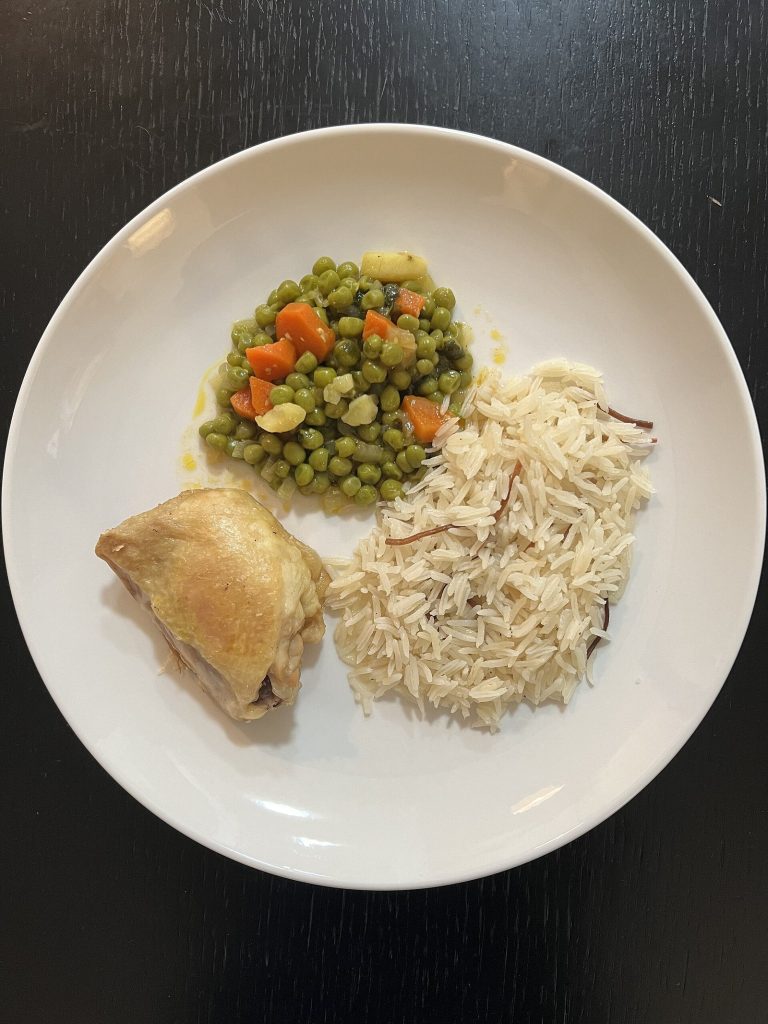
- – Evening: mashed potato with tender fish; cooked carrots; water.
- – Night: light fluid; no alcohol; note pain scores for the morning call if needed.
5. Home setup tips
Keep a vomit basin and thermometer handy the first night; set phone reminders for antibiotics if prescribed; avoid lying flat immediately after larger meals if reflux is an issue—see GERD acid reflux diet guide for reflux kitchen themes once you are fully advanced.
6. If chronic stone or pancreatitis disease continues
Long-term patterns may overlap pancreatitis diet guide and diet after cholecystectomy guide, but the first 24 hours still belong to ERCP discharge rules.
Safety, interactions, and who should ask a clinician first
- – NIDDK urgent list: bloody or black tar-colored stool; fever; severe chest or abdominal pain; breathing problems; worsening throat pain or swallowing problems; vomiting blood or coffee-ground material.
- – Diabetes: clear-liquid days need glucose plans—ask before the procedure when possible.
- – Pregnancy: ERCP decisions are specialized—follow obstetric and GI guidance only.
- – Anticoagulation: bleeding risk management is clinician-owned, not a kitchen experiment.
FAQ
Can diet prevent post-ERCP pancreatitis? No dietary pattern replaces procedural risk counseling. Follow the liquid-to-solid plan and seek care for severe pain/vomiting.
How long are clear liquids required? NIDDK cites 4 to 6 hours for many people; some wait 24 hours for solids—your written instructions win.
When can I have coffee or alcohol? Ask your team. Alcohol is a poor match with recent sedation and pancreatic risk; coffee timing is individualized once liquids advance.
Is a low-fat diet forever after ERCP? Not automatically. Duration depends on why ERCP was done (stones, stricture, sphincterotomy) and whether the gallbladder or pancreas remains symptomatic.
How is this different from a pancreatitis diet page? If pancreatitis complicates ERCP, follow hospital guidance and see pancreatitis diet guide. Uncomplicated ERCP recovery is often a short staged refeed.
How this differs from related OTCFood topics
This page is an ERCP-recovery-bound diet guide focused on clear-liquid timing, soft low-fat advancement, and red-flag recognition. It is not a gallstone-prevention manifesto, not a cancer diet, and not a substitute for the endoscopist’s call.
Medical disclaimer
Medical disclaimer: This article is for general information only. It is not medical advice, diagnosis, or a treatment plan. Care after ERCP depends on findings, interventions performed, bleeding risk, other GI conditions, and your clinician’s protocol. Talk with a clinician or registered dietitian before starting, stopping, or changing any eating plan, supplement, or medicine. Seek urgent care for fever, severe abdominal or chest pain, bloody vomit, black stools, or breathing difficulty.