Avascular Necrosis Diet: Foods That May Help and Foods to Limit
Medical note: This article discusses foods and researched botanicals. It does not claim to prevent, treat, or cure disease. Supplements are not a substitute for food, and studied amounts are not personal prescriptions.
People searching “avascular necrosis diet foods that help or worsen” usually want kitchen habits that support bone nutrients, limit alcohol patterns linked to risk, and keep calories steady during limited weight-bearing—not a claim that food restores blood flow to dead bone or replaces crutches, imaging, or orthopedic surgery. MedlinePlus describes osteonecrosis (avascular necrosis) as bone death from poor blood supply, most often in the hip and shoulder, that can collapse and lead to severe arthritis. NIAMS explains disrupted blood flow causes bone tissue death and joint collapse risk, and notes most people eventually need surgery to protect the joint.
What this avascular necrosis diet guide covers (and what it does not)
This guide is for adults living with osteonecrosis/avascular necrosis who want practical eating patterns while they follow activity limits, pain plans, and surgical timelines from their clinicians. Anchors: MedlinePlus — Osteonecrosis, MedlinePlus — Osteonecrosis topic, NIAMS — Osteonecrosis overview, NIAMS — Diagnosis, treatment, and steps to take, plus nutrient context from ODS — Calcium and ODS — Vitamin D. Related reading: osteoporosis diet guide, osteopenia diet guide, and diet after hip replacement guide.
MedlinePlus lists risk factors including long-term oral or IV steroids, excessive alcohol use, trauma, clotting disorders, sickle cell disease, and others. NIAMS nonsurgical options may include anti-inflammatory medicines, physical therapy, cane/crutches for weight-bearing bones, and carefully used injections; surgery options include core decompression, bone grafts, osteotomy, and joint replacement. Kitchen changes do not reverse established bone collapse or replace orthopedic decisions.
Evidence snapshot: avascular necrosis diet claims vs public sources
| Claim people hope for | What public sources actually say | Confidence |
|---|---|---|
| “A bone broth cleanse reverses osteonecrosis” | NIAMS/MedlinePlus center blood-flow disruption, imaging, unloading, and often surgery—not culinary reversal | Strong: food is supportive only |
| “Alcohol is fine in large amounts if you take calcium” | MedlinePlus and NIAMS list excessive alcohol as a risk factor for osteonecrosis | Strong: limit heavy drinking |
| “Calcium megadoses reopen bone blood vessels” | ODS: calcium builds/maintains bones and needs vitamin D for absorption; it is not described as restoring AVN blood flow | Strong: nutrients support bones, not AVN cure |
| “Complete bed rest plus fasting heals faster” | Early care may limit weight-bearing with crutches; fasting is not a MedlinePlus AVN protocol | Strong: follow unloading plans with adequate nutrition |
| “Diet replaces joint replacement when collapse occurs” | NIAMS: many people eventually need surgery; total joint replacement is among options when disease progresses | Strong: surgery decisions are clinical |
Foods and patterns that may help with avascular necrosis day to day
“May help” means supporting general bone nutrition, steadier energy during limited mobility, and alcohol risk reduction—not a promise that dinner revascularizes the femoral head.
Calcium-containing foods in recommended amounts
- – ODS: adults 19–50 generally need about 1,000 mg/day; women 51–70 and adults 71+ often 1,200 mg/day—confirm your target.
- – Foods: milk, yogurt, cheese; canned sardines/salmon with bones; kale, broccoli, bok choy; fortified juices and plant milks—check labels.
- – Pair with broader bone patterns in calcium deficiency diet guide and osteoporosis diet guide.
Vitamin D–aware patterns
- – ODS: vitamin D helps the body absorb calcium; adults 19–70 typically 15 mcg (600 IU)/day; 71+ often 20 mcg (800 IU)/day—labs and supplements belong to clinicians.
- – Food sources are limited: fortified milk/plant milks, some cereals, fatty fish; see vitamin D deficiency diet guide.
Protein for muscle support during unloading
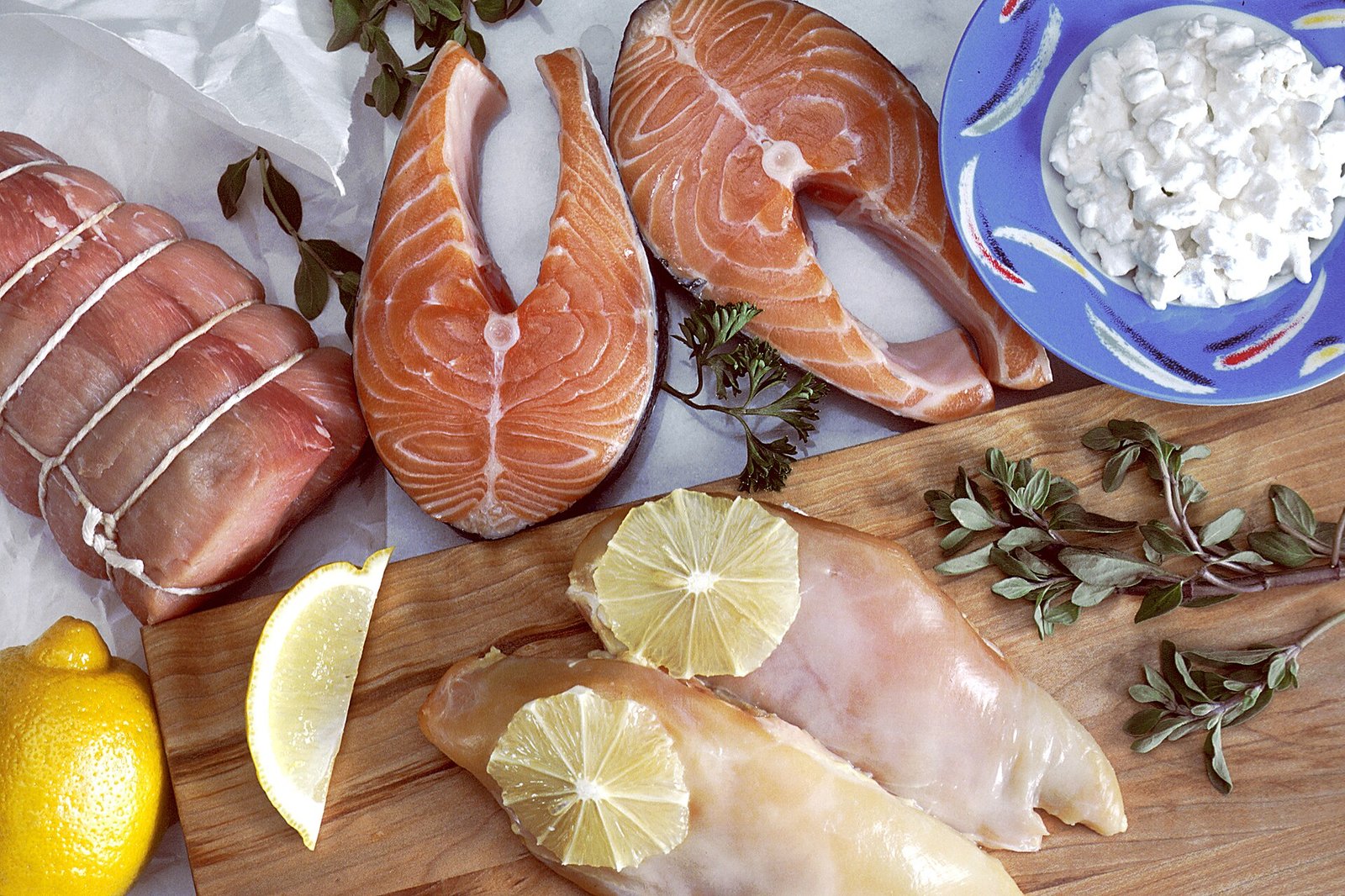
- – Eggs, dairy if tolerated, fish, poultry, beans, or tofu help maintain strength for PT and crutch use—similar recovery fueling themes as diet after hip fracture surgery guide.
Produce-forward, anti-inflammatory–style plates (supportive, not curative)
- – Vegetables, fruits, whole grains, and unsaturated fats support overall cardiometabolic health while steroids or limited mobility raise other risks—without claiming they reopen bone blood vessels.
Steady calories when cooking is hard
- – Soft, one-pan meals and dairy or fortified alternatives keep intake up if pain limits standing time.
Foods and habits that often worsen avascular necrosis kitchen patterns
- – Heavy, ongoing alcohol use—listed risk factor in MedlinePlus/NIAMS educational materials.
- – Tobacco overuse—NIAMS notes overuse of tobacco among risk discussions; ask for cessation support.
- – Ultra-restrictive “bone cleanses” that cut calories and protein during already limited mobility.
- – Self-directed megadose vitamin stacks without labs—ODS notes calcium can be harmful in excess and can interact with medicines.
- – Ignoring steroid-diet interactions if you remain on corticosteroids—coordinate bone-protective plans with the prescribing clinician.
- – Expecting kitchen changes to erase night pain, collapse, or sudden inability to bear weight—imaging and ortho follow-up needed.
- – Hauling 40-lb water jugs against weight-bearing restrictions meant to unload the joint.
“Limit” means reducing known lifestyle risk amplifiers—not that one glass of wine defines prognosis.
Practical kitchen protocol: an avascular necrosis diet week
1. Keep the medical spine first
Confirm which joint is involved, crutch/cane rules, PT exercises, pain medicines, steroid plans, and whether core decompression or replacement is scheduled. Put unloading devices where you will use them.
2. Shopping list for bone-supportive, easy cooking
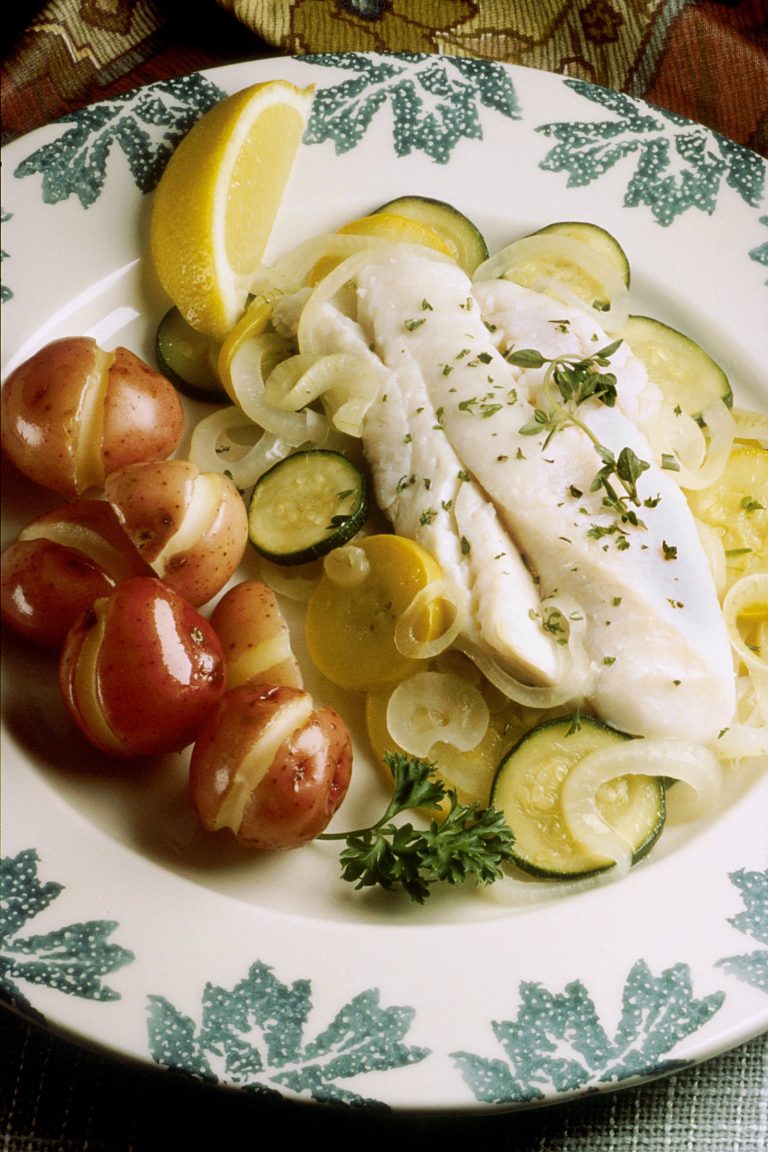
Yogurt/milk or fortified alternatives; canned fish with bones if you eat fish; leafy greens; broccoli; eggs; beans; fatty fish; fortified cereal; soft starches; olive oil; oral fluids.
3. Default plate template
- – Protein (animal or plant)
- – Calcium-containing food or fortified alternative
- – Vegetables/fruit
- – Whole-grain or potato starch as tolerated
- – Fluid
4. Sample day (illustrative)
- – Breakfast: fortified cereal or yogurt parfait; water.
- – Lunch: bean-and-vegetable bowl with fortified plant milk or dairy on the side; fruit.
- – Snack: cheese stick or fortified smoothie if allowed; water.
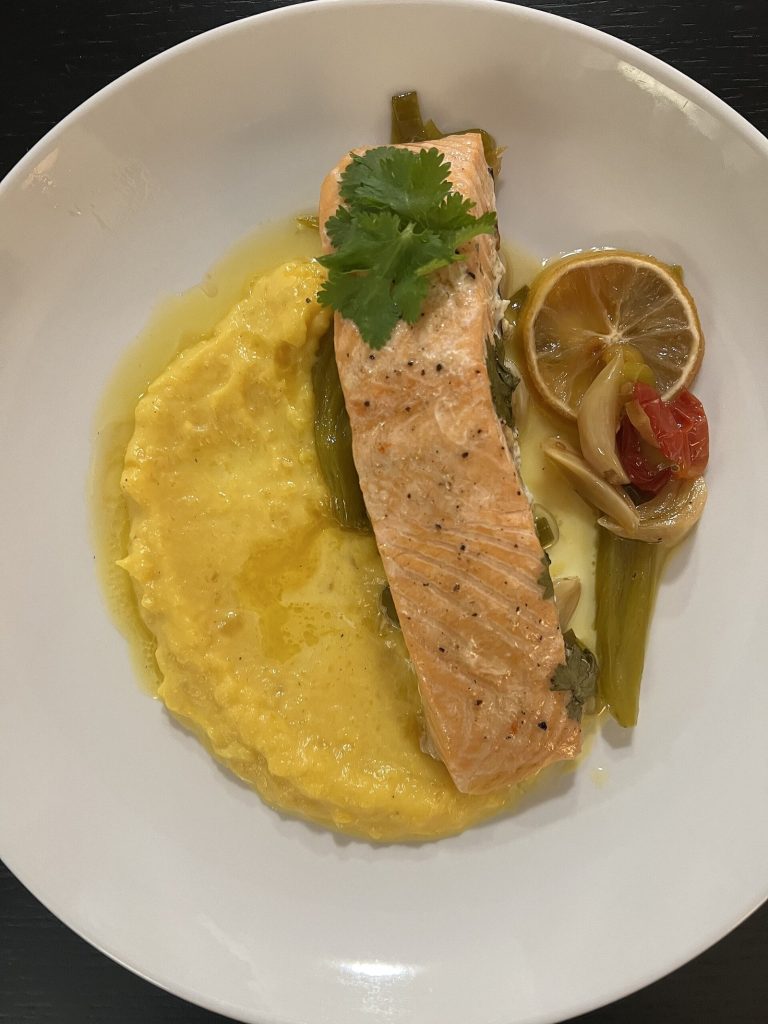
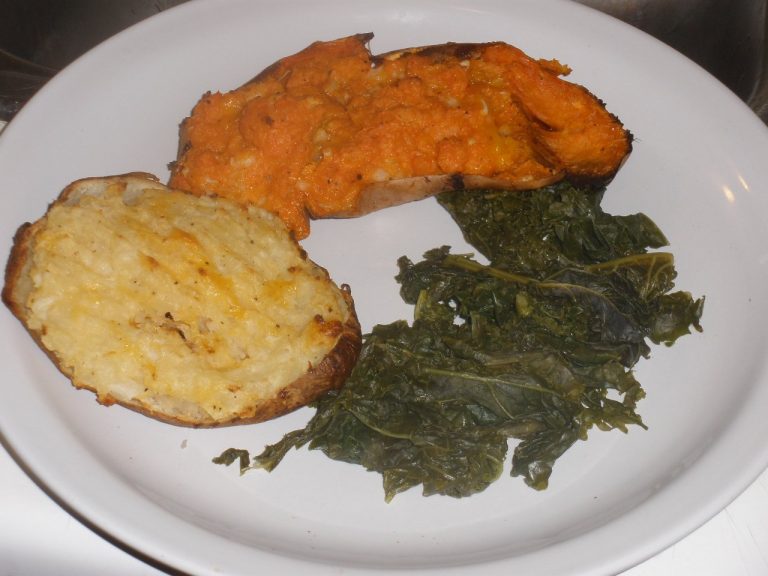
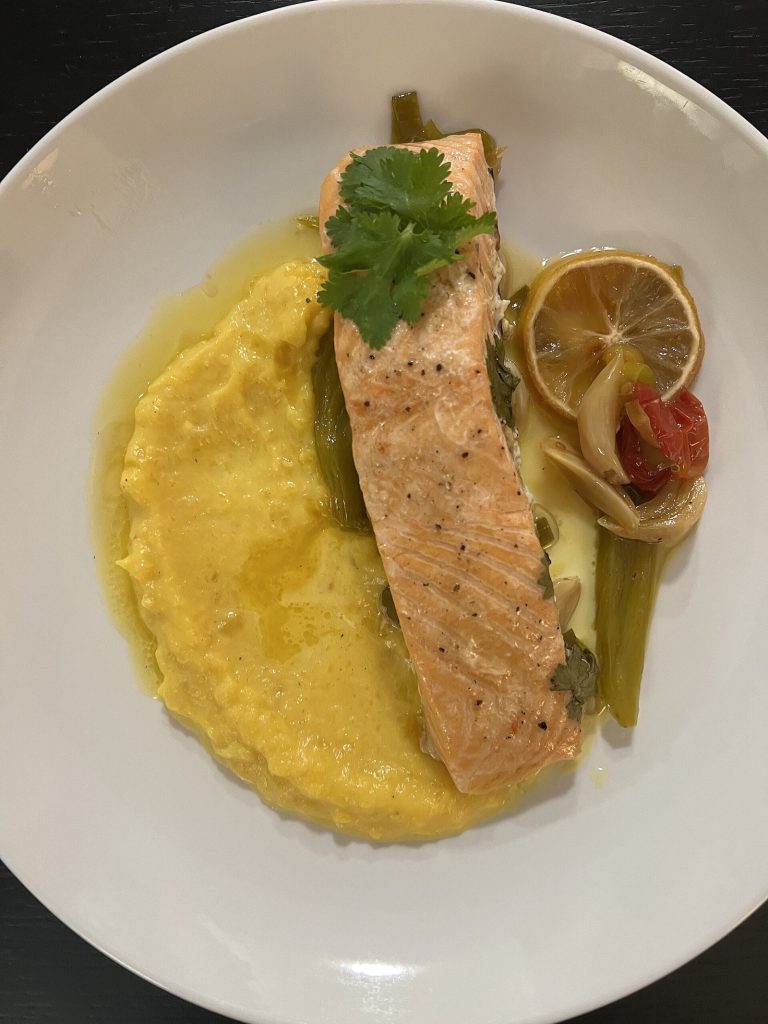
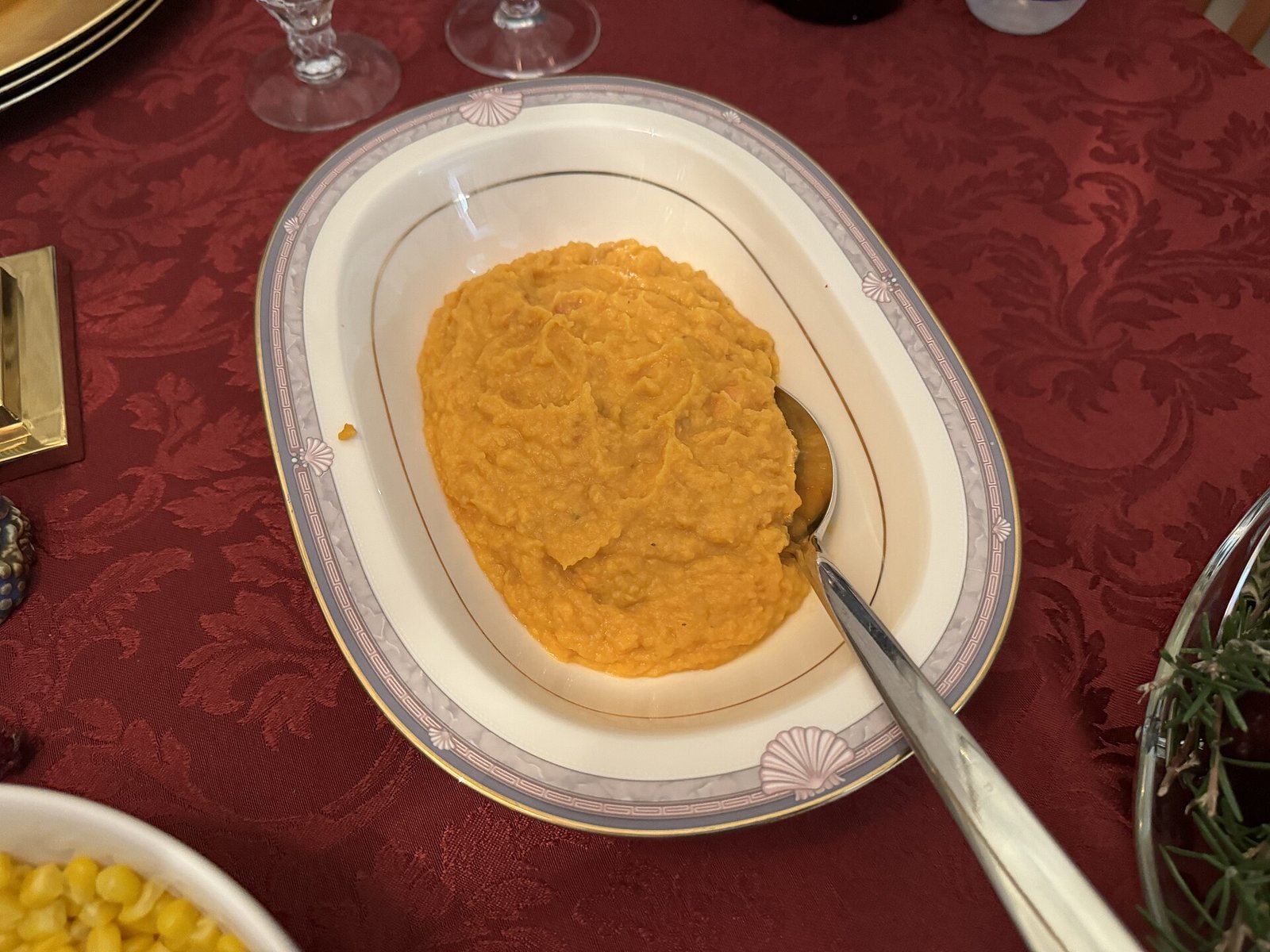
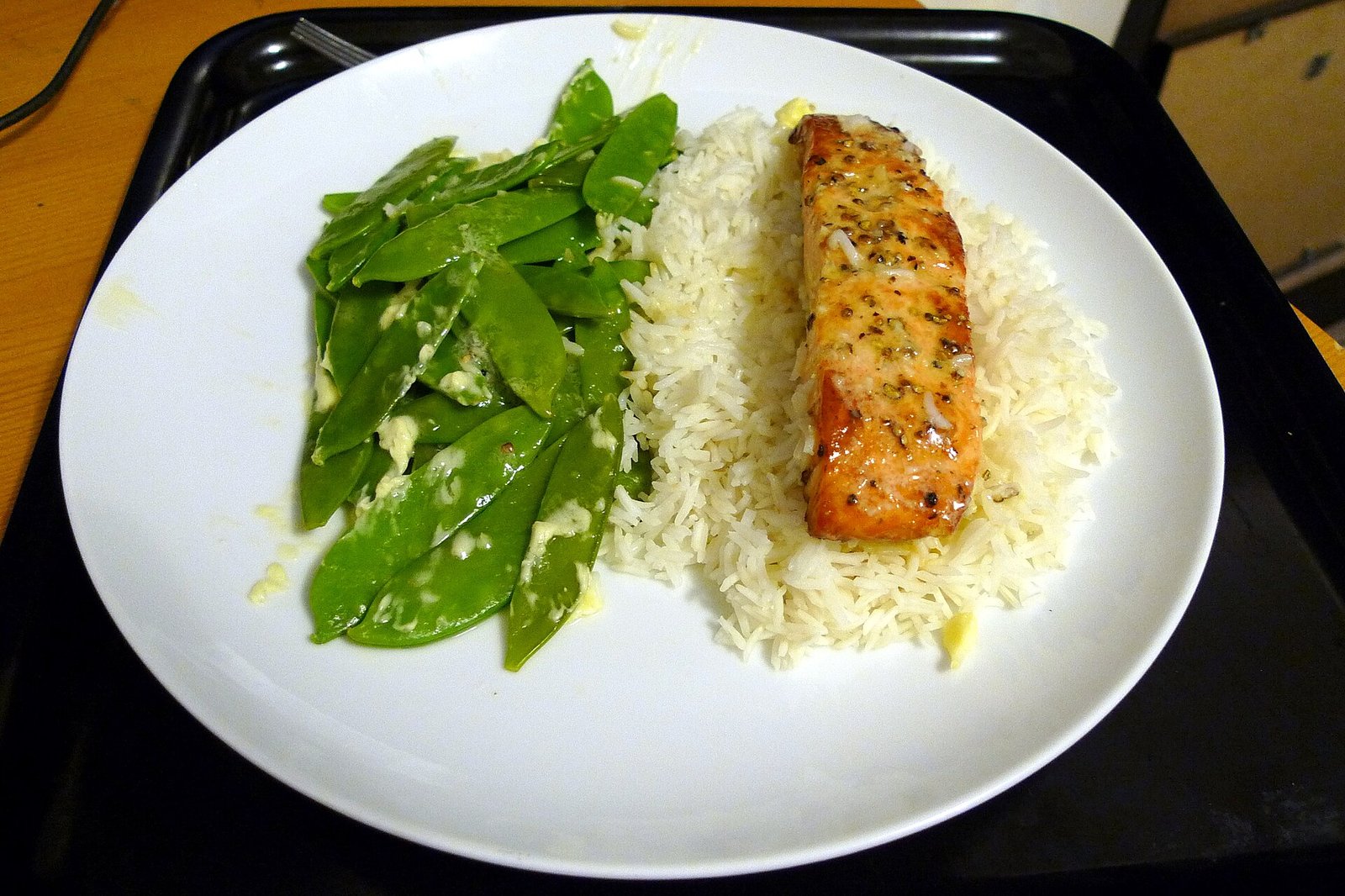
- – Dinner: salmon or tofu, mashed sweet potato, cooked greens; water.
- – Evening: calcium-containing snack if you still need to hit your daily target—not a heavy alcohol session.
5. Home setup tips
Keep frequently used foods at counter height; use a rolling cart instead of carrying heavy bags; batch-cook proteins twice a week.
6. If joint replacement is planned or done
Transition reading: diet after hip replacement guide and diet after knee replacement guide for postoperative kitchen rules your surgeon will individualize.
Safety, interactions, and who should ask a clinician first
- – Long-term corticosteroids: bone and glucose effects need coordinated nutrition—do not stop steroids on your own.
- – Kidney stones history: high calcium supplement doses need dietitian/clinician oversight (see also kidney stones diet guide).
- – Warfarin or other interacting medicines: consistent vitamin K habits if relevant to your regimen.
- – Sickle cell disease or clotting disorders: diet is adjunct only; specialty care leads.
- – Contact care for sudden severe joint pain, inability to walk, fever with joint symptoms, or steroid-related warning signs your team listed.
FAQ
Can diet reverse avascular necrosis? No. MedlinePlus/NIAMS describe blood-flow failure and often eventual surgery; food supports general bone health and risk-factor reduction.
Should I take calcium and vitamin D automatically? ODS provides life-stage targets; blood tests and supplements should be clinician-directed—especially if you have kidney disease or take interacting medicines.
Is alcohol really relevant? Educational sources list excessive alcohol among osteonecrosis risk factors—ask for help cutting back if needed.
Do I need a special “AVN meal plan” forever after joint replacement? Post-replacement eating shifts toward surgical recovery and long-term bone/heart habits—your orthopedic and rehab teams set timelines.
How is this different from an osteoporosis diet page? Osteoporosis is bone-density loss; osteonecrosis is bone death from poor blood supply—nutrient overlap exists, but unloading and surgical pathways differ. See osteoporosis diet guide.
How this differs from related OTCFood topics
This page is an avascular necrosis / osteonecrosis–bound diet guide focused on calcium/vitamin D food patterns, alcohol risk reduction, and practical fueling during limited weight-bearing. It is not a DIY core-decompression protocol and not a substitute for orthopedic care.
Medical disclaimer
Medical disclaimer: This article is for general information only. It is not medical advice, diagnosis, or a treatment plan. Care for avascular necrosis depends on stage, joint involved, steroid/alcohol history, clotting disorders, and your clinician’s protocol. Talk with a clinician or registered dietitian before starting, stopping, or changing any eating plan, supplement, or medicine. Seek urgent care for sudden severe joint pain, inability to bear weight as expected, or concerning systemic symptoms.