Diet After Myomectomy: Foods That May Help and Foods to Limit
Medical note: This article discusses foods and researched botanicals. It does not claim to prevent, treat, or cure disease. Supplements are not a substitute for food, and studied amounts are not personal prescriptions.
People searching “diet after myomectomy foods that help or worsen” usually want kitchen habits that rebuild iron stores after heavy periods, keep stools soft so abdominal straining is limited, and support recovery after fibroid-removal surgery—not a claim that food dissolves fibroids, prevents new growth, or replaces surgical follow-up. MedlinePlus describes myomectomy as surgery that removes fibroids from the uterus and notes it may be a good choice for people who want to have children; it will not prevent new fibroids from growing. Pelvic laparoscopy pages list myomectomy among procedures that can be done through small abdominal cuts when appropriate.
What this after-myomectomy diet guide covers (and what it does not)
This guide is for adults recovering from open, laparoscopic, robotic, or hysteroscopic fibroid removal who want practical eating patterns while they follow lifting limits, wound care, and bleeding watches from their gynecologic surgeon. Anchors: MedlinePlus — Uterine fibroids, MedlinePlus — Pelvic laparoscopy, MedlinePlus — Uterine fibroids topic, and NICHD — Treatments for uterine fibroids. Related reading: diet after hysterectomy guide and diet after C-section guide.
MedlinePlus notes iron supplements may be used for anemia related to heavy periods; vitamin D and green tea are mentioned as factors that may help decrease fibroid size in some educational summaries—neither replaces surgical plans or clinician-directed dosing. Kitchen changes do not replace fever, heavy vaginal bleeding, severe abdominal pain, or calf-swelling red flags. Soft early meals after anesthesia echo diet after tonsillectomy guide comfort themes without claiming ENT equivalence.
Evidence snapshot: after-myomectomy diet claims vs public sources
| Claim people hope for | What public sources actually say | Confidence |
|---|---|---|
| “A special diet prevents fibroids from ever returning” | MedlinePlus: myomectomy removes fibroids but does not prevent new ones from growing | Strong: food is not a recurrence guarantee |
| “Green tea or vitamin D replaces myomectomy” | MedlinePlus lists them among factors that may help decrease size; surgery/procedures remain options when symptoms are severe | Strong: adjunct education only |
| “Zero fiber forever protects abdominal wounds” | After the immediate surgeon-directed phase, soft fiber and fluids often help limit straining—follow your staged plan | Moderate: early texture individualized |
| “High-iron juices cure postoperative anemia overnight” | MedlinePlus links iron supplements to anemia from heavy bleeding; food iron supports patterns but dosing belongs to clinicians | Strong: labs and prescriptions lead |
| “Skipping protein ‘rests the uterus’” | Protein-containing meals support general surgical recovery fueling; uterus-specific “rest diets” are not MedlinePlus myomectomy protocols | Strong: undereating rarely helps healing |
Foods and patterns that may help after myomectomy day to day
“May help” means supporting hydration, iron-aware plates if you were anemic, and softer stools so abdominal pressure stays lower—not a promise that lunch rebuilds the uterine wall on a fixed clock.
Soft, easy meals early after anesthesia
- – Broth, yogurt, eggs, oatmeal, ripe bananas, applesauce, and tender proteins reduce kitchen strain when walking and coughing already hurt.
- – Advance from clear liquids only as your surgeon and hospital diet orders allow—do not invent a prolonged “detox fast.”
Iron-aware patterns if labs showed anemia
- – MedlinePlus links iron supplements with anemia from heavy periods; food sources often include lean meats, beans, fortified cereals, and leafy greens—pair plant iron with vitamin C–containing foods if your clinician agrees.
- – See iron deficiency anemia diet guide for broader kitchen context; postoperative supplement brands/doses stay with your team.
Fiber and fluids to limit straining
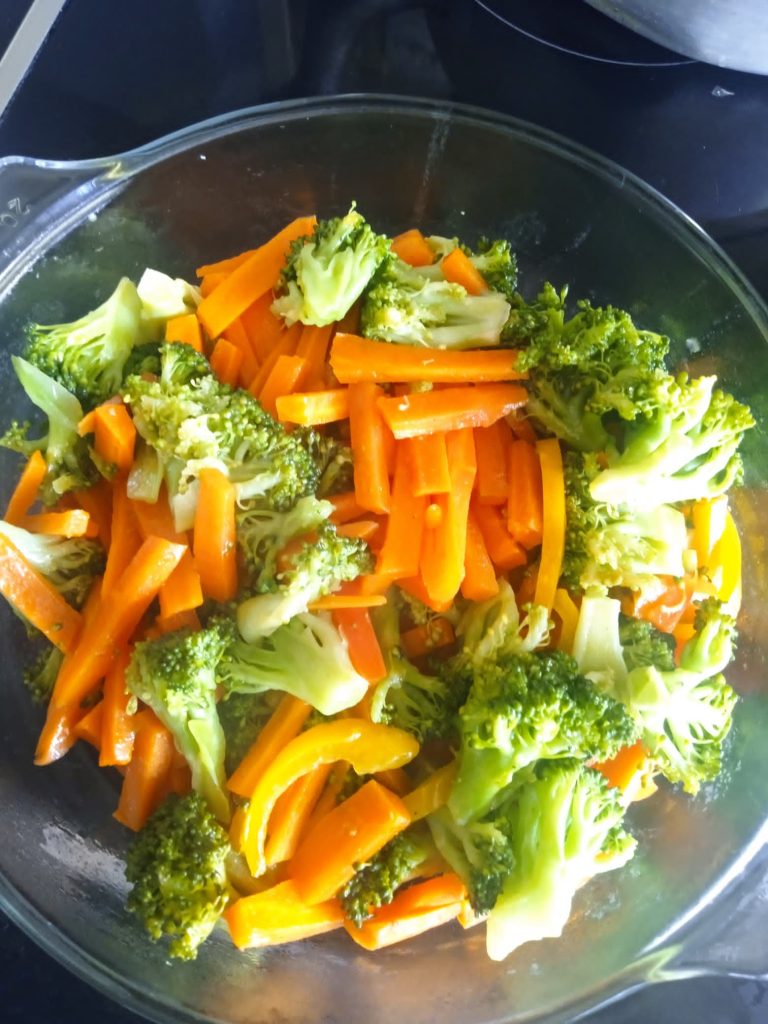
- – Constipation from opioids and reduced mobility is common; oats, soft fruit, cooked vegetables, and water may help once cleared—constipation diet guide.
- – Avoid holding your breath and bearing down hard against abdominal wounds.
Protein for recovery fueling
- – Eggs, dairy if tolerated, fish, poultry, tofu, or beans as energy returns—similar recovery fueling themes as other abdominal surgeries such as diet after hernia repair guide.
Steady nonalcoholic fluids
- – Support circulation, fiber function, and medication schedules; skip heavy alcohol while on pain medicines and while bleeding risk is monitored.
Foods and habits that often worsen after-myomectomy kitchen patterns
- – Low-fluid, low-fiber patterns that harden stool and invite abdominal straining.
- – Heavy lifting of water cooler jugs “for hydration” against lifting limits.
- – Unprescribed stimulant laxative stacks or “colon cleanses.”
- – Alcohol binge patterns while on opioids or blood-thinning plans.
- – Expecting kitchen changes to stop heavy vaginal bleeding, fever, foul discharge, or calf pain/swelling—surgical/thrombosis red flags.
- – Self-starting high-dose iron without labs—constipation and dosing errors are common.
- – Megadose “fibroid detox teas” marketed to shrink growths instead of keeping follow-up appointments.
“Limit” means reducing strain and anemia risk—not that one restaurant meal defines fertility plans.
Practical kitchen protocol: an after-myomectomy diet week
1. Keep the medical spine first
Confirm incision care, vaginal bleeding precautions, activity/lifting limits, VTE prevention (walking/compression as ordered), stool-softener plan, and whether iron was prescribed. Put medicines where doses are hard to miss.
2. Shopping list for soft, iron-aware recovery
Eggs; yogurt; fortified cereal; beans; leafy greens if tolerated; citrus or berries for vitamin C pairing; oats; soft fruit; tender fish/poultry; olive oil; oral fluids; fiber supplement only if advised.
3. Default plate template (when advancing)
- – Soft lean protein or beans
- – Soft starch (oats, potato, rice)
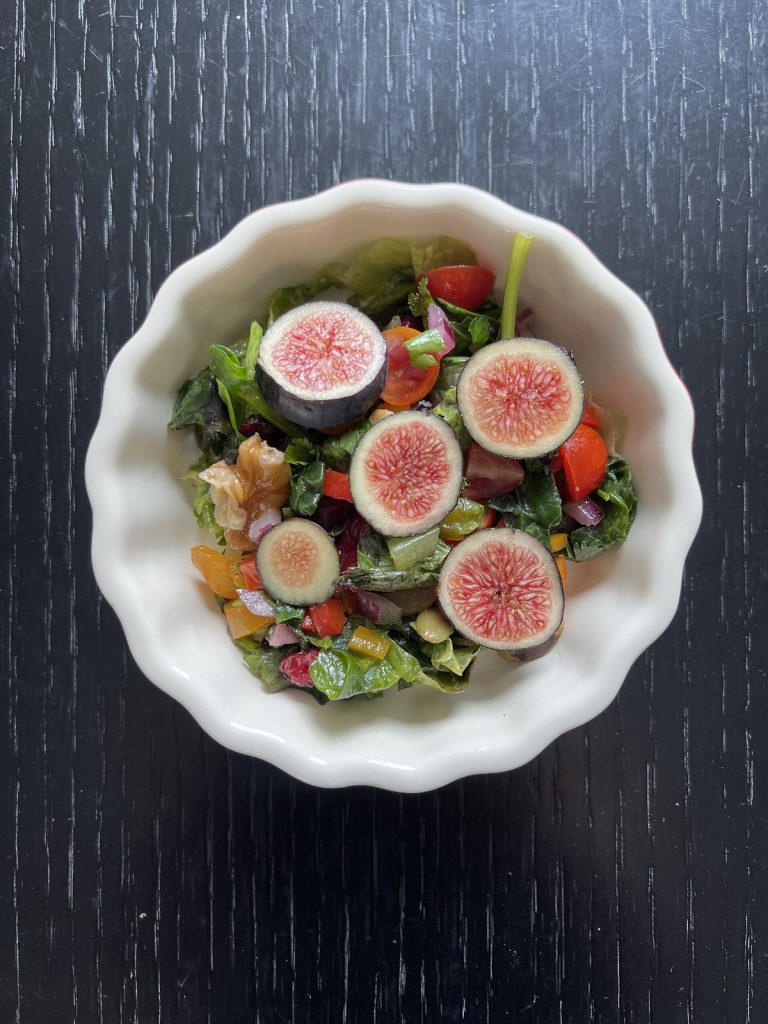
- – Fruit/vegetables
- – Fluid at every meal
4. Sample day (illustrative, after surgeon clears advance)
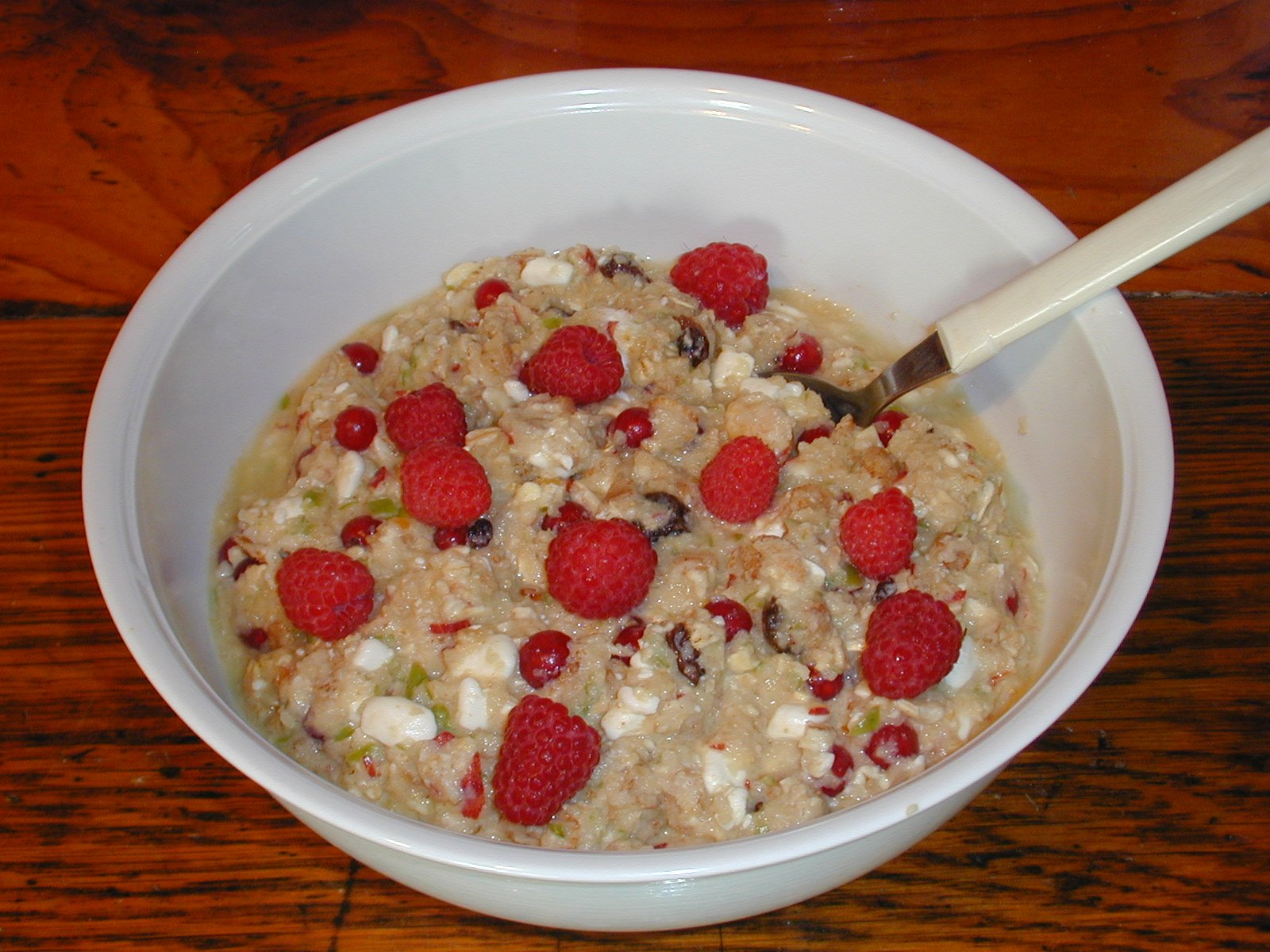
- – Breakfast: fortified oatmeal with berries; water.
- – Lunch: lentil soup with soft vegetables; fruit; water.
- – Snack: yogurt; orange sections if tolerated.
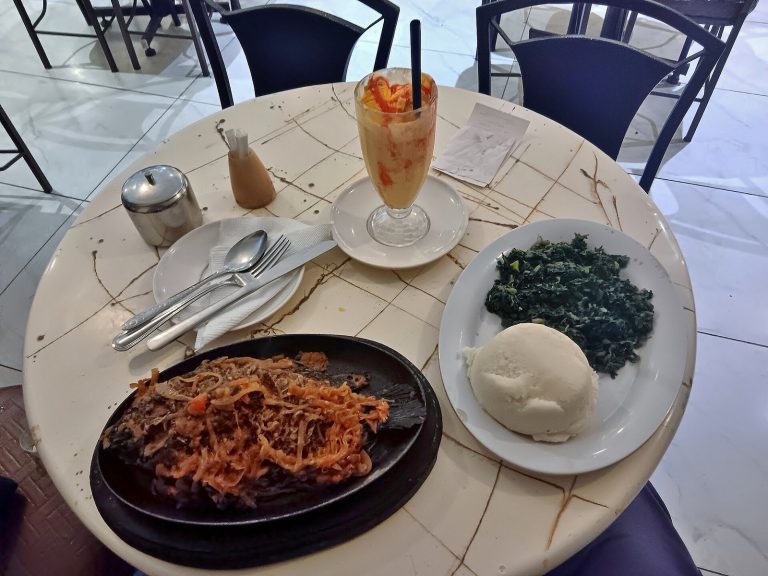
- – Dinner: baked fish, soft rice, cooked greens; water.
- – Evening: warm fluid; stool plan per clinician.
5. Home setup tips
Batch soft proteins before surgery if helpful; keep a stool-softener caddy separate from spices; ask helpers for laundry and grocery lifting.
6. If heavy periods and anemia were the background problem
Long-term iron and menstrual patterns still need gynecology follow-up; diet supports but does not replace surveillance for new fibroids.
Activity-aware cooking after abdominal fibroid surgery
- – Batch soft meals at counter height so you are not repeatedly lifting cast-iron pans from low shelves against lifting limits.
- – Prefer pre-washed produce and ready broths during the first week when standing time is short.
- – If laparoscopic gas pain is bothersome, smaller frequent meals sometimes feel easier than one heavy plate—individualize with your team.
Safety, interactions, and who should ask a clinician first
- – Opioid pain medicines: ask about scheduled softeners.
- – History of VTE, clotting disorders, or estrogen therapies: coordinate activity and diet with your surgical team.
- – Kidney disease or fluid restrictions: individualize fluids.
- – Trying to conceive after myomectomy: ask when pregnancy is considered safe—MedlinePlus notes myomectomy may be chosen to preserve fertility, but timing is clinician-owned.
- – Contact the team for heavy bleeding, fever, severe pain, wound problems, chest pain, shortness of breath, or leg swelling.
FAQ
Can diet stop fibroids from coming back after myomectomy? No. MedlinePlus states myomectomy does not prevent new fibroids from growing.
Should I take iron automatically after surgery? Only if labs and your clinician indicate need—MedlinePlus links iron to anemia from heavy bleeding, not to every postoperative plate.
Is green tea a substitute for follow-up? No. Educational mentions that vitamin D and green tea may help decrease size do not replace imaging, hormones, or procedures when symptoms persist.
When can I return to high-fiber salads? Follow your surgeon’s staged diet and activity plan; advance as gas, bloating, and wounds allow.
How is this different from a hysterectomy diet page? Myomectomy keeps the uterus; hysterectomy removes it—see diet after hysterectomy guide for uterus-removal recovery differences your surgeon will explain.
How this differs from related OTCFood topics
This page is a myomectomy-bound diet guide focused on soft recovery meals, iron-aware patterns, and strain reduction after fibroid removal. It is not a DIY embolization protocol, not a fertility guarantee, and not a substitute for gynecologic follow-up.
Medical disclaimer
Medical disclaimer: This article is for general information only. It is not medical advice, diagnosis, or a treatment plan. Care after myomectomy depends on surgical approach, blood loss, fertility goals, and your surgeon’s protocol. Talk with a clinician or registered dietitian before starting, stopping, or changing any eating plan, supplement, or medicine. Seek urgent care for heavy bleeding, fever, severe pain, chest symptoms, or leg swelling.