Diet After Spinal Fusion: Foods That May Help and Foods to Limit
Medical note: This article discusses foods and researched botanicals. It does not claim to prevent, treat, or cure disease. Supplements are not a substitute for food, and studied amounts are not personal prescriptions.
People searching “diet after spinal fusion foods that help or worsen” usually want soft early meals, constipation-aware fiber and fluids while on pain medicines, and longer-term bone-supportive calcium and protein patterns—not a claim that food fuses vertebrae or replaces bracing, walking plans, or surgical follow-up. MedlinePlus describes spinal fusion as permanently joining vertebrae with bone graft and hardware and notes you may not eat regular food for 2 to 3 days after surgery, receiving IV nutrients and softer food first. Spine surgery discharge education emphasizes pain control and careful movement; opioid pain medicines commonly slow the bowels, so kitchen habits that keep stools soft matter.
What this after-spinal-fusion diet guide covers (and what it does not)
This guide is for adults recovering from lumbar or other spinal fusion who want eating patterns grounded in MedlinePlus, NIAMS bone-health education, and ODS calcium facts. Anchors: MedlinePlus — Spinal fusion, MedlinePlus — Spine surgery discharge, MedlinePlus — Osteoporosis, NIAMS — Osteoporosis, and ODS — Calcium.
Food does not substitute for no-twist lifting rules. Related reading: diet after laminectomy guide and osteoporosis diet guide.
Evidence snapshot: after-spinal-fusion diet claims vs public sources
| Claim people hope for | What public sources actually say | Confidence |
|---|---|---|
| “A collagen powder fuses the spine faster than the graft timeline” | MedlinePlus centers surgical technique, bracing, and rehab—not culinary fusion | Strong: food is supportive only |
| “Stay on clear liquids for weeks to ‘rest the back'” | MedlinePlus: regular food may be limited 2–3 days with softer food and IV nutrition—then advance per team, not a prolonged detox | Strong against DIY prolonged starvation |
| “Pain pills mean constipation is inevitable and untreatable” | Constipation prevention (MedlinePlus) uses fiber-rich fruits/vegetables/grains, fluids, and activity as advised; ask about scheduled softeners with opioids | Moderate–strong for supportive habits |
| “Calcium only matters if you already have osteoporosis” | NIAMS: nutritious diet rich in calcium and vitamin D supports bone health; fusion relies on bone healing biology | Moderate: useful supportive pattern |
| “Smoking plus energy drinks is fine if protein shakes are huge” | MedlinePlus warns smoking can slow recovery and raise complication risk—nutrition cannot cancel tobacco effects | Strong: quit-smoking support beats shake myths |
Foods and patterns that may help after spinal fusion day to day
“May help” means supporting early soft intake, softer stools on pain medicines, and bone-healing nutrition—not a promise of a pain-free fusion.
Soft, easier meals in the first hospital-to-home days
- – MedlinePlus: you may not eat regular food for 2 to 3 days; IV nutrients plus softer food are used.
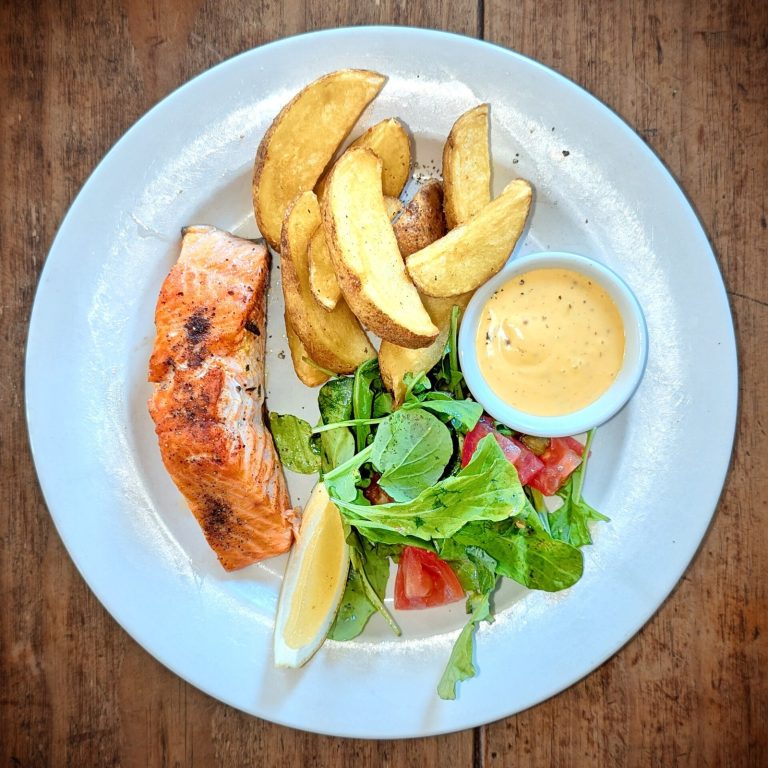
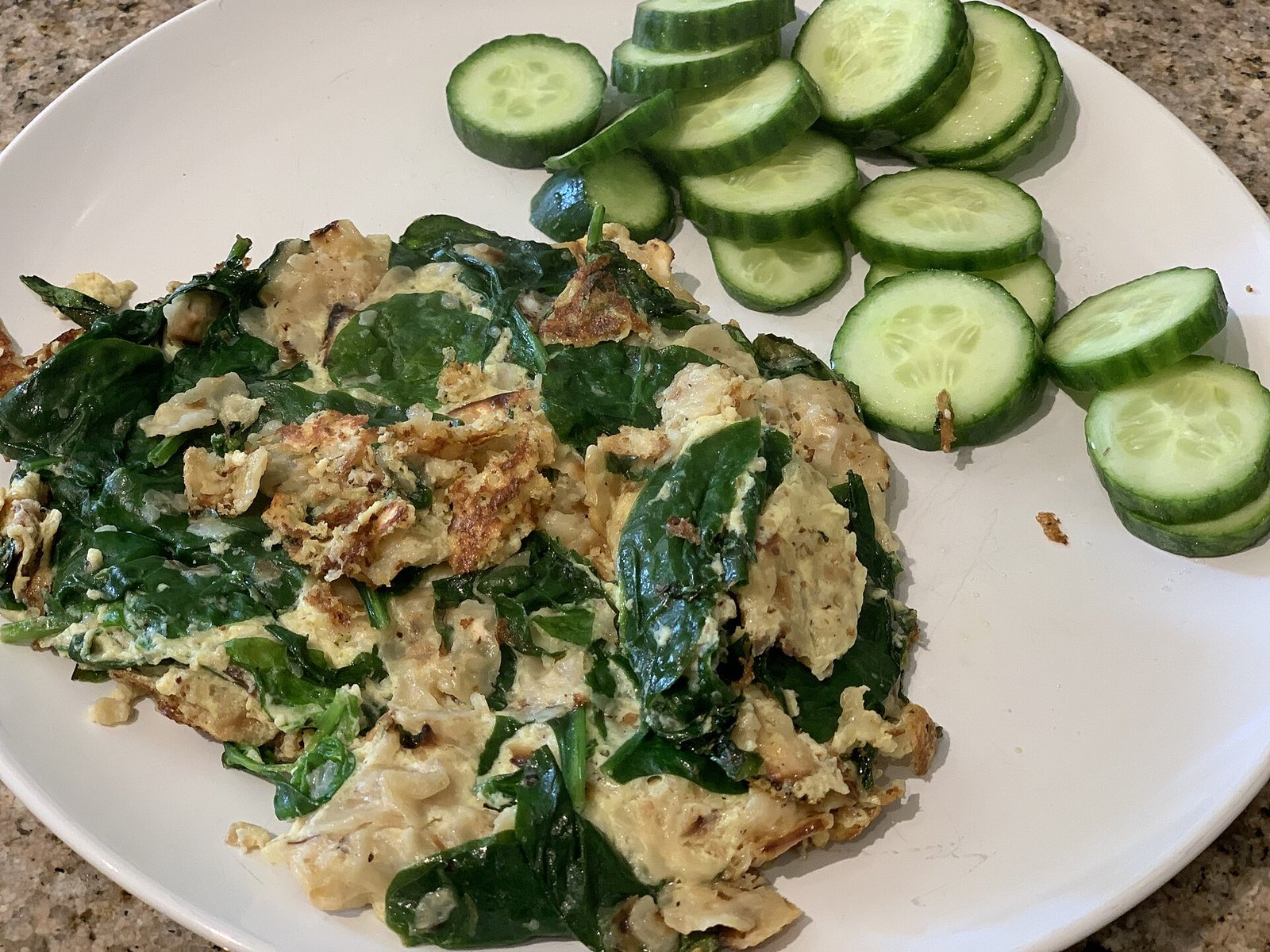
- – Practical soft options: oatmeal, scrambled eggs, yogurt, soups, mashed potatoes, tender fish, well-cooked vegetables, smoothies if swallowing is fine.
- – Keep portions small if anesthesia nausea lingers. Related texture ideas: diet after hip fracture surgery guide.
Fiber and fluids against opioid-related constipation
- – Spine discharge pages center pain-medicine plans; opioids commonly constipate.
- – MedlinePlus constipation prevention: more fruits, vegetables, and grains (fiber); plenty of water and other liquids; enough movement as your surgeon allows; do not ignore the urge.
- – Ask about a scheduled stool softener when narcotics are prescribed rather than waiting for concrete stool. See constipation diet guide.
Protein for recovery fueling
- – Include eggs, fish, poultry, dairy or fortified alternatives, beans, and tofu across the day once diet advances—supporting tissue repair while you are less mobile.
- – Distribute protein at breakfast and lunch, not only a huge late dinner that is hard to cook while twisting limits apply.
Calcium and vitamin D–aware patterns for bone health
- – NIAMS: eating a nutritious diet rich in calcium and vitamin D helps maintain good bone health; limit alcohol; other lifestyle pieces include activity as appropriate.
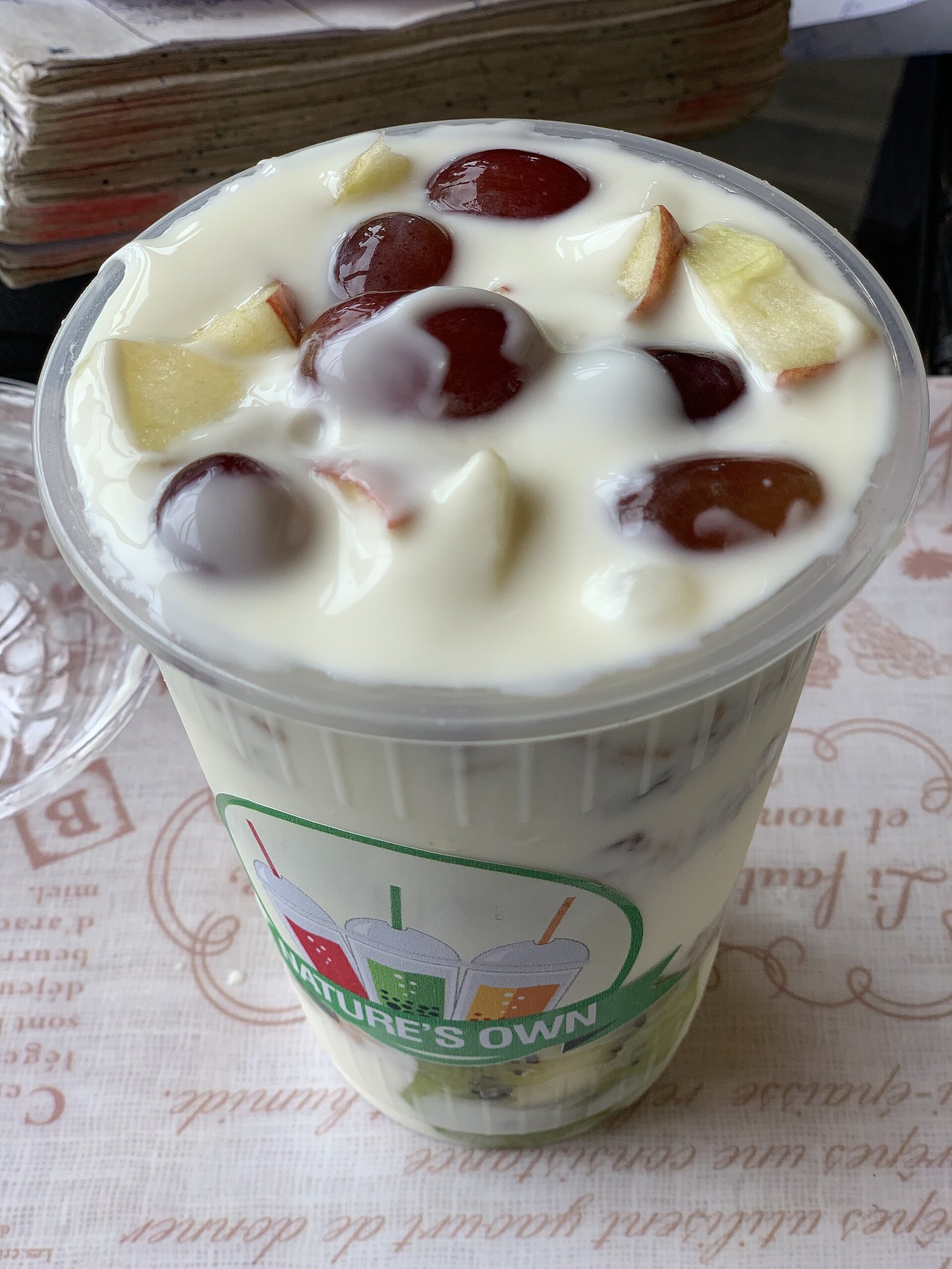
- – ODS calcium food sources: milk, yogurt, cheese; canned sardines/salmon with bones; kale, broccoli, bok choy.
- – Confirm vitamin D labs/supplements with your clinician—self-megadosing is not the goal. Related: calcium deficiency diet guide and osteoporosis diet guide.
Lower-sodium, anti-bloat practicality if mobility is limited
- – Very salty takeout can worsen fluid retention and thirst while bathroom trips are awkward with braces. Home-cooked lower-sodium soups and roasted proteins are easier to portion while seated.
Foods and habits that often worsen after-spinal-fusion kitchen patterns
- – Prolonged clear-liquid “detoxes” beyond the surgeon’s early window (MedlinePlus describes days, not months).
- – Low-fluid, low-fiber weeks while taking opioids—raising constipation and straining risk (straining is miserable with a fresh fusion).
- – Huge raw salads on day two if soft diet was advised—gas and bloating without enough chew energy.
- – Alcohol that dehydrates, interacts with pain medicines, and works against NIAMS bone-health messaging.
- – Tobacco (MedlinePlus recovery warning)—no smoothie offsets that.
- – Unsupervised high-dose vitamin A or unregulated “bone booster” stacks that may not be fusion-safe—disclose everything.
- – Lifting gallon water jugs or heavy rice bags against lifting limits “for hydration prep.”
- – Expecting diet to fix new leg weakness, fever, wound drainage, chest pain, or loss of bowel/bladder control—surgical emergencies.
“Limit” means reducing constipation and supporting bone nutrition—not lifelong bland eating after clearance.
Practical kitchen protocol: an after-spinal-fusion diet week
1. Keep the medical spine first
Confirm brace rules, log-roll technique, lifting limits, anticoagulant or NSAID instructions, and the exact pain/constipation plan. Put stool softeners next to the pain bottle.
2. Shopping list for soft-to-bone-supportive recovery
Eggs; yogurt; milk or fortified alternative; oats; bananas and soft fruit; canned salmon with bones; beans; leafy greens once chewing/appetite allow; olive oil; lower-sodium broth; fiber cereal; oral fluids you will drink seated.
3. Default plate template (after soft-food advance)
- – Soft lean protein
- – Calcium-containing item (dairy or fortified alternative, or canned fish with bones)
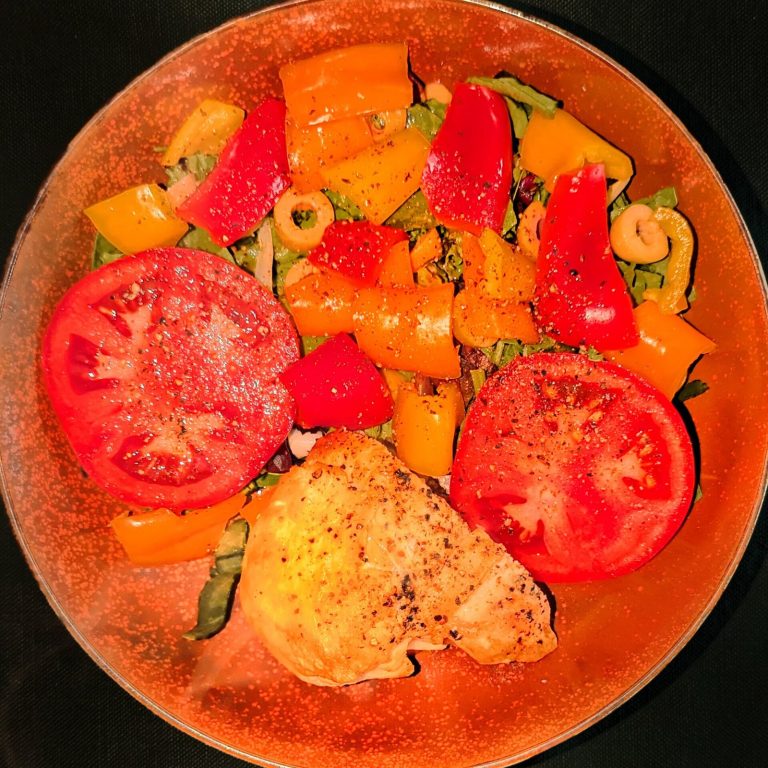
- – Fiber side (oats, beans, cooked vegetables, fruit)
- – Fluid at every meal
4. Sample day (illustrative after soft advance)
- – Breakfast: scrambled eggs and oatmeal with milk; water; scheduled softener if prescribed.
- – Lunch: lentil soup, yogurt, fruit; water.
- – Snack: cheese stick or calcium-fortified smoothie; fluid.
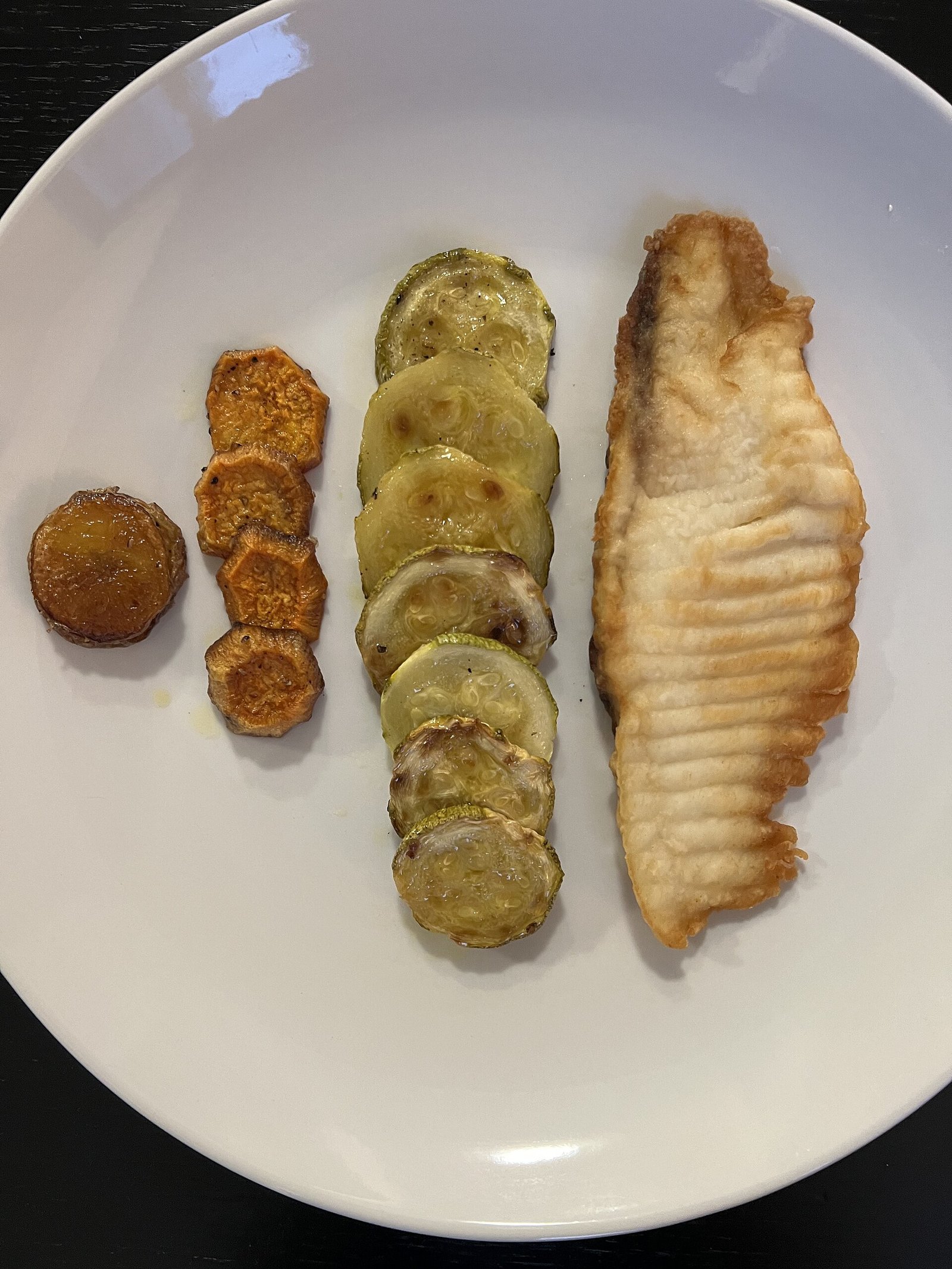
- – Dinner: baked fish, sweet potato, cooked greens; milk or alternative.
- – Evening: warm fluid; avoid long toilet straining—call if no bowel movement per your team’s timeline.
5. Kitchen setup without twisting
Counter-height slow cooker, pre-chopped produce, slide-out pantry bins, and seated prep. Ask helpers to move water cases.
6. If you had laminectomy or hip-fracture overlap themes
Shared soft-early and bone-nutrition ideas appear in diet after laminectomy guide and diet after hip fracture surgery guide, but fusion bracing and no-twist rules stay unique to your operative plan.
Safety, interactions, and who should ask a clinician first
- – Opioids: expect constipation—ask for a proactive bowel regimen.
- – Blood thinners if used perioperatively: clarify diet/supplement limits.
- – Kidney disease: calcium and fluid targets need individualization.
- – Diabetes: soft diets can drift sugary (pudding-only)—balance with protein.
- – Smoking cessation support: MedlinePlus flags recovery risk.
- – Urgent care for fever, wound problems, new neurologic deficits, or bowel/bladder changes.
FAQ
Can diet make spinal fusion finish in days instead of months? No. MedlinePlus frames fusion as a surgical bone-recovery process; food supports recovery conditions only.
How long is the soft-food phase? MedlinePlus notes regular food may be limited about 2 to 3 days with softer options—your team individualizes after that.
Why talk about constipation so much? Pain medicines and reduced mobility slow bowels; MedlinePlus fiber-and-fluid habits plus prescribed softeners help limit straining.
Do I need calcium supplements after fusion? Start with food sources (ODS); ask before supplements, especially if you take other medicines.
Is a high-protein carnivore week better for bone graft? Extreme patterns can sabotage fiber needs and micronutrients—balance protein with produce and calcium foods unless your clinician designed otherwise.
How is this different from laminectomy diet content? Overlap exists (diet after laminectomy guide), but fusion adds bone-graft recovery and often longer activity restrictions.
How this differs from related OTCFood topics
This page is a spinal fusion–bound diet guide focused on early soft intake, opioid-aware bowel habits, and calcium/protein patterns that support bone health. It is not a brace-fitting manual and not a substitute for spine follow-up.
Medical disclaimer
Medical disclaimer: This article is for general information only. It is not medical advice, diagnosis, or a treatment plan. Care after spinal fusion depends on levels fused, surgical approach, bone quality, medicines, and your surgeon’s protocol. Talk with a clinician or registered dietitian before starting, stopping, or changing any eating plan, supplement, or medicine. Seek urgent care for fever, wound issues, new weakness, chest pain, or loss of bowel or bladder control.