Diet After Carpal Tunnel Release: Foods That May Help and Foods to Limit
Medical note: This article discusses foods and researched botanicals. It does not claim to prevent, treat, or cure disease. Supplements are not a substitute for food, and studied amounts are not personal prescriptions.
People searching “diet after carpal tunnel release foods that help or worsen” usually want kitchen habits that support recovery while a wrist bandage or splint is on, hand therapy starts, and any related conditions (diabetes, rheumatoid arthritis, thyroid issues) stay managed—not a claim that food rebuilds the median nerve or replaces surgery, splinting, or therapy. MedlinePlus describes carpal tunnel release as cutting the carpal ligament to ease pressure on the median nerve; recovery may take months, and mild symptoms can linger. NIAMS notes full recovery depends on how severe compression was and can take months to years.
What this after-carpal-tunnel-release diet guide covers (and what it does not)
This guide is for adults recovering from open or endoscopic carpal tunnel release who want practical eating patterns while they follow wound care, splint rules, and hand-therapy plans from their surgeon. Anchors: MedlinePlus — Carpal tunnel syndrome, MedlinePlus — Carpal tunnel release, NIAMS — Carpal tunnel syndrome, and NIAMS — Diagnosis, treatment, and steps to take.
MedlinePlus notes nonsurgical steps often come first (splints, anti-inflammatory medicines, workplace changes, steroid shots); surgery is considered when symptoms are severe or nerve testing shows significant median-nerve problems. Kitchen changes do not replace infection watches, scar care, or therapy. Related reading: carpal tunnel syndrome diet guide and diet after rotator cuff repair guide.
Evidence snapshot: after-carpal-tunnel-release diet claims vs public sources
| Claim people hope for | What public sources actually say | Confidence |
|---|---|---|
| “A special diet heals the median nerve faster than the surgical timeline” | MedlinePlus/NIAMS center ligament release, wound care, and time for nerve recovery—not culinary nerve rebuilding | Strong: food is supportive only |
| “Anti-inflammatory superfoods replace hand therapy” | NIAMS: occupational/physical therapy teaches strengthening and daily-living skills; food is not a therapy substitute | Strong |
| “You must stop all protein after hand surgery” | No MedlinePlus/NIAMS mandate to avoid protein; recovery fueling still needs adequate protein as appetite allows | Strong against blanket bans |
| “Smoking and alcohol don’t matter once the ligament is cut” | MedlinePlus pre-op guidance: smoking can slow healing; tell the team about heavy alcohol use | Moderate–strong for healing habits |
| “Kitchen changes alone prevent CTS from returning” | NIAMS: recurrence after surgery is very rare; ergonomics and managing diabetes/arthritis still matter for overall hand health | Moderate |
Foods and patterns that may help after carpal tunnel release day to day
“May help” means supporting wound healing fuel, steadier blood sugar if diabetes is present, and easy one-handed meal prep—not a promise that dinner erases night numbness on day one.
Soft, one-handed, low-prep meals while the bandage or splint is on
- – MedlinePlus: after surgery the wrist is often in a splint or heavy bandage about a week; keep it clean and dry until the first post-op visit.
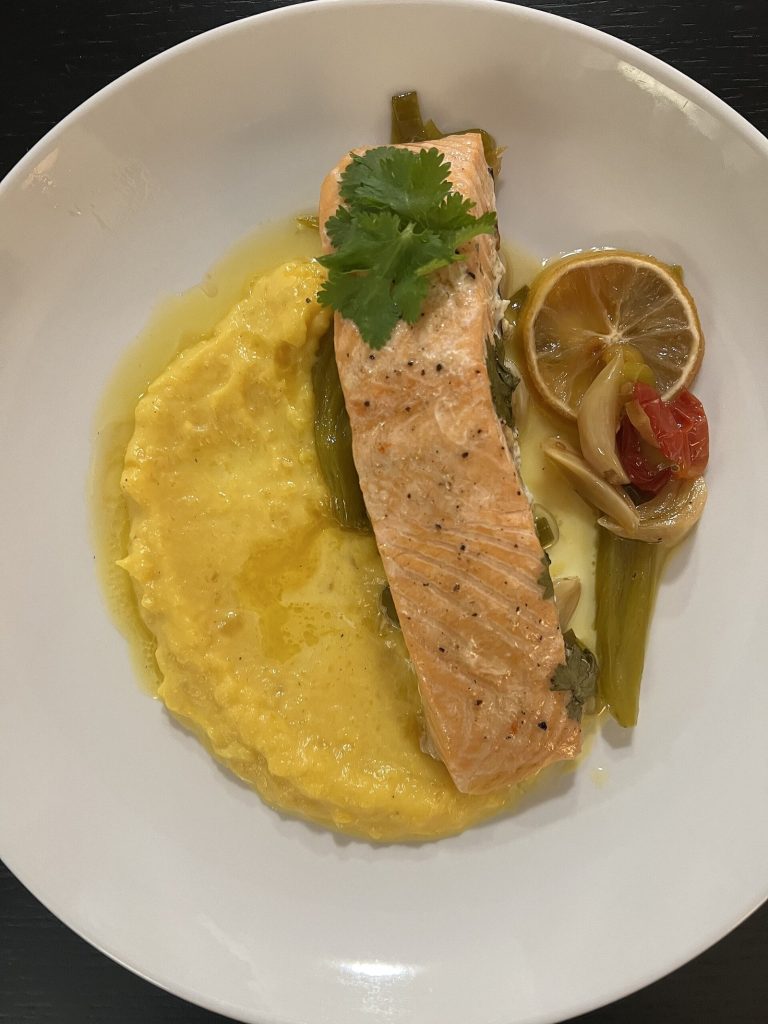
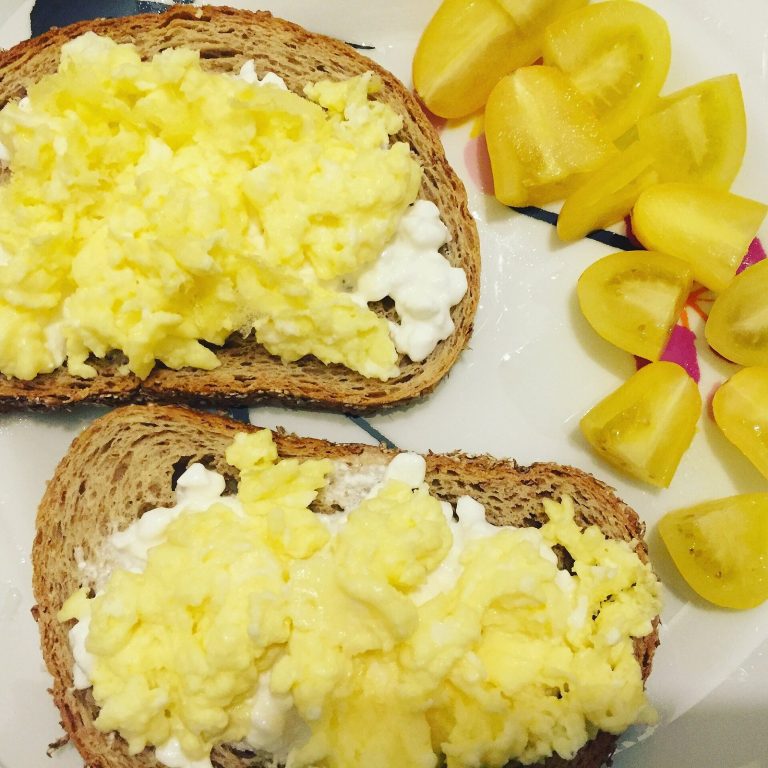
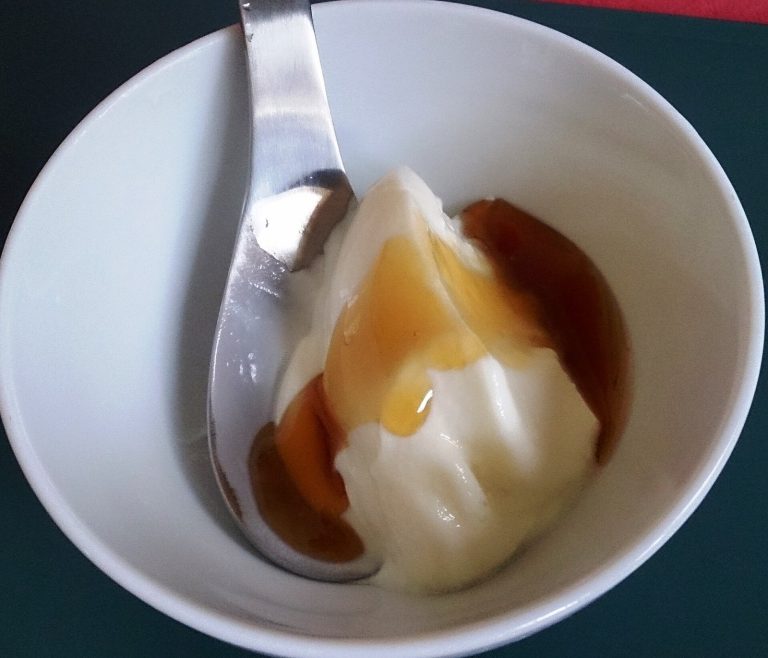
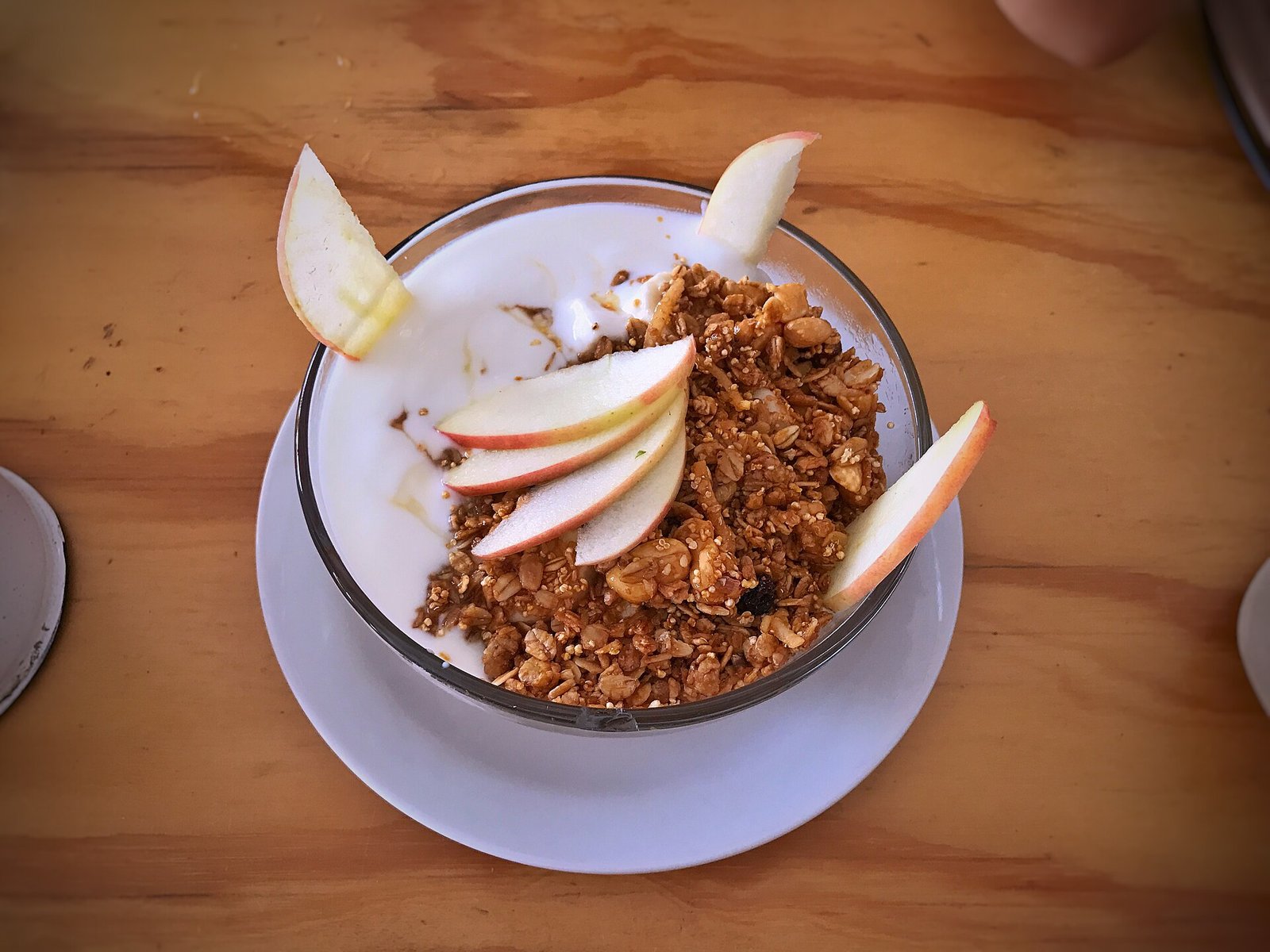
- – Practical kitchen: yogurt bowls, scrambled eggs, oatmeal, soft fish, ripe fruit, soups you can eat with a spoon in the non-operated hand.
- – Batch-prep proteins and grains before surgery when possible so you are not opening stubborn jars one-handed.
Protein and produce for general recovery fueling
- – Include eggs, dairy if tolerated, fish, poultry, tofu, beans, and fruit/vegetables as energy returns—as appetite returns after outpatient hand surgery.
- – Stay hydrated; constipation from reduced activity or pain medicines is common—fiber and fluids help once your clinician agrees (see constipation diet guide).
Patterns that support related conditions that raise CTS risk
- – MedlinePlus/NIAMS list diabetes, rheumatoid arthritis, hypothyroidism, pregnancy-related fluid shifts, and wrist injury among contributors.
- – If you have diabetes, keep the meal pattern your diabetes team already set—see type 2 diabetes diet guide.
- – If inflammatory arthritis is part of your history, keep the joint plan your rheumatology team already set—food still does not reopen a carpal tunnel.
Quit-smoking and limit-alcohol habits that support healing
- – MedlinePlus asks people who smoke to try to stop before surgery because smoking can slow healing.
- – Keep alcohol modest and ask about interactions with prescribed pain medicines.
Foods and habits that often worsen after-carpal-tunnel-release kitchen patterns
- – Trying to cook complex, two-handed meals that force you to ignore lifting/splint limits or soak the bandage washing dishes.
- – Skipping meals then overeating late when pain medicines blunt appetite—then overnight blood sugar swings if you have diabetes.
- – Unprescribed “nerve detox” herbs or megadose supplements stacked on top of prescribed NSAIDs or steroids without telling the surgeon.
- – Heavy alcohol that dehydrates, worsens sleep, and may interact with pain control.
- – Continuing tobacco against MedlinePlus healing guidance.
- – Expecting food to fix fever, wound drainage, rapidly worsening numbness, or loss of finger color—those are surgical/urgent red flags.
- – Ignoring hand-therapy exercises while chasing kitchen “cures.”
“Limit” means reducing recovery friction—not that one snack defines surgical success.
Practical kitchen protocol: an after-carpal-tunnel-release diet week
1. Keep the medical spine first
Confirm bandage/splint care, suture or glue rules, showering instructions, pain-medicine schedule, when motion exercises or hand therapy start, and work restrictions. Put medicines where you can open bottles one-handed or ask for easy-open lids.
2. Shopping list for one-handed recovery
Pre-washed greens; yogurt; eggs; ripe bananas and berries; oatmeal packets; canned tuna or soft fish; cottage cheese or tofu; soft bread; soup you can microwave; oral fluids; stool softener only if your clinician advised one.
3. Default plate template
- – Soft lean protein
- – Easy carbohydrate (oats, potato, rice, soft bread)
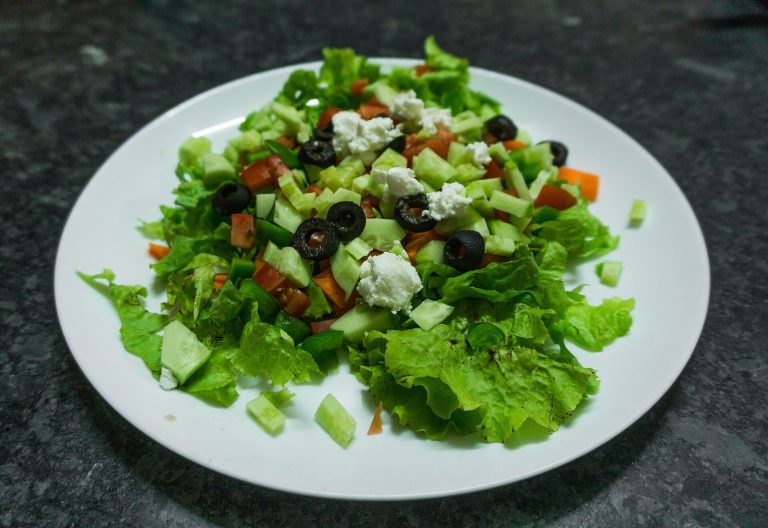
- – Fruit or cooked vegetables
- – Fluid at each meal
4. Sample day (illustrative; advance textures as comfort allows)
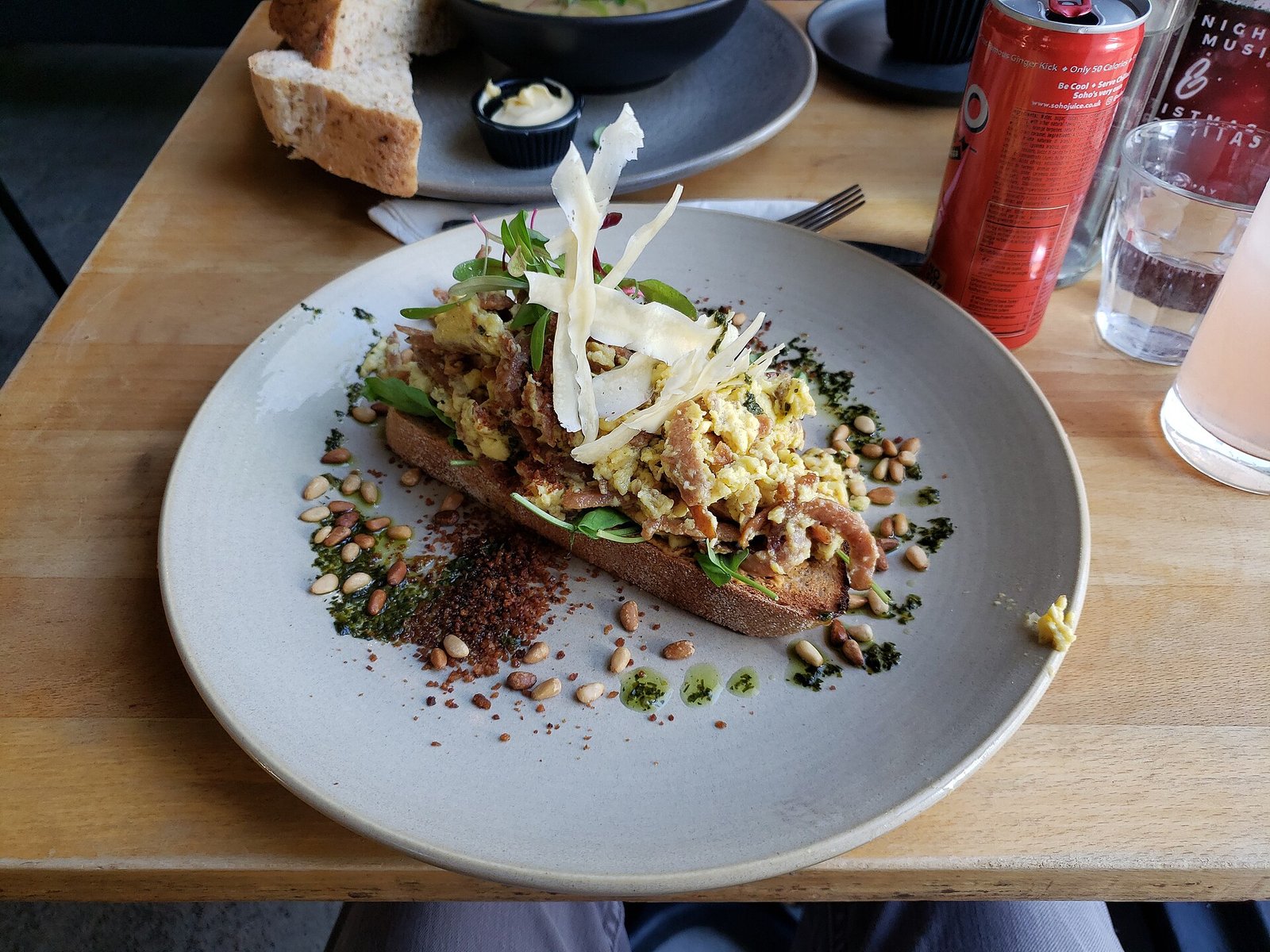
- – Breakfast: scrambled eggs on soft toast; water or milk.
- – Lunch: yogurt with fruit and granola if chewing is fine; or blended soup.
- – Snack: banana or cottage cheese.
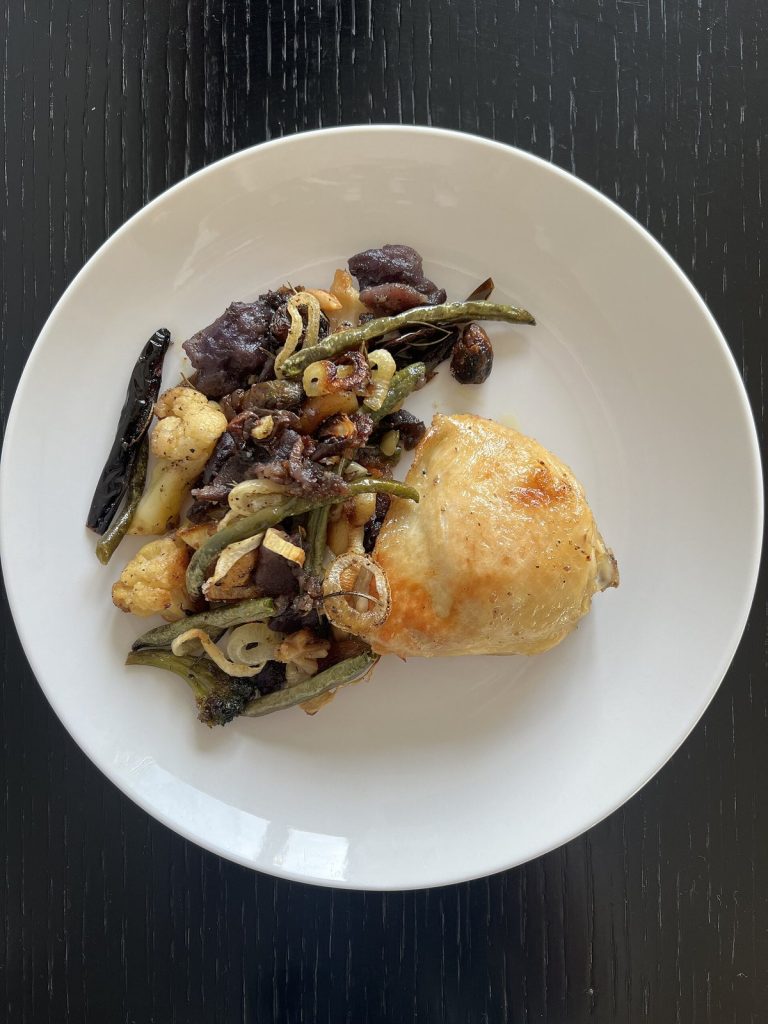
- – Dinner: baked fish, soft sweet potato, cooked greens.
- – Evening: warm fluid; elevate the hand as instructed—not a second espresso if caffeine worsens your sleep.
5. Home setup tips
Move frequently used foods to waist height; open packages before surgery; use electric can openers; ask helpers for jar lids and heavy pans; keep ice packs ready only if your surgeon endorsed icing.
6. When both wrists are involved
NIAMS notes some people need surgery on both wrists. Plan freezer meals and delivery help before the second side.
Safety, interactions, and who should ask a clinician first

- – MedlinePlus: you may be asked to stop blood-thinning medicines (including some OTC NSAIDs) before surgery—follow the written list, not social-media timelines.
- – Diabetes: coordinate meal timing with glucose checks while activity is limited.
- – Kidney disease or fluid restrictions: individualize fluids.
- – Pregnancy or breastfeeding: confirm any pain medicines and supplements with your obstetric and surgical teams.
- – Contact the surgical team for fever, wound redness with pus, sudden severe pain, loss of finger color, or rapidly worsening numbness after an initial improvement.
FAQ
Can diet make carpal tunnel release recovery painless? No. Food supports general healing fuel and easier one-handed eating; it does not erase surgical timelines or replace therapy.
Do I need a “nerve regeneration diet”? Public MedlinePlus/NIAMS pages emphasize surgery, time, and therapy—not specialty nerve diets. Focus on balanced meals and managing diabetes or arthritis if present.
When can I cook normally again? When your surgeon clears lifting, wet work, and repetitive gripping—not when a food blog says so.
Should I avoid all inflammation-related foods forever? There is no MedlinePlus mandate for lifelong elimination diets after carpal tunnel release. Track personal triggers; keep patterns sustainable.
How is this different from a general carpal tunnel diet page? Overlap exists—see carpal tunnel syndrome diet guide—but post-release care adds wound, splint, and therapy rules your surgeon owns.
How this differs from related OTCFood topics
This page is a carpal-tunnel-release-bound diet guide focused on one-handed recovery meals, healing habits, and related metabolic/joint conditions. It is not a DIY endoscopic protocol, not a cure claim for median neuropathy, and not a substitute for hand-surgery follow-up.
Medical disclaimer
Medical disclaimer: This article is for general information only. It is not medical advice, diagnosis, or a treatment plan. Care after carpal tunnel release depends on open versus endoscopic technique, nerve damage before surgery, diabetes or arthritis status, and your surgeon’s protocol. Talk with a clinician or registered dietitian before starting, stopping, or changing any eating plan, supplement, or medicine. Seek urgent care for fever, wound infection signs, sudden severe pain, or loss of finger color or sensation that worries your surgical team.