Diet After Meniscus Surgery: Foods That May Help and Foods to Limit
Medical note: This article discusses foods and researched botanicals. It does not claim to prevent, treat, or cure disease. Supplements are not a substitute for food, and studied amounts are not personal prescriptions.
People searching “diet after meniscus surgery foods that help or worsen” usually want kitchen habits that support protein for recovery, easier meals on crutches or limited weight-bearing, and steadier energy while they follow a surgeon’s R.I.C.E., brace, and physical-therapy plan—not a claim that food regrows meniscus cartilage or replaces arthroscopy aftercare. MedlinePlus describes the meniscus as shock-absorbing knee cartilage that can tear with twisting, sports cuts, or aging; surgery may repair or trim the meniscus via knee arthroscopy. Discharge pages emphasize rest, elevation, gradual weight-bearing as cleared, and avoiding jogging, swimming, aerobics, or cycling until the surgeon says it is OK.
What this after-meniscus-surgery diet guide covers (and what it does not)
This guide is for adults recovering from meniscus repair or meniscectomy (often arthroscopic) who want practical eating patterns while they follow crutches, bracing, and PT. Anchors: MedlinePlus — Meniscus tears: aftercare, MedlinePlus — Knee arthroscopy, MedlinePlus — Knee arthroscopy discharge, MedlinePlus — Getting your home ready for knee or hip surgery, and NIAMS — Sports injuries.
MedlinePlus notes many people resume normal activities within about a month after simpler arthroscopy, while more complex repairs may need longer non-weight-bearing and months of recovery. Smoking can slow wound and bone healing—ask for quit help before and after surgery. Kitchen changes do not replace infection watches or DVT precautions your team discusses. Related reading: diet after ACL reconstruction guide and diet after knee replacement guide.
Evidence snapshot: after-meniscus-surgery diet claims vs public sources
| Claim people hope for | What public sources actually say | Confidence |
|---|---|---|
| “A collagen powder diet regenerates the meniscus” | MedlinePlus centers surgical repair/trim, PT, and activity limits—not culinary cartilage regrowth | Strong: food is supportive only |
| “You should starve calories to ‘reduce knee swelling’” | Under-fueling impairs recovery energy; swelling management is R.I.C.E./medical, not crash dieting | Strong practical caution |
| “Anti-inflammatory spices replace prescribed pain plans” | Pain control and NSAID safety questions belong with your clinician—especially with heart, kidney, ulcer, or bleeding history (MedlinePlus) | Strong |
| “Alcohol helps you sleep through knee pain” | Alcohol can disrupt sleep, interact with pain medicines, and impair balance on crutches | Moderate–strong safety caution |
| “Home kitchen setup is unrelated to outcomes” | MedlinePlus home-ready pages stress reachable food, firm chairs, and fall prevention while mobility is limited | Moderate–strong for safety |
Foods and patterns that may help after meniscus surgery day to day
“May help” means supporting protein, fluids, and low-chaos meals so rehab nutrition stays steady—not a promise that dinner erases surgical swelling on day one.
Protein-forward recovery plates
- – Eggs, yogurt, fish, poultry, tofu, beans, and lean meats help meet recovery needs when appetite dips after anesthesia.
- – Keep ready proteins at mid-shelf height so crutches users are not hopping for top-shelf cans.
- – Themes overlap sarcopenia diet guide if muscle loss from inactivity is a concern.
Soft, one-handed or seated meals early
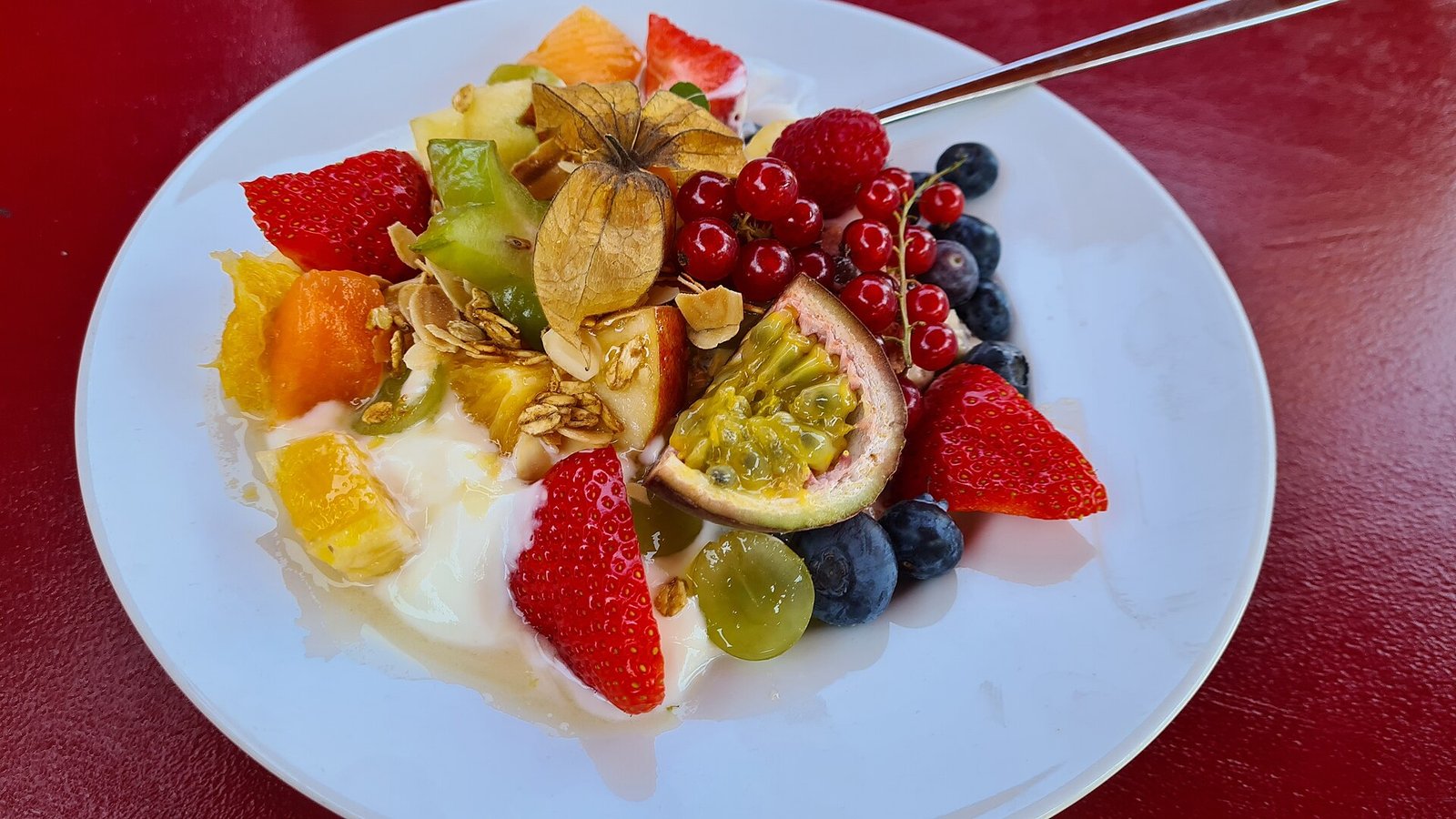
- – Oatmeal, scrambled eggs, yogurt bowls, smoothies with protein if tolerated, soups, and pre-cut fruit reduce standing time.
- – MedlinePlus: sit in a firm kitchen chair for tasks; stock waist-to-shoulder cabinets; freeze single meals.
Fluids plus fiber against opioid constipation
- – If you take narcotic pain medicine, constipation is common—pair water with oats, kiwi, berries, or cooked vegetables as cleared, and ask about stool softeners rather than stimulant stacks.
- – Do not drive while taking narcotic pain medicine (MedlinePlus discharge guidance).
Produce and whole grains for everyday nutrient density
- – Colorful vegetables and fruits support overall recovery eating without claiming “anti-inflammatory cures.”
- – Batch-roast vegetables on a weekend when helpers can carry pans.
Quit-smoking nutrition support (behavioral)
- – MedlinePlus arthroscopy prep: smoking can slow wound and bone healing—ask your provider for quit help. Pair quit attempts with regular meals so irritability does not become skipped protein.
Foods and habits that often worsen after-meniscus-surgery kitchen patterns
- – Skipping meals then late heavy takeout while blood sugar and energy swing during PT days.
- – Heavy alcohol with pain medicines or while hopping on crutches.
- – Ultra-processed “all chips, no protein” patterns that leave rehab under-fueled.
- – Unprescribed high-dose NSAID stacking if you have heart disease, hypertension, kidney disease, or ulcer history—MedlinePlus advises talking with a provider first.
- – Crash “anti-inflammation diets” that cut protein just when healing needs it.
- – Climbing stools for spices or carrying full pots while non-weight-bearing—fall and re-injury risks.
- – Expecting food to fix fever, calf swelling, wound drainage, or locked knee—those need clinical calls.
“Limit” means reducing constipation, fall risk, and under-fueling—not lifelong food fear after meniscus surgery.
Practical kitchen protocol: an after-meniscus-surgery diet week
1. Keep the medical spine first
Confirm repair vs trim, weight-bearing status, brace rules, icing schedule, VTE prevention steps if any, PT start, and pain-medicine plan. Fill prescriptions before going home (MedlinePlus).
2. Shopping list for crutches-era kitchens
Eggs; Greek yogurt; cottage cheese if tolerated; canned tuna/salmon; pre-washed greens; frozen steamable vegetables; oats; bananas; berries; whole-grain bread; olive oil; oral fluids; stool softener only if clinician advised.
3. Default plate template
- – Protein
- – Easy carbohydrate
- – Fruit or cooked vegetable
- – Fluid
- – Optional dairy
4. Sample day (illustrative—follow weight-bearing and medicine rules)
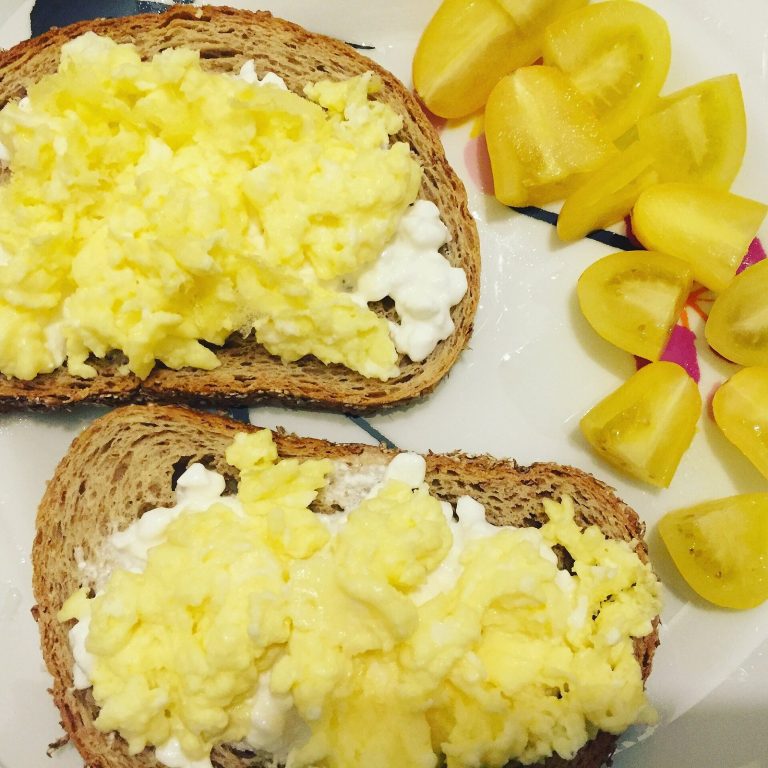
- – Breakfast: scrambled eggs and toast; fruit; water.
- – Lunch: turkey or tofu wrap; yogurt; water.
- – Snack: banana with peanut butter if tolerated.
- – Dinner: baked fish or chicken, rice, cooked vegetables; water.
- – Evening: warm fluid; elevate the knee—skip the beer-and-couch experiment if balance is shaky.
5. Home setup tips
Walker/crutch basket for phone and snacks; firm chairs in kitchen and bath; remove throw rugs on the path to the fridge; keep ice packs and protein snacks at the same reachable level; ask helpers for grocery runs the first week.
6. If ACL or knee-replacement pages feel familiar
Activity and protein themes overlap diet after ACL reconstruction guide, diet after knee replacement guide, and diet after ankle fracture surgery guide, but meniscus repair weight-bearing timelines are procedure-specific.
7. Travel and work-lunch logistics
Pack yogurt cups, nut-butter packets if tolerated, and a refillable bottle in a small cooler bag that fits a crutch basket or backpack. Prefer seated desk lunches over standing food-truck lines the first weeks. If your job is on your feet, ask occupational health about staged return timing that matches your surgeon’s standing limits—nutrition alone cannot substitute for workload modifications.
Safety, interactions, and who should ask a clinician first
- – Heart, kidney, ulcer, or bleeding history before using store-bought ibuprofen/naproxen (MedlinePlus).
- – Diabetes: keep carb-aware plates even when appetite is odd.
- – Blood thinners: ask before herbal “inflammation” supplements.
- – Contact the surgeon for fever, increasing redness/drainage, calf pain/swelling, chest pain, inability to do prescribed motion, or new locking/giving-way beyond expected soreness.
FAQ
Can diet regrow a torn meniscus? No. Food supports recovery fueling; repair, partial removal, or nonoperative care decisions belong to your orthopaedic team.
How soon can I eat normally after arthroscopy? Most people advance toward usual eating as nausea settles; the bigger limits are mobility and medicine side effects, not a lifelong “knee diet.”
Do I need glucosamine or collagen supplements? Not required by MedlinePlus meniscus aftercare pages. Ask your clinician before spending on supplements.
Why mention constipation in a knee article? Opioid pain medicines slow the bowels; fiber, fluids, and clinician-advised softeners often matter as much as protein shakes.
How is this different from ACL or knee-replacement diet pages? See diet after ACL reconstruction guide and diet after knee replacement guide—shared protein and kitchen-safety themes, different surgical timelines and precautions.
How this differs from related OTCFood topics
This page is a meniscus-surgery-bound diet guide focused on protein, fluids, constipation awareness, and reachable meals during arthroscopic recovery. It is not a DIY meniscus transplant protocol, not a cure claim for osteoarthritis, and not a substitute for orthopaedic follow-up.
Medical disclaimer
Medical disclaimer: This article is for general information only. It is not medical advice, diagnosis, or a treatment plan. Care after meniscus surgery depends on repair vs meniscectomy, cartilage status, weight-bearing rules, other knee injuries, and your surgeon’s protocol. Talk with a clinician or registered dietitian before starting, stopping, or changing any eating plan, supplement, or medicine. Seek urgent care for infection signs, possible blood clots, chest pain, or a new injury to the surgical knee.