Diet After C-Section: Foods That May Help and Foods to Limit
Medical note: This article discusses foods and researched botanicals. It does not claim to prevent, treat, or cure disease. Supplements are not a substitute for food, and studied amounts are not personal prescriptions.
People searching “diet after C-section foods that may help or worsen” usually want plates that support incision healing energy, softer stools (so straining is less likely), and iron-aware postpartum eating—not a claim that food closes a surgical wound or replaces obstetric follow-up. MedlinePlus’s going-home-after-C-section page notes vaginal bleeding (lochia) for up to six weeks, incision tenderness for weeks, and the need for help with newborn care. It specifically advises smaller meals, plenty of fruits and vegetables, and about 8 cups (2 liters) of water a day to help prevent constipation. ACOG notes that about 1 in 3 U.S. births are cesarean. NHS recovery guidance encourages eating and drinking when hungry/thirsty in hospital and watching for infection or clot warning signs at home.
What this after-C-section diet guide covers (and what it does not)
This guide is for adults recovering from cesarean birth in the first weeks at home who want kitchen patterns that support recovery while following obstetric or midwifery instructions. Anchors: MedlinePlus — Going home after a C-section, MedlinePlus — Cesarean Delivery, MedlinePlus — Postpartum Care, ACOG — Cesarean Birth FAQ, NHS — Caesarean section recovery, and NIH ODS — Iron Fact Sheet for Consumers.
It is not a weight-loss challenge, not a substitute for lactation-specific advice (see breastfeeding kitchen guidance if nursing), and not a treatment for hemorrhage, wound infection, or postpartum mood disorders. Related reading: postpartum diet guide, breastfeeding diet guide, and constipation diet guide.
Evidence snapshot: after-C-section diet claims vs public sources
| Claim people hope for | What public sources actually say | Confidence |
|---|---|---|
| “A detox after C-section heals the incision faster” | MedlinePlus/NHS center wound care, pain control, mobility, and red-flag watches—not culinary detoxes | Strong: food is supportive only |
| “Smaller meals and fiber/fluids help constipation after cesarean” | MedlinePlus discharge: smaller meals; fruits/vegetables; ~8 cups (2 L) water daily to limit constipation; bulk laxatives if needed per provider | Strong for bowel-comfort kitchen habits |
| “You must restrict calories hard to ‘bounce back’” | Public postpartum pages prioritize rest and recovery; aggressive restriction can undermine energy and milk supply if breastfeeding | Strong against crash diets |
| “Iron-rich foods always fix postpartum anemia alone” | ODS: iron deficiency needs clinical evaluation; supplements may be prescribed; food helps meet needs | Moderate for food support; strong that labs/clinician matter |
| “Kitchen changes treat wound infection or clots” | NHS/MedlinePlus list fever, wound pus, heavy bleeding, calf pain, shortness of breath as medical red flags | Strong: those need urgent care |
Foods and patterns that may help after C-section day to day
“May help” means supporting hydration, softer stools, iron and protein density, and steady energy while the incision and uterus recover—not promising painless days.
Smaller meals and bowel-comfort habits (MedlinePlus discharge)
- – Try smaller meals than usual with healthy snacks between—explicit MedlinePlus advice after C-section.
- – Fruits, vegetables, and about 8 cups (2 liters) of water daily to help prevent constipation; ask about bulk laxatives or stool softeners if opioids were used.
- – Warm fluids and gentle walking when cleared also support bowel comfort; overlapping themes appear in constipation diet guide.
- – Hemorrhoid comfort tips on the same MedlinePlus page include shallow warm baths that keep the incision above water, cold compresses, and clinician-advised ointments—not straining on the toilet.
Protein and easy recovery fueling
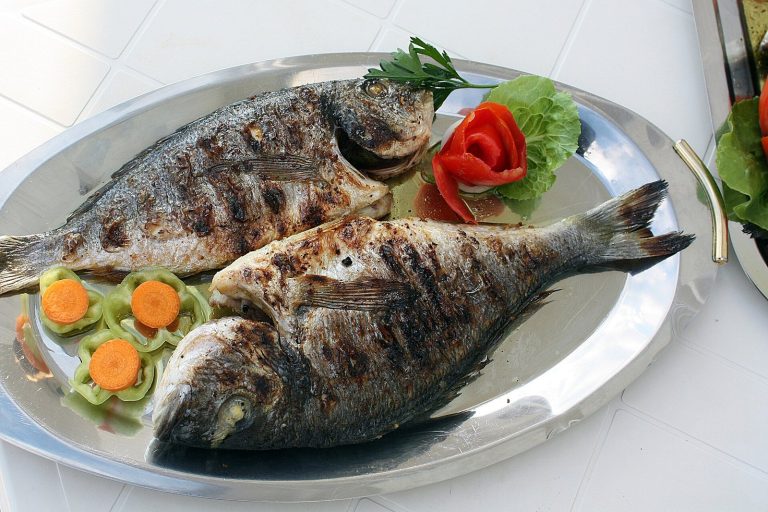
- – Eggs, yogurt, tender fish/poultry, beans, tofu, and soft stews when sitting upright is uncomfortable.
- – Batch freezer meals before birth when possible so night feeds do not default only to ultra-processed snacks if that leaves you drained.
- – Pair carbohydrates with protein (toast with eggs, yogurt with fruit, rice with fish) during fragmented sleep.
Iron-aware eating after surgical blood loss (ODS)
- – ODS lists iron needs for adult women 19–50 at 18 mg/day, and for breastfeeding women at 9 mg/day (breastfeeding teens 10 mg)—your clinician may still recommend postpartum iron based on labs after C-section blood loss.
- – Food sources ODS highlights: lean meat, seafood, poultry; iron-fortified cereals/breads; white beans, lentils, spinach, kidney beans, peas; nuts and some dried fruits.
- – Pair plant iron with vitamin C–rich foods (citrus, strawberries, peppers, tomatoes, broccoli) to support nonheme iron absorption, as ODS describes.
- – Keep iron supplements away from children; ODS notes accidental overdose risk. See also iron deficiency anemia diet guide.
Fluids if breastfeeding
- – Drink to thirst with water available at nursing stations; lactation-specific caffeine and alcohol limits are covered more fully in breastfeeding diet guide.
- – Ask which pain medicines are compatible with breastfeeding—MedlinePlus and NHS both flag this question.
Foods and habits that often worsen after-C-section kitchen patterns
- – Crash “bounce-back” diets that cut protein, iron, and total energy while you are healing and possibly lactating.
- – Low-fluid, low-fiber patterns while taking narcotic pain medicines—opposite of MedlinePlus constipation prevention advice.
- – Heavy lifting of grocery crates against MedlinePlus guidance not to lift anything heavier than the baby for about 6–8 weeks.
- – Alcohol as a sleep aid while caring for a newborn; if breastfeeding, discuss safer limits with your clinician.
- – Ignoring urgent maternal warning signs (heavy bleeding, wound pus/spreading redness, chest pain/shortness of breath, severe headache, calf pain, thoughts of self-harm)—NHS and MedlinePlus direct these to urgent care; diet does not treat them.
- – Unsupervised megadoses of iron or “womb cleansing” herbs marketed online.
“Limit” means reducing constipation strain and empty crash-diet risk—not that one spicy meal opens the incision.
Practical kitchen protocol: an after-C-section diet week
1. Keep the medical spine first
Confirm wound care, pain-medicine schedule (breastfeeding-safe options), activity/lifting limits, lochia expectations, and the 4–6 week checkup timing (MedlinePlus). Put NHS-style red flags on the fridge.
2. Shopping list for C-section recovery kitchens
Oats; whole-grain toast; eggs; yogurt; soft fruits (berries, bananas, pears); cooked vegetables; beans/lentils; lean meats or fish; iron-fortified cereal if used; prune puree or other fiber helpers if clinician-approved; water bottles staged near the nursing chair; stool softener only if prescribed/advised.
3. Default plate template
- – Soft lean protein
- – Fruit or vegetables at every meal
- – Gentle carbohydrate
- – Fluid with or between meals toward the ~2 L goal unless restricted
4. Sample day (illustrative)
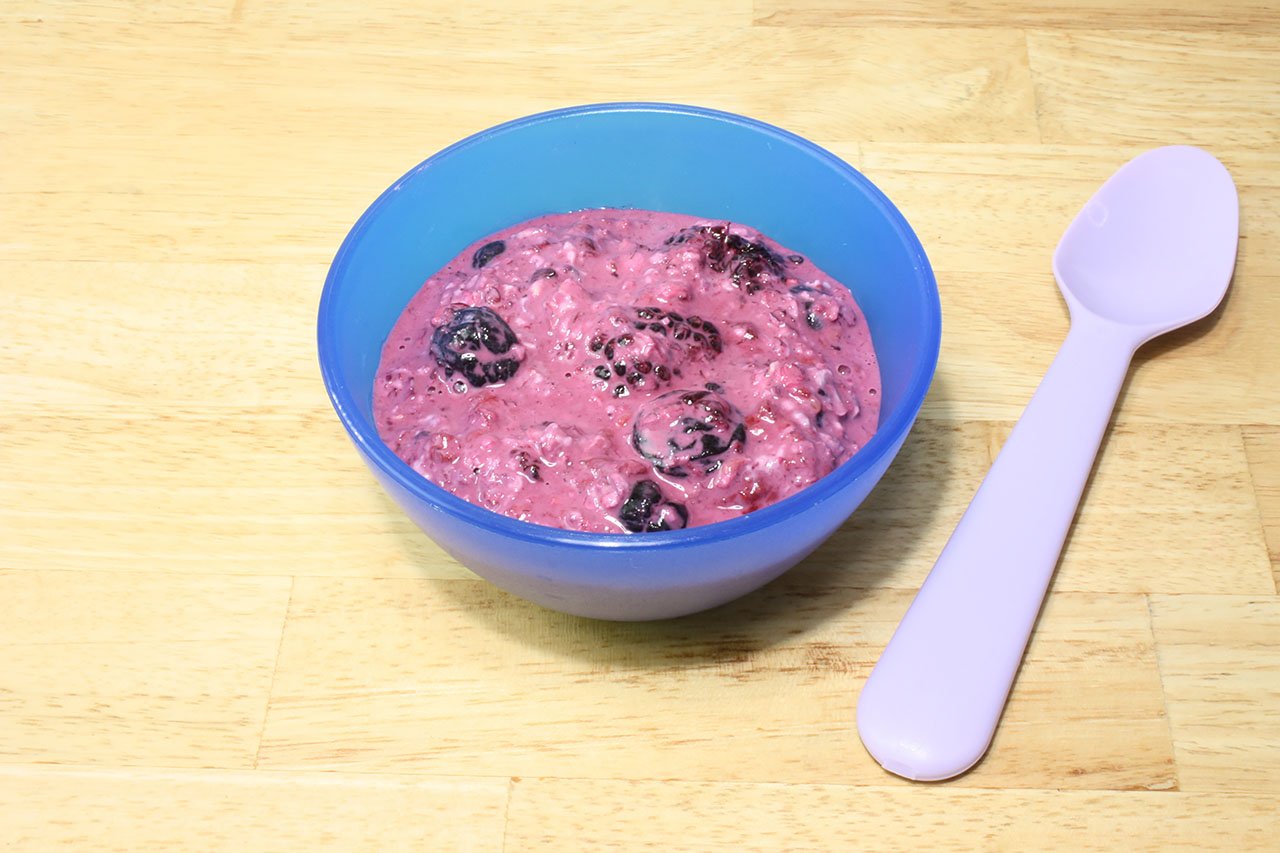
- – Breakfast: oatmeal with berries; water.
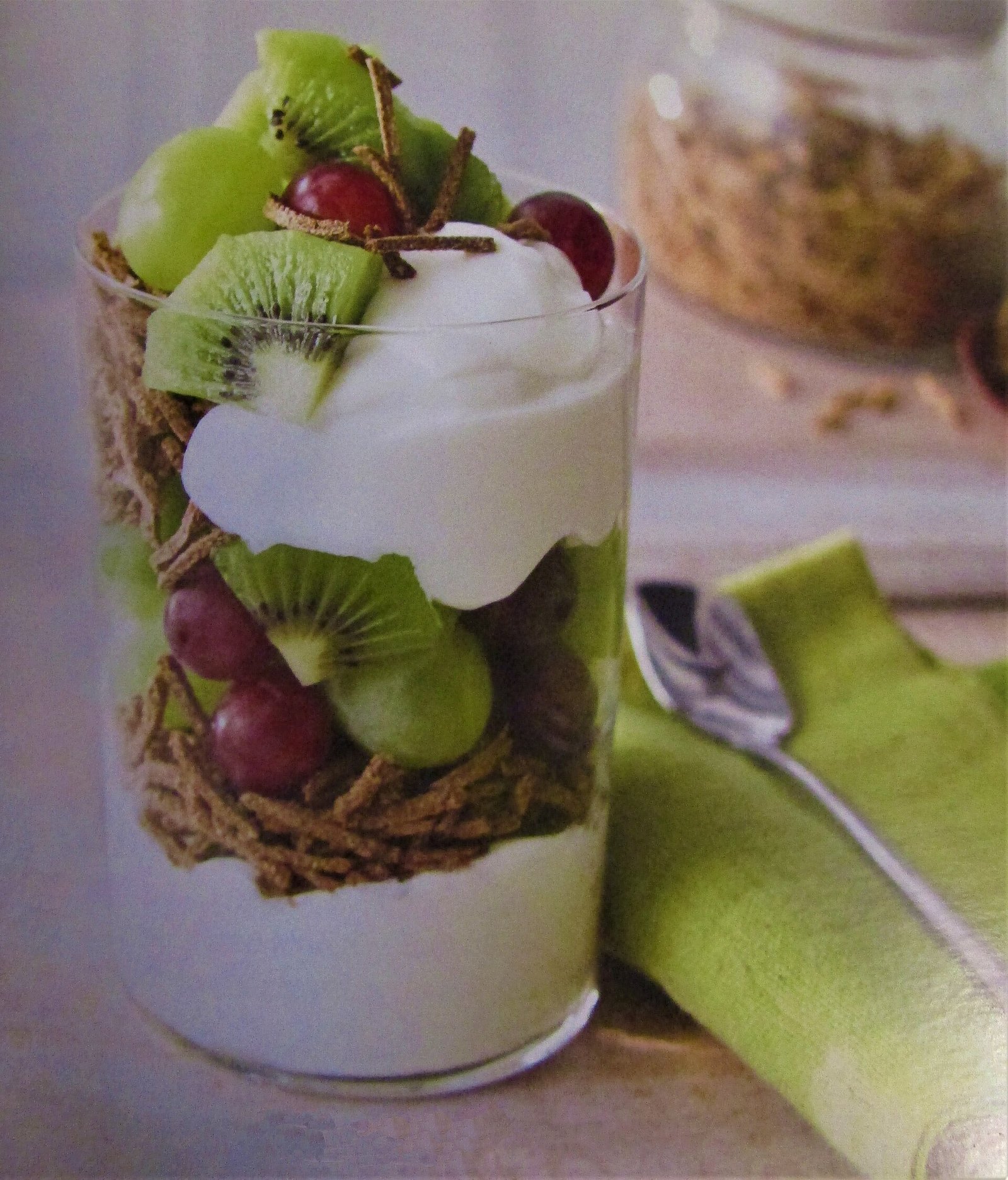
- – Mid-morning: yogurt; fruit.
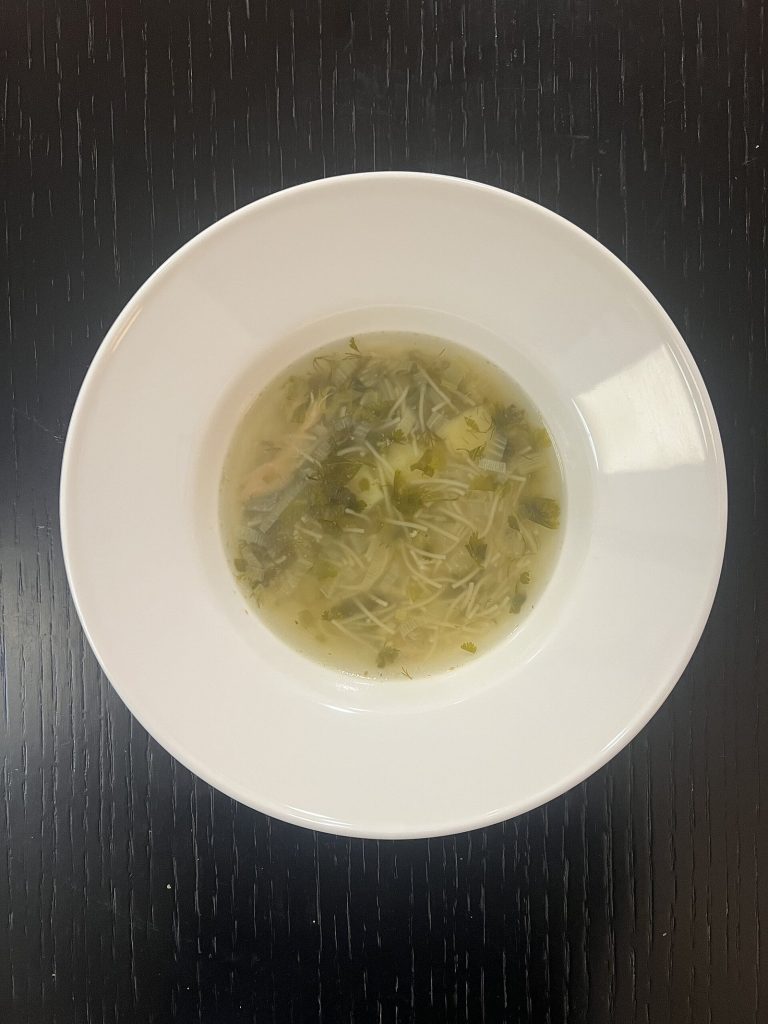
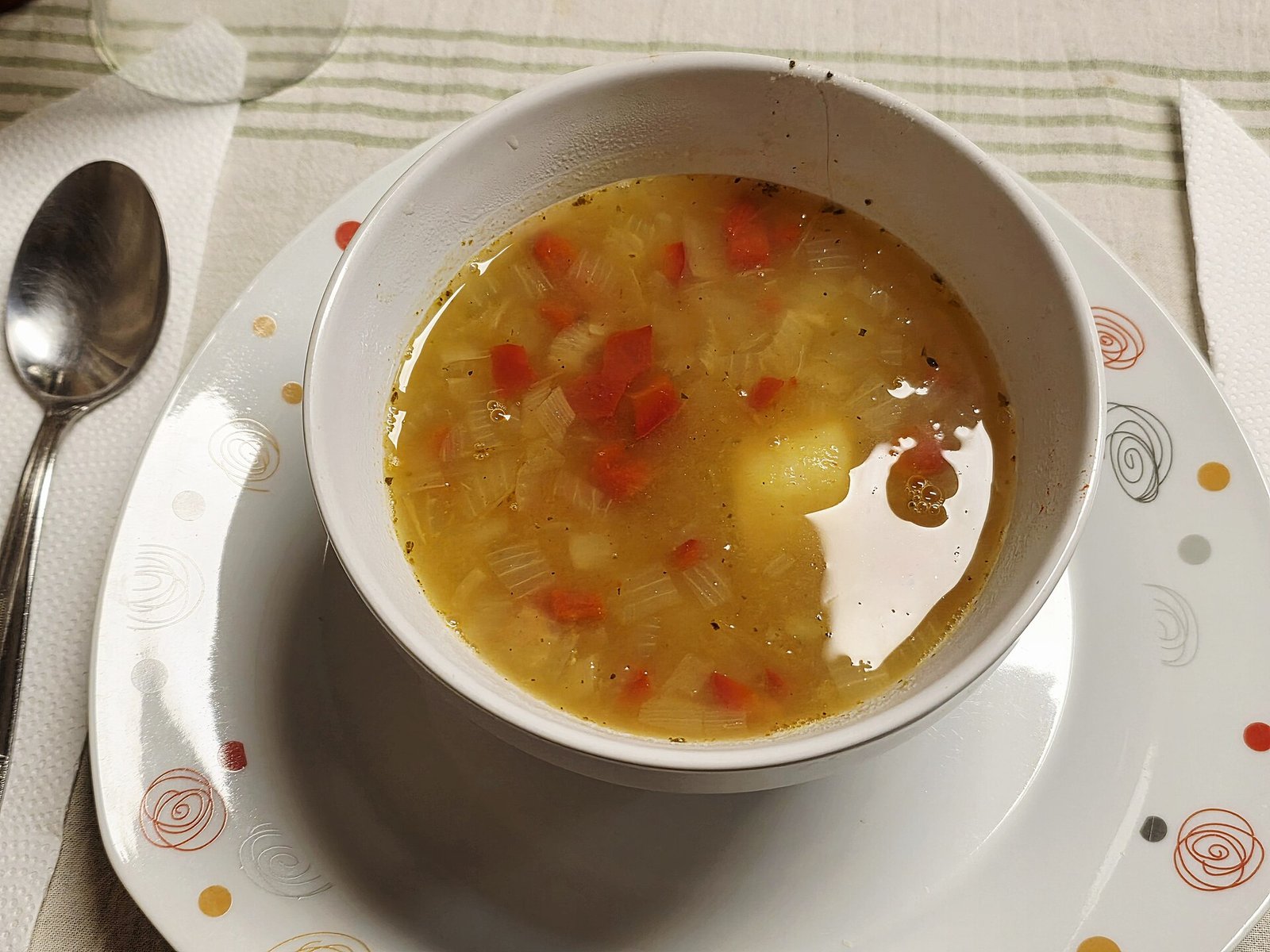
- – Lunch: lentil soup; soft vegetables; water.
- – Snack: cheese or nut butter on toast if tolerated; water.
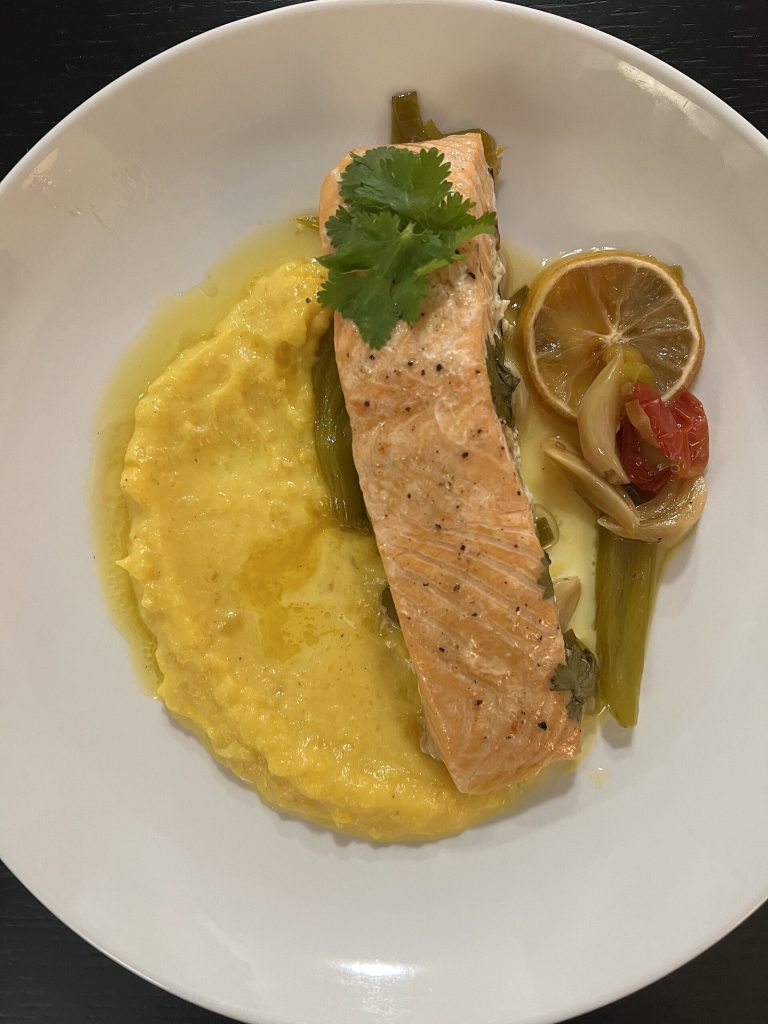
- – Dinner: baked fish or eggs, rice, cooked greens; water.
- – Evening: warm fluid; stool plan as advised—not a second espresso if caffeine worsens urgency for you.
5. Home setup tips
Keep a water bottle and snacks at the bedside and nursing chair; ask helpers to move laundry baskets and car seats; stage high-fiber foods at eye level.
6. If you also had gestational diabetes or hypertensive disorders
Coordinate meal planning with your clinician rather than copying generic low-carb internet plans—general postpartum context also appears in postpartum diet guide.
Safety, interactions, and who should ask a clinician first
- – Opioid pain medicines: expect slower bowels—ask about scheduled softeners rather than waiting for concrete stool.
- – Breastfeeding medicine questions: confirm every painkiller and herbal product with your clinician or pharmacist.
- – Anemia labs: do not start high-dose iron alone if you might have hemochromatosis or unexplained symptoms—ODS notes excess iron can be harmful.
- – Contact urgent care for NHS/MedlinePlus red flags: heavy bleeding, wound infection signs, fever, calf pain/swelling, shortness of breath, severe headache, or inability to care for yourself or the baby due to mood symptoms.
FAQ
Can diet make C-section recovery painless? No. Food supports energy, iron status, and softer stools; it does not erase incision healing timelines.
Why focus on constipation after cesarean? MedlinePlus explicitly ties smaller meals, produce, and ~2 liters of fluids to limiting constipation after C-section—straining is uncomfortable with an abdominal incision.
How soon can I eat normally after surgery? NHS notes you can eat and drink when hungry/thirsty in hospital; at home, MedlinePlus still favors smaller meals and fiber/fluid habits while you heal.
Do I need extra iron automatically? Labs and clinician advice decide; ODS gives food sources and life-stage needs, including lower average needs while breastfeeding than in pregnancy—individual postpartum plans differ after blood loss.
How is this different from a general postpartum diet page? Overlap is large—see postpartum diet guide—but C-section recovery adds incision care, lifting limits, and MedlinePlus’s explicit smaller-meal/constipation focus after cesarean discharge.
How this differs from related OTCFood topics
This page is a C-section-bound diet guide focused on smaller meals, fiber/fluids for bowel comfort, and iron-aware postpartum plates around surgical recovery. It is not a DIY wound protocol, not a weight-loss contest, and not a substitute for obstetric follow-up.
Medical disclaimer
Medical disclaimer: This article is for general information only. It is not medical advice, diagnosis, or a treatment plan. Care after cesarean birth depends on surgical details, bleeding risk, breastfeeding status, other conditions, and your obstetric team’s protocol. Talk with a clinician or registered dietitian before starting, stopping, or changing any eating plan, supplement, or medicine. Seek urgent care for heavy bleeding, wound infection signs, fever, chest pain, calf pain, or severe mood symptoms.