Diet After Hemorrhoidectomy: Foods That May Help and Foods to Limit
Medical note: This article discusses foods and researched botanicals. It does not claim to prevent, treat, or cure disease. Supplements are not a substitute for food, and studied amounts are not personal prescriptions.
People searching “diet after hemorrhoidectomy foods that help or worsen” usually want kitchen habits that keep stools soft, limit straining, and support comfort while they follow a surgeon’s wound-care and activity plan—not a claim that food rebuilds anal tissue or replaces stool softeners, sitz baths, or prescribed pain control. MedlinePlus describes hemorrhoids as swollen veins around the anus or lower rectum and notes that surgery can remove hemorrhoids when bleeding, pain, or swelling is severe. NIDDK emphasizes high-fiber foods, fluids, and avoiding straining as core home strategies around hemorrhoid care.
What this after-hemorrhoidectomy diet guide covers (and what it does not)
This guide is for adults recovering from hemorrhoid surgery who want practical eating patterns while they follow lifting limits, wound hygiene, and bowel plans from their surgeon. Anchors: MedlinePlus — Hemorrhoids, MedlinePlus — Hemorrhoid surgery, NIDDK — Treatment of hemorrhoids, and NIDDK — Eating, diet, and nutrition for hemorrhoids.
MedlinePlus surgery pages note that smaller hemorrhoids are often managed first with high-fiber eating, more water, fiber supplements if needed, and not straining; surgery is considered when those measures fail and symptoms remain severe. NIDDK treatment guidance likewise lists high-fiber foods, stool softeners or fiber supplements, nonalcoholic fluids, no straining, and limited toilet sitting time. Kitchen changes do not replace postoperative bleeding precautions or infection watches. Related reading: hemorrhoids diet guide and constipation diet guide.
Evidence snapshot: after-hemorrhoidectomy diet claims vs public sources
| Claim people hope for | What public sources actually say | Confidence |
|---|---|---|
| “A special diet heals the surgical site faster than the surgeon’s timeline” | MedlinePlus/NIDDK center wound care, bowel softness, and activity limits—not culinary cures | Strong: food is supportive only |
| “Zero fiber for weeks always protects the wound best” | After the immediate surgeon-directed phase, NIDDK and MedlinePlus emphasize fiber and fluids to limit hard stools and straining—follow your surgeon’s staged plan | Moderate: early texture may be individualized |
| “Detox teas replace stool softeners” | NIDDK lists clinician-advised stool softeners/fiber supplements—not unregulated laxative teas as surgery protocols | Strong: ask before herbal laxatives |
| “Skipping fluids ‘dries the wound faster’” | Fluids help fiber work and limit constipation (NIDDK); dehydration often hardens stool | Strong: under-drinking backfires |
| “Spicy food permanently ruins surgical results” | Individual tolerance varies; the bigger evidence-aligned priorities are fiber, fluids, and no straining | Low for permanent “ruin”; moderate for personal triggers |
Foods and patterns that may help after hemorrhoidectomy day to day
“May help” means supporting softer, easier-to-pass stools and steadier hydration so straining is less likely—not a promise that food erases postoperative pain on day one.
Fiber-forward patterns once your surgeon clears that phase
- – NIDDK: eating high-fiber foods can make stools softer and easier to pass; fluids help fiber work better.
- – Dietary Guidelines context cited by NIDDK: about 14 grams of fiber per 1,000 calories (for example, about 28 grams on a 2,000-calorie pattern)—individualize with your clinician.
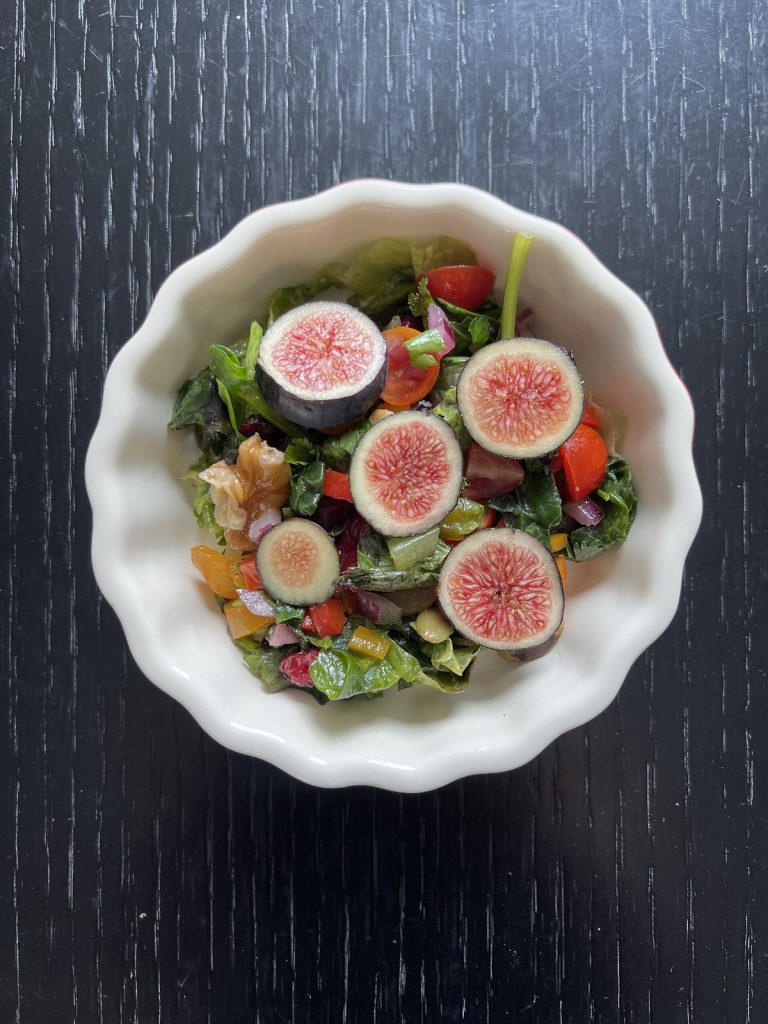
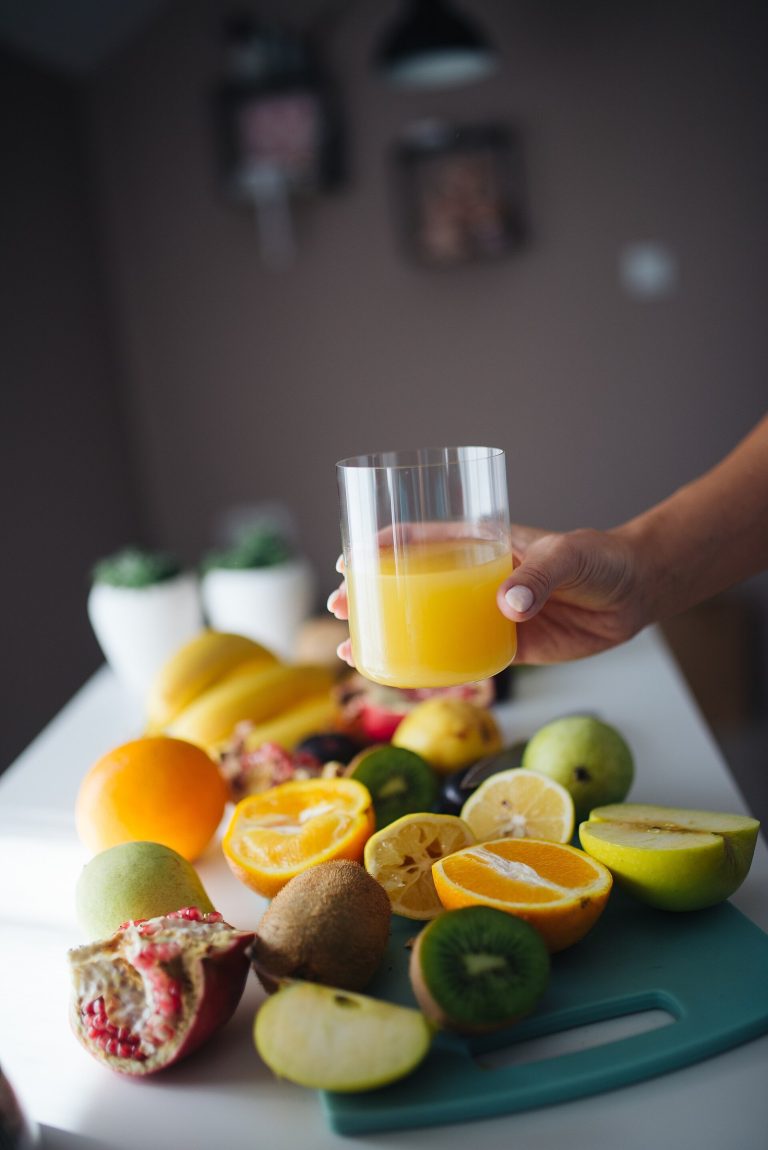
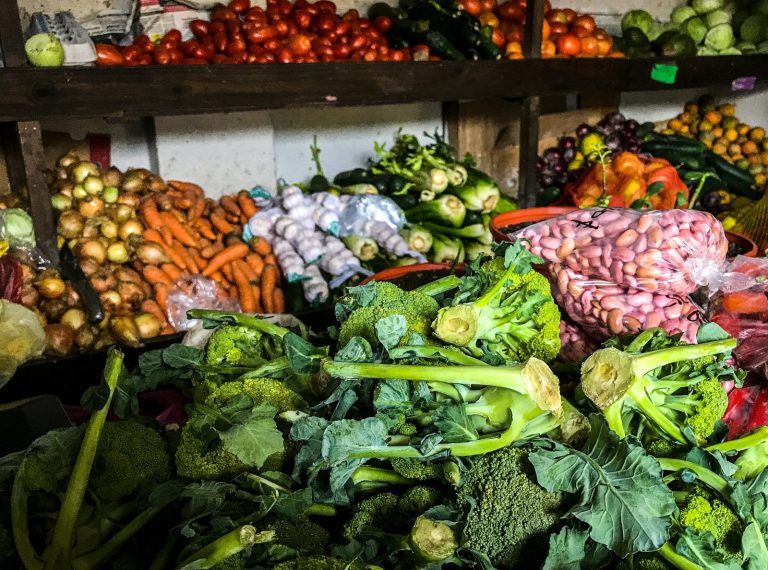
- – Practical sources NIDDK highlights include bran cereals, shredded wheat, pears and apples with skin, raspberries, prunes, peas, collards, sweet potato, beans, and similar foods.
- – Increase fiber gradually if gas is an issue; pair with fluids. See constipation diet guide and hemorrhoids diet guide.
Steady nonalcoholic fluids
- – NIDDK recommends drinking water or other nonalcoholic liquids daily as advised by your health professional.
- – Keep a bottle visible during the first postoperative week when pain medicines may slow the bowels.
Soft, easy meals early if appetite or pain limits cooking
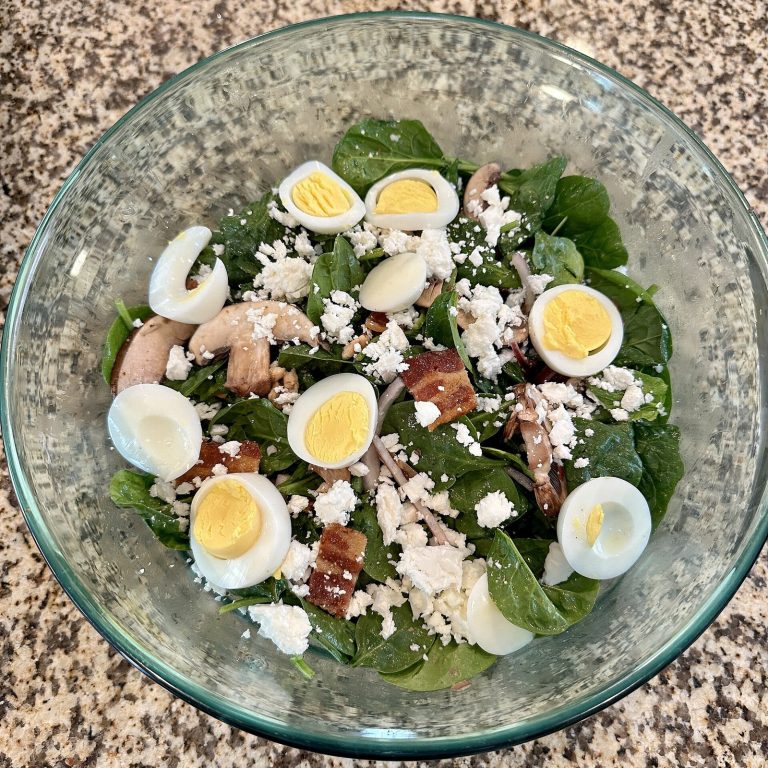
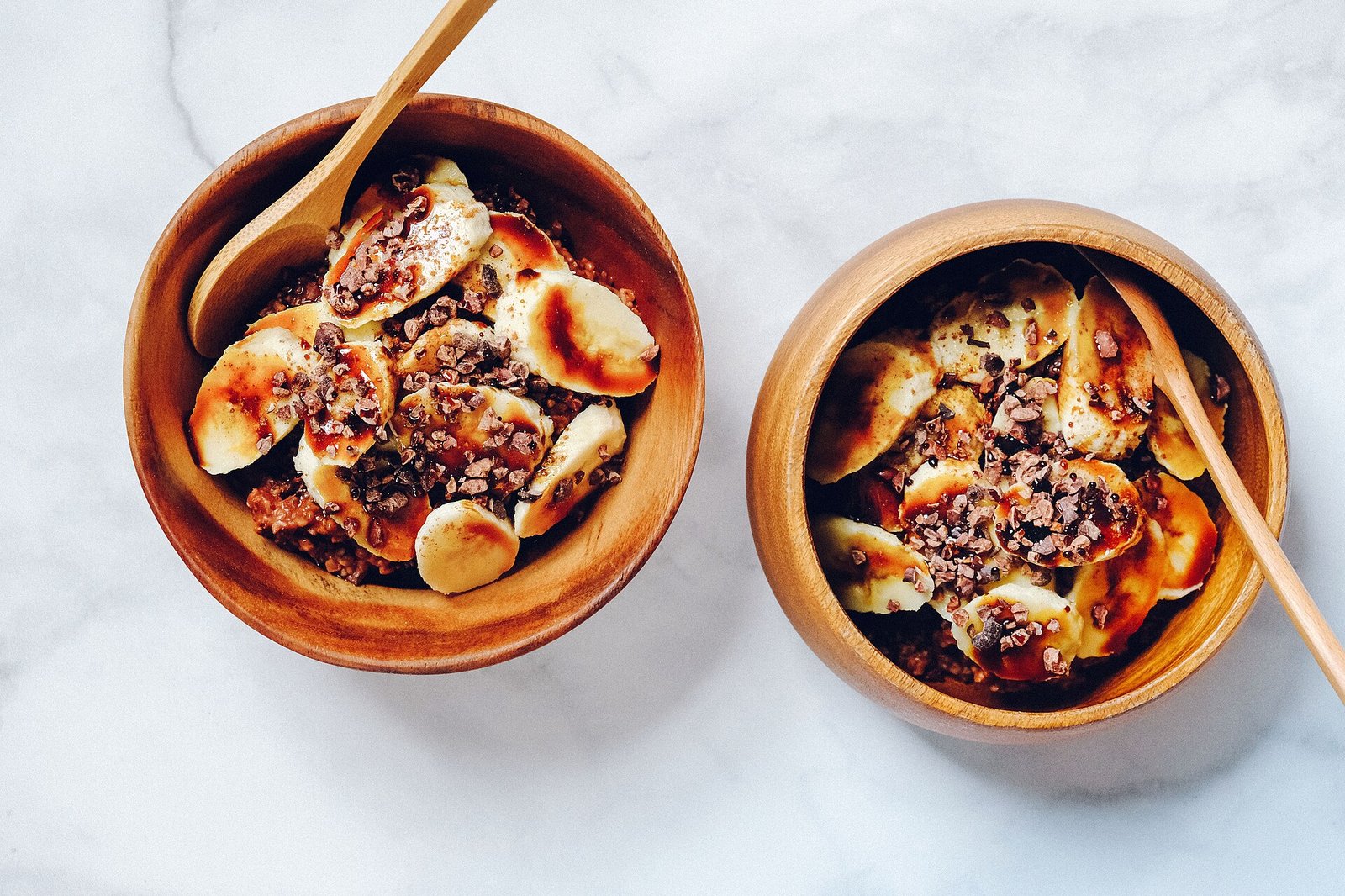
- – Yogurt, eggs, oatmeal, ripe bananas, well-cooked vegetables, and tender proteins reduce kitchen strain when sitting is uncomfortable.
- – If your surgeon starts you on a narrower texture briefly, advance only as instructed—do not invent a prolonged clear-liquid “detox.”
Protein for recovery fueling
- – Include eggs, dairy if tolerated, fish, poultry, tofu, or beans as energy returns—general recovery fueling akin to diet after colectomy guide themes, without claiming colorectal equivalence.
Foods and habits that often worsen after-hemorrhoidectomy kitchen patterns
- – Low-fluid, low-fiber patterns that harden stool and invite straining (opposite of NIDDK guidance once fiber is appropriate).
- – Sitting on the toilet for long periods with phone scrolling—NIDDK explicitly advises against long toilet sitting.
- – Heavy alcohol that dehydrates and may interact with pain medicines.
- – Unprescribed harsh stimulant laxative stacks or “colon cleanses” without surgeon clearance.
- – Large constipating ultra-processed snack patterns with almost no produce or whole grains.
- – Expecting kitchen changes to fix heavy bleeding, fever, inability to urinate, or rapidly worsening pain—those are surgical red flags.
- – Ignoring lifting limits while hauling giant water-cooler jugs “for hydration.”
“Limit” means reducing constipation and strain risk—not that one spicy meal defines surgical success.
Practical kitchen protocol: an after-hemorrhoidectomy diet week
1. Keep the medical spine first
Confirm wound care, sitz bath timing, stool-softener or fiber-supplement brand/dose, pain-medicine schedule, activity/lifting limits, and bleeding precautions. Put softeners where you will not miss doses.
2. Shopping list for stool-soft kitchen recovery
Oats; high-fiber cereal if tolerated; pears, apples, berries, prunes; beans; sweet potatoes; leafy greens; whole-grain bread; yogurt; eggs; tender fish/poultry; olive oil; oral fluids you will actually drink; fiber supplement only if your clinician advised one (psyllium or methylcellulose appear in NIDDK examples).
3. Default plate template (when advancing)
- – Soft lean protein
- – High-fiber carbohydrate (oats, beans, potato with skin if tolerated)
- – Fruit/vegetables
- – Fluid at every meal
4. Sample day (illustrative, after surgeon clears fiber advance)
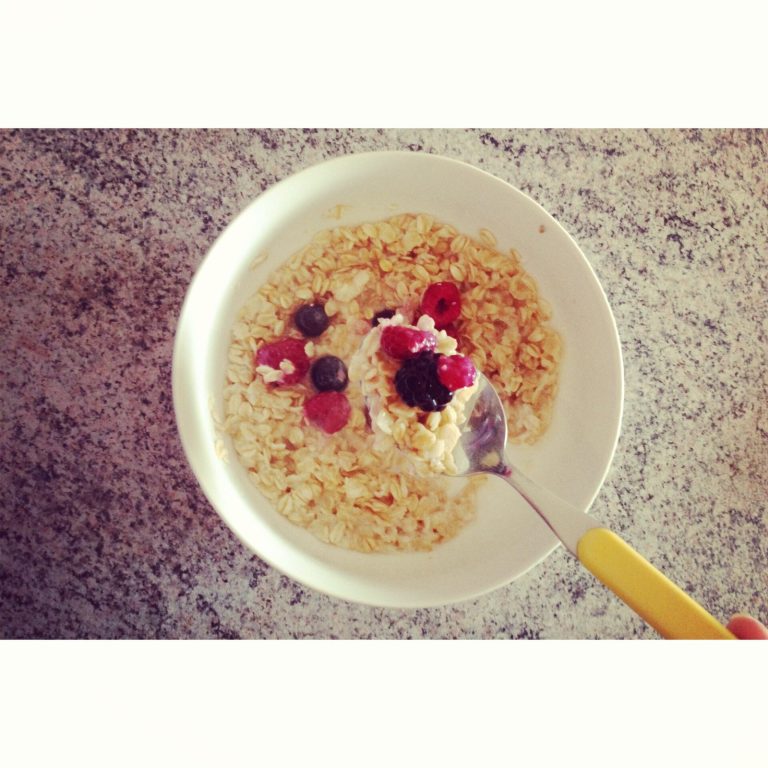
- – Breakfast: oatmeal with berries; water.
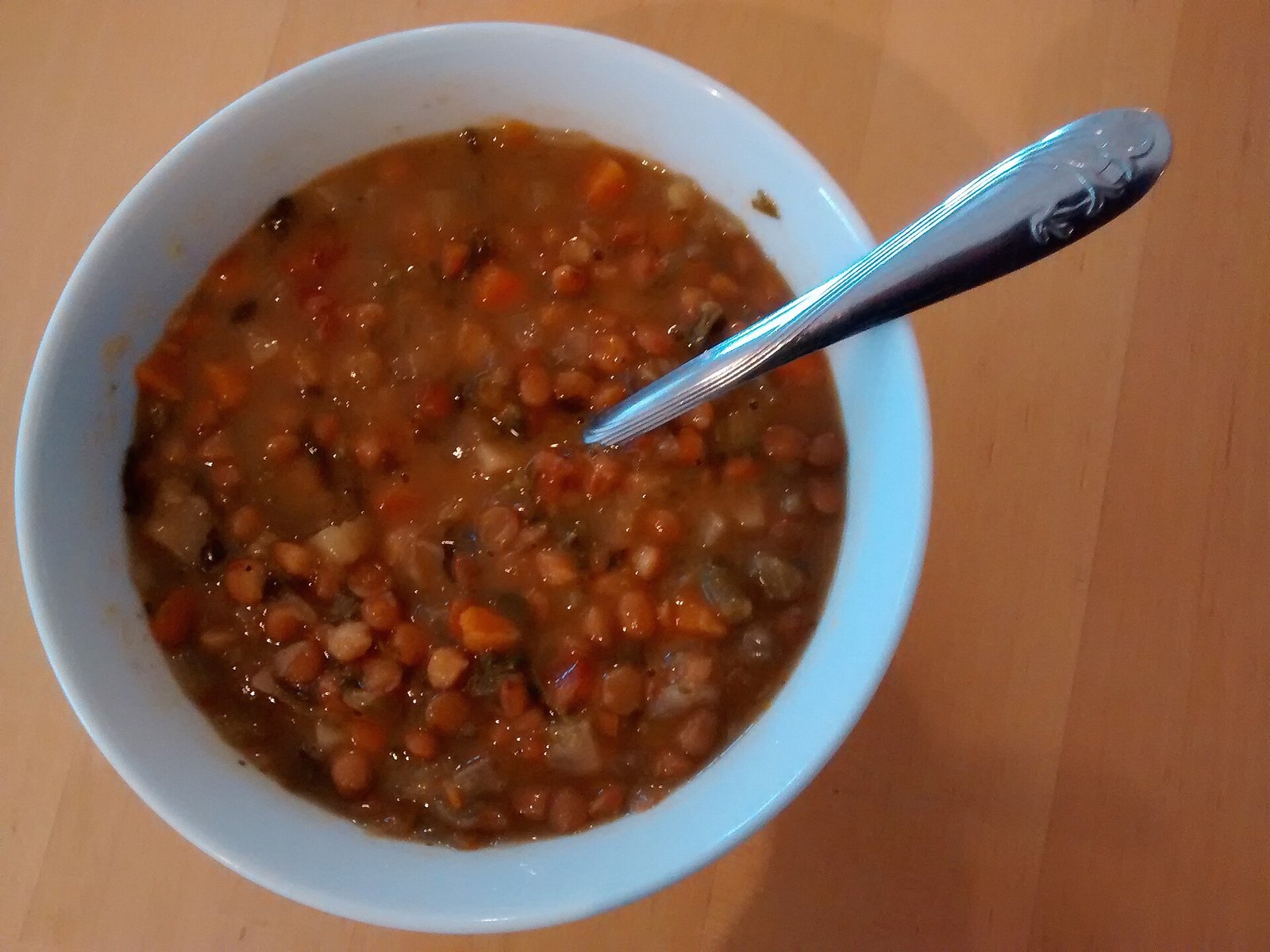
- – Lunch: lentil soup with soft vegetables; fruit; water.
- – Snack: pear or prune portion; yogurt.
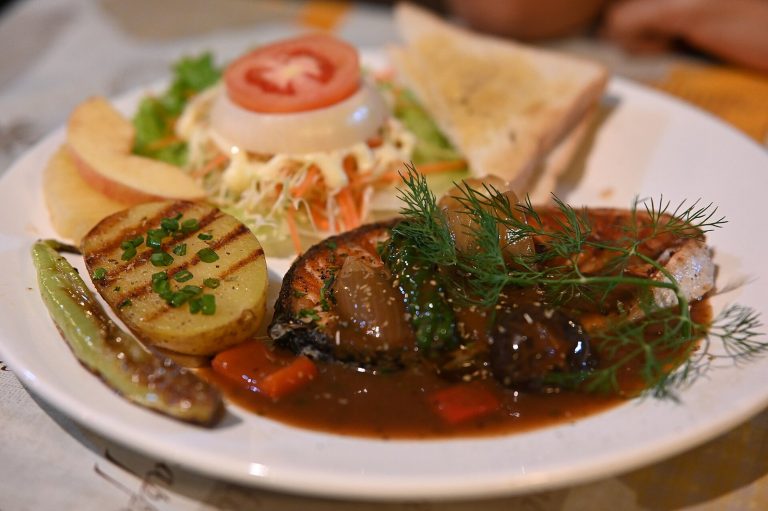
- – Dinner: baked fish, sweet potato, cooked greens; water.
- – Evening: warm fluid; stool plan per surgeon—not a second espresso if caffeine worsens urgency for you.
5. Home setup tips
Stage a bathroom stool softener caddy separate from kitchen spices; keep prune puree or fiber cereal at eye level; ask helpers for grocery runs if sitting in the car is hard.
6. If chronic constipation was the background problem
Long-term prevention patterns overlap constipation diet guide and diverticulosis diet guide fiber themes, but postoperative bleeding and wound rules stay with your surgeon.
Safety, interactions, and who should ask a clinician first
- – Opioid pain medicines: expect slower bowels—ask about scheduled softeners rather than waiting for concrete stool.
- – Kidney disease or fluid restrictions: individualize fluid goals.
- – IBD, diverticulitis flares, or recent colon surgery: coordinate fiber advances carefully.
- – Iron supplements if prescribed for blood loss: they can constipate—ask about timing and stool plans.
- – Contact the surgical team for heavy bleeding, fever, foul discharge, severe uncontrolled pain, or urinary retention.
FAQ
Can diet make hemorrhoidectomy recovery painless? No. Food supports softer stools and less straining; it does not erase surgical healing timelines.
Should I avoid all fiber right after surgery forever? Follow your surgeon’s staged plan. NIDDK and MedlinePlus emphasize fiber and fluids to limit hard stools for hemorrhoid care overall; early hours/days may differ by technique.
How much fiber is “enough”? NIDDK cites roughly 14 g per 1,000 calories as a Dietary Guidelines reference point—your clinician may adjust after surgery.
Do spicy foods ruin the operation? Not automatically. Priority targets are hydration, fiber (when cleared), and no straining. Track personal triggers without panic.
How is this different from a general hemorrhoids diet page? Overlap is large—see hemorrhoids diet guide—but post-hemorrhoidectomy care adds wound, bleeding, and activity rules your surgeon owns.
How this differs from related OTCFood topics
This page is a hemorrhoidectomy-bound diet guide focused on stool softness, fluids, and strain reduction around surgical recovery. It is not a DIY banding protocol, not a cancer diet, and not a substitute for colorectal follow-up.
Medical disclaimer
Medical disclaimer: This article is for general information only. It is not medical advice, diagnosis, or a treatment plan. Care after hemorrhoidectomy depends on surgical technique, bleeding risk, other bowel conditions, and your surgeon’s protocol. Talk with a clinician or registered dietitian before starting, stopping, or changing any eating plan, supplement, or medicine. Seek urgent care for heavy bleeding, fever, severe pain, or inability to pass urine.