Diet After Colectomy: Foods That May Help and Foods to Limit
Medical note: This article discusses foods and researched botanicals. It does not claim to prevent, treat, or cure disease. Supplements are not a substitute for food, and studied amounts are not personal prescriptions.
People searching “diet after colectomy foods that help or worsen” usually want how to advance from hospital liquids toward regular foods, manage gas or loose stools, and—when an ostomy is present—learn pouch-friendly patterns with a dietitian—not a claim that kitchen rules rebuild the colon. MedlinePlus describes large bowel resection (colectomy) as surgery to remove all or part of the large intestine; complete removal of colon and rectum is a proctocolectomy; ends may be joined (anastomosis) or an ostomy created. NIDDK explains ostomy surgery of the bowel connects intestine to the abdominal skin so contents leave through a stoma into a pouch.
What this after-colectomy diet guide covers (and what it does not)
This guide is for adults recovering from partial or total colectomy who want practical eating patterns while they follow surgical and ostomy-nurse instructions. Anchors: MedlinePlus — Large bowel resection, MedlinePlus — Large bowel resection discharge, and NIDDK — Ostomy surgery of the bowel.
MedlinePlus discharge guidance commonly includes small frequent meals, adding foods slowly, daily protein, avoiding foods that cause gas/loose stools/constipation for you, asking the surgeon about fluid goals, and checking before using fiber products or laxatives. Activity often returns gradually over weeks; narcotic pain medicines can worsen constipation. Kitchen changes do not replace wound care, clot education, ostomy teaching, or urgent calls for fever, vomiting, no stool when expected, black/bloody stool, or wound problems. Related gut-surgery and bowel pages: diet after appendectomy guide, diverticulitis diet guide, ulcerative colitis diet guide, Crohn’s disease diet guide, and short bowel syndrome diet guide.
Evidence snapshot: after-colectomy diet claims vs public sources
| Claim people hope for | What public sources actually say | Confidence |
|---|---|---|
| “A forever low-residue diet is mandatory after every colectomy” | Discharge pages emphasize individualized advance: small meals, slow reintroduction, avoid personal triggers—surgeon/dietitian set fiber timing | Strong: individualize |
| “Food heals the anastomosis the way surgery did” | MedlinePlus centers surgical technique, anastomosis or ostomy, and post-op monitoring—not culinary anastomosis “sealing” | Strong: surgery primary |
| “Fiber supplements are always safe right after discharge” | MedlinePlus: ask the surgeon before high-fiber foods or OTC fiber products | Strong: ask first |
| “Ostomy means you can never eat vegetables again” | NIDDK notes most people return to active lives with education from an ostomy nurse; diet adjustments are taught, not universal bans | Moderate: nurse/dietitian guided |
| “If stools are irregular for weeks, the diet failed” | Hard stools, diarrhea, or colostomy issues are listed as possible post-op problems needing clinical guidance | Strong: expect adjustment |
Foods and patterns that may help after colectomy day to day
“May help” means supporting hydration, protein for recovery, and gradual diet advance per your team—not a promise that food prevents all stool changes or hernia risk.
Early advance (only as your surgeon allows)
- – Start with cleared liquids if that is your order set, then move to soft, low-irritant foods in small portions several times a day—MedlinePlus stresses not three huge meals.
- – Include protein daily: eggs, fish, poultry, tofu, smooth dairy if tolerated, or oral supplements when appetite is low.
- – Sip fluids across the day; ask how much you need to avoid dehydration, especially with ileostomy output.
Foods many people tolerate while reintroducing
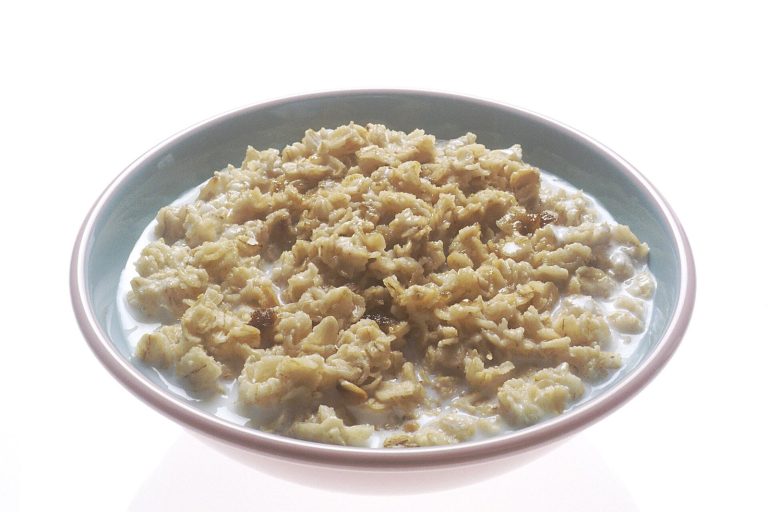
- – White rice, refined cereals, ripe bananas, applesauce, tender cooked carrots/green beans, peeled potatoes, lean poultry, eggs, yogurt if lactose is tolerated.
- – Chew thoroughly; stop at foods that cause cramping, high output, or blockage sensations—and report patterns to your team.
- – For constipation risk after narcotics, walking and stool softeners only if the surgeon agrees—see general constipation diet guide context.
Ostomy-aware patterns (when applicable)
Gas, odor, and output troubleshooting (without panic)
- – Keep a simple log of foods tied to gas, odor, cramping, or high pouch output for 7–14 days—patterns are personal, not universal laws.
- – Carbonated drinks, chewing gum, and drinking with straws increase swallowed air for some people; trial reductions if bloating is prominent.
- – If output suddenly stops with cramps and nausea (especially with ileostomy), treat it as a possible obstruction emergency and contact your surgical team—do not “wait it out” with more fiber experiments.
- – Skin irritation around a stoma is a nursing issue first; diet tweaks never replace pouching-system fit checks.
- – An ostomy nurse can teach which foods commonly increase gas or odor for some people (examples often discussed in teaching materials include beans, cabbage, carbonated drinks, and spicy foods)—responses vary.
- – Chew well and stay hydrated; report high output, stoma stenosis symptoms, or pouching problems promptly.
- – Do not invent “ostomy detoxes”; follow NIDDK’s emphasis on nurse education and clinician contact for unusual signs.
Foods and habits that often worsen after-colectomy kitchen patterns
- – Returning immediately to large fatty, fried, or heavily spicy meals before your gut has adapted.
- – Skipping protein and fluids when appetite is poor, then feeling weak on walks.
- – Starting Metamucil-type fiber or strong laxatives without asking—MedlinePlus flags this explicitly.
- – Ignoring blockage red flags with an ileostomy (cramping, no output, vomiting)—this is clinical, not a smoothie fix.
- – Heavy alcohol that worsens dehydration and sleep while wounds heal.
“Limit” means temporary caution during advance—not a moral judgment on every favorite food forever.
Practical kitchen protocol: an after-colectomy diet week
1. Keep the medical spine first
Confirm anastomosis vs ostomy plan, lifting limits, showering, DVT education, and the exact diet stage you are cleared for. Book dietitian/ostomy-nurse follow-up when offered.
2. Shopping list for small-meal kitchens
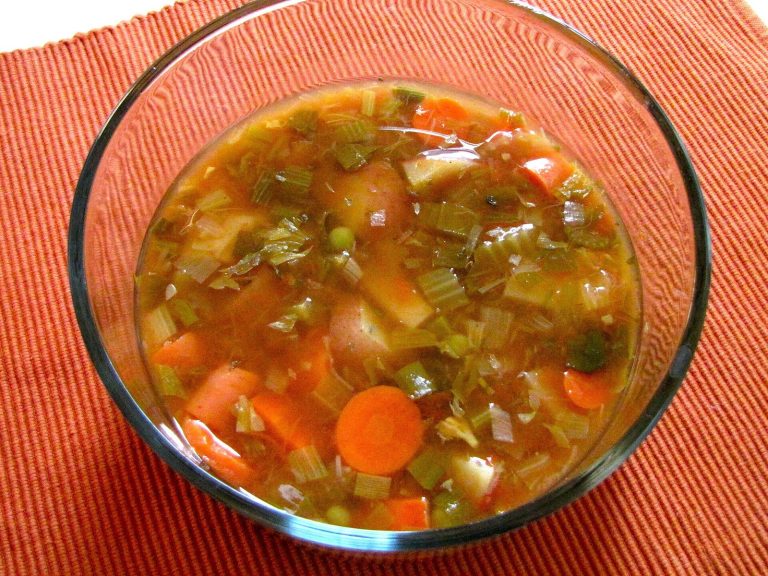
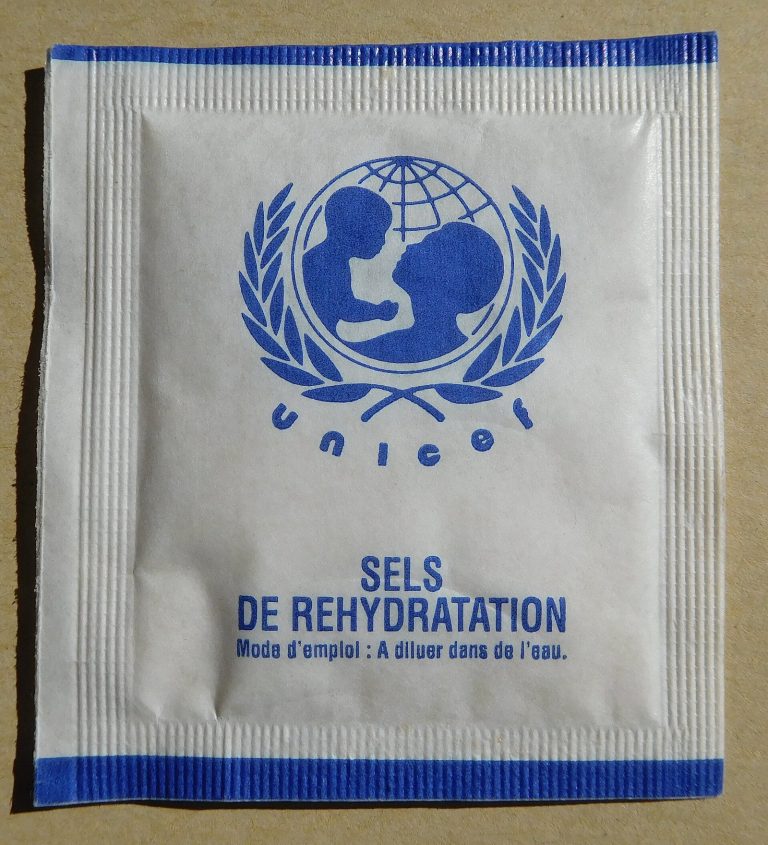
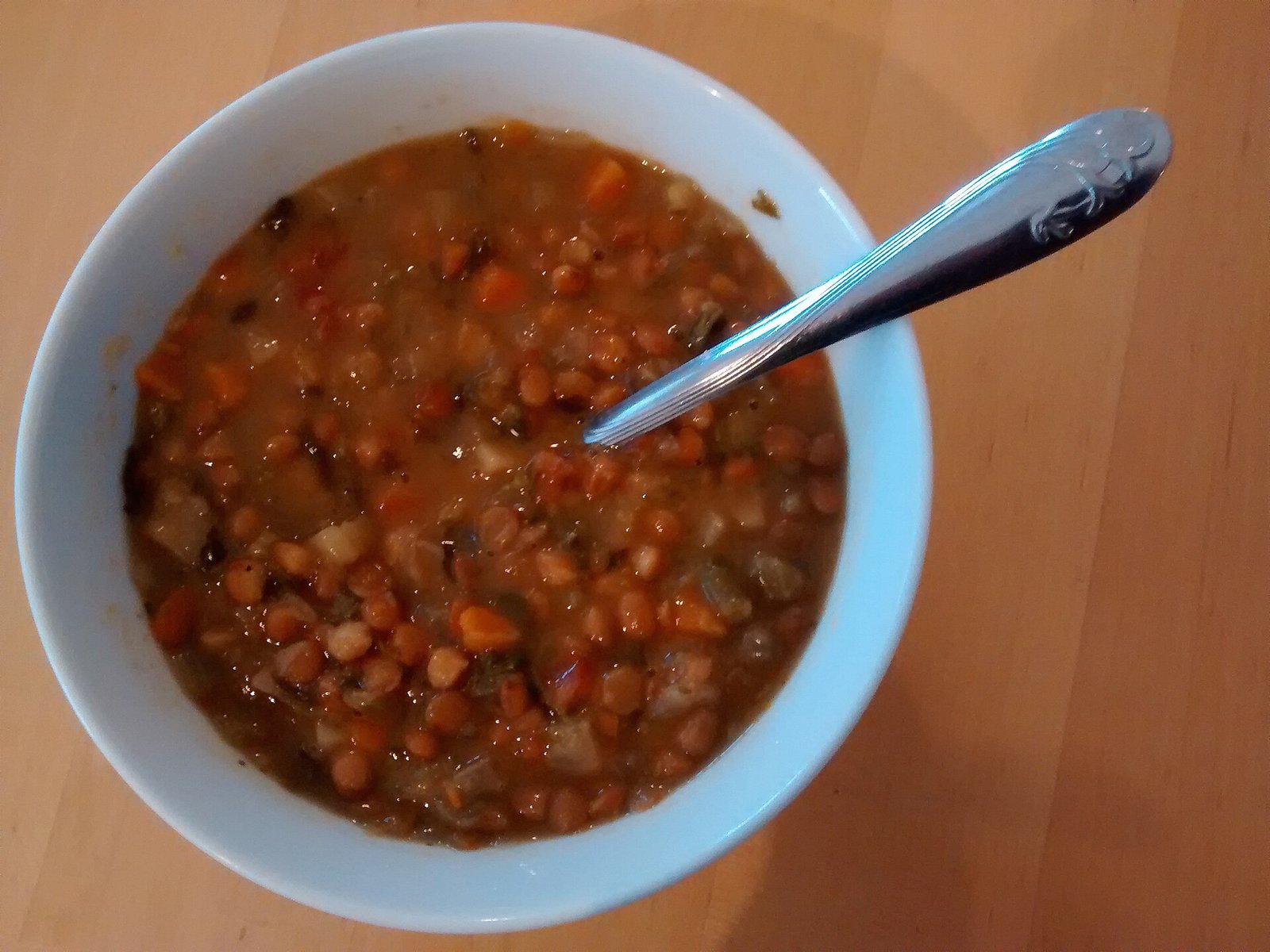
Eggs; yogurt; cottage cheese; canned tuna; tender chicken; white rice; bananas; applesauce; peeled potatoes; cooked carrots; broth-based soups; oral rehydration options if recommended; water bottles.
3. Default plate template (once solids advance)
- – Small protein portion each sitting
- – Easy starch
- – Soft cooked vegetable or peeled fruit as tolerated
- – Pause 3–4 hours between sittings rather than grazing if that worsens output—individualize
4. Sample day (illustrative late-advance day)
- – Breakfast: scrambled eggs and toast; banana; water.
- – Mid-morning: yogurt.
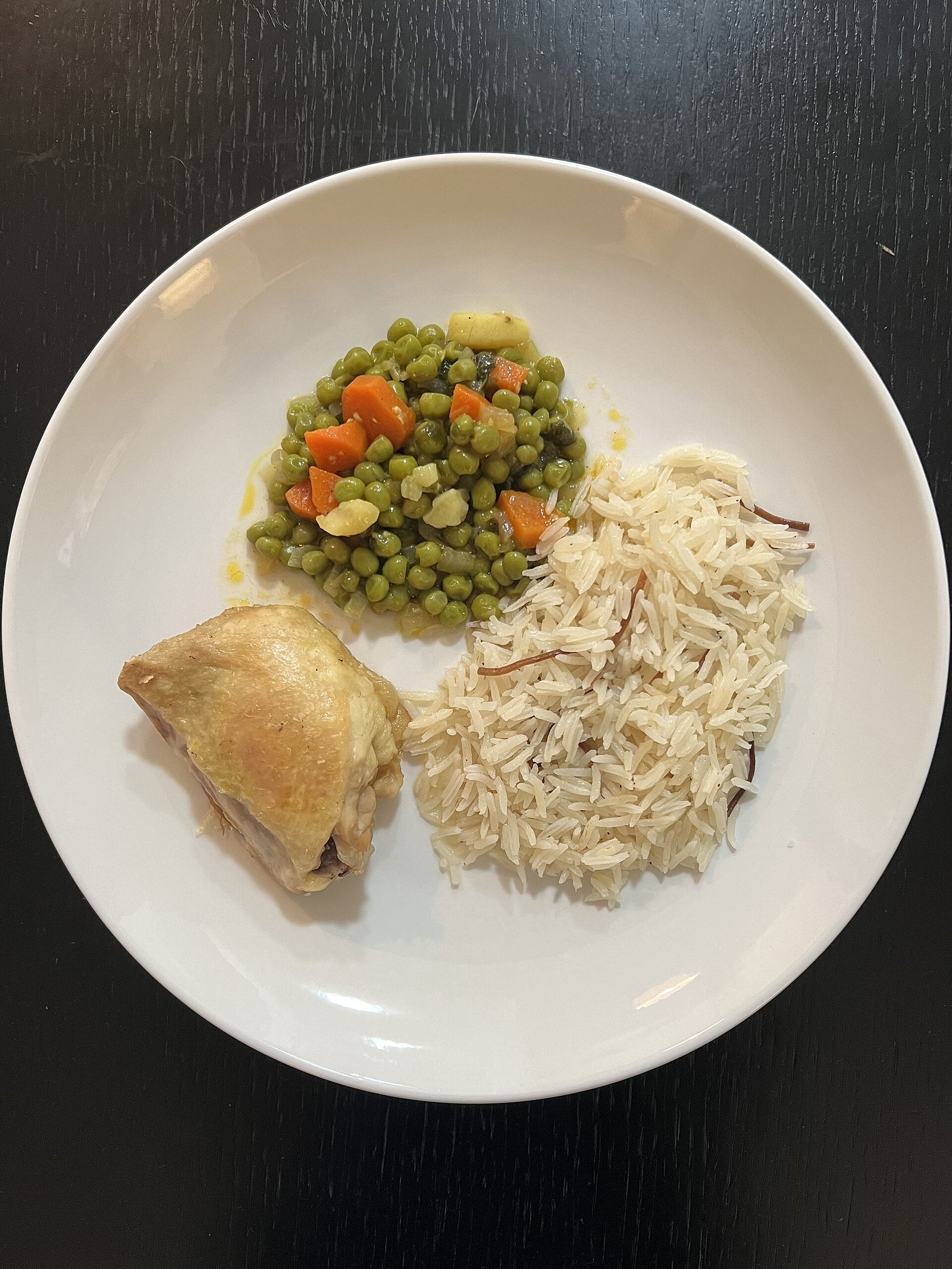
- – Lunch: chicken and rice with soft carrots; water.
- – Snack: cottage cheese or applesauce.
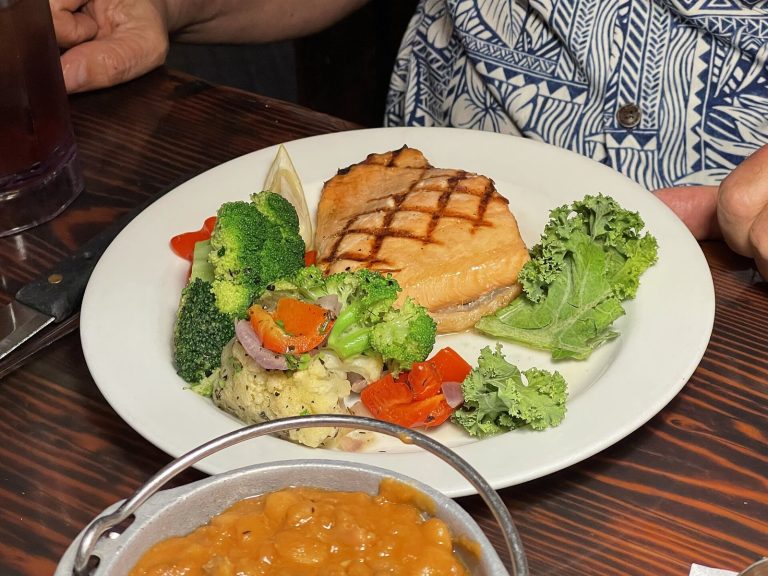
- – Dinner: baked fish, potato, cooked green beans; pause carbonated drinks if gas is troublesome.
5. Home setup tips
Use a food-and-symptom log for two weeks; batch soft proteins; keep pouching supplies separate from food prep for hygiene.
6. Returning to work kitchens
MedlinePlus notes return when you can be active at home ~8 hours and still feel okay the next morning—pack soft lunches rather than relying on heavy cafeteria fried options early on.
Safety, interactions, and who should ask a clinician first
- – Ileostomy or high-output risks: discuss sodium/fluid plans; do not self-restrict water without guidance.
- – Kidney, heart, or diabetes diets: reconcile colectomy advance with existing limits—see chronic kidney disease diet guide or type 2 diabetes diet guide only as parallel context.
- – Inflammatory bowel disease history: coordinate with GI so this recovery page does not conflict with longer-term IBD plans (ulcerative colitis diet guide, Crohn’s disease diet guide).
- – Fever ≥101°F (38.3°C), vomiting, no bowel movement when expected, black/bloody stools, worsening belly pain, chest pain, leg swelling, or wound separation need surgical contact—MedlinePlus lists these call-now signs.
FAQ
Will I always need a low-fiber diet after colectomy? Not necessarily. MedlinePlus emphasizes asking before high fiber early on; many people liberalize under clinician/dietitian guidance. Your anastomosis, ostomy type, and disease reason for surgery matter.
Can diet prevent needing an ostomy? Ostomy decisions are surgical. Diet supports living with or without a stoma; it does not reverse the anatomy choice.
Why protein every day? MedlinePlus discharge advice includes trying to eat protein daily during recovery when you are taking food by mouth—supportive of healing contexts, not a cure claim.
What if diarrhea and constipation alternate? Both appear in post-op lists. Track intake/output and call for guidance rather than stacking OTC fixes.
Is this the same as short bowel syndrome diet care? Related only if extensive small-bowel loss occurred. Extensive SBS needs specialized nutrition—see short bowel syndrome diet guide.
How this differs from related OTCFood topics
This page is a colectomy/ostomy-recovery-bound diet guide focused on small frequent meals, slow reintroduction, protein/fluids, and surgeon/dietitian advance. It is not an IBD cure diet and not a claim that food seals anastomoses.
Medical disclaimer
Medical disclaimer: This article is for general information only. It is not medical advice, diagnosis, or a treatment plan. Diet after colectomy depends on how much bowel was removed, whether you have an anastomosis or ostomy, medications, and other conditions. Talk with your surgeon, ostomy nurse, or registered dietitian before changing fiber, fluids, or supplements. Seek urgent care for fever, persistent vomiting, no output when expected, severe pain, bleeding, breathing trouble, or wound problems.