Myasthenia Gravis Diet: Foods That May Help and Foods to Limit
Medical note: This article discusses foods and researched botanicals. It does not claim to prevent, treat, or cure disease. Supplements are not a substitute for food, and studied amounts are not personal prescriptions.
People searching “myasthenia gravis diet foods that help or worsen” usually want safer textures, timing around fatigue, and enough calories when chewing or swallowing is hard—not a claim that food strengthens the neuromuscular junction or replaces myasthenia medicines. MedlinePlus describes myasthenia gravis (MG) as a chronic autoimmune disease that causes weakness in voluntary muscles—including those used for eye movement, facial expression, chewing, talking, swallowing, breathing, and moving the limbs. Weakness often worsens with activity and improves with rest. NINDS notes MG is autoimmune, varies widely between people, and that a myasthenic crisis (breathing muscles weak enough to need ventilator support) is an emergency that may be triggered by infection, stress, surgery, or medication reactions.
What this myasthenia gravis diet guide covers (and what it does not)
This guide is for adults with MG who want practical kitchen patterns while they follow neurology care. Anchors: MedlinePlus — Myasthenia gravis, NINDS — Myasthenia gravis, and MedlinePlus — Swallowing disorders.
MedlinePlus explains that antibodies can block acetylcholine signaling at the nerve–muscle junction, so muscles contract less effectively. Swallowing difficulty (dysphagia) can make it hard to take in enough calories and fluids; speech-language pathology and texture changes may help some people. Kitchen changes do not replace acetylcholinesterase inhibitors, immunosuppressants, thymectomy when indicated, crisis plans, or vaccine/infection guidance from your clinicians. For texture-focused reading that is related but not MG-specific, see dysphagia diet guide and GERD diet guide.
Evidence snapshot: MG diet claims vs public sources
| Claim people hope for | What public sources actually say | Confidence |
|---|---|---|
| “Foods strengthen the neuromuscular junction like medicine” | MedlinePlus/NINDS center autoimmune signaling errors and medical therapies—not culinary junction “repairs” | Strong: meds/neurology primary |
| “A special diet prevents myasthenic crisis” | NINDS: crisis may follow infection, stress, surgery, or adverse medication reactions; about 15–20% of people with MG experience at least one crisis | Strong: crisis plans are medical |
| “Chewy “muscle foods” build strength despite MG fatigue” | Weakness worsens with activity; hard chewing can fatigue bulbar muscles | Strong: texture safety first |
| “Supplements reverse MG antibodies” | Public NIH pages do not present kitchen supplements as antibody cures | Strong: do not invent cures |
| “If swallowing worsens at dinner, diet failed permanently” | Fatigable weakness often fluctuates with rest and time of day | Moderate: timing and texture strategies may help comfort |
Foods and patterns that may help with myasthenia gravis day to day
“May help” means supporting safe swallow textures when recommended, adequate calories and protein despite fatigue, and meal timing that respects muscle endurance—not a promise that food restores acetylcholine signaling.
Texture and swallow-aware patterns
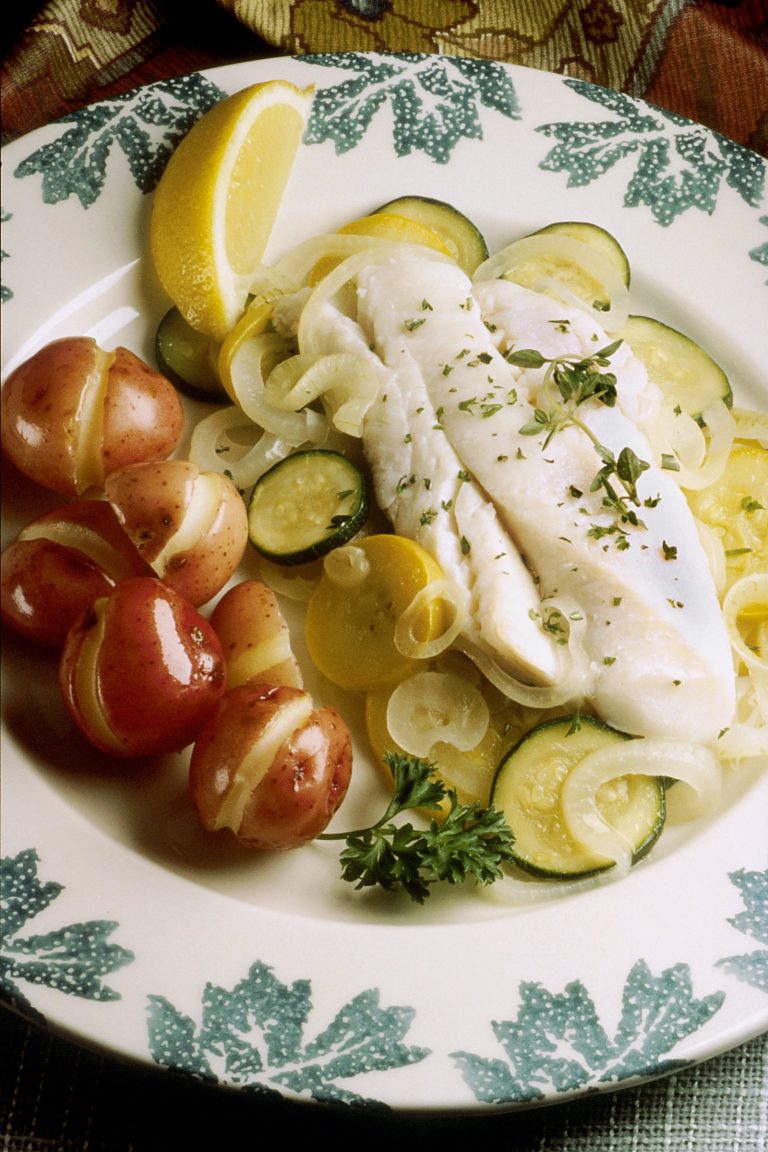
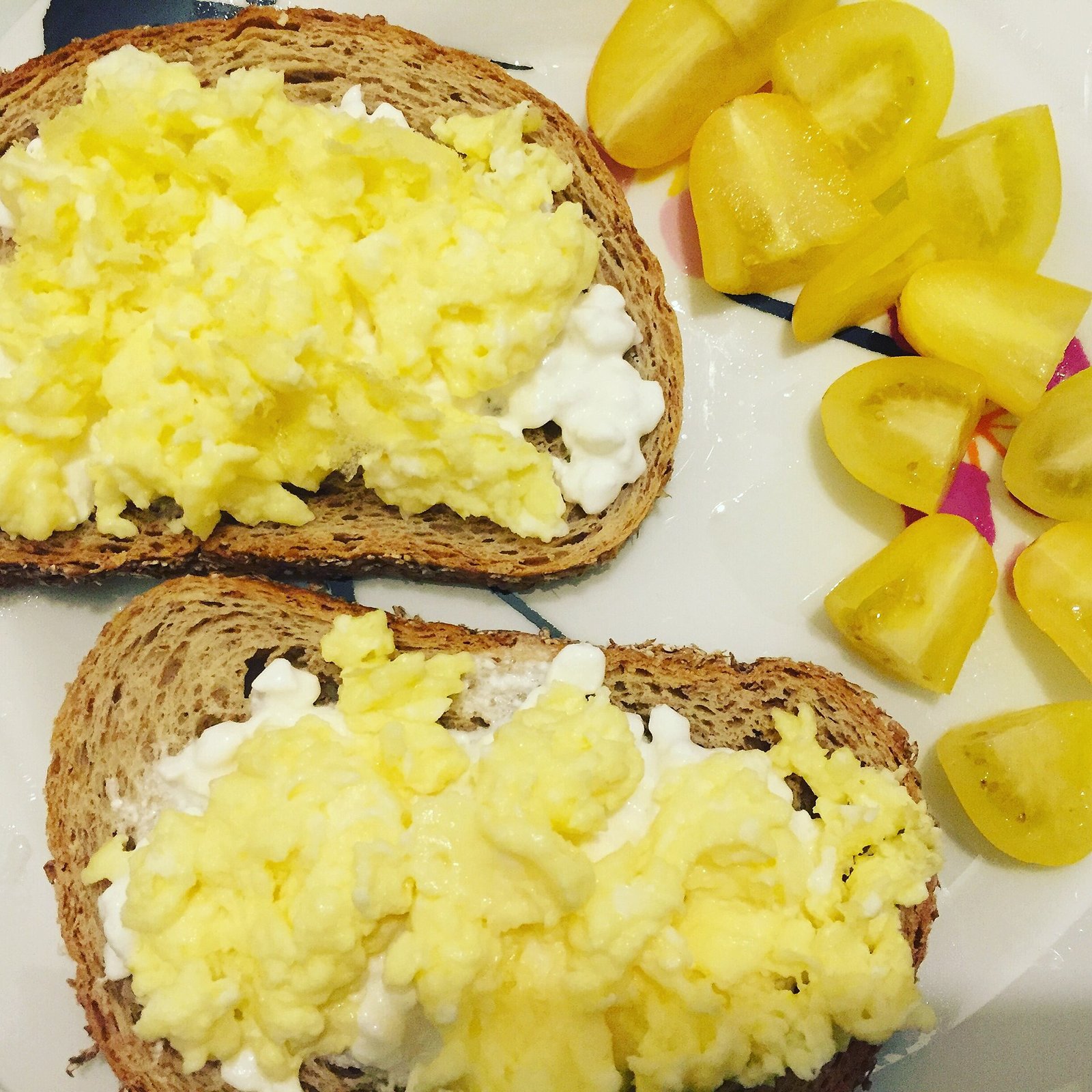
- – Prefer moist, soft foods when chewing or swallowing feels effortful: scrambled eggs, yogurt, cottage cheese, smooth soups (temperature as advised), mashed potato, flaked fish, ground or finely cut tender meats, soft tofu, well-cooked cereals, ripe bananas.
- – Take smaller bites, eat slowly, and rest before meals if your team recommends energy conservation.
- – Thicken liquids only if a clinician or speech-language pathologist instructs you—do not guess thickness levels.
- – Sit upright for meals and remain upright afterward if reflux or aspiration risk is part of your plan—see dysphagia diet guide for general texture concepts.
Energy and protein without marathon chewing
- – Spread protein across the day (eggs, dairy if tolerated, fish, poultry, soft legumes, tofu) so evening fatigue does not leave you under-fueled.
- – If dinner is the weakest time of day, shift more calories to breakfast and lunch when strength is better—ask your clinician if medicine timing interacts with meals.
- – Oral nutrition supplements or softer high-calorie add-ins (nut butters thinned into yogurt, olive oil in puree) may be discussed with a dietitian when weight is dropping—MedlinePlus notes nourishment challenges with swallowing disorders.
Fluids, constipation, and medicine logistics
- – Stay hydrated with textures your swallow plan allows; dehydration can worsen fatigue.
- – Some MG medicines and reduced activity can slow bowels; fiber and fluids as tolerated may support comfort—pair with clinician advice, not DIY laxative megadoses. Related general context: constipation diet guide.
- – Keep alcohol modest; it can worsen sleep, balance, and medication clarity.
Foods and habits that often worsen MG kitchen patterns
- – Dry, crumbly, tough, or sticky foods (tough steaks, dry crackers, chunky nuts, thick peanut butter neat) when bulbar fatigue is present—unless your swallow evaluation cleared them.
- – Large, rushed meals late in the day when weakness peaks.
- – Alcohol excess or sedating combinations that blur crisis recognition.
- – Unprescribed “immune-boosting” megadoses or herbal stacks that interact with immunosuppressants—always disclose supplements.
- – Ignoring red flags—worsening shortness of breath, weak cough, inability to swallow saliva, or sudden severe weakness needs emergency care (possible crisis), not a new smoothie.
“Limit” means reducing textures and habits that increase choke/fatigue risk—not lifelong bans without clinical guidance.
Practical kitchen protocol: a myasthenia-aware diet week
1. Keep the medical spine first
Confirm rescue plans, infection precautions, medicine timing with food, and whether a speech-language pathologist has set texture levels. Put soft staples at eye level to reduce fatigue from prep.
2. Shopping list for fatigable kitchens
Eggs; Greek yogurt; cottage cheese; milk or fortified alternatives; canned tuna/salmon in water; soft bread or oatmeal; bananas; pre-cooked tender chicken; tofu; mashed potato mixes or potatoes; smooth soups; olive oil; oral supplements only if dietitian-approved.
3. Default plate template (when swallow-safe)
- – Soft protein portion
- – Soft starch
- – Soft cooked vegetables or fruit puree as cleared
- – Moist gravies/sauces if they help form a cohesive bolus and are approved
4. Sample day (illustrative; adjust to swallow plan)
- – Breakfast: scrambled eggs and soft toast moistened; yogurt; water or thickened liquid as prescribed.
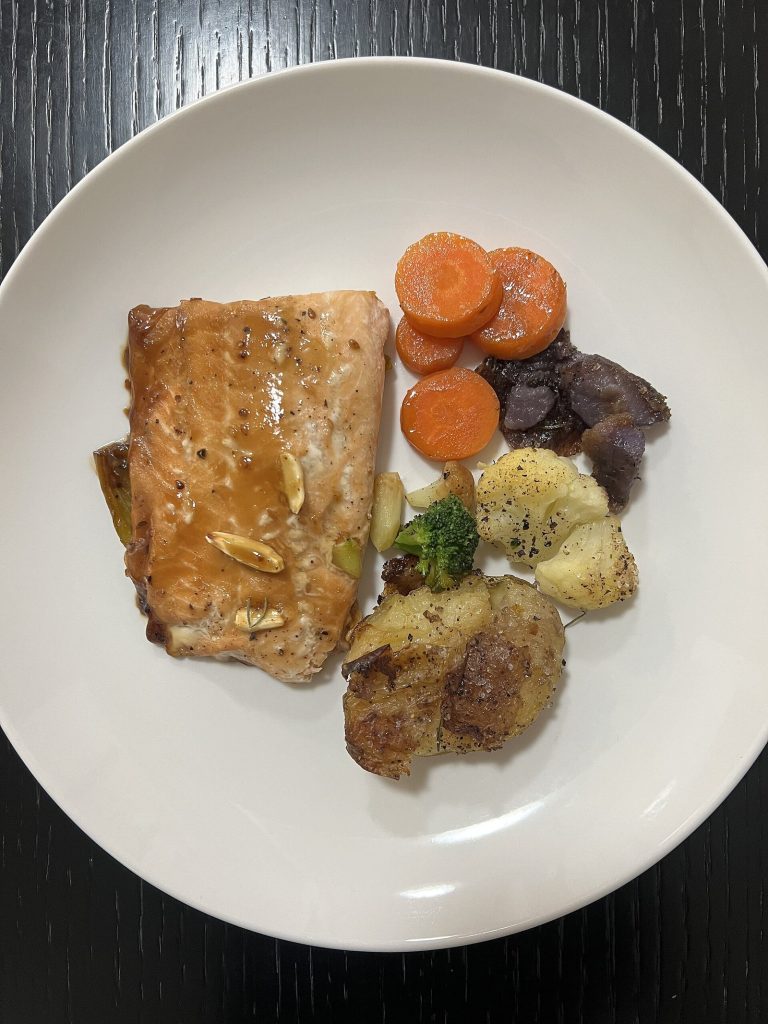
- – Lunch: flaked salmon with mashed potato and soft carrots; rest afterward.
- – Snack: cottage cheese or a nutrition drink if recommended.
- – Dinner (lighter if evenings are weak): blended soup, soft tofu, ripe banana.
5. Home setup tips
Batch-cook and freeze soft portions on stronger days; use a slow cooker; keep suction or rescue instructions where caregivers can see them if prescribed.
6. Social meals
Ask for sauces and substitutions; do not feel pressured to finish chewy restaurant cuts—safety beats etiquette.
Safety, interactions, and who should ask a clinician first

- – Breathing or swallowing worsening: seek urgent/emergency care—NINDS flags myasthenic crisis as requiring immediate medical care.
- – Immunosuppressants or plasma-exchange plans: diet does not replace infection vigilance; ask before live-culture or unpasteurized products if neutropenia risk applies.
- – Tube feeding if ordered: follow the prescribing team—kitchen DIY formulas are unsafe.
- – Steroid therapy when used: discuss bone, glucose, and protein needs with clinicians—see general osteoporosis diet guide context only if relevant, not as MG cure framing.
- – Never stop MG medicines to “try diet first.”
FAQ
Can diet cure myasthenia gravis? No. MedlinePlus and NINDS describe autoimmune neuromuscular signaling problems managed medically. Food may support safe intake; it does not reverse the disease process.
Should I avoid all “hard” foods forever? Not automatically. Texture limits should follow swallow testing and fluctuate with fatigue. Re-evaluate with your team rather than guessing lifelong bans.
Do magnesium or potassium foods stop MG weakness? Electrolyte foods matter for general health, but public MG pages do not present them as junction repairs. Correct proven deficiencies only under clinician guidance—see magnesium deficiency diet guide and potassium deficiency diet guide as general nutrient pages.
Is exercise plus a high-protein diet enough? Activity plans for MG are individualized because fatigue can worsen with overwork. Do not replace prescribed therapy with gym-and-protein experiments.
How is this different from a generic dysphagia diet? MG adds fatigable, fluctuating weakness and crisis risk. Use MG-specific neurology guidance alongside any texture plan—dysphagia diet guide is complementary reading.
How this differs from related OTCFood topics
This page is an MG-bound diet guide focused on swallow/texture safety, meal timing around fatigability, and clear deference to neurology care. It does not claim food strengthens the neuromuscular junction or prevents crisis.
Medical disclaimer
Medical disclaimer: This article is for general information only. It is not medical advice, diagnosis, or a treatment plan. Myasthenia gravis care depends on antibody status, disease severity, medicines, and swallowing/breathing status. Talk with a neurologist, speech-language pathologist, or registered dietitian before changing textures, supplements, or medicines. Seek emergency care for breathing trouble, inability to swallow secretions, or sudden severe weakness.