Diet After ACL Reconstruction: Foods That May Help and Foods to Limit
Medical note: This article discusses foods and researched botanicals. It does not claim to prevent, treat, or cure disease. Supplements are not a substitute for food, and studied amounts are not personal prescriptions.
People searching “diet after ACL reconstruction foods that help or worsen” usually want kitchen habits that support energy and protein intake while they follow a surgeon- and physical-therapy rehab plan—not a claim that food rebuilds the anterior cruciate ligament the way surgery and months of rehabilitation do. MedlinePlus describes ACL reconstruction as surgery to reconstruct the ligament in the center of the knee that connects the shin bone (tibia) to the thigh bone (femur). A tear can make the knee give way during cutting or side-step movements. Tissue for the new ligament may come from your own body (autograft) or a donor (allograft), often placed with arthroscopic guidance.
What this after-ACL-reconstruction diet guide covers (and what it does not)
This guide is for adults recovering from ACL reconstruction who want practical eating patterns while they follow discharge instructions, bracing or crutch rules when prescribed, and a rehabilitation program that MedlinePlus notes can last about 4 to 6 months (longer for cutting sports). Anchors: MedlinePlus — ACL reconstruction, MedlinePlus — Sports Injuries, and NIAMS — Sports Injuries.
MedlinePlus notes that most people go home the day of surgery; a brace and/or crutches may be needed for weeks; early motion may be encouraged to limit stiffness; physical therapy helps regain motion and strength; return to work varies; full return to activities often takes months. Kitchen changes do not replace wound care, clot-risk education, prescribed pain plans, or PT. This page is not a protocol for every knee surgery—see also diet after knee replacement guide and diet after hip replacement guide for other joint-surgery kitchen frames.
Evidence snapshot: after-ACL diet claims vs public sources
| Claim people hope for | What public sources actually say | Confidence |
|---|---|---|
| “A special diet heals the ACL graft” | MedlinePlus centers surgery technique, early motion when allowed, bracing/crutches as directed, and months of rehab—not culinary cures | Strong: food is supportive only |
| “Protein shakes replace physical therapy” | MedlinePlus: physical therapy can help regain motion and strength; therapy can last months | Strong: rehab is primary |
| “Supplements reverse graft failure risk” | MedlinePlus lists surgical/anesthesia risks and notes rehab adherence affects return to activity; it does not present kitchen supplements as graft insurance | Strong: do not invent supplement cures |
| “Skipping meals speeds recovery by ‘fasting inflammation away’” | Public sports-injury pages emphasize rest, rehab, and clinician care; inadequate intake can undermine energy for PT | Moderate for adequate intake support |
| “If return to sport takes 9–12 months, diet failed” | MedlinePlus: cutting sports may require up to 9 to 12 months of rehabilitation | Strong: timelines are rehab-driven |
Foods and patterns that may help after ACL reconstruction day to day
“May help” means supporting adequate calories and protein for an active rehab period, easier shopping when mobility is limited, and hydration with pain medicines—not a promise that food shortens graft remodeling.
Protein-forward plates during rehab months
- – Build meals around eggs, dairy if tolerated, fish, poultry, lean meat, tofu, beans, and lentils in portions that fit your overall health plan—similar protein-aware habits discussed in our sarcopenia diet guide page as general kitchen context, not as ACL cures.
- – Spread protein across breakfast, lunch, dinner, and snacks so fatigue after PT does not leave you under-fueled at night.
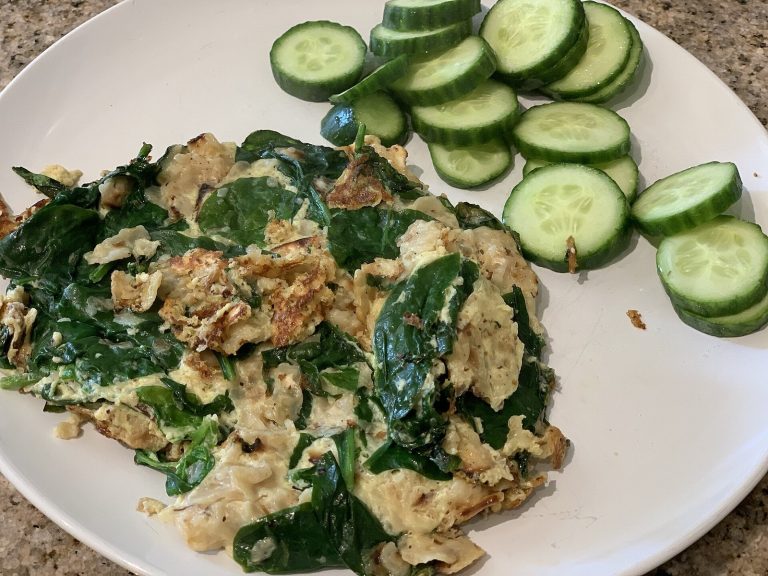
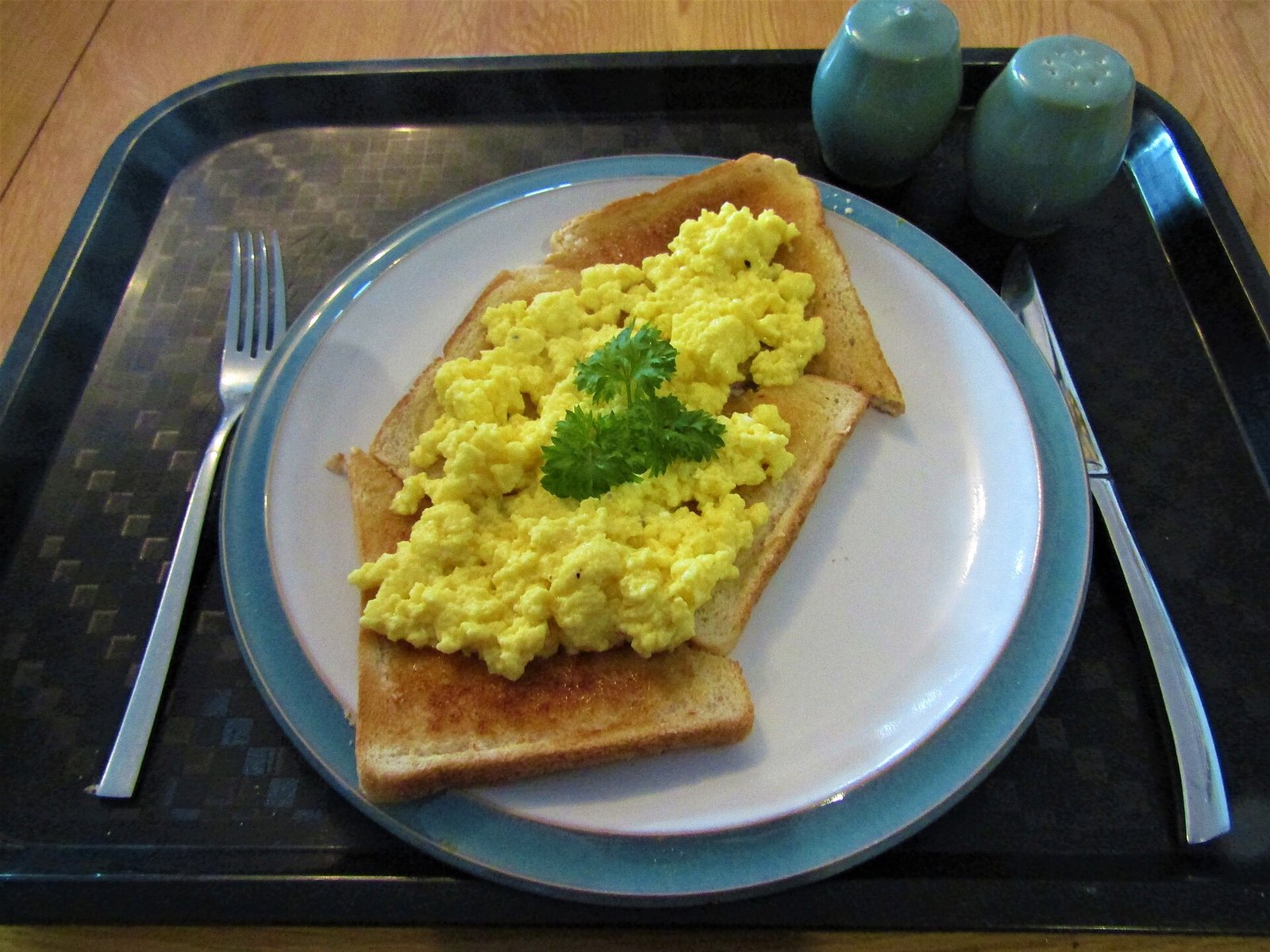
- – Soft or easy-to-prep options (yogurt, cottage cheese, scrambled eggs, canned fish, rotisserie chicken, hummus with soft bread) help when standing to cook is limited early on.
Energy for PT sessions
- – Include carbohydrate sources you tolerate—oats, rice, potatoes, fruit, whole-grain toast—so rehab sessions are not done on an empty tank.
- – If appetite dips with pain medicines or anesthesia recovery, small frequent meals often work better than one large plate.
Fluids, fiber, and constipation awareness
- – Pain medicines, reduced walking, and opioids when prescribed can slow bowels; water plus fiber-containing fruits, vegetables, and grains (as tolerated) may support comfort—pair kitchen habits with clinician advice, not DIY laxative megadoses.
- – Keep alcohol modest so it does not undermine sleep, hydration, or fall risk while on crutches.
Bone- and muscle-aware kitchen context
- – Calcium- and vitamin D–containing foods belong in a general healthy pattern when they fit your labs and clinician advice—see calcium deficiency diet guide and vitamin D deficiency diet guide for nutrient context, not as ACL protocols.
- – If osteoarthritis or long-term joint habits matter for your other knee, osteoarthritis diet guide is related reading, not the same surgery.
Foods and habits that often worsen after-ACL kitchen patterns
- – Skipping meals or extreme “detox” diets while PT demands energy.
- – Heavy alcohol that worsens sleep, dehydration, and balance on crutches.
- – Unprescribed high-dose anti-inflammatory stacks or herbal blends taken without telling your surgeon—MedlinePlus reminds patients to disclose medicines and supplements before surgery because some affect bleeding; the same honesty matters after surgery.
- – Expecting kitchen changes to fix graft failure, stiffness, or instability—MedlinePlus lists those as possible surgical/recovery issues needing clinical review.
- – Ignoring red flags—calf swelling with clot concern, fever, wound drainage, inability to progress motion as instructed, or knee giving way needs the surgical team, not a new smoothie.
“Limit” means reducing habits that undermine rehab fueling—not that one restaurant meal defines graft success.
Practical kitchen protocol: an after-ACL-reconstruction diet week
1. Keep the medical spine first
Confirm brace/crutch rules, weight-bearing status, wound care, DVT education, and PT schedule from your surgeon. Put protein-rich snacks where you can reach them without deep knee twisting.
2. Shopping list for limited-mobility kitchens
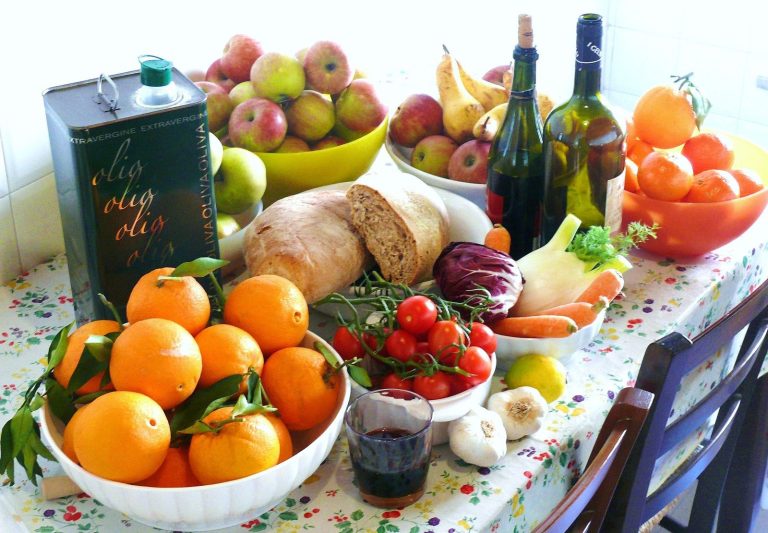
Eggs; Greek yogurt or cottage cheese; milk or fortified alternatives if appropriate; canned tuna/salmon; pre-cooked chicken; tofu; beans; oats; bananas and berries; bagged salad or pre-cut vegetables; frozen vegetables; rice or potatoes; olive oil; nuts/seeds if chewing and calories allow; oral rehydration or electrolyte drinks only if your clinician agrees.
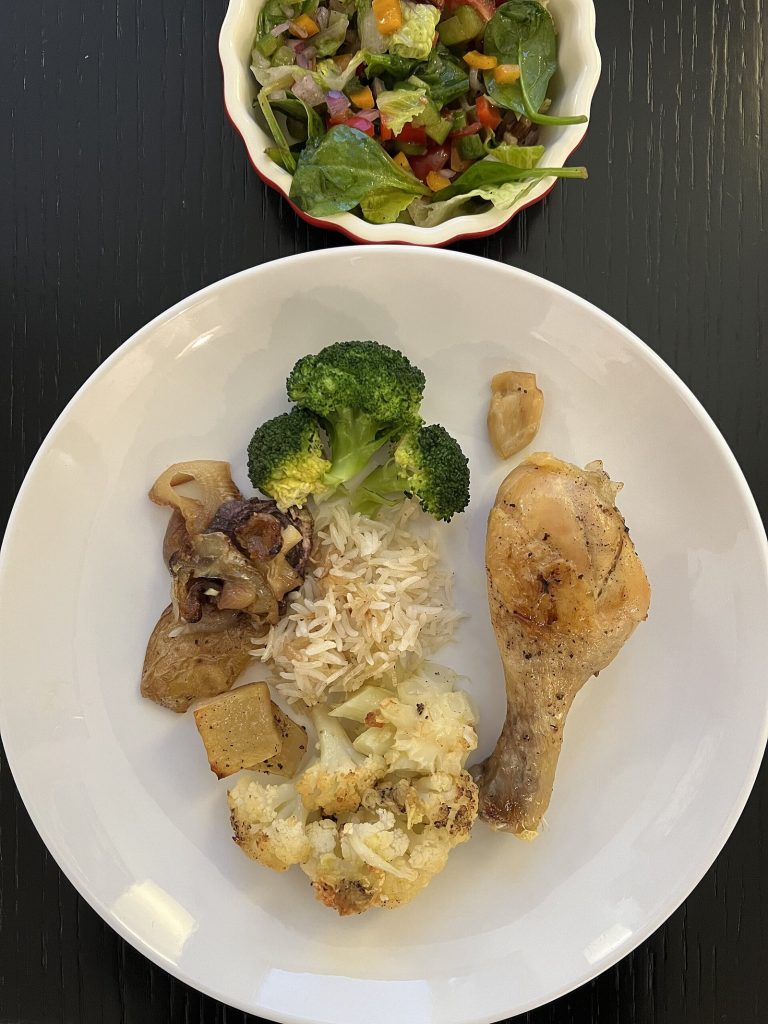
3. Default plate template (when appetite allows)
- – Quarter to a third lean protein
- – Quarter easy starches
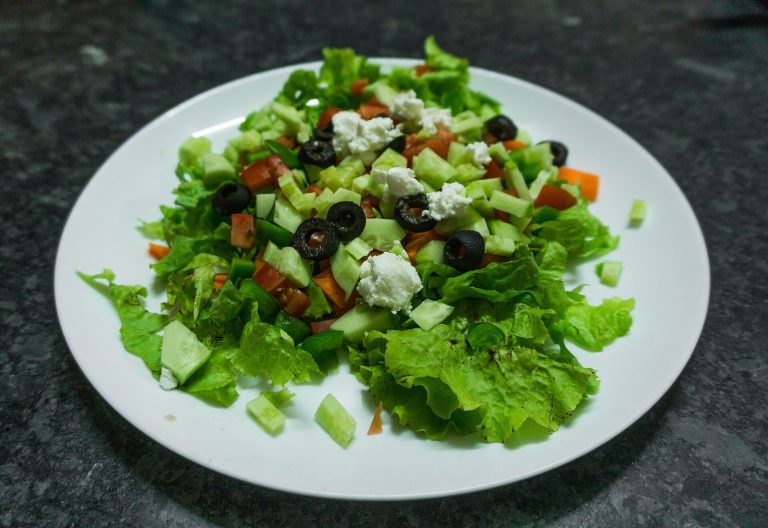
- – Half vegetables and fruit
- – Season mildly; prioritize sitting meals if standing worsens swelling plans
4. Sample day (illustrative)
- – Breakfast: scrambled eggs and toast; yogurt with berries; water.
- – Lunch: chicken and rice bowl with soft vegetables; fruit.
- – Snack: cottage cheese or hummus with crackers; water.
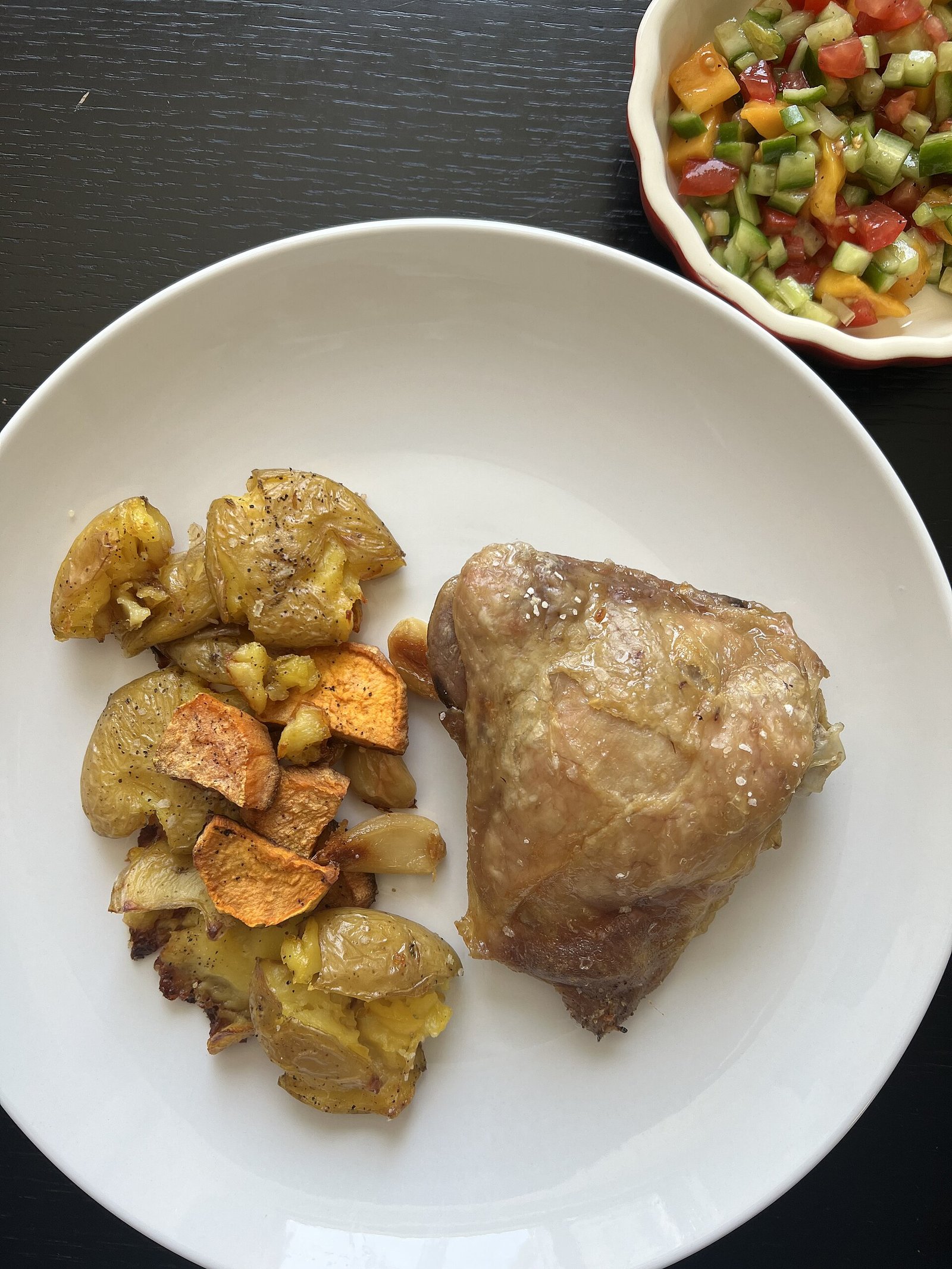
- – Dinner: baked fish or tofu, potato, cooked carrots; milk or alternative if fitting your plan.
- – After PT: protein snack within a couple of hours if that fits your appetite.
5. Home setup tips
Stage a cooler bag near the couch with ready proteins; batch-cook soups and stews early in recovery when helpers can assist; keep ice packs for the knee separate from food hygiene.
6. Return-to-sport months
As rehab intensifies, keep total calories matched to activity; do not cut food to “make weight” for a sport return timeline your surgeon has not cleared.
Safety, interactions, and who should ask a clinician first
- – Diabetes, kidney disease, or prescribed protein limits: do not self-escalate protein shakes—ask the surgical or nutrition team.
- – Blood thinners or clot history: follow medicine timing; diet does not replace prophylaxis when prescribed.
- – Vegetarian or vegan patterns: plan B12 and iron food sources thoughtfully—see iron deficiency anemia diet guide as general context.
- – Stop or change supplements only with clinician input around surgery windows.
- – Persistent fever, wound problems, calf pain/swelling, chest pain, or sudden shortness of breath need urgent care—not kitchen experiments.
FAQ
Can diet make my ACL graft recover on a faster timeline than PT allows? No. MedlinePlus ties recovery timelines to surgery type and rehabilitation adherence. Food supports energy; it does not rewrite graft biology on a schedule you choose.
Do I need a very high-protein “bodybuilder” diet? Not automatically. Aim for adequate protein across the day within your health conditions. Extreme intakes are not a MedlinePlus ACL requirement.
Is fasting good for “reducing inflammation” after ACL surgery? Skipping fuel often backfires during rehab months. Follow clinician guidance for any planned fasting around procedures.
When can I return to sports nutritionally? Return is a surgical and PT clearance decision. MedlinePlus notes many cutting sports need prolonged rehab—nutrition supports training load once cleared.
Is this the same as diet after knee replacement? Related but not identical. Both value protein and energy for mobility rehab; procedures and protocols differ—see diet after knee replacement guide.
How this differs from related OTCFood topics
This page is an ACL-reconstruction-bound diet guide focused on rehab fueling, practical cooking with limited mobility, and adherence to surgical/PT plans. It is not a general osteoarthritis diet guide protocol, not a sports-injury prevention program alone, and not a substitute for bracing, therapy, or follow-up imaging when ordered.
Medical disclaimer
Medical disclaimer: This article is for general information only. It is not medical advice, diagnosis, or a treatment plan. Care after ACL reconstruction depends on graft type, concurrent meniscus or cartilage work, other medical conditions, and your surgeon’s protocol. Talk with a clinician or registered dietitian before starting, stopping, or changing any eating plan, supplement, or medicine. Seek urgent care for signs of infection, blood clot, severe breathing trouble, or uncontrolled pain.