Fructose Malabsorption Diet: Foods That May Help and Foods to Limit
Medical note: This article discusses foods and researched botanicals. It does not claim to prevent, treat, or cure disease. Supplements are not a substitute for food, and studied amounts are not personal prescriptions.
People searching “fructose malabsorption diet foods that help or worsen” usually want a practical way to limit high-fructose triggers while keeping nutrition adequate—not a claim that cutting fruit cures every gut symptom or replaces evaluation for other malabsorption causes. MedlinePlus explains that in malabsorption syndromes the small intestine cannot absorb nutrients from foods; causes include celiac disease, lactose intolerance, short bowel syndrome, and other conditions. NIDDK’s diarrhea nutrition page notes that people with problems digesting certain carbohydrates may need food changes, and specifically advises people with acute diarrhea to avoid foods and drinks containing large amounts of simple sugars such as fructose and lactose—including many sweetened beverages, some fruit juices, candy, and packaged desserts. Dietary fructose malabsorption (sometimes called dietary fructose intolerance) is different from rare hereditary fructose intolerance (a genetic condition described on MedlinePlus Genetics)—do not self-diagnose either from a blog list.
What this fructose malabsorption diet guide covers (and what it does not)
This guide is for adults whose clinician or dietitian has discussed fructose-related carbohydrate intolerance or who are exploring whether high-fructose foods worsen gas, bloating, or diarrhea under medical guidance. Anchors: MedlinePlus — Malabsorption Syndromes, NIDDK — Eating, Diet, & Nutrition for Diarrhea, NIDDK — Diarrhea, and related carbohydrate-intolerance context such as MedlinePlus — Lactose intolerance education via malabsorption hub.
Kitchen limits do not replace testing for celiac disease, inflammatory bowel disease, bile acid diarrhea, SIBO, pancreatic insufficiency, or infection when those are on the differential. MedlinePlus encyclopedia article on small bowel bacterial overgrowth (sometimes confused with carbohydrate intolerance in search results) lists bloating, watery diarrhea, and weight loss among symptoms that need clinical evaluation. This page is not a gluten-free protocol (celiac disease diet guide), not a lactose-only plan (lactose intolerance diet guide), and not an IBS cure claim (IBS diet guide).
Evidence snapshot: fructose malabsorption diet claims vs public sources
| Claim people hope for | What public sources actually say | Confidence |
|---|---|---|
| “Cutting fructose cures IBS permanently” | NIDDK: for chronic diarrhea, avoid foods/drinks that worsen symptoms; keep a food journal; talk with your doctor—mechanism-specific diagnosis still matters | Strong against cure claims |
| “All fruit is forbidden forever” | Public NIH pages emphasize limiting large amounts of simple sugars such as fructose in symptomatic diarrhea contexts; individualized RD plans often allow lower-fructose fruits in tolerated portions—not lifelong fruit exile by default | Moderate: personalize with clinician/RD |
| “Fruit juice is a healthy hydration default during diarrhea” | NIDDK: sweetened beverages and some fruit juices can worsen diarrhea via simple sugars including fructose | Strong to limit juices during flares |
| “Sugar alcohols are safe swaps” | NIDDK: avoid sugar alcohols (e.g., sugarless gum/candies) during acute diarrhea because they can worsen symptoms | Strong for flare periods |
| “Malabsorption always means short bowel” | MedlinePlus: many causes—celiac, lactose intolerance, short bowel, medicines, genetic diseases—need cause-specific treatment | Strong |
Foods and patterns that may help with fructose-related gut comfort
“May help” means reducing fermentable fructose load when it triggers you and supporting hydration/nutrition—not a promise that stool calms on day one.
Work from a clinician diagnosis, then a food journal (NIDDK)
- – For chronic diarrhea, NIDDK suggests changing what you eat under doctor guidance and keeping a journal of foods, symptoms, timing, and triggers.
- – Bring notes to visits rather than permanently cutting entire food groups on a social-media chart.
Prefer lower simple-sugar drinks during symptomatic periods (NIDDK)
- – Emphasize water and clinician-approved oral rehydration if diarrhea is significant.
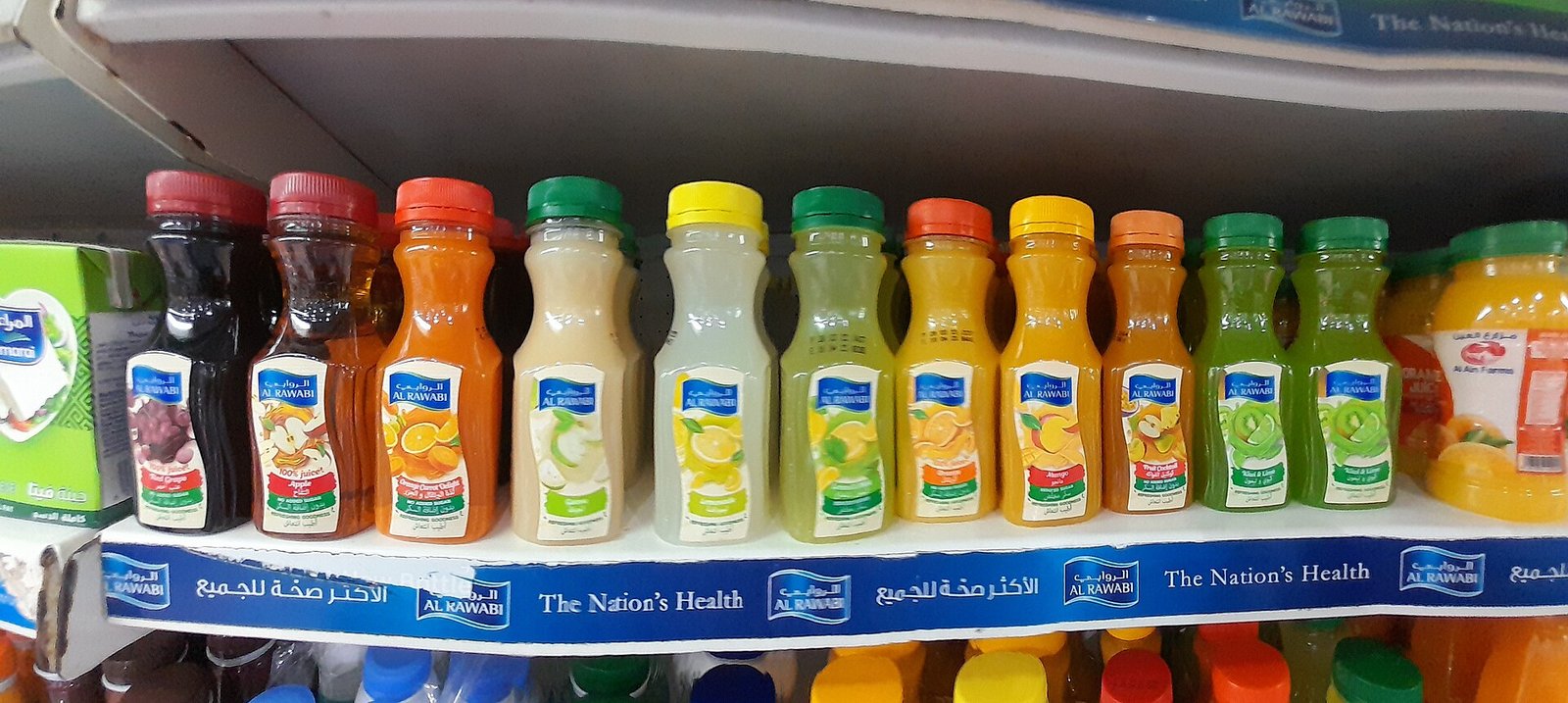
- – Limit sodas, fruit juices, candy, and packaged desserts high in fructose or other simple sugars when they worsen stools.
- – Limit sugar-free gums/candies with sugar alcohols during flares.
Build plates around tolerated carbohydrates and proteins
- – Many people do better with meals that pair moderate fruit portions with other foods rather than drinking large volumes of apple/pear juice alone—individual testing with an RD is safer than absolute rules invented here.
- – Include rice, oats, potatoes, eggs, poultry, fish, tofu, and lactose-free dairy if lactose is also an issue—see lactose intolerance diet guide.
- – Cooked vegetables that you personally tolerate often beat large raw salads during watery flares.
Maintain nutrition while limiting triggers
- – Malabsorption syndromes can cause weight loss and nutrient gaps (MedlinePlus). If you cut many fruits and sweetened products, replace vitamin C/potassium sources with clinician-approved alternatives rather than surviving on crackers alone.
- – Iron, B12, and fat-soluble vitamin monitoring belongs with your clinician if weight loss or greasy stools appear—related reading: iron deficiency anemia diet guide, vitamin B12 deficiency diet guide, bile acid malabsorption diet guide.
Reintroduce systematically
- – After a short clinician-guided reduction phase, reintroduce higher-fructose foods one at a time in small portions to learn personal thresholds—NIDDK’s journal method supports this better than permanent fear of every apple.
Foods and habits that often worsen fructose-related symptoms
- – Large amounts of fruit juice, soda, and sweetened beverages—NIDDK flags simple sugars including fructose as diarrhea aggravators.
- – Candy, desserts, and honey/agave-heavy recipes when they spike fructose load for you.
- – Sugar-free products with sugar alcohols during acute diarrhea.
- – High-fat fried meals on top of sugar loads—NIDDK also lists high-fat foods among acute-diarrhea aggravators.
- – Alcohol and heavy caffeine during flares—NIDDK lists alcoholic beverages and caffeinated drinks among items to avoid with acute diarrhea.
- – Assuming every bloating episode is “just fructose” while skipping celiac testing or other workups when indicated.
- – Extreme fruit-free, vegetable-free diets that create constipation or micronutrient gaps without RD oversight—pair limits with constipation diet guide awareness if fiber collapses.
“Limit” means reducing triggers that worsen your logged symptoms—not declaring all plant foods harmful.
Practical kitchen protocol: a fructose-aware week
1. Keep the medical spine first
Ask whether your symptoms need breath testing, celiac serology, stool studies, or empiric diet only. Rule out red flags: blood in stool, nocturnal diarrhea, fever, anemia, or unintentional weight loss.
2. Shopping shifts (illustrative—confirm with RD)
- – Often easier drinks: water, lactose-free milk if desired, diluted beverages your clinician allows.
- – Often heavier fructose hits for many people: apple/pear juice, agave sodas, mango juice blends, candy, HFCS-sweetened drinks—test personally.
- – Staples: rice, oats, potatoes, eggs, poultry, fish, firm bananas or berries if tolerated, spinach/cooked zucchini if tolerated, peanut butter, lactose-free yogurt.
3. Default plate template
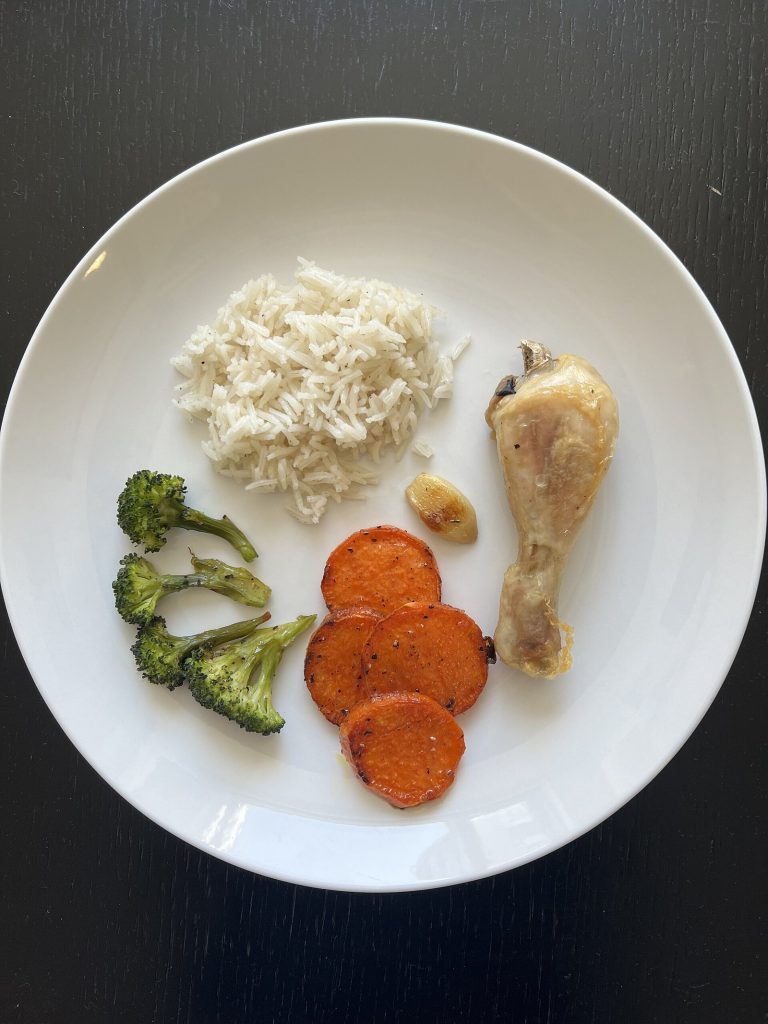
- – Protein + starch + tolerated vegetables
- – Fruit as a measured side, not a liter of juice
- – Fluid that is not a fructose bomb
4. Sample day (illustrative)
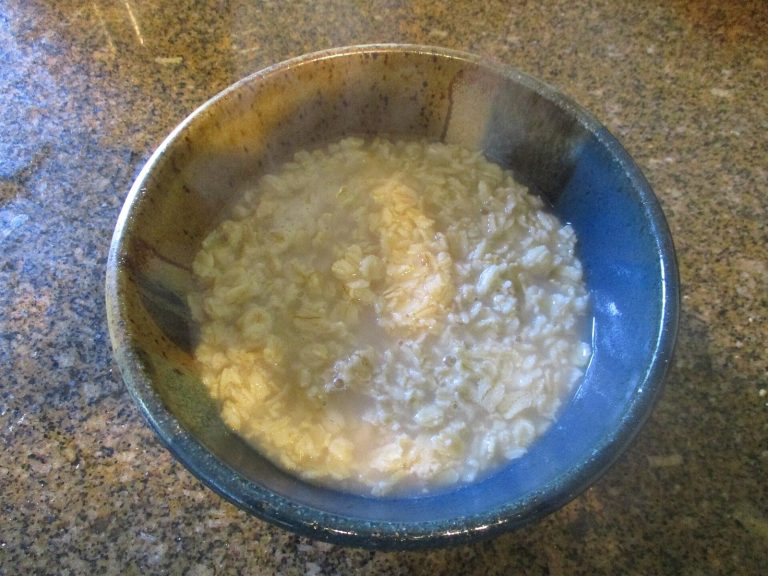
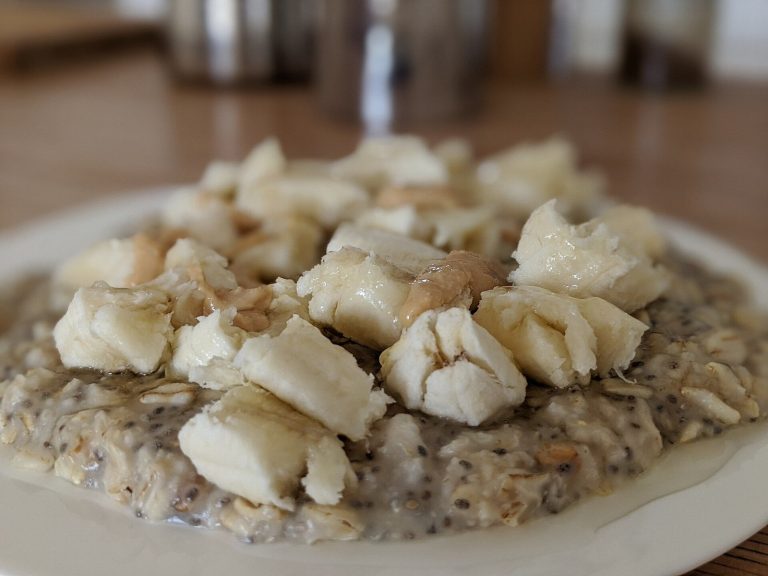
- – Breakfast: oatmeal with firm banana slices if tolerated; water.
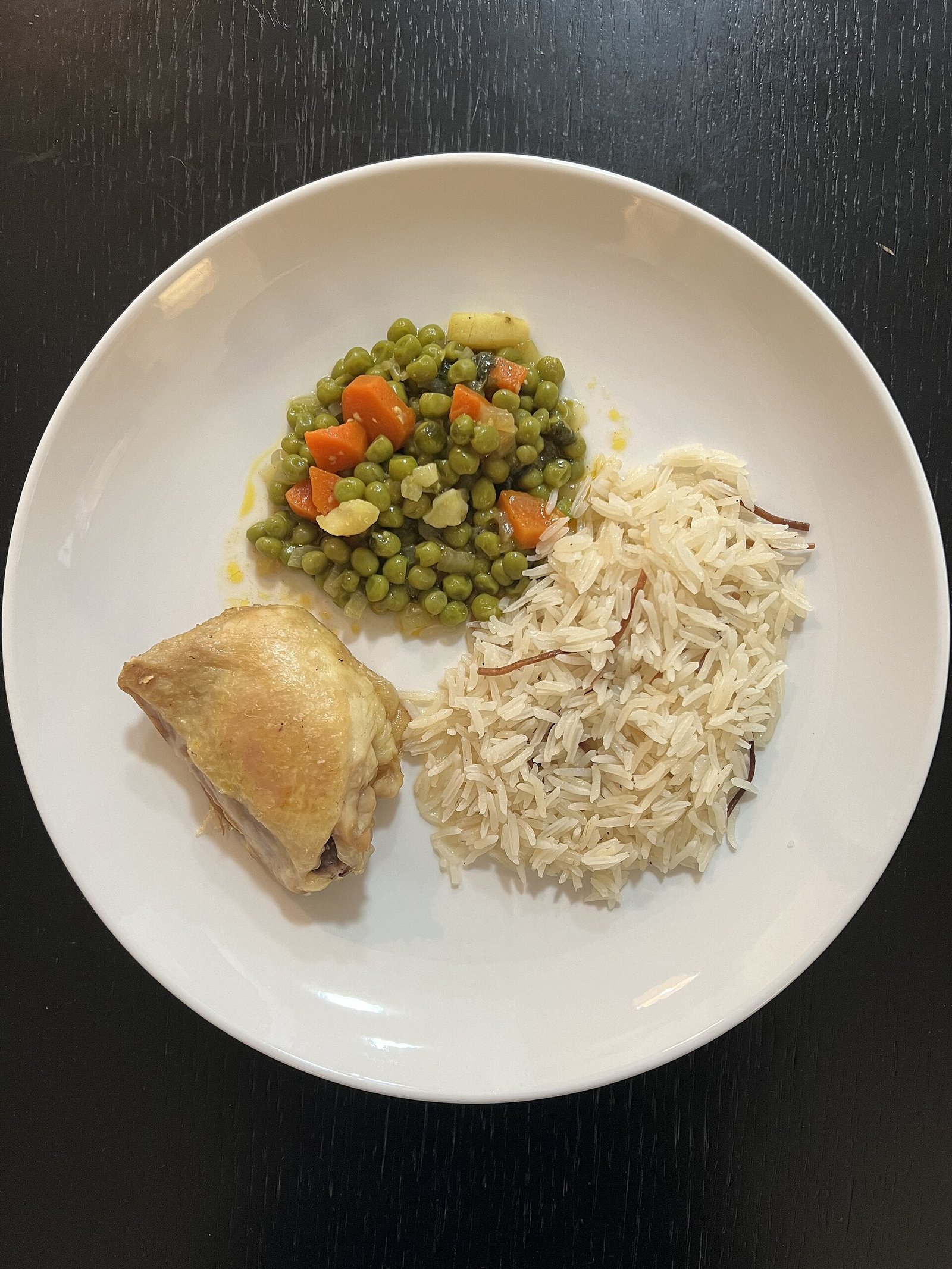
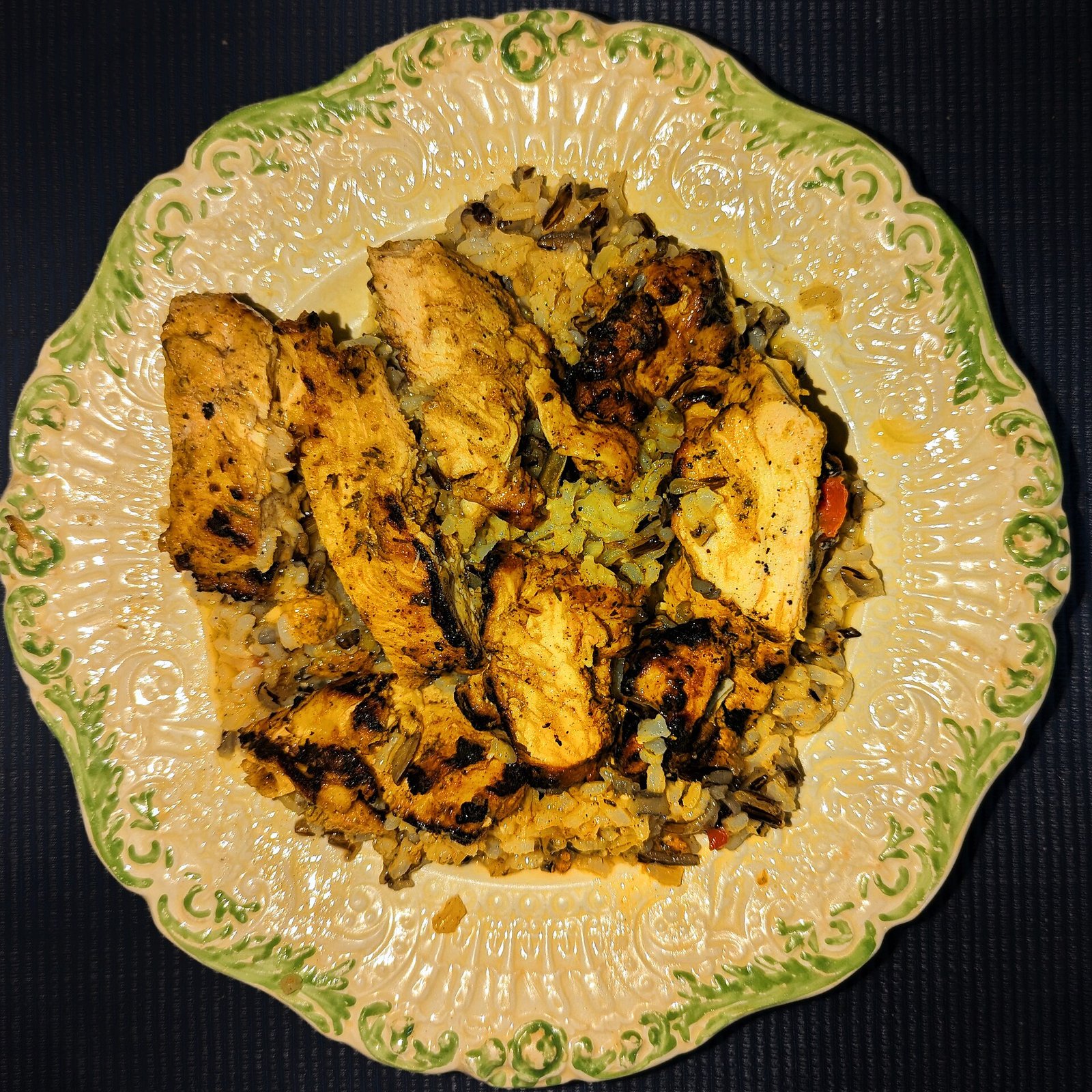
- – Lunch: grilled chicken, rice, cooked carrots; lactose-free yogurt.
- – Snack: handful of nuts; water—not a 16-oz apple juice.
- – Dinner: baked fish, potato, sautéed zucchini; berries if tolerated.
- – Evening: journal entry—what you ate, gas/diarrhea timing.
5. Label-reading habits
Scan beverages and sauces for high-fructose corn syrup, fruit juice concentrates, honey, and agave. “Natural sweetener” is not automatically low-fructose.
6. When IBS or BAM overlaps
Symptom-triggered carbohydrate limits may sit beside broader IBS strategies (IBS diet guide) or bile-acid patterns (bile acid malabsorption diet guide)—your clinician decides sequencing.
Safety, interactions, and who should ask a clinician first
- – Hereditary fructose intolerance is a distinct genetic disorder (MedlinePlus Genetics)—infants/children with severe symptoms after fructose/sucrose need metabolic specialists, not adult DIY charts.
- – Pregnant people, children, and anyone underweight need RD supervision before broad fruit exclusions.
- – Persistent greasy stools, anemia, or weight loss: evaluate broader malabsorption (MedlinePlus)—diet tweaks alone are insufficient.
- – Do not use extreme fasting; NIDDK notes most experts do not recommend restricted diets beyond the listed aggravators—or fasting—for routine acute diarrhea.
- – If constipation replaces diarrhea after over-restriction, liberalize fiber with guidance.
FAQ
Is fructose malabsorption the same as a fruit allergy? No. Malabsorption is about incomplete small-intestine handling of fructose leading to osmotic/fermentation symptoms. Allergies are immune reactions. MedlinePlus malabsorption pages focus on absorption failure, not IgE fruit allergy.
Can I drink fruit juice if I dilute it? NIDDK flags some fruit juices among high simple-sugar drinks that can worsen diarrhea. Dilution may help some people; your journal and RD beat absolute internet rules.
Do I need a lifelong zero-fructose diet? Usually no. NIDDK emphasizes identifying personal triggers and ensuring good nutrition. Many adults find dose-and-context thresholds rather than permanent zero.
How is this different from lactose intolerance? Both can involve carbohydrate maldigestion with gas and diarrhea, but the sugars differ. See lactose intolerance diet guide for dairy-specific framing; some people have both.
When should I worry this is something else? Blood in stool, fever, anemia, nocturnal symptoms, or weight loss need prompt clinical evaluation for IBD, celiac, infection, or other malabsorption causes (MedlinePlus).
How this differs from related OTCFood topics
This page is a fructose-malabsorption-bound diet guide focused on limiting high-fructose drinks/sweets when they worsen diarrhea, journaling triggers, and protecting nutrition. It is not a celiac disease diet guide gluten protocol, not a short bowel syndrome diet guide structural short-gut plan, and not an IBS medication guide.
Medical disclaimer
Medical disclaimer: This article is for general information only. It is not medical advice, diagnosis, or a treatment plan. Carbohydrate intolerance and malabsorption have many causes and may require testing. Talk with a clinician or registered dietitian before starting, stopping, or changing any eating plan, supplement, or medicine. Seek care for severe dehydration, bloody stools, high fever, or unexplained weight loss.