Diet After Bariatric Surgery: Foods That May Help and Foods to Limit
Medical note: This article discusses foods and researched botanicals. It does not claim to prevent, treat, or cure disease. Supplements are not a substitute for food, and studied amounts are not personal prescriptions.
People searching “diet after bariatric surgery foods that help or worsen” usually need staged textures, protein-first habits, lifelong vitamins, and rules about liquids with meals—not a claim that food alone finishes weight-loss surgery or replaces the surgical team’s protocol. NIDDK describes weight-loss (metabolic and bariatric) surgery as operations that change the digestive system for people with obesity who have not lost enough weight by other means. MedlinePlus’s gastric-bypass diet page explains that surgery makes the stomach smaller and changes how the body handles food; you will eat less, and your body may not absorb all calories from food. Early on you eat only liquid or puréed food for 2 or 3 weeks, then soft foods, then regular food—always following your provider’s stages. NIDDK notes later nutrient shortfalls can contribute to problems such as anemia and osteoporosis if prescribed vitamins and minerals are skipped.
What this after bariatric surgery diet guide covers (and what it does not)
This guide summarizes common public-source themes for adults after gastric bypass and related procedures. Anchors: MedlinePlus — Weight Loss Surgery, MedlinePlus — Your diet after gastric bypass surgery, NIDDK — Bariatric Surgery, and MedlinePlus — Vitamin B12 for nutrient context.
Your surgeon’s staged diet always wins over a website. Sleeve, band, and bypass programs differ. This page does not diagnose dumping syndrome, strictures, or ulcers—those need clinical evaluation. Related comfort reading: dumping syndrome diet guide and GERD diet guide when your team names those issues.
Evidence snapshot: post-bariatric diet claims vs public sources
| Claim people hope for | What public sources actually say | Confidence |
|---|---|---|
| “I can jump to steaks in week one if I chew well” | MedlinePlus: liquids/purées for 2–3 weeks, then soft, then regular—follow guidelines | Strong: staged diet |
| “Protein is the priority early” | MedlinePlus: protein may be the most important food early; needed for muscle and healing | Strong for protein emphasis |
| “Vitamins are optional once weight drops” | MedlinePlus: lifelong multivitamin with iron, B12, calcium citrate + vitamin D (with dosing split for calcium); NIDDK: skipping vitamins can lead to anemia/osteoporosis | Strong: lifelong supplementation as prescribed |
| “Sugary drinks are fine in small sips” | MedlinePlus: avoid drinks with sugar/fructose/corn syrup; avoid high-calorie fluids; limit alcohol (absorbs faster after bypass) | Strong for limiting sugary/alcoholic drinks |
| “Foods replace surgical follow-up” | NIDDK: follow-up procedures and hospitalizations are relatively common within 5 years for many patients | Strong: stay in program care |
Foods and patterns that may help after bariatric surgery
“May help” means following staged textures, hitting protein goals, taking prescribed vitamins, and chewing thoroughly—not inventing a miracle pouch food.
Stage-appropriate textures (team protocol first)
- – Liquids/purées early, then soft foods, then regular solids as cleared.
- – Take 20–30 minutes per meal; chew until smooth. Poorly chewed food can block the small opening between pouch and intestine (MedlinePlus).
- – Stop at satisfied—not overfull. Early pouch may hold only about a tablespoon; later about 1 cup of chewed food—do not try to stretch it.
Protein-first building blocks
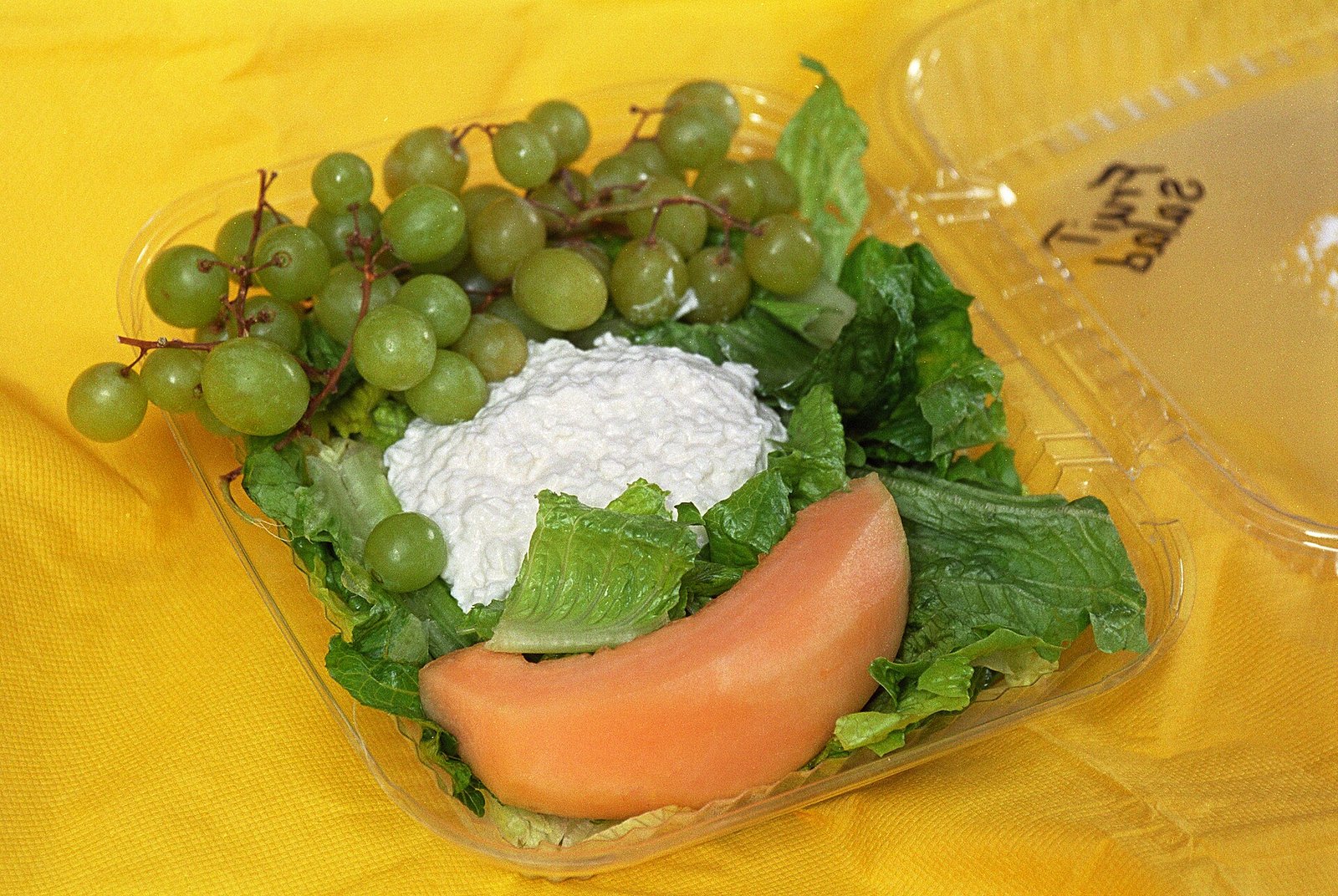
- – Low-fat protein examples from MedlinePlus: skinless chicken, lean chopped beef or pork, fish, eggs/egg whites, beans, low-fat dairy (hard cheeses, cottage cheese, milk, yogurt).
- – Eat 6 small meals rather than 3 large ones; avoid constant grazing between meals.
- – Pair protein with texture (for example salad with grilled chicken) when your stage allows, to stay satisfied longer.
Fluids the smart way
- – Aim for up to 8 cups (2 liters) of water or other calorie-free liquids daily unless restricted (MedlinePlus).
- – Do not drink for 30 minutes after eating, and do not drink while eating—liquids fill the pouch and can let you overeat solids.
- – Small sips; ask before using straws (air in stomach). Avoid carbonated drinks or let them go flat.
Lifelong micronutrient plan (prescribed)
- – MedlinePlus lists multivitamin with iron, vitamin B12, and calcium (often discussed as 1200 mg/day in citrate form, split because the body absorbs only about 500 mg at a time) plus vitamin D—follow your program’s exact products and labs.
- – NIDDK warns inadequate nutrients can contribute to anemia and osteoporosis—see iron deficiency anemia diet guide, vitamin B12 deficiency diet guide, osteoporosis diet guide, calcium deficiency diet guide.
Foods and habits that often worsen post-bariatric kitchen patterns
- – Sugar-sweetened sodas, juices, and desserts as daily habits—high calories, poor nutrition, and often poorly tolerated.
- – Drinking calories (specialty coffees, alcohol, smoothies used as extras rather than planned meals)—MedlinePlus emphasizes calorie-free fluids and limited alcohol because absorption is faster after bypass.
- – Carbonated beverages that bloat the pouch.
- – Dry, fibrous, or poorly chewed foods (popcorn, nuts, celery, corn, steak, pasta, rice, bread) that commonly cause discomfort—ask your dietitian which to delay.
- – Skipping protein then filling up on crackers.
- – Stopping vitamins when hair sheds in months 3–6—MedlinePlus notes temporary hair thinning can occur during rapid loss and often improves with adequate protein/calories as the body adapts; vitamins remain lifelong.
- – Returning to large restaurant portions because “I feel fine.”
“Limit” means protecting the pouch and nutrient status—not shame about needing soft foods early.
Practical kitchen protocol
1. Keep the medical spine first
Attend program visits. Report vomiting after eating, daily diarrhea, constant fatigue, dizziness/sweating, or weight regain (MedlinePlus call-your-doctor list). Strictures and hernias are known later issues (NIDDK).
2. Shopping list themes
Protein shakes only if your program approves brands; eggs; Greek yogurt; cottage cheese; fish; soft-cooked chicken; beans when tolerated; cooked vegetables; soft fruits; water; prescribed vitamin bottles—not random mega-packs.
3. Default plate template (later solid stage)
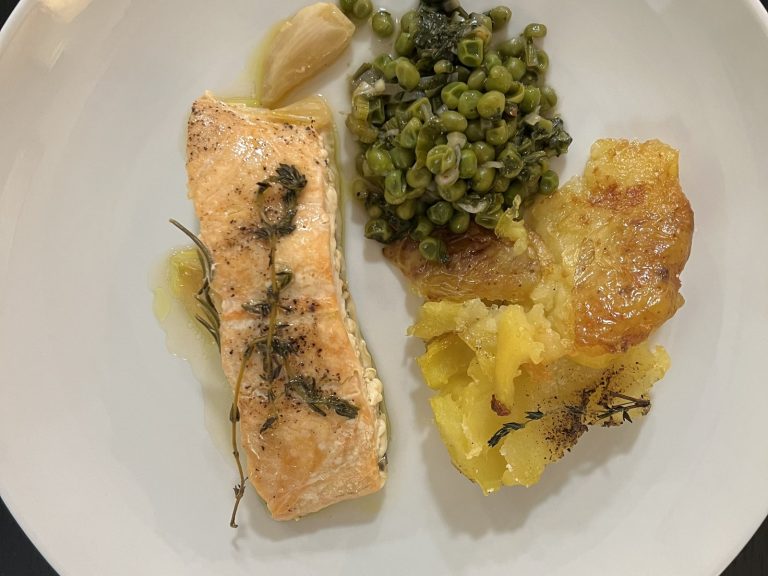
- – Protein first on a small plate
- – Soft vegetable or fruit next
- – Small starch last if still hungry
- – No beverage until 30 minutes after
4. Sample day (illustrative soft-to-solid transition—verify with your RD)
- – Breakfast: scrambled eggs; soft fruit.
- – Mid-morning: yogurt.
- – Lunch: flaky fish; mashed vegetables.
- – Afternoon: cottage cheese.
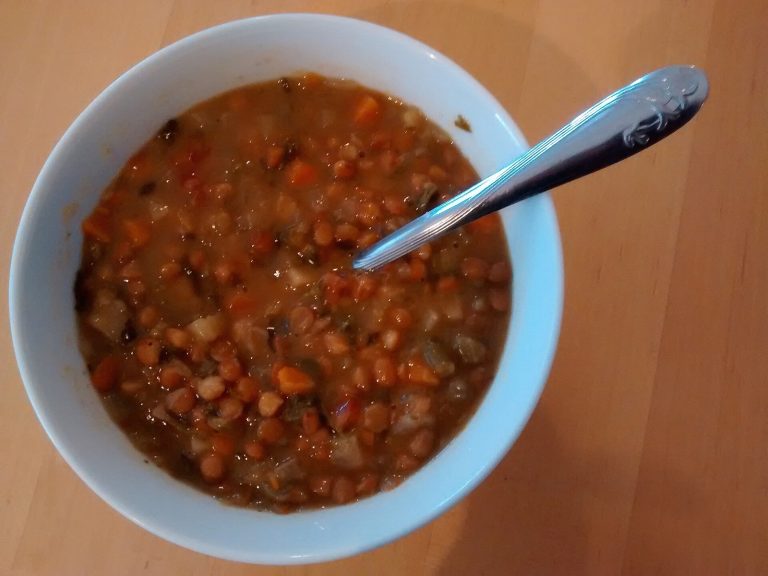
- – Dinner: minced lean poultry with broth-moistened soft vegetables.
- – Evening: calorie-free fluids only; vitamins as scheduled (separate calcium doses as taught).
5. Label-reading checklist
- – Added sugars and sugar alcohols
- – Protein grams per serving
- – Iron and B12 in your prescribed multivitamin (do not double-dose iron casually)
- – Alcohol servings—treat as high risk after bypass
6. If weight stalls or climbs
MedlinePlus self-check: too many high-calorie foods/drinks? Enough protein? Eating too often? Exercising enough? Bring the answers to your program—not a crash cleanse.
Safety, interactions, and who should ask a clinician first

- – Persistent vomiting, inability to keep fluids down, severe abdominal pain, chest pain, or black stools need urgent evaluation.
- – Pregnancy after bariatric surgery needs specialized nutrition planning.
- – Gallstones can occur after rapid weight loss; some clinicians prescribe preventive medicine for months (NIDDK).
- – Alcohol use disorder risk may rise for some people after surgery—ask for support early.
- – Diabetes, heart, and kidney medicines often change as weight falls—do not adjust without clinicians. Related: type 2 diabetes diet guide, hypertension diet guide.
FAQ
How long are liquids only? MedlinePlus cites about 2–3 weeks of liquid/puréed food after gastric bypass before soft then regular foods—your surgeon’s timeline rules.
Why can’t I drink with meals? Liquids fill the small pouch and can wash food through too quickly, making it easier to eat more than recommended.
Do I really need vitamins forever? Public sources say yes for key micronutrients after bypass-type surgery because absorption changes; NIDDK links skipped vitamins to anemia and osteoporosis risk.
Is dumping the same as eating too fast? Related but not identical. Rapid emptying after sugary/fatty meals can cause dumping-type symptoms in some people—see dumping syndrome diet guide and your team’s rules.
Can I drink alcohol socially? MedlinePlus: do not drink much; absorption is faster and tolerance lower after gastric bypass. Many programs advise long delays or avoidance—follow yours.
How this differs from related OTCFood topics
This page is an after-bariatric-surgery-bound diet guide focused on staged textures, protein, fluid timing, and lifelong vitamins. It is not a generic obesity diet, not a promise that food replaces revision surgery, and not permission to skip program labs.
Medical disclaimer
Medical disclaimer: This article is for general information only. It is not medical advice, diagnosis, or a treatment plan. Bariatric recovery depends on procedure type, surgical complications, medicines, and individualized diet stages. Talk with your bariatric surgeon, clinician, or registered dietitian before starting, stopping, or changing any eating plan, supplement, or medicine. Seek urgent care for severe pain, persistent vomiting, dehydration, chest pain, or neurological emergency symptoms.