Breastfeeding Diet: Foods That May Help and Foods to Limit
Medical note: This article discusses foods and researched botanicals. It does not claim to prevent, treat, or cure disease. Supplements are not a substitute for food, and studied amounts are not personal prescriptions.
People searching “breastfeeding diet foods that help or worsen” usually want a practical maternal plate that supports milk feeding and parent energy—not a claim that special foods guarantee supply or that kitchen rules replace lactation support. MedlinePlus summarizes that breast milk provides a balance of nutrients for infant growth and may help protect against some childhood illnesses; many women with health problems can still breastfeed, with rare exceptions. Some medicines, illegal drugs, and alcohol can pass through milk—check with a clinician. If breastfeeding is difficult, MedlinePlus points to lactation consultants.
What this breastfeeding diet guide covers (and what it does not)
This guide is for lactating parents who want everyday food and drink patterns grounded in public CDC and NIH consumer pages. Anchors: MedlinePlus — Breastfeeding, CDC — Maternal Diet and Breastfeeding, and CDC — Alcohol and Breastfeeding, plus NIH ODS — Iron.
It does not diagnose low supply, mastitis, or infant allergy; for breast inflammation context see mastitis diet guide. It is not infant formula guidance and not a postpartum hemorrhage protocol.
Evidence snapshot: breastfeeding diet claims vs public sources
| Claim people hope for | What public sources actually say | Confidence |
|---|---|---|
| “You must avoid a long list of ‘gassy’ foods or milk will harm the baby” | CDC: generally, women do not need to limit or avoid specific foods; eat a healthy diverse diet; some seafood mercury limits apply; some mothers restrict caffeine | Strong for diversity; personal elimination only if indicated |
| “Beer or wine increases milk supply” | CDC: not drinking is safest; more than one standard drink/day not recommended; excess alcohol can impair letdown and infant sleep/growth patterns | Strong against using alcohol as a galactagogue |
| “Any caffeine is forbidden” | CDC: low–moderate caffeine (~300 mg/day, about 2–3 cups of coffee) usually does not adversely affect the infant; very high intakes (~10+ cups) linked to infant irritability/poor sleep | Strong for moderation framing |
| “Extra iron pills are always required while nursing” | ODS: breastfeeding women RDA is 9 mg/day (teens 10 mg); needs differ from pregnancy (27 mg); supplements only as advised | Moderate: food first unless labs say otherwise |
| “Diet alone fixes latch pain or low transfer” | MedlinePlus: contact a lactation consultant for breastfeeding problems | Strong: skills/support ≠ macros |
Foods and patterns that may help while breastfeeding
“May help” means supporting maternal nutrient needs and hydration while you nurse or pump—not guaranteeing ounces on a weighted-feed chart.
Diverse, nutrient-dense plates (CDC maternal diet)
- – CDC encourages a healthy, diverse diet rather than blanket food bans.
- – Build meals with vegetables, fruit, whole grains, proteins, and calcium sources (dairy or fortified alternatives).
- – Keep seafood choices lower in mercury and within pregnancy/lactation fish advice from your clinician/CDC fish charts—do not assume “all fish is out” or “unlimited tuna.”
Fluids and meal timing
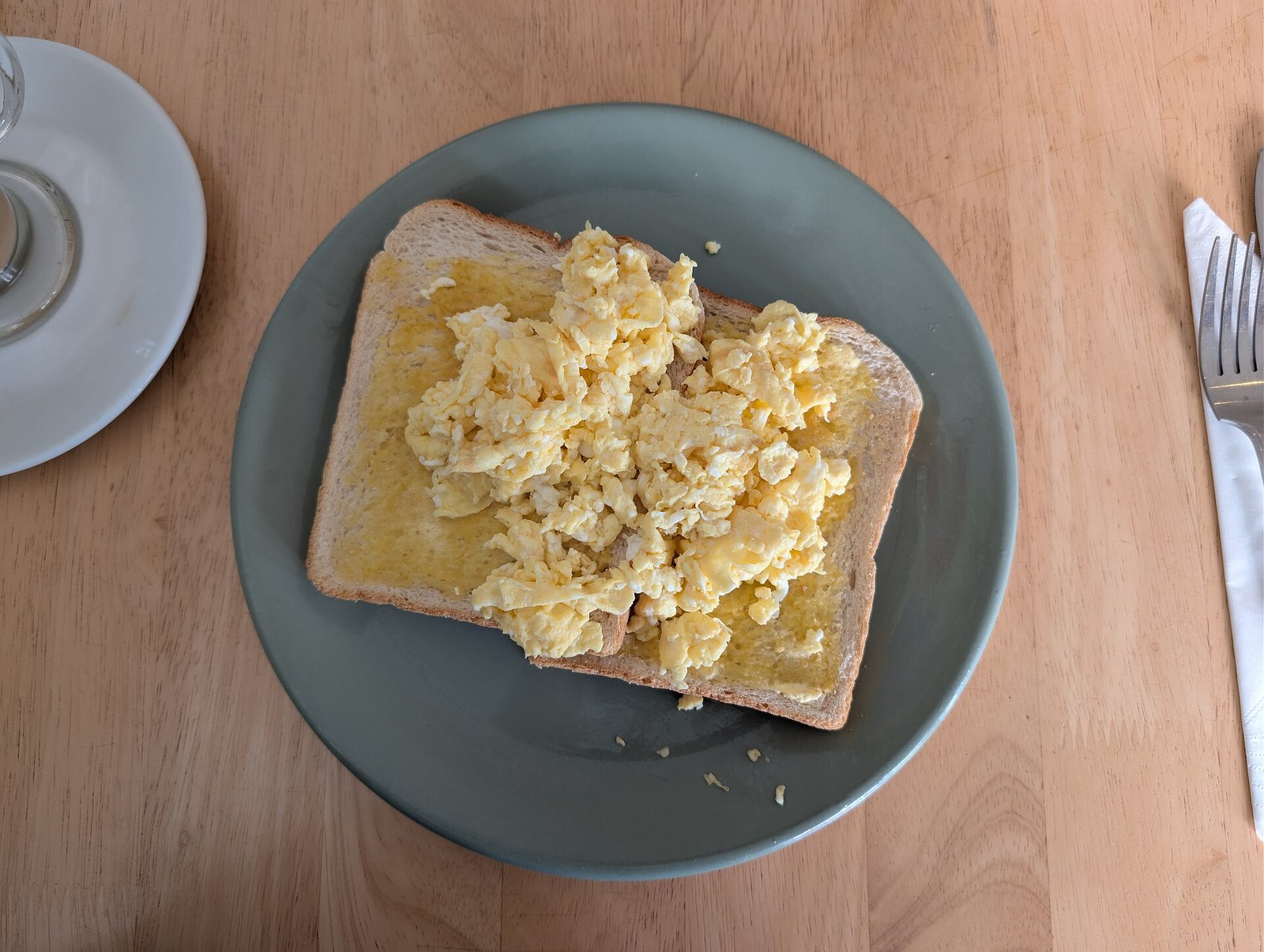
Breastfeeding burns extra energy for many parents; NIH consumer materials and public lactation pages encourage eating enough overall rather than chasing a single “milk-making” superfood. If appetite is low after a difficult birth, prioritize easy calories: toast with nut butter, cheese and fruit, leftover rice bowls, or a ready smoothie. Keep a written list of medicines and ask whether any require pumping-and-discard timing beyond alcohol rules.
When family members pressure you to “eat for two” or, conversely, to restrict hard for weight loss, return to CDC’s diverse-diet message and your clinician’s calorie guidance. Rapid restriction can leave you lightheaded during night feeds even if milk volume looks unchanged at first.
- – Drink to thirst; keep water accessible during feeds. Soup, milk, and water-rich fruit also count toward fluid.
- – Keep easy snacks near the nursing chair: yogurt, fruit, cheese, nut butter toast, hummus with soft bread.
Micronutrient awareness (ODS iron and related)
- – ODS iron RDA while breastfeeding is lower than pregnancy for many adults (9 mg/day for breastfeeding women), but postpartum iron deficiency from blood loss still needs clinical attention—see iron deficiency anemia diet guide.
- – Continue folate- and calcium-aware habits from pregnancy transition unless told otherwise—folate deficiency diet guide and calcium deficiency diet guide for general food lists.
Alcohol and caffeine—follow CDC wording carefully
- – Alcohol: CDC states not drinking is the safest option. Moderate intake (up to one standard drink per day) is not known to be harmful to the infant; to be safest, wait at least 2 hours after a single drink before nursing. More than one drink per day is not recommended. Alcohol levels in milk mirror blood levels; pumping and dumping does not clear alcohol faster from the mother’s body. Caring for an infant while intoxicated is unsafe.
- – Caffeine: about 300 mg/day or less is described as low–moderate; reduce if the infant is fussy/jittery, and consider less for preterm/young newborns who clear caffeine slowly.
Foods and habits that often worsen breastfeeding kitchen patterns
- – Excess alcohol or using alcohol to “sleep through the night” while solely responsible for infant care.
- – Very high caffeine (energy-drink stacking, 10+ coffee equivalent) if the baby becomes irritable or sleeps poorly.
- – Extreme elimination diets that cut multiple food groups without dietitian/allergy guidance, risking maternal nutrient gaps.
- – Herbal “supply” megadoses sold online without safety data—ask a clinician/pharmacist; some herbs interact with medicines.
- – Skipping meals for rapid weight loss while exclusively nursing hard days; coordinate any weight goals with your clinician.
- – Smoking, e-cigarettes, and marijuana—CDC breastfeeding special-circumstances pages advise avoiding these exposures.
Practical kitchen protocol: a breastfeeding food week
1. Medical and lactation spine
Confirm medicines and recreational exposures with a clinician (MedlinePlus). See a lactation consultant for pain, poor transfer, or supply fears before overhauling the pantry.
2. Shopping list
Oats; eggs; yogurt; fortified cereal; beans/lentils; leafy greens; citrus/berries; fish within mercury guidance; whole grains; nuts/seeds; water bottles; optional electrolyte drinks if sweating heavily—not as a milk miracle.
3. Sample day (illustrative)
- – Breakfast: oatmeal with peanut butter and banana; water or coffee within caffeine budget.
- – Lunch: grain bowl with beans, vegetables, and citrus dressing.
- – Snack: yogurt and fruit during a long feed.
- – Dinner: salmon or tofu, rice, cooked greens; water.
- – Evening: if choosing alcohol, stay within CDC one-drink framing and wait ≥2 hours per drink before nursing, or use previously expressed milk.
4. Night feeds
Label pumped milk with date/time, especially if you pumped after drinking alcohol within the waiting window and plan to discard that portion (CDC notes pumping does not clear alcohol faster from your bloodstream—discard is for schedule/comfort, not detox speed). Rotate easy proteins across the week so iron- and zinc-containing foods appear often without forcing the same plate daily.
Keep a pre-packed snack box and water; reheating leftovers beats skipping food until morning dizziness.
5. Overlap with gestational diabetes history
If you had gestational diabetes, ask whether postpartum glucose testing changes snack structure—see gestational diabetes diet guide for related carbohydrate pacing ideas, adapted with your clinician.
Safety, interactions, and who should ask a clinician first
- – Rare maternal infections or medicines may contraindicate breastfeeding—follow specialist advice (MedlinePlus).
- – Infant poor weight gain needs clinical weight checks, not only maternal menu changes.
- – Iron supplements: ODS warns about pediatric poisoning risk and GI side effects; store securely.
- – Mental health medicines: many are compatible—decide with psychiatry/OB, not internet lists alone.
FAQ
Do I have to cut dairy, garlic, or broccoli “just in case”? CDC generally does not require avoiding specific foods. Eliminate only with a clear clinical reason (e.g., confirmed infant response) and professional guidance.
Is one glass of wine okay? CDC: not drinking is safest; up to one standard drink/day is not known to be harmful; wait ≥2 hours after one drink before nursing; more than one/day not recommended.
How much caffeine is too much? CDC frames ~300 mg/day as low–moderate for many; watch infant fussiness; very high intakes (~10 cups coffee) have been linked to irritability/poor sleep.
Will spicy food ruin milk? Not as a universal rule in CDC maternal diet summaries. Personal infant tolerance varies.
Can diet replace a lactation consultant? No. MedlinePlus directs breastfeeding problems to lactation support.
How this differs from related OTCFood topics
This page is a breastfeeding-bound maternal diet guide emphasizing diverse eating, CDC alcohol/caffeine limits, and iron-aware food choices. It is not a general postpartum recovery-only article and not a mastitis treatment plan (mastitis diet guide).
Medical disclaimer
Medical disclaimer: This article is for general information only. It is not medical advice, diagnosis, or a feeding plan for any specific infant. Breastfeeding safety depends on maternal medicines, infections, alcohol/drug exposures, and infant health. Talk with your clinician, pediatric clinician, lactation consultant, or registered dietitian before changing diet, supplements, alcohol use, or medicines. Seek urgent care for maternal fever with breast redness/severe pain, infant dehydration signs, or inability to safely care for the baby.