Acute Sinusitis Diet: Foods That May Help and Foods to Limit
Medical note: This article discusses foods and researched botanicals. It does not claim to prevent, treat, or cure disease. Supplements are not a substitute for food, and studied amounts are not personal prescriptions.
People searching “acute sinusitis diet foods that help or worsen” usually want kitchen habits that support comfort while inflamed sinuses drain—not a claim that food clears bacterial sinus infection the way clinician-guided care can. MedlinePlus explains that sinusitis means the sinuses are inflamed; causes include infection and other problems. Acute sinusitis lasts up to 4 weeks and often starts as a cold that may then involve bacteria. Symptoms can include fever, weakness, fatigue, cough, congestion, and postnasal drip. CDC patient pages on sinus infection similarly frame acute sinusitis as usually viral at first, with antibiotics reserved for selected bacterial cases after clinical judgment.
What this acute sinusitis diet guide covers (and what it does not)
This guide is for adults with short-term (acute) sinus symptoms who want practical eating and drinking patterns while they follow primary-care advice. Anchors: MedlinePlus — Sinusitis and MedlinePlus Encyclopedia — Sinusitis (NIDCD sinusitis URL listed in our topic map returned 404 at fetch time; CDC/MedlinePlus public pages used for grounding).
MedlinePlus notes treatments can include antibiotics when indicated, decongestants, pain relievers, heat pads, saline sprays, and vaporizers. Kitchen changes do not replace evaluation for orbital swelling, severe headache, stiff neck, vision changes, or symptoms lasting into the chronic window. For longer patterns see chronic sinusitis diet guide. Allergy overlap is common—see also allergic rhinitis diet guide without treating allergy and acute infection as identical.
Evidence snapshot: acute sinusitis diet claims vs public sources
| Claim people hope for | What public sources actually say | Confidence |
|---|---|---|
| “A spicy diet cures sinus infection” | MedlinePlus/CDC focus on symptom care, saline, and antibiotics only when indicated—not culinary cures | Strong: food is supportive only |
| “Antibiotics are always required” | Many acute cases begin as viral; antibiotics when a clinician judges bacterial disease | Strong: not automatic |
| “Hydration and warm fluids help comfort” | Supportive care often includes fluids; vaporizers/saline are listed among comfort measures | Moderate for comfort |
| “Dairy always creates permanent mucus” | Public NIH pages do not mandate dairy elimination as standard acute-sinusitis therapy | Low for cure claims |
| “If congestion lasts months, diet failed” | Chronic sinusitis is a different time course (>12 weeks per MedlinePlus categories) | Strong: duration needs clinical framing |
Foods and patterns that may help with acute sinusitis day-to-day comfort
“May help” means supporting hydration, easier swallowing with postnasal drip, and energy while you rest—not a promise to open every blocked ostium.
Fluids, steam-friendly drinks, and saline-era kitchens
- – Drink water and warm non-alcoholic fluids regularly if they feel soothing alongside clinician-advised saline rinses or sprays.
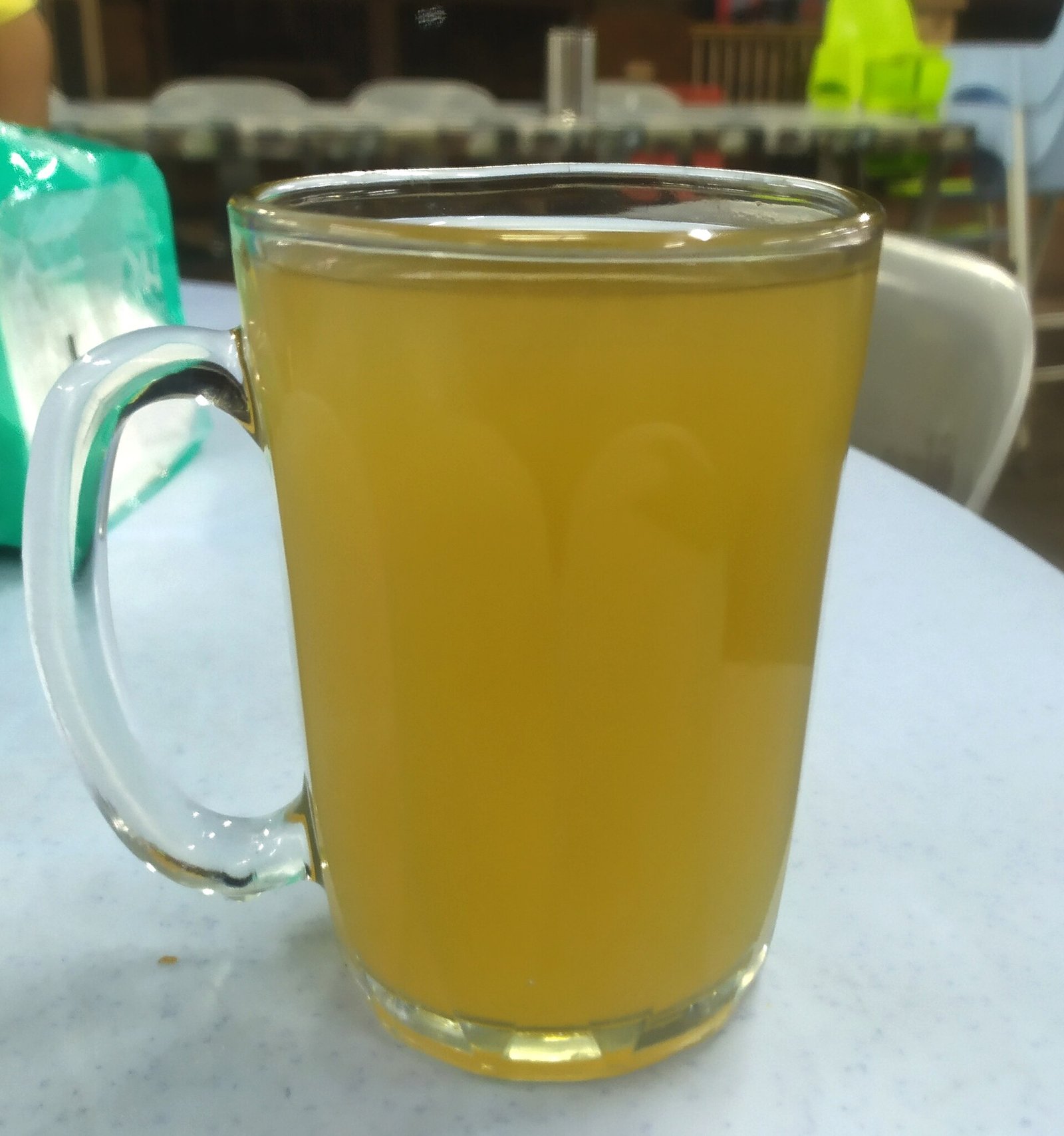
- – Warm broths and mild teas are comfort options for some people; they do not replace medical care when facial pain or fever escalates.
- – Use a humidifier or vaporizer only as product labels and clinician advice allow—kitchen steam is optional comfort.
Soft meals when throat drip and cough interfere
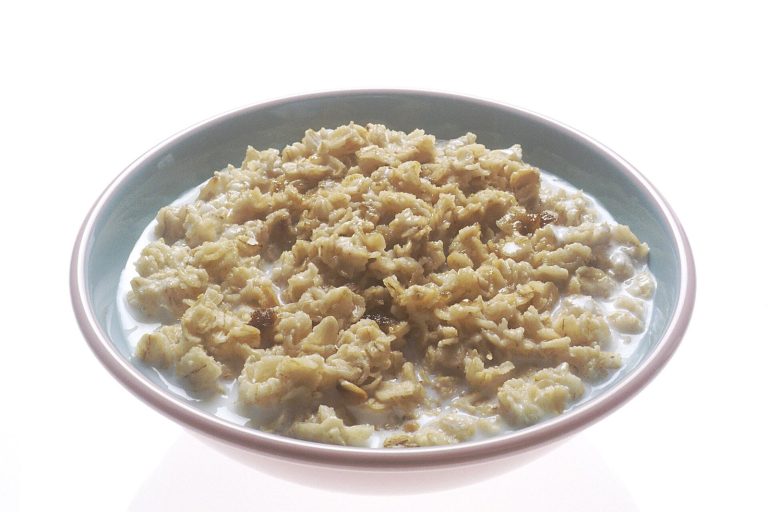
- – Yogurt, oatmeal, soft fruit, scrambled eggs, and soups are often easier than dry chips or sharp crackers when drip irritates the throat.
- – Small frequent meals may be easier if fatigue or reduced smell/taste blunts appetite.
Nutrient-dense plates once smell returns
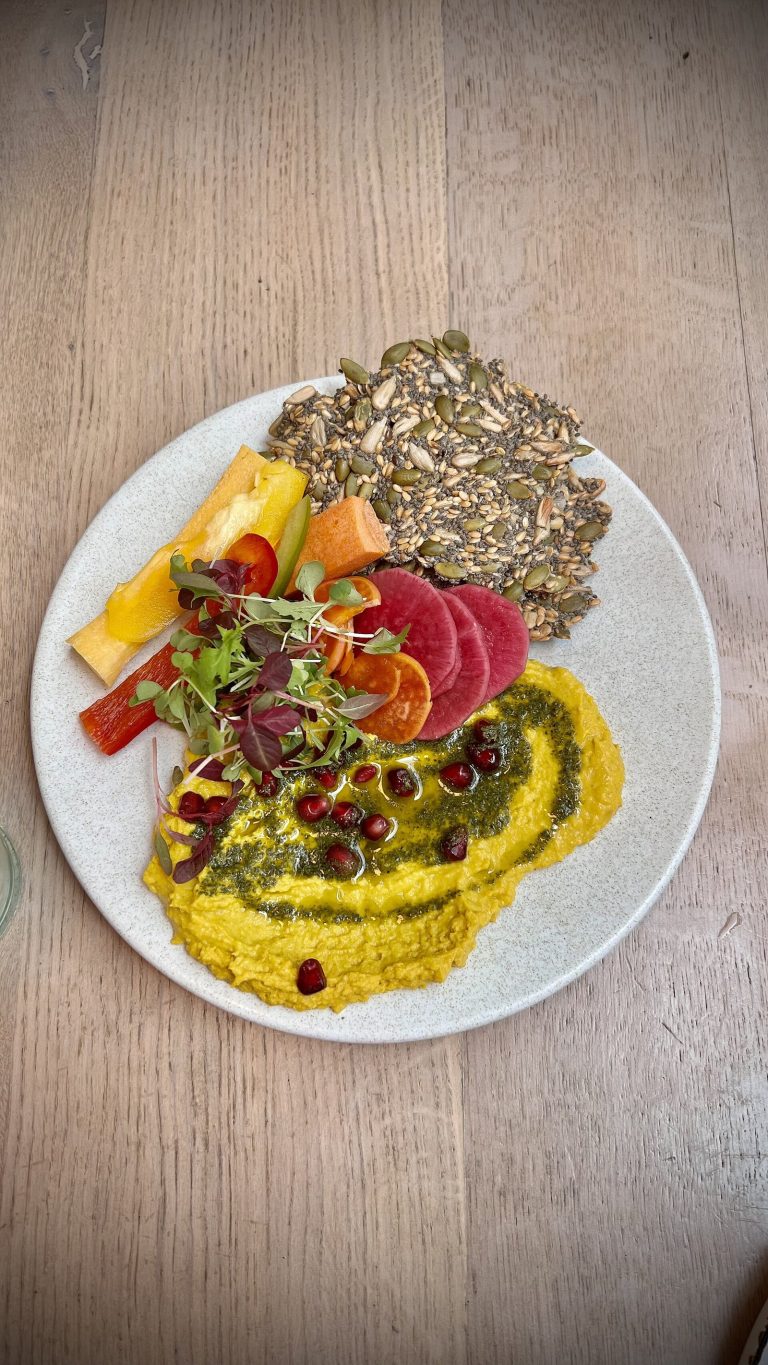
- – Rebuild meals with vegetables, fruit, whole grains, lean protein, and beans—general micronutrient context such as vitamin C deficiency diet guide is kitchen framing, not a sinus antibiotic substitute.
- – If reflux worsens night cough or throat irritation, pair timing tips with GERD diet guide.
Smell loss, taste, and appetite tricks
- – When smell is dull, lean on texture and temperature: warm soups, cool yogurt, soft fruit, and mild seasoning rather than forcing heavy spice as a “cure.”
- – Keep portions modest; finishing half a nourishing plate beats skipping meals until smell returns.
- – Brush teeth and rinse after thick postnasal drip if your clinician agrees—it can make the next meal more appealing without changing the infection itself.
Workday and travel micro-habits
- – Pack a water bottle and a soft snack (yogurt cup, banana, oatmeal packet) so decongestant drowsy days do not become caffeine-and-pastry only.
- – On flights or dry offices, prioritize fluids and clinician-approved saline timing over alcohol “to sleep on the plane.”
- – If you also manage seasonal allergy triggers at work, keep the acute-infection kitchen plan separate from long-term allergic rhinitis diet guide strategies.
What “limit” looks like without food fear
- – Limit ultra-processed salty snacks as default meals when congestion blunts taste—they displace protein and produce.
- – Limit late large meals if lying flat worsens drip and cough.
- – Limit experimenting with multiple new supplements at once while on decongestants or antibiotics—ask a pharmacist about interactions.
Foods and habits that often worsen acute sinusitis kitchen patterns
- – Alcohol-heavy evenings that disrupt sleep and hydration while congested.
- – Expecting “natural antibiotic foods” to replace a clinician’s antibiotic decision when bacterial sinusitis is diagnosed.
- – Skipping saline/vaporizer advice while chasing extreme spice challenges or unproven sinus detoxes.
- – Smoking or heavy secondhand smoke, which can irritate airways and delay comfort.
- – Ignoring red flags—high fever, severe facial swelling, vision changes, stiff neck, confusion, or symptoms that worsen after initial improvement needs medical care.
Practical kitchen protocol: an acute sinusitis week
1. Medical spine first
Clarify whether your clinician expects viral supportive care, delayed antibiotic strategy, or immediate antibiotics. Keep saline and pain relievers as advised.
2. Shopping list
Water; warm herbal tea if tolerated; broths; yogurt; soft fruit; oatmeal; eggs; cooked vegetables; lean protein; saline rinse supplies as directed (not a food, but keep them with the kitchen routine).
3. Default plate template
- – Half soft produce
- – Quarter starch
- – Quarter protein
- – Mild seasoning; fluids beside the plate
4. Sample day (illustrative)
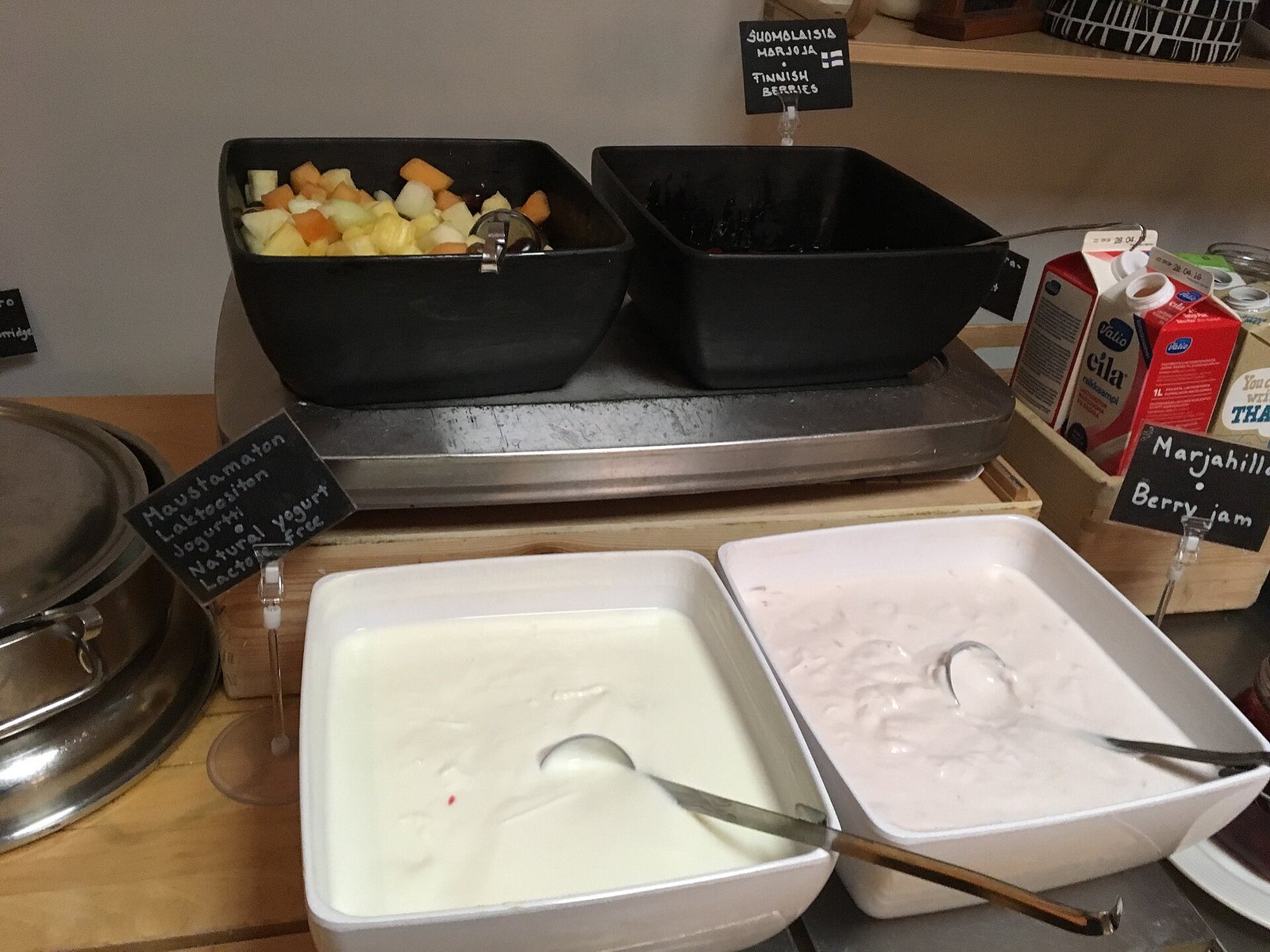
- – Breakfast: yogurt with berries; warm tea or water.
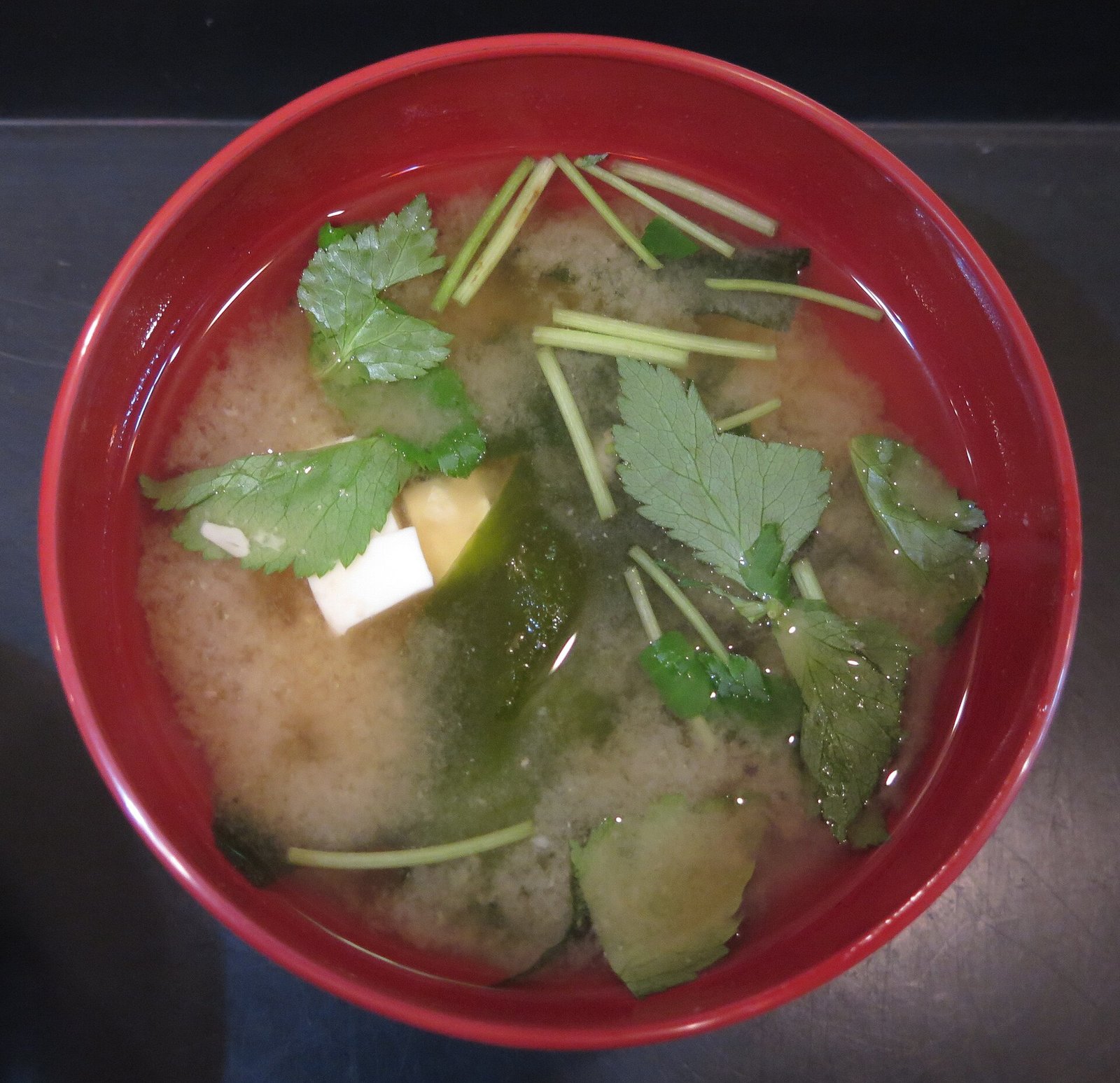
- – Lunch: miso or vegetable soup; soft bread if tolerated.
- – Snack: banana or orange sections; water.
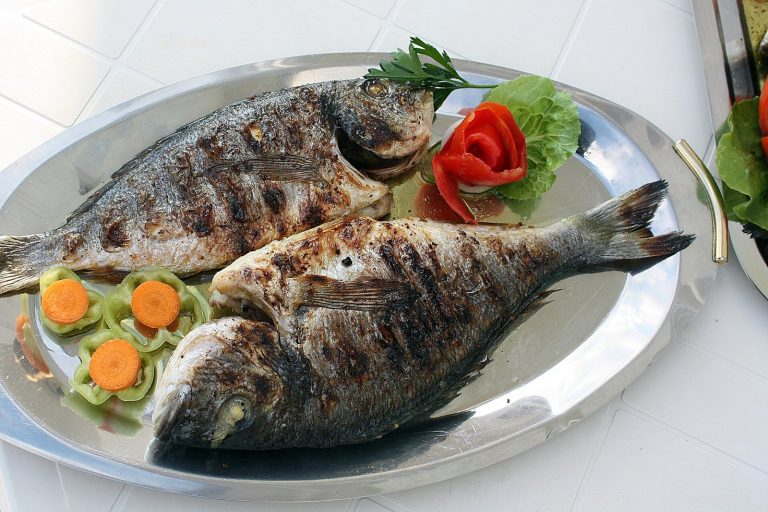
- – Dinner: baked fish or tofu, rice, cooked vegetables.
- – Night: humidifier if helpful; limit late alcohol and heavy reflux triggers if drip worsens when you lie flat.
5. Allergy and chronic overlap
Seasonal allergy flares can coexist with acute infection. Use this page for the short acute episode’s kitchen comfort and your allergy plan separately (allergic rhinitis diet guide). If symptoms persist beyond the acute window, revisit chronic sinusitis diet guide.
Safety, interactions, and who should ask a clinician first
- – Children, older adults, pregnant people, and immunocompromised adults need clinician guidance sooner for facial pain with fever.
- – People with nasal polyps, prior sinus surgery, or frequent “sinus infections” need individualized plans—not endless DIY diets.
- – Oral decongestants and combination cold medicines interact with blood pressure and other conditions—ask a pharmacist/clinician; food does not replace that check.
- – Loss of smell that persists after acute illness may need separate evaluation.
FAQ
Can diet open blocked sinuses overnight? No. MedlinePlus emphasizes medical assessment and supportive measures such as saline and symptom relief. Food supports comfort and hydration.
Do I always need antibiotics? Not always. Many acute episodes begin as viral illness. Antibiotics when a clinician judges bacterial sinusitis—not because a spice challenge failed.
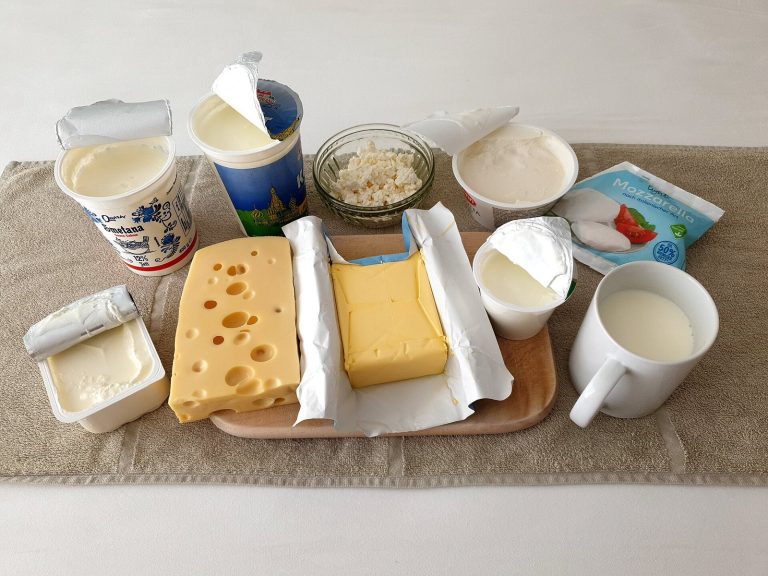
Should I eliminate dairy? Not as a universal rule from NIH public pages. Adjust if personal tolerance is poor.
Does this help chronic sinusitis? This page targets the acute (≤4 week) window. Longer disease needs chronic sinusitis diet guide framing plus clinician care.
Can GERD foods fix postnasal drip? Reflux can irritate the throat for some people, but it is not the same as sinus infection. See GERD diet guide as a separate pattern.
How this differs from related OTCFood topics
This page is an acute-sinusitis-bound diet guide focused on fluids, soft meals, smoke avoidance, and adherence to saline/medical care. It is not a chronic sinusitis protocol, not an allergy elimination challenge, and not a substitute for antibiotics when indicated.
Medical disclaimer
Medical disclaimer: This article is for general information only. It is not medical advice, diagnosis, or a treatment plan. Sinus care depends on cause, duration, and complications risk. Talk with a clinician or registered dietitian before starting, stopping, or changing any eating plan, supplement, or medicine. Seek urgent care for severe facial swelling, vision changes, stiff neck, high fever, or confusion.