Anal Fissure Diet: Foods That May Help and Foods to Limit
Medical note: This article discusses foods and researched botanicals. It does not claim to prevent, treat, or cure disease. Supplements are not a substitute for food, and studied amounts are not personal prescriptions.
People searching “anal fissure diet foods that help or worsen” usually want kitchen habits that keep stools soft and easy to pass—not a claim that food replaces creams, laxatives, or procedures. The NHS describes an anal fissure as a small tear in the anus that causes sharp pain when you have a bowel movement, often with burning afterward and bright red blood on the toilet paper. Many fissures improve with self-care; if symptoms worsen or there is no improvement after about seven days of home measures, the NHS advises seeing a GP.
What this anal fissure diet guide covers (and what it does not)
This guide is for adults who have been told they have an anal fissure (or who are recovering from one) and want food and fluid patterns that support soft, comfortable stools while they follow medical care. Anchors: NHS — Anal fissure, Mayo Clinic patient education on fissure self-care (fiber and fluids targets), and related OTCFood gut pages such as hemorrhoids diet guide and constipation diet guide.
Fissures are more common with constipation, frequent diarrhea, pregnancy or vaginal birth, inflammatory bowel disease, or some sexually transmitted infections (NHS). Sudden severe rectal bleeding, black stools, dizziness, fever, or unexplained weight loss need medical evaluation—not a fiber experiment. Food does not replace topical medicines, prescribed laxatives, or specialist procedures when those are indicated.
Evidence snapshot: anal fissure diet claims vs public sources
| Claim people hope for | What public sources actually say | Confidence |
|---|---|---|
| “A special diet cures anal fissures” | NHS: many heal with soft stools, fluids, pain relief, and sometimes medicines or procedures | Strong: food is supportive, not a cure claim |
| “More fiber always heals a chronic tear” | Soft stools help; chronic fissures with scarring may need medical treatments beyond diet alone | Moderate for symptom support; limited for chronic scarring |
| “Skipping fluids is fine if you take fiber supplements” | Fiber works with water; fluids help prevent constipation (NHS/Mayo-style guidance) | Strong: pair fiber with fluids |
| “Ignore the urge to go” | NHS: do not ignore the urge to poo | Strong: delaying hardens stool and increases strain |
| “Any bleeding is ‘just a fissure’” | Bright red blood can also come from piles or other causes; worsening or persistent symptoms need a GP | Strong: get checked if unsure |
Foods and patterns that may help with anal fissure day-to-day comfort
“May help” means supporting soft, formed stools and less straining—not a promise that a meal closes a tear.
Fiber-forward plates (gradual increase)
- – NHS: drink lots of fluids and eat plenty of fiber to keep stool soft.
- – Mayo Clinic patient education commonly cites about 25 to 35 grams of fiber a day, increased gradually to reduce gas and bloating.
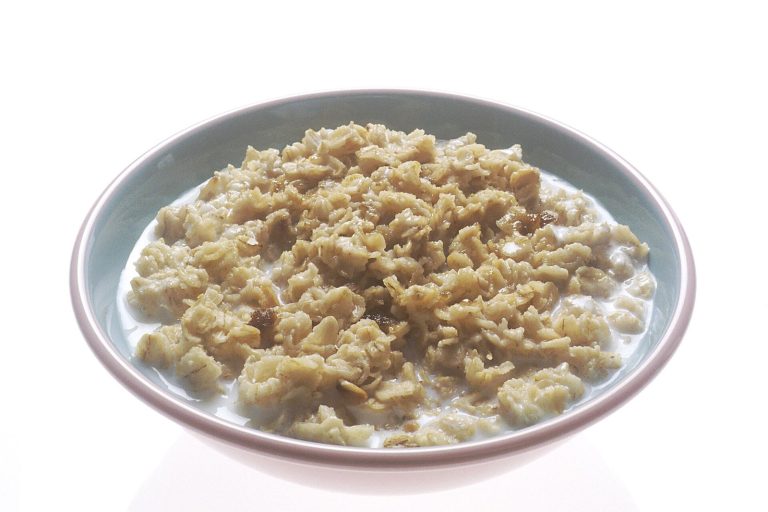
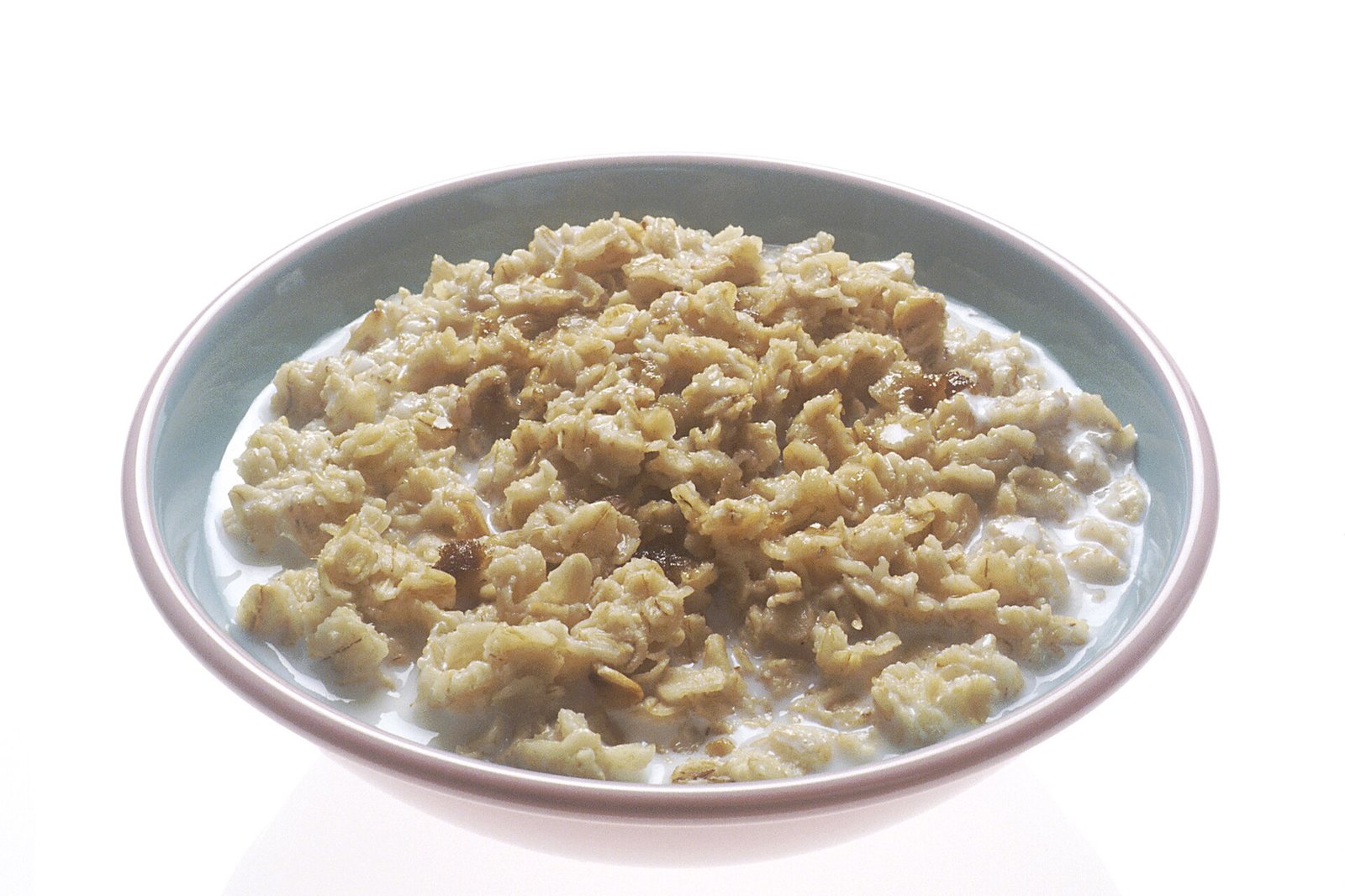
- – Useful kitchen defaults: oats and other whole-grain breakfast cereals; wholemeal bread or brown rice; beans, lentils, and chickpeas; fruit with edible skins when tolerated; vegetables; nuts and seeds in modest portions if they fit your plan.
- – If stools are already soft and frequent, more soluble fiber can sometimes help thicken stool—discuss personal targets with a clinician or dietitian.
Fluids as a co-habit with fiber
- – Aim for regular water and other non-irritating drinks across the day. Imperial NHS-style leaflets often emphasize roughly 2 litres of fluid daily for many adults when increasing fiber (individual needs vary with age, activity, and other conditions).
- – Warm fluids at breakfast can be a practical cue to start the day without delaying the first bowel movement.
Soft-stool rhythm and toileting habits
- – Go when you feel the urge; avoid prolonged sitting and straining on the toilet.
- – Warm, shallow baths (sitz baths) after bowel movements are a common NHS/Mayo comfort measure—pair them with the diet plan rather than replacing it.
- – Regular gentle activity often supports regularity alongside fiber.
When diarrhea is the trigger
- – Frequent loose stools can also irritate an anal tear (NHS). In that setting, sudden large fiber jumps or sugar-alcohol “diet” snacks may worsen urgency—map personal triggers with your clinician, and see our IBS diet guide patterns if IBS-type symptoms coexist.
Foods and habits that often worsen anal fissure kitchen patterns
- – Low-fiber, low-fluid days that leave stool hard and pellet-like—raising strain risk.
- – Ignoring the urge until stool dries further in the rectum.
- – Sudden huge fiber loads without extra fluid—bloating, gas, and sometimes looser stools that sting a tear.
- – Heavy spicy, acidic, or alcohol binges for some people (irritation varies); treat these as personal experiments, not universal bans, unless your clinician advised limits.
- – Relying only on “detox teas” or stimulant laxative habit without addressing diet and fluid—discuss safe short-term laxatives with a GP/pharmacist instead of escalating on your own.
- – Assuming IBD-related fissures need only kitchen fixes—Crohn’s or ulcerative colitis care belongs with gastroenterology; see ulcerative colitis diet guide as a separate disease-bound guide.
“Limit” means reducing habits that harden stool or prolong strain—not that one pepper ruins recovery.
Practical kitchen protocol: an anal fissure diet week
1. Keep the medical spine first
List any topical cream, pain medicine, or prescribed laxative beside meals. Soft-stool habits should make those measures easier to stick with.
2. Shopping list for soft-stool plates
Rolled oats; wholemeal bread or crackers; brown rice or wholemeal pasta; lentils, beans, baked beans; apples, pears, berries, citrus if tolerated; leafy greens and mixed vegetables; yogurt or kefir if dairy sits well; olive oil; water as the default drink; optional fiber supplement only if a clinician recommended one.
3. Default plate template
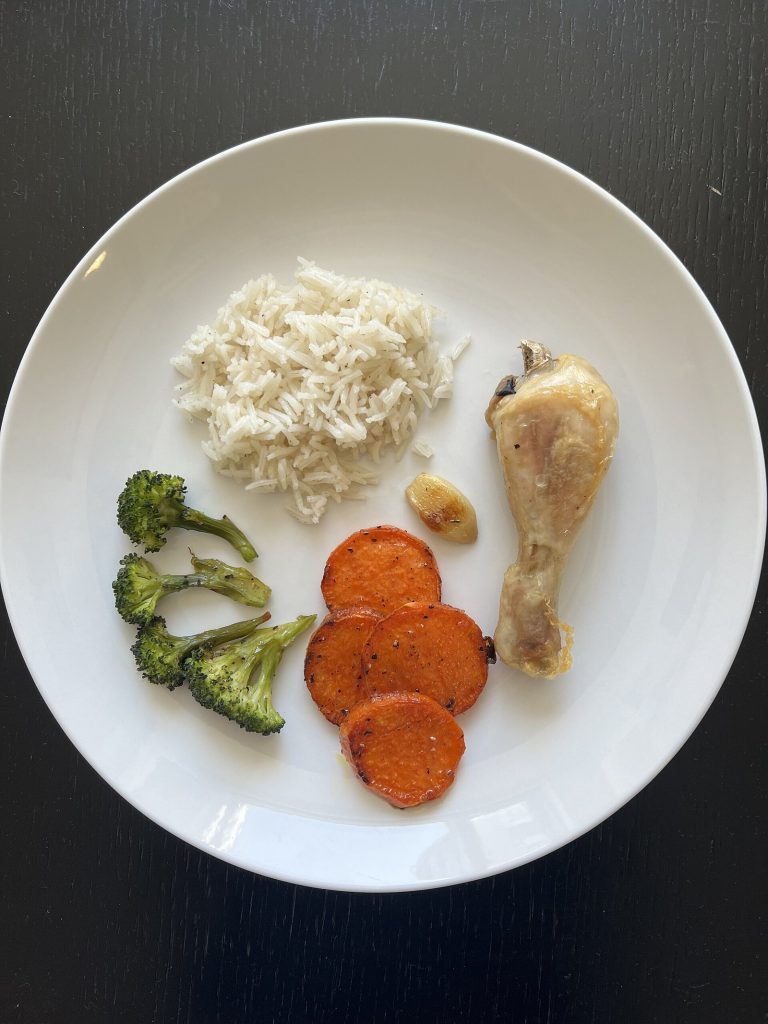
- – Half vegetables and fruit most meals
- – A fist-size serving of whole grains or starchy vegetables
- – A palm of protein (eggs, fish, poultry, beans, tofu)
- – Extra water glass with each meal when you raise fiber
4. Sample day (illustrative)
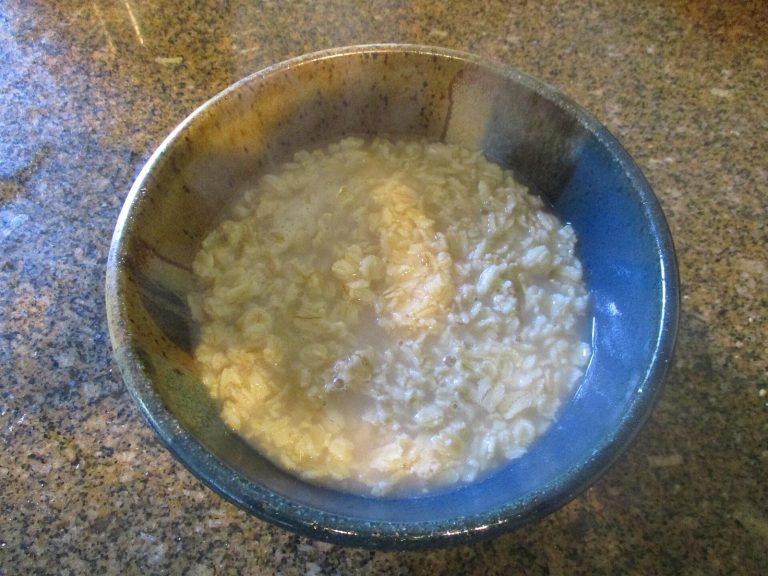
- – Breakfast: oatmeal with banana or berries; water or herbal tea.
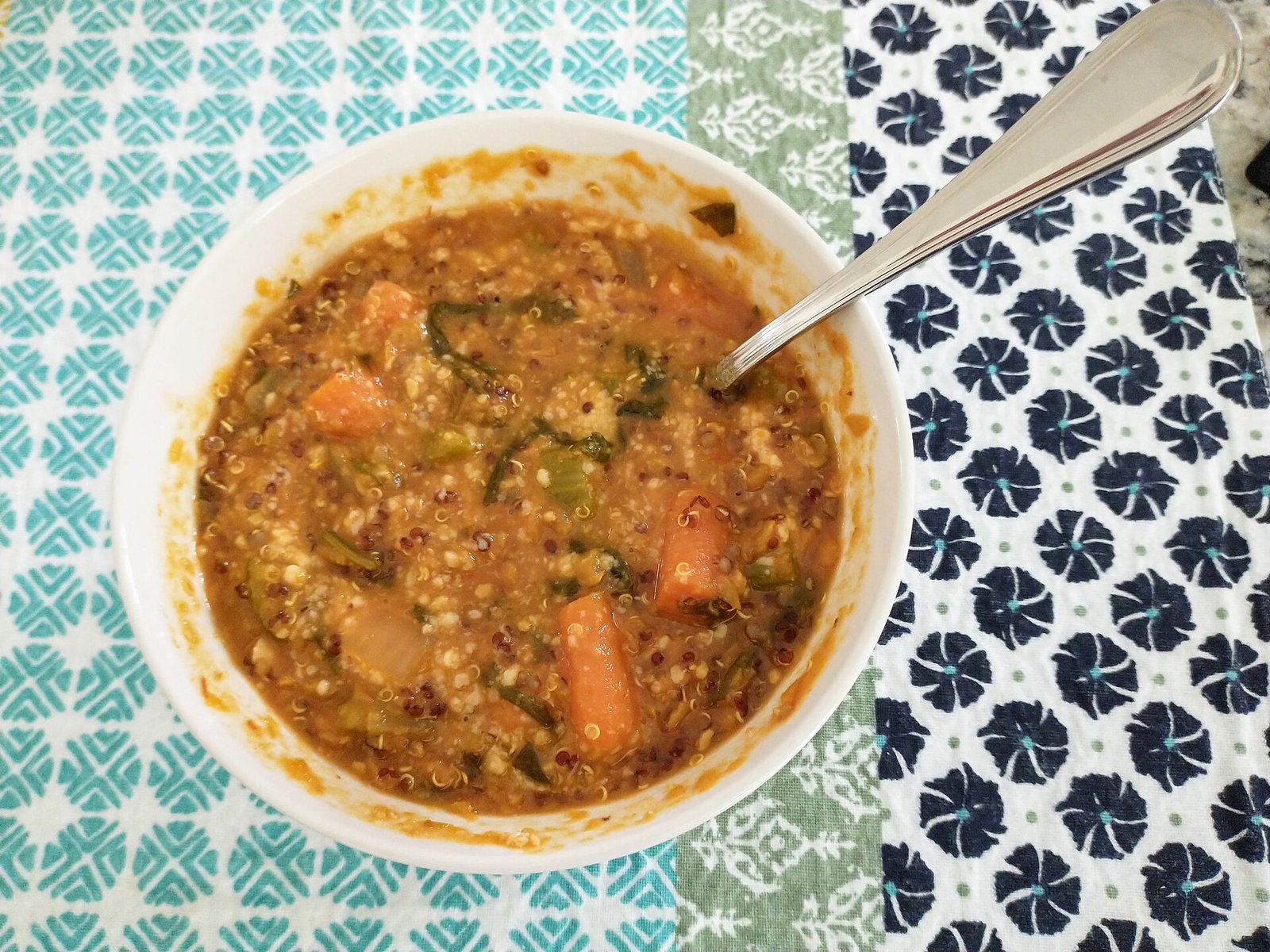
- – Lunch: lentil soup with wholemeal toast and a side salad.
- – Snack: pear or apple; carrot sticks; water.
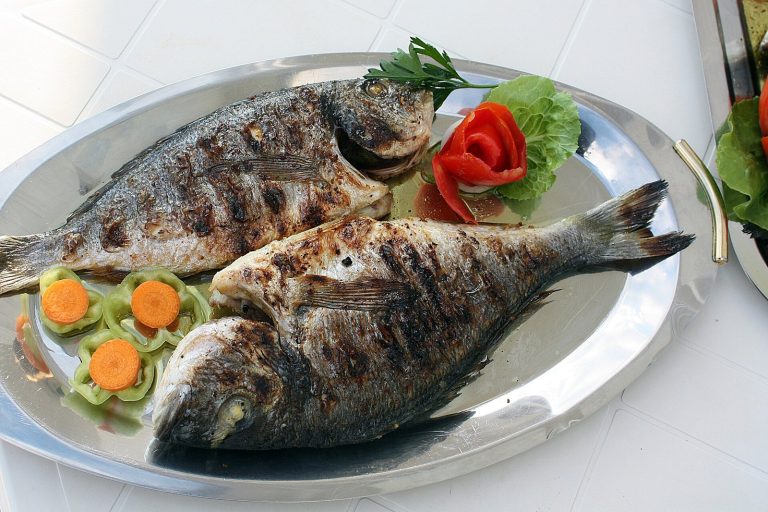
- – Dinner: grilled fish or chicken, brown rice, mixed vegetables; fruit for dessert.
- – Evening: warm shallow bath if recommended; do not strain if you need to go again.
5. Eating out
Choose bean- or vegetable-forward mains; ask for whole-grain sides when available; keep alcohol modest if it dehydrates you; carry water.
6. When piles or constipation overlap
Pair this page with hemorrhoids diet guide and constipation diet guide—still without delaying GP review for persistent bleeding or pain.
Safety, interactions, and who should ask a clinician first
- – See a GP if fissure symptoms worsen or do not improve after about a week of self-care (NHS).
- – Blood in the stool, black stools, fever, severe pain, or inability to pass stool need prompt medical care.
- – Children, pregnancy, and postpartum recovery: ask a clinician before high-dose fiber supplements or new laxatives.
- – If you have IBD, diverticular disease, or a history of bowel surgery, tailor fiber type and pace with your care team.
- – Opioid pain medicines can worsen constipation—ask about stool softeners rather than stopping pain control on your own.
FAQ
Can an anal fissure diet replace cream or surgery? No. NHS care may include topical medicines, laxatives, injections, or procedures when home measures are not enough. Diet supports soft stools.
How much fiber should I aim for? Mayo-style patient education often cites about 25–35 g/day, increased gradually with fluids. Your clinician may set a different target.
Is blood on the toilet paper always a fissure? Not always—hemorrhoids and other causes exist. Get checked if bleeding is new, heavy, or persistent.
What if fiber makes me more bloated? Raise fiber slowly, drink more water, and ask about a soluble fiber supplement or stool softener if diet alone is hard.
Do I need to avoid all spicy food forever? Not necessarily. Soft stools and less strain matter most; personalize spice limits with your symptoms and clinician advice.
How this differs from related OTCFood topics
This page is an anal-fissure-bound soft-stool and hydration guide. It is not a general constipation diet guide clinic visit alone, not a piles-only hemorrhoids diet guide page, and not an IBD protocol—though those kitchen problems often travel together.
Medical disclaimer
Medical disclaimer: This article is for general information only. It is not medical advice, diagnosis, or a treatment plan. Anal fissure care depends on exam findings, stool pattern, and prescribed therapies. Talk with a clinician or registered dietitian before starting, stopping, or changing any eating plan, supplement, or medicine. Seek care for worsening pain, persistent rectal bleeding, fever, or inability to pass stool.