Zinc Deficiency Diet: Foods That May Help and Foods to Limit
Medical note: This article discusses foods and researched botanicals. It does not claim to prevent, treat, or cure disease. Supplements are not a substitute for food, and studied amounts are not personal prescriptions.
Zinc supports immune function, DNA/protein synthesis, growth, wound healing, and taste; ODS Consumer and MedlinePlus encyclopedia pages describe deficiency signs such as diarrhea and poor growth in children, hair loss and infections in older children, and impaired taste, delayed wound healing, and thinking problems in some older adults. Food patterns may help most people meet needs because most people in the United States get enough zinc from food (ODS); targeted food-plus-supplement plans may help higher-risk groups. Zinc does not cure every cold, replace medical evaluation of unexplained hair loss, or become safer in megadoses—excess zinc can harm immunity and copper status (ODS).
What this zinc deficiency diet guide covers (and what it does not)

This guide is for adults improving zinc intake using ODS and MedlinePlus facts. It covers food sources, risk groups (GI surgery, IBD, vegetarian/vegan diets, pregnancy, alcohol use disorder), upper limits, and medicine interactions. It does not diagnose deficiency from a grocery list alone—labs and clinicians decide.
Anchors: ODS — Zinc (Consumer), MedlinePlus Encyclopedia — Zinc in diet.
Evidence snapshot: zinc diet claims vs public sources
| Claim people hope for | What public sources actually say | Confidence |
|---|---|---|
| “Everyone needs high-dose zinc” | ODS: most people in the U.S. get enough from food | Strong |
| Oysters and meat are rich sources | ODS: oysters very high; meat, fish, poultry, crab/lobster, fortified cereals good | Strong |
| Plant-only diets need planning | ODS: vegetarians/vegans may absorb less due to phytates; supplements may help some | Moderate-to-strong |
| Zinc lozenges cure every cold | ODS: some evidence for shorter colds if started early; mixed; best dose unclear | Low-to-moderate |
| More zinc is always better | Adult upper limit 40 mg/day from all sources unless medically supervised (ODS) | Strong |
Foods and patterns that may help with zinc intake
Animal and seafood sources (ODS)
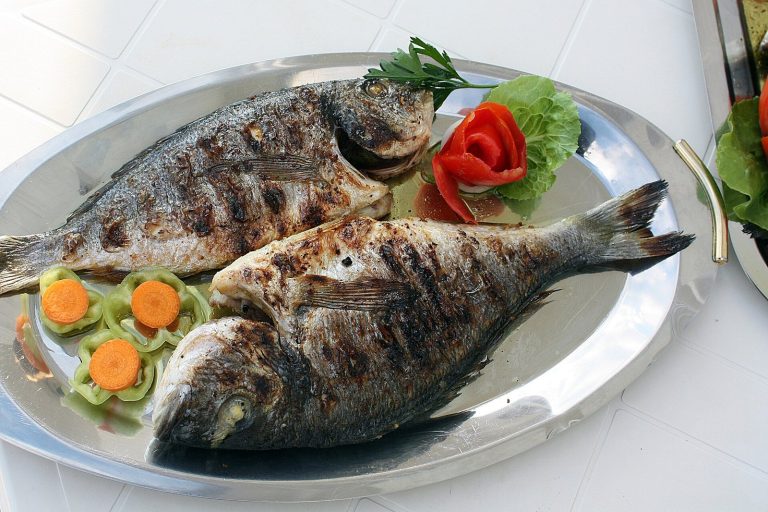
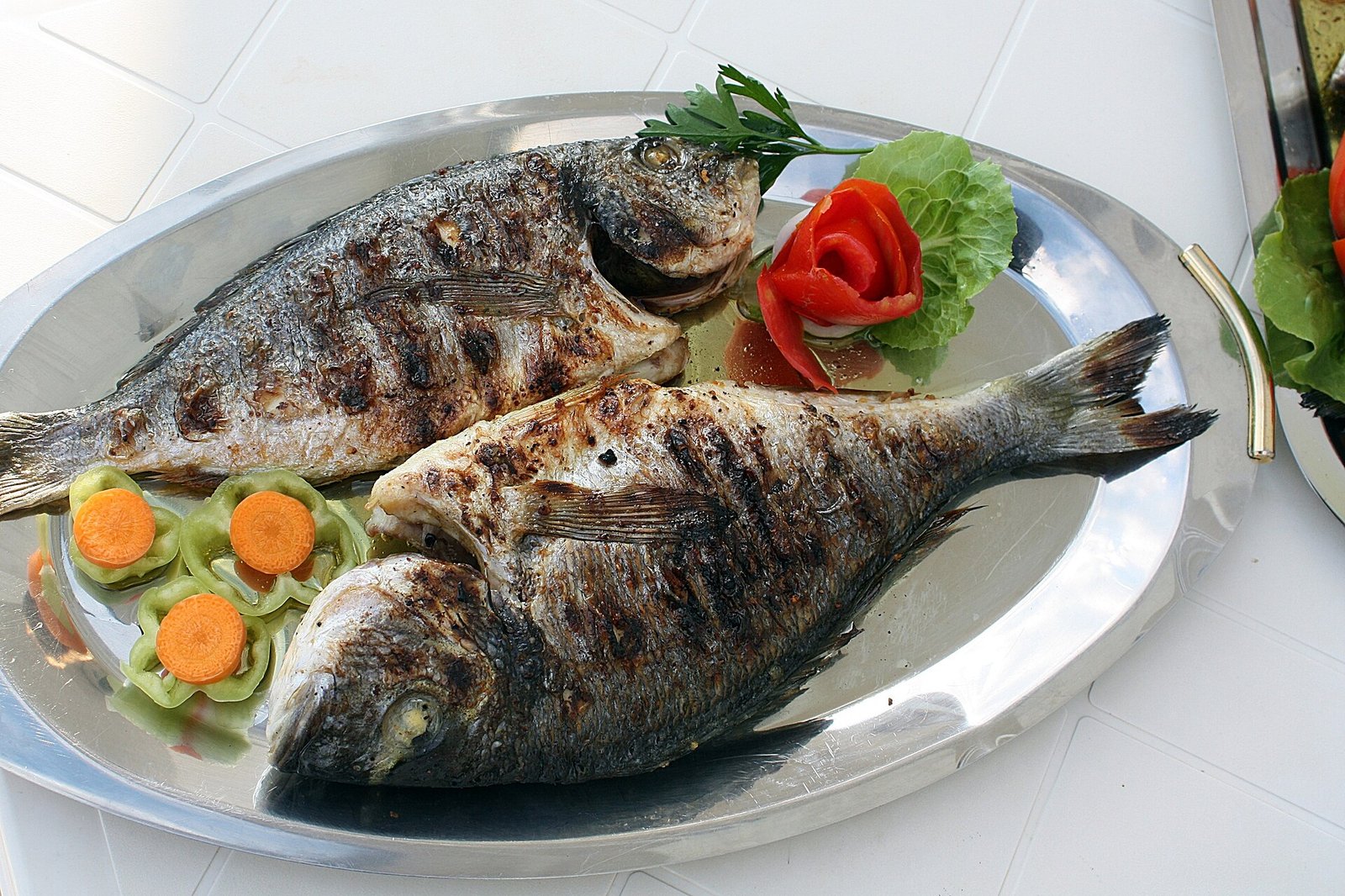
- – Oysters (very high), crab, lobster, meat, poultry, fish.
- – Eggs and dairy contribute some zinc.
Plant and fortified sources (ODS)
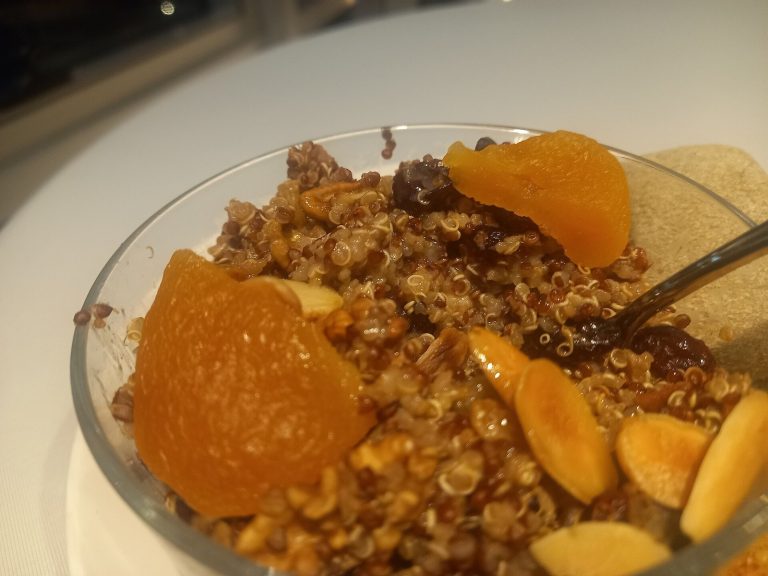
- – Beans, nuts, whole grains, fortified breakfast cereals.
- – Soak/ferment beans and grains when practical to reduce phytate effects—still plan carefully on vegan diets.
Risk-group emphasis (ODS)
- – GI surgery / ulcerative colitis / Crohn’s: absorption down, losses up—clinician-guided dosing.
- – Pregnancy and breastfeeding: higher RDAs (e.g., ~11 mg pregnant adults; ~12 mg breastfeeding adults—confirm ODS table).
- – Alcohol use disorder: poorer intake plus higher urinary losses.
Adult RDA ballpark (ODS)
- – Adult men ~11 mg/day; adult women ~8 mg/day—food first unless told otherwise.
Supplement forms
- – Sulfate, acetate, gluconate appear in products; ODS says it’s unclear one form is always best—follow labeled elemental zinc and clinician advice.
Foods and drinks that often worsen the bigger picture
- – Chronic heavy alcohol intake patterns that worsen zinc status (ODS).
- – Ultra-restrictive vegan menus without fortified foods, legumes, nuts, seeds, or clinician-reviewed supplements.
- – Megadose zinc from cold products, denture creams used far beyond label, or stacked supplements—ODS warns about copper deficiency and neurologic problems with excess denture-cream zinc.
- – Taking zinc on top of interacting antibiotics without spacing (quinolones/tetracyclines—ODS).
“Limit” means limiting excess supplemental zinc and alcohol-driven shortfalls—not limiting zinc-rich foods.
Practical kitchen protocol
1. Food-first day example
- – Breakfast: fortified cereal with milk.
- – Lunch: bean chili with meat or extra pumpkin seeds/nuts if vegetarian.
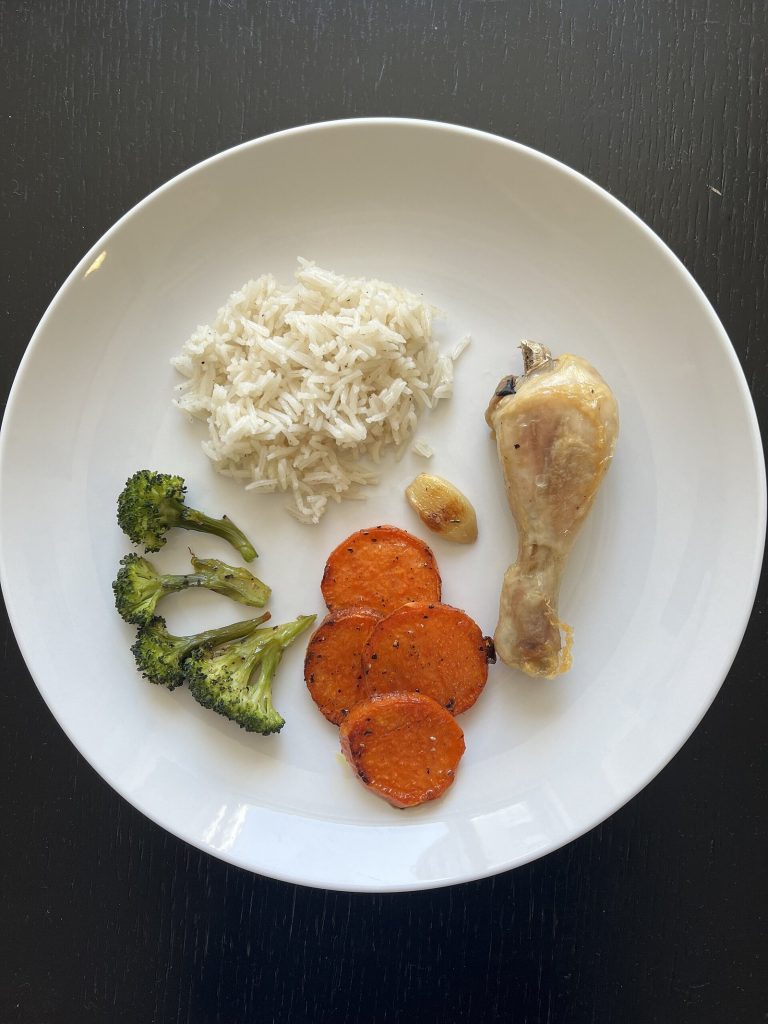
- – Dinner: oyster stew occasionally, or beef/chicken/fish with whole grains and vegetables.
- – Snacks: yogurt, nuts.
2. Vegetarian upgrades
Include legumes daily, nuts/seeds, whole grains, eggs/dairy if used, and discuss zinc supplements with a clinician (ODS).
3. Cold-season caution
If using zinc lozenges, start only at cold onset per product instructions; do not chronically megadose “for immunity.”
4. Two-week review
Diet recall + any GI disease activity + alcohol pattern; ask about labs before long-term high-dose use.
Longer kitchen landing section: make the pattern boring enough to keep
Staple list you can buy without thinking
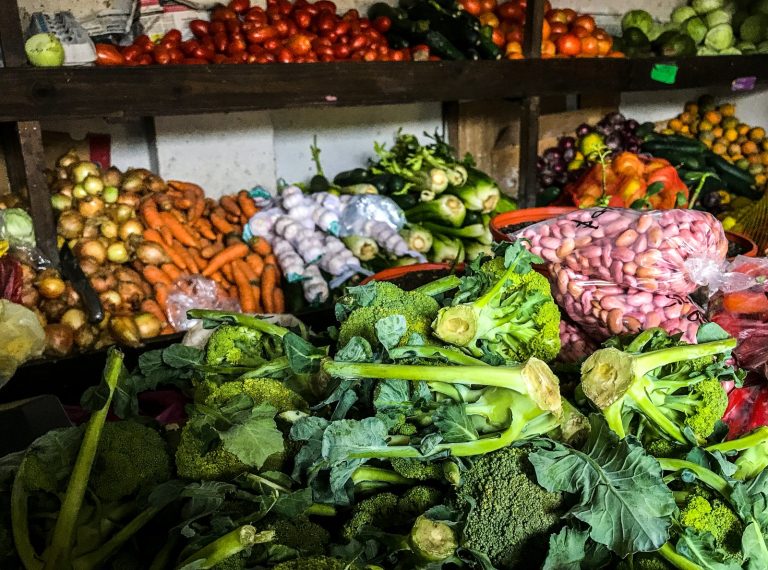
Leafy greens, frozen mixed vegetables, carrots, onions (omit if they are a personal trigger), oats, brown rice or potatoes, eggs, tofu, beans, lentils, plain yogurt or fortified soy yogurt, canned fish, olive oil measured by the spoon, fruit that fits your plan, and measured nuts. Keep a backup shelf of shelf-stable proteins so busy nights do not default to fried takeout.
Cooking default methods
Steam, boil, stew, bake, air-fry with minimal oil, or quick stir-fry with measured oil. Save deep frying and heavy cream sauces for rare occasions. Season with herbs, vinegar, citrus (if tolerated), garlic/onion only when they fit your personal tolerance map, pepper, and modest salt unless your clinician set a tighter sodium target.
Portion and rhythm habits
Put vegetables on the plate first, then protein, then starch. Keep sugary drinks as exceptions. If evenings are when symptoms or readings worsen, shift the larger meal earlier and keep dinner lighter. Chronic conditions that coexist (glucose, lipids, blood pressure, kidney disease) override generic blog rules—follow specialty targets.
“Hard day” simplified menu
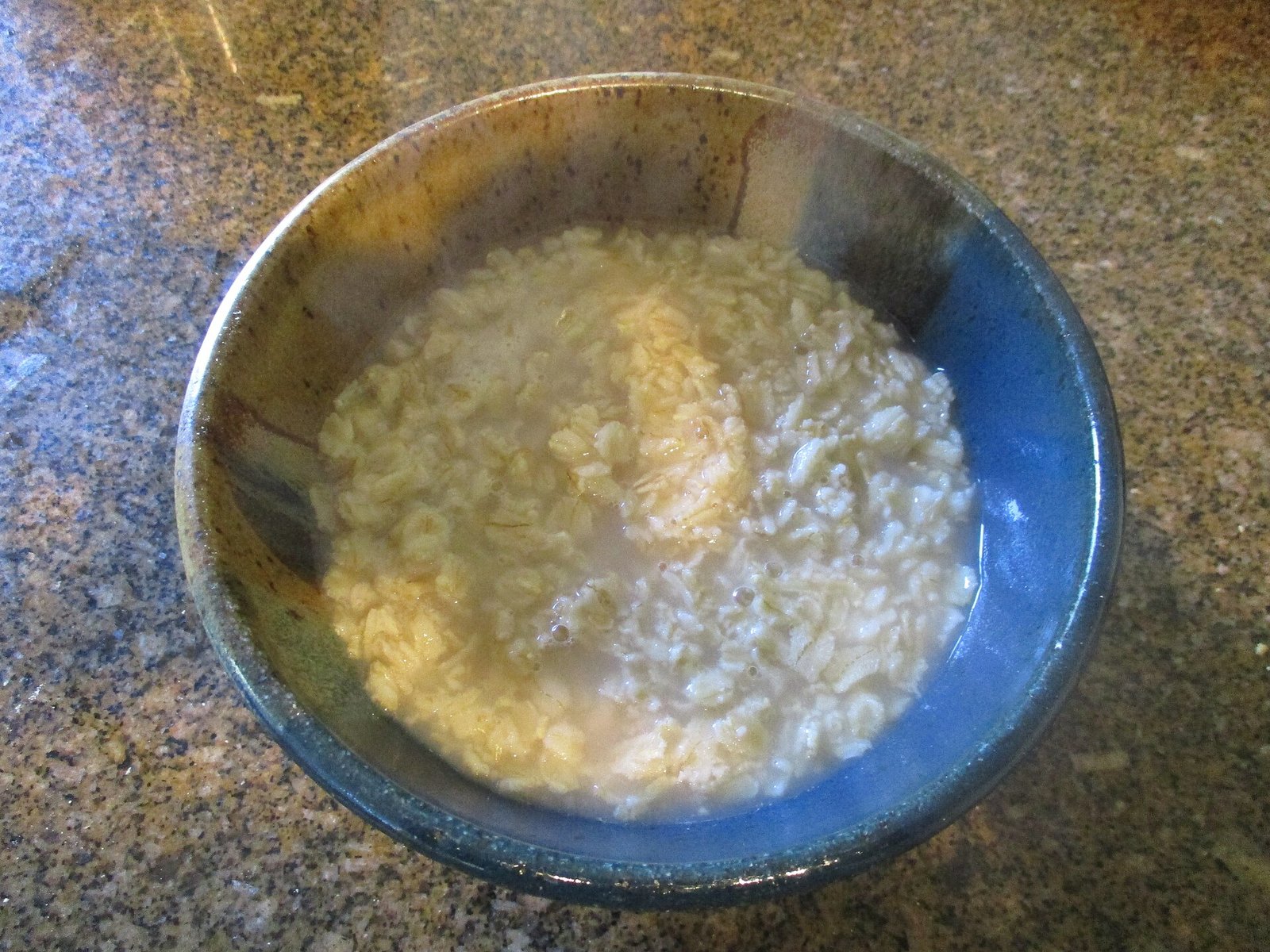
Rice porridge or soft oatmeal, egg dishes, poached fish, stewed vegetables, ripe banana or cooked apple, yogurt if tolerated. When warning symptoms appear, seek care instead of “waiting it out with stricter restriction.”
Label reading without obsession
Scan the first ingredients for sugar and hydrogenated oils; check sodium on broths, breads, and sauces; prefer plain dairy or fortified alternatives over dessert yogurts when you are aiming for steadier patterns. Supplements are not an automatic fix for an incomplete grocery cart—labs and clinicians decide deficiencies.
Two-week retrospective
Keep the three rules that improved comfort or readings; delete the five bans that only increased anxiety. Bring the short list to your next appointment with your medicine list.
Weekly prep that keeps the plan alive
Batch a soup or stew on the weekend and freeze single portions. Hard-boil eggs for grab-and-go protein. Pre-cut vegetables or buy pre-washed bags when energy is scarce. Put a reusable water bottle where you work. If occupational or caregiving stress spikes takeout frequency, keep a written “default order” (grilled protein, vegetables, water) so restaurant nights still roughly match your pattern. Revisit your grocery list monthly: drop items you never use, add two vegetables you actually enjoy, and keep one convenience healthy backup (frozen fish, canned beans) at all times.
Safety, interactions, and when to get help
- – Adult UL ~40 mg/day from food+supplements+medicines unless supervised (ODS).
- – Excess: nausea, vomiting, loss of appetite, low HDL, copper deficiency, impaired immunity (ODS).
- – Interactions: quinolone/tetracycline antibiotics (space doses), penicillamine, thiazide diuretics increasing zinc loss (ODS).
- – Persistent diarrhea, poor wound healing, or taste loss needs medical evaluation—not endless self-supplementation.
FAQ
Do most people need zinc pills? ODS: most people in the U.S. get enough from food; focus on risk groups.
Are oysters required? No—but they are exceptionally high; meat, seafood, fortified cereals, beans, and nuts also count.
Can zinc stop COVID or every infection? This guide sticks to ODS consumer evidence (colds, diarrhea in deficient populations, AMD formulas under eye care)—not unverified internet claims.
What if I take a multivitamin? Check elemental zinc so totals stay under the UL unless your clinician set a therapeutic dose.
How this differs from related OTCFood topics
For other micronutrients see iron deficiency anemia diet guide, folate deficiency diet guide, magnesium deficiency diet guide, and vitamin D deficiency diet guide. For IBD-related absorption context see site IBD guides if applicable, and metabolic neighbors such as type 2 diabetes diet guide when zinc research is discussed clinically.
Practical zinc-rich swaps that survive busy weeks
Keep canned fish, frozen chicken thighs, fortified cereal, plain yogurt, hummus, and a jar of mixed nuts visible at eye level. If oysters are rare in your market, do not treat them as mandatory—ODS lists many other sources. When cooking beans, combine them with a vitamin C–rich side (peppers, citrus if tolerated) for overall meal quality even though zinc absorption from plants remains lower than from meat. If you use denture adhesives, follow label amounts strictly—ODS warns that very large amounts of zinc-containing denture cream can contribute to copper deficiency and neurologic problems. Reassess any “immune” zinc lozenge habit monthly so seasonal cold use does not quietly become a year-round megadose.
Medical disclaimer
Medical disclaimer: This article is for general education only and is not medical advice, diagnosis, or a treatment plan. Zinc deficiency diagnosis and dosing depend on labs, GI disease, pregnancy status, and medicines. Talk with your doctor or dietitian before high-dose zinc, and seek care for persistent deficiency symptoms.