Raynaud’s Phenomenon Diet: Foods That May Help and Foods to Limit
Medical note: This article discusses foods and researched botanicals. It does not claim to prevent, treat, or cure disease. Supplements are not a substitute for food, and studied amounts are not personal prescriptions.
Raynaud’s phenomenon causes blood vessels in the fingers and toes (sometimes ears, nose, or lips) to narrow in response to cold or stress, producing color changes, numbness, and pain; NIAMS and NHS emphasize staying warm and, for many people, lifestyle control rather than a miracle diet. NHS specifically advises not smoking and not having too much caffeine (tea, coffee, cola, chocolate) because caffeine may trigger symptoms. Kitchen choices may help by supporting warmth routines and moderating caffeine habits; they do not cure primary or secondary Raynaud’s, reopen damaged vessels, or replace medicines when a GP prescribes them for severe disease.
What this Raynaud’s diet guide covers (and what it does not)
This guide is for adults with clinician-recognized Raynaud’s who want honest food-and-drink framing beside cold-protection habits. It covers NIAMS cold/stress triggers and NHS caffeine/smoking self-care. It does not diagnose primary versus secondary Raynaud’s (nailfold capillaroscopy is a clinician tool per NIAMS), and it does not claim spicy food or “circulation superfoods” will stop attacks.
Anchors: NIAMS — Raynaud’s Phenomenon, NHS — Raynaud’s.
Evidence snapshot: Raynaud’s diet claims vs public sources
| Claim people hope for | What public sources actually say | Confidence |
|---|---|---|
| “A special diet cures Raynaud’s” | NIAMS/NHS center staying warm, treating underlying disease, and medicines when severe—not a curative menu | Strong (against cure claims) |
| Limit excess caffeine | NHS: do not have too much caffeine—it may trigger symptoms | Moderate |
| Do not smoke | NHS: do not smoke—improve circulation by quitting | Moderate-to-strong |
| Cold is the main trigger | NIAMS: cold exposure (including ice water, freezer, AC shifts) commonly starts attacks; stress also | Strong |
| Alcohol is a proven therapy | Public NIAMS/NHS consumer pages used here do not present alcohol as treatment; warming and medicines dominate | Strong (against alcohol-as-cure) |
Foods and patterns that may help with Raynaud’s
Warmth-first kitchen habits (NIAMS/NHS)
- – Keep the home warm; wear warm clothes on hands/feet in cold weather (NHS).
- – Use insulated mugs; run warm (not scalding) water to warm hands after handling cold fridge/freezer items (NIAMS notes ice water and freezer grabs as classic triggers).
- – Batch-cook so you spend less time with bare hands in cold sinks or outdoor markets in winter.
Moderate caffeine pattern (NHS)
- – Trial less tea, coffee, cola, and chocolate if attacks cluster after high caffeine days.
- – Prefer earlier-day caffeine if you continue some intake; track personal triggers.
Steady meals that support overall circulatory health
- – Vegetables, fruits, whole grains, legumes, fish, nuts, and olive oil fit general cardiovascular-friendly patterns useful when secondary Raynaud’s overlaps rheumatic disease—without claiming they treat vasospasm.
- – Adequate calories in cold seasons; skipping meals while outdoors in winter helps no one.
Hydration without ice-cold extremes
- – Room-temperature water may be more comfortable than iced drinks if cold liquids trigger finger blanching for you (NIAMS cold-trigger logic).
Smoking cessation support foods
- – Pair quit attempts with planned snacks and meals so nicotine withdrawal does not collapse into only coffee and chocolate (both caffeine sources NHS flags).
Foods and drinks that often worsen the bigger picture
- – Too much caffeine from tea, coffee, cola, and chocolate (NHS).
- – Icy drinks and bare-hand freezer work that act as cold triggers (NIAMS examples).
- – Smoking (NHS)—not a food, but a major circulation hit listed beside self-care.
- – Alcohol excess that disrupts sleep and temperature regulation—even though pages do not market alcohol as a Raynaud’s therapy.
- – Extreme “elimination diets” that cause weight loss and fatigue without clinician rationale—there is no miracle Raynaud’s diet in NIAMS/NHS consumer guidance.
“Limit” means reducing caffeine and cold-food handling patterns that trigger you—not inventing a lifelong banned-ingredient religion.
Practical kitchen protocol
1. Keep medical care first
See a GP if symptoms are very bad or worsening; medicines that improve circulation may be prescribed (NHS). Secondary Raynaud’s with rheumatic disease needs specialty care (NIAMS).
2. Cold-safe prep checklist
- – Gloves for freezer aisle and outdoor markets.
- – Pre-washed produce to reduce ice-water rinsing time.
- – Slow cooker / oven batch meals on cold days.
3. Sample day
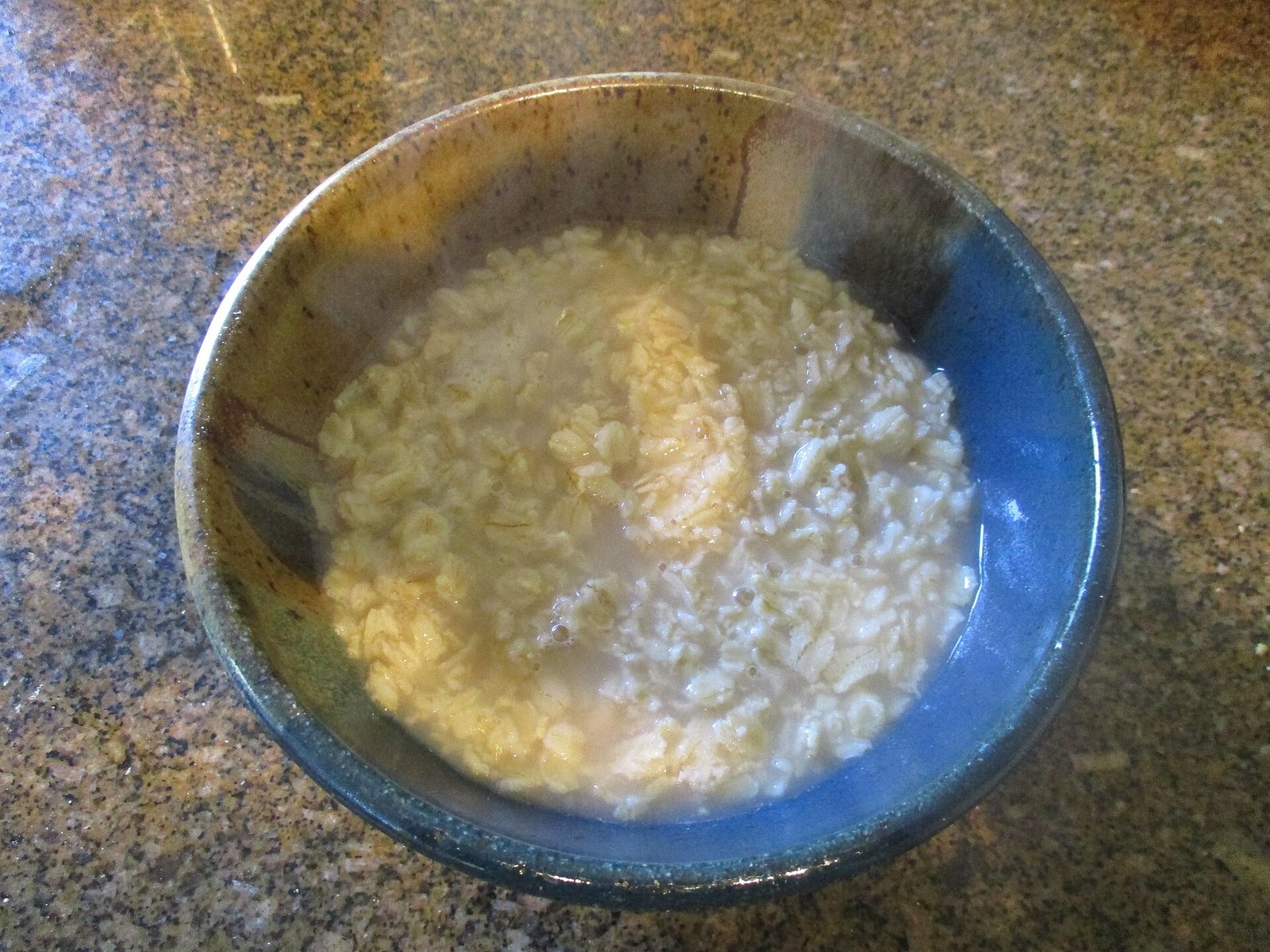
- – Breakfast: warm oatmeal, fruit, optional egg; moderate coffee if tolerated.
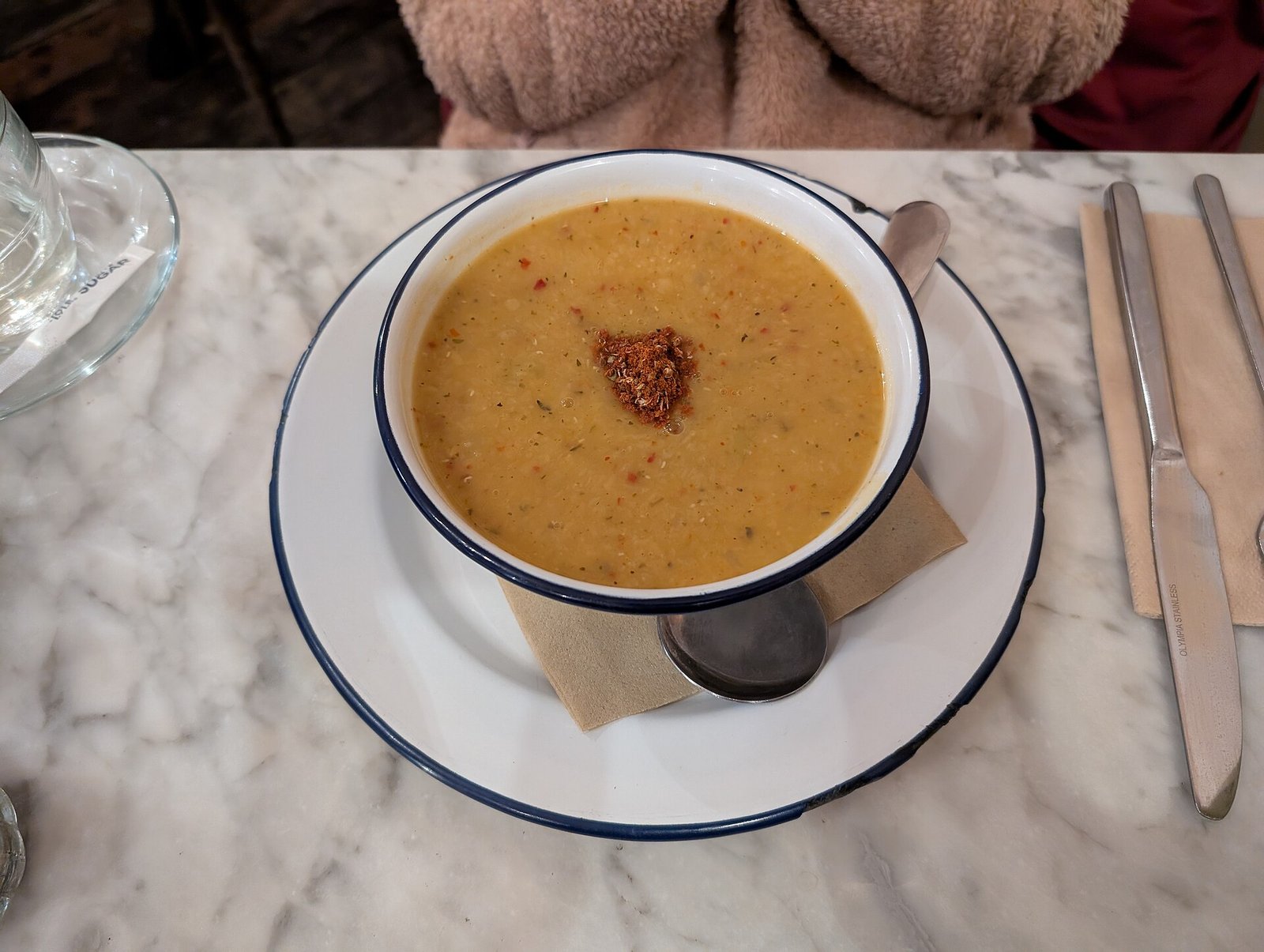
- – Lunch: warm soup and grain bowl (not iced drinks).
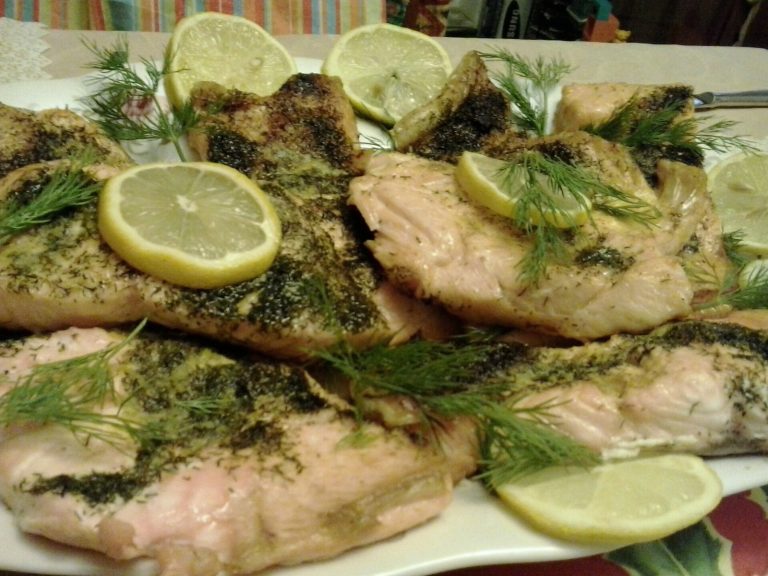
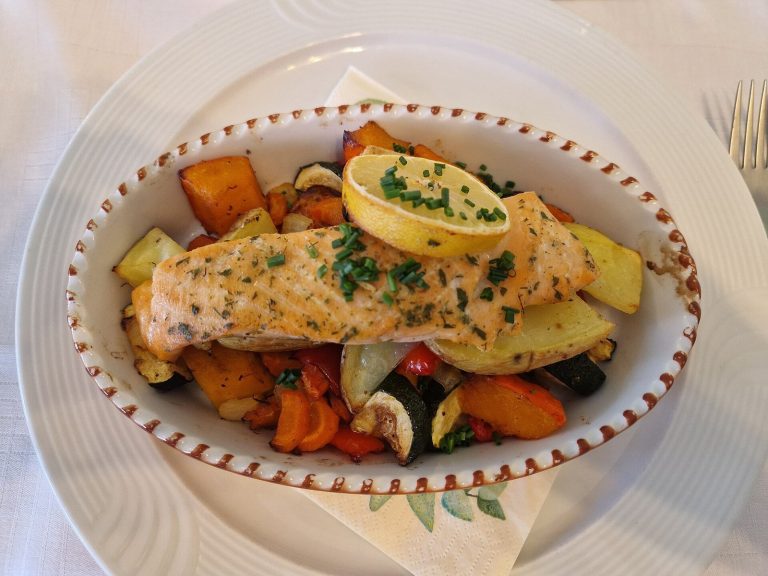
- – Dinner: baked fish or tofu, warm vegetables, potatoes.
- – Evening: herbal caffeine-free tea if late coffee flares you; keep bedroom warm.
4. Social caffeine
If colleagues do afternoon coffee runs, trial half-caf or herbal options during flare seasons.
5. Two-week review
Log caffeine servings, cold exposures, and attack frequency; bring to clinic with your medicine list.
6. Stress and sleep
NIAMS lists emotional stress as a trigger—pair meal routine with sleep and stress skills your clinician endorses, not stimulant overload.
Longer kitchen landing section: make the pattern boring enough to keep
Staple list you can buy without thinking
Leafy greens, frozen mixed vegetables, carrots, onions (omit if they are a personal trigger), oats, brown rice or potatoes, eggs, tofu, beans, lentils, plain yogurt or fortified soy yogurt, canned fish, olive oil measured by the spoon, fruit that fits your plan, and measured nuts. Keep a backup shelf of shelf-stable proteins so busy nights do not default to fried takeout.
Cooking default methods
Steam, boil, stew, bake, air-fry with minimal oil, or quick stir-fry with measured oil. Save deep frying and heavy cream sauces for rare occasions. Season with herbs, vinegar, citrus (if tolerated), garlic/onion only when they fit your personal tolerance map, pepper, and modest salt unless your clinician set a tighter sodium target.
Portion and rhythm habits
Put vegetables on the plate first, then protein, then starch. Keep sugary drinks as exceptions. If evenings are when symptoms or readings worsen, shift the larger meal earlier and keep dinner lighter. Chronic conditions that coexist (glucose, lipids, blood pressure, kidney disease) override generic blog rules—follow specialty targets.
“Hard day” simplified menu
Rice porridge or soft oatmeal, egg dishes, poached fish, stewed vegetables, ripe banana or cooked apple, yogurt if tolerated. When warning symptoms appear, seek care instead of “waiting it out with stricter restriction.”
Label reading without obsession
Scan the first ingredients for sugar and hydrogenated oils; check sodium on broths, breads, and sauces; prefer plain dairy or fortified alternatives over dessert yogurts when you are aiming for steadier patterns. Supplements are not an automatic fix for an incomplete grocery cart—labs and clinicians decide deficiencies.
Two-week retrospective
Keep the three rules that improved comfort or readings; delete the five bans that only increased anxiety. Bring the short list to your next appointment with your medicine list.
Weekly prep that keeps the plan alive
Batch a soup or stew on the weekend and freeze single portions. Hard-boil eggs for grab-and-go protein. Pre-cut vegetables or buy pre-washed bags when energy is scarce. Put a reusable water bottle where you work. If occupational or caregiving stress spikes takeout frequency, keep a written “default order” (grilled protein, vegetables, water) so restaurant nights still roughly match your pattern. Revisit your grocery list monthly: drop items you never use, add two vegetables you actually enjoy, and keep one convenience healthy backup (frozen fish, canned beans) at all times.
Safety, interactions, and when to get help

- – Color changes with sores, ulcers, or signs of tissue damage need urgent clinical review (NIAMS severe-disease context).
- – New Raynaud’s in older adults or with other systemic symptoms may be secondary—do not self-label as “just cold hands.”
- – Discuss all medicines; some drugs worsen Raynaud’s (NHS notes medicines among causes).
- – Do not use unproven high-dose supplements as a substitute for staying warm or prescribed therapy.
FAQ
Is there a Raynaud’s cure diet? No. NIAMS and NHS focus on warmth, trigger control, treating underlying disease, and medicines when needed.
Should I quit caffeine completely? NHS advises not having too much caffeine because it may trigger symptoms—trial reductions with your clinician rather than assuming zero forever is mandatory for everyone.
Does alcohol help circulation in Raynaud’s? Public consumer pages used here do not recommend alcohol as treatment; prioritize warmth and medical care.
Why do freezer foods matter? NIAMS notes cold objects (ice water, freezer items) commonly trigger attacks—kitchen logistics are part of self-care.
How this differs from related OTCFood topics
For autoimmune neighbors sometimes linked with secondary Raynaud’s see rheumatoid arthritis diet guide and carpal tunnel syndrome diet guide. Soft-tissue neighbors include frozen shoulder diet guide.
Medical disclaimer
Medical disclaimer: This article is for general education only and is not medical advice, diagnosis, or a treatment plan. Raynaud’s care depends on primary versus secondary cause, severity, and medicines. Talk with your doctor before major diet changes or supplements, and seek care for worsening attacks, ulcers, or systemic symptoms.