Periodontitis (Gum Disease) Diet: Foods That May Help and Foods to Limit
Medical note: This article discusses foods and researched botanicals. It does not claim to prevent, treat, or cure disease. Supplements are not a substitute for food, and studied amounts are not personal prescriptions.
Periodontal (gum) disease is an infection that causes inflammation of the gums and can damage the bone that supports teeth. NIDCR emphasizes plaque control, professional cleanings such as scaling and root planing, and notes that tobacco use is the most significant risk factor, delaying healing and making treatment less successful. Early gum disease can often improve with daily brushing and flossing; established periodontitis needs dental care. Diet supports oral and systemic health; it does not replace brushing, flossing, or periodontal treatment.
What this periodontitis diet guide covers (and what it does not)
This guide is for adults coordinating nutrition with dental treatment for gum disease. It covers tobacco cessation support via oral habits, diabetes/obesity-aware eating (NIDCR notes associations), tooth-friendly textures when chewing hurts, and limits on sugary grazing that feeds plaque. It does not diagnose pocket depths or replace antibiotics or surgery when a dentist recommends them.
Anchors: NIDCR — Periodontal (Gum) Disease.
Evidence snapshot
| Claim people hope for | What public sources actually say | Confidence |
|---|---|---|
| “A gum detox diet cures periodontitis” | NIDCR: treatment controls infection; home care plus professional therapy | Strong (against detox cures) |
| “Tobacco is a major factor” | NIDCR: tobacco is the most significant risk factor; worsens treatment results | Strong |
| “Brushing beats juice cleanses” | Early disease often reversible with brushing/flossing; advanced disease needs professional care | Strong |
| “Sugar-frequent snacking feeds plaque” | Plaque bacteria drive inflammation—frequent fermentable carbs can worsen oral ecology | Moderate |
| “Diet replaces scaling” | People with periodontal disease need dentist/hygienist treatment (NIDCR) | Strong |
Foods and patterns that may help
Nutrient-dense meals that support healing capacity
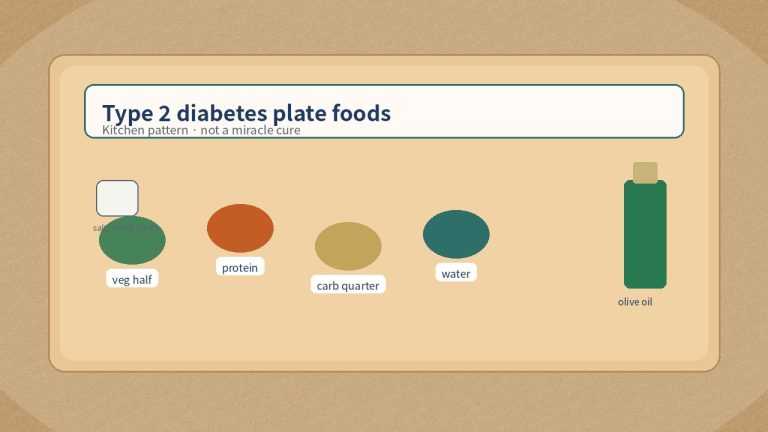
Include protein (fish, eggs, dairy or fortified alternatives, beans, tofu), vegetables, fruits, and whole grains so immune and tissue repair needs are met while you follow dental treatment.
Crunchy produce as part of—not instead of—cleaning
Apples and raw vegetables can be part of a healthy pattern but do not replace floss or interdental cleaners NIDCR-style home care requires.
Diabetes- and weight-aware patterns
NIDCR lists associations with diabetes, obesity, and other conditions—coordinate eating with those care plans.
Softer textures during tender-gum weeks
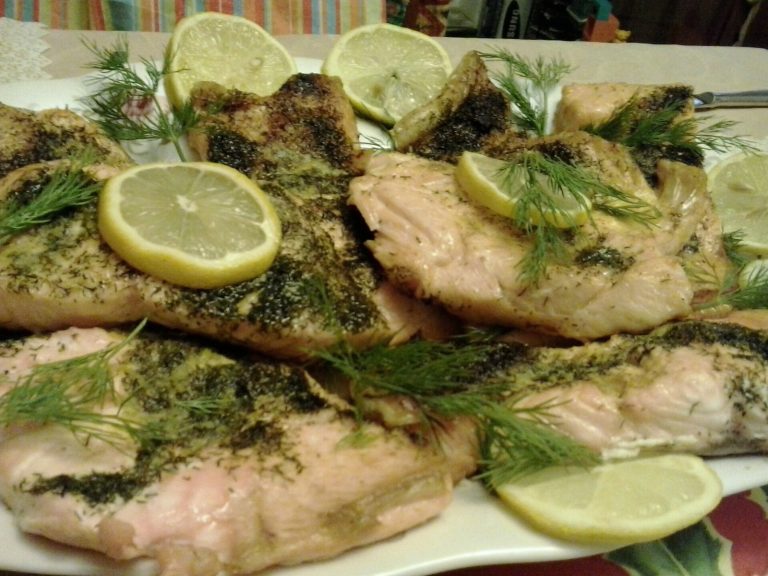
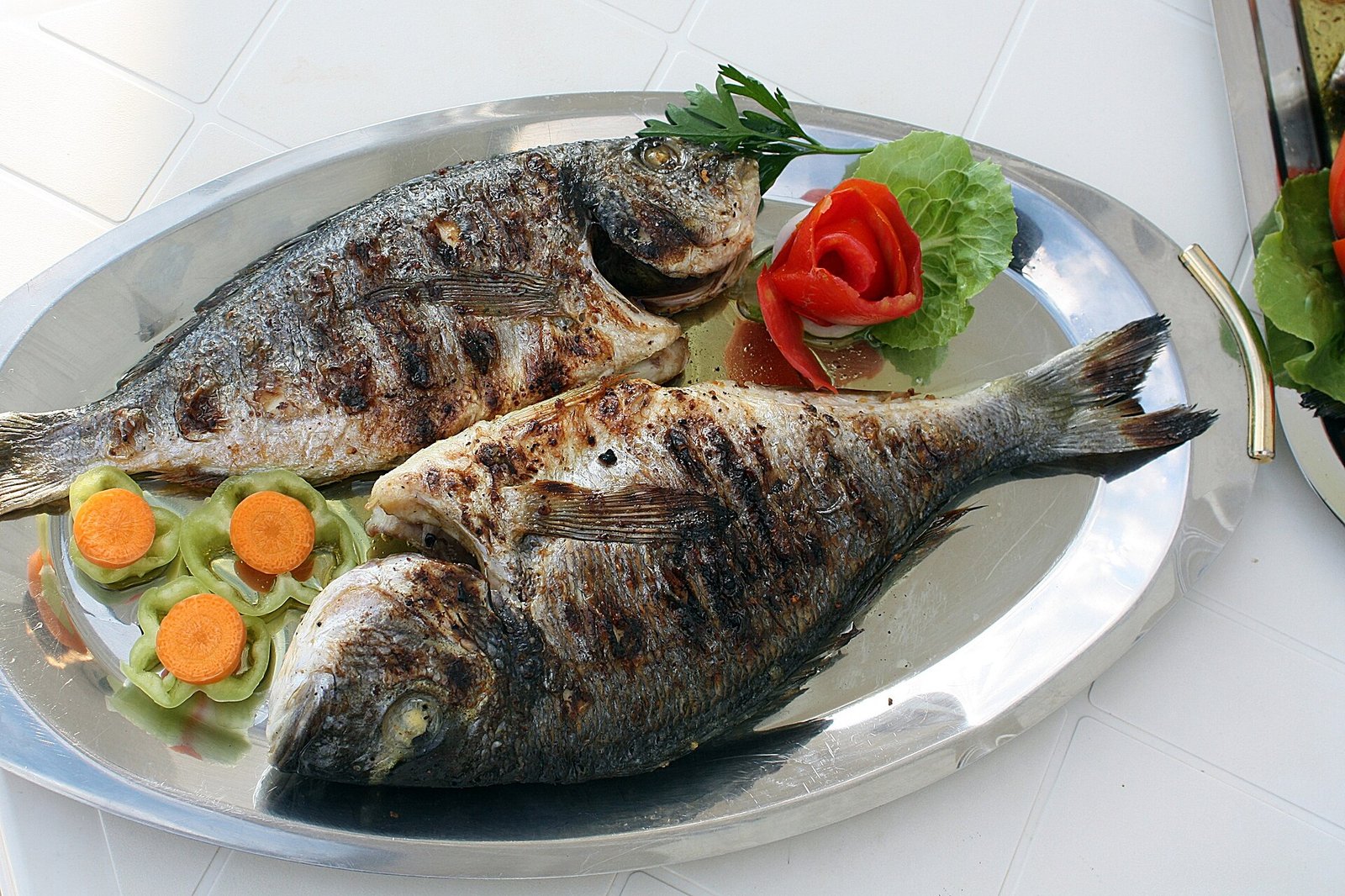
Yogurt, eggs, soft fish, stews, and cooked vegetables reduce chewing pain after deep cleanings while keeping protein up.
Hydration and saliva-friendly habits
Sip water; limit all-day sugary or acidic sips that bathe teeth in fermentable carbs.
Foods and drinks to limit
- – Tobacco in any form (NIDCR)—the priority lifestyle change.
- – Frequent sugary drinks and sticky sweets that feed plaque between brushings.
- – Constant grazing without oral hygiene windows.
- – Using alcohol-heavy mouthwashes as a food substitute myth—follow dental product advice, not internet rinses as meals.
Batch-cooking rhythm that survives busy weeks
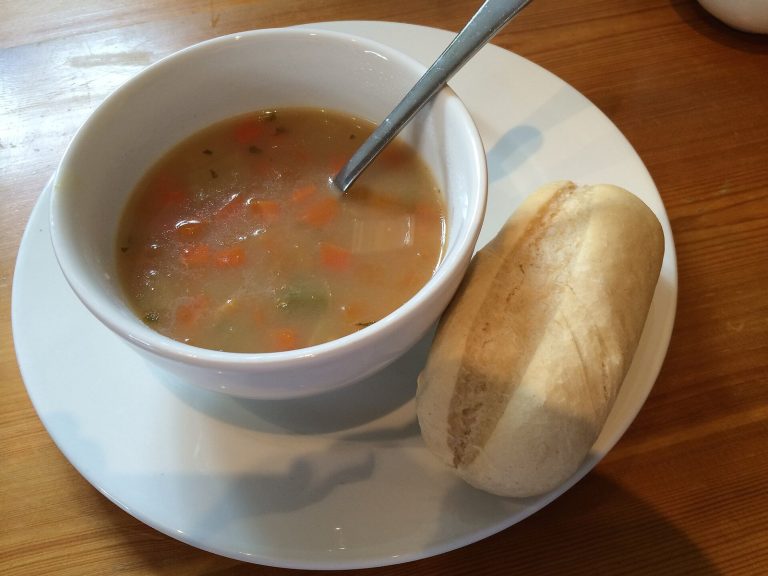
Twice a week, cook a pot of soup or stew, a tray of roasted vegetables, and a protein (beans, fish, chicken, or tofu). Portion into clear containers. Keep an emergency shelf: canned fish, microwave rice, fruit cups, nuts, and yogurt. Rotate herbs and spices for variety without inventing medical claims.
Eating out without abandoning the pattern
Scan menus for grilled, baked, steamed, or braised options before fried specials. Ask for sauces on the side. Choose water or unsweetened tea most of the time. Share desserts when sugar load is a personal issue.
Label literacy in five seconds
Check serving size, added sugars, sodium, and saturated fat first. Fortified foods can help close nutrient gaps when chosen deliberately—read the Daily Value panel rather than front-of-pack hype.
Habit stacking with medical appointments
Keep a one-page food-and-symptom log beside your medicine list. Ask whether a registered dietitian referral is appropriate. Diet changes stick better when written into the same plan as other therapies.
Two-week review checkpoint
After fourteen days, keep what helped energy, sleep, or comfort; drop rules that only added stress. Recheck clinician targets (lipids, glucose, weight, symptoms) rather than chasing perfection.
Practical kitchen protocol
Sample day
- – Breakfast: omelet with vegetables; fruit.
- – Lunch: bean and vegetable soup; yogurt.
- – Snack: cheese and apple (brush or rinse after sticky fruit if advised).
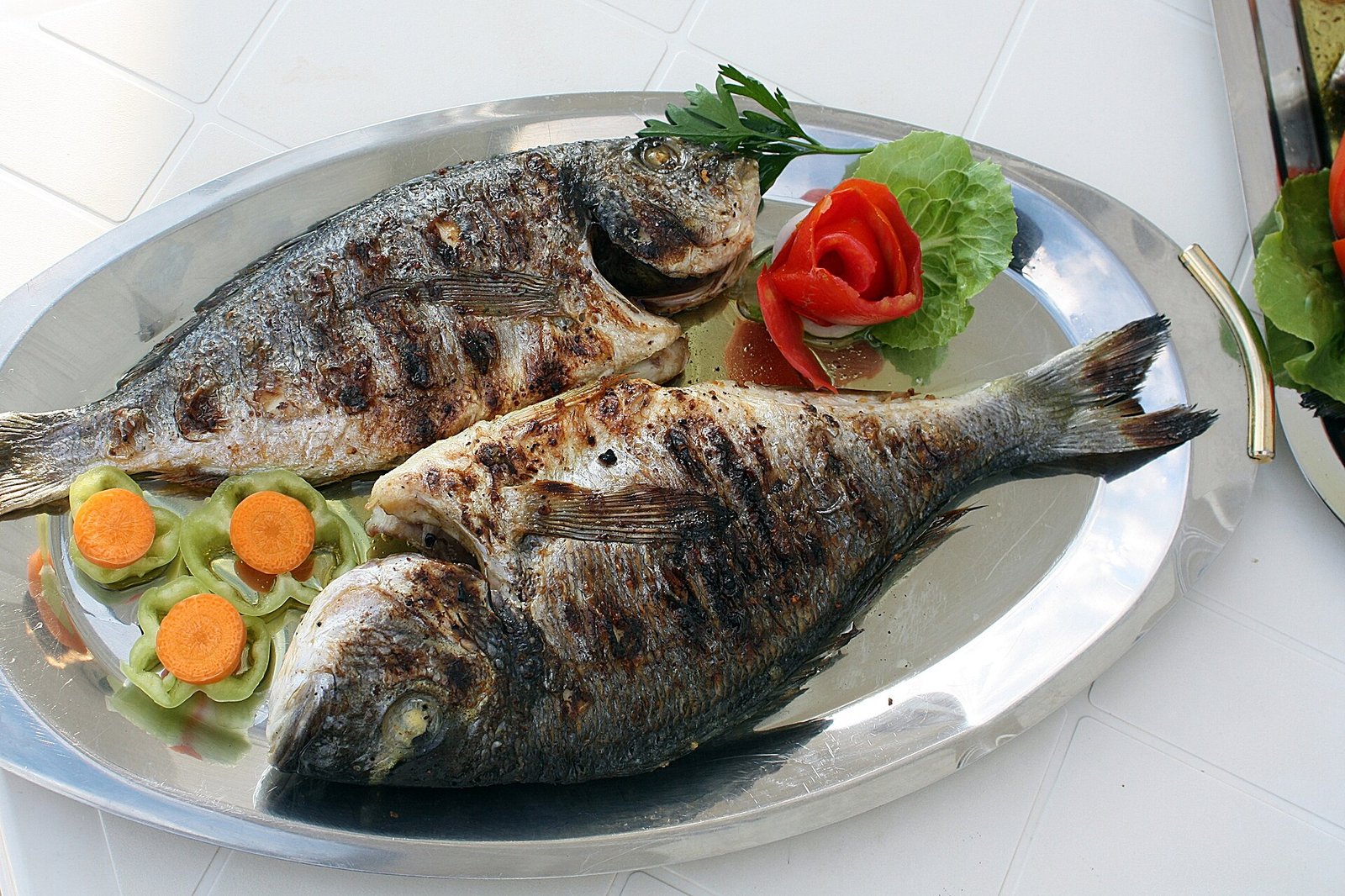
- – Dinner: baked fish, soft-cooked vegetables, rice.
- – After meals: brush twice daily with fluoride toothpaste; clean between teeth (NIDCR tips).
Shopping list
Eggs, yogurt, fish, beans, vegetables, fruit, whole grains, sugar-free gum only if your dentist agrees.
Longer practical midsection: building a sustainable plate pattern
Make produce automatic
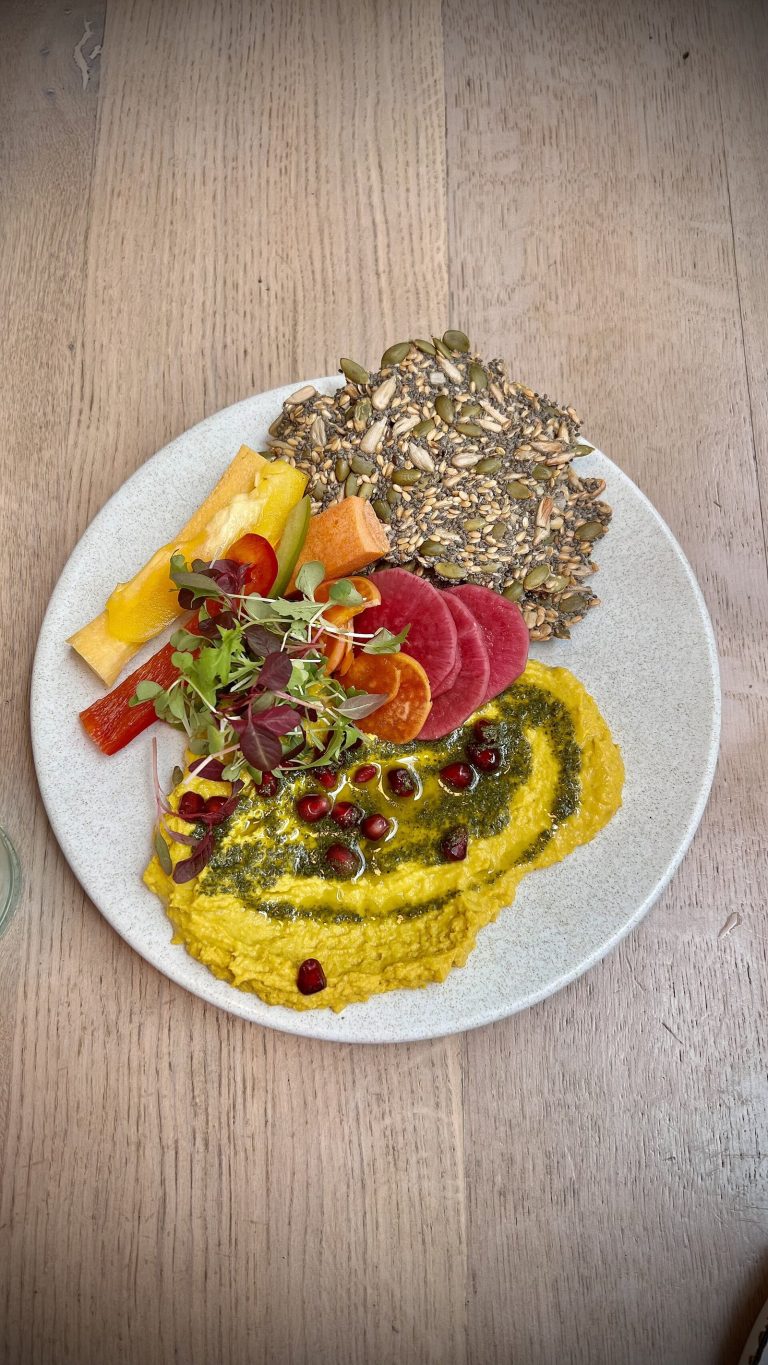
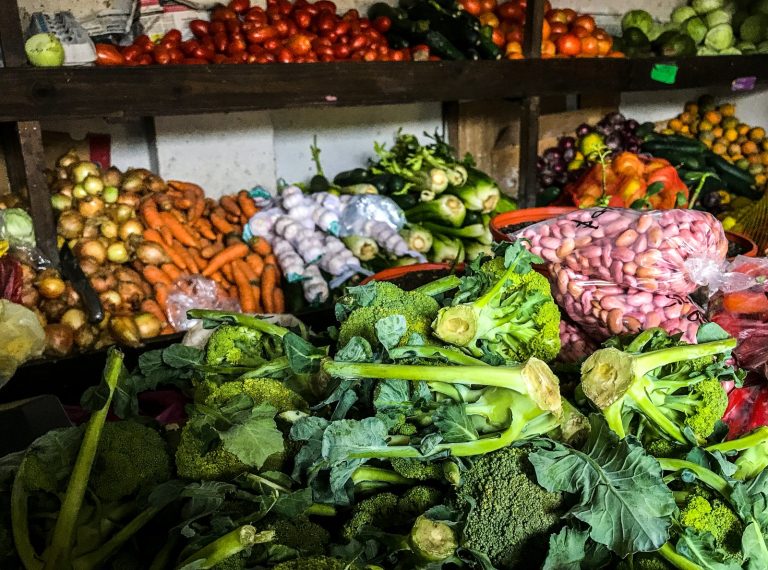
Keep washed greens, baby carrots, cherry tomatoes, and frozen mixed vegetables ready. Add a fist-sized produce serving to every lunch and dinner before you add seconds of starch. Fruit at breakfast and as a snack crowds out pastry grazing without a rigid ban. If chewing or prep is hard because of pain or fatigue, choose soft options: bananas, stewed apples, cooked carrots, blended soups with vegetables blended in.
Protein anchors three times daily
Eggs, yogurt, fish, poultry, tofu, tempeh, beans, and lentils keep meals satisfying. Aim for a palm-sized portion at main meals unless your clinician sets different targets for kidney disease or other conditions. Soft proteins help after dental work or when hands hurt: cottage cheese, canned salmon, scrambled eggs, hummus.
Carbohydrate quality over fear
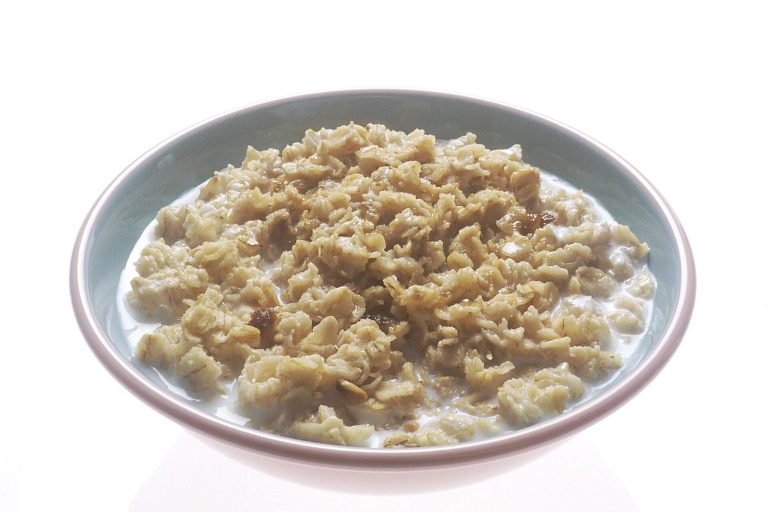
Choose oats, brown rice, potatoes with skin, beans, and whole-grain bread more often than sugar-sweetened drinks and ultra-refined snacks. You do not need to eliminate all white rice or bread forever; pair them with protein and vegetables and watch portions if weight or triglycerides are goals.
Fats that earn their place
Cook with olive, canola, or other unsaturated oils in measured spoons. Include nuts and seeds in small handfuls. Limit deep-fried foods and large amounts of cream sauces when weight, reflux, or lipid goals matter. Read labels for partially hydrogenated oils and skip them when possible.
Flavor without chaos
Use lemon, herbs, garlic, ginger, vinegar, and spices to keep low-sodium or lower-fat cooking interesting. If spicy foods trigger reflux, rosacea flushing, or dyspepsia for you personally, keep a short trigger list instead of banning every spice globally.
Beverage strategy
Make water the default. Keep a bottle at your desk. Swap one sugary drink per day for sparkling water with citrus if that is a realistic step. Move caffeine earlier if sleep suffers. Keep alcohol within clinician limits—or zero when pancreatitis, high triglycerides, or pregnancy make that the safer plan.
Prep once, eat twice
Sunday or midweek, roast a tray of vegetables, cook a grain, and prepare a protein. Label containers with dates. Freeze soup in single portions. A visible fridge plan beats willpower at 8 p.m.
When symptoms flare
Use a simplified menu: soup, yogurt, eggs, ripe fruit, toast, and tea as tolerated. Resume the fuller pattern as symptoms ease. Contact your clinician if flares include red-flag symptoms listed in the safety section of this article.
Tracking without obsession
A three-column note—meal, portion, symptom—for two weeks teaches more than a month of guilt. Share it with your clinician or dietitian. Adjust one variable at a time (for example, late caffeine or fried lunches) so you know what mattered.
Safety and when to get help
See a dentist for bleeding gums, loose teeth, persistent bad breath, or pain while chewing (NIDCR symptom framing). Pregnant people and those with diabetes need coordinated care. Do not stop prescribed medicines. After periodontal surgery, follow texture instructions from your clinician.
FAQ
Can diet reverse periodontitis alone? No. NIDCR emphasizes professional treatment plus daily oral care; tobacco cessation improves odds.
What is the biggest lifestyle risk? Tobacco use is described as the most significant risk factor.
Are juice cleanses helpful? They are not a NIDCR treatment and may leave you without adequate protein.
Does diabetes matter? NIDCR notes associations with diabetes and other systemic conditions—manage those with your clinicians.
How this differs from related OTCFood topics
This page focuses on gum disease nutrition beside dental care. For reflux-related mouth irritants see GERD diet guide. For diabetes-aware plates see peptic ulcer diet guide only when ulcer care overlaps—otherwise prioritize your diabetes clinician’s plan and high blood pressure foods guide for broader cardiometabolic patterns when relevant.
Medical disclaimer
Medical disclaimer: This article is for general education only and is not medical advice, diagnosis, or a treatment plan. Periodontitis requires dental evaluation. Talk with your dentist or physician before major diet changes, and seek care for tooth mobility, abscess signs, or uncontrolled bleeding.