Frozen Shoulder Diet: Foods That May Help and Foods to Limit
Medical note: This article discusses foods and researched botanicals. It does not claim to prevent, treat, or cure disease. Supplements are not a substitute for food, and studied amounts are not personal prescriptions.
Frozen shoulder (adhesive capsulitis) means your shoulder is painful and stiff for months, sometimes years. NHS guidance structures care around pain relief, physiotherapy exercises, and further treatment when home measures fail—not around a curative menu. Nutrition’s honest role is supporting energy for rehab, adequate protein while the arm is under-used, and metabolic steadiness if diabetes or other conditions coexist. Food does not “unfreeze” the joint capsule or replace guided movement.
What this frozen shoulder diet guide covers (and what it does not)
This guide is for adults living with adhesive capsulitis who want kitchen tactics beside NHS-style stepwise care. It covers protein timing, easy-prep meals when overhead reaching hurts, and limits on crash dieting during recovery. It does not distinguish frozen shoulder from rotator-cuff tears on its own and does not authorize stopping prescribed physiotherapy.
Anchors: NHS — Frozen shoulder.
Evidence snapshot: frozen shoulder diet claims vs public sources
| Claim people hope for | What public sources actually say | Confidence |
|---|---|---|
| “Certain foods melt adhesions” | NHS treatment steps are pain relief, exercises, physio—not food lists | Strong (against cure claims) |
| “Protein may support rehab capacity” | General rehab nutrition emphasizes adequate protein; NHS page centers on movement and pain control | Moderate (general rehab logic) |
| “Skipping meals reduces inflammation” | Undereating can worsen fatigue and rehab adherence | Strong (against fasting as therapy) |
| “Supplements replace physio” | NHS pathway relies on exercises and clinical care | Strong (against replacement) |
| “Heat packs plus diet cure it” | NHS mentions heat packs for comfort; diet is not listed as curative | Strong |
| “Alcohol helps me sleep through pain” | Alcohol disrupts sleep quality for many people and is a poor long-term pain strategy | Moderate |
Foods and patterns that may help with frozen shoulder
Protein across the day while the arm rests
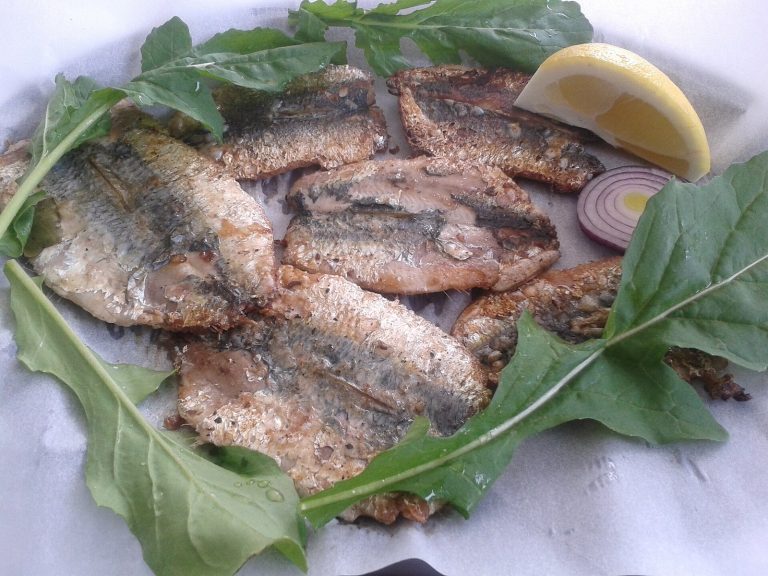
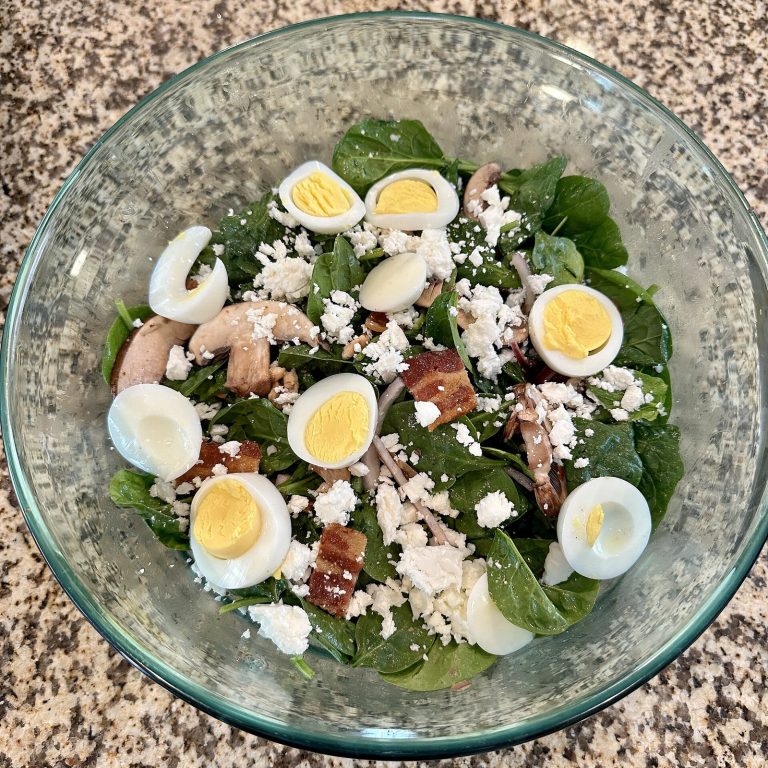
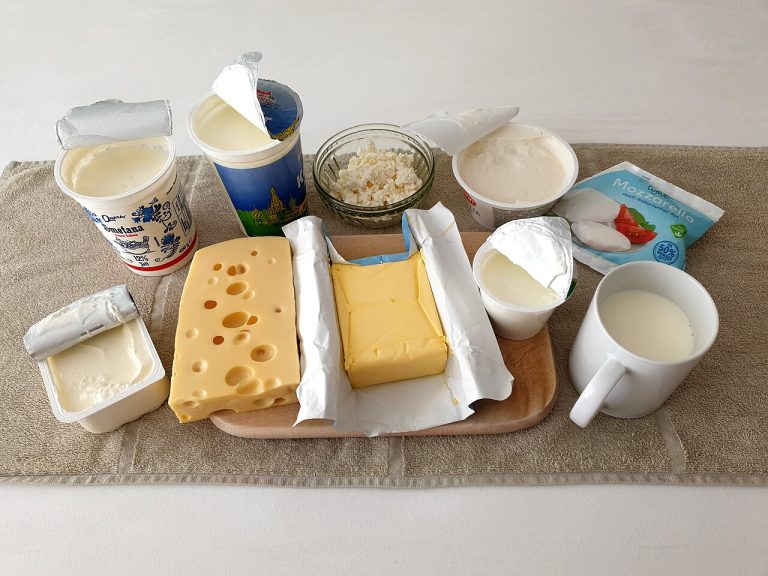
Eggs, fish, poultry, dairy or fortified soy, tofu, beans, and lentils support muscle maintenance when activity drops. Spread protein across breakfast, lunch, and dinner. Soft options (flaked fish, scrambled eggs, yogurt) reduce chopping demands on flare days.
Steady energy for physiotherapy sessions
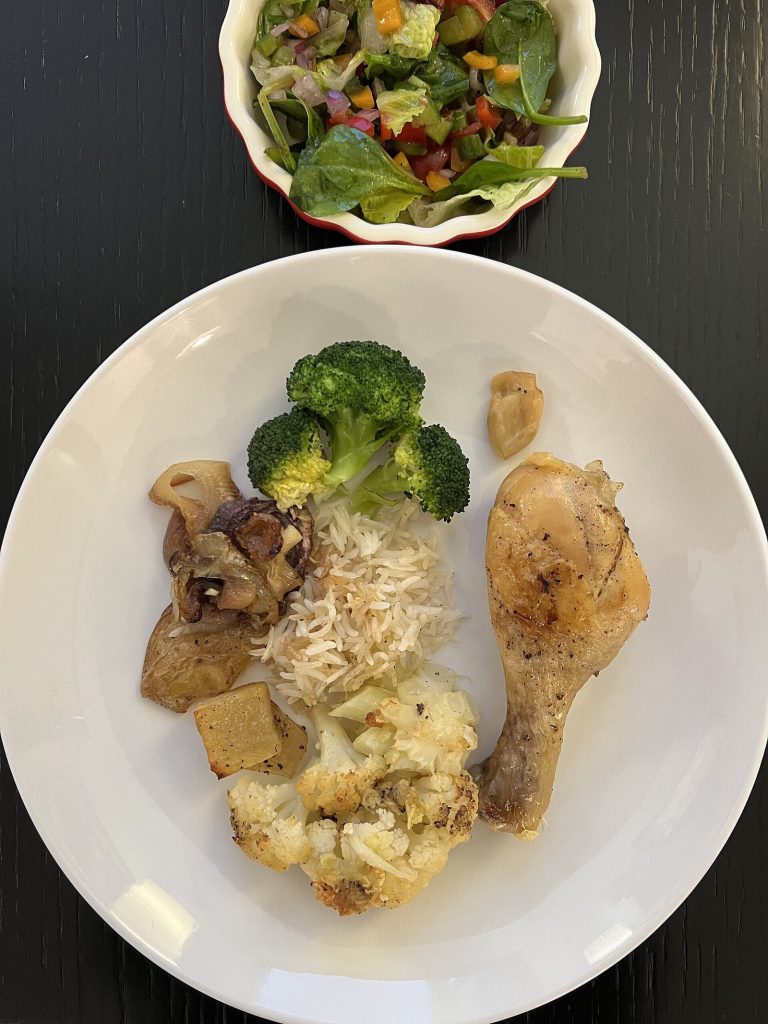
Combine complex carbs (oats, potatoes, brown rice, fruit) with protein so sessions are not done on an empty tank. Hydrate before and after exercises. NHS notes that treatment mixes pain relief and stretching/strength work—showing up fueled matters.
Colorful produce and fiber
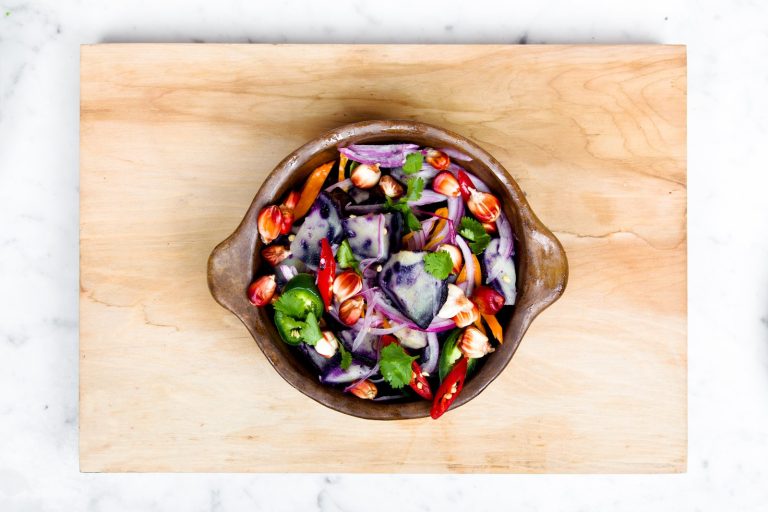
Vegetables and fruits supply micronutrients and fiber that support overall recovery capacity. Soft-cook vegetables if cutting raw produce aggravates shoulder pain. Frozen vegetables are nutritionally practical and already chopped.
Anti-inflammatory-style background pattern
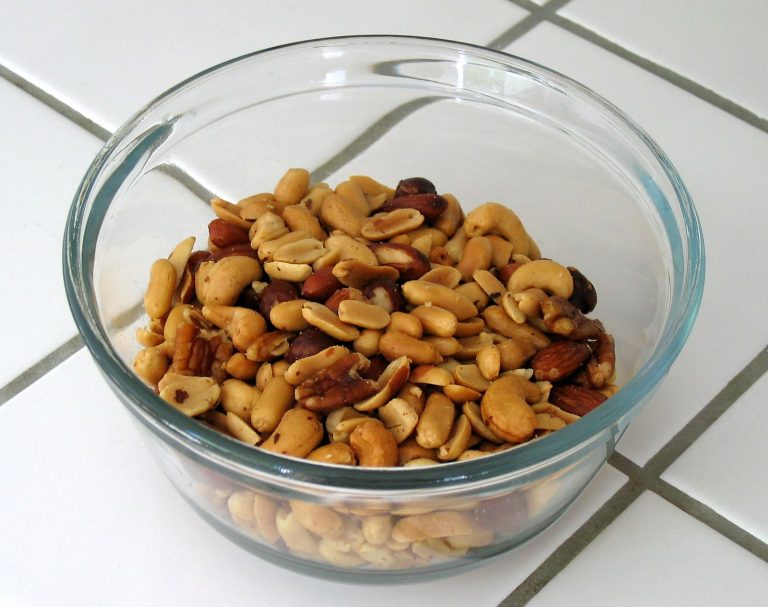
Oily fish, nuts, olive oil, and plenty of plants form a heart- and joint-friendly pattern used across OTCFood guides. Treat this as metabolic support, not a capsule solvent.
Kitchen adaptations when the shoulder cannot lift
Store frequent foods at waist height; avoid overhead cupboard reaches. Use lighter pans and both hands only when stable. Prefer sheet-pan and one-pot meals. Ask for help with jars. Consider meal kits or pre-cut produce temporarily.
Weight-aware habits if activity plummets
Reduced arm use can cut daily energy burn. Keep sugary drinks limited and watch portion creep at dinner while still eating enough protein. Aim for gradual changes; crash diets drain rehab energy.
Foods and drinks to limit in the bigger picture
- – Alcohol excess that disrupts sleep and pain coping.
- – Ultra-processed high-calorie snacks if reduced activity is driving weight gain.
- – Skipping meals before physio, which can cause lightheadedness during exercises.
- – Very large late-night fatty meals if they worsen reflux when you try to find a comfortable sleep position.
- – There is no NHS frozen-shoulder “trigger food” list; avoid inventing strict eliminations without a clinician.
Practical kitchen protocol: frozen shoulder eating plan
1. Align meals with rehab days
Eat a balanced meal 1–3 hours before physiotherapy. Keep a yogurt-and-fruit fallback for low-energy mornings. After sessions, refuel with protein plus carbs within a couple of hours.
2. Sample day (illustrative, not medical advice)
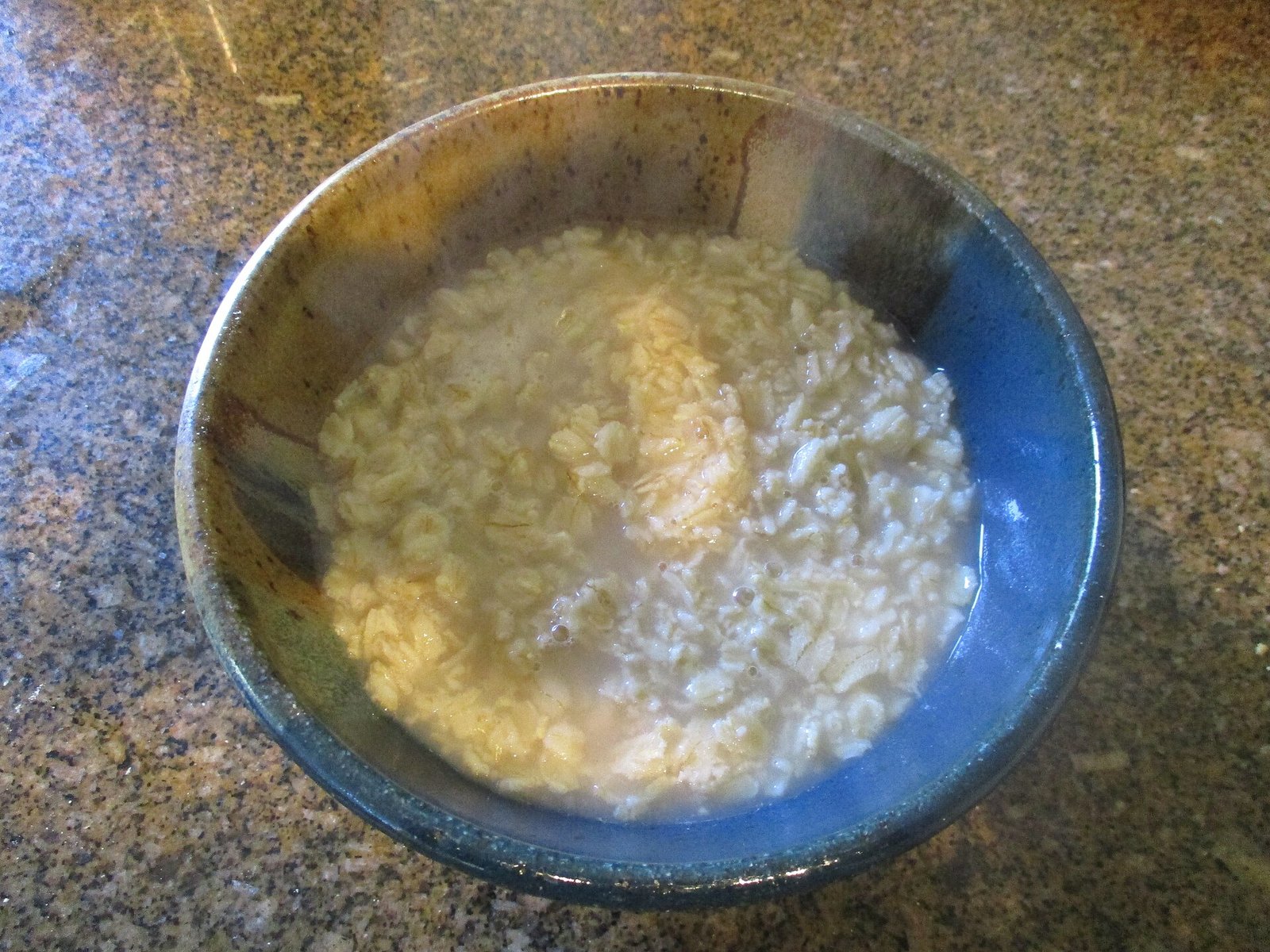
- – Breakfast: oatmeal with milk, banana, peanut butter.
- – Lunch: chicken or tofu rice bowl with soft vegetables.
- – Snack: yogurt or cheese and crackers.
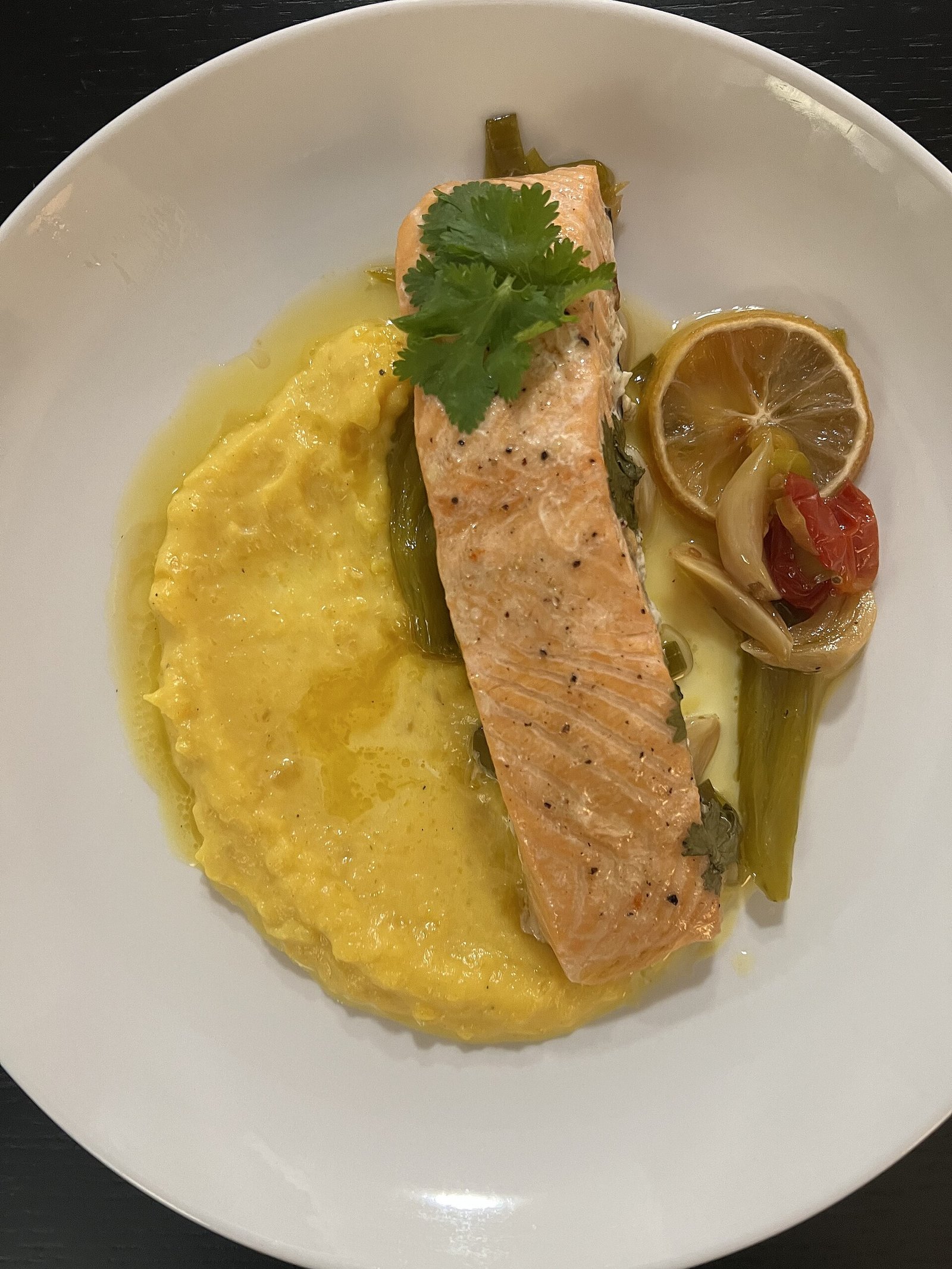
- – Dinner: baked salmon, potatoes, stewed greens.
- – Drinks: water, tea; limit sugar-sweetened beverages.
3. Pain-day menu
Soups, scrambled eggs, cottage cheese, ripe fruit, and pre-cooked grains reduce prep strain when NHS-described pain makes arm use hard. Use heat packs as NHS suggests for comfort—but keep them away from stove hazards.
4. Two-week prep rhythm
Twice weekly, batch-cook a protein (chicken thighs, lentils, baked tofu) and a grain. Freeze half. Restock frozen vegetables and yogurt so flare days still have structure.
5. Shopping list staples
Eggs, canned fish, yogurt, frozen mixed vegetables, oats, rice, olive oil, bananas, pre-cut fruit, soft tortillas.
6. Eating out while recovering
Choose dishes that do not require cutting tough steaks one-handed. Ask for food already sliced. Avoid carrying heavy trays; request help.
Extra rehab-week tactics
Plan three “anchor meals” you can assemble one-handed: yogurt bowls, canned-fish plates with microwave rice, and tofu scramble. Keep oral pain relief timing (as prescribed) separate from alcohol. If NHS-style heat packs help, schedule cooking when the shoulder feels loosest—often later in the day for some people—rather than forcing breakfast prep at peak stiffness. Revisit portions every two weeks as activity returns so you neither undereat protein nor overshoot calories.
Social eating and travel
On trips, pack protein bars your clinician accepts, single-serve nut butters, and instant oatmeal. Ask hotels for a fridge. At family meals, serve yourself protein first, then starch, then sauce—simple sequencing that supports satiety without complex rules. If lifting serving dishes hurts, ask someone else to pass food; protecting the capsule while you nourish rehab is the point.
Mindful limits without orthorexia
Frozen shoulder already constrains life; adding a punitive diet rarely helps adherence. Use a short “limit list” (sugary drinks, excess alcohol, skipping meals before physio) instead of banning entire food groups. Celebrate cooking wins that reduce pain flares, not perfect macros.
Batch-cooking rhythm that survives busy weeks
Twice a week, cook a pot of soup or stew, a tray of roasted vegetables, and a protein (beans, fish, chicken, or tofu). Portion into clear containers so you can see what you have. Keep one “emergency shelf”: canned fish, microwave rice, fruit cups, nuts, and yogurt. Rotate herbs and spices for variety without inventing medical claims. If mornings are chaotic, pre-portion overnight oats so breakfast is automatic.
Eating out without abandoning the pattern
Scan menus for grilled, baked, steamed, or braised options before fried specials. Ask for sauces on the side. Choose water or unsweetened tea most of the time. Share desserts or skip them when sugar load is a personal trigger. Bring a short note of your clinician’s limits if you have complex conditions—restaurants cannot read minds.
Label literacy in five seconds
Look first at serving size, added sugars, sodium, and saturated fat. Ingredients lists that start with sugar, hydrogenated oils, or long additive strings are usually occasional foods, not staples. Fortified foods can help close nutrient gaps when chosen deliberately—read the Daily Value panel rather than front-of-pack hype.
Habit stacking with medical appointments
Keep a one-page food-and-symptom log beside your medicine list. Update it the night before clinic visits. Ask whether a registered dietitian referral is covered. Diet changes stick better when they are written into the same plan as physiotherapy, eye drops, or antibiotics—not treated as a separate hobby.
Two-week review checkpoint
After fourteen days, keep what clearly helped energy, sleep, or comfort; drop rules that only added stress. Recheck weight trends, bowel habits, or glucose logs with your clinician’s targets in mind. Sustainable patterns beat perfect weeks.
Longer practical midsection: building a sustainable plate pattern
Make produce automatic
Keep washed greens, baby carrots, cherry tomatoes, and frozen mixed vegetables ready. Add a fist-sized produce serving to every lunch and dinner before you add seconds of starch. Fruit at breakfast and as a snack crowds out pastry grazing without a rigid ban. If chewing or prep is hard because of pain or fatigue, choose soft options: bananas, stewed apples, cooked carrots, blended soups with vegetables blended in.
Protein anchors three times daily
Eggs, yogurt, fish, poultry, tofu, tempeh, beans, and lentils keep meals satisfying. Aim for a palm-sized portion at main meals unless your clinician sets different targets for kidney disease or other conditions. Soft proteins help after dental work or when hands hurt: cottage cheese, canned salmon, scrambled eggs, hummus.
Carbohydrate quality over fear
Choose oats, brown rice, potatoes with skin, beans, and whole-grain bread more often than sugar-sweetened drinks and ultra-refined snacks. You do not need to eliminate all white rice or bread forever; pair them with protein and vegetables and watch portions if weight or triglycerides are goals.
Fats that earn their place
Cook with olive, canola, or other unsaturated oils in measured spoons. Include nuts and seeds in small handfuls. Limit deep-fried foods and large amounts of cream sauces when weight, reflux, or lipid goals matter. Read labels for partially hydrogenated oils and skip them when possible.
Flavor without chaos
Use lemon, herbs, garlic, ginger, vinegar, and spices to keep low-sodium or lower-fat cooking interesting. If spicy foods trigger reflux, rosacea flushing, or dyspepsia for you personally, keep a short trigger list instead of banning every spice globally.
Beverage strategy
Make water the default. Keep a bottle at your desk. Swap one sugary drink per day for sparkling water with citrus if that is a realistic step. Move caffeine earlier if sleep suffers. Keep alcohol within clinician limits—or zero when pancreatitis, high triglycerides, or pregnancy make that the safer plan.
Prep once, eat twice
Sunday or midweek, roast a tray of vegetables, cook a grain, and prepare a protein. Label containers with dates. Freeze soup in single portions. A visible fridge plan beats willpower at 8 p.m.
When symptoms flare
Use a simplified menu: soup, yogurt, eggs, ripe fruit, toast, and tea as tolerated. Resume the fuller pattern as symptoms ease. Contact your clinician if flares include red-flag symptoms listed in the safety section of this article.
Tracking without obsession
A three-column note—meal, portion, symptom—for two weeks teaches more than a month of guilt. Share it with your clinician or dietitian. Adjust one variable at a time (for example, late caffeine or fried lunches) so you know what mattered.
Safety and when to get help
NHS: see a GP if pain does not improve, night pain is severe, or home care is not working; seek urgent care for sudden inability to move the arm after injury. Do not force painful ranges against physio advice while “eating anti-inflammatory.” Diabetes, thyroid disease, and post-surgical stiffness need condition-specific plans. Discuss supplements with a clinician; none are NHS-listed cures for frozen shoulder.
FAQ
Will diet unfreeze my shoulder? No. NHS care centers on pain relief and exercises over months to years.
Do I need a special frozen-shoulder diet? No special elimination diet is required by NHS public guidance. Focus on protein, energy for rehab, and overall healthy patterns.
Can I use meal replacement shakes? Only if they fit your calorie and protein needs and your clinician agrees—whole-food patterns are usually enough.
What if cooking worsens pain? Simplify prep, use household help, and choose ready-to-eat nutritious options temporarily while you continue prescribed exercises.
How this differs from related OTCFood topics
This page is about adhesive capsulitis rehab nutrition. For other soft-tissue patterns see tennis elbow diet guide and plantar fasciitis diet guide. For inflammatory joint disease patterns see rheumatoid arthritis diet guide.
Medical disclaimer
Medical disclaimer: This article is for general education only and is not medical advice, diagnosis, or a treatment plan. Frozen shoulder management depends on stage, diabetes status, and clinical findings. Talk with your doctor or physiotherapist before major diet changes, and seek care for severe or sudden shoulder disability.