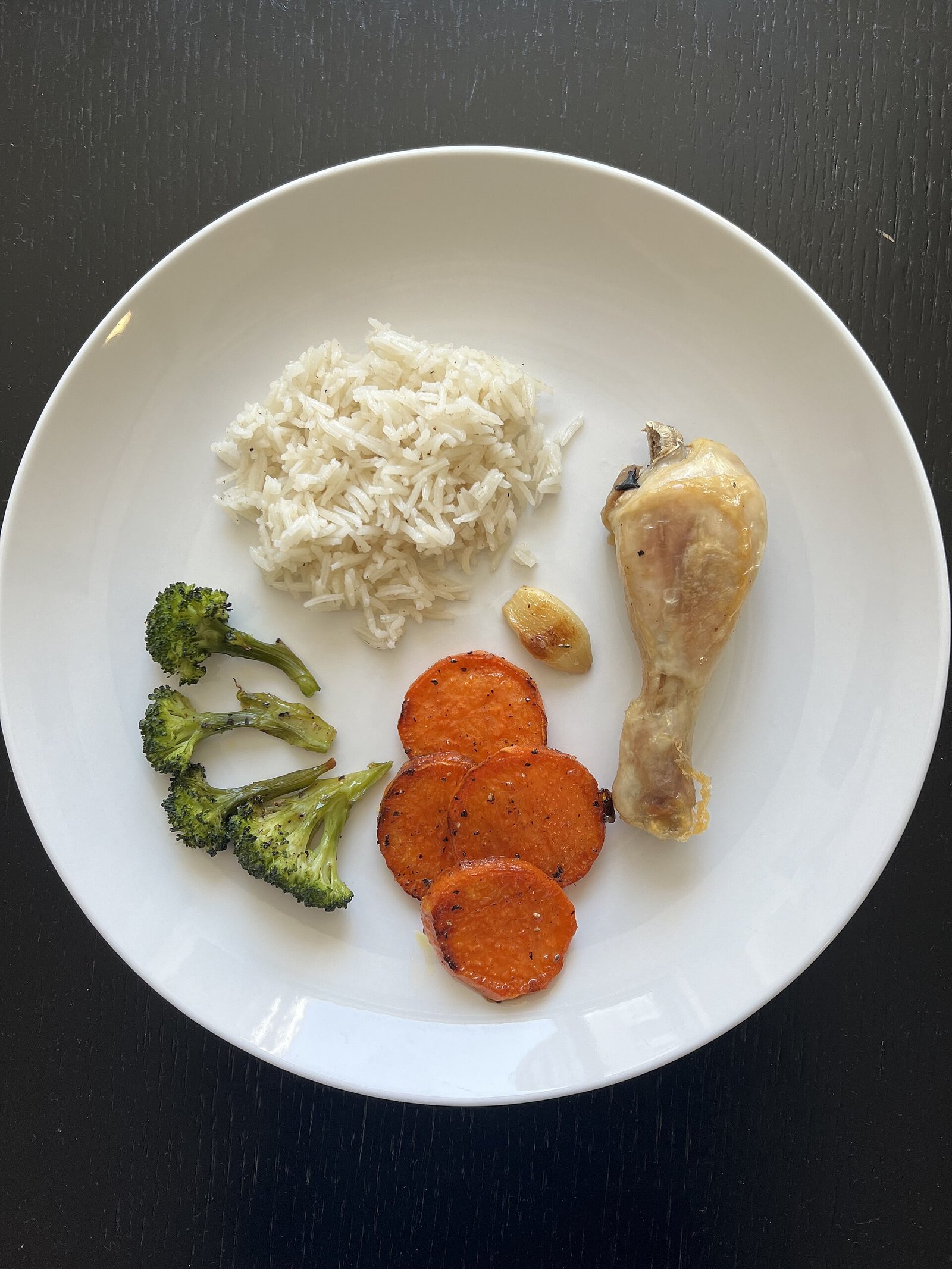
Dumping Syndrome Diet: Foods That May Help and Foods to Limit
Medical note: This article discusses foods and researched botanicals. It does not claim to prevent, treat, or cure disease. Supplements are not a substitute for food, and studied amounts are not personal prescriptions.
For dumping syndrome, NIDDK says the first step is changing how and what you eat, and that many people with mild symptoms improve over time with simple diet changes. Classic tactics include six small meals, waiting at least 30 minutes after meals to drink, lying down for 30 minutes after eating if advised, choosing more protein, fiber, and fat, favoring complex carbohydrates over sugary foods, and sometimes avoiding milk products. These steps manage symptoms; they are not a cure for the underlying surgery- or motility-related cause. Work with your surgeon or gastroenterology dietitian before extreme restriction.
What this dumping syndrome diet guide covers (and what it does not)
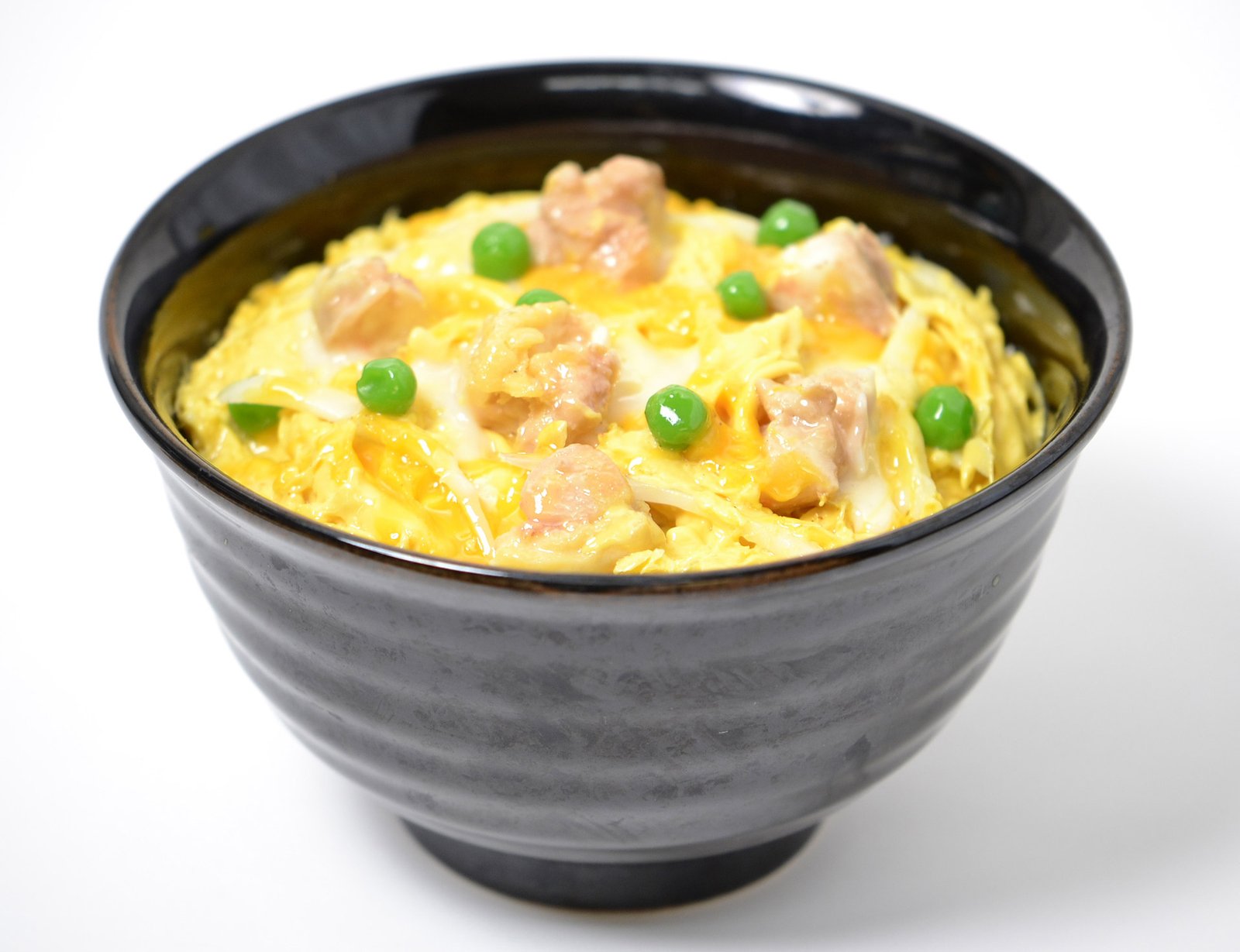
This guide is for adults with clinician-diagnosed dumping syndrome—often after stomach surgery—who need a clear kitchen playbook. It covers meal timing, macros, liquids, and label reading for added sugars. It does not cover surgical revision decisions or prescription medicines used when diet fails.
Anchors: NIDDK — Eating, Diet, & Nutrition for Dumping Syndrome, NIDDK — Dumping Syndrome.
Evidence snapshot: dumping syndrome diet claims vs public sources
| Claim people hope for | What public sources actually say | Confidence |
|---|---|---|
| “Diet is first-line” | NIDDK: first step is changing how/what you eat; many mild cases improve with diet | Strong |
| “Six small meals help” | NIDDK lists eating six small meals instead of three larger ones | Strong (guideline-level advice) |
| “Drink with meals for hydration” | NIDDK: wait at least 30 minutes after a meal to drink liquids | Strong |
| “All carbs are forbidden” | NIDDK: eat fewer carbs overall and choose complex carbs over simple sugars | Moderate nuance |
| “Add fiber thickeners” | NIDDK: pectin or guar gum may be added as thickening agents per clinician advice | Moderate |
Foods and patterns that may help
How you eat (NIDDK)
- – Six small meals daily instead of three large ones
- – Wait ≥30 minutes after eating before drinking liquids
- – Lie down for 30 minutes after meals if your doctor recommends it
What you eat (NIDDK)
- – More protein: eggs, fish, poultry, tofu, meat as tolerated, Greek yogurt if milk is allowed for you
- – More fiber: vegetables, fruits with skin as tolerated, oats, legumes if they do not trigger you
- – More fat relative to a very high-sugar plate—added thoughtfully for calories and slower emptying, as advised
- – Complex carbohydrates: whole grains, fruits, vegetables rather than candy, cookies, sugary drinks, and foods with added sugar
- – Pectin or guar gum only if your clinician or dietitian teaches you how to use them as thickeners
Protein-forward plate template
Half the small plate protein + soft vegetables, with a measured starch. Example: scrambled eggs with spinach and a few oat crackers—not a large sweet cereal bowl with juice.
Foods and drinks that often worsen dumping
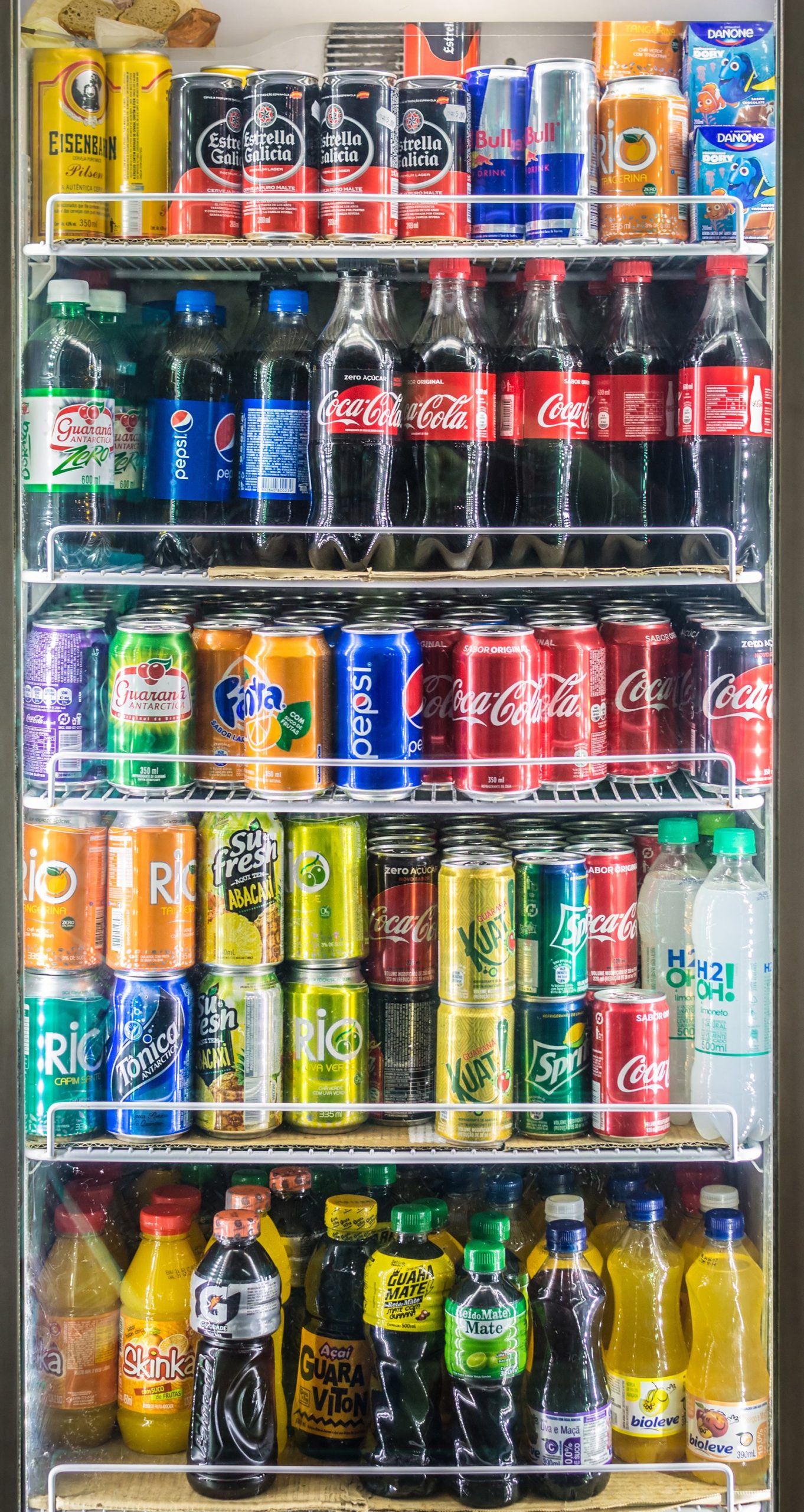
- – Sugary drinks, sodas, sweet tea, juice cocktails, specialty coffee drinks with syrup
- – Candy, cookies, cakes, pastries, sweetened yogurts with high sugar
- – Large liquid meals (big smoothies or shakes) taken quickly—especially if dairy is a problem
- – Milk and milk products if your clinician asks you to avoid them for dumping (NIDDK lists this)
- – Oversized restaurant entrees eaten in one sitting
- – Drinking a large glass of water with a meal if that pattern triggers you
Practical kitchen protocol: a dumping syndrome diet plan
1. Rebuild the clock
Plan six eating times: breakfast, mid-morning, lunch, mid-afternoon, dinner, evening. Set phone alarms for the first two weeks.
2. Separate food and fluid
Keep a water bottle for the gaps between meals. Sip starting 30 minutes after you finish eating. If you take medicines that require water, ask your pharmacist how to square that with dumping rules.
3. Label mission: find added sugar
Scan cereals, sauces, flavored yogurts, and “protein” bars. Choose unsweetened or lower-sugar versions.
4. Sample day (illustrative)
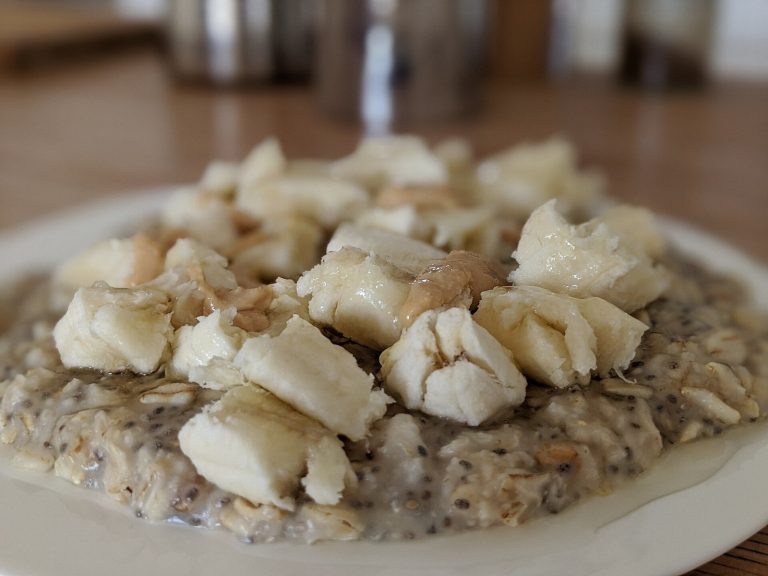
- – Breakfast: eggs and oatmeal (modest portion); wait to drink
- – Snack: cheese and apple slices or peanut butter on whole-grain crackers
- – Lunch: grilled chicken, quinoa, cooked carrots
- – Snack: Greek yogurt if allowed, or tofu bites; handful of nuts
- – Dinner: baked fish, sweet potato, green beans
- – Evening: turkey roll-ups or cottage cheese if tolerated
- – Liquids in the between-meal windows
5. Thickening agents
If pectin or guar gum is recommended, get brand and dose instructions from a dietitian—do not dump powder into every meal without guidance.
6. Restaurant tactics
Order an appetizer + side instead of an entrée; avoid bottomless soda; request sauces on the side; box leftovers immediately; schedule a short sit or recline in the car if your clinician endorsed post-meal lying down (safety first if you drive—someone else should drive if you must recline).
7. Track early vs late dumping symptoms
Note timing of dizziness, cramps, diarrhea, or sleepiness after sweets. Bring the log to your clinician if diet changes are not enough.
Safety, interactions, and when to get help
- – Persistent weight loss, fainting, repeated hypoglycemia-like symptoms, or inability to keep food down needs medical review.
- – People with diabetes need coordinated advice—carb reduction must align with medicines.
- – Lying down after meals is per clinician advice; do not block breathing or aspirate if you have reflux—individualize.
- – Avoid extreme very-low-calorie approaches that worsen malnutrition after surgery.
Weekly prep for six small meals without chaos
Use a muffin tin or small containers labeled 1–6. Batch grill chicken, hard-boil eggs, portion nuts, and cut vegetables on a calm day. Sweeten less: keep dessert-type foods out of the house for the first weeks while you retrain away from sugary drinks. Practice the 30-minute fluid delay at home before trying restaurants. If milk worsens symptoms, trial lactose-free alternatives only with your dietitian’s OK so protein intake does not collapse. Bring your food-symptom log to surgical follow-up visits; medicine options exist when diet is not enough, and your team needs accurate notes.
Early dumping vs late dumping at the table
Early symptoms may show up during or soon after a meal with cramps, diarrhea, or lightheadedness; later symptoms can look more like a sugar crash. Your log should capture the clock time after the first bite. That detail helps dietitians decide whether tightening sweets, adjusting fats/proteins, or changing liquid timing should be the next experiment—rather than cutting every carbohydrate indiscriminately.
Sample shopping list for dumping-friendly kitchens
Eggs, chicken, tofu, peanut butter, oats, brown rice, nonstarchy vegetables, berries, cheese if allowed, and unsweetened yogurt alternatives if milk is restricted. Leave soda, juice cocktails, cookies, and sweetened coffee syrups off the list for the reset period. Buy small containers so six meals feel intentional rather than like leftover scraps.
FAQ
What is the first treatment for dumping syndrome? NIDDK: changing how and what you eat; many mild cases improve with diet over time.
Can I drink water with meals? NIDDK advises waiting at least 30 minutes after a meal before drinking liquids.
Are all carbohydrates off-limits? No. NIDDK recommends fewer carbs overall and choosing complex carbs (whole grains, fruits, vegetables) rather than simple sugars.
Why avoid milk? NIDDK lists avoiding milk and milk products among possible recommendations; follow your clinician because not every patient needs lifelong dairy exclusion.
Should I lie down after every meal? NIDDK lists lying down for 30 minutes after meals as something your doctor may recommend—follow individualized advice, especially if you have reflux or dizziness.
How this differs from related OTCFood topics
Dumping rules (small meals, delay fluids, limit sweets) differ from standard reflux or ulcer advice. See GERD diet guide, peptic ulcer diet guide, and hypoglycemia diet guide if sugar drops are part of your story. After gallbladder surgery patterns differ again—see gallbladder removal diet guide if you are also navigating post-cholecystectomy eating.
Medical disclaimer
Medical disclaimer: This article is for general education only and is not medical advice. Dumping syndrome management should be supervised by your surgeon, gastroenterologist, or registered dietitian. Do not stop prescribed medicines or use thickeners incorrectly. Seek care for severe dizziness, fainting, ongoing weight loss, or signs of dehydration.