Hyperthyroidism Diet: Foods That May Help and Foods to Limit
Medical note: This article discusses foods and researched botanicals. It does not claim to prevent, treat, or cure disease. Supplements are not a substitute for food, and studied amounts are not personal prescriptions.
People searching “hyperthyroidism diet foods that help or worsen” usually want clear iodine and calorie guidance while medical therapy brings thyroid hormone levels down—not a claim that food replaces antithyroid medicines, radioiodine, or surgery. The National Institute of Diabetes and Digestive and Kidney Diseases (NIDDK) defines hyperthyroidism as an overactive thyroid that makes more thyroid hormone than the body needs, speeding many body functions. About 1 in 100 Americans ages 12 and older have it; it is more common in women and people older than 60. NHS and NIDDK stress clinician-guided care first; diet is supportive and iodine-aware.
What this hyperthyroidism diet guide covers (and what it does not)
This guide is for adults with Graves’ disease, toxic nodules, or other clinician-diagnosed hyperthyroidism who want kitchen defaults for iodine caution, weight loss rebound, bone support, and meal timing around symptoms such as heat intolerance, tremor, palpitations, and frequent bowel movements. Anchors: NIDDK — Hyperthyroidism, NHS — Overactive thyroid, MedlinePlus — Hyperthyroidism, and NIH ODS — Iodine.
NIDDK lists untreated complications including irregular heartbeat, stroke risk, heart failure, osteoporosis-related bone loss, and thyroid storm in severe cases. Sudden chest pain, fainting, severe agitation, high fever with thyroid symptoms, or pregnancy with uncontrolled hyperthyroidism needs urgent clinical care—not a seaweed cleanse or “thyroid detox.”
Evidence snapshot: hyperthyroidism diet claims vs public sources
| Claim people hope for | What public sources actually say | Confidence |
|---|---|---|
| “Cutting all iodine cures Graves’ disease” | NIDDK: large amounts of iodine (kelp, dulse, other seaweed) or iodine supplements may cause or worsen hyperthyroidism in people with Graves’ or other autoimmune thyroid disease—talk with the care team about limits; medicines/radioiodine/surgery remain main treatments | Moderate for excess iodine caution; not a food cure |
| “Kelp or iodine pills fix an overactive thyroid” | ODS: high iodine can worsen thyroid problems; iodine supplements can interact with antithyroid medicines such as methimazole | Strong: avoid self-dosing iodine |
| “You must eat a permanent low-iodine cancer-prep diet” | ODS: temporary low-iodine diets (~50 mcg/day) are used before some radioactive iodine treatments for thyroid cancer under clinical protocols—not the everyday Graves’ kitchen default | Strong: follow your endocrinology plan only |
| “Calories do not matter because hyperthyroidism burns everything” | NIDDK/NHS: weight loss is common; after treatment, weight often rebounds—steady protein and nutrient-dense meals matter | Moderate for supportive eating |
| “Food replaces beta-blockers or antithyroid drugs” | NHS/NIDDK: main treatments are medicines, radioiodine, or surgery | Strong: do not replace prescribed care |
Foods and patterns that may help with hyperthyroidism day-to-day comfort
“May help” means kitchen defaults that support energy, bones, and iodine caution while medical therapy works—not a promise to normalize TSH or free T4.
Iodine-aware shopping (NIDDK + ODS)
- – Ask your clinician which iodine limits apply to your plan. NIDDK specifically flags kelp, dulse, and other seaweeds and iodine supplements as foods/products that may worsen hyperthyroidism in Graves’ and related autoimmune thyroid disease.
- – Review cough syrups and multivitamins—NIDDK notes they may contain iodine; ODS lists kelp-based supplements as common iodine sources.
- – Do not invent a strict thyroid-cancer low-iodine diet unless your team ordered one for radioiodine therapy timing.
Nutrient density during weight loss and heat intolerance
- – Emphasize regular meals with protein (poultry, eggs, beans, tofu, dairy if tolerated), vegetables, fruit, and whole grains so unintentional weight loss does not hollow out muscle.
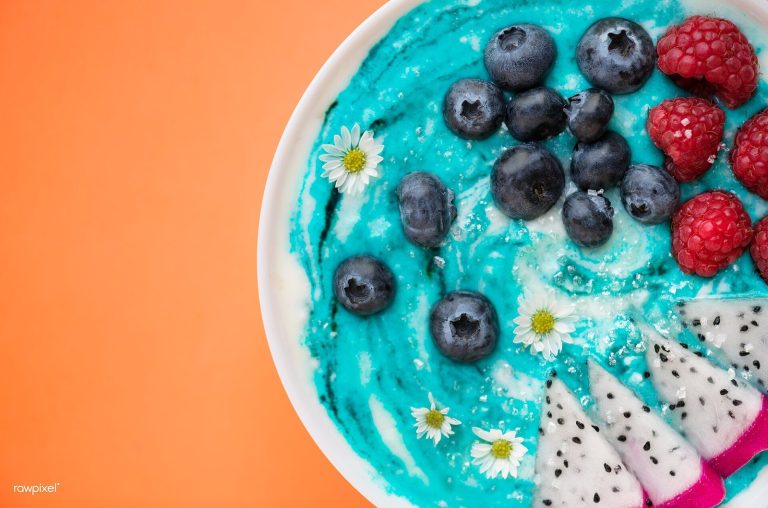
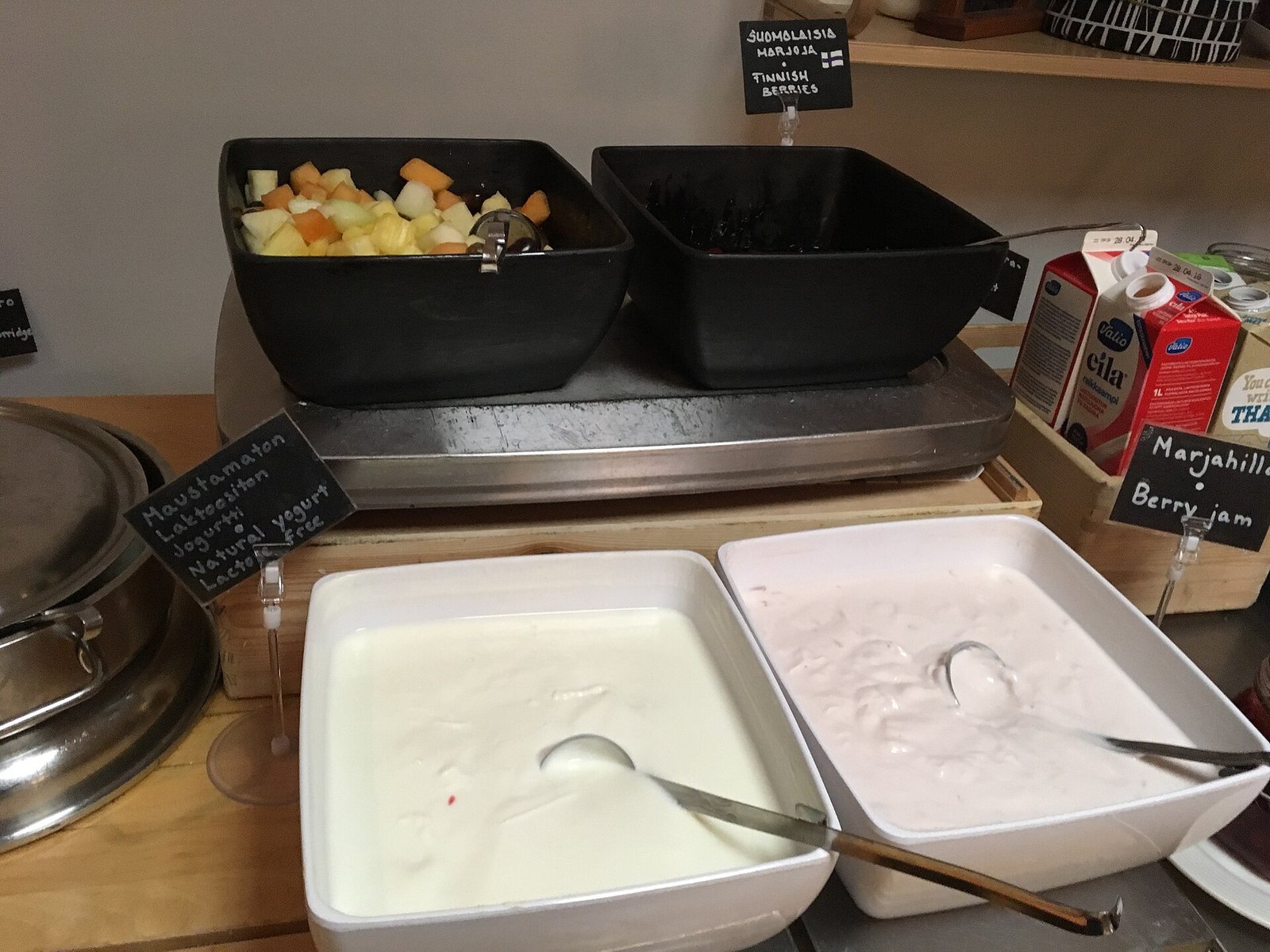
- – Prefer cool, soft, easy meals on high-heat or high-tremor days: yogurt bowls, smoothies with food (not mega-dose herbs), cold grain salads, and room-temperature leftovers.
- – Stay hydrated; frequent bowel movements and sweating increase fluid needs—water and oral rehydration guidance from your clinician if diarrhea is severe.
Bone- and heart-aware defaults
- – Hyperthyroidism raises osteoporosis risk (NIDDK). Keep calcium-rich foods (yogurt, milk, fortified plant milks, canned fish with bones, tofu set with calcium) and discuss vitamin D with your clinician (ODS food-first framing).
- – Limit excess caffeine if palpitations or sleep are worse—track personal response rather than permanent bans.
- – After radioiodine or surgery, many people develop hypothyroidism and need replacement hormone—kitchen rules may change; follow labs, not social-media “thyroid diets.”
Pregnancy and family-planning note
NIDDK: get hyperthyroidism under control before pregnancy when possible; severe untreated disease can affect mother and baby. Iodine needs in pregnancy are higher for healthy thyroid function (ODS)—never self-restrict iodine in pregnancy without endocrinology guidance.
Foods and habits that often worsen hyperthyroidism kitchen patterns
- – Seaweed snacks, kelp tablets, “thyroid support” iodine megadoses—NIDDK and ODS link excess iodine with harm in susceptible people and with antithyroid-drug interactions.
- – Ignoring prescribed antithyroid medicines, beta-blockers, or radioiodine schedules for unproven food protocols.
- – Crash “adrenal” juice fasts—worsen muscle loss and bone nutrient gaps when metabolism is already accelerated.
- – Smoking—NIDDK lists nicotine products among factors linked with higher hyperthyroidism risk; quitting supports overall care.
- – Skipping red-flag symptoms—NHS: see a GP for classic overactive-thyroid symptoms; seek urgent care for chest pain, collapse, or suspected thyroid storm features.
“Limit” means clinician-guided caps and personal trigger awareness—not that one sushi roll ruins treatment.
Practical kitchen protocol: a hyperthyroidism diet week
1. Medication-and-iodine inventory
List all supplements, greens powders, seaweed snacks, and multivitamins. Bring labels to your endocrinology or primary-care visit. Align any iodine limits with your treatment phase.
2. Build a calm shopping list
Eggs, poultry, beans, yogurt, oats, rice, leafy greens, berries, olive oil, potatoes, and non-seaweed vegetables. Skip kelp chips and iodine “boosters” unless your clinician says otherwise.
3. Default plate template
- – Half vegetables and fruit
- – Quarter starch (rice, potato, whole grains)
- – Quarter protein
- – Add a calcium source at least twice daily unless another plan is set
- – Cool fluids nearby on heat-intolerant days
4. Sample day (illustrative)
- – Breakfast: oatmeal with berries and yogurt; earlier-day tea or coffee only if palpitations stay quiet.
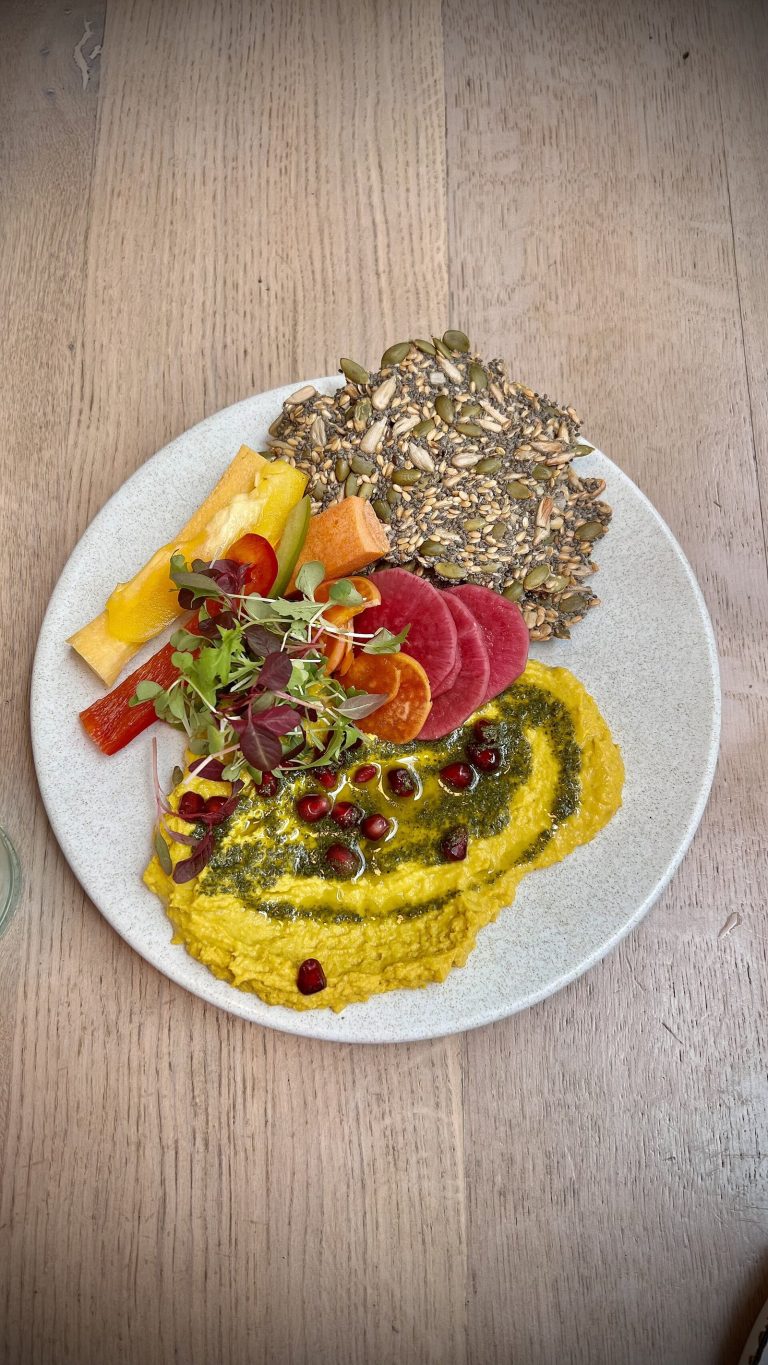
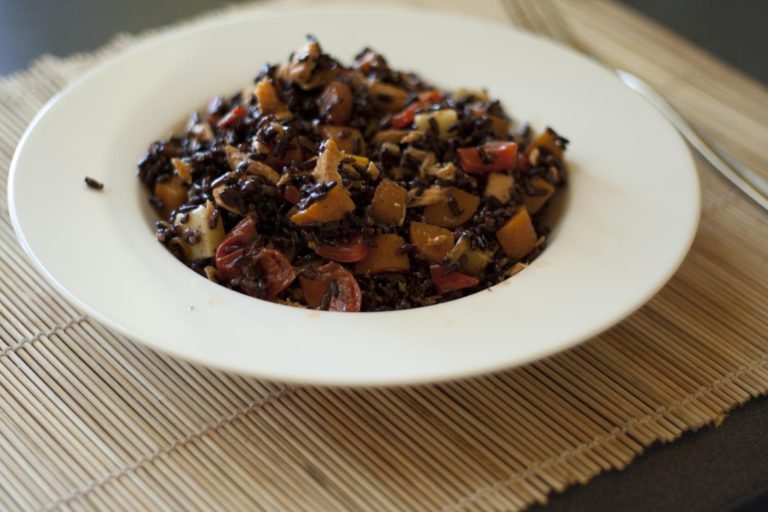
- – Lunch: chicken or tofu grain bowl with vegetables and olive oil—no seaweed salad.
- – Snack: fruit and a small handful of nuts, or yogurt.
- – Dinner: baked fish if your iodine plan allows ordinary seafood portions, or poultry/beans instead if your team has tightened iodine; vegetables and rice.
- – Wind-down: cool room, lighter evening meal if night sweats and insomnia cluster (see also sleep hygiene overlaps with related guides).
5. Eating out
Ask about seaweed garnishes and kelp broths; choose grilled proteins and vegetables; keep alcohol modest if tremor and sleep worsen.
6. After treatment starts working
Expect appetite and weight to shift as hormone levels normalize. Reassess calories with a dietitian so rebound weight gain does not swing into restrictive extremes.
Safety, interactions, and who should ask a clinician first
- – Antithyroid drugs, beta-blockers, radioiodine, and surgery decisions belong with a clinician—diet is supportive.
- – ODS: high-dose iodine with methimazole-type medicines can drive hormone levels too low; never combine without supervision.
- – Eye symptoms of Graves’ orbitopathy, irregular heartbeat, unexplained fracture risk, or pregnancy need specialty care.
- – Severe agitation, fever with thyroid symptoms, or chest pain is an emergency pathway—not a kitchen experiment.
FAQ
Can a hyperthyroidism diet reverse Graves’ disease? No. NIDDK and NHS describe medicines, radioiodine, or surgery as main options. Food patterns may help comfort and iodine caution alongside care.
Should everyone avoid iodized salt forever? Not automatically. NIDDK focuses on large iodine loads such as seaweed and supplements. Ask your team before changing table salt, especially if you later become hypothyroid or are pregnant.
Is seafood banned? Ordinary fish portions are not the same as kelp megadoses. Follow individualized iodine guidance; temporary low-iodine diets are specialty protocols (ODS).
Why am I still losing weight on a “healthy” diet? Uncontrolled hormone excess drives metabolism. Medical control plus adequate protein and calories matter more than cutting more food.
How this differs from related OTCFood topics
This page is a hyperthyroidism-bound diet guide focused on excess-iodine caution and supportive eating during medical therapy. It is not a general hypothyroidism diet guide underactive-thyroid plate map, not an osteoporosis diet guide fracture-dose guide, not an anxiety diet guide caffeine-only protocol, and not an insomnia diet guide sleep-hygiene article—though symptom overlap is common.
Medical disclaimer
Medical disclaimer: This article is for general information only. It is not medical advice, diagnosis, or a treatment plan. Hyperthyroidism care depends on cause, labs, heart rhythm, eye findings, pregnancy status, and medicines. Talk with a clinician or registered dietitian before starting, stopping, or changing any eating plan, iodine supplement, or thyroid therapy. Seek urgent care for chest pain, fainting, severe agitation with fever, or suspected thyroid storm.