Sjögren’s Syndrome Diet: Foods That May Help and Foods to Limit
Medical note: This article discusses foods and researched botanicals. It does not claim to prevent, treat, or cure disease. Supplements are not a substitute for food, and studied amounts are not personal prescriptions.
People searching “Sjögren’s syndrome diet foods that help or worsen” usually want moisture-friendly meals and fewer mouth symptoms—not a claim that food will stop autoimmune dryness. NIAMS describes Sjögren’s disease (Sjögren’s syndrome) as a chronic autoimmune disorder that attacks moisture-producing glands; main symptoms are dry eyes and dry mouth, with possible fatigue, joint pain, dry skin, reflux, and other systemic effects. NHS self-care includes drinking plenty of water, excellent dental hygiene, humidified air, and a healthy, balanced diet—in particular foods rich in omega-3 such as oily fish and walnuts—while limiting sugary, salty, and acidic foods and drinks that can bother a dry mouth. Medicines, eye/mouth care products, and rheumatology follow-up remain the medical core. Diet is supportive only.
What this Sjögren’s diet guide covers (and what it does not)
This guide is for adults with Sjögren’s (or suspected Sjögren’s), caregivers adapting textures for dry mouth, and anyone sorting “autoimmune protocol cure” myths from NIAMS/NHS guidance. Anchors: NIAMS — Sjögren’s Disease, MedlinePlus — Sjögren’s Syndrome, NHS — Sjögren’s syndrome.
Red flags / see a clinician: sudden vision changes, severe eye pain, inability to swallow liquids, high fever with swollen glands, unexplained neurologic weakness, chest pain, or rapidly worsening shortness of breath. Sjögren’s can involve organs beyond glands—new systemic symptoms need medical review, not only diet tweaks.
Evidence snapshot: Sjögren’s diet claims vs public sources
| Claim people hope for | What public sources actually say | Confidence |
|---|---|---|
| “Diet cures Sjögren’s” | NIAMS: chronic autoimmune disease; treatment aims to ease symptoms and prevent complications—not food cures | Strong against cure claims |
| “Omega-3-rich foods help” | NHS: healthy balanced diet; include omega-3-rich foods such as oily fish and walnuts | Moderate as self-care suggestion |
| “Avoid all acidic/sugary foods” | NHS: do not eat too much sugary, salty, and acidic food/drink (e.g., tomatoes, citrus, fizzy drinks)—dry mouth and dental risk | Moderate for mouth comfort/dental health |
| “Drink plenty of water” | NHS Do list: drink plenty of water; dry mouth raises cavity and thrush risk without saliva protection | Moderate-to-strong for comfort |
| “Stop all grains to reverse autoimmunity” | Not NIAMS/NHS guidance; risk of nutrient gaps | Low; unsupported as cure |
Foods and patterns that may help with Sjögren’s day-to-day comfort
“May help” means easier chewing/swallowing, better dental odds, and NHS-aligned omega-3 foods—not silencing the immune system.
Moisture-aware meal pattern
- – Soups, stews, sauces, and gravies to moisten dry foods.
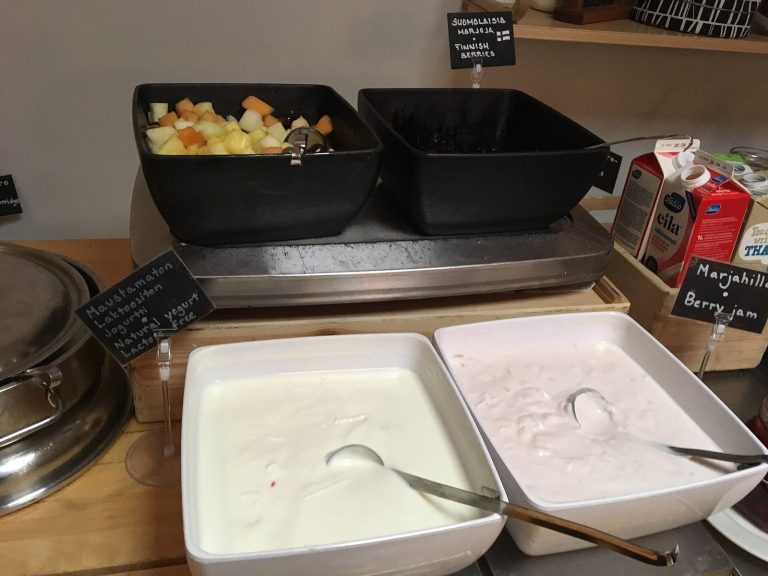
- – Soft proteins—flaked fish, scrambled eggs, yogurt, tofu, tender slow-cooked meats.
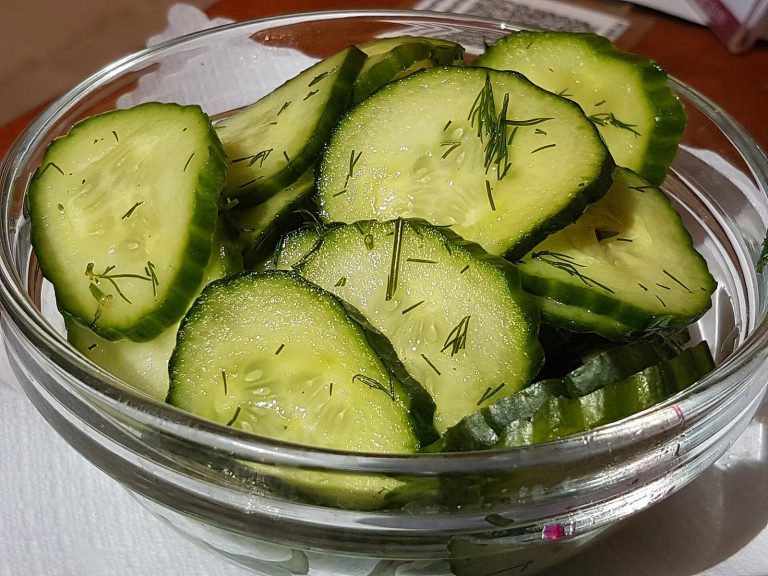
- – Cooked vegetables and ripe fruits if raw salads scrape a dry mouth.
- – Sugar-free gum (NHS) to stimulate saliva between meals when appropriate.
Omega-3 food defaults (NHS)
- – Oily fish (salmon, mackerel, sardines) a couple of times per week if tolerated.
- – Walnuts as snacks or salad toppings.
- – Discuss fish-oil supplements with a clinician—food first unless advised otherwise (ODS omega-3 sheet is general, not a Sjögren’s cure claim).
Dental-protective choices
Saliva normally protects teeth (NIAMS). Favor water over sugary drinks; limit frequent sugar sipping; use fluoride toothpaste as NHS advises; keep 6-monthly dental checks. Cheese, nuts, and crunchy vegetables (if moist enough) are often better snack patterns than sticky sweets.
Reflux-aware evenings
NIAMS lists acid reflux among possible effects. Avoid large late meals, limit alcohol, and elevate habits your clinician recommends—coordinate with GERD advice if diagnosed.
Foods and habits that often worsen Sjögren’s mouth and comfort patterns
- – Sugary, salty, and acidic foods/drinks in excess—NHS examples include tomatoes, citrus fruits, and fizzy drinks; they can sting dry tissues and harm teeth.
- – Dry crackers, toast, or tough meats without moisture—mechanical discomfort and swallowing difficulty.
- – Alcohol and smoking—NHS: do not smoke; dry, dusty, smoky environments worsen symptoms.
- – Long screen time without breaks—NHS: prolonged reading/TV/screens can worsen dry eyes (pair with moisture breaks; diet alone will not fix this).
- – Very spicy chips as “appetite stimulants”—may irritate dry mucosa.
- – Unsupervised extreme autoimmune elimination diets—can worsen fatigue and weight if intake falls.
“Limit” means frequency and preparation style—not lifelong bans of every tomato if you tolerate cooked forms with moisture and good dental care.
Practical kitchen protocol: a Sjögren’s diet week
1. Moisten every dry staple
Dip bread in soup; add olive oil or gravy to grains; choose creamy yogurt over crumbly dry snacks. Keep a water bottle at the table (NHS: drink plenty of water).
2. Omega-3 and balanced-plate shopping list
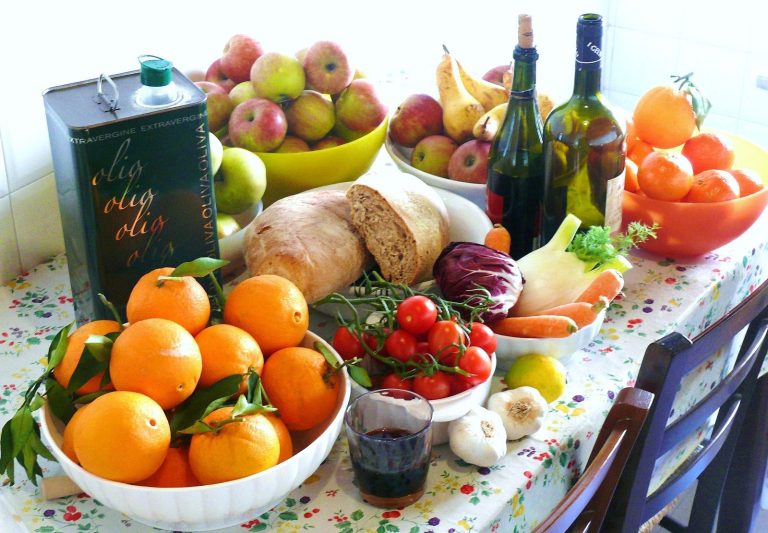
Salmon or other oily fish, walnuts, eggs, leafy greens (softened), soft fruits (banana, melon, peeled peach), oats for porridge, soups, yogurt, avocado, and olive oil. Include fluoride toothpaste and sugar-free gum on the non-food list.
3. Sample day (illustrative)
- – Breakfast: porridge with soft berries and ground walnuts; water.
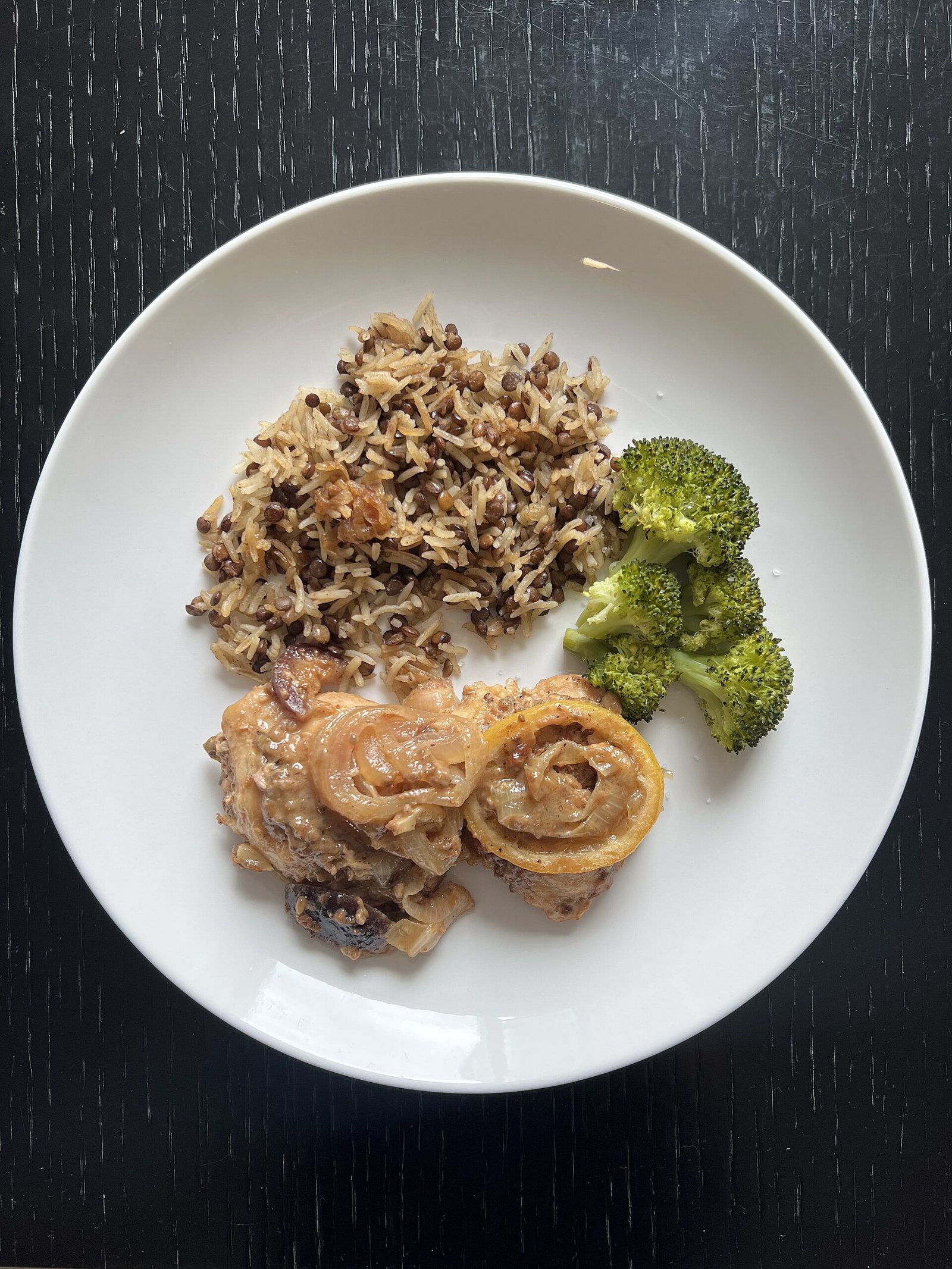
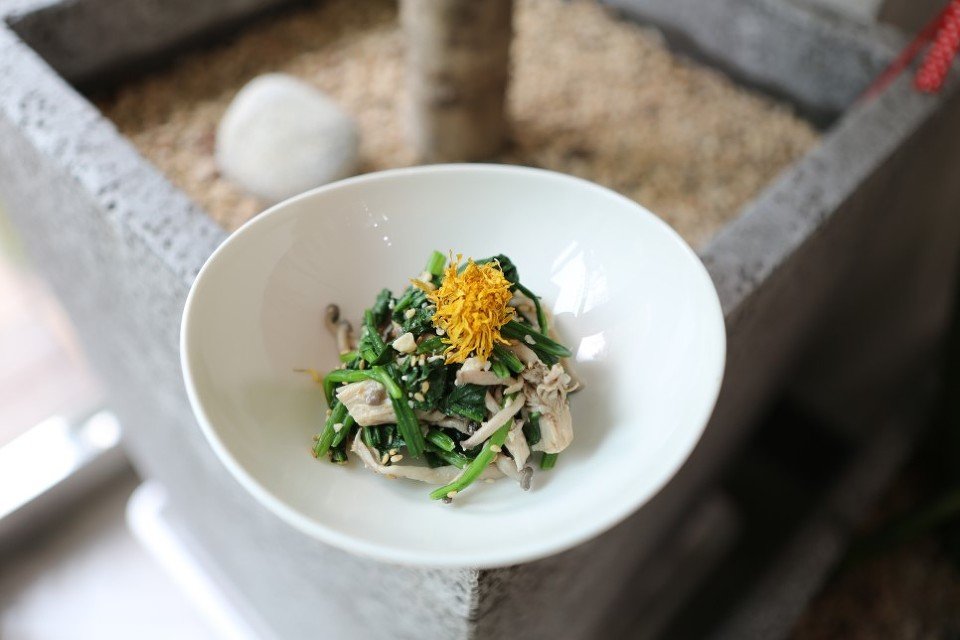
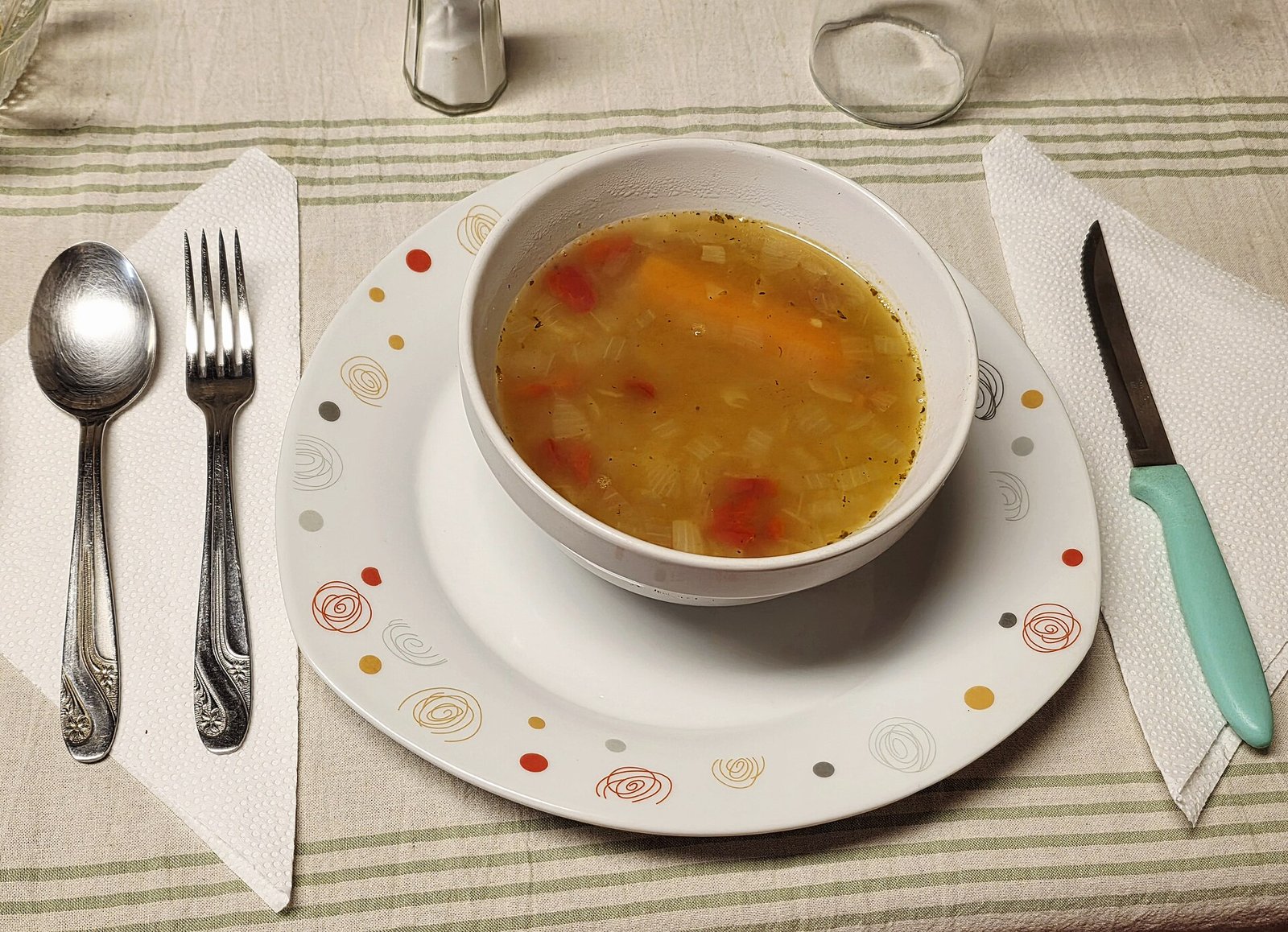
- – Lunch: chicken or vegetable soup; soft cooked broccoli and rice with sauce; spinach-walnut salad if dressed generously.
- – Snack: yogurt or banana; sugar-free gum later if helpful.
- – Dinner: baked oily fish, mashed potato, moist vegetables.
- – Evening: water; humidifier running (NHS); limit late acidic sodas.
4. Eating out
Order sauces on the side to add moisture; choose stews/fish over dry sandwiches; skip bottomless fizzy drinks; carry water and lip balm. Ask for less salt if salty foods sting.
5. Flare days (mouth ulcers, thrush risk)
NIAMS notes higher mouth infection risk (candidiasis). Stick to soft, lukewarm, non-acidic foods; contact your clinician promptly for thrush or severe oral pain—do not self-treat with random supplements.
6. Caregiver tips
Offer smaller, more frequent moist meals; avoid rushing; encourage dental visits; note unexplained weight loss for the rheumatology team.
7. Joint-pain days without junk defaults
NHS allows simple painkillers such as paracetamol for muscle and joint pain when appropriate. Pair that with anti-inflammatory-style meals (vegetables, fish, walnuts) for overall comfort—not as disease-modifying therapy. Soft textures still apply when jaw fatigue from dry mouth makes chewing steak difficult.
8. Travel and air-conditioned spaces
NHS advises against long stretches in smoky, dry, dusty, windy, air-conditioned, or heated rooms when possible. Pack sealed water bottles, sugar-free gum, moist snacks (applesauce pouches, yogurt if kept cool), and lip moisturizers. Choose stews over airplane pretzels; request water frequently on flights.
Safety, interactions, and who should ask a clinician first
- – Eye emergencies, inability to swallow, high fever, neurologic changes: urgent care.
- – Rheumatology, ophthalmology, and dental teams guide disease-modifying and local therapies—diet does not replace them.
- – Review all supplements for interactions with prescribed immune or other medicines.
- – Pregnancy, lymphoma concern, or organ involvement: specialist pathways only.
- – If you also have celiac disease or other GI diagnoses, follow those diet rules first.
FAQ
Can diet cure Sjögren’s syndrome? No. NIAMS frames Sjögren’s as a chronic autoimmune disease. NHS diet tips support comfort—especially hydration and omega-3-rich foods—alongside medical care.
Are tomatoes completely forbidden? NHS advises not eating too much acidic food such as tomatoes. Some people tolerate cooked tomato in moist dishes better than acidic juices—individualize and protect teeth.
Do I need high-dose fish oil? NHS highlights oily fish and walnuts as foods. Supplement doses belong in a clinician conversation.
Why is dental care mentioned in a diet article? Dry mouth raises cavity and infection risk (NIAMS). Sugar limits and fluoride habits are part of the same self-care package as food texture.
Will cutting gluten reverse Sjögren’s? Not supported as a general NIAMS/NHS cure strategy. Only pursue gluten-free eating if you have a diagnosed gluten-related disorder or dietitian guidance.
How this differs from related OTCFood topics
This page is a disease-bound Sjögren’s diet guide focused on dry-mouth textures, dental-safe limits, hydration, and omega-3 foods. It is not a lupus diet guide systemic lupus plate map, not a rheumatoid arthritis diet guide RA protocol, not a GERD diet guide reflux-only guide, and not an osteoporosis diet guide bone-dose article—though overlaps can occur.
Medical disclaimer
Medical disclaimer: This article is for general information only. It is not medical advice, diagnosis, or a treatment plan. Sjögren’s care depends on gland and organ involvement, medicines, and eye/dental status. Talk with a rheumatologist, dentist, ophthalmologist, and registered dietitian before starting, stopping, or changing any eating plan, supplement, or medication. Seek urgent care for sudden vision loss, inability to swallow, or severe systemic symptoms.