Parkinson’s Disease Diet: Foods That May Help and Foods to Limit
Medical note: This article discusses foods and researched botanicals. It does not claim to prevent, treat, or cure disease. Supplements are not a substitute for food, and studied amounts are not personal prescriptions.
People searching “Parkinson’s disease diet foods that help or worsen” usually want a practical plate plan that works with medication timing—not a claim that food will stop neurodegeneration. The Parkinson’s Foundation describes a balanced, whole-food pattern rich in vegetables, fruits, whole grains, protein, and healthy fats that may help ease day-to-day symptoms, support medication use, manage constipation, and protect bone health. NINDS (NIH) and NHS state clearly there is no cure for Parkinson’s disease; medicines, supportive therapies, and sometimes surgery are the medical core. Food choices support living with PD; they do not replace levodopa or other prescribed care.
What this Parkinson’s diet guide covers (and what it does not)
This guide is for adults with Parkinson’s disease (or suspected PD), caregivers planning meals, and anyone sorting protein–medication timing myths. Anchors: NINDS — Parkinson’s Disease, Parkinson’s Foundation — Diet & Nutrition, and NHS — Parkinson’s disease treatment.
NINDS notes that later-stage PD can involve swallowing and chewing problems, constipation, fatigue, and unintended weight loss. Sudden choking with meals, inability to take medicines by mouth, severe dehydration, or rapid weight loss needs medical and speech-therapy evaluation—not a new “brain food” smoothie.
Evidence snapshot: Parkinson’s diet claims vs public sources
| Claim people hope for | What public sources actually say | Confidence |
|---|---|---|
| “A special PD diet slows the disease” | Parkinson’s Foundation: targeted nutrition may support symptoms and daily function; there is no prescription for a PD-specific diet—emphasize whole grains, vegetables, fruits, and protein-rich foods | Low-to-moderate for general pattern; not disease-modifying proof |
| “Protein ruins levodopa” | Parkinson’s Foundation: for some people, a protein-rich meal close to certain PD medicines may interfere with drug absorption | Moderate as an individual timing issue |
| “More fiber fixes PD constipation” | NHS: increasing fibre and fluids can help constipation in PD; Parkinson’s Foundation recommends fiber-rich foods and 6–8 glasses of water daily | Moderate for constipation support |
| “Vitamin D pills protect PD bones” | Parkinson’s Foundation: ask a doctor about vitamin D for bone health; found in fortified milk, egg yolks, fatty fish | Moderate that adequacy matters; dose is clinical |
| “Herbal cures replace PD medicines” | NHS: complementary products should not replace prescribed medicines; some herbs (e.g., St John’s wort) can interact unpredictably | Strong warning against replacement |
Foods and patterns that may help with Parkinson’s day-to-day function
“May help” means kitchen defaults that support energy, digestion, bones, and medication routines—not a promise to reverse tremor or stiffness.
Whole-food, plant-forward plate (Parkinson’s Foundation)
- – Vegetables and fruits—especially brightly colored and dark produce for antioxidants and fiber.
- – Whole grains (breads with ≥3 g fiber per slice, brown rice, oats) for complex carbohydrates and regularity.
- – Protein foods—fish, eggs, dairy, beans, nuts—distributed across the day unless your clinician sets a different schedule around medicines.
- – Healthy fats—nuts, nut butters, avocado, olive oil—in place of heavy saturated-fat cooking.
- – Beans and berries as regular snacks for fiber and polyphenols.
Constipation and hydration support (NHS + Parkinson’s Foundation)
- – Fiber from fruit, beans, and whole grains plus enough fluid (Foundation suggests about 6–8 glasses of water daily).
- – High-water foods such as celery, butternut squash, grapefruit, strawberries, and watermelon to support hydration when drinking is hard.
- – Take medicines with a full glass of water when appropriate—Foundation notes this may help the body break down medication more efficiently.
Bone and heart-aware defaults
- – Vitamin D–containing foods (fortified milk products, egg yolks, fatty fish such as salmon) and a clinician-guided vitamin D check.
- – A pattern low in saturated fat and cholesterol to reduce heart-attack risk alongside PD care.
- – Small quantities of walnuts, cashews, and other nuts as snack defaults.
Swallowing-friendly adaptations
NHS and NINDS flag dysphagia as common. Softened textures, speech-language therapy exercises, and assistive tools matter more than “power foods.” The Parkinson’s Foundation suggests easy-to-swallow choices, rubber mats under dishes for tremor, and working with therapists when chewing or choking is an issue.
Foods and habits that often worsen Parkinson’s meal patterns
- – Very protein-heavy meals right next to certain PD medicines—if your team has identified absorption interference, rearrange protein rather than cutting it out entirely (Parkinson’s Foundation).
- – Low-fiber, low-fluid eating—worsens constipation that NHS lists as a diet-responsive PD symptom.
- – High sugar, excess alcohol, and late caffeine—Foundation links these with poor nutrient density and sleep disruption.
- – Fad “PD diets” that drop entire food groups—Foundation advises eating from all food groups and avoiding fad plans.
- – Ignoring unintended weight loss—reduced intake from nausea, early fullness, tremor, or swallowing difficulty needs clinical review, not further restriction.
- – Stopping prescribed PD medicines for herbal products—NHS warns complementary therapies must not replace medicines and some interact.
“Limit” means reduce frequency, retimed portions, or clinician-guided caps—not that one meal ruins PD care.
Practical kitchen protocol: a Parkinson’s diet week
1. Map medication timing before redesigning protein
For three days, note when you take levodopa (or other protein-sensitive medicines) and when protein-rich meals land. If “off” periods cluster after large meat or dairy meals, ask your neurologist or dietitian about protein redistribution—many people keep total daily protein but move larger servings away from peak dose times.
2. Build a fiber-and-fluid constipation stack
- – Breakfast: oatmeal or whole-grain toast (≥3 g fiber/slice) with fruit.
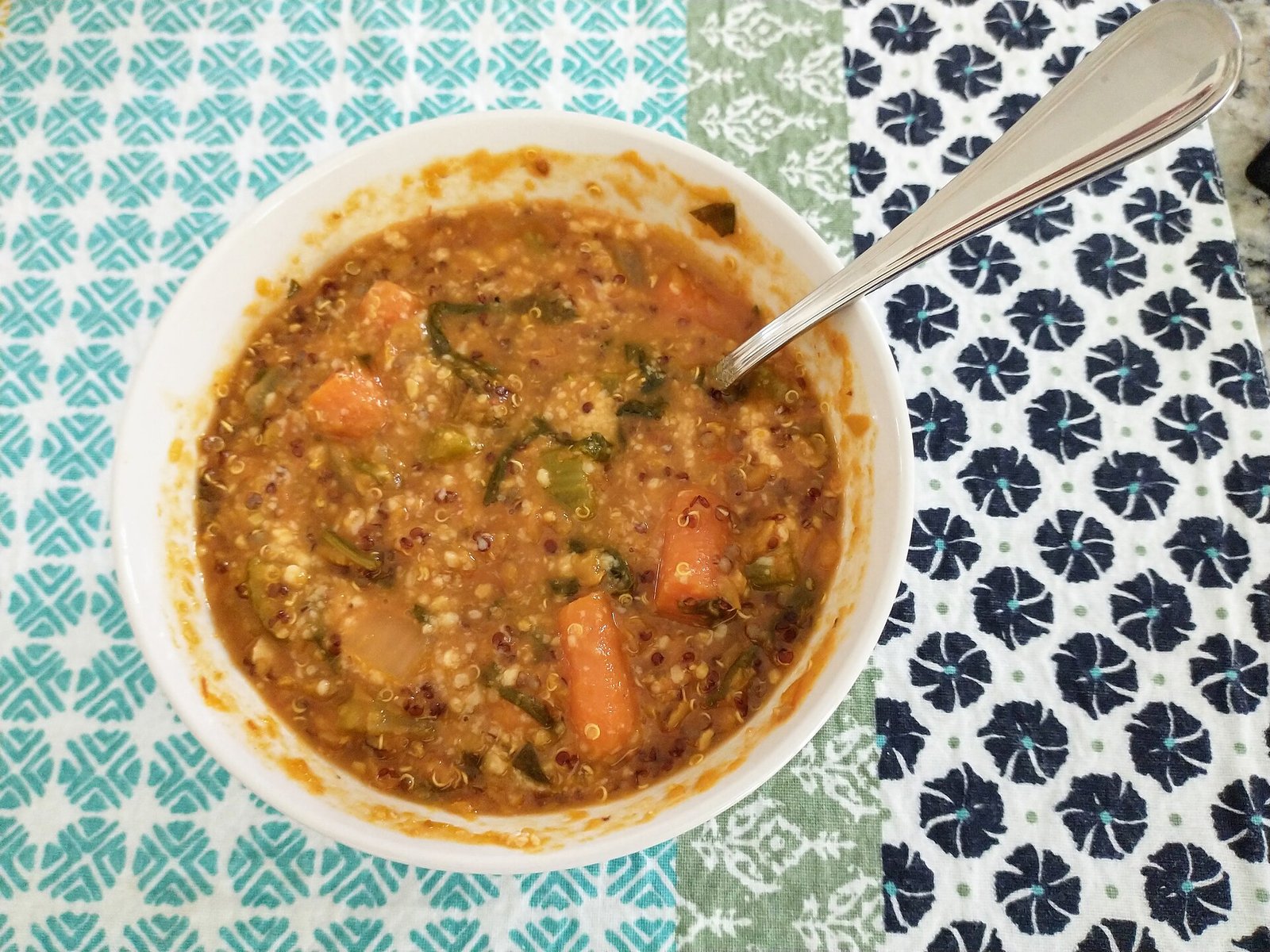
- – Lunch: bean or lentil soup plus vegetables.
- – Dinner: brown rice or quinoa with vegetables and a palm-sized protein.
- – Sip water across the day; add high-water fruit if plain water is hard.
Increase fiber gradually (about 2–3 g/day steps if gas flares) so you do not worsen bloating.
3. Protect calories if weight is falling
Add nut butters, avocado, olive oil, full-fat yogurt (if tolerated), and smaller, more frequent meals. Foundation suggests bitter greens or spicy foods to stimulate appetite and exercise (as approved) to increase hunger. Soft textures help when chewing is slow.
4. Shopping list default
Oats, brown rice, whole-grain bread, berries, leafy greens, beans, salmon or other fatty fish, eggs, yogurt or fortified milk, walnuts, olive oil, avocado, celery, watermelon or strawberries, and lemon for flavor without heavy sauces.
5. Sample day (illustrative; adjust around medicines)
- – Breakfast (timing set with clinician): oatmeal with berries and a spoon of nut butter; water with morning dose if instructed.
- – Mid-morning: yogurt or fruit if protein is deferred.
- – Lunch: lentil–vegetable stew; olive-oil drizzle.
- – Snack: handful of walnuts and strawberries.
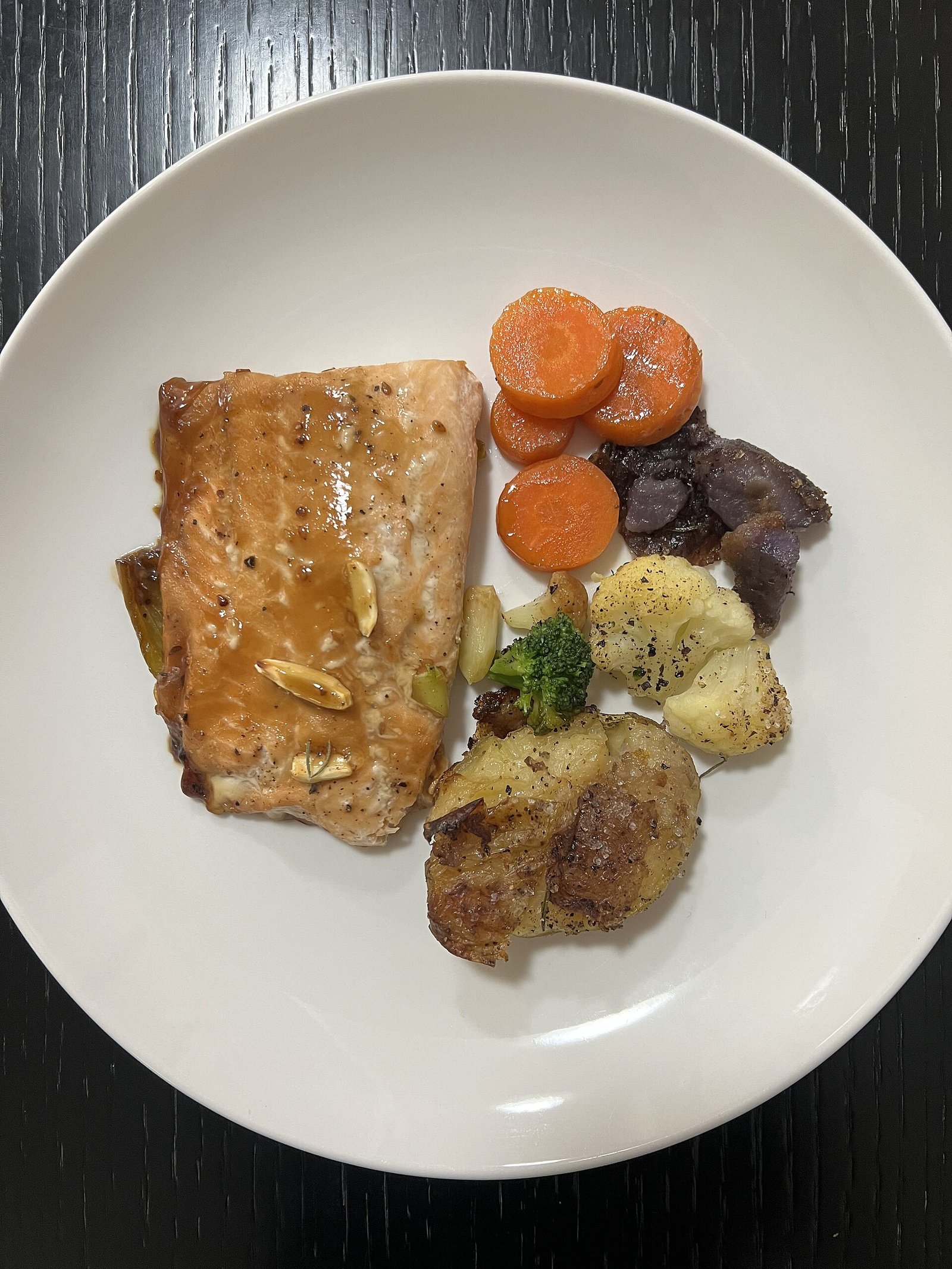
- – Dinner: baked salmon, soft-cooked vegetables, quinoa; larger protein portion here if morning doses need lighter protein.
6. Eating out and travel
Order grilled fish or soft proteins, vegetable sides, and water; ask for sauces on the side. Pack familiar snacks and your usual medicine schedule. Limit alcohol and late caffeine that disrupt sleep.
7. When swallowing worsens
Switch to softer, moist foods; sit upright; take smaller bites; involve speech therapy early. NHS notes thickened or softened diets and, in severe cases, feeding-tube decisions belong with the care team.
Safety, interactions, and who should ask a clinician first
- – Protein timing with levodopa is individual—do not slash protein without dietitian guidance; NINDS emphasizes medicines remain central.
- – NHS: herbal products such as St John’s wort can interact with PD medicines—disclose every supplement.
- – Vitamin D, calcium, and bone density: discuss before high-dose supplements, especially with kidney disease or stones.
- – Choking, recurrent chest infections after meals, inability to swallow pills, fainting on standing (some people need salt/fluid advice from NHS for low blood pressure), or rapid weight loss: seek prompt care.
- – Deep brain stimulation, pump therapies, or advanced dysphagia change nutrition priorities—follow the specialist team.
FAQ
Can a Parkinson’s diet reverse the disease? No. NINDS and NHS state there is no cure. Diet may help with constipation, energy, medication timing, and general health alongside medicines and therapies.
Should I avoid all protein if I take levodopa? Usually not. Parkinson’s Foundation says protein may interfere for some people when timed close to certain medicines. Total daily protein still matters for muscle and healing—ask about redistributing, not eliminating, protein.
What helps Parkinson’s constipation? NHS recommends more fibre and enough fluid; a dietitian can tailor the plan. Sudden severe constipation with vomiting or inability to pass gas needs urgent care.
Do I need a special “Parkinson’s superfood” list? No. Foundation guidance favors a varied whole-food pattern (vegetables, fruits, whole grains, protein, healthy fats) over fad lists.
How this differs from related OTCFood topics
This page is a disease-bound Parkinson’s diet guide focused on medication timing, constipation, swallowing, and bone-aware eating. It is not a general constipation diet guide fiber protocol, not an osteoporosis diet guide calcium-dose guide, not a depression diet guide mental-health plate map, and not a insomnia diet guide sleep-caffeine guide—though PD often overlaps those kitchen problems.
Medical disclaimer
Medical disclaimer: This article is for general information only. It is not medical advice, diagnosis, or a treatment plan. Parkinson’s care depends on your stage, medicines, swallowing safety, and comorbidities. Talk with a neurologist, registered dietitian, and speech-language therapist before starting, stopping, or changing any eating plan, supplement, or medication. Seek urgent care for choking, inability to swallow medicines, severe dehydration, or sudden neurologic change.